
-

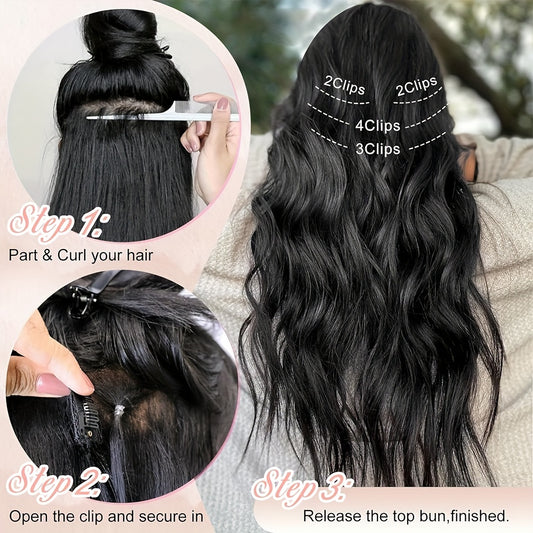
4pcs Thick Clip In Long Wavy Synthetic Hair Extensions
Regular price From $114.84 USDRegular priceUnit price per$14.84 USDSale price From $114.84 USD -

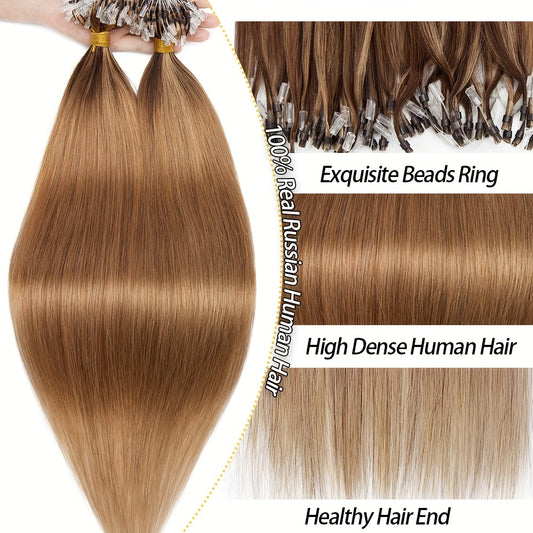
50G/Pack THICK Micro Ring Loop 100% Human Hair Extensions
Regular price $179.00 USDSale price $179.00 USDUnit price per -

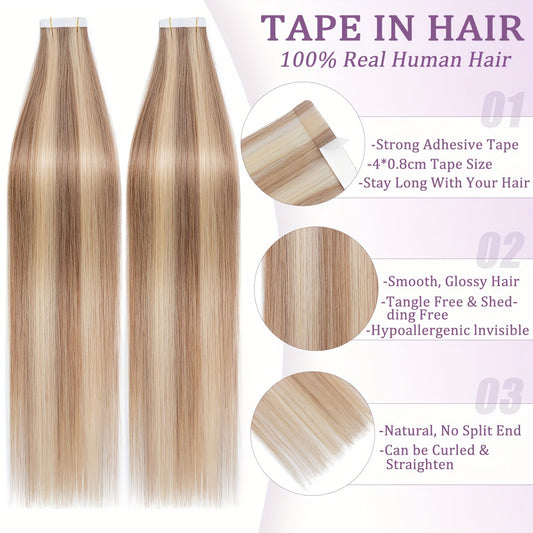
16-22 In Invisible Tape In on Light Beige Weft Human Hair Extensions
Regular price From $128.11 USDRegular priceUnit price per$28.11 USDSale price From $128.11 USD -
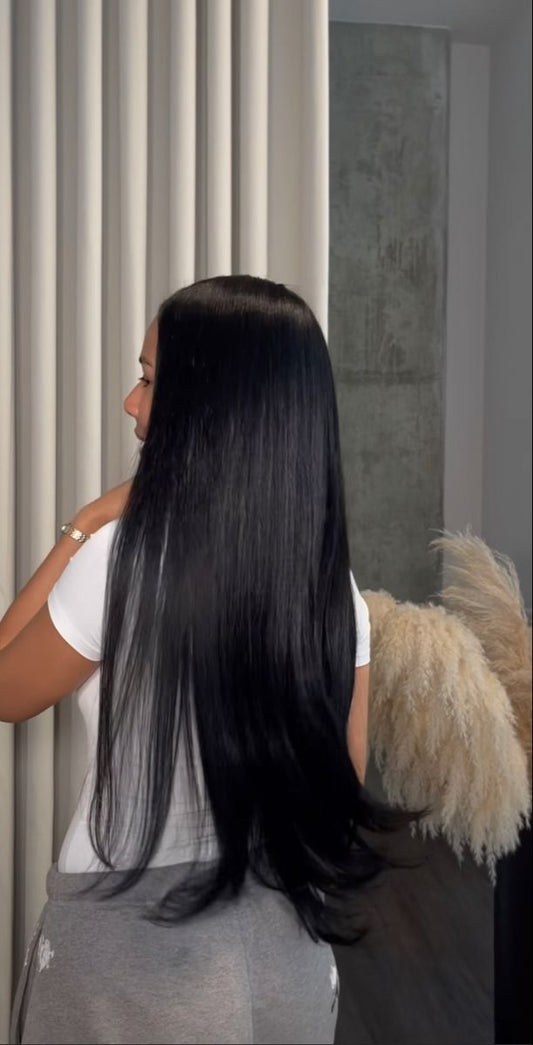
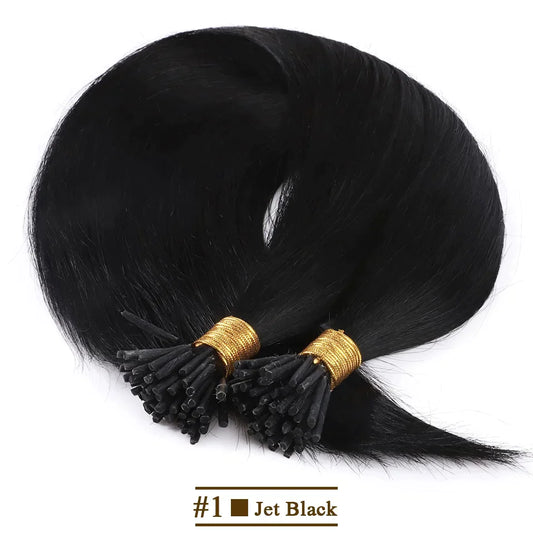
Jet Black Human Hair Micro Ring Hair Extensions
Regular price $367.99 USDRegular priceUnit price per -
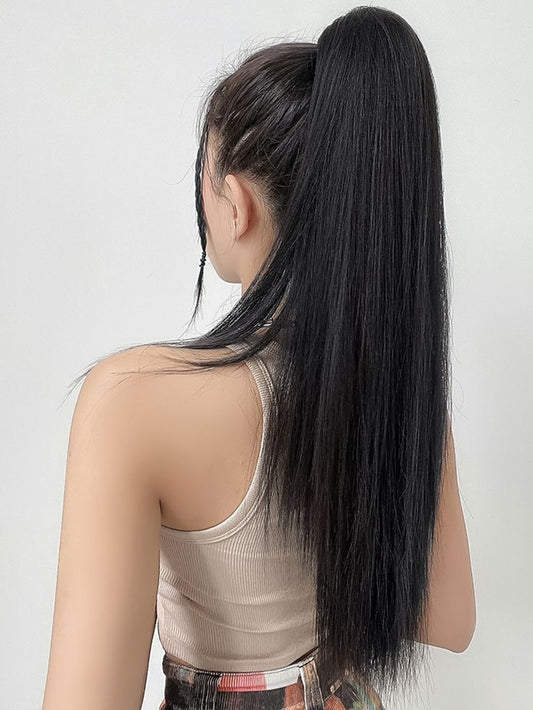
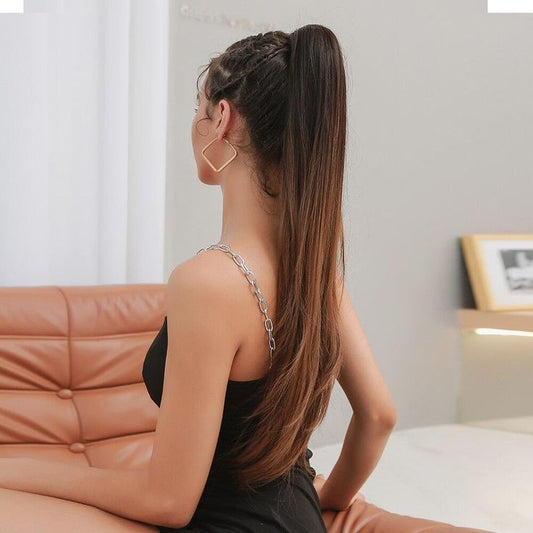
Human Hair Natural Blonde Clip In Extensions
Regular price From $346.99 USDRegular priceUnit price per


About Jet Black Hair Extensions
Jet black is the deepest value on the hair shade scale. It reflects as a smooth field rather than a sparkle, leaning neutral to slightly cool. Because the color is very dark, any uneven join, thin hem, or misaligned seam shows clearly, so small engineering choices decide realism.
Users and scenarios
The shade suits people who want a crisp outline, minimal daily color work, and strong contrast next to neutral wardrobes. It frames minimalist makeup, supports sharp tailoring, and protects natural dark hair when extensions take most of the heat and handling load.
Extension formats overview
Clip in sets excel at quick changes and flexible density. Tape in panels lie flat and spread weight for longer wear cycles. Wefts support sew in and beaded row methods that a stylist can shape into structured silhouettes. Seamless clip ins hide the top edge under fine hair. One piece volumizers add crown fullness when time is tight.
Hair quality and fiber behavior
Aligned cuticles in human hair reduce scatter and keep black surfaces even under LEDs. High grade Remy hair tolerates low to medium heat, accepts careful trimming at the hem, and holds a set after a full cool. Mixed fibers can read too glossy or too dull depending on room lights.
Finish target
Aim for satin, not glass. A measured sheen reads expensive; glare looks artificial and matte looks dusty. The sequence that works is one slow pass at low heat, a complete cool with zero touching, then a single light brush to merge strands into a calm sheet.
Fabulive lists jet black extension lengths, grams, and formats in clear numbers so planning is simple.
Length by landmarks
Pick inches by where the line lands: fourteen touches the collar, sixteen hits upper shoulder, eighteen meets mid shoulder, twenty crosses upper back, twenty two rests at mid back, twenty four approaches lower back, and twenty six signals runway long. Curves shorten the read; straight length reads longest.
Density and balance
Weight concentrates at attachment points and becomes leverage at the neck. Light daily wear lives near ninety to one hundred twenty grams for many users. Everyday fullness often sits between one hundred twenty and one hundred fifty grams. Event builds can reach one hundred sixty to two hundred grams if the base is compact and comfortable.
Undertone and environment
Neutral blacks stay steady in mixed rooms. Cool leaning blacks look crisp near white walls and stainless finishes. Warm interiors can push neutrals toward brown in photos, while blue LED strips make cool blacks icy. Verify tone near a window, then confirm in the room where you work or film.
Texture and pattern choices
Straight jet black reads architectural and demands clean ends with a micro bevel. Body wave hides tiny line mismatches and moves well on camera. Loose curl builds volume without heavy grams and softens jawlines. Coily textures look authentic when coil size mirrors your pattern and rows protect edge health.
Seam lines and coverage
Black emphasizes gaps. Stagger clip widths so their tops do not stack. Place tape panels with even spacing and avoid clear tabs that flash. Set weft tension consistently and fold ends neatly so the row edge lies flat. Quiet seams make the whole head read natural.
Selecting a format
Fabulive’s shade tiles show undertone in daylight from the front and side, which makes choosing neutral or cool leaning black faster.
Choose clips for flexibility, quick removal, and one setup that supports several looks. Choose tapes for flat panels and scheduled salon visits. Choose wefts if you prefer row based control and a stylist’s shaping. Any format can pass for natural hair when crown density and hem density agree.
Hem clarity
Black shows thinness at the ends faster than lighter shades. If you wear straight styles, order slightly longer and plan a micro trim so the line closes. If you wear waves, a softer hem can still read intentional because motion hides the last half inch.
Mount height and leverage
High mounts look energetic and expose the neck and ears. Low mounts read sleek and protect the hairline. Mid mounts balance comfort and visibility. Higher positions increase pull, lower positions can rub collars. Pick one height for the day so the outline stays consistent.
Base preparation protocol
Seat hardware on clean, fully dry roots. Brush in the direction you will wear the hair. Keep oils away from attachment zones. For clips, create stable anchors. For tapes, clear the bond site of residue. For wefts, braid uniformly or set beads at even intervals.
Mechanical checks
After install, run three quick tests: a slow head turn to feel for slip, a small jump to check tug, and a jacket on off cycle to see if seams shift. Fix mechanics first; products refine finish but cannot stabilize a loose base.
Heat and set discipline
Use low to medium heat, shape with one slow pass, allow a full cool, then brush once. Avoid clamping heat over seam lines. For curls, clip sections while cooling so a lower temperature holds. Black hair records heat marks if passes are rushed or too hot.
When inches need to match outcomes, Fabulive provides straight length ladders and close end shots so hem clarity is predictable.
Wash routine
Wash only when the hair feels coated. Use cool water and a small amount of gentle shampoo. Keep bond points dry if the method needs it. Condition mid lengths to ends, rinse until clear, blot, and air dry on a hanger so the perimeter stays true.
Storage and rotation
Store clean, dry hair in a soft pouch away from heat and sun. Label length, grams, texture, undertone, and last trim date. Rotate lighter and heavier builds through the week so one area is not stressed every day.
Travel method
Pick compact textures that pack easily. Keep two pins and a small brush in a pouch. On long rides, coil hair forward to reduce seat back friction. In hotels, set up near a window and use a pale surface opposite as a bounce for steady color in quick checks.
Friction map
Scarves, coats, backpacks, and rough straps create abrasion. Sweep hair forward before zipping, prefer smooth strap materials, and rest slightly forward in seats so the hem does not rub against upholstery for hours.
Wardrobe alignment
Jet black amplifies monochrome and tailored lines. A white shirt lifts contrast. Navy and charcoal keep the palette cool. Camel or tan can mute the outline; a crisp white layer near the face restores separation. Silver and steel jewelry echo the shade cleanly.
Makeup pairing
For care basics, Fabulive posts a short wash routine and a do not soak the base reminder that fits real home use and travel.
Tidy brows, neutral contour, and cool leaning liners complement the shade. Day looks work with soft rose lips; evening looks carry berry or wine tones. Avoid orange bronzers near the hairline because they warm the frame under bulbs.
Lighting control
Designate one steady space for prep and photos. Daylight by a window is realistic and repeatable. Office LEDs vary widely; stage and restaurant lights skew warm. Clean the lens, lock white balance if your phone allows, and capture a profile still before posting.
Creator workflow
Lock mount height, light angle, and lens distance for repeat shoots. Mark floor position with tape and save one reference image with exposure settings. Fixed inputs keep black shades consistent across edits.
Workday pattern
Set mount to mid, pick straight with a small bevel or body wave, and keep grams moderate. Avoid oils at the base. Pack a tiny brush and two pins. A two minute routine done identically each morning frees attention for the rest of the day.
Event pattern
Choose mid or high height to match the neckline. Increase grams if the base remains comfortable. Polish with one slow pass and a complete cool. Run the jacket test before leaving and take a quick profile still under venue lights if possible.
Edge and scalp comfort
Rotate mount heights across the week and keep tension firm but not tight. If edges feel stressed, lower grams or choose a lower mount for several days. Black outlines the hairline; a calm edge improves the whole read.
If you want rooted options or specific textures in black, Fabulive’s product pages place root depth beside mid and end tones so the join is easy to picture.
Trim and shape
A small professional trim after install joins factory ends to your cut and removes the last hint of bluntness. For layers, mirror your template so movement lines meet. Even a tiny bevel changes how the silhouette reads in photos.
Quality inspection on arrival
Verify length, grams, and texture against the order. Check seams for even stitching. Brush gently to shed loose cut ends. Photograph base and hem in daylight for your records. If LEDs show odd shine bands, recheck color and surface in daylight before deciding on returns.
System over improvisation
A fixed system reduces guesswork. Set height, grams, length, texture, and undertone once and reuse the same set. With fewer changing variables, the shade reads intentional and premium day after day.
Resource and care view
Extensions lower the need for heavy dye cycles on your own hair. Lower heat and fewer chemical processes protect the cuticle. Gentle washing and patient air drying extend life. Rotation spreads wear and delays replacement.
Seasonal behavior
Dry winter air increases static, so a light water mist before brushing helps. Summer humidity softens straight lines; body wave holds shape better. In rainy periods, keep a soft pouch handy so you can coil hair forward between buildings.
Face shape mapping
Round faces benefit from body wave and a touch more length below the collar. Oval faces accept most patterns and heights. Square faces soften with loose curl or a longer bevel. Heart shapes balance with mid mounts and lines that pass the collarbone neatly.
Stylist collaboration
Bring room photos and wardrobe notes to appointments. Agree on gram targets and a trim plan. Ask for undertone guidance based on your lighting. The strongest jet black results come from shared engineering choices.
Glossary
Base or row: where an extension attaches. Bevel: a small inward curve at the ends that sharpens the edge. Undertone: the cool, neutral, or warm bias of a shade. Seam: the top edge of a piece that must lie flat. Density: how full the ends appear relative to the crown. Landmark: a body point used to choose length by picture instead of only inches.
Exposure and camera basics
In phone capture, black detail lives near shadow values. If exposure is pushed to brighten faces, hair may clip and lose texture; if exposure is pulled for hair, faces dim. Use exposure lock and a pale wall to balance both without heavy editing.
Room and gear checklist
Headphones press along the head and can nudge seams if clamp force is high; choose mid mounts to clear ear cups. Lanyards and badges rub rows; route hair to the opposite side. Lavalier microphones near collars need a clean path so hair does not brush the capsule.
Row spacing and geometry
Spacing interacts with head shape. Wider spacing increases swing but needs more density per row. Narrow spacing distributes movement and often feels lighter. Keep the lowest row above collar contact to reduce jacket friction.
Hydration and slip control
Hydration keeps the panel flexible, but oil near attachment points causes slip. Add leave in to mid lengths and ends only, and keep base areas dry. In very dry air, mist water lightly before brushing to drop static without changing sheen.
Commuter and travel map
Bikes prefer mid mounts and compact wave to resist lift. On trains, coil hair forward against coats and release before exiting. In ride shares, sit slightly forward to keep seat belt contact off the hem. Small habits guard the finish better than extra sprays.
Wardrobe contrast matrix
Optical white produces maximum edge clarity. Soft white narrows contrast for a gentler read. Cool grey echoes undertone and looks precise. Camel and tan reduce separation; a white layer near the face restores contrast if you choose warm fabrics.
Long term storage
Detangle dry, braid loosely, cushion with acid free tissue, and store flat in a breathable pouch. Avoid vacuum sealing to prevent seam creasing. Label pouches with length, grams, texture, last trim date, and your reference photo code for fast redeployments.
Calibration recap
Fix five inputs—mount height, grams, inches, texture, undertone—and use the same room for prep. Take one profile still before leaving; if seams read, adjust placement rather than adding product. Consistency in a few small steps keeps jet black looking deliberate without extra effort.
Skip list
Skip high oils at the root, skip stacking products to hide mechanics, and skip last-minute heat passes on already set panels. Skipping keeps the surface clean.
Collar science
Shirt collars with sharp points can catch hems; rounded collars glide better under long lengths. Choose collar shapes based on mount height.
Lens cleanliness habit
Wipe the lens before every photo. Fingerprints flatten detail and make blacks muddy, which people read as lower quality hair—even when the hair is fine.
Meeting-to-dinner transition
Reduce decisions by setting a mid mount and body wave in the morning; add a micro trim check and single brush for evening polish. Same foundation, two contexts.
Cinematic B-roll settings
For smooth hair motion on video, use a higher frame rate and step slightly off-axis to your key light. The surface reads continuous without flicker bands.
Elevated neckline pairing
High neck blouses and mock neck knits read best with mid or low mounts so fabric and base do not compete for space along the nape.
Keyboard posture effects
If your chair’s back hits the mid back often, bring hair forward during long typing sessions. Preventing scuffing is easier than fixing dull patches later.
Crosswind strategy
In open areas, sweep hair to the upwind side so it settles along the body instead of across the face. A single hidden pin under the wrap prevents base rotation.
Phone model variance
Different phones render blacks differently. Test on your device and a friend’s. If tones drift, keep your posts sourced from one device to maintain a steady look on your grid.
Seasonal storage rotation
If you store a heavier event set for months, detangle, braid loosely, use acid-free tissue, and place flat. Write the storage date and target recheck month on the label.
Travel-day minimal kit
Carry only what matters: a soft pouch, small brush, two pins, and your settings card. Debrief after the trip with two stills so the next travel day starts at the correct mount and grams.
Crossover with natural hair goals
Extensions can carry heat so your own hair rests. Track breakage and growth monthly. If your roots improve, keep the routine; if not, lower heat further or reduce wear frequency on off days.
Ergonomic install posture
Sit at a table with a mirror and rest your forearms to lower shoulder strain. Lower strain equals better placement because you can be precise longer without rushing the last row.
Onboarding a new set
When a new set arrives, record a daylight still of the ends and base, then a mixed-light still in your main room. This becomes your reference for future checks and helps you reorder the same geometry.
Template card evolution
Keep a small card near your set and update only when a change proves better three days in a row. Treat it like version control for a look that you can redeploy on demand.
Optics-first troubleshooting
When something looks off, change the room, angle, or distance before changing the hair. Most problems in deep shades are lighting problems that styling cannot fix.
Hat compatibility
Low beanies compress seams; opt for a slightly higher mount and a looser knit. For caps, route the bulk through the opening and keep the hem off jacket collars to prevent stacking pressure.
Meeting badge routing
Clip badges to the opposite side from your primary sweep or anchor them lower so the lanyard does not saw across seams when you turn.
Quick rebuild after weather
If wind shakes the set, step inside, detangle from ends to mid, finger press seams, and do a single wide tooth pass. Skip heat; the pattern returns as the hair settles to room conditions.
Glare avoidance without product
Move your light up and slightly to the side rather than adding mattifying sprays. Jet black looks premium when the surface is controlled by optics, not coatings.
Time-of-day color drift
Morning daylight runs cool; late afternoon runs warm. If your content series spans both, standardize on one time or lock white balance to a single reference so the shade does not appear to change.
Caffeine and static
Very dry indoor air and synthetic fabrics lift flyaways, especially after coffee runs through warm doorways. Mist water lightly before brushing and let the panel settle for thirty seconds before moving.
Elevator test
Mirrors in elevators reveal side seams and hem level quickly. Use the ride to check the profile. If you see a shelf, reseat the upper pieces at your next stop and avoid touching the lengths.
Row curvature and head shape
Heads vary in occipital depth. If your head is flatter at the back, build rows with a slightly tighter curve so pieces follow the skull and do not lift at the corners under movement.
Micro-bevel technique
Close the last centimeter with a tiny inward bend. The bevel removes the factory-straight impression and catches light as a single, deliberate line—especially visible in jet black.
Silhouette planning by outfit
If you wear wide leg trousers or a strong-shoulder jacket, a straighter hem reads balanced; if your outfit is soft and draped, add wave for motion so the top and bottom halves feel like one idea.
Smartphone setup discipline
Disable auto enhancements, free your lens from fingerprints, and switch to a fixed exposure. A clean optic and steady settings protect black textures that software smoothing would flatten.
Chair and collar choreography
Blazers, hoodies, and high backed chairs push on the same zones. Before a long sit, slide hair forward over one shoulder, then return it after you stand. For hoodies, rest the hem above the collar line so fleece does not scuff the ends.
Optical separation from background
When hair and backdrop are both dark, step forward by half a meter and angle the body three degrees from square. This creates a thin light rim that separates the outline without adding glossy spray. The move is quick and repeatable in offices and homes.
Quiet routine
The less you touch the hair, the better it reads. Set it, cool it, brush once, and move on. Quiet hands create a premium finish in deep shades.
Emergency de-shine
If a highlight band appears on camera, step a foot sideways relative to the light rather than spraying. The band often disappears with angle alone.
Optics over product mantra
Say it out loud before shoots: optics first. Adjust light, angle, and distance; only then consider a single finishing pass.
Coat fabric selection
Choose smoother wools or blended overcoats when wearing longer lengths. Rough tweeds pull at ends and dull the surface within a day.
Trim cadence
Schedule a micro trim every few wears instead of a major cut after months. Small maintenance keeps the hem graphic and reduces waste.
Room naming
Name your rooms in your notes: window office, corridor, kitchen wall. Tag photos accordingly so you can replicate the conditions that worked.
Lens distance sweet spot
Arm’s length is usually right; closer crops exaggerate shine bands. If you must shoot closer, angle slightly to reduce direct reflection.
Conference survival kit
For long events, carry a thin comb, two pins, and a soft pouch. A thirty-second reset in a hallway returns the finish without changing the style.
Seat belt logic
Route hair to the non-belt side before buckling. Belts rub hems repeatedly on long drives; shifting once prevents cumulative wear.
Hood compatibility
If you must wear a hood, fan hair across the collarbone first and lower the hood slowly. Quick drops create friction bands across the panel.
Reel continuity notes
If you shoot in parts, note hair directionality before each cut. Restart with the same sweep and mount exposure so cuts feel seamless.
Angle of approach
When brushing, keep the tool in line with hair flow. Angled strokes across the panel create cross-hatching marks that scatter light on camera.
Micro schedule for shoots
Block five minutes: install check, optics check, polish, cool, still. Compressing steps into a micro schedule avoids the random fiddling that adds shine.
Attachment hygiene
Keep tools clean and dry. Residue on clips or adhesive edges telegraphs as dull patches on black surfaces. A quick wipe extends the life of both.
Reference wall strategy
Pick one pale wall as your reference and reuse it for stills. Over time, this wall becomes a calibration tool that outperforms software filters.
Comfort-as-quality rule
If a setup feels comfortable, it usually looks natural. Discomfort is a sign of excess grams, mount too high, or uneven tension. Fix comfort first.
Pin engineering
Cross two small pins under the wrap at an angle that follows head curvature. The cross stops rotation without creating a pressure point in one spot.
Doorway test
Warm doorways shift color quickly. Pause under neutral light before taking a final photo. If tones look off, step sideways rather than changing hair—you are solving the room, not the style.
Transit posture
On trains and rideshares, rest a fist between your back and the seat to keep the hem clear. The small gap protects the finish and keeps the outline straight.
Scarf protocols
Knit scarves generate static and abrasion. Drape first, then place hair on top rather than trapping it under wraps. For long styles, keep the hem above the scarf edge.
Wardrobe capsule sync
Build three default pairings you can trust: straight plus white shirt, body wave plus navy knit, loose curl plus charcoal blazer. Stick to these when time is short.
Contrast math for portraits
Place a white or pale prop in frame—mug, notebook, or sleeve—to help cameras expose both face and hair. This quiet trick preserves hair detail without pushing exposure.
Meeting room survival
Conference chairs often have textured fabric. Bring hair forward during long sessions and do a quick detangle afterward. Preventive movement is faster than rebuilding a flattened edge.
Ear and eyewear clearance
If you wear glasses or earbuds, test with those on before finalizing placement. A mount that clears frames avoids constant friction at the temples and reduces the urge to adjust.
Density tuning by pattern
Straight needs more end density to look deliberate; wave allows a touch less at the very edge because movement hides the taper. Tune grams to the pattern you wear most, not the pattern you like in a single photo.
Back-of-head audit
Use a small tripod and timer to capture a rear still. Look for scallops along the hem and micro shelves near the crown. Make micro trims or spacing changes until the back view reads as one clean field.
Jacket rehearsal
Before leaving, rehearse the jacket on and off three times. If seams shift, you will see it now, not in a lobby. Adjust mount height or secure with a hidden pin.
Profile still discipline
Take one profile still per install, file it with a short note on conditions, and compare week to week. This habit builds a visual memory that helps you diagnose issues fast.
Meeting camera etiquette
When joining video calls, sit facing a window instead of backlighting. Backlight erases edge detail in black, making the outline blocky. A front-side window plus a pale wall yields a continuous surface without extra product.
Color pipeline for teams
If multiple people handle imagery, define one capture pipeline: same room, same backdrop, same exposure, same edit baseline. Assign a single owner to approve shade consistency so black stays stable across thumbnails and feeds.
Visual language of black
Jet black communicates clarity and intention. Shapes look deliberate, edges read crisp, and small errors stand out. Treat it like tailoring: precise inputs, measured shine, and quiet movement. The payoff is a look that holds up under bright offices, daylight, and cameras alike.
Camera dynamic range basics
Phones protect faces by lifting exposure; hair can clip to featureless black as a result. Use exposure lock with a pale reference in frame so texture in the hair survives while skin tones stay natural. This single control improves deep shades more than filters do.
Mount height diagnostics
If temples feel tight, the mount may be too high; if collars rub, the mount may be too low. If the outline looks vague in photos, mid height usually restores clarity. Diagnose by symptoms, change one variable, then retest with a profile still.
Consistency audit
Once a week, compare the week’s photos against your reference stills. Note any drift in undertone, sheen, or hem geometry. If drift exists, identify which variable changed—room, lens, mount height, grams—and reset it at the next install. Audits keep style and content aligned without guesswork.
Human vision versus phone sensors
Eyes adapt to mixed light easily; phones do not. In a warm restaurant, your vision balances skin and hair, but the camera may push hair toward flat black or shiny bands. Step near a pale surface, lock white balance, and angle the light off axis by a hand’s width. These two moves preserve strand detail and keep jet black reading like fabric and not plastic.
Customer reviews
- Depth looks rich without plastic shine; one slow pass and a full cool gave a calm surface that held through a long commute. — Ava Mitchell, USA ⭐⭐⭐⭐⭐
- 18 inches sits mid shoulder on me and blended after a tiny trim at the ends. — Oliver Hughes, United Kingdom ⭐⭐⭐⭐⭐
- I shoot how-to clips under mixed LEDs; locking white balance made the shade steady and the surface reads satin, not glass. — Mia Thompson, Australia ⭐⭐⭐⭐⭐
- Conference week test: mid mount, body wave, moderate grams. It felt secure, and I stopped thinking about the hair by lunch. — Noah Carter, Canada ⭐⭐⭐⭐⭐
- Gloss is measured, movement clean, and seams stay quiet in profile stills. — Sofia Romano, Italy ⭐⭐⭐⭐⭐
- Quality feels solid; courier ran late, so four stars, but the finish under office light is on point after one rinse. — Felix Bauer, Germany ⭐⭐⭐⭐
- On video calls, part lines did not flash even when I turned; staggering clip widths helped a lot. — Chloé Bernard, France ⭐⭐⭐⭐⭐
- Two trains and a windy canal walk later, the base never rotated; the jacket check saved me from surprises. — Liam de Vries, Netherlands ⭐⭐⭐⭐⭐
- First time with this shade and the small card with height, grams, inches, and pattern turned mornings into a two minute routine. — Aria Sato, Japan ⭐⭐⭐⭐⭐
- Hair quality is great; I’d only change the pickup window. The hem reads solid after a micro bevel. — Daniel Meier, Switzerland ⭐⭐⭐⭐