
-
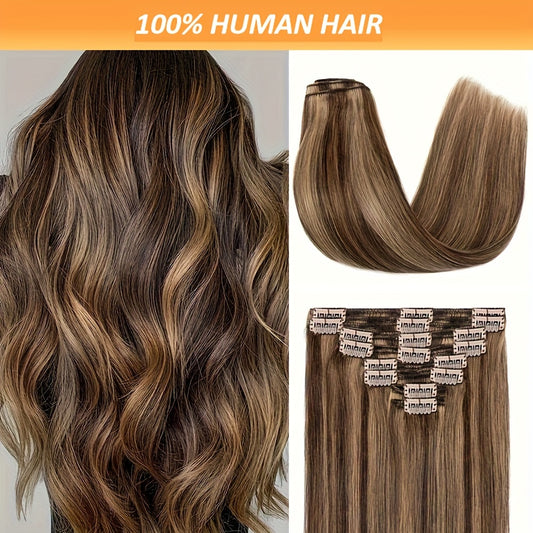
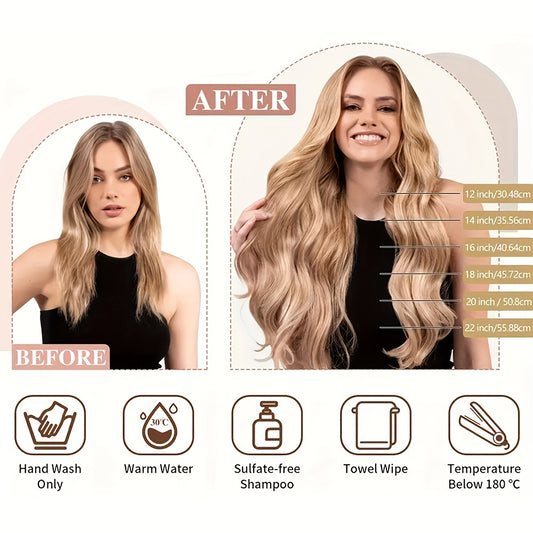
8Pcs Human Hair Clip In Hair Extensions - Chocolate Brown To Caramel Blonde
Regular price From $136.98 USDRegular priceUnit price per$36.98 USDSale price From $136.98 USD -

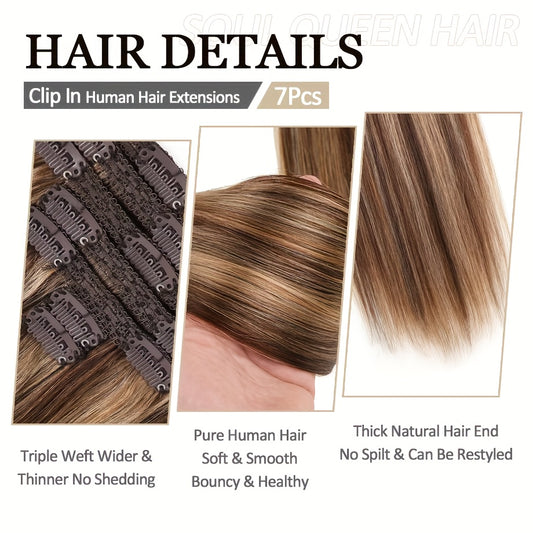
24-Inch Clip-In Hair Extensions, Real Human Hair Double Weft, 100% Remy Design for Women
Regular price $249.00 USDSale price $249.00 USDUnit price per -

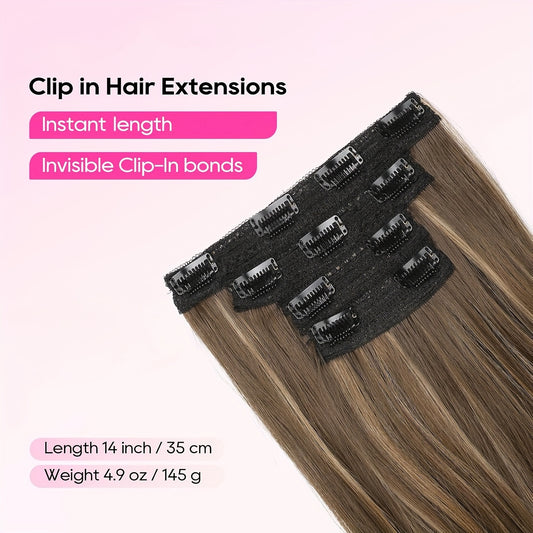
4pcs Lace Weft Hair Extensions | 14 Inch Short Wavy Invisible Hair Extensions
Regular price $110.00 USDSale price $110.00 USDUnit price per -
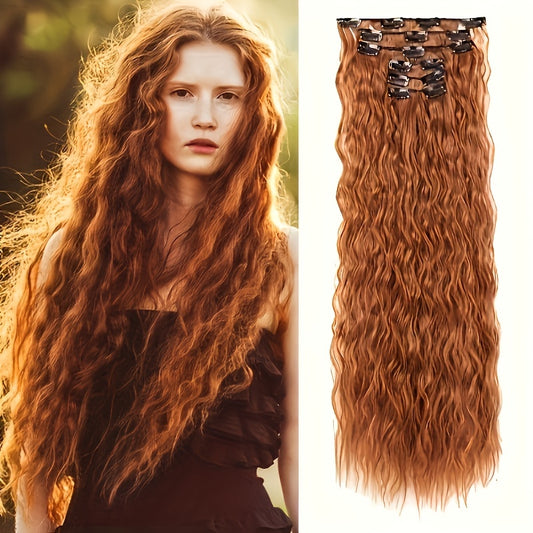
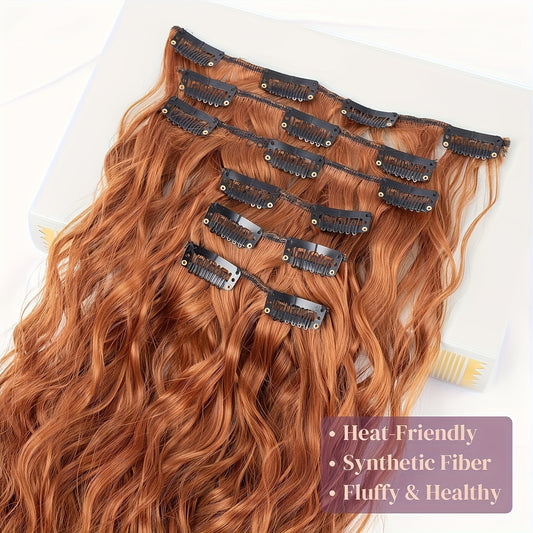
6pcs Synthetic Clip In 24 Inch Long Curly Wavy Hair Extensions
Regular price $110.00 USDSale price $110.00 USDUnit price per -

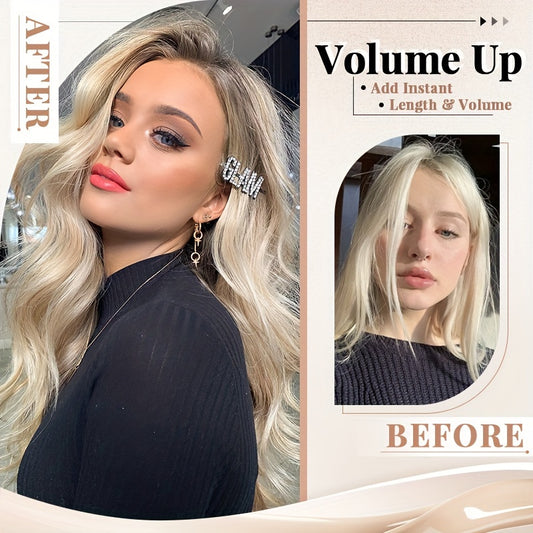
14-20 Inch V-Shaped Real Remy Clip in Human Hair Extensions
Regular price $229.00 USDSale price $229.00 USDUnit price per -

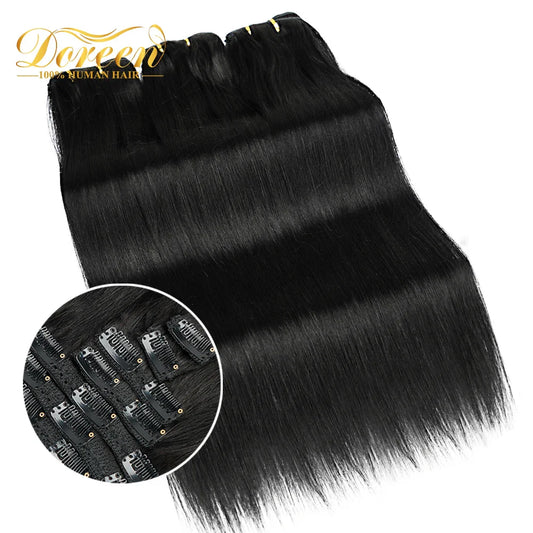
Brown Brazilian Remy Straight Clip In Human Hair Extensions
Regular price $345.00 USDRegular priceUnit price per -

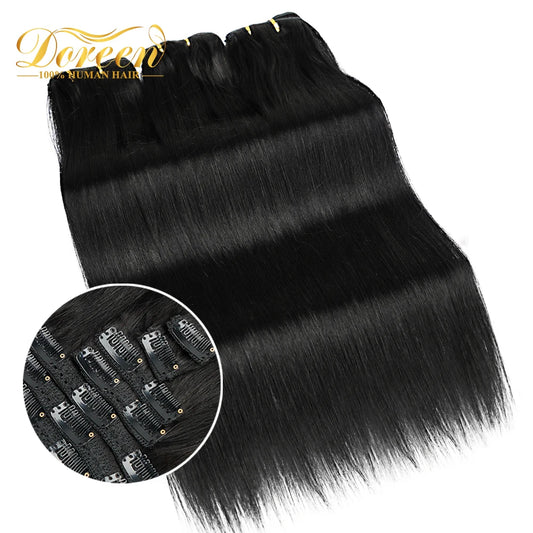
Brazilian Remy Straight Clip In Human Hair Extensions
Regular price $345.00 USDRegular priceUnit price per -
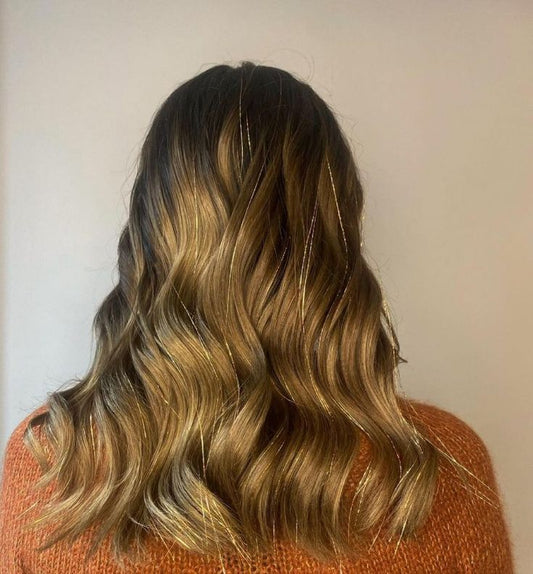
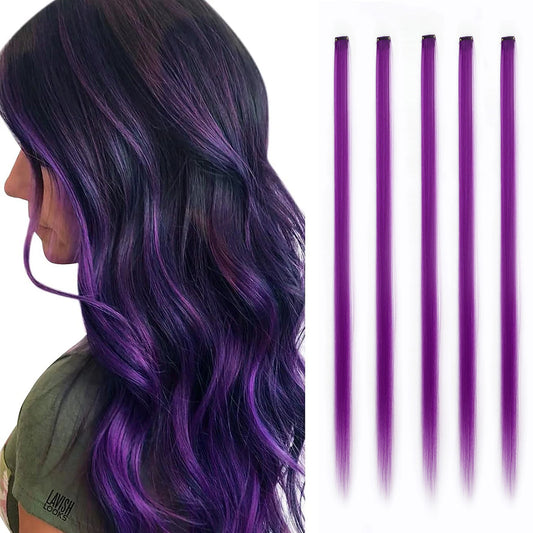
Sparkle Hair Extensions Clip In Hair Extensions
Regular price From $81.99 USDRegular priceUnit price per -
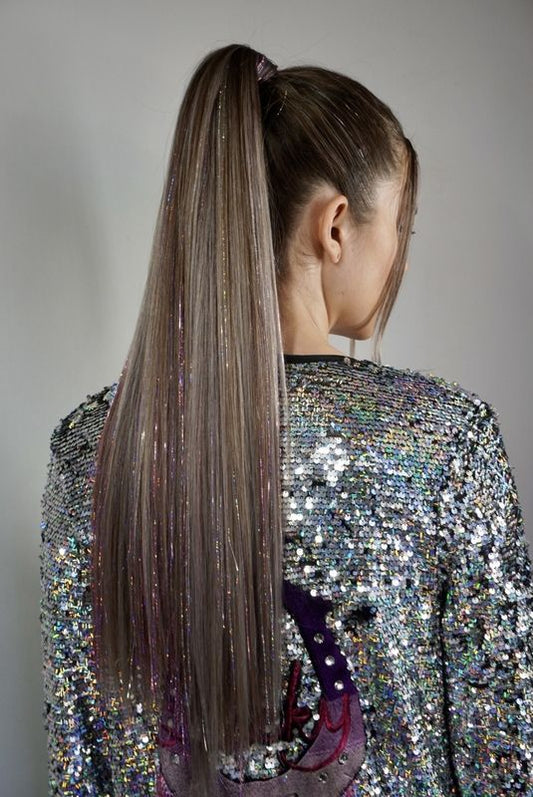
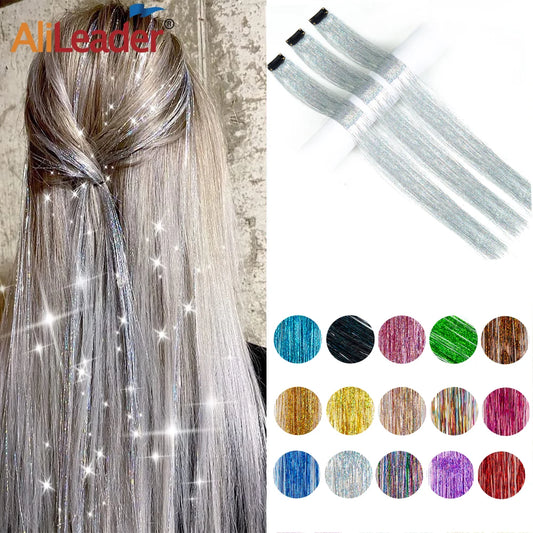
Clip In Hair Tinsel Rainbow Hair Extension
Regular price $121.99 USDRegular priceUnit price per -
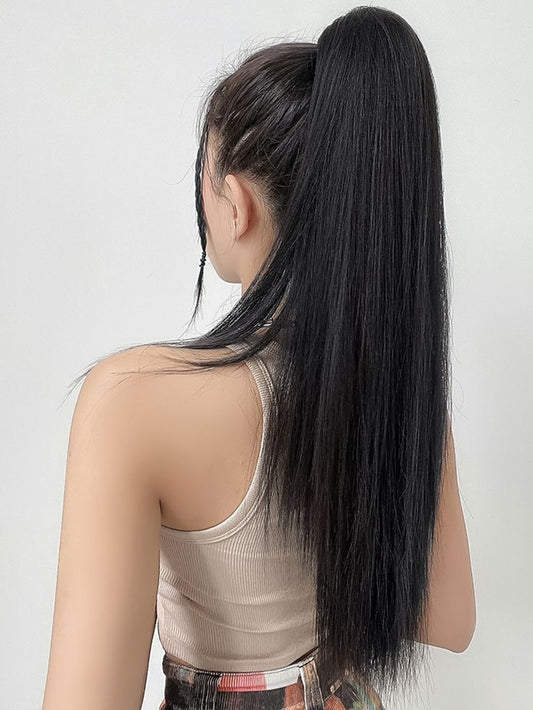
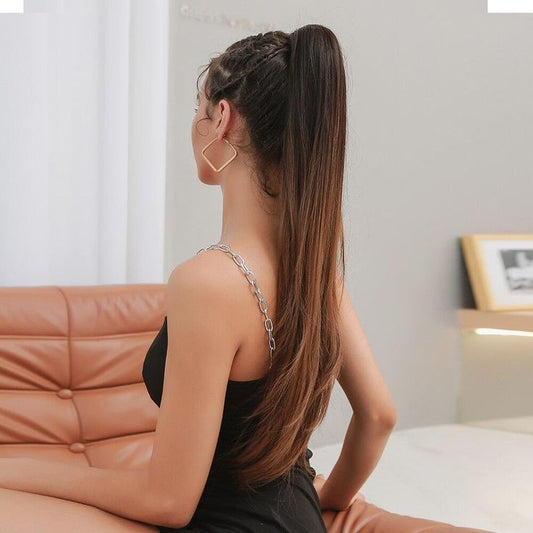
Human Hair Natural Blonde Clip In Extensions
Regular price From $346.99 USDRegular priceUnit price per -
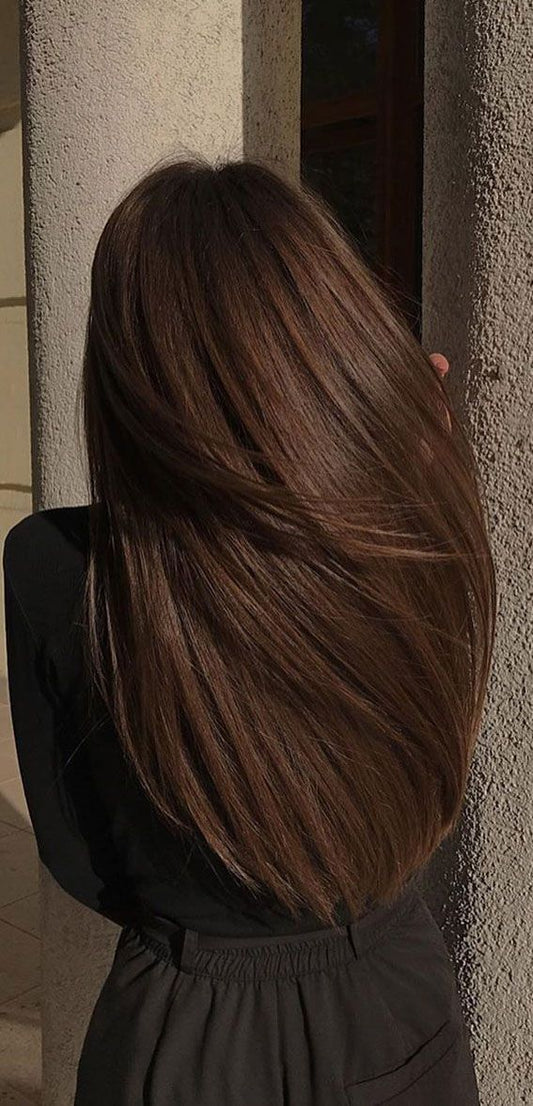
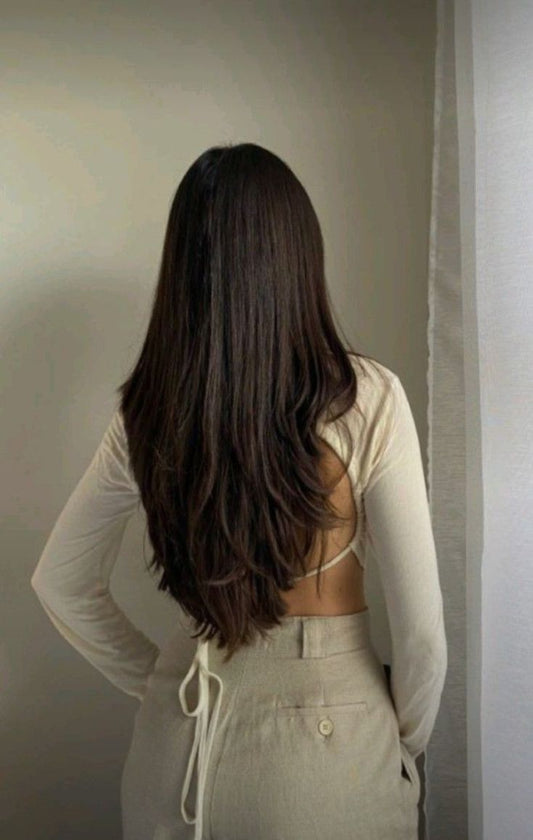
Straight Clip in Hair Extensions Human Hair
Regular price $357.99 USDRegular priceUnit price per -
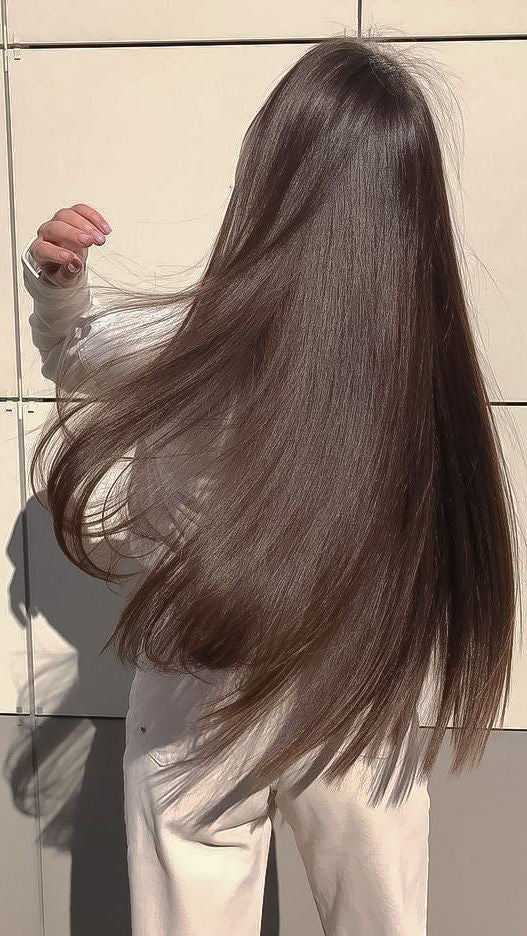
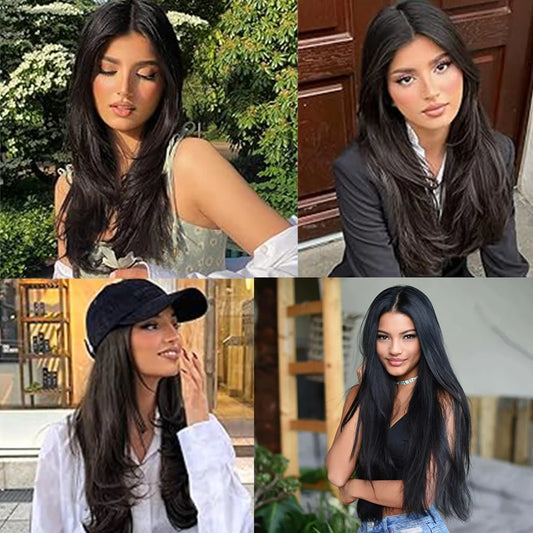
Synthetic Full Hair Extensions
Regular price $94.99 USDRegular priceUnit price per


14 Inch Clip In Hair Extensions: The Wearable-Length Playbook for Natural Volume, Seamless Blending, and Effortless Styling
Fourteen inches is the “looks like you” length: long enough to refresh your silhouette, short enough to stay believable, comfortable, and easy to blend. If you want thicker ends, fuller ponytails, and a polished finish that works on real schedules, start with 14 inch clip in hair extensions made for natural-looking mid-length transformations. This guide is designed to live below the product grid—shop first, then use the framework here to choose shade, texture, and placement so your hair reads as healthy and intentional in daylight, photos, and everyday movement. For a broader look at the brand ecosystem before you decide, browse Fabulive’s homepage for the full shopping experience and category navigation.
What this collection is and who it’s for
14 inch clip in hair extensions sit in the sweet spot between “subtle enhancement” and “noticeable upgrade.” On many people, 14 inches lands around the upper chest, depending on height and torso length. That placement is why the length is so versatile: it’s long enough to change your outline, yet short enough to keep blending straightforward and maintenance realistic.
This collection is for people who want results that look natural, not theatrical. It’s also for anyone who values repeatability—hair that looks good on the third, seventh, and twentieth wear, not just the first time you install it. If your goal is to make your hair look healthier by improving the perimeter (the outer line of your haircut), 14 inches often achieves that faster than going longer. The length fills in where hair tends to look sparse—mid-lengths and ends—while letting your natural hair remain the “anchor” of the look.
14 inch clip-ins are especially well-suited for:
- First-time extension wearers who want a believable finish and an easier learning curve.
- Short-to-medium haircuts that need a smoother, fuller blend through the ends.
- Fine hair that benefits from added body without overwhelming the crown.
- Busy routines where “good hair” needs to happen quickly and consistently.
- Anyone seeking a day-to-night option that works for casual outfits and events.
They’re also a smart choice during rebuilding seasons—breakage recovery, postpartum shedding, heat damage, or a phase where you want your hair to look polished while you grow it out.
Why this category matters now
Beauty trends are shifting toward realistic luxury: soft shine, dimensional color, and movement that looks like hair—not a wig-like sheet. At the same time, routines are becoming more modular. People want options they can add or remove based on the day, without committing to permanent changes or salon schedules. Clip-ins fit that rhythm, and 14 inches fits it even better because the length is inherently wearable.
In real life, the biggest barrier to wearing extensions regularly is maintenance friction—tangles, heavy length, complicated blending, and time. Fourteen inches reduces that friction. It’s easier to detangle than ultra-long lengths, it stores more neatly, and it doesn’t demand constant styling to look intentional. When a category makes repeat wear easier, it becomes practical rather than aspirational.
There’s also a “camera reality” reason this length matters. Mid-length hair photographs beautifully because it keeps proportion: it frames the face without swallowing it, and it looks thick when styled into brushed waves or a soft blowout. That’s why 14 inches often feels like the most modern choice—refined, believable, and aligned with how people actually want to look right now.
Decision Framework
Use this quick, scannable method to choose the right 14 inch set without getting lost:
- Goal → volume, length, or a shape upgrade
- Shade/undertone → match mid-lengths first, then refine tone
- Texture/finish → straight vs wavy; soft sheen vs high shine
- Construction/type → weft design, clip comfort, seam visibility
- Weight/coverage → where you need density (ends, sides, crown)
- Occasion/frequency → daily wear vs special occasions
- Care tolerance → detangling, washing, storage, heat habits
- Budget/value → cost per wear and longevity, not just the first look
How to choose the right option
Choosing 14 inch clip-ins is about harmony: the hair should behave like your hair. That means selecting the right undertone, the right texture behavior, and a placement strategy that supports your haircut. If you buy based only on the model photo, you may end up styling aggressively to “force” a blend. If you buy based on how your hair behaves on an ordinary day, the blend becomes easy and repeatable.
How to choose 14 inch clip-ins for thin hair right now
For fine or thin hair, the goal is fullness without bulk. Keep your densest pieces lower on the head so the ends look thick, and avoid placing wefts too high where natural cover is minimal. If your hair is fine and slightly wavy, choose a texture that matches that bend; a small texture mismatch is more noticeable on fine hair than on thick hair.
What 14 inch clip-ins look most natural in daylight
Daylight highlights undertone differences and shine differences. The most natural results come from matching your mid-length tone in indirect daylight, then blending texture by styling everything together. If your hair isn’t glossy, don’t style your clip-ins to a mirror shine. Aim for a soft, healthy sheen that matches your real hair’s reflection.
How many pieces do you actually need for believable coverage
Coverage beats quantity. Build from the bottom: place a wide weft low to support the perimeter, then add pieces only where you need them to create a balanced silhouette across the back and sides. If your crown looks bulky, remove a piece rather than adding more hair elsewhere. A believable look often uses fewer pieces than people assume—placed better.
Best option for daily wear vs special occasions
Daily wear is about comfort and speed. Choose a shade that blends without effort and a texture you can maintain with minimal heat. For events, you can add more density, lean into a more polished curl pattern, and style more deliberately because you’re wearing the look for a shorter window. The trick is making sure your event styling still looks like hair in motion, not a stiff set.
How to choose if you want volume without obvious length
If your main goal is thicker ends and fuller mid-lengths, 14 inches is perfect. Place the hair primarily to fill the perimeter rather than to extend length. When done well, the result looks like “my hair on its best day,” which is often the most premium outcome.
How to choose for frequent ponytails and buns
If you wear your hair up often, prioritize density where the ponytail gathers and keep clips lower so your natural top layer can veil them. A soft wave helps ponytails look thicker without teasing. For quick, repeatable routines, the best strategy is choosing a placement map you can replicate every time.
How to avoid discomfort during long days
Discomfort usually comes from stacking clips too close together or placing them where your head rests against chairs and headrests. Spread pieces across rows, avoid sensitive temple areas, and keep the highest row lower than you think. Comfort improves immediately when weight is distributed.
What to prioritize if you’re new to clip-ins
Beginners should prioritize realism over drama: a believable shade match, a texture that matches how your hair behaves most days, and a set that’s easy to place consistently. Once you have a repeatable routine, you can experiment with longer lengths or more dramatic styling without losing naturalness.
Shade, undertone, and finish selection
Color matching is more than “light” or “dark.” It’s undertone, dimension, and finish. Many “obvious extension” moments happen when undertone is slightly off or when the extensions are far shinier than the natural hair. Your goal is to match your mid-lengths in indirect daylight, then use styling to unify shine and texture across the surface.
How to match undertones without overthinking it
In indirect daylight, warm hair reads honey, caramel, or copper; cool hair reads ash, smoky, or beige; neutral hair sits balanced. Undertone harmony usually matters more than a one-shade difference. If you’re between shades, the one that matches undertone is often the better choice even if depth isn’t perfect.
What to do if you’re between two shades
Match mid-lengths first. Roots are often deeper than ends, and matching only the roots can make extensions look heavy. Slightly deeper can be easier to blend than too light, particularly if your natural hair isn’t heavily highlighted.
Why dimensional color looks more natural than a perfect single shade
Real hair isn’t flat. Even subtle variation—soft highlights, gentle lowlights, lived-in roots—adds realism. Dimensional color can be more forgiving in mixed lighting because it reduces the pressure for every strand to match exactly. If your hair has highlights or tonal shifts, choosing dimension often makes blending simpler.
How to avoid a finish that looks too shiny
High-gloss finishing products can create an unnatural “sheet” reflection. Instead, aim for a satin finish and brush out curls so movement looks soft and believable. Shine should read as healthy hair, not reflective plastic. If the set looks shinier than your natural hair, reduce heavy oils and opt for lighter finishing habits.
Texture and blend strategy
Texture is what makes clip-ins disappear. Even a perfect color match can look separate if your natural hair bends differently or holds shape differently. Aim to match how your hair behaves on an ordinary day—air-dried, lightly styled, lived-in—then style your natural hair and clip-ins together so the surface texture reads as one.
How to blend with blunt cuts without a shelf effect
Blunt cuts can create a visible “ledge” where natural ends stop. Keep the densest wefts low, and style a gentle bend through the ends to blur the transition. If needed, have the extensions lightly trimmed so the perimeter looks intentional rather than stacked.
How to blend with layered cuts (the easiest scenario)
Layers already contain variation, which helps clip-ins blend. Use wider pieces low for density and add smaller pieces only where the sides need fill. A brushed wave is a reliable finishing texture because it connects layers and reduces the chance of visible lines.
How to blend with short hair without it looking obvious
Short hair requires a blend-first strategy: minimal weight near the crown and more support underneath. Soft texture is your ally; waves disguise transitions better than pin-straight styling. If you want the reasoning behind why short hair can actually pair well with extensions when done correctly, read reasons hair extensions can elevate short hair with the right blend approach.
What to do if the blend line shows
If you see a line, check placement height, texture mismatch, and perimeter sharpness. Lower the weft slightly, style hair together, and soften the perimeter with a small trim or face-framing approach. Most “obvious” issues are solved by removing a single piece or shifting placement, not by adding more hair.
How to boost volume without creating bulky steps
Build from the bottom. The widest wefts should support your ends and mid-lengths first, then you can add light reinforcement higher up if needed. If you want a methodical approach to volume placement, use clip-in volume techniques that prioritize a natural silhouette as your guide and focus on distribution rather than stacking.
What double-weft vs single-weft changes in wear and realism
Weft construction affects how much density you get per piece and how the hair lies against the head. Some people prefer fewer, denser pieces; others prefer lighter pieces for flexible placement. For a clear comparison that helps you choose based on comfort and styling goals, see a practical double-weft vs single-weft guide for clip-in shoppers.
Halo vs clip-ins: which system fits your lifestyle
Clip-ins are modular: you can add density exactly where you want it. Halos can feel simpler but offer less targeted shaping. If you’re deciding between systems based on routine rather than hype, read a halo hair extensions vs clip-ins comparison for daily routines.
How to keep the top looking natural while adding density underneath
Leave enough natural hair on top to veil clips and create a smooth surface. The top layer should look like your hair, and the density should feel like it’s coming from within the haircut rather than sitting on top of it. If you’re tempted to clip higher for “more volume,” test it in daylight first—naturalness usually improves when the highest row sits lower.
Styling ideas (daily + event)
The best extension styling is repeatable. You want looks you can recreate on a normal morning, not only when you have perfect lighting and an hour to spare. Fourteen inches excels because it’s long enough to style into waves and ponytails, yet short enough to keep maintenance simple. It also works across multiple vibes: polished for work, relaxed for weekends, elevated for events.
Quick looks
- Low ponytail with a clean part and softly waved ends
- Half-up twist with subtle crown lift for an effortless silhouette
- Sleek straight with a gentle bend at the ends (modern and believable)
- Loose brushed-out waves for an “expensive hair” finish
Photo-ready looks
- Soft Hollywood waves with brushed movement and controlled shine
- High ponytail with wrapped base and fuller mid-length body
- Blowout volume with lifted roots and thick-looking ends
- Textured low bun with fuller tendrils framing the face
Short-chic styling when you want a refined upgrade
If you’re aiming for a polished look without dramatic length, shape matters more than inches. Fourteen inches pairs well with short-chic silhouettes—clean perimeter, thicker ends, and movement that looks intentional. For ideas that translate beautifully to this length, see short-chic clip-in styling inspiration for modern, wearable hair.
How to transform your look quickly without looking “done”
Clip-ins work best when they look like your hair, only better. A fast transformation can still be believable if shade and texture are aligned and placement is consistent. For a straightforward mindset on speed and realism, read how clip hair extensions can refresh your look in minutes.
How to practice without pressure (so your results improve fast)
There’s a learning curve, but it’s kinder than people think. The fastest way to improve is to repeat the same placement map and make one small adjustment at a time. If you want a lighter, confidence-building perspective, a no-drama guide to mastering clip-ins keeps the focus on progress, not perfection.
Prom and formal styling that holds shape and looks full
Formal hair often looks better with extensions because density creates structure: curls hold, updos look fuller, and face-framing pieces look thicker. For event inspiration that adapts well to medium baselines and wearable lengths, explore prom hairstyles for medium-length hair that pair well with clip-ins.
Celebrity polish without overstyling
The most elevated hair is often about silhouette: a clean part, subtle lift, and brushed movement. Instead of stacking more curl, refine the shape. For reference silhouettes that translate well to 14 inches, see celebrity hairstyle ideas focused on shape and polish.
Bandana and accessory looks that hide seams elegantly
Accessories can make rushed hair look intentional while disguising crown placement lines. Keep the hair softly textured so the look reads as styling, not covering. For quick ideas, use bandana hairstyle inspiration for cute, functional styling.
Care, maintenance, and longevity
Longevity is mostly friction control, gentle detangling, and heat discipline. Clip-ins don’t receive scalp oils, so they can dry out faster if overwash or overheat them. Treat them like a premium fabric: fewer harsh cycles, careful brushing, and thoughtful storage. The good news is that 14 inches tends to be easier to maintain than very long lengths because it tangles less and spends less time rubbing against clothing.
How often should you wash 14 inch clip-ins
Wash only when you notice buildup, dullness, or stiffness—not on a fixed weekly schedule. Overwashing shortens lifespan. When you do wash, focus on gentle cleansing, condition mid-lengths and ends, and let the set dry fully before storing.
How to detangle without shedding or stretching
Detangle from ends upward in sections. Support the weft area with your hand to avoid pulling at the base. Detangle before wear and after wear; waiting until knots build makes shedding more likely.
How to reduce tangling on days you wear scarves, collars, or coats
Friction is the primary cause of tangling. If you’re wearing a coat or scarf, consider a low ponytail or braid to keep hair aligned. Brush gently when you come inside, and avoid piling on heavy products that attract lint and create buildup.
Storage that keeps the set smooth for repeat wear
Store hair brushed, dry, and protected from friction. Keep wefts aligned rather than crumpled. A consistent storage habit often makes the difference between hair that stays soft and hair that looks tired quickly.
Comparing nearby categories (shorter vs longer / adjacent types)
Fourteen inches is a pivot length: it can look like a refined upgrade to your natural hair, or it can be styled into glamour depending on your technique. If you’re still deciding, compare nearby lengths based on your lifestyle, not only on photos. The best length is the one you will actually wear repeatedly.
10 inches: the subtle fullness option for minimal length change
If your priority is thicker ends without visibly longer hair, a shorter set can be the most natural choice. It blends easily, feels light, and is ideal for understated daily wear. Compare with 10 inch clip-in hair extensions for subtle volume and easy blending.
15 inches: the “just a bit more” upgrade from 14
If 14 inches feels close to your current length, moving up slightly can create a more noticeable change while staying wearable. For a gently longer silhouette, explore 15 inch clip-ins for a slightly longer, still-natural look.
16 inches: the balanced everyday length for many routines
Sixteen inches often reads as effortlessly long without tipping into high-maintenance territory. It’s a popular step up for people who want more length but still prioritize realism. Compare with 16 inch clip-in hair extensions for a balanced everyday upgrade.
18 inches: when you want a more noticeable length statement
Eighteen inches brings more drama, which can be stunning, but it often requires more blending and more care. If you’re deciding whether you want that extra impact, see 18 inch clip-ins for a more dramatic, photo-forward length.
22 inches: a glam length that changes the whole vibe
At 22 inches, hair reads as intentionally long. Styling and maintenance matter more, and you’ll want to plan for detangling and storage. If you’re shopping for a statement season, explore 22 inch clip-ins for dramatic length and glam styling.
24 inches: when the silhouette becomes unmistakably long
Twenty-four inches looks striking but demands consistent care because friction increases with length. If you want a full-length transformation, compare with 24 inch clip-in hair extensions for a true long-hair transformation.
26 inches: maximum length for committed maintenance routines
Twenty-six inches is the maximum impact end of the spectrum. It can be breathtaking, but it requires the most upkeep: careful detangling, protective storage, and thoughtful styling. If you’re considering extreme length, browse 26 inch clip-ins for maximum length impact and be honest about your daily time budget.
Balayage clip-ins: the easiest route to blending without perfection
If your hair has highlights, tonal shifts, or a lived-in fade, balayage styles can be more forgiving than single-shade matches. Dimension blends better across lighting and reduces shade anxiety. If that describes your hair, explore balayage clip-in hair extensions for dimensional, low-stress blending.
Featured picks and use-case recommendations
Use-case thinking helps you choose faster than endless comparisons. Instead of asking “which is best,” ask “which fits my routine.” Below are options mapped to common goals: soft texture, full coverage, statement length, occasional experimentation, ponytail convenience, and multi-length flexibility.
Soft waves that look natural in photos and daylight
If you want movement that already feels lived-in, 20-inch wavy clip-in hair extensions for soft, everyday movement are a strong choice for romantic styling without curling from scratch every time.
Full-head coverage when you want a consistent, event-ready silhouette
For a cohesive, full result—especially on days you want heavier styling—22-inch full-head clip-ins for complete coverage and statement styling help create an even silhouette quickly.
Dense construction and polished ends for longer-length wear
If you’re choosing longer hair and care about structure, weft construction can affect how full the ends look. 24-inch Remy human hair clip-ins with a double-weft seamless design suit shoppers prioritizing density and a clean perimeter.
Occasional curly texture without committing premium hair to experimentation
For occasional looks where you want curls without a long-term investment, synthetic options can be useful when treated as a styling tool. a 6-piece synthetic 24-inch curly wavy set for quick texture changes is best for limited wear and careful storage.
Ponytail upgrades for busy days and fast confidence
If you want instant polish without a full installation, ponytail pieces are a practical shortcut. an 8-inch wavy claw-clip ponytail for quick, fuller updos is ideal when you want a fast change that still looks intentional.
Multi-length flexibility for shoppers who want more than one look
If you want a set that can create different vibes depending on styling and placement, a seamless 8-piece human hair clip-in set spanning 18–26 inches supports flexibility—best for those who are comfortable with higher maintenance and careful storage.
Buying guidance and common mistakes to avoid
The best purchase is the one you’ll wear repeatedly. Most regret isn’t “the hair was bad,” it’s “I chose something I can’t maintain.” Before you buy, imagine the third wear: how fast can you install it, how natural does it look without heavy styling, and how will you store it? When you choose for repeatability, your cost-per-wear improves dramatically.
Mistake: choosing length before choosing a blending plan
Length is exciting, but blending determines realism. Fourteen inches works because it blends easily with many cuts. If you go longer without a plan, you may end up styling aggressively to hide transitions. Start with the length you can blend on an ordinary day.
Mistake: matching only to roots instead of mid-lengths
Most people have deeper roots and lighter ends. Matching only to roots can make extensions look too dark and heavy. Mid-length matching tends to blend better across lighting, and your roots can provide believable depth.
Mistake: stacking too many pieces in one row
Stacking creates ridges, discomfort, and a bulky crown. Spread pieces across rows and build gradually. If the top looks heavy, remove one piece rather than adding hair elsewhere. Naturalness often increases when you use less hair more strategically.
Mistake: ignoring what to know before you buy
Clip-ins are simple, but the details matter: construction, weight distribution, shade behavior in daylight, and the routine you’ll actually follow. If you want a full decision-support overview, read everything to know before buying clip-in hair extensions for a smarter first choice.
Mistake: not understanding black clip-in blending nuances
Dark shades can be unforgiving because undertone and shine differences show quickly. The right approach is matching undertone in indirect light and keeping finish consistent with your natural hair. If your base is dark and you want deeper guidance, use a black clip-in blending guide for seamless, natural-looking results as a reference for tone, sheen, and placement.
Mistake: expecting perfection instead of building a repeatable system
The most natural results come from consistency. When you repeat the same placement map, your hands learn the routine, your blending improves, and your styling time drops. “Good every time” is a better goal than “perfect once.”
How to keep your look natural when you’re tempted to overstyle
Natural hair is rarely uniform. Tight identical curls can make extensions look separate. Brush out curls into movement, keep shine satin rather than glossy, and prioritize silhouette. If it looks too perfect, soften it—believable hair often looks slightly lived-in.
FAQ
Is 14 inches enough to look noticeably longer?
For most people, yes—especially if your natural hair is short-to-medium or your ends are thin. Fourteen inches often reads as a healthy, polished medium-to-long look rather than a dramatic transformation. That’s why it’s one of the most wearable choices for daily styling.
Do 14 inch clip-ins work for very short hair?
They can, but blending is more technique-dependent. Keep clips lower, use softer texture, and avoid super straight styling that exposes transition lines. Start with fewer pieces until you find a placement map that looks natural in daylight.
How long does it take to apply a 14 inch clip-in set?
Once you’ve practiced a consistent placement map, application becomes quick and predictable. Time depends on how many pieces you use and whether you style afterward, but the learning curve is usually short. Fourteen inches is especially friendly because it’s easier to manage than ultra-long lengths.
What’s the most natural texture for 14 inch clip-ins?
The most natural texture is the one that matches how your hair behaves most days. If your hair air-dries with a slight wave, a softly wavy set often blends more easily than pin-straight hair. Matching texture behavior reduces the need for heavy styling.
How do I keep clip-ins from looking shiny?
Avoid heavy oils and high-gloss finishing sprays. Aim for a satin finish and brush out curls into movement so the hair reflects light like natural hair. If the extensions look shinier than your hair, soften the finish rather than adding more product.
How do I choose between 14 inches and a longer set?
Choose 14 inches if you prioritize realism and lower maintenance. Choose longer lengths if you want obvious drama and you’re comfortable with more detangling, storage care, and blending effort. If you’re undecided, 14 inches is often the best baseline to start with.
What’s the biggest blending mistake people make with clip-ins?
Placing hair too high and then trying to style it into submission. Lower placement and cohesive texture usually solve blending issues faster than adding more hair. If it looks natural before styling, styling becomes simple.
Are clip-ins beginner-friendly compared with other extension types?
Yes, because they’re low-commitment and you control where volume goes. You can remove them at the end of the day, refine placement over time, and adapt your look to different occasions. If you want a broader beginner mindset on fast, controlled transformations, a clip-ins transformation guide focused on speed and realism is a helpful companion.
Can 14 inch clip-ins look formal enough for events?
Absolutely. Soft waves, brushed curls, and textured updos look elegant at this length while staying believable. The key is movement and shape rather than tight, uniform curl patterns. You can create event hair without looking like you’re wearing “event hair.”
How do I decide if I need more volume or more length?
If your ends look sparse or your ponytail feels thin, prioritize volume and perimeter fullness. If your length feels stuck and you want a new silhouette, prioritize length. Fourteen inches often solves both by making hair look healthier and fuller while still adding a visible upgrade.
FAQ Schema (JSON-LD)
{"@context":"https://schema.org","@type":"FAQPage","mainEntity":[{"@type":"Question","name":"Is 14 inches enough to look noticeably longer?","acceptedAnswer":{"@type":"Answer","text":"For most people, yes—especially if natural hair is short-to-medium or ends are thin. Fourteen inches often reads as a healthy, polished medium-to-long look rather than a dramatic transformation, making it wearable for daily styling."}},{"@type":"Question","name":"Do 14 inch clip-ins work for very short hair?","acceptedAnswer":{"@type":"Answer","text":"They can, but blending is more technique-dependent. Keep clips lower, use softer texture, and avoid super straight styling that exposes transition lines. Start with fewer pieces until you find a placement map that looks natural in daylight."}},{"@type":"Question","name":"How long does it take to apply a 14 inch clip-in set?","acceptedAnswer":{"@type":"Answer","text":"Once you practice a consistent placement map, application becomes quick and predictable. Time depends on the number of pieces used and whether you style afterward, but fourteen inches is easier to manage than ultra-long lengths."}},{"@type":"Question","name":"What’s the most natural texture for 14 inch clip-ins?","acceptedAnswer":{"@type":"Answer","text":"The most natural texture matches how your hair behaves most days. If your hair air-dries with a slight wave, a softly wavy set often blends more easily than pin-straight hair and reduces the need for heavy styling."}},{"@type":"Question","name":"How do I keep clip-ins from looking shiny?","acceptedAnswer":{"@type":"Answer","text":"Avoid heavy oils and high-gloss finishing sprays. Aim for a satin finish and brush out curls into movement so the hair reflects light like natural hair. Softening the finish is usually more effective than adding product."}},{"@type":"Question","name":"How do I choose between 14 inches and a longer set?","acceptedAnswer":{"@type":"Answer","text":"Choose 14 inches for realism and lower maintenance. Choose longer lengths if you want obvious drama and are comfortable with extra detangling, storage care, and blending effort. If undecided, 14 inches is a strong baseline to start with."}},{"@type":"Question","name":"What’s the biggest blending mistake people make with clip-ins?","acceptedAnswer":{"@type":"Answer","text":"Placing hair too high and trying to hide it with styling. Lower placement and cohesive texture usually solve blending issues faster than adding more hair. If it looks natural before styling, styling becomes simple."}},{"@type":"Question","name":"Can 14 inch clip-ins look formal enough for events?","acceptedAnswer":{"@type":"Answer","text":"Yes. Soft waves, brushed curls, and textured updos look elegant at this length while staying believable. Movement and shape matter more than tight, uniform curl patterns."}}]}