
-

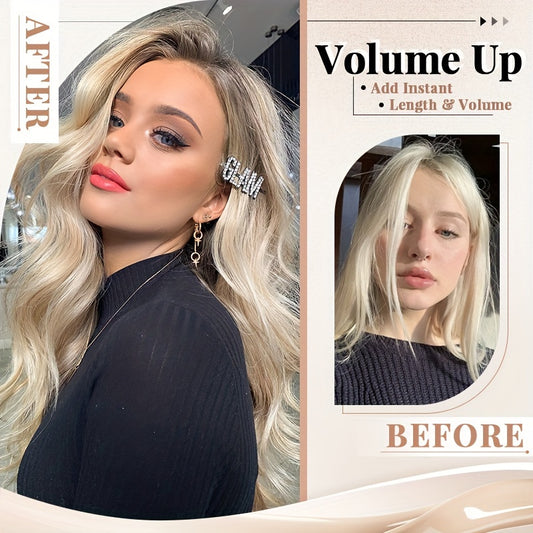
14-20 Inch V-Shaped Real Remy Clip in Human Hair Extensions
Regular price $229.00 USDSale price $229.00 USDUnit price per -

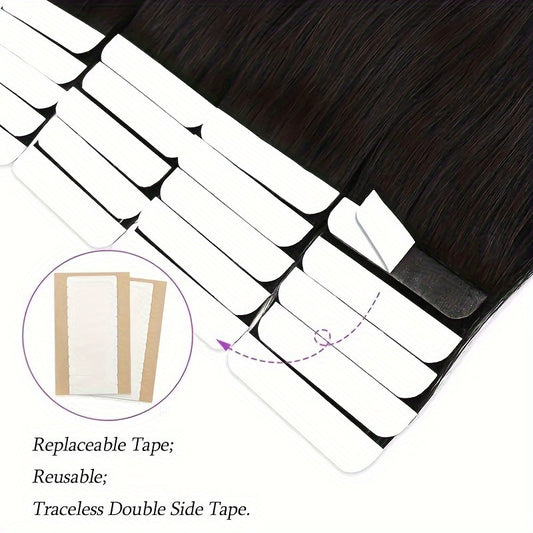
20pcs 100% Remy Hair Tape-In Straight Human Hair Extensions
Regular price $189.00 USDSale price $189.00 USDUnit price per -

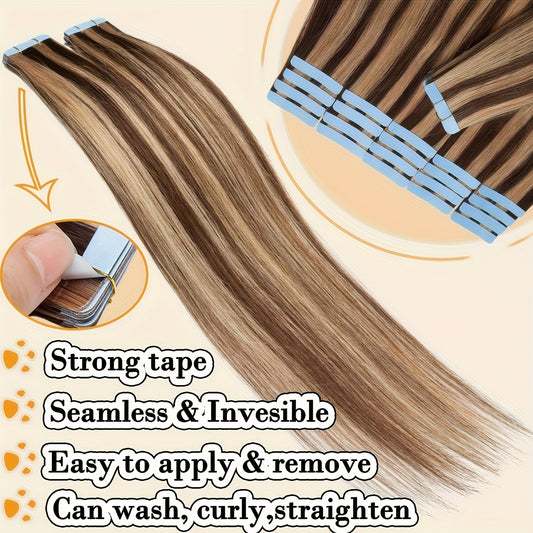
20pcs 50g 100% Brazilian Remy Human Hair Tape-In Extensions
Regular price $195.00 USDSale price $195.00 USDUnit price per -

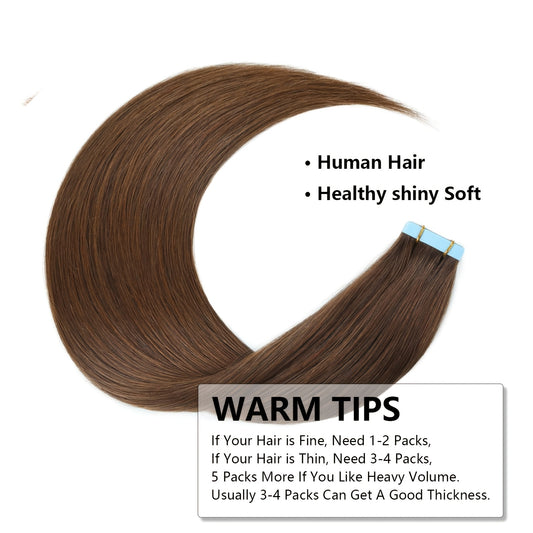
18-26 Inch 20pcs/Pack Remy Straight Invisible Tape Adhesive Hair Extensions
Regular price $185.00 USDSale price $185.00 USDUnit price per -

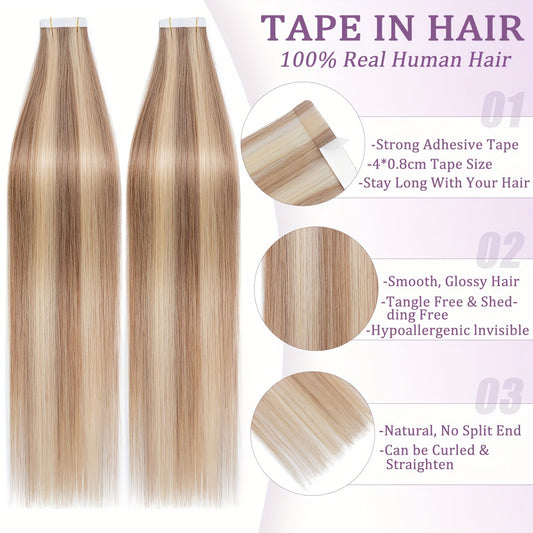
16-22 In Invisible Tape In on Light Beige Weft Human Hair Extensions
Regular price From $128.11 USDRegular priceUnit price per$28.11 USDSale price From $128.11 USD -

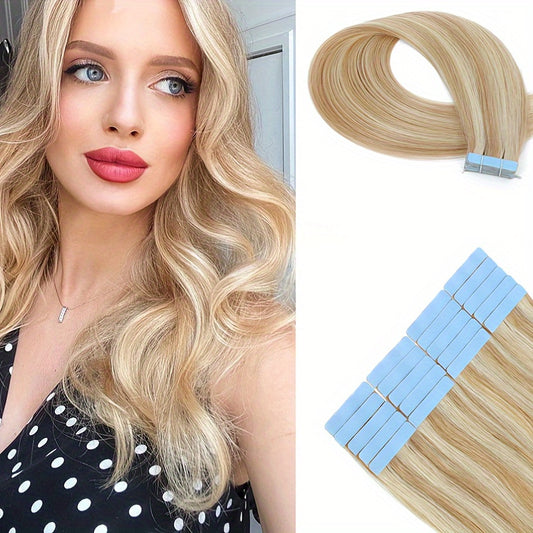
20pcs Remy Human Hair Tape In Straight Hair Extensions
Regular price From $121.33 USDRegular priceUnit price per$21.33 USDSale price From $121.33 USD -
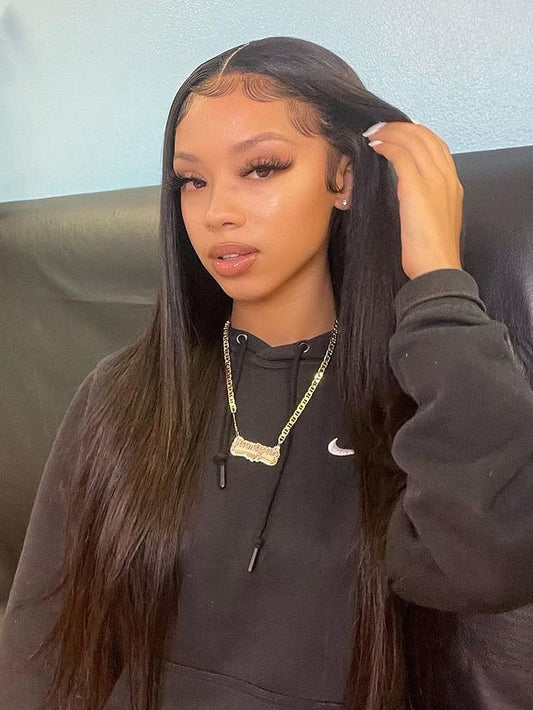
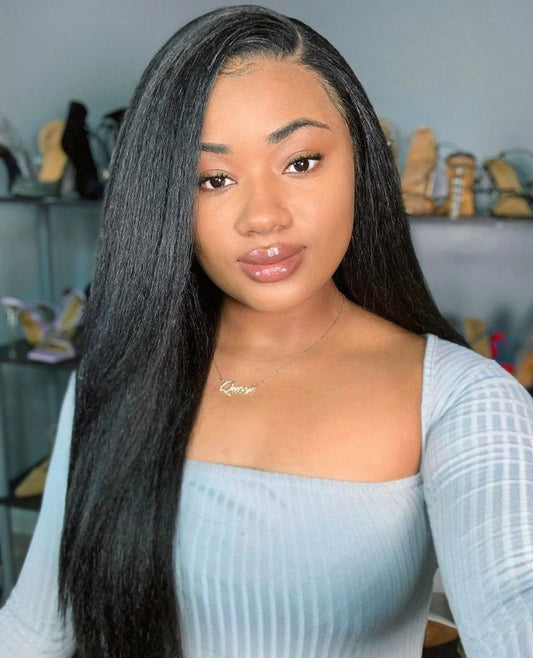
Light Yaki Straight Tape In Hair Extensions - Human
Regular price $420.99 USDRegular priceUnit price per -
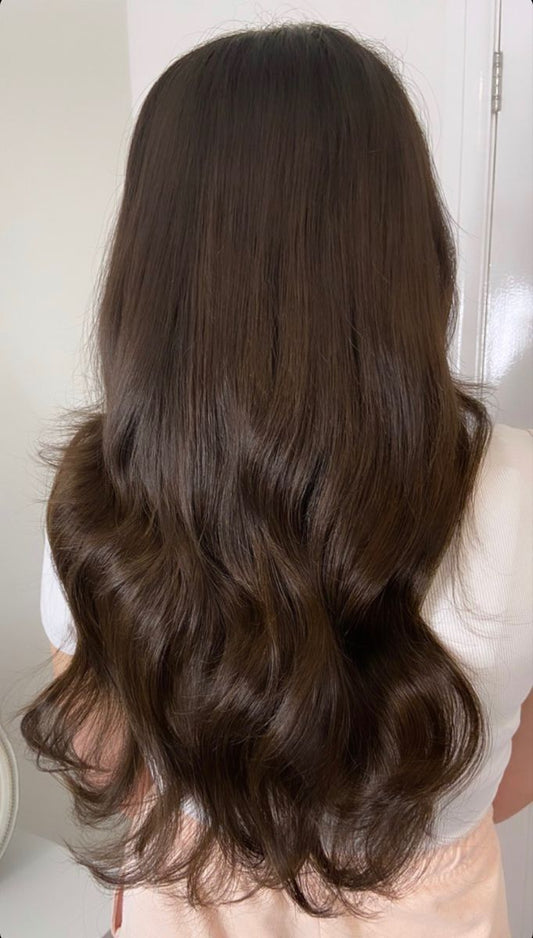
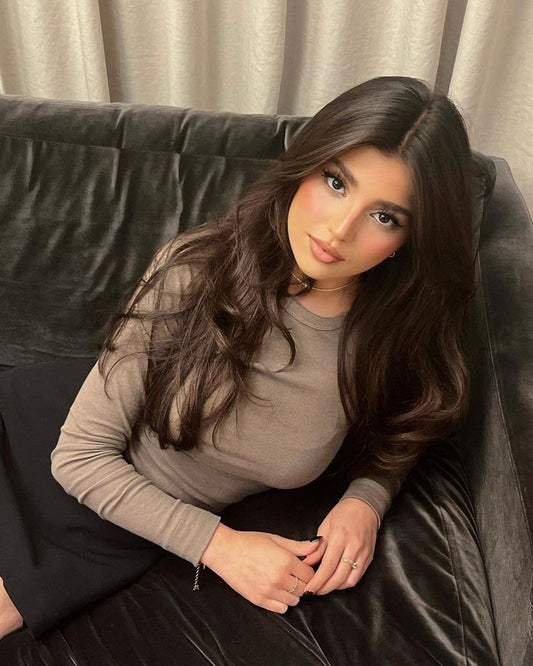
Dark Brown Tape In Extensions Human Hair
Regular price $387.99 USDRegular priceUnit price per -
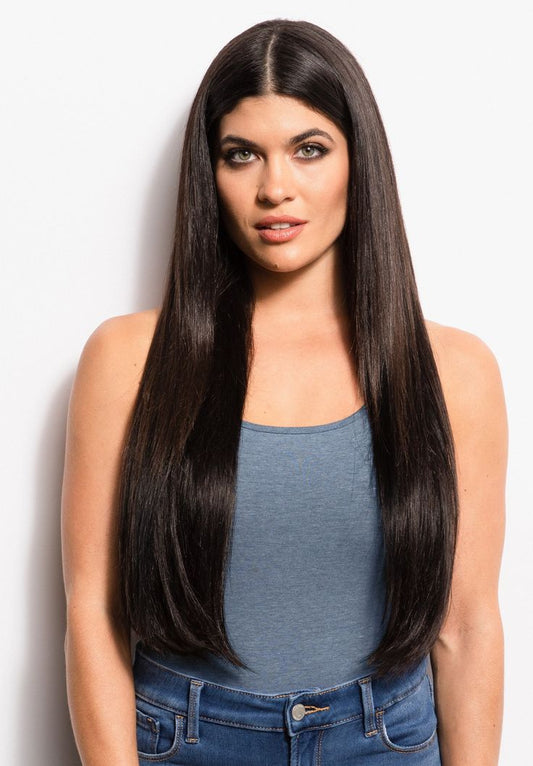
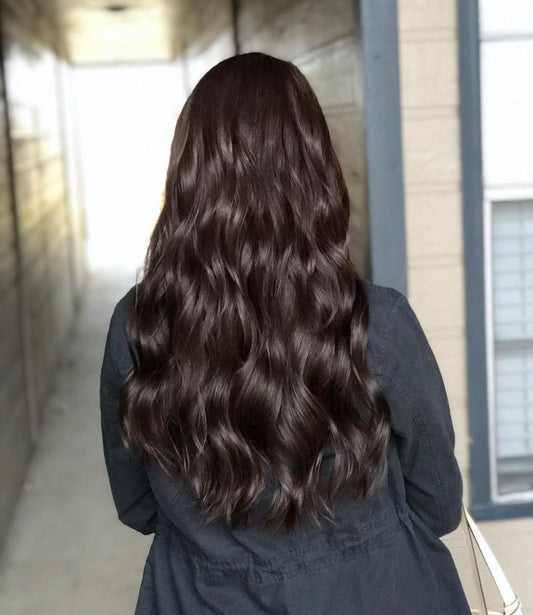
Brown Human Hair Tape in Hair Extensions
Regular price $468.99 USDRegular priceUnit price per -
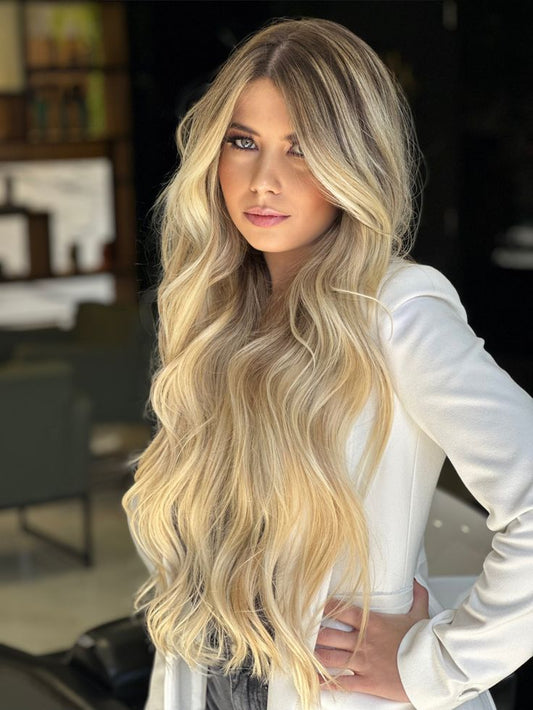
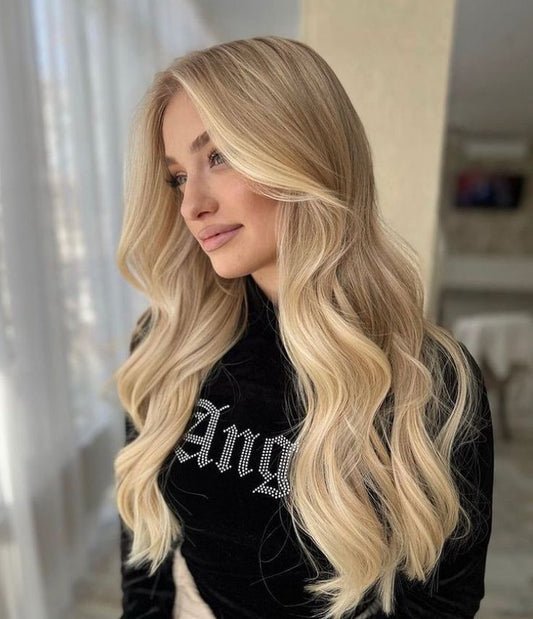
Bleach Blonde Tape In Hair Extensions
Regular price $379.99 USDRegular priceUnit price per


22 Inch Clip In Hair Extensions: The Wearable “Long Hair” Sweet Spot for Real Life
22 inch clip in hair extensions sit in a rare middle ground: long enough to feel instantly transformative, but still practical for day-to-day wear when the shade, texture, and placement are right. If you want length that reads polished in photos yet believable in natural light, this category is built for you. The guide below breaks down how to choose, blend, style, and maintain 22-inch clip-ins—plus what to compare before you commit. When you’re ready to explore options, start with the dedicated 22-inch clip-in hair extensions collection.
What this collection is and who it’s for
22-inch clip-in extensions are removable wefts (or piece sets) designed to add length and fullness without salons, adhesives, or long-term wear. On many people, 22 inches lands around mid-back; on petite frames it can read longer, and on taller frames it often sits between bra-strap and mid-back depending on torso length and where you place the wefts.
This length is ideal if you want a visible difference while still keeping movement and proportion. It’s also a strong choice for those who style often—waves, bends, ponytails, braids—because 22 inches gives you room to shape the silhouette without feeling overwhelmingly long.
Who gets the most natural results at 22 inches
The most seamless results usually come from matching undertone first, then matching texture second. If your natural hair is medium density and at least shoulder length, 22 inches can blend with surprisingly little effort. If your hair is very short or extremely fine, you can still wear 22 inches beautifully—just plan to rely on styling and strategic placement rather than “more wefts.”
How to tell if 22 inches will suit your proportions
If you like a longer hair line that elongates the body and pairs well with simple outfits, 22 inches tends to look intentional and premium. If you prefer minimal styling and keep hair mostly straight, you’ll want to prioritize a texture match and a weft layout that lies flat—because straight styles reveal placement faster than waves do.
Why this category matters now (freshness, trends, real-life use)
Long hair is trending in a way that feels more wearable than past “ultra-glam” eras. The modern take is not about perfectly uniform hair; it’s about believable fullness, soft movement, and styling flexibility that fits real schedules. Clip-ins align with that shift because they let you switch up length and volume without a permanent change—especially useful for travel, events, seasonal style changes, and hair goals that don’t need to be year-round.
At 22 inches, the effect is dramatic enough to feel like a new look, but not so long that it becomes a daily maintenance project. That’s why this category performs well for people who want a signature length for photos, nights out, and special occasions—while keeping the option to go back to natural hair tomorrow.
Why 22 inches looks “photo-ready” without feeling costume-like
This length naturally creates a strong outline in pictures—especially in soft waves—because the ends carry enough weight to read as healthy, full hair. When the blend is right, it looks less like “added hair” and more like “my hair on a great day.”
When a shorter length is the smarter starting point
If you’re learning placement and want a low-risk blend, starting shorter can feel easier. Many people refine their technique with a mid-length clip-in set that’s easy to blend quickly, then move up to 22 inches once they know their ideal weft map.
How to choose the right option (Decision Framework)
Decision Framework
Use this scannable method before you buy. It keeps the decision grounded in outcomes, not just length.
- Goal → length, volume, or both
- Shade/undertone → match roots first, then mids and ends
- Texture/finish → mirror how you actually wear your hair
- Construction/type → weft design, clip layout, set size
- Weight/coverage → enough density to support your ends
- Occasion/frequency → daily wear vs occasional glam
- Care tolerance → how much styling and upkeep you’ll do
- Budget/value → cost-per-wear and durability priorities
How to choose 22 inches for fine hair without overloading the roots
Fine hair looks best when the extensions support the ends without piling volume too high. Choose a set that focuses density through the mid-lengths and ends, and place your first wefts lower than you think. Then add a soft bend through your natural hair to prevent a “thin-to-thick” contrast line.
How many wefts do you actually need for a believable finish
Think in coverage zones, not piece counts: lower back-of-head for length continuity, mid-zone for fullness, and optional side pieces for face framing. If your hair is medium-to-thick, a fuller set can look seamless; if it’s fine, fewer wefts with better placement often look more natural than “all pieces, all at once.”
How to pick construction when comfort is your top priority
Comfort comes down to how evenly the weight is distributed and how flat the wefts sit against the head. If you’re deciding between weft styles, reference a clear comparison of single-weft versus double-weft clip-ins to understand when extra thickness helps (and when it may feel heavier than you want).
Daily wear versus special occasions: what to prioritize
For everyday wear, prioritize comfort, easy blending, and a texture that matches your natural pattern. For events, you can go fuller because styling (waves, curls, updos) will do more of the blending work—and the finished look is meant to be more dramatic.
Shade, undertone, and finish selection
Color matching isn’t only about choosing “brown” or “blonde.” It’s about undertone and dimension—how your hair behaves in different light. A perfect match indoors can look obviously off outside, especially at longer lengths where there’s more surface area reflecting light.
How to match undertones without turning it into a science project
Check your hair in indirect daylight and look for the dominant cast: warm (gold, honey, copper), cool (ash, smoky, neutral-cool), or neutral (balanced). If you’re unsure, match your mid-lengths and ends rather than your roots; the blend usually looks more natural when the length matches the length.
What looks most natural in daylight at 22 inches
The most believable blends typically keep roots slightly deeper and let the length sit close to your mids and ends. That avoids the “helmet top, different hair bottom” effect and makes your part line look realistic even when you move.
Choosing deep shades: avoiding a harsh line in dark hair
Dark hair often has subtle tonal shifts—cool espresso, warm chocolate, blue-black. The easiest way to avoid a visible boundary is to align undertone and finish (matte vs shiny). If you’re working with black or very deep shades, use a practical guide to seamless blending for black clip-ins to avoid the most common mismatch mistakes.
When dimension makes blending easier than a single flat shade
If your hair has highlights, grown-out color, or natural sun-lightening, dimension can make the blend feel effortless. Rather than trying to force a single color match, consider balayage-inspired clip-ins for soft, multi-tonal blending that mirrors how real hair varies from root to end.
Texture and blend strategy
Texture is the difference between “that looks like her hair” and “those are extensions.” Even when the color is perfect, a mismatch in wave pattern or curl memory can reveal the add-on. Your best bet is to choose extensions that match how you wear your hair most often, then do minimal styling to unify the finish.
How to blend with blunt haircuts without a visible step
Blunt ends create a clear “edge,” so the trick is to soften that edge with styling. Add a bend or loose wave starting a few inches above your natural ends. Then brush lightly to merge your hair into the extension length so the transition reads like layering, not a line.
How to blend with layered haircuts so it looks intentional
Layers already create movement, which helps. Place wefts so the extension hair supports the lower layers, and let your top layers remain free to move. A quick wave through the mid-lengths usually makes the blend disappear.
How to blend 22 inches with short hair right now
Short hair can absolutely wear 22 inches, but it usually needs texture to hide the length jump. Curl your natural hair and the extensions together, then gently rake through with fingers to break up any uniform “extension wave.” If you want confidence that the approach works, read why clip-ins can be transformative even on short hair and borrow the blending logic for your cut.
How to blend with medium-length hair for the easiest realism
Medium hair often blends best with 22 inches because the transition is less extreme. Focus on aligning texture in the mid-shaft, not just at the ends. When the mid-lengths match, the overall silhouette looks like one continuous head of hair.
What to do if the blend line shows
If you can see where your natural hair ends, it usually means one of three things: the wefts are too low, the texture is too different, or the density is imbalanced. Move the lowest weft slightly higher, add soft waves, and ensure your natural ends sit on top of extension hair rather than floating above it.
How to build volume without making clips obvious
Start with grip: a little root texture helps clips stay stable and prevents slipping. Avoid placing clips too close to the hairline, and build volume through the mid-back area where coverage is naturally easier. For technique ideas that stay comfortable, use a set of practical volume-building methods for clip-in extensions as a reference point.
Styling ideas (daily + event)
At 22 inches, styling is about shape. You’re not just adding length—you’re choosing how that length moves: sleek and minimal, softly waved, or full glam. Pick a styling “default” you can do quickly, then reserve higher-effort looks for days you want a more editorial finish.
Quick looks
- Soft bends: a gentle curve through the mid-lengths that hides any transition line.
- Low ponytail with wrapped base: polished without looking overdone.
- Half-up twist: adds lift and keeps the blend controlled.
- Loose braid: makes density feel intentional and reduces tangling.
Photo-ready looks
- Brushed glam waves: curl, cool, then brush out for fullness and shine.
- High ponytail with crown lift: balanced volume that photographs well.
- Half-up with face framing: flattering shape with a natural finish.
- Accessory styling: clips, scarves, or bandanas that look styled, not hidden.
Prom and formal events: how to make length look modern
Formal styling looks best when the ends are full and consistent—especially in curls. Choose enough hair to avoid thin-looking spirals, and keep the top slightly softer than the mid-lengths for a current silhouette. For adaptable inspiration, see prom hairstyle ideas that translate beautifully with added length.
Bandana styling that elevates long hair instead of hiding it
Bandanas work especially well at 22 inches because they add “style logic” to long hair—helpful if you’re new to longer lengths. If you want options that feel wearable rather than costume-y, browse bandana hairstyles that pair naturally with long clip-ins.
Celebrity-inspired structure without copying anyone exactly
The goal is to borrow shapes—part placement, wave size, tuck-behind-ear balance—rather than replicate a single look. If you like having a reference library to pull from, explore a curated roundup of standout celebrity hairstyle silhouettes and match the shape to your own face framing.
Care, maintenance, and longevity
Clip-ins last longer when you treat them like a premium accessory: minimize friction, avoid over-washing, detangle gently, and store them neatly. Because clip-ins aren’t attached to your scalp, they don’t get oily the way natural hair does—so they typically need fewer washes than you expect.
How often to wash 22-inch clip-ins without drying them out
Wash only when there’s product buildup or the hair loses movement. Over-washing reduces softness faster than most people realize. Keep conditioner focused on mid-lengths and ends, and avoid heavy products near the clips.
Heat styling rules that protect longer lengths
Use the lowest effective heat and style in sections so you don’t re-pass the iron repeatedly. Let the ends catch residual warmth rather than clamping them directly. Consistent, moderate styling usually looks better (and lasts longer) than aggressive heat that shortens the lifespan of the hair.
Storage that prevents tangling and preserves shape
Brush before storing, then lay wefts flat or hang them. Avoid tossing them loose into a bag—long lengths tangle when cuticles rub together. If you travel often, keep the hair contained and smooth rather than folded tightly.
Comparing nearby categories (shorter vs longer / adjacent types)
Understanding the categories around 22 inches helps you choose based on lifestyle, not just aesthetics. The difference between “perfect” and “annoying” often comes down to how much styling you’re willing to do and how dramatic you want the transition to feel.
When 16 inches is a better everyday match
If you want a noticeable improvement but prefer low-maintenance blending, 16 inches can feel effortless—especially on fine or medium hair. Consider 16-inch clip-ins for a balanced, natural-looking upgrade if your priority is realism over drama.
When 24 inches is worth it for statement styling
24 inches is for people who want a stronger “long hair” signature—big waves, thicker braids, and a more editorial outline. It can require more styling to unify the blend, but the payoff is high for events. Compare with 24-inch clip-ins designed for maximum length presence if you’re considering going longer than 22.
When 26 inches becomes a deliberate runway choice
At 26 inches, the look is intentionally bold. It’s stunning in photos and dramatic styles, but it can feel like a “hair wardrobe” rather than casual hair. If that’s your intention, browse 26-inch clip-ins for ultra-long, high-impact looks and plan styling time accordingly.
Clip-ins versus tape-ins at 22 inches: lifestyle differences
Clip-ins win for flexibility: remove them at night, change volume by occasion, and travel with fewer constraints. Tape-ins are for longer-term wear but require more structured maintenance and professional removal. If you’re weighing both paths, read a guide to 22-inch tape-ins for a side-by-side lifestyle comparison.
Featured picks and use-case recommendations
Choosing the right 22-inch option gets easier when you shop by use case: full transformation, texture-first styling, occasional wear, or quick single-piece polish. Below are curated “why you’d pick this” pathways rather than generic product callouts.
If you want a classic full-head transformation with consistent density
Start with a full-head 22-inch clip-in set made for complete coverage when your goal is uniform fullness from mid-length to ends—especially for down styles, half-up looks, and loose waves.
If you love defined curl pattern and dramatic texture
If your ideal look is bold, textured, and intentionally curly, consider a 22-inch deep-wave set built for thick, defined curl impact. This route is particularly strong for events where uniform curl structure is part of the aesthetic.
If you prefer soft movement that blends easily with everyday styling
For a more wearable wave profile—great for casual days and quick styling—look at a wavy clip-in option that prioritizes natural-looking movement. Even at a slightly shorter length, the blend can feel effortless if your natural hair holds a similar wave.
If you want a premium, seamless finish for polished looks
If your priority is a refined fall and a smooth, believable finish, consider a Remy human hair clip-in set with a seamless design approach—a useful benchmark for what “flat-laying” construction and natural movement can look like.
If you want occasional wear with maximum visual payoff
If you’re buying for specific events and want drama without over-optimizing for daily wear, a long curly-wavy synthetic set designed for statement styling can be a practical way to get big hair energy for nights out and photos.
If you want a fast single-piece upgrade for casual days
Not every look requires a full set. For quick volume and a polished ponytail moment, a wavy claw-clip ponytail piece for instant styling can deliver a put-together finish in minutes.
Buying guidance and common mistakes to avoid
The most common buying mistakes are predictable—and avoidable. Most issues come down to choosing the wrong undertone, buying more hair than your head can comfortably support, or assuming the blend will happen without any styling integration.
Mistake: shade-matching in indoor lighting only
Indoor lighting can skew warm or cool and disguise undertone differences. Always check shade in indirect daylight. If you’re between two options, matching mids and ends typically looks more natural than matching roots perfectly.
Mistake: choosing density that overwhelms your natural hair
Extensions should support your hair’s natural density, not replace it. Too much hair can create bulk near the clips or a heavy outline that looks less believable. The best look is proportional: full ends, comfortable scalp feel, and movement that matches your natural hair.
Mistake: expecting “install once and forget” results
Clip-ins are quick, but they still benefit from a small routine: stable base, clean sections, and light blending. If you want a strong overview before buying, read a comprehensive guide to what to know before purchasing clip-ins to avoid the most common first-time regrets.
Mistake: skipping the simplest transformation logic
The most natural transformations usually come from combining modest technique with the right texture: secure placement, a quick bend, and a cohesive finish. If you want the “big picture” of how clip-ins create instant change, see a quick-read explanation of why clip-ins transform your look so fast.
What to do if you want the process to feel easy, not intense
Good hair shouldn’t feel like a complicated project. If you’re prone to overthinking, you’ll likely do better with a texture that matches your own and a set that feels comfortable rather than maximal. For a lighter approach that still covers the essentials, browse a practical, low-pressure guide to mastering clip-ins.
Related collections
If you’re still deciding, these adjacent collections help you compare outcomes before committing to a specific length story.
- Short clip-ins for subtle volume and a chic shape
- A natural mid-length option for easy everyday blending
- A long-but-manageable length for frequent wear
- An ultra-long category for bold, statement styling
FAQ
Do 22-inch clip-ins look natural on fine hair?
Yes, as long as you choose balanced density and place wefts strategically rather than stacking too many clips high on the head. Soft bends or loose waves help the transition disappear, especially if your natural ends are finer than the extension ends.
How do I choose between 22 inches and something shorter?
Choose 22 inches if you want a noticeable transformation and you don’t mind light styling to blend. If you want minimal styling and maximum realism with less length jump, shorter categories can feel more intuitive—especially as a first set.
What if my natural hair is short—will the blend look obvious?
It can if you wear everything pin-straight. Most short-hair wearers get the best results by curling their natural hair and extensions together, then lightly brushing out the texture so the transition reads like a layered style.
How can I make 22-inch clip-ins look natural in daylight?
Daylight reveals undertone and texture mismatches quickly, so prioritize a close undertone match and mirror your natural texture. Avoid placing clips too close to the hairline, and let a small amount of your natural hair sit over the top to soften the finish.
How do I pick a shade if my hair has highlights or dimension?
Match your mids and ends first, then look for tones that mimic your dimension rather than aiming for a perfect single-color match. If your hair has multiple tones, extensions with built-in dimension often blend more convincingly.
How long will clip-in extensions last with regular use?
Longevity depends on fiber type, heat frequency, and storage habits. The biggest improvements come from washing only when necessary, detangling gently, and keeping friction low during storage and travel.
Can I wear 22-inch clip-ins for prom or a formal event?
Absolutely—this length is especially strong for formal styling because it holds shape in waves, ponytails, and half-up looks. If you want shorter-to-long styling ideas that adapt well to extensions, reference short-chic styling logic that translates into longer looks and scale the shape up with more length and volume.
What’s the biggest “first-time” mistake people make with clip-ins?
Buying based on length alone and ignoring undertone, texture match, and realistic wear patterns. If you’re learning placement, it helps to start with a manageable routine and build confidence through repetition rather than trying to perfect everything on day one.
Is there a simple way to shop across options without getting lost?
Start with your goal (length, volume, or both), then narrow by undertone, then by texture. If you want to explore the full catalog contextually, use the main Fabulive storefront for browsing by category and style and return to the 22-inch collection once you’ve clarified what you want.
Conclusion: choosing 22 inches with clarity, not guesswork
22-inch clip-in hair extensions are at their best when you treat them as a design choice: a length that shapes your silhouette, boosts confidence, and still fits real life. Match undertone, choose a texture you’ll actually wear, and buy the amount of hair that supports your natural density instead of overpowering it. If you want the most premium result, keep the blend subtle—soft waves, thoughtful placement, and clean, consistent care. From there, 22 inches becomes less of an “occasion-only” length and more of a versatile signature you can reach for whenever you want your hair to feel elevated.