
-

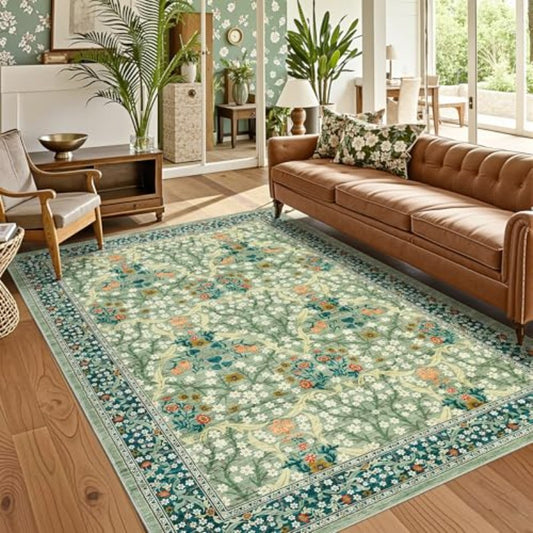
Floral Area Rugs, Sage Green Washable Rug for Living Room Bedroom Low Pile Non Slip Stain Resistance Indoor Boho Arabian Carpet Mat for Farmhouse Dining Room Office
Regular price $284.71 USDRegular priceUnit price per$0.00 USDSale price $284.71 USD -

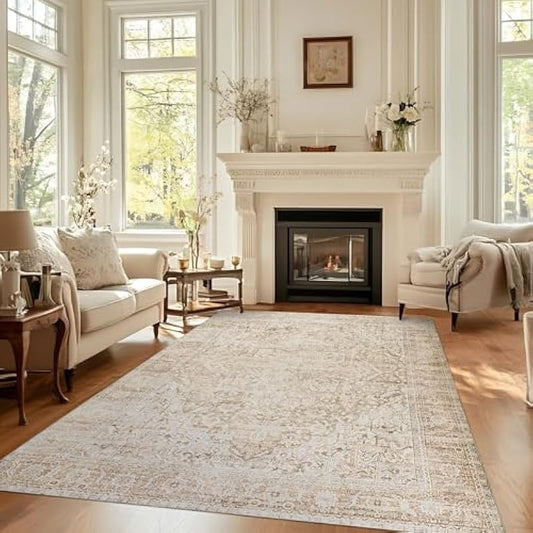
Boho Neutral Living Room Rug, Vintage Rustic Earth Tone Modern Farmhouse Style Easy to Clean Stain Resistant Area Rugs for Bedroom Dining Room Light Tan Brown and Beige
Regular price $266.89 USDRegular priceUnit price per$0.00 USDSale price $266.89 USD -

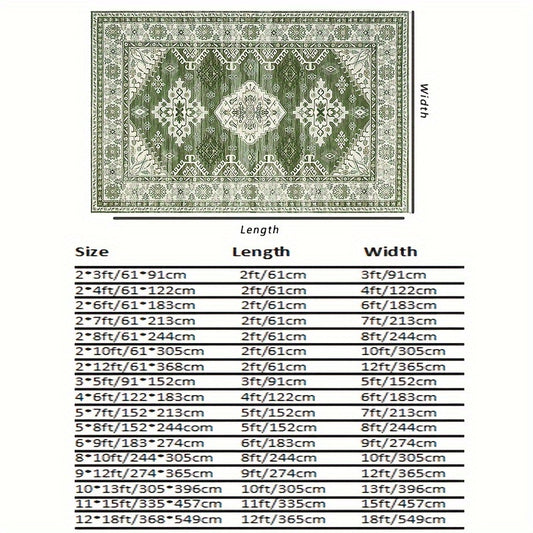
Machine Washable Rugs Distressed Vintage Tribal Medallion Area Rugs For Living Room Bedroom Office Low Pile Neutral Soft Rug Indoor Stain Resistant Throw Rug Runner Rug Non Slip Entryway Rug Foldable Farmhouse Floor Cover
Regular price From $221.67 USDRegular priceUnit price per$0.00 USDSale price From $221.67 USD


About Farmhouse Rugs
The Complete Guide To Farmhouse Rugs
Farmhouse rugs are more than decorative floor coverings—they embody warmth, simplicity, and timeless elegance. Rooted in rustic traditions, farmhouse-style interiors celebrate natural materials, earthy tones, and handcrafted details that evoke comfort and authenticity. Rugs are essential in this aesthetic because they anchor spaces, soften interiors, and tie together furniture and décor elements.
The farmhouse rug is not simply about utility; it is about atmosphere. It transforms rooms into cozy sanctuaries where natural textures and understated beauty converge. Whether placed in living rooms, dining areas, kitchens, or bedrooms, farmhouse rugs balance function and design, enhancing interiors with a touch of rustic charm.
This article explores farmhouse rugs in detail—their history, defining features, materials, styles, benefits, placement, care, and evolving role in modern design. It also offers comparisons with other rug styles and explains why farmhouse rugs remain enduring favorites for homeowners worldwide.
The Origins Of Farmhouse Style
The farmhouse aesthetic draws inspiration from rural homesteads of the 18th and 19th centuries. Homes in farming communities relied on practical, handmade furnishings that prioritized durability while incorporating simple beauty. Rugs in these homes were often woven from wool, jute, or cotton, using natural dyes and traditional patterns.
Over time, farmhouse style evolved beyond necessity to become a design philosophy—one that values authenticity, comfort, and connection to nature. Today, farmhouse interiors are celebrated for their blend of rustic textures and modern functionality, with rugs playing a pivotal role in uniting old-world charm with contemporary living.
Defining Features Of Farmhouse Rugs
Farmhouse rugs are distinguished by their understated elegance and practical qualities. Key features include:
-
Natural fibers: Jute, wool, cotton, and sisal dominate farmhouse rug design.
-
Neutral palettes: Shades of beige, cream, taupe, and gray set the foundation.
-
Earthy tones: Accents of olive, rust, terracotta, and navy add subtle depth.
-
Simple patterns: Stripes, plaids, geometric weaves, and medallion motifs.
-
Textured finishes: Chunky weaves, braided styles, and hand-tufted details enhance tactile appeal.
-
Durability: Designed to withstand heavy use in high-traffic areas.
Together, these features create rugs that complement farmhouse décor without overwhelming it.
Materials Used In Farmhouse Rugs
The choice of material affects durability, style, and maintenance. Common materials for farmhouse rugs include:
Wool
A traditional favorite, wool offers softness, resilience, and natural stain resistance. Wool rugs add warmth and plush texture to farmhouse interiors.
Jute
Known for its rustic texture and eco-friendliness, jute is durable and adds earthy charm. It is ideal for entryways, kitchens, or layered with softer rugs.
Cotton
Lightweight, breathable, and washable, cotton rugs are practical for everyday use. They often feature striped or plaid patterns that align with farmhouse style.
Sisal
Strong and natural, sisal rugs bring raw texture to rustic spaces. They are durable but better suited for low-moisture environments.
Synthetic blends
Modern farmhouse rugs may include polypropylene or polyester blends for enhanced durability and stain resistance, especially in homes with children or pets.
Styles Of Farmhouse Rugs
Farmhouse rugs come in diverse styles, offering flexibility across rooms:
-
Striped rugs: Evoke farmhouse simplicity with horizontal or vertical lines.
-
Braided rugs: Circular or oval, hand-braided designs that add vintage charm.
-
Plaid and checkered rugs: Reflect country living traditions, often in muted tones.
-
Floral motifs: Subtle, vintage-inspired patterns that balance rustic and feminine.
-
Medallion rugs: Inspired by Persian rugs, adapted into faded or distressed farmhouse palettes.
-
Solid rugs: Neutral, textured options that serve as understated anchors.
Farmhouse Rugs In Different Rooms
Living Room
A farmhouse rug anchors seating areas, balancing leather sofas, wooden furniture, and textured throws. Larger rugs frame coffee tables and define cozy conversation zones.
Dining Room
Durable, flatweave rugs under dining tables protect floors while adding rustic charm. Patterns should balance food-friendly practicality with farmhouse elegance.
Kitchen
Runners in cotton or jute enhance warmth in kitchens, softening hardwood or tile floors. Farmhouse runners often feature stripes or small checks.
Bedroom
Plush wool or layered cotton rugs create a serene retreat. Neutral rugs in soft textures complement farmhouse bedding and reclaimed wood furniture.
Entryway
Hardworking jute or sisal rugs trap dirt while welcoming guests. They set the tone for farmhouse interiors immediately upon entry.
Outdoor Spaces
Weather-resistant synthetic farmhouse rugs extend the aesthetic to patios and porches, creating outdoor living rooms with rustic charm.
Functional Benefits Of Farmhouse Rugs
Farmhouse rugs deliver multiple benefits beyond style:
-
Floor protection: Shield wood or tile from scratches and stains.
-
Comfort: Provide warmth underfoot, especially in colder climates.
-
Sound absorption: Reduce echo in open-plan homes.
-
Safety: Prevent slips, especially in kitchens or hallways.
-
Layering base: Create dimension when combined with smaller accent rugs.
Color Palettes In Farmhouse Rugs
Color plays a critical role in farmhouse style:
-
Neutrals: Beige, ivory, taupe, and cream maintain simplicity.
-
Earth-inspired hues: Olive green, terracotta, and rust reflect nature.
-
Muted blues and grays: Introduce calmness and depth.
-
Distressed tones: Rugs with faded patterns evoke heritage and age.
Patterns And Textures
Farmhouse rugs emphasize understated patterns:
-
Stripes: Horizontal stripes elongate spaces; vertical stripes add height.
-
Checks and plaids: Classic farmhouse motifs, often in muted hues.
-
Geometric weaves: Subtle diamonds or herringbone patterns.
-
Floral and vine motifs: Vintage influences that remain understated.
Textures are equally important: braided, looped, or flatwoven designs add tactile interest to otherwise simple interiors.
Comparison With Other Rug Styles
| Feature | Farmhouse Rugs | Persian Rugs | Bohemian Rugs | Modern Rugs | Coastal Rugs |
|---|---|---|---|---|---|
| Design | Neutral, rustic, simple | Intricate, detailed, bold | Eclectic, colorful | Sharp, minimal, geometric | Nautical, breezy |
| Colors | Beige, gray, muted | Deep reds, blues, greens | Vibrant multicolors | Black, white, contrasts | Blue, white, sand |
| Materials | Jute, wool, cotton | Wool, silk | Cotton, synthetic blends | Synthetics, wool | Cotton, jute |
| Mood | Cozy, grounded | Regal, luxurious | Playful, artistic | Sleek, urban | Relaxed, airy |
| Best For | Rustic homes, cottages | Traditional, formal rooms | Creative interiors | Contemporary apartments | Beach houses |
This comparison shows how farmhouse rugs maintain a distinct balance between warmth, durability, and timeless appeal.
Cultural And Psychological Appeal Of Farmhouse Rugs
Farmhouse rugs tap into deeper human needs for comfort and connection. Their natural fibers and muted colors remind us of rural simplicity and closeness to the earth. They symbolize authenticity, grounding, and tradition. Psychologically, farmhouse rugs create feelings of calm, stability, and nostalgia. This emotional resonance explains why farmhouse style continues to thrive even in modern urban environments.
Seasonal Versatility Of Farmhouse Rugs
Farmhouse rugs adapt well to different seasons:
-
Spring: Cotton rugs in soft stripes refresh interiors.
-
Summer: Jute or sisal rugs bring breezy, earthy textures.
-
Autumn: Warm-toned wool rugs enhance cozy vibes.
-
Winter: Plush or layered rugs add insulation and warmth.
Sustainability In Farmhouse Rugs
Sustainability is a cornerstone of farmhouse design. Many rugs are crafted from renewable fibers such as jute, wool, and cotton. Handwoven rugs support artisan communities and reduce reliance on mass production. Eco-conscious buyers also prefer low-impact dyes and biodegradable materials.
Caring For Farmhouse Rugs
Proper maintenance ensures longevity:
-
Vacuum regularly to remove dirt.
-
Spot-clean stains immediately with mild soap.
-
Rotate rugs to ensure even wear.
-
Use rug pads to prevent slipping and protect floors.
-
Professional cleaning annually for wool or high-value rugs.
Farmhouse Rugs In Commercial Interiors
Beyond homes, farmhouse rugs enhance restaurants, boutique hotels, and retail stores. They create a welcoming, grounded atmosphere while protecting high-traffic areas. Neutral palettes and natural textures ensure they align with professional settings without distracting from branding.
Global Popularity Of Farmhouse Rugs
Farmhouse rugs are popular worldwide:
-
United States: Align with country living and modern farmhouse trends.
-
Europe: Blend with rustic cottages and contemporary homes.
-
Middle East: Valued for natural textures in modern rustic interiors.
-
Australia & Canada: Fit seamlessly into eco-conscious and nature-inspired designs.
The Investment Value Of Farmhouse Rugs
Unlike disposable décor, high-quality farmhouse rugs are investments. Their durable materials, timeless designs, and artisan craftsmanship ensure they last for years. Distressed and handwoven designs can even appreciate in artistic value, making them both practical and collectible.
Future Of Farmhouse Rugs
The future of farmhouse rugs lies in sustainability, customization, and technology:
-
Washable farmhouse rugs for practicality in busy households.
-
Eco-friendly materials such as organic cotton and recycled fibers.
-
Digital customization tools to preview rugs in virtual spaces.
-
Hybrid styles blending farmhouse charm with modern innovation.
The timeless appeal of farmhouse rugs ensures they will remain central in interior design trends for decades.
Why Fabulive’s Farmhouse Rugs Stand Out
Fabulive’s farmhouse rugs exemplify rustic sophistication. By blending durable natural materials with versatile designs, they cater to both traditional and modern farmhouse interiors. Each rug is carefully curated to enhance warmth, comfort, and elegance, making Fabulive’s collection a trusted choice for homeowners seeking timeless style with practical function.
10 Human-Like Reviews
-
Emma L., USA: “This rug completed my farmhouse living room. The neutral tones tie everything together beautifully.” ⭐⭐⭐⭐⭐
-
Oliver H., UK: “Durable and stylish. It feels authentic and adds warmth to my entryway.” ⭐⭐⭐⭐
-
Layla A., UAE: “I love the rustic charm. It matches my wooden furniture perfectly and feels high quality.” ⭐⭐⭐⭐⭐
-
Sophie K., Canada: “Soft yet sturdy. My kids play on it daily, and it still looks new.” ⭐⭐⭐⭐
-
Hannah R., Australia: “The jute texture is stunning. It brings natural beauty into my dining space.” ⭐⭐⭐⭐⭐
-
Amira S., Qatar: “Perfect blend of tradition and modern style. It feels luxurious underfoot.” ⭐⭐⭐⭐⭐
-
Lucas M., Germany: “I appreciate the craftsmanship. The subtle pattern adds elegance without overwhelming the room.” ⭐⭐⭐⭐
-
Olivia D., France: “The rug arrived quickly and exceeded expectations. It feels like a centerpiece for my living room.” ⭐⭐⭐⭐⭐
-
Sophia T., Italy: “Beautiful colors, perfect size, and very durable. I will definitely order again.” ⭐⭐⭐⭐⭐
-
Noah J., USA: “I’ve owned many rugs, but this farmhouse rug feels timeless. Excellent investment.” ⭐⭐⭐⭐