
-

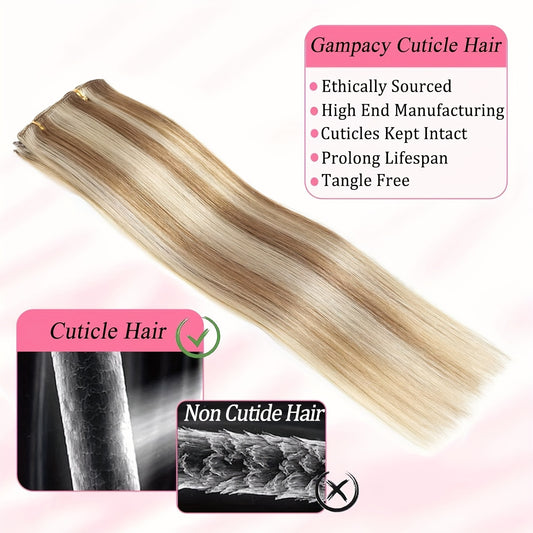
Clip In Hair Extensions Real Human Hair, Seamless Clip InsReal Human Hair for Women, Remy Human Hair Clip InExtensions, Double Weft 8pcs 14-24 Inch Light BlondeHighlighted Golden Blonde
Regular price From $252.08 USDRegular priceUnit price per$0.00 USDSale price From $252.08 USD -

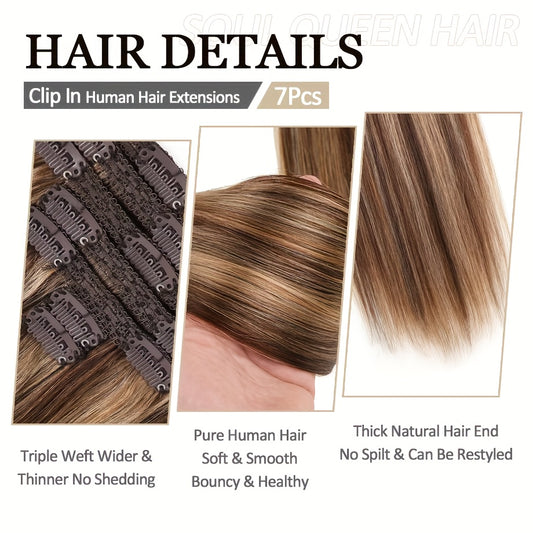
24-Inch Clip-In Hair Extensions, Real Human Hair Double Weft, 100% Remy Design for Women
Regular price $249.00 USDSale price $249.00 USDUnit price per -

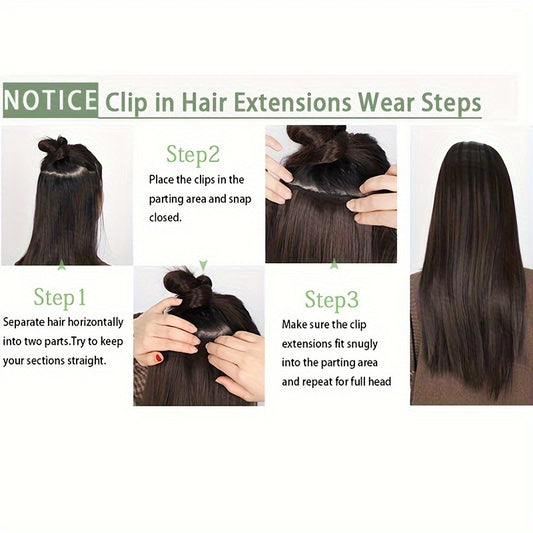
Clip In Hair Extensions Real Human Hair | Remy Human Hair Extensions Clip Ins For Women
Regular price $229.00 USDSale price $229.00 USDUnit price per -

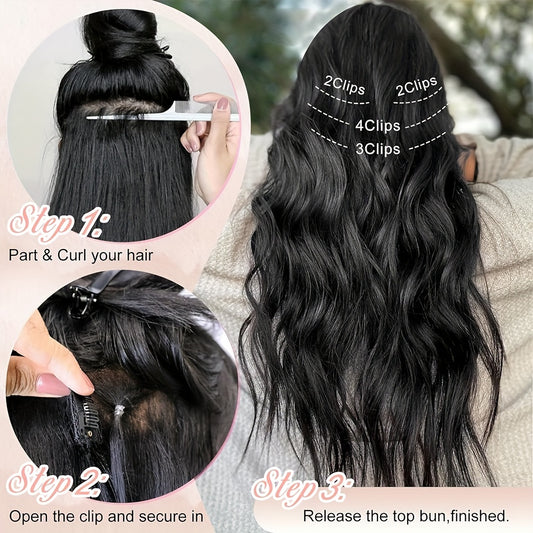
4pcs Thick Clip In Long Wavy Synthetic Hair Extensions
Regular price From $114.84 USDRegular priceUnit price per$14.84 USDSale price From $114.84 USD -

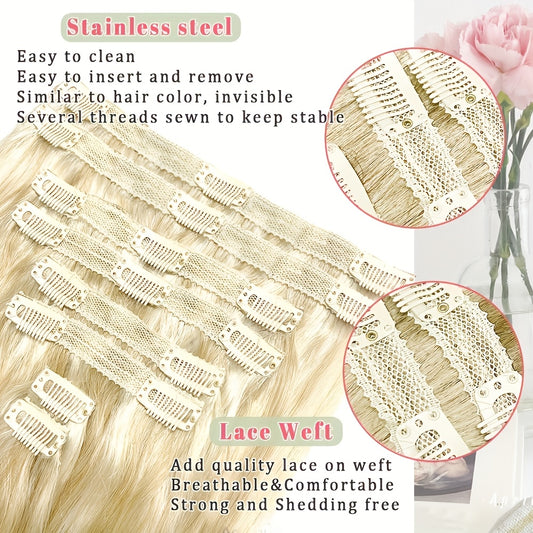
Real Human Hair Body Wave Human Hair Clip In Extensions
Regular price $239.00 USDSale price $239.00 USDUnit price per -

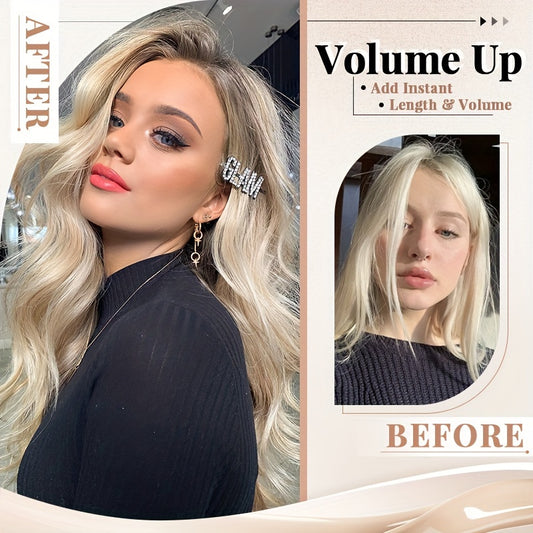
14-20 Inch V-Shaped Real Remy Clip in Human Hair Extensions
Regular price $229.00 USDSale price $229.00 USDUnit price per -

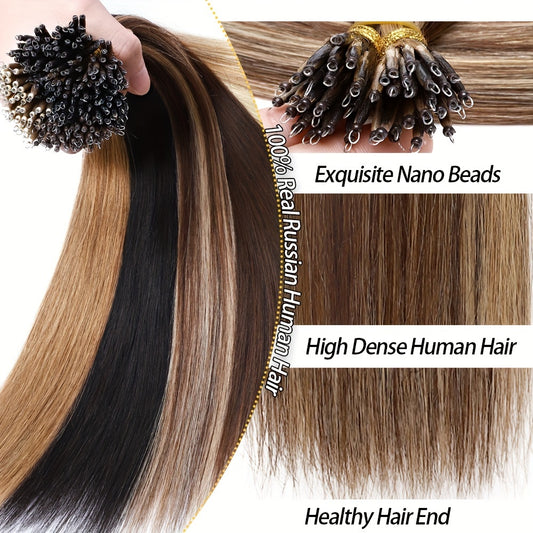
16-24 Inch Nano Ring Hair Extensions Human Hair Highlight Nano Link Hair Extensions
Regular price $249.00 USDSale price $249.00 USDUnit price per -

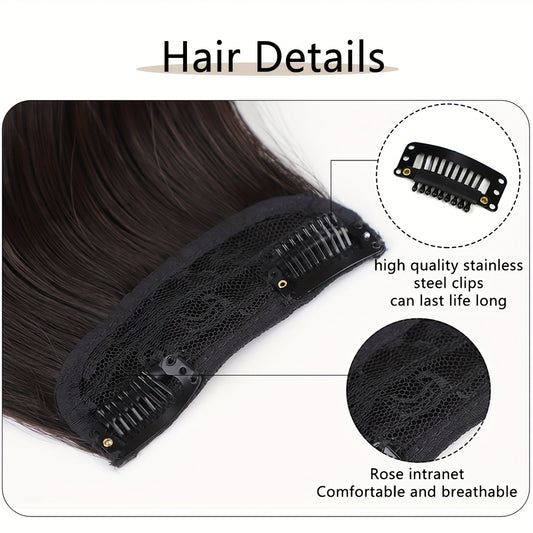
4pcs Clip-In Synthetic Hair Extensions | Long Wavy Thick Double Weft Hairpieces
Regular price From $111.23 USDRegular priceUnit price per$11.23 USDSale price From $111.23 USD -

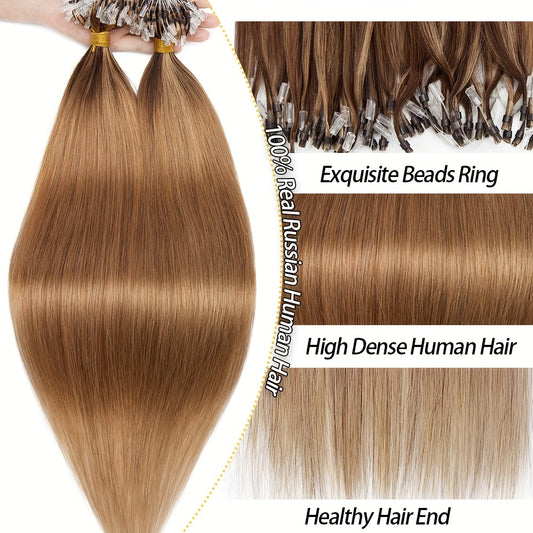
50G/Pack THICK Micro Ring Loop 100% Human Hair Extensions
Regular price $179.00 USDSale price $179.00 USDUnit price per -

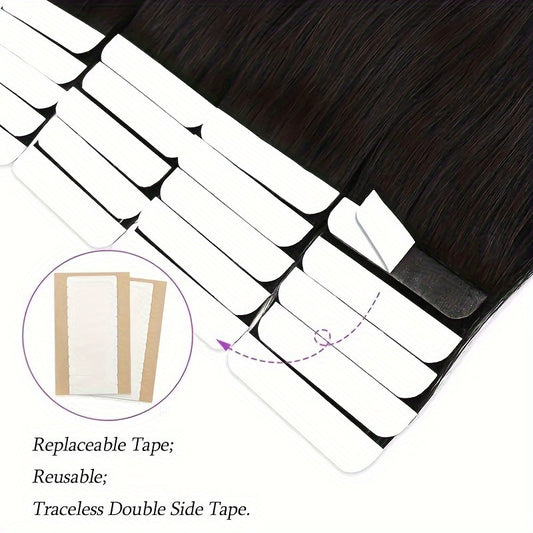
20pcs 100% Remy Hair Tape-In Straight Human Hair Extensions
Regular price $189.00 USDSale price $189.00 USDUnit price per -

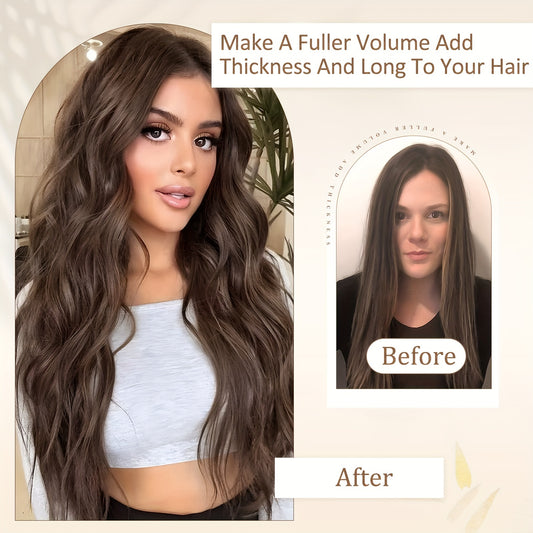
14-24 Inch 100% Remy Human Hair Extension Pre-bonded Micro Nano Rings
Regular price $239.00 USDSale price $239.00 USDUnit price per -

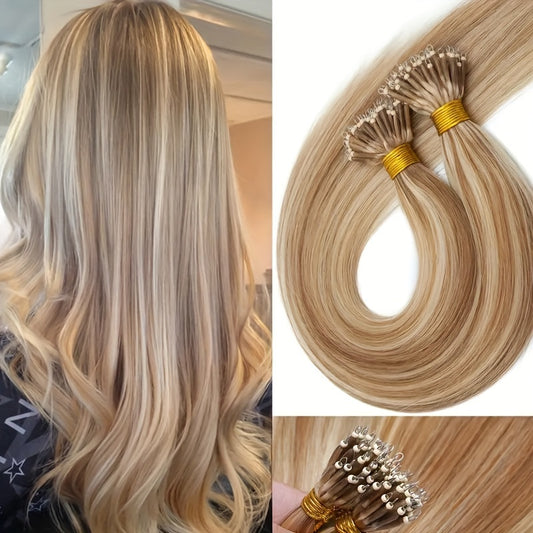
50g/50s Real Human Hair Nano Tip Hair Extensions
Regular price $179.00 USDSale price $179.00 USDUnit price per


22 Inch Hair Extensions: The Luxe Length That Turns Hair Into a Signature
Twenty-two inches is the point where “long hair” stops being a detail and becomes the look. It adds visible length, richer movement, and a more cinematic silhouette—yet it can still feel wearable when you choose the right texture, shade, and coverage for your routine. This guide is designed to sit above your product grid as a premium, decision-support landing article: practical, editorial, and built for real-life blending (not just perfect mirror lighting). Start by browsing the 22-inch hair extensions collection for statement length with everyday potential, then use the framework below to pick the most natural match.
What This Collection Is and Who It’s For
This collection focuses on hair extensions designed to deliver a 22-inch finish—typically landing around the lower back on many wearers, depending on height and where the hair is placed. That placement matters because it changes proportion: waves look deeper, ponytails look longer, braids look fuller, and even simple half-up styling appears more intentional. When selected well, 22 inches doesn’t read “extra.” It reads “polished,” because the length creates a strong, clean line through the mid-back that photographers and everyday mirrors both love.
22-inch extensions are especially for people who want one or more of the following:
- A clear length shift that feels luxurious without requiring ultra-long maintenance habits.
- A fuller hemline—ends that look dense instead of see-through.
- More styling range: longer braids, bigger waves, higher-impact ponytails.
- A “signature hair” identity that elevates minimalist outfits and everyday makeup.
They also suit people who are already comfortable with basic hair care and want hair that rewards consistency. The length is not inherently difficult—but it is honest. It will show dryness sooner than shorter lengths, and it will tangle faster if you skip gentle brushing or protective storage.
If you’re building a complete extension routine—tools, storage, and ongoing care—use Fabulive’s homepage for coordinated hair essentials and care-friendly add-ons as your central hub so your maintenance habits stay consistent.
How to know if 22 inches will feel wearable on a busy schedule
Ask how you actually wear hair: down and natural, or styled and controlled. If you wear hair down most days, choose a texture that mirrors your natural movement so you aren’t heat-styling just to blend. If you typically style hair into waves, ponytails, or updos, you can choose more dramatic texture because you’ll be unifying everything with styling anyway.
Who tends to get the most seamless results at this length
Shoulder-length and longer natural hair usually blends the easiest because there’s enough “bridge” between your hair and the added length. Short hair can still wear 22 inches beautifully, but placement strategy, density balance, and texture choice become more important than the inches themselves.
Why This Category Matters Now
Long hair trends haven’t disappeared—they’ve become more refined. The current preference is for length that looks dimensional, touchable, and realistic in daylight. Twenty-two inches fits that aesthetic because it provides a dramatic silhouette while still sitting inside a “believable long hair” range when the ends are shaped and the undertone is matched. The modern version of long hair is less about extremes and more about movement: hair that swings, photographs cleanly, and looks like it belongs to you.
This length also matches real life right now: people want hair that can move between contexts—work, social plans, travel, photos—without needing a complete restyle. That’s why installation type matters. If you’re exploring a more continuous, luxe finish, review how 22-inch tape-in length creates a luxe, uninterrupted look to understand why construction can influence realism, comfort, and how the hair sits through the mid-lengths.
What 22-inch hair tends to look like in natural daylight
In daylight, the eye checks two things first: root harmony (does the top match your hair near the attachment zone?) and texture harmony (does the hair move like one unit?). The most natural-looking 22-inch results usually come from a root-aligned shade and a soft, cohesive texture—especially if you plan to wear it down.
Why 22 inches can look fuller than expected without heavy weight
Length creates perceived density. Hair occupies more visible space from shoulders to ends, so moderate coverage can still look lush when the ends are shaped and the back zone is properly filled. If your ends look thin, the solution often isn’t “more inches.” It’s better density distribution.
When this length becomes a signature rather than a styling experiment
At 22 inches, hair becomes part of your silhouette the way a tailored coat or great shoes does. If you want hair that reads “finished” even with minimal styling, this length is often the tipping point—provided you choose a texture you can maintain.
How to Choose the Right Option
Choosing 22-inch extensions is easiest when you choose in the right order. Many disappointing purchases come from picking a texture first (because it looks pretty) and then realizing it doesn’t match how your hair behaves day to day. Start with your goal, then shade and undertone, then texture, then construction and coverage. When those are aligned, the hair feels like an upgrade—not a project.
Decision Framework
- Goal → length, volume, or both
- Shade/undertone → match roots first, then harmonize mids/ends
- Texture/finish → choose your “most typical hair day,” not your best day
- Construction/type → clip-in, tape-in, bonded, etc.
- Weight/coverage → subtle fill vs full-head density
- Occasion/frequency → daily wear, weekends, or events
- Care tolerance → low-maintenance vs styling-forward routine
- Budget/value → cost-per-wear and longevity expectations
How to choose 22-inch extensions for thin hair right now
If your hair is fine or thin, your best-looking results usually come from balanced coverage rather than maximum weight. You want fullness through the back without creating a bulky ridge near the attachment zone. A soft wave is often the most forgiving because it adds visual fullness without requiring heavy teasing or excessive product.
How many pieces or wefts do you actually need for a full look
Think in zones: back density for a consistent hemline, side fill for face framing, and crown coverage for concealment. If you can see through the ends, it’s usually because the back zone needs more support—not because you need more hair at the top.
Best option for daily wear vs special occasions
For daily wear, comfort and speed matter most. Choose a texture close to your natural hair so blending is easy without heat. For events, you can choose more dramatic density or curl definition because you’ll likely style more deliberately and wear the hair for shorter windows.
How to pick a texture that won’t require constant heat styling
Match the mid-length behavior of your hair. If your hair naturally dries with movement, choose wavy movement. If your hair stays straight, straight or soft body movement blends best. If you’re curly, match the curl shape through the mids and use styling to unify the finish.
How to avoid choosing a set that feels too heavy
Weight should match your scalp comfort and your natural density. If you’re sensitive, choose lighter coverage and build volume through styling. If your hair is thick, heavier coverage can look more natural because it mirrors your density. The goal is a consistent silhouette, not maximum hair.
Shade, Undertone, and Finish Selection
Color matching is where extensions disappear. At 22 inches, the length amplifies contrast, so undertone matters as much as shade level. A “close match” can still look off if it’s warm against cool hair (or cool against warm). Start by matching your root area first, because that’s where attachment points sit and where the eye judges realism. Then match mid-length dimension: if your hair has highlights or balayage, choose tones that echo that variation instead of a single flat shade.
How to match undertones without overthinking it
Check your hair in indirect daylight. If the lighter strands lean honey or caramel, you’re likely warm. If they lean beige, smoky, or slightly ashy, you’re likely neutral-to-cool. When you’re unsure, neutral tones often blend across more lighting conditions and seasons.
What 22-inch hair looks most natural in daylight and photos
Realistic long hair usually has subtle dimension and a soft end shape. In photos, overly blunt ends can look manufactured, even if the color match is perfect. A brushed-out wave or light bend helps hair read like natural growth rather than a separate layer.
What to do if the shade looks “almost right” once installed
Add texture first. Loose waves break up color blocks and soften transitions. If the mismatch shows near the top, increase natural top coverage and adjust placement slightly lower. If it’s mainly at the ends, shaping the finish and brushing out can reduce the contrast quickly.
Texture and Blend Strategy
Texture is the invisible handshake between your natural hair and your extensions. Even perfect color can look obvious if your hair moves differently. Straight textures can be extremely realistic when matched precisely, but they’re less forgiving if undertones or density aren’t aligned. Waves and curls are often more forgiving because texture softens lines and creates a cohesive silhouette from root to end.
How to blend 22 inches with blunt haircuts
Blunt cuts can create a visible shelf where your hair ends and the extensions continue. The fix is to introduce shape: soft bends, waves, or brushed-out curl. Aim for a gradual transition rather than a hard line, and keep the ends slightly tapered so the length looks like natural growth.
How to blend 22 inches with layered haircuts
Layers often blend more easily, but they can look thin at the ends if extension coverage is too light. Support the back zone so the hemline looks consistent, then style with gentle movement to unify the layers. The goal is one silhouette, not two separate lengths stacked together.
How to blend 22 inches with short hair without it looking obvious
Short hair needs a bridge. Keep placement lower, leave enough natural hair at the top for coverage, and style everything together so the transition becomes a gradient. If you want the decision logic behind why this works so well, read why extensions are a game-changer for short hair and confidence and apply the placement principles to your haircut shape.
How to blend 22 inches with medium hair for an invisible transition
Medium-length hair is an ideal base for 22 inches. Add face-framing pieces to soften the front and style mid-length movement consistently. A brushed-out wave often looks most natural because it combines polish with softness and reduces visible separation.
What to do if the blend line shows
Adjust placement first: moving the hair slightly lower often solves the issue. Then unify texture with a soft wave. If the line still shows, reassess density balance—sometimes the ends are too thick compared to your natural hair, creating an abrupt boundary.
How to enhance volume without making it look bulky
Volume should look like healthy density, not stacked weight. Concentrate fullness through the back panels and mid-lengths, keep the crown lighter, and avoid aggressive teasing that creates a halo. For technique-first guidance, use these clip-in volume techniques for lift that still looks natural to fine-tune placement and styling.
Styling Ideas
At 22 inches, the length does a lot of the work. The best styling philosophy is to build two reliable tracks: quick looks for regular days and photo-ready looks for events. That way, you’re not reinventing your routine every time—you’re refining a system that keeps the hair looking intentional.
Quick looks
Quick doesn’t mean plain. A low ponytail with face framing, a half-up twist, or loose brushed waves can look editorial because the length carries the shape. The key is cohesion: keep the top smooth enough to look polished, and keep the movement consistent through the mids and ends.
Photo-ready looks
For photos, structure matters. Glam waves create consistent movement, sleek ponytails highlight length, and low buns look refined when wrapped with long sections. For styling inspiration that translates especially well when you add length, explore prom hairstyle ideas that adapt beautifully to long extensions and focus on the silhouettes that hold up from multiple angles.
What 22-inch hair looks like when styled for modern glam
Modern glam is less about stiffness and more about controlled softness: smooth roots, gentle movement, and ends that don’t look overly curled or overly straight. A brushed-out wave often gives the most premium finish because it looks effortless while still intentional.
How to use accessories to make blending easier
Accessories can be practical, not just decorative. A bandana or scarf can add a style story while making the crown area feel intentional—especially on second-day hair. For wearable ideas that complement long hair, see bandana hairstyles that look current and work with long lengths.
Celebrity references that help you choose a silhouette
Celebrity inspiration works best when you borrow structure, not identity. Look for consistent movement, face framing, and controlled shine. If you want reference points for what reads “finished” on camera, browse celebrity hairstyles that showcase high-impact long-hair structure and map the shape to your own features and density.
Care, Maintenance, and Longevity
Longevity at 22 inches is mostly friction management. Long hair tangles where it rubs: against clothing, scarves, seatbacks, and bedding. If you treat extensions like delicate fabric—detangle gently, reduce repeated heat, store properly—they keep their softness and movement longer. The biggest difference between hair that stays beautiful and hair that looks tired quickly is the consistency of small habits.
How often to wash 22-inch extensions
Wash only when product buildup affects movement or dulls the finish. Over-washing can dry hair and increase tangling. Between washes, focus on brushing, light refresh styling, and protecting the ends from friction.
How to prevent tangling at the ends
Detangle from ends upward, avoid aggressive brushing when hair catches, and store hair so it doesn’t knot. If you’re at home for long stretches, a loose braid can reduce friction and keep strands aligned. Consistency beats intensity: small daily care prevents big detangling sessions later.
How to manage longer lengths if you size up later
If you move into ultra-long territory, maintenance becomes more protective: more mindful detangling, more careful storage, and more intentional styling. For realistic expectations, read how to manage ultra-long extensions without constant frustration before you commit to even more length.
Comparing Nearby Categories
When you compare lengths, the right question isn’t “what’s best,” but “what matches my density and routine.” Shorter lengths often look thicker at the ends and require less upkeep; longer lengths look more dramatic but demand better storage and more consistent brushing habits. Twenty-two inches is typically the point where hair starts reading unmistakably luxe—so it’s ideal if you want a statement while still keeping wearability within reach.
How to decide between a subtle long look and a statement long look
If you want hair that feels lighter and quicker to maintain, a slightly shorter long length can be the better daily choice. If you want hair that becomes part of your silhouette—something people notice—22 inches is the stronger visual decision.
What to do if you want a “hair wardrobe” instead of one length
Many people love keeping one length for everyday life and another for events. A wardrobe approach reduces wear on your longest set and gives you styling flexibility without overworking the same hair. The key is to choose complementary textures so switching lengths still feels cohesive.
Why mid-length options can be smarter for fine hair
Fine hair often looks thickest when the length doesn’t outrun the density. If you love the idea of long hair but want maximum fullness at the ends, you may prefer building confidence with a shorter length and then stepping up once your blend routine feels easy.
Featured Picks and Use-Case Recommendations
Featured picks should map to real use cases: full-head coverage, textured drama, premium flexibility, or dimensional color experimentation. The goal isn’t to pick the most dramatic option—it’s to choose what you’ll wear often, blend easily, and maintain without resentment.
For a full-head finish that looks dense from every angle
If your priority is a consistent hemline and you don’t want the ends to look see-through, consider a 22-inch full-head clip-in set for all-over density and statement length.
For defined curl and bold texture with high visual impact
If you want dramatic shape and textured volume—especially for photos—explore a 22-inch deep-wave curly clip-in set for thick, defined curls and keep styling gentle to preserve the wave pattern.
For premium flexibility across multiple styling moods
If you like switching between sleek and wavy finishes, consider Brazilian Remy human hair for styling versatility and long-wear value so your routine can shift with your calendar.
For a soft wave that blends quickly and looks natural in motion
If your goal is polished hair without overthinking it, try 20-inch wavy clip-ins for fast blending and an effortless wave finish as a texture-forward option that often melts seamlessly with natural movement.
For a sleek deep tone with a refined, glossy silhouette
If you love a smooth, polished look in a deep shade, consider a seamless 1B Remy clip-in for a refined long-hair silhouette and keep shine consistent through light, controlled finishing.
For dimensional balayage color without committing to dye
If you want highlight-like contrast and a more editorial finish, explore a pale golden honey balayage set for dimensional color experimentation and style with loose waves to soften transitions.
Buying Guidance and Common Mistakes to Avoid
Buying 22-inch extensions should feel like making a smart wardrobe decision. The most common regrets come from choosing a look that requires more styling time or care than you realistically want to invest. When you match selection to routine, 22 inches becomes effortless instead of demanding.
Mistake: choosing length before deciding your density target
If you choose a very dense set for fine hair, the top can look bulky and blending becomes harder. If you choose too little hair for thick density, the ends can look thin. Decide whether you want natural fullness or bold volume, then choose weight and coverage that fit your hair type.
Mistake: matching only the ends and ignoring root tone
Roots are where realism is judged. A slightly imperfect ends match often disappears with waves; a root mismatch tends to remain visible in daylight and movement. Prioritize root harmony first, then match mid-length dimension.
Mistake: forcing texture with heat every single wear
If you’re relying on heat just to make the hair match your natural pattern, you’ll shorten lifespan and make the routine feel heavy. Choose a base texture that aligns with your typical hair day, then use heat sparingly to refine shape.
Mistake: forgetting that end shape controls realism
Even perfect shade and texture can look “separate” if the ends are blunt and uniform. A natural taper, brushed-out movement, or soft curl usually creates the most believable finish at 22 inches—especially in photos.
Mistake: skipping a learning curve with placement
At 22 inches, placement errors are more noticeable because the length magnifies proportion. Keep attachments lower, leave enough natural hair at the top for coverage, and test your blend under indoor and outdoor lighting before you lock in your routine.
FAQ
Do 22-inch hair extensions look natural, or do they look too long?
They can look very natural when the root tone matches and the texture aligns with your hair’s movement. The length is noticeable, but soft waves and a tapered end shape usually keep it believable rather than extreme.
Are 22-inch extensions comfortable for all-day wear?
Comfort depends on construction and weight distribution. When the hair is placed correctly and the set isn’t overly heavy for your density, 22 inches can feel comfortable for long wear windows.
What’s the easiest way to hide seams at 22 inches?
Placement and top coverage matter most. Keep attachments lower and leave enough natural hair at the top to cover the seam. Adding gentle texture can also blur transitions and reduce visible lines.
How do I choose between wavy and curly textures at this length?
Waves are often the easiest to blend and style for everyday wear because they soften transitions. Curly textures deliver more volume and shape for photos and events, but they can require more mindful detangling to maintain definition.
Do I need more hair at 22 inches to keep the ends full?
Often, yes—because longer lengths can look thinner at the bottom if coverage is light. The simplest way to keep the hemline rich is to support the back zone properly and avoid overloading the crown.
Is 22 inches a good first-time extension length?
It can be, but it’s best if you’re willing to learn placement and follow a gentle care routine. If you want a lower-effort first experience, many people start slightly shorter and then step up once blending feels automatic.
How do I decide whether 20 inches or 22 inches is better for me?
If you want long hair that feels especially wearable on busy days, 20 inches often fits routines with less friction. If you want the stronger statement length that changes your silhouette and elevates simple styles, 22 inches is the bolder choice. For a clear comparison mindset, read why 20 inches is considered the glamorous flowing sweet spot and decide whether you want “flowing glam” or “signature statement.”
What’s the best way to make 22-inch hair look less “perfect” and more real?
Real hair has softness and variation. A brushed-out wave, subtle face framing, and a natural taper through the ends usually creates the most believable finish. Avoid overly uniform curls or ultra-flat straightness if you want realism in daylight.
Can I use 22-inch extensions for ponytails and updos?
Yes—this is where the length shines. Ponytails look longer and fuller, braids appear thicker, and buns have more wrap-around hair for a refined finish. Keep the crown smooth and let face-framing pieces soften the hairline for the most natural look.
Conclusion Encouraging Browsing the Collection
Twenty-two inches is the length that turns hair into a signature. It adds movement, changes proportion, and makes everyday styling look intentional—so long as you choose a texture you can maintain and a shade that holds up in real light. Use the decision framework to select in the right order, prioritize root harmony and cohesive movement, and choose coverage that matches your density so the ends stay rich. When you’re ready, browse with purpose: decide whether you want soft everyday glam, bold volume, or defined curl—and choose the 22-inch option that fits how you actually live.
Related Collections
- Which 22-inch clip-in extensions are easiest to wear and remove?
- Should you choose 20 inches for long hair that feels more everyday?
- Is 18 inches the best balance of length and low-maintenance ends?
- What does 16 inches look like for a natural daily upgrade?
- When is 15 inches better for fine hair density and fullness?
- Is 14 inches the most subtle option for realistic enhancement?
- Which 12-inch extensions suit short-chic styling and bobs?
- How can 10 inches add volume without adding obvious length?
Education and Decision Support Reading
If you want the most complete overview of how this length behaves across textures and styling routines, read the ultimate guide to 22 inches of hair for long, glamorous extensions to ground your choice in practical expectations.
For curl lovers deciding how volume and length interact at this inch range, explore how 22 inches of curly hair balances volume and length so your texture choice supports your face shape and density.
If you’re considering a shorter, sleeker aesthetic for a different season of your hair wardrobe, reference short-chic 12-inch clip-in style ideas for a polished look and compare the silhouette to 22 inches.
If your hair is fine and you want fuller-looking ends with minimal effort, review why 15 inches can be a strong mid-length upgrade for fine hair and apply that density logic when you size up.
For a lifestyle-based look at what “everyday wear” really means in extensions, see why 16 inches is often the perfect length for everyday wear to clarify your comfort threshold.