
-
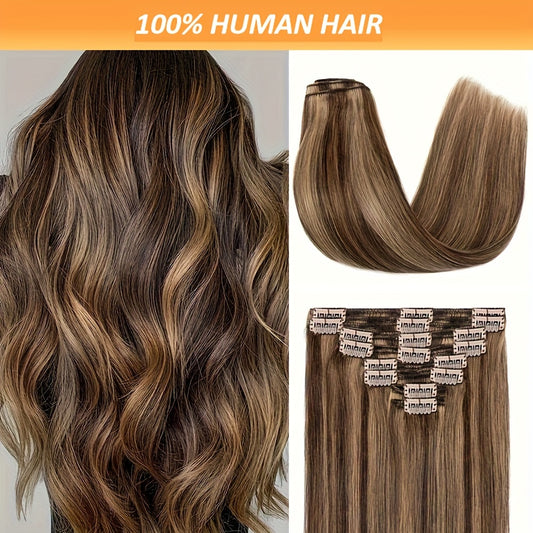
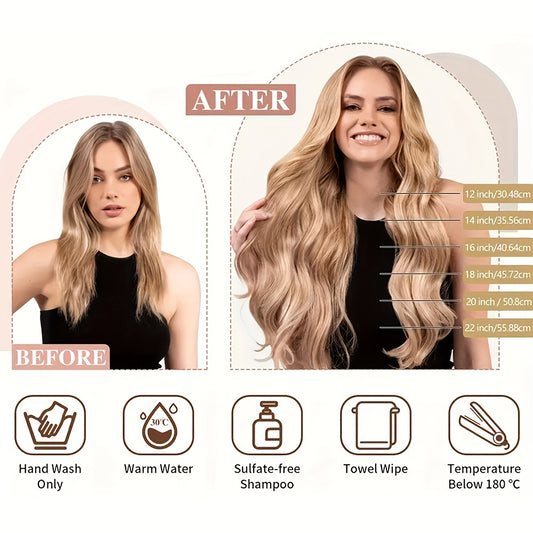
8Pcs Human Hair Clip In Hair Extensions - Chocolate Brown To Caramel Blonde
Regular price From $136.98 USDRegular priceUnit price per$36.98 USDSale price From $136.98 USD -

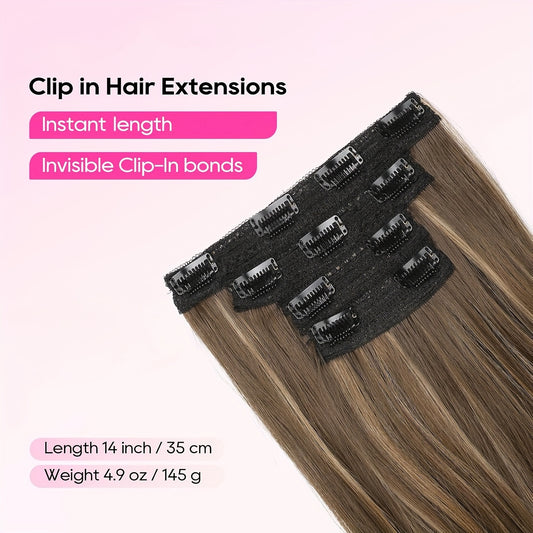
4pcs Lace Weft Hair Extensions | 14 Inch Short Wavy Invisible Hair Extensions
Regular price $110.00 USDSale price $110.00 USDUnit price per -

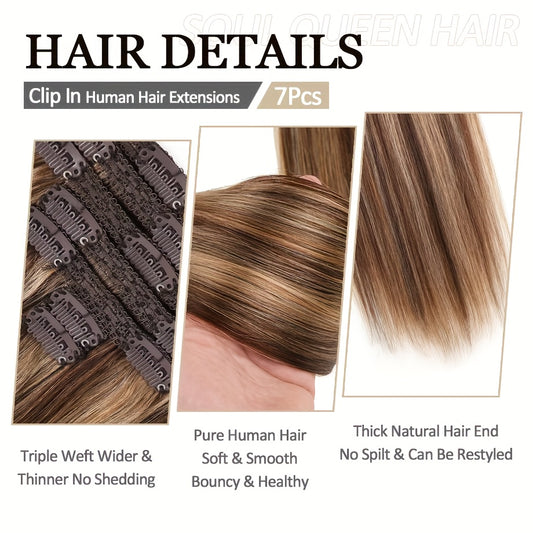
24-Inch Clip-In Hair Extensions, Real Human Hair Double Weft, 100% Remy Design for Women
Regular price $249.00 USDSale price $249.00 USDUnit price per -
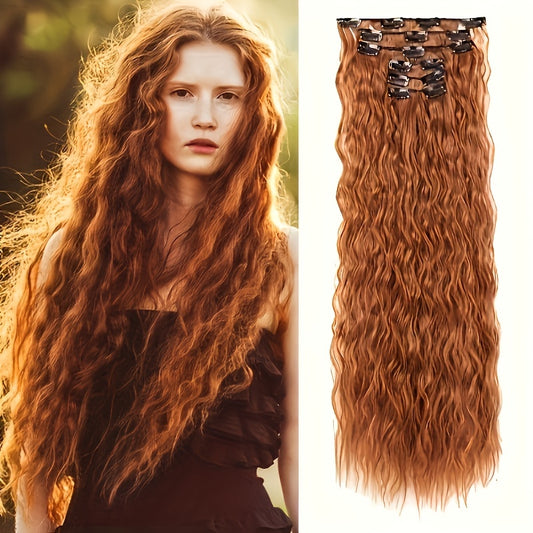
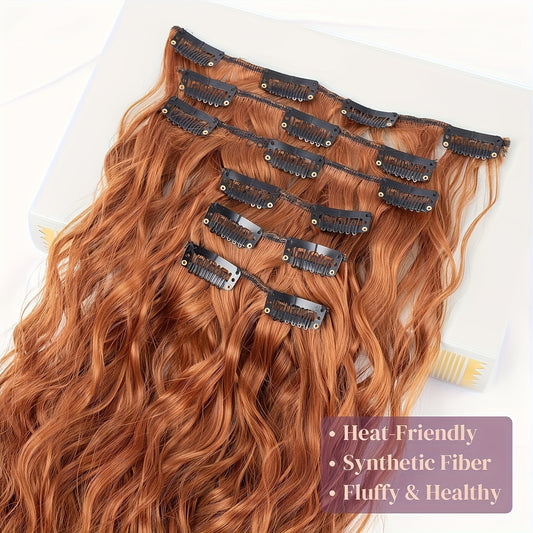
6pcs Synthetic Clip In 24 Inch Long Curly Wavy Hair Extensions
Regular price $110.00 USDSale price $110.00 USDUnit price per -

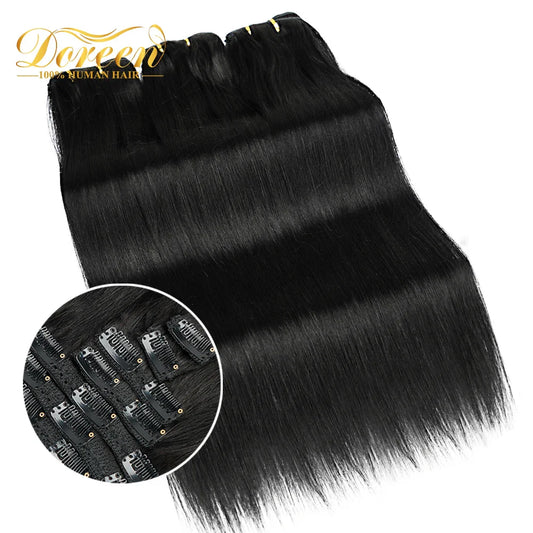
Brown Brazilian Remy Straight Clip In Human Hair Extensions
Regular price $345.00 USDRegular priceUnit price per -

Brazilian Remy Straight Clip In Human Hair Extensions
Regular price $345.00 USDRegular priceUnit price per -
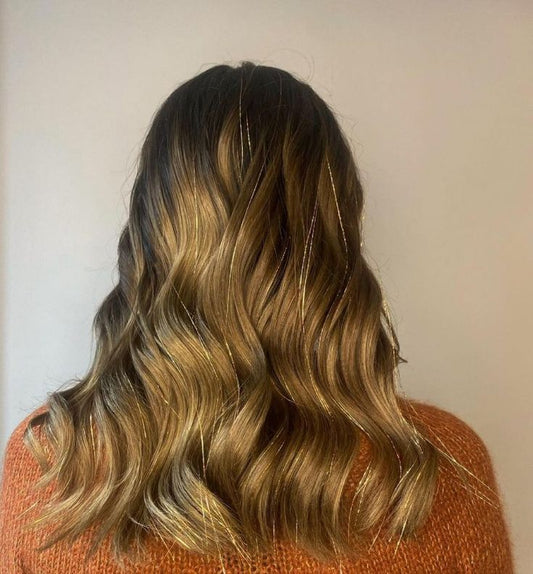
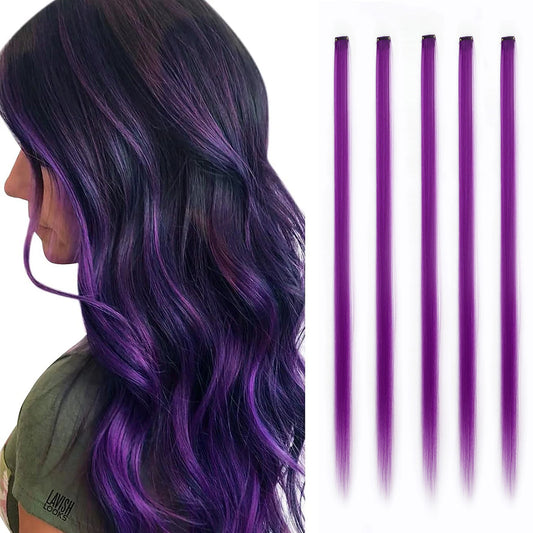
Sparkle Hair Extensions Clip In Hair Extensions
Regular price From $81.99 USDRegular priceUnit price per -
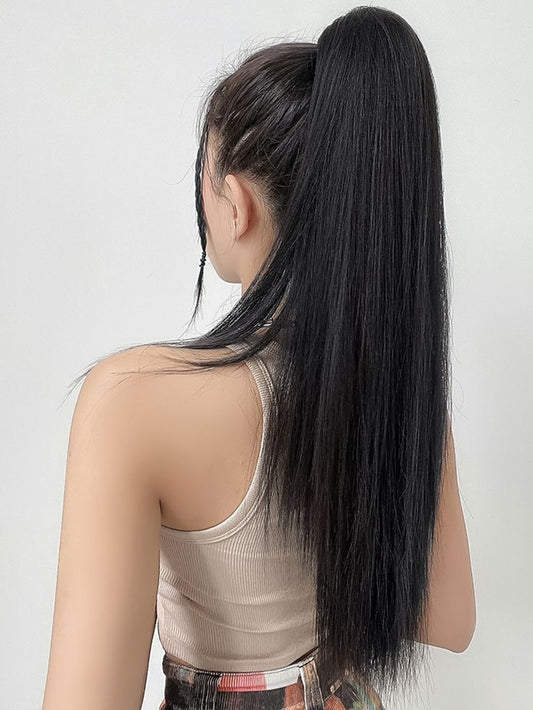
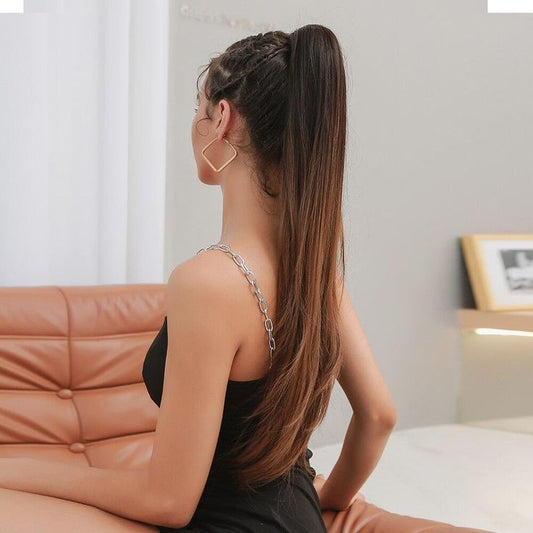
Human Hair Natural Blonde Clip In Extensions
Regular price From $346.99 USDRegular priceUnit price per -
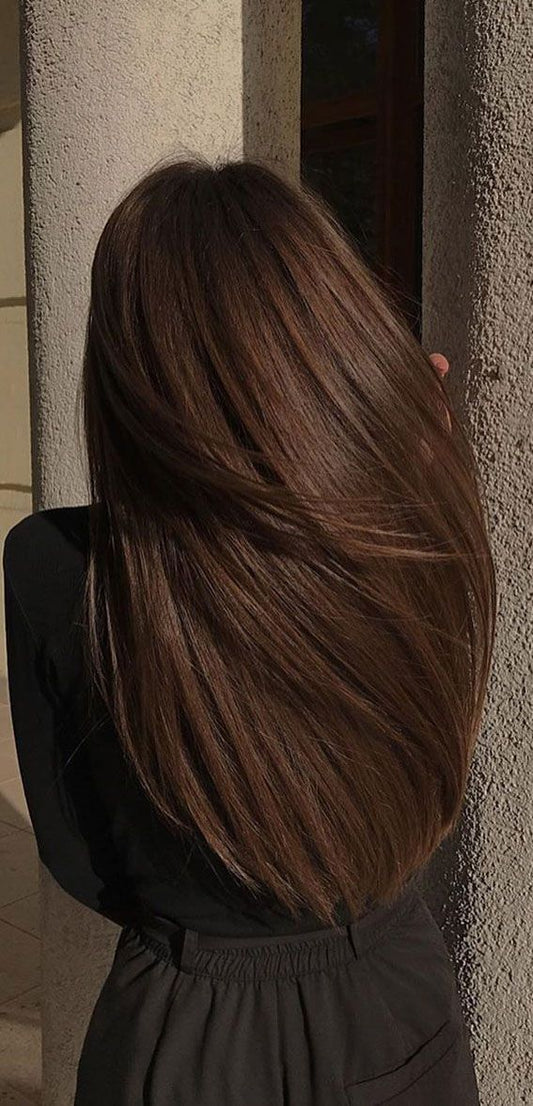
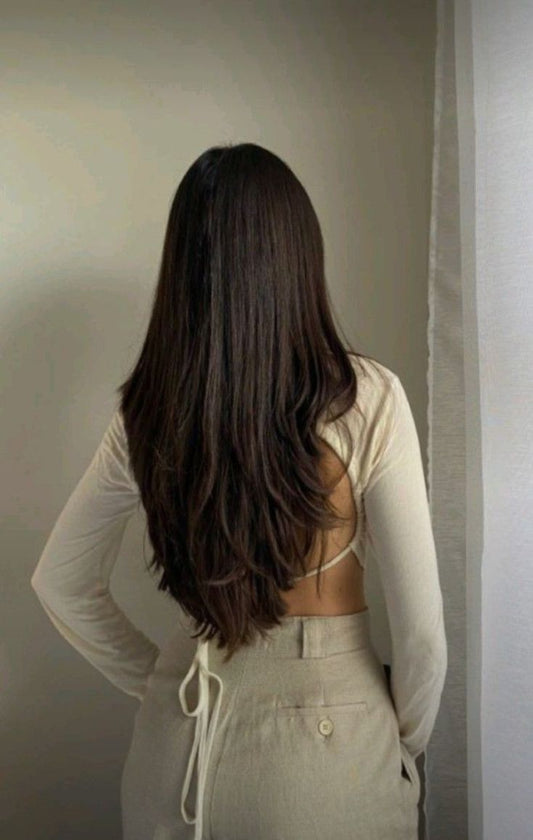
Straight Clip in Hair Extensions Human Hair
Regular price $357.99 USDRegular priceUnit price per -

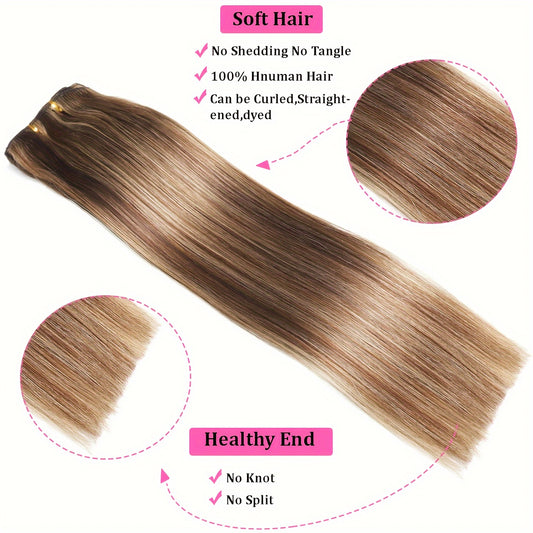
Clip In Hair Extensions Real Human Hair | 18-26 Inch 120 G 8pcs Seamless Clip In Hair Extensions
Regular price $246.36 USDRegular priceUnit price per$46.36 USDSale price $246.36 USD -

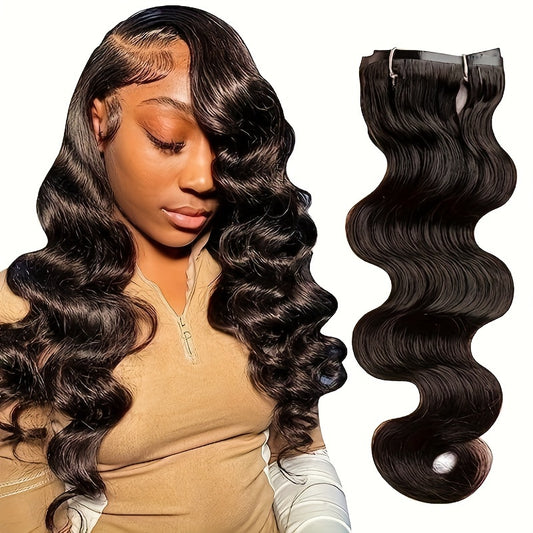
8pcs/1 Set with 18 Clips Body Wave Human Hair Clip In Extensions 120g
Regular price $259.00 USDSale price $259.00 USDUnit price per -

Clip In Hair Extensions Real Human Hair | Remy Human Hair Extensions Clip Ins For Women
Regular price $229.00 USDSale price $229.00 USDUnit price per


12 Inch Hair Extensions Complete Guide: Short-Chic Volume, Seamless Blending, and Everyday Wear
12 inch hair extensions are the quiet power move of the hair world: long enough to create a refined lob silhouette, short enough to stay lightweight, believable, and easy to repeat in real life. If you’ve ever loved the freedom of shorter hair but wished for thicker ends, more shape, or a more polished finish on camera, 12 inches is often the most satisfying upgrade. It elevates what you already have instead of replacing it, which is why it’s become a go-to length for modern routines that prioritize comfort, speed, and realism.
To explore the category and see the current assortment, start here: 12 inch hair extensions collection for short-to-medium transformations that still look natural. If you prefer shopping a brand that organizes extensions around real styling needs like blending, wearability, and repeatable results, many shoppers begin at Fabulive for a browsing experience that feels practical rather than overwhelming.
Quick Navigation
- What 12 inch hair extensions are and who they’re best for
- Why 12 inches matters now for modern hair trends
- Decision framework: choose your 12-inch set fast
- Shade, undertone, and finish selection
- Texture and blending strategy for natural results
- Placement guide: how to apply 12 inches for a clean shape
- Styling ideas: daily looks and photo-ready moments
- Styling by season: humidity, static, and longevity
- Care and maintenance: how long 12 inches lasts
- Compare nearby lengths without guesswork
- Related collections module: build your length wardrobe
- Featured picks and use-case recommendations
- Troubleshooting clinic: fix the most common issues
- Routine by hair type: fine, thick, straight, wavy
- Buying guidance and common mistakes
- FAQ
What 12 Inch Hair Extensions Are and Who They’re Best For
Twelve inches typically lands around the shoulder-to-collarbone zone depending on height, head shape, and placement. In everyday terms, it reads like a fuller bob-to-lob transition: denser ends, more structure through the mid-lengths, and a silhouette that looks intentionally “finished” even when the style itself is simple. This is the length that often makes people say, “My hair looks healthier,” because it solves the two most common short-hair complaints: thin ends and flat shape.
Who sees the most natural improvement with 12 inches
12 inch hair extensions are an excellent match if your natural hair is already bob, lob, or shoulder-adjacent and you want a believable enhancement. They also work well if you’re growing out short hair and want the awkward in-between stage to look polished. For fine hair, 12 inches can restore density where styling products can’t. For layered hair, it can smooth the outline so the cut looks intentional from every angle.
How to choose 12 inch hair extensions for thin hair right now
If your hair is fine, prioritize a result that looks like natural thickness rather than “added hair.” Start with fewer pieces, place wefts lower, and focus on filling the back and ends first. Fine hair benefits from texture that hides transitions, so a soft bend or brushed-out wave often looks more realistic than a pin-straight finish. The goal is a clean silhouette, not maximum bulk.
What 12 inch hair extensions look most natural in daylight
Daylight reveals undertone mismatch and overly uniform shine. For the most believable result, match the extension shade to your mid-lengths and ends, not your roots. Then style your natural hair and extensions together, because the most “real” hair looks cohesive in motion, not perfectly separated into two textures.
How many pieces do you actually need at 12 inches
Most people need fewer pieces than they think at short-to-medium lengths. Start with back coverage, add side pieces only where you see transparency, and stop before you feel bulk at the crown. A smaller number of strategically placed wefts often looks more expensive than an overloaded set, especially if your goal is natural density and shape.
Why 12 Inches Matters Now for Modern Hair Trends
Trends have shifted from “more” to “better.” Better blending, better movement, better wearability. The current hair moment rewards realistic polish: hair that looks healthy, intentional, and repeatable. Twelve inches fits this perfectly because it enhances shape without forcing a lifestyle change. You can wear it to work, to dinner, to a weekend event, and the length still makes sense.
Short-chic styling is not less effort, it’s smarter structure
Short-to-medium silhouettes often look high-end because the outline is clear and the ends carry visual weight. If you want to see how this length can translate into modern cuts and wearable aesthetics, explore 12 inch clip in hair extensions and the best short chic styles to replicate with ease.
Best option for daily wear vs special occasions at 12 inches
For daily wear, choose the most comfortable coverage that blends into your default routine: quick placement, minimal styling, natural texture. For special occasions, you can add a touch more density for photos or keep a longer length in rotation for a more dramatic silhouette. The smartest approach is not choosing one “perfect” length, but building a rotation that fits different moments of your life.
Decision Framework: Choose Your 12-Inch Set Fast
- Goal: thicker ends, overall volume, or shape refinement
- Shade and undertone: match mid-lengths and ends in natural light
- Texture and finish: straight, soft wave, or styled bend that mirrors your hair
- Construction and comfort: prioritize wear time and scalp sensitivity
- Weight and coverage: minimal everyday density vs fuller event-ready look
- Frequency: daily wear needs repeatable blending and easy storage
- Care tolerance: how often you can wash, style, and detangle
- Budget and value: invest where realism matters most in your routine
What to do if the blend line shows at shoulder length
If you see a blend line, the fix is usually placement and texture. Lower the wefts slightly, leave more top hair for coverage, and add a soft bend or wave so the ends merge into one outline. Shoulder-length styles look most natural when the transition is softened with movement.
What to do if clips show through fine hair
Visible clips usually mean the wefts are too high or the sections are too thin. Move placement lower, use slightly thicker sections for grip, and keep the top layer smooth. Most of the time, the solution is less hair placed more thoughtfully, not more hair placed higher.
How to decide if you should own one length or a rotation
If you wear extensions occasionally, one well-chosen 12-inch set can cover most scenarios. If you wear them often, consider a rotation: 12 inches for everyday polish and one longer option for weekends, travel, or photo-heavy events. A rotation reduces wear on any single set and makes your styling feel more flexible without more effort.
Shade, Undertone, and Finish Selection
Color matching is where most extension results succeed or fail. At 12 inches, hair sits close to the natural haircut zone, so undertone mismatch can stand out quickly. Always match to your mid-lengths and ends, then confirm in daylight. Indoor lighting can trick you into choosing too warm or too cool, and the difference becomes obvious the moment you step outside.
How to match undertones without overthinking it
Warm hair reflects honey, caramel, and gold. Cool hair reflects ash, beige, and neutral tones. If your hair looks brighter and warmer in sun, stay warm-toned. If it looks smoky or muted, stay cool/neutral. If you’re between shades, subtle dimension blends better than a flat single-tone match because it mimics natural depth.
How to avoid a too-shiny finish in bright light
Overly glossy hair can look less natural in daylight. A lightly textured finish, gentle brushing, and cohesive styling helps reduce the “single-surface” shine. Real hair reflects light unevenly because it moves and has variation; your goal is a finish that feels lived-in, not plastic-perfect.
How to match when your hair has highlights or depth
Highlighted hair rarely matches a single-tone extension perfectly. Choose a match that includes depth, then style with texture so the variation reads intentional. Dimensional hair is forgiving: small differences blend into the overall look instead of announcing themselves as mismatch.
Texture and Blending Strategy for Natural Results
Texture is the invisible secret to realism. Even a perfect color match can look off if your natural pattern doesn’t match the extension finish. Choose the texture that reflects how you wear your hair most often, then style your natural hair and the extensions together so the final look reads as one unified pattern.
Blending with common haircut types
How to blend 12 inches with a blunt bob
Blunt cuts need dense ends and low placement. Place wefts low, fill the back first, and add a slight bend at the ends to prevent a shelf effect. The best blunt-bob blend looks like your bob grew in perfectly, not like hair was added underneath.
How to blend 12 inches with a layered lob
Layers blend beautifully when you use light texture. Keep most density in the back, add smaller side pieces only if needed, and style with a soft wave so the layers and the extensions move together. The more layered your cut, the more helpful gentle movement becomes.
How to blend 12 inches when you’re growing out short hair
Growing-out stages look best when you focus on shape rather than length. Use extensions to create a clean outline, then add texture that softens short face-framing pieces. The goal is an intentional silhouette that looks like a deliberate lob, not an in-between phase.
How to blend 12 inches for naturally straight hair
Straight hair reveals transitions quickly, so keep placement lower and ensure top-layer coverage. A subtle curve at the ends often makes straight blends look more natural, because it removes the sharp line where natural hair meets extension hair.
How to blend 12 inches for naturally wavy hair
Wavy hair is forgiving as long as wave direction and texture intensity match. Style in larger sections, brush lightly to merge patterns, and avoid tight curls that create separate groups. A brushed-out wave is one of the most natural finishes for shoulder-adjacent lengths.
Volume without the puffy look
The most flattering volume looks like healthy density, not stacked height. If you want a practical guide to building fullness without creating crown bulk, use 10 techniques to enhance volume with clip in hair extensions for a natural, modern finish.
How to prevent the shelf effect at collarbone length
The shelf effect happens when extension ends sit heavier than your natural ends. Fix it by staggering placement, keeping densest wefts lower, and styling both together with a soft bend or wave so the outline looks continuous.
How to keep tangles down at the nape
Shoulder-length hair rubs against collars, coats, and scarves. Brush gently before and after wear, avoid heavy sticky products, and store neatly so ends don’t knot. Prevention is easier than detangling later, especially in high-friction seasons.
Placement Guide: How to Apply 12 Inches for a Clean Shape
At 12 inches, placement is less about creating dramatic length and more about supporting the haircut you already have. The best application strategy builds density where hair looks transparent and keeps the top layer smooth. If you ever feel like the extensions look “obvious,” it’s usually a placement issue, not the hair itself.
A simple application method that stays comfortable
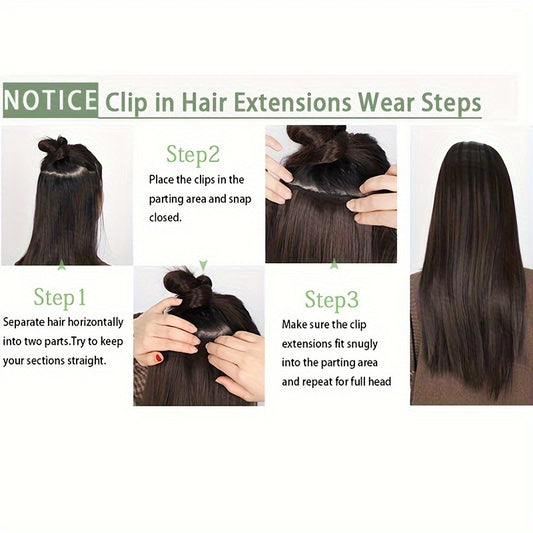
Start at the nape and build upward gradually, staying below the crown. Use your widest weft at the bottom, then add the next wefts slightly higher. Add side pieces only if you see gaps. Keep enough natural hair on top to cover the clips. When you finish, lightly brush to merge and style both together so the texture becomes cohesive.
How to keep the top layer smooth without flattening your volume
Separate “coverage hair” from “volume hair.” The top layer is coverage: it should remain smooth and natural. The underlayer is where you build density. When you keep those roles distinct, your hair looks fuller without looking bulky or forced.
How to create a clean outline when your ends are thin
If your ends look sparse, place density low and focus on the back outline. Then style the ends together so the extension ends and your ends behave like one. A clean outline is what makes short-to-medium hair look expensive on camera.
Styling Ideas: Daily Looks and Photo-Ready Moments
One of the biggest benefits of 12 inches is versatility without complication. You can wear it sleek, lightly textured, pulled back, or accessorized, and it still looks believable for everyday life. The goal is repeatability: styles you can recreate in minutes, not once-a-year hair that requires an hour.
Quick looks for everyday wear
The five-minute polished lob
Add minimal wefts to boost density, smooth the top layer, and finish with a slight bend at the ends. This is one of the most professional, wearable looks because it reads clean and modern without looking overdone.
The soft-wave refresh for second-day hair
If your hair looks flat on day two, add a few pieces to rebuild shape, create a loose wave, and brush it out. Soft waves are forgiving, and the brushed-out finish helps your natural hair and extensions behave like one texture.
Bandana styling that looks intentional
Accessories look more polished when the hair underneath has density and shape. For styles that pair beautifully with short-to-medium lengths, explore 11 cute bandana hairstyles you need to try for a confident, styled finish.
Photo-ready looks for events and special occasions
Medium-length event hair without going ultra-long
You don’t need extreme length to look event-ready; you need polish and flattering shape. Borrow techniques from 10 gorgeous prom hairstyles for medium length hair that also work for weddings and parties and translate them into a fuller lob silhouette.
Celebrity cues you can actually recreate
Celebrity hair is often about silhouette: smooth ends, controlled volume, and cohesive texture. For inspiration you can adapt to real life, explore 11 celebrity hairstyles that stole the show and what makes them work.
Why short hair changes fast with the right extensions
With short cuts, even a small increase in density can change your whole look. If you’re deciding whether extensions are worth it for shorter hair, read 10 reasons hair extensions are a game changer for short hair when you want instant polish.
Styling by Season: Humidity, Static, and Longevity
Seasonal changes affect hair more than most people expect. Humidity can alter texture and reveal blend lines. Winter static can create friction and tangling. Building a seasonal mindset helps you keep 12 inches looking consistent without constant rework.
Spring: softness and movement
Spring styling looks best when it feels light. Loose waves and brushed-out texture give your hair movement and help blend subtle color variation naturally. This is also a good season for lighter, less product-heavy routines.
Summer: humidity-proof blending
Summer is about comfort. Keep placement secure, avoid heavy oils near the scalp that can reduce grip, and choose textures that look good even when humidity changes your natural pattern. A soft wave often looks more believable than pin-straight hair on humid days.
Autumn: dimension and “expensive-looking” density
Autumn hair pairs beautifully with brushed-out texture and fuller ends. This is a great season for controlled volume that complements scarves, layers, and heavier fabrics. The short-chic silhouette looks especially polished in autumn styling.
Winter: static, friction, and coat season
Winter brings friction from coats and collars. Brush gently, store neatly, and consider protective styles on high-friction days. Small changes in routine can prevent tangling and keep ends from drying out early.
Care and Maintenance: How Long 12 Inches Lasts
Short-to-medium extensions often last longer than ultra-long sets because there’s less friction and fewer knots, but longevity depends on routine. Gentle brushing, light product use, and proper storage preserve softness and shape. The quickest way to shorten lifespan is sleeping in extensions, using heavy sticky products that cause matting, or storing hair loosely where ends can tangle.
A simple care routine that preserves softness
- Brush gently before and after wear
- Wash only when there is visible buildup
- Air dry whenever possible
- Use heat protectant for styling
- Store flat or hanging to avoid knots
How long do 12 inch hair extensions last with normal wear
With consistent gentle care, many sets stay wearable for months. Frequency matters: daily wear will naturally create more friction than occasional wear, but good storage and minimal heavy product are the habits that preserve hair the longest.
How to keep ends from looking dry over time
Ends dry out first because they experience the most brushing and heat. Keep temperatures moderate, avoid harsh products, and store carefully so ends remain smooth rather than friction-worn.
Compare Nearby Lengths Without Guesswork
If you’re choosing 12 inches, you’re already making a practical decision: you want noticeable polish without a dramatic lifestyle shift. Comparing nearby lengths is easiest when you think about your goals. Do you want more subtlety? More length? A second set for weekends? Use the length logic below without relying on inches alone.
How 12 inches compares to shorter, subtler results
Shorter options are often chosen for maximum realism and density-first enhancement. If your priority is “nobody can tell,” going shorter can be the smartest move. If your priority is a slightly longer silhouette and more styling flexibility, 12 inches is usually the more satisfying everyday compromise.
How 12 inches compares to longer everyday wear lengths
Longer everyday wear lengths offer more styling range, especially for waves and half-up styles, but they can require more detangling and take longer to style. Many people keep 12 inches as their daily set and add a longer length for weekends or events, which preserves realism while expanding options.
How to research long lengths before committing
If you’re tempted by dramatic length, it helps to understand the maintenance reality. Before choosing ultra-long styles, review educational resources like 24 inch extensions how to manage ultra long hair with fewer tangles and 24 inch hair extensions as the secret to long luxurious locks and photo-ready volume so you’re choosing with clarity, not just inspiration.
Related Collections Module: Build Your Length Wardrobe
If you want a practical rotation, think of your lengths as tools. One length for everyday polish, one for weekends or events. Use this module to compare adjacent categories and build a clean path through related options.
- 10 inch hair extensions for subtle volume and ultra-natural blending
- 14 inch hair extensions for a collarbone-length upgrade that stays light
- 15 inch hair extensions for a balanced mid-length silhouette
- 16 inch hair extensions for everyday wear with extra length
- 18 inch hair extensions for a noticeable yet manageable transformation
- 20 inch hair extensions for glamorous movement and styling range
- 22 inch hair extensions for luxe length and statement styling
- 26 inch hair extensions for maximum impact and bold silhouettes
Featured Picks and Use-Case Recommendations
Not everyone shops extensions the same way. Some people want a low-commitment set for occasional wear. Others want a repeatable daily routine. Use the recommendations below to match product type to lifestyle rather than guessing based on photos alone.
Best for trying 12 inches without a big commitment
If you’re experimenting with short-to-medium looks and want an accessible entry point, consider synthetic chemical fiber 12 inch 4-piece set clip-in hair extensions for quick volume.
Best for soft glam waves when you want movement on camera
Waves create dimension and disguise minor blending differences. For a longer wave option you can keep as your “going-out” set, try 20 inch wavy clip in hair extensions for women who want photo-friendly movement.
Best for full-head coverage when you want an all-over change
If you prefer a consistent finish and a more dramatic transformation, consider 22 inch full head clip in hair extensions for complete coverage and high-impact volume.
Best for premium dark shades with refined construction
If you wear deep tones and want a polished long look with a structured finish, consider 24 inch clip in hair extensions real human hair 1B double weft Remy seamless design.
Best for dimensional blonde experimentation in synthetic
If you want a bold, budget-friendly seasonal change for photos, consider 24 inch synthetic hair extensions balayage pale golden honey blonde 6-piece set.
Best for researching broader human hair extension categories
If you’re comparing human hair options across longer ranges and formats, 20 to 34 inch Brazilian Remy human hair extensions for long-length shoppers can help you understand how length impacts styling time, tangling risk, and day-to-day routine.
Troubleshooting Clinic: Fix the Most Common Issues
Most extension “problems” come down to three things: placement, blending, or routine. Use the micro-fixes below to improve realism without over-styling or piling on product.
Problem: ends still look thin after installing extensions
This usually means you placed density too high. Move fuller wefts lower, focus on the back outline, and style ends together so your natural hair and extension hair behave like one shape.
Problem: top looks bulky while ends look heavy
Remove one upper weft and relocate that density lower. Short-to-medium hair looks most natural when volume supports the outline, not when it creates height at the crown.
Problem: blend line appears when you turn your head
Side angles reveal transitions. Add a small side piece at ear level if needed, keep the top layer thicker for coverage, and use a soft bend so the transition disappears in motion.
Problem: clips feel uncomfortable after a few hours
Discomfort usually means the section is too thin or placement is too tight. Reclip using slightly thicker sections and distribute weight lower rather than stacking near sensitive areas.
Problem: extensions slip on silky hair
Slipping is about grip and product choices. Avoid oils near the scalp, create gentle grip at the clip point, and ensure clean sectioning. Often, a small placement adjustment solves slipping better than adding more hair.
Problem: hair looks too shiny outside
Reduce uniform shine by adding soft texture and brushing out waves slightly. A cohesive, lived-in finish reflects light more naturally than overly glossy, perfectly flat styling.
Problem: nape tangles quickly
The nape is a friction zone. Brush gently, reduce sticky products, and store neatly. On coat-heavy days, consider a protective style that limits rubbing.
Problem: color matched indoors but looks wrong outdoors
This is undertone mismatch. Match mid-lengths and ends in daylight, not roots under warm bulbs. Dimension is your friend: multi-tone matches hide small differences better than single-tone matches.
Problem: curls look separated and “piecey”
Curling in small sections can separate patterns. Curl your natural hair and extensions together in larger sections, then brush lightly to merge into one cohesive wave.
Problem: confidence dips when your hair doesn’t feel like you
Sometimes the solution is mindset as much as technique. If you want a confidence reset that supports your styling choices, explore 12 powerful hair affirmations for stunning locks when you want inner confidence to match your outer look.
Routine by Hair Type: Fine, Thick, Straight, and Wavy
Extensions perform best when your routine matches your hair type. Use the guides below to create a repeatable method that feels easy, not complicated.
Fine hair routine: density-first and lightweight comfort
Placement strategy for fine hair that avoids visible clips
Place wefts lower, use slightly thicker sections for grip, and leave ample top coverage. Fine hair looks most natural when you use fewer pieces placed strategically, then blend with soft movement.
Styling approach that makes fine hair look fuller at 12 inches
Choose a brushed-out wave or gentle bend to merge textures. Avoid tight curls that separate strands. Fine hair looks fuller when it moves as one unified shape rather than many small pieces.
Thick hair routine: silhouette control and seamless blending
Placement strategy for thick hair that looks natural
Thick hair often needs fewer wefts for volume and more for refining outline. Use extensions to polish shape and add density where your cut needs structure, then blend texture so it doesn’t look “extra” compared to your natural fullness.
Styling approach for thick hair that stays modern
Sleek lobs and soft waves both work, but focus on the outline. A controlled bend at the ends often looks the most expensive on thick hair because it emphasizes shape rather than bulk.
Straight hair routine: realism through subtle movement
How to keep straight hair from revealing seams
Keep placement lower, ensure top coverage, and add a slight curve at the ends. Straight hair blends best when the transition is softened rather than sharply layered.
How to avoid an overly uniform straight finish
Real straight hair still has movement. A gentle bend or very light wave brushed out creates natural variation and helps the hair read as believable in daylight.
Wavy hair routine: texture harmony and easy blending
How to match wave direction and prevent separation
Style waves in larger sections, keep direction consistent, and brush lightly to merge patterns. Wavy hair is often the easiest to blend at 12 inches because texture disguises transitions naturally.
How to refresh waves without constant heat
Refresh only the surface texture, brush gently, and keep the wave soft. Cohesion matters more than perfection: a lived-in wave often looks more realistic than tightly re-curled hair.
Buying Guidance and Common Mistakes
The best 12-inch purchase is the one you’ll actually wear. That means it must match your routine. If you’re an air-dry person most days, choose texture that blends without heavy heat. If you style regularly, choose a finish that matches your default look so the extensions integrate naturally instead of forcing you into a new routine.
The two mistakes that make 12 inches look obvious
First, placing wefts too high creates visible clips and unnatural crown bulk. Second, ignoring texture can create a blend line even when color matches perfectly. Solve both by keeping density lower and styling your natural hair and extensions together as one cohesive finish.
How to choose your next step length strategically
If you love 12 inches and want slightly more length while staying short-chic, consider stepping up into the mid-length category and use educational references to clarify expectations. For fine hair upgrades in particular, review 15 inch hair extensions as the perfect mid-length upgrade for fine hair. For daily-wear practicality, compare your styling habits with 16 inch hair extensions as the perfect length for everyday wear. For glam movement and photo-friendly flow, set expectations with 20 inch extensions as the perfect length for glamorous flowing hair. For longer-wear method planning, especially if you’re considering tape-ins at luxe lengths, read 22 inch tape-in hair extensions as the ultimate length for luxe locks before you decide.
FAQ: 12 Inch Hair Extensions
Do 12 inch hair extensions look natural on a lob?
Yes, because 12 inches sits close to where a lob naturally falls, which makes blending easier. The most natural results come from matching the mid-length color in daylight and finishing with a soft bend that merges textures.
Is 12 inches better than going shorter if I want a visible upgrade?
Often, yes. Shorter options can be ideal for ultra-subtle density-first enhancement, while 12 inches adds styling flexibility and a slightly longer silhouette without pushing you into high-maintenance territory.
Which texture is easiest to blend at 12 inches?
Soft waves are usually the most forgiving because they disguise minor differences in density and pattern. If you prefer straight hair, add a slight curve at the ends so the transition looks soft rather than sharply layered.
Can I wear 12 inch extensions to work every day?
You can, as long as placement is comfortable and you avoid sleeping in them. For daily wear, use only the amount of hair needed to create a healthy outline, then store neatly after each wear to preserve softness and reduce tangles.
How do I stop 12 inch hair extensions from slipping?
Slipping often happens on very silky base hair or when sectioning is too thin. Use clean partings, create gentle grip where clips attach, and avoid oils near the scalp that reduce hold.
What’s the fastest everyday style that makes 12 inches look expensive?
A polished lob with a subtle bend at the ends is quick, professional, and photogenic. It elevates the silhouette by making the ends look dense and the shape look intentional.
How many wefts do I need for a full look at 12 inches?
It depends on your natural density and your goal. Many people achieve a full, believable look with fewer pieces placed strategically, especially if the focus is thicker ends rather than dramatic crown volume.
Will 12 inch hair extensions work if my hair is very short?
They can, but careful placement and styling are essential to avoid a visible seam. For very short hair, focus on volume and shape first, then use texture to blend shorter layers into the extension finish.
How do I keep 12 inch extensions looking fresh between washes?
Brush gently, minimize heavy product, and store neatly after each wear. Light restyling and careful detangling can refresh the look without frequent washing, which helps preserve softness longer.
Conclusion: Why 12 Inches Is the Smartest Short-Chic Upgrade
12 inch hair extensions are the modern answer to a common goal: hair that looks fuller, healthier, and more intentional without the weight and upkeep of ultra-long lengths. This category supports a short-chic aesthetic with better density, cleaner shape, and styling flexibility that fits real life. When chosen thoughtfully and blended with care, 12 inches delivers a believable transformation that feels like your hair on its best day, not a different person’s hair.