
-
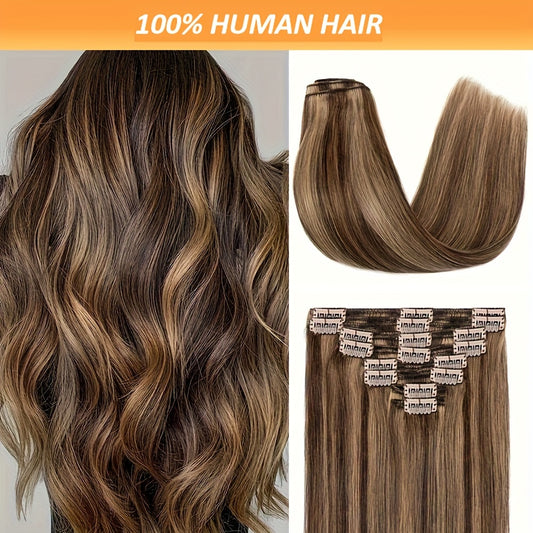
8Pcs Human Hair Clip In Hair Extensions - Chocolate Brown To Caramel Blonde
Regular price From $136.98 USDRegular priceUnit price per$36.98 USDSale price From $136.98 USD -

Thick Clip In Long Wavy Synthetic Hair Extensions - 24 Inch Balayage Brown Black Double Weft Fiber Hidden Wire Hairpieces for Women - Easy to Style, Natural Looking, And Long-Lasting Hair Enhancement
Regular price $212.89 USDRegular priceUnit price per$0.00 USDSale price $212.89 USD -

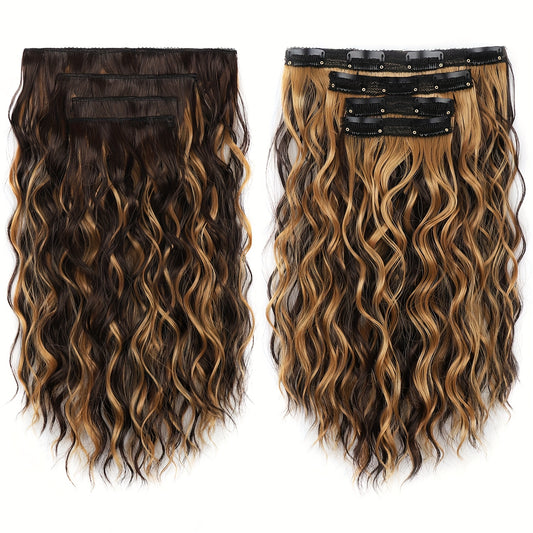
Curly Hair Extensions, 12-Inch Clip-Ins for a Short, Soft, And Look. Lace Weft Curly Wavy Clip-In Extensions That Are Discreet for Women, Featuring a Chocolate Brown Base with Honey Blonde Highlights
Regular price From $208.36 USDRegular priceUnit price per$0.00 USDSale price From $208.36 USD -

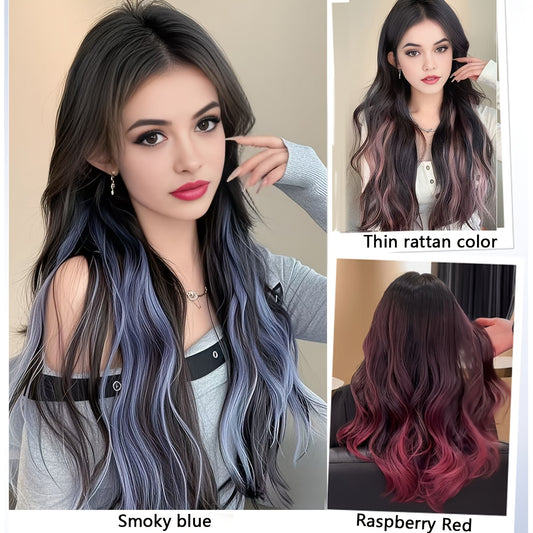
18 Inch Long Curly Clip-in Hair Extensions - Women's Versatile 4 Clip Design, Multi-color Optional, Suitable for Halloween and Christmas, New Year and other festive occasions, Easy to use
Regular price From $202.79 USDRegular priceUnit price per$0.00 USDSale price From $202.79 USD -

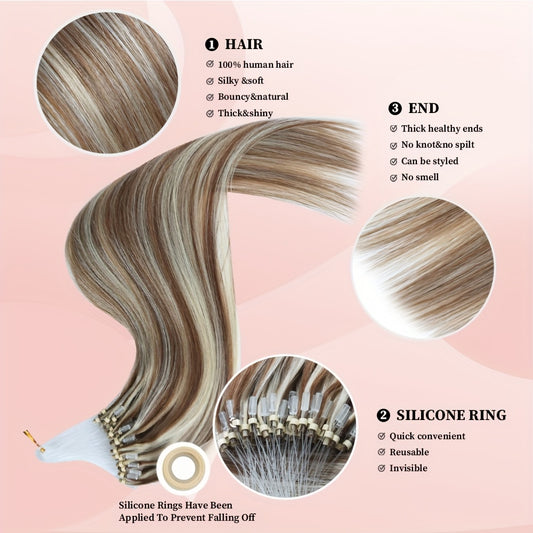
50 Strands of DNE Hair Microlink Human Hair Extensions Ranging from 14 to 24 Inches in Light Brown And Blonde, Featuring Straight Hair with Cold Fusion Micro Loop Invisible Seamless Bead Extensions Designed for Women. Made fr
Regular price From $225.49 USDRegular priceUnit price per$0.00 USDSale price From $225.49 USD -

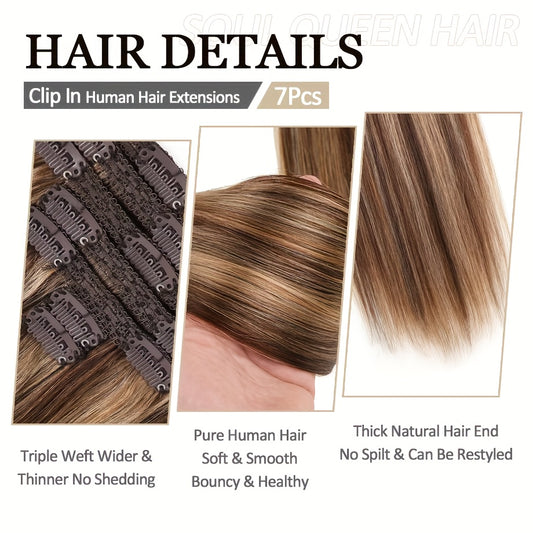
24-Inch Clip-In Hair Extensions, Real Human Hair Double Weft, 100% Remy Design for Women
Regular price $249.00 USDSale price $249.00 USDUnit price per -

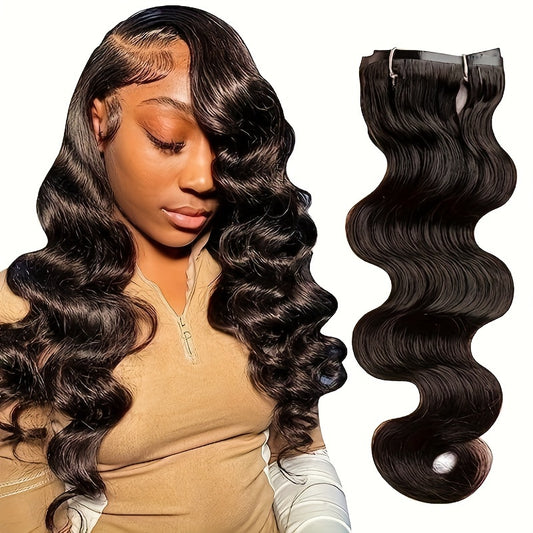
8pcs/1 Set with 18 Clips Body Wave Human Hair Clip In Extensions 120g
Regular price $259.00 USDSale price $259.00 USDUnit price per -

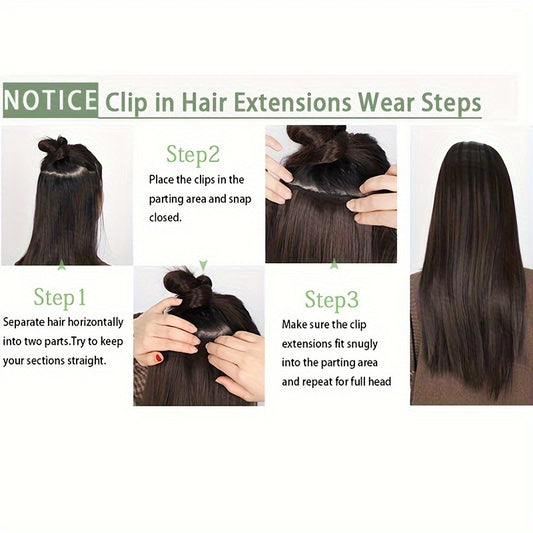
Clip In Hair Extensions Real Human Hair | Remy Human Hair Extensions Clip Ins For Women
Regular price $229.00 USDSale price $229.00 USDUnit price per -

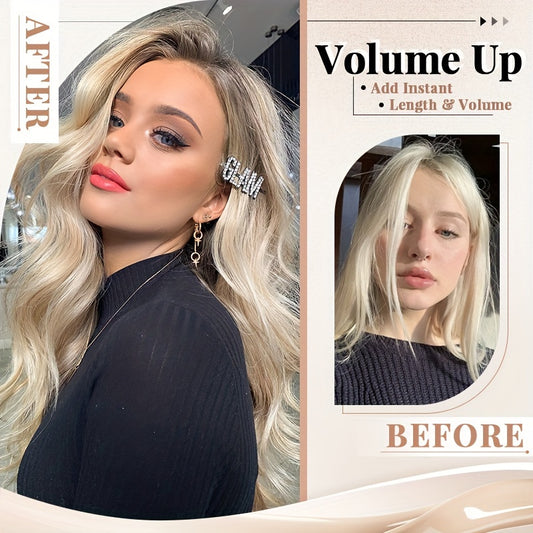
14-20 Inch V-Shaped Real Remy Clip in Human Hair Extensions
Regular price $229.00 USDSale price $229.00 USDUnit price per -

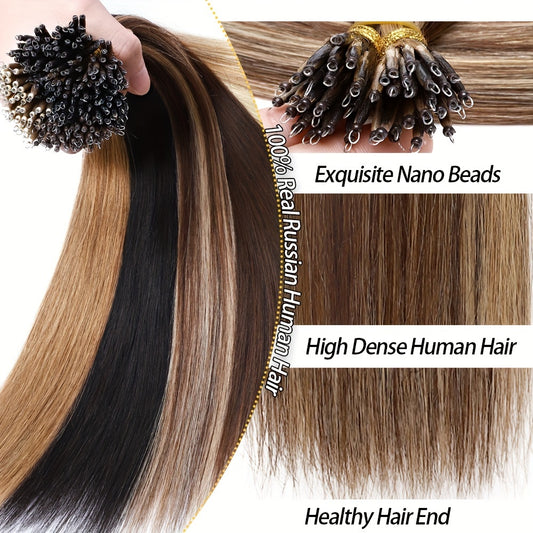
16-24 Inch Nano Ring Hair Extensions Human Hair Highlight Nano Link Hair Extensions
Regular price $249.00 USDSale price $249.00 USDUnit price per -

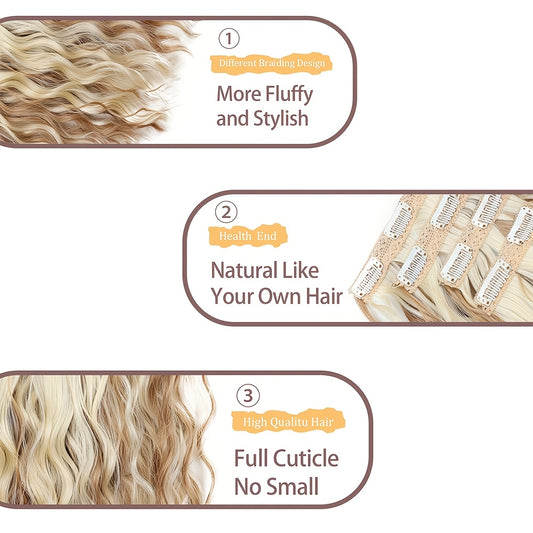
Synthetic Chemical Fiber 12-inch 4pcs/set Clip-in Hair Extensions
Regular price From $109.22 USDRegular priceUnit price per$9.22 USDSale price From $109.22 USD -

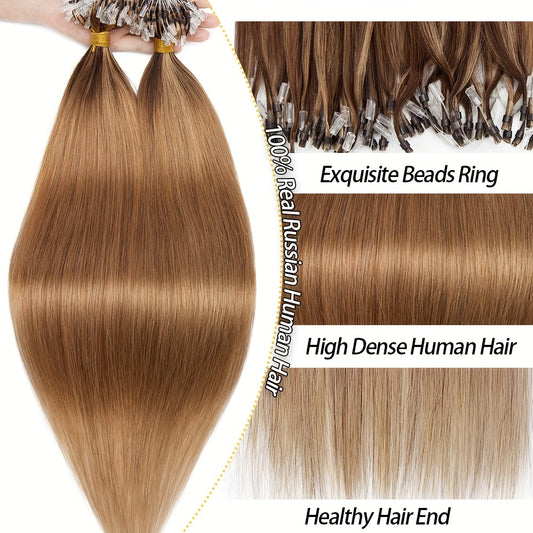
50G/Pack THICK Micro Ring Loop 100% Human Hair Extensions
Regular price $179.00 USDSale price $179.00 USDUnit price per


16 Inch Hair Extensions: The Everyday Length That Looks Natural in Daylight, Feels Lightweight, and Styles Like Your Own Hair
If you’re choosing one length to wear often—workdays, weekends, photos, and everything in between—16 inches is the quiet winner. It’s long enough to read as a real upgrade, but not so long that it turns your routine into a full-time project. Start by exploring 16-inch hair extensions for a balanced, wearable length made for daily styling, then use the guide below to dial in undertone, texture, method, and maintenance so your blend stays believable in motion. If you’re browsing across categories first, visit Fabulive.com for the complete collection directory and shopping pathways, then return here once you know whether you’re prioritizing fullness, length, or a “healthier ends” silhouette.
What this collection is and who it’s for
16 inch hair extensions are built for real life. On many people, this length lands around mid-chest (depending on height and torso length), which is exactly why it works so consistently: it lengthens the line of the hair without pushing into the highest-friction zone where sweaters, scarves, seat belts, and handbags can turn ultra-long hair into a constant detangling cycle. You get the “longer hair” impression while keeping the hair easy to manage day after day.
This collection suits both first-time extension wearers and experienced wearers who want a dependable, repeatable length. If your natural hair is close to 16 inches, extensions can act as a density upgrade—thicker ends, fuller sides, a more polished perimeter. If your hair is shorter, the same length can create an “effortlessly long” look that still blends well with layered cuts and everyday styling.
16 inches is especially strong for:
- Fine hair that needs fullness through mid-lengths and ends without heavy crown bulk.
- Short-to-medium haircuts growing out that need a smoother transition phase.
- People who want ponytails, half-up looks, and waves that don’t fall flat.
- Wearers who want realism in daylight and movement that looks like natural hair.
- Anyone optimizing for cost-per-wear—extensions that fit the schedule, not just the mood board.
In premium hair, the most valuable category is often the one that’s easiest to wear consistently. Sixteen inches tends to become the “default best hair day” length because it doesn’t demand perfect conditions. When you can put your hair on and go—without needing an hour of corrections—that’s when extensions become a tool you actually rely on.
Why this category matters now (freshness, trends, real-life use)
Trends have shifted toward realistic luxury: soft movement, dimensional tone, satin shine, and silhouettes that flatter without looking overly styled. The best hair right now is hair that passes the daylight test and still looks believable in a candid photo—because modern life is mostly natural light, phone cameras, and movement. Sixteen inches sits right in that sweet spot, where the result is visibly elevated but still plausible as “your hair, only better.”
There’s also a routine shift. People want modular beauty: hair that looks appropriate for daytime, then elevates quickly for an evening plan. Sixteen inches supports this because it styles easily into brushed waves, blowout bends, half-up looks, and event-ready shapes without needing extreme length. If you want the deeper reasoning behind why this length keeps winning as an everyday pick, read why 16-inch extensions are widely considered the perfect everyday length for balance and wearability.
Finally, “time cost” has become part of the beauty equation. Longer hair can be stunning, but it also increases friction, tangling, styling time, and storage effort. Sixteen inches is often the most strategic compromise: it looks meaningfully longer than mid-length, but it behaves like hair you can realistically maintain—meaning you’ll wear it more, which is the best possible indicator of value.
How to choose the right option
Choosing 16 inch hair extensions is less about chasing one perfect product and more about aligning your variables: goal, undertone, texture behavior, and construction type. When those align, the hair blends faster, looks more natural in motion, and needs less correction to stay polished. That’s the difference between extensions that sit in a drawer and extensions that become part of your routine.
Decision Framework
Use this method to choose quickly and confidently:
- Goal → thickness, length, or both
- Shade/undertone → match mid-lengths first, then refine warm/cool/neutral
- Texture/finish → straight vs wavy; satin sheen vs high shine
- Construction/type → clip-in vs other approaches based on routine
- Weight/coverage → where density is needed (ends, sides, all-over)
- Occasion/frequency → daily wear vs special-occasion styling
- Care tolerance → brushing, washing, storage, and heat habits
- Budget/value → longevity and cost-per-wear, not just first impression
How to choose 16-inch hair extensions for thin hair right now
If your hair is fine, prioritize distribution over maximum density. The goal is to reinforce the perimeter and mid-lengths so the silhouette looks even—fuller at the ends without becoming bulky at the top. For thin hair, the most natural results often come from fewer pieces placed strategically, rather than more hair stacked high near the crown.
What 16-inch extensions look most natural in daylight
Daylight is the honesty test. It reveals undertone mismatch, shine mismatch, and texture mismatch immediately. Match your mid-lengths in indirect daylight (not just your roots) and keep finish consistent with your natural hair’s sheen. A satin finish with soft movement almost always reads more believable than hair that’s overly glossy or overly set.
How many pieces or wefts do you actually need
You need enough to create a consistent shape, not enough to create weight. Start with a foundation low at the back for end density, then balance the sides. If the crown looks heavy or “helmet-like,” remove a piece and reassess. Naturalness is frequently achieved by subtracting, not adding.
Best approach for daily wear vs special occasions
Daily wear should be comfortable and repeatable: fewer pieces, lower placement, and an undertone match that doesn’t require constant heat styling. For special occasions, you can add density and structure, but keep the hair movable—brushed waves, controlled shine, and a silhouette that looks like real hair under flash.
How to choose a method without getting overwhelmed
Choose method based on schedule. If you want flexibility and easy removal, clip-ins are typically the simplest. If you want a more consistent baseline, select options that integrate into your routine with less daily setup. The best method is the one you’ll actually use without friction.
How to plan placement so it feels comfortable all day
Comfort comes from spacing. Avoid crowding too many attachments into one row, and keep placement away from areas that press against chairs or headrests. If you feel tension, adjust placement first before changing products. Most comfort problems are solvable with small changes in spacing and height.
How to choose when you want “healthier ends” more than length
If your natural hair is already close to 16 inches, think of extensions as a perimeter upgrade. You’re buying thickness, shape, and polish more than inches. A stronger perimeter reads as healthier hair, which is often what people are truly after when they say they want “better hair.”
How to pick texture so you don’t have to style every time
Texture should match your real hair behavior on an average day. If your hair air-dries with a slight bend, choose a texture that echoes that bend so you’re not forcing your hair into a new personality each wear. The less you fight your natural behavior, the more natural the blend looks—and the more often you’ll wear the set.
Shade, undertone, and finish selection
Color matching is more than picking a shade name. It’s depth (lightness/darkness), undertone (warm/cool/neutral), dimension (variation), and finish (how the hair reflects light). Most “obvious extensions” moments happen when undertone is slightly off or when the extensions are far shinier than natural hair.
How to match undertones without overthinking it
Look at your hair in indirect daylight. Warm hair reads honey, caramel, or copper; cool hair reads ash, smoky, or beige; neutral hair sits balanced. Undertone harmony matters more than a tiny depth difference because undertone determines how hair reads across lighting environments.
What to do if you’re between two shades
Match mid-lengths first. Roots are often deeper than ends, so matching only roots can make extensions look heavy. When unsure, slightly deeper is often easier to blend than too light—especially if your natural hair isn’t strongly highlighted.
How to keep the finish from looking too shiny
High-shine products can make extensions look separate. Aim for a satin finish and brush out curls so movement looks soft. If the hair reflects more light than your natural hair, reduce oil-heavy products and choose styling that mirrors how your real hair reflects light.
How to use dimension to make matching easier
Real hair has variation. Subtle dimension makes hair look lived-in and reduces pressure for a perfect, flat match. Dimension is especially helpful if you move between different lighting environments because it keeps the hair from reading as a single “block” of color.
Texture and blend strategy
Texture is the realism engine. Even a perfect shade match can look separate if your hair bends differently or holds curl differently. The smartest approach is to match how your hair behaves most days, then style your natural hair and extensions together so the surface reads as one continuous texture.
How to blend with blunt haircuts
Blunt cuts can create a visible “ledge” where natural ends stop. Concentrate density lower on the head and style a gentle bend through the ends to blur the transition. If needed, light shaping at the extension ends can make the perimeter look intentional rather than stacked.
How to blend with layered haircuts
Layers are often easier to blend because they already contain variation. Use your widest coverage low for end density, then add smaller pieces to balance the sides. A brushed wave links everything together so it reads like one head of hair.
How to blend with short hair without a harsh step
Short hair benefits from a blend-first strategy: minimal weight near the crown, more support underneath, and a soft texture that disguises transitions. If you want the mindset shift that makes short hair blending easier, read how extensions can transform short hair when seamless blending is the priority.
What to do if the blend line shows
A visible blend line usually means the placement is too high or the top layer is too thin. Lower the highest row and leave more natural hair on top to veil attachment points. Most blend issues are solved by adjustment, not by adding more hair.
How to add volume without visible bulk
Volume should look distributed, not piled. Build from the bottom and spread coverage across rows. If you want technique guidance that translates well to this length, use volume techniques for clip-ins that focus on shape, placement, and natural fullness to refine your approach.
What to do if your ends still look thin after installing
If ends look thin, shift more density lower and ensure your widest coverage supports the bottom row. A gentle bend through the last few inches helps ends fall together, reducing the “stringy” look. Thick ends are what make hair look expensive, so perimeter strategy matters more than crown volume.
How to make texture look natural in motion
Uniform curl patterns can look “set” and make extensions feel separate. Brush out curls into movement, keep shine controlled, and aim for a wave pattern that mirrors your natural tendency. Real hair has slight irregularity—embrace it for a more premium look.
What to do if the color is right but the hair still looks “separate”
If shade is correct but the hair still looks separate, the issue is often finish or density distribution. Try softening shine, brushing waves into looser movement, and lowering the highest row. In many cases, a more relaxed texture and a better silhouette make the hair blend instantly.
Styling ideas (daily + event)
Sixteen inches is styling-friendly because it supports modern shapes without demanding extreme maintenance. It’s long enough to create waves that look intentional, yet short enough to stay lightweight and comfortable. The best styles are the ones you can repeat: reliable looks that feel like part of your wardrobe.
Quick looks
- Low ponytail with a clean part and softly waved ends
- Half-up twist with subtle crown lift for polished shape
- Sleek straight with a gentle bend at the ends
- Loose brushed waves for a natural, premium finish
Photo-ready looks
- Soft Hollywood waves brushed for movement
- Blowout volume with lifted roots and thicker ends
- Textured low bun with fuller face-framing tendrils
- High ponytail with wrapped base and smooth length
Everyday styles designed specifically around 16 inches
If you want looks tailored to this length—easy, wearable, and practical—use five easy hairstyle ideas built for 16-inch extensions to build a repeatable styling rotation that doesn’t require perfection to look polished.
Short-chic inspiration when you want minimal length drama
If you love refined hair but prefer understated length, short-chic silhouettes can guide your shape and finish. For ideas that translate well to this collection, explore short-chic clip-in styles that keep the finish modern and believable.
Event styling for medium-length baselines
Formal hair photographs best when there’s enough density to create structure. Waves hold better, updos look fuller, and face-framing pieces look thicker. For inspiration you can adapt to 16 inches, see prom hairstyle ideas for medium-length hair that elevate beautifully with extensions.
Celebrity polish without overstyling
The most elevated hair is often about silhouette: a clean part, subtle lift, and brushed movement. For references that translate well to 16 inches, use celebrity hairstyle inspiration that focuses on shape and a premium finish.
Bandana styling for quick confidence and seam disguise
Accessories can make rushed hair look intentional while disguising crown placement lines. Keep texture soft so the look reads as styling, not covering. For ideas, reference bandana hairstyles that pair naturally with added volume and movement.
Care, maintenance, and longevity
Longevity is mostly friction control, gentle detangling, and heat discipline. Extensions don’t receive scalp oils the way natural hair does, so overwashing and over-styling can dry them out faster. Treat your extensions like premium fabric: fewer harsh cycles, careful brushing, and thoughtful storage.
Sixteen inches is forgiving compared with ultra-long hair because it tangles less and spends less time rubbing against clothing. Still, consistency matters. The goal is to prevent dryness and friction damage before it starts—because once ends dry out, the hair loses movement and the blend becomes harder.
How often you should wash 16-inch hair extensions
Wash only when you notice product buildup, dullness, or stiffness—not on a fixed schedule. Focus cleansing on mid-lengths and ends, condition thoroughly, and let the hair dry fully before storing. Overwashing is one of the fastest ways to shorten lifespan.
How to detangle without shedding or stretching
Detangle from ends upward in sections. Support attachment points with your hand so you don’t pull at the base. A few minutes of gentle brushing after wear prevents the kind of knotting that requires aggressive detangling later.
How to protect softness if you heat-style often
Use moderate heat and fewer passes. One slow, controlled pass is typically better than multiple rushed passes. Let curls cool before brushing out so the final texture looks soft and natural rather than overly set. If you heat-style daily, consider rotating in lower-heat “bend and brush” styling days to protect softness long-term.
How to maintain a natural finish between washes
Between washes, focus on preventing friction and buildup. Brush gently after wear, store correctly, and avoid layering multiple heavy products that can create stiffness. A light, controlled finishing approach typically keeps the hair looking more natural than a product-heavy routine.
What changes when you go longer (and why routine matters)
Longer lengths increase friction, tangling, and styling time—especially against coats and sweaters. If you’re exploring longer lengths for glam seasons, read how to manage ultra-long extensions with less tangling and better control and what helps 24-inch hair stay long and luxurious with consistent care so expectations stay realistic.
Comparing nearby categories (shorter vs longer / adjacent types)
Choosing 16 inches is easier when you compare it to its neighbors. Different lengths change maintenance demands and change the impression your hair makes. Use these comparisons to decide what you’ll actually wear most often—not just what looks most dramatic in a single photo.
10 inches for subtle fullness without a visible length shift
If your goal is thicker ends without looking longer, shorter lengths can be the most believable. Compare with 10-inch hair extensions for understated fullness and quick, natural blending.
12 inches for short-to-chic polish
Twelve inches is ideal when you want a refined shape without a big length jump. Compare with 12-inch hair extensions for short-chic volume and a clean perimeter.
14 inches for ultra-wearable realism
Fourteen inches is often the easiest blend length, especially for short-to-medium cuts. If you want a subtler upgrade than 16, compare with 14-inch hair extensions for a softer, understated mid-length refresh.
15 inches for mid-length balance (especially for fine hair)
Fifteen inches sits right before the “effortlessly long” feel of 16. If you want a slightly shorter, still-noticeable upgrade, compare with 15-inch hair extensions for a balanced mid-length transformation and read why 15 inches is a smart mid-length upgrade for fine hair.
18 inches for a more noticeable length statement
Eighteen inches brings more drama and often requires more detangling and storage discipline. Compare with 18-inch hair extensions for a more noticeable length and styling impact.
20 inches for glamorous movement with higher upkeep
Twenty inches can be stunning, but it increases friction and styling time. Compare with 20-inch hair extensions for glamorous length and flowing movement and reference what makes 20-inch extensions feel dramatically glamorous in motion.
22 inches when you want intentional long-hair energy
At 22 inches, the look is unmistakably long—and routine matters more. Compare with 22-inch hair extensions for statement length and maximum presence and consider how 22-inch tape-ins change the long-hair routine and overall finish before choosing.
When 24 inches becomes “maximum impact” and what it demands
Twenty-four inches is where hair becomes an intentional statement—and that statement comes with maintenance. For a reality-based view, read what makes 24-inch hair extensions maximum impact and how to think about the upkeep so you can decide whether you want that routine in your weekly life or only for special seasons.
Featured picks and use-case recommendations
Featured picks should reflect real use-cases. Instead of asking which product is “best,” ask which one fits how you live: daily ease, event readiness, texture preferences, and how much maintenance you’re willing to do. These options map to common goals shoppers have when they choose 16 inches and adjacent lengths for styling variety.
For soft, wearable waves that photograph beautifully
If you want movement that already feels lived-in, 20-inch wavy clip-in hair extensions for soft movement and easy styling can be a strong companion for days you want more length without committing to a longer-wear method.
For full-head coverage when you want an even silhouette fast
If your priority is consistent coverage—especially for events—22-inch full-head clip-ins for complete coverage and a cohesive transformation can help create an even shape quickly, particularly when your natural hair is fine or your ends are sparse.
For dense ends and a polished perimeter in a longer Remy option
If you care about end density and structure, construction matters. 24-inch Remy double-weft clip-ins with a seamless design for a cleaner perimeter suit wearers who want presence through the ends and a smoother overall line.
For maximum styling range and high-impact length variety
If you want a big styling canvas—long blowouts, waves, and statement looks—Brazilian Remy extensions spanning 20–34 inches for high-impact styling flexibility are best for wearers comfortable with the extra care longer hair requires.
For balayage dimension in a synthetic, occasion-friendly choice
When you want a color moment without committing your everyday set to experimentation, synthetic can be a smart occasional tool. a 24-inch balayage honey-blonde synthetic double-weft set for special-event styling works best for limited wear and careful storage, especially if your goal is a specific look rather than daily use.
For curly texture on demand without repeated heat styling
If you want curls that hold their pattern without setting your natural hair repeatedly, a long curly-wavy synthetic clip-in set for quick, defined texture can be useful for occasional wear when you want a clear transformation.
When clip-ins are the best match for your routine
If you like styling flexibility—more hair today, less hair tomorrow—clip-ins are often the easiest entry point. For method-specific browsing, explore 16-inch clip-in hair extensions for fast application and flexible daily wear and choose coverage based on what you need most: ends, sides, or all-over shape.
Buying guidance and common mistakes to avoid
The best purchase is the one you’ll actually wear. Most disappointment comes from choosing hair that doesn’t match your routine: too long to maintain, too different in texture, or too hard to blend on an ordinary day. Before you buy, imagine the third wear—not the first. Will you still want to install it? Will it still look natural without an hour of styling? Will you store it properly?
Mistake: choosing length before choosing realism
Length is exciting, but realism builds confidence. Sixteen inches works because it blends well and looks believable in everyday settings. If you jump longer than your lifestyle can support, you may wear the hair less—reducing value and increasing frustration.
Mistake: matching only to roots instead of mid-lengths
Roots are often deeper than mid-lengths and ends. Matching strictly to roots can make extensions look heavy. Mid-length matching usually blends better across lighting environments and makes your roots function as natural dimension.
Mistake: adding too much hair too high
Bulk at the crown is one of the most common giveaways. Build from the bottom, spread coverage across rows, and keep your highest row lower than you think. If the top looks heavy, remove a piece and reassess—believability often improves instantly.
Mistake: over-styling to solve a mismatch
If you need heavy styling every time to make the hair look right, the match is likely off in undertone or texture. Better alignment reduces styling needs, which increases how often you wear the hair. The premium approach is choosing hair that looks good with minimal intervention.
Mistake: treating longer hair like it has the same routine
Longer lengths require more friction management and storage discipline. If you’re tempted by longer categories, do the routine math before checkout. It’s better to buy hair you’ll wear often than hair you admire but avoid.
How to shop for value instead of chasing a single perfect moment
Value is cost-per-wear. Choose a length you’ll use regularly, a texture that matches your daily hair behavior, and a shade that blends without constant correction. The most premium purchase is the one that becomes part of your normal life—because it looks natural enough to wear repeatedly.
FAQ
Is 16 inches long enough to look noticeably different?
Yes. Sixteen inches usually creates a clear silhouette upgrade, especially if your natural hair is short-to-medium or your ends are thin. It reads as “effortlessly long” while staying manageable and believable.
Is 16 inches a good length for fine hair?
Often, yes, because it adds length and body without demanding ultra-long maintenance. The key is placement: keep density lower, distribute pieces evenly, and avoid heavy crown stacking. When done thoughtfully, fine hair can look fuller and more polished with minimal effort.
What texture is easiest to blend at 16 inches?
The easiest texture is the one that matches how your hair behaves most days. If your natural hair has a slight bend, soft waves often blend more easily than pin-straight styling. Matching “behavior” reduces styling time and improves realism in motion.
How do I keep extensions from looking too shiny?
Avoid heavy oils and high-gloss finishing sprays. Aim for a satin finish and brush out curls into movement so hair reflects light like real hair. The most believable hair looks healthy, not mirror-bright.
How many pieces do I need for a natural look?
You need enough to create an even silhouette, not the maximum amount possible. Build from the bottom and add only what’s needed to balance sides and ends. If the crown looks bulky, removing one piece often improves realism more than adding hair elsewhere.
Can I wear 16-inch extensions for formal events?
Absolutely. Sixteen inches photographs beautifully and supports waves, blowouts, and elegant updos. The most event-ready finish comes from controlled shine and movement rather than tight, uniform curls.
What’s the biggest blending mistake people make?
Placing hair too high and relying on styling to hide it. Lower placement, cohesive texture, and a strong perimeter typically make the result look more natural. If it looks believable before styling, styling becomes faster and easier.
How should I store 16-inch extensions to keep them smooth?
Store them brushed, fully dry, and protected from friction. Keep pieces aligned rather than crumpled so they don’t mat. Storage discipline preserves softness and reduces tangling, extending lifespan significantly.
Should I shop by method first or length first?
If you wear extensions occasionally, start with method so your routine stays flexible. If you want a consistent baseline, start with shade and finish so realism stays high. Routine-based choosing is usually the most satisfying path.
What if I’m deciding between 15, 16, and 18 inches?
Choose based on routine tolerance. Fifteen inches is balanced and subtle, sixteen inches is “effortlessly long” for everyday, and eighteen inches is more dramatic with higher upkeep. If you want the most wearable option you’ll reach for repeatedly, 16 inches is often the best middle lane.
Conclusion encouraging browsing the collection
16 inch hair extensions are the everyday length that delivers the most modern outcome: fuller hair, thicker ends, and a believable silhouette that looks natural in daylight and polished in photos. Choose undertone in indirect light, match texture to how your hair behaves most days, and place for distribution rather than bulk. When you’re ready, return to the collection grid and select the option that fits your life—so the hair becomes something you wear often, not just something you tried once.