
-

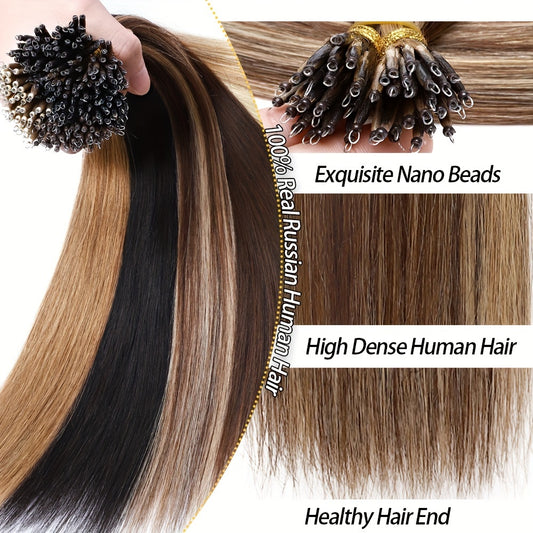
16-24 Inch Nano Ring Hair Extensions Human Hair Highlight Nano Link Hair Extensions
Regular price $249.00 USDSale price $249.00 USDUnit price per -

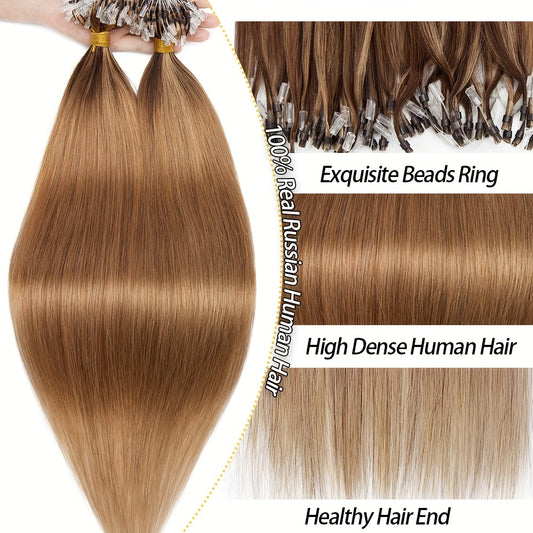
50G/Pack THICK Micro Ring Loop 100% Human Hair Extensions
Regular price $179.00 USDSale price $179.00 USDUnit price per -

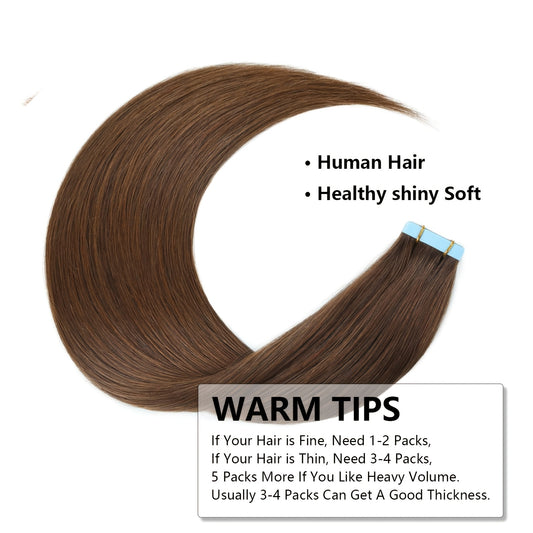
18-26 Inch 20pcs/Pack Remy Straight Invisible Tape Adhesive Hair Extensions
Regular price $185.00 USDSale price $185.00 USDUnit price per -

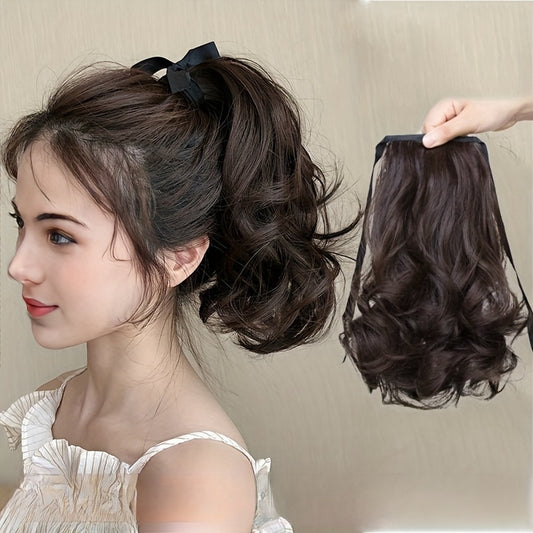
12 Inch Long Curly Synthetic Ponytail Black Tie-Up Ponytail Extensions
Regular price $106.02 USDSale price $106.02 USDUnit price per -
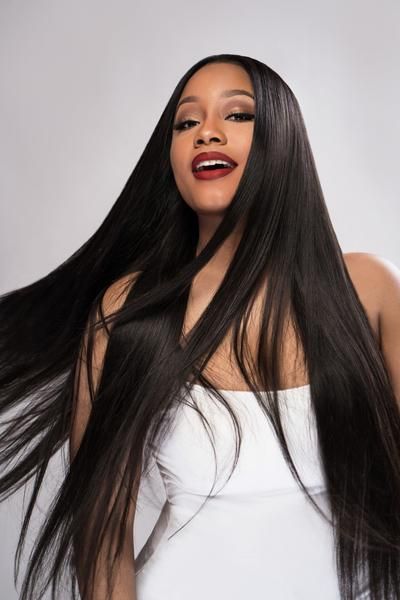
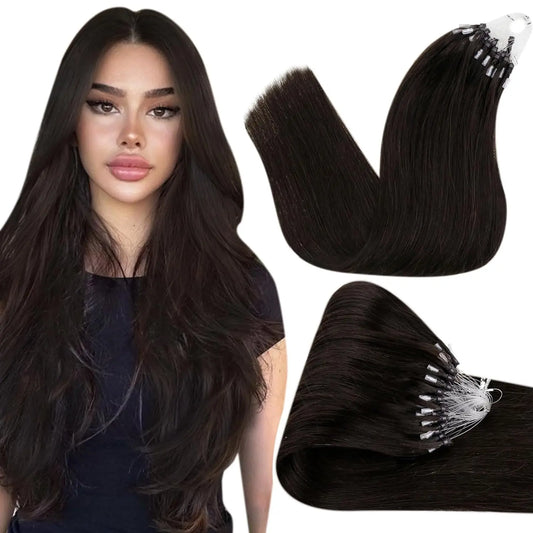
Human Hair Extensions Brown Micro Loop Extensions
Regular price $385.00 USDRegular priceUnit price per -
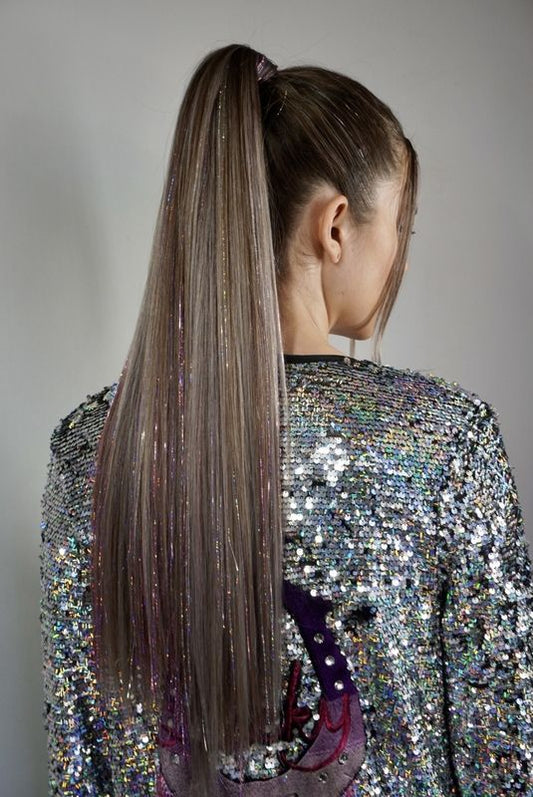
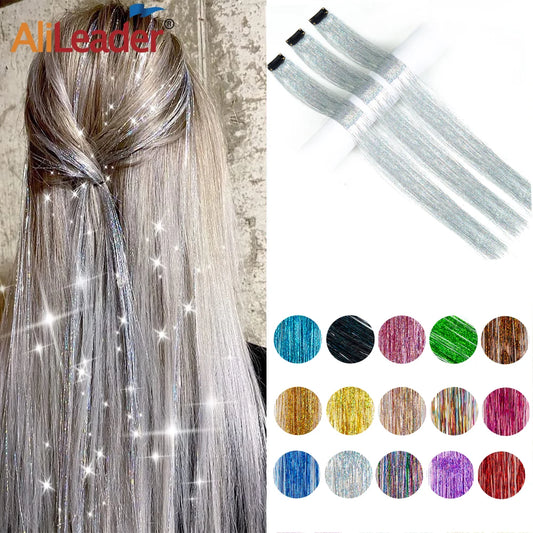
Clip In Hair Tinsel Rainbow Hair Extension
Regular price $121.99 USDRegular priceUnit price per


15 Inch Human Hair Weft Weave Extensions: The Complete Guide to Natural Mid-Length Volume, Seamless Blending, and Salon-Quality Wear
There’s a particular kind of confidence that comes from hair that looks intentionally full—never “done up,” never obviously added, just healthy, dense, and quietly elevated. That’s the real appeal of 15 inch human hair weft weave extensions: they sit in a mid-length zone that flatters most face shapes, pairs with real wardrobes, and delivers visible thickness without turning everyday hair into a high-maintenance project.
If you’re shopping the category itself, the most direct place to start is the 15 inch human hair weft weave extensions collection for a refined mid-length result. And if you prefer to explore from a broader brand perspective—comparing textures, weft builds, and use cases—many shoppers begin at Fabulive and work outward from there, choosing weft types and lengths based on lifestyle rather than hype.
What This Collection Is and Who It’s For
15-inch human hair weft weave extensions are sewn, placed, or integrated as wefts—sections of hair stitched together along a seam—designed to add density and length in a controlled, customizable way. Unlike quick-change options that come on and off daily, weft extensions are typically chosen by people who want a more consistent, salon-like look: fuller mid-length hair that behaves like real hair because it is real hair.
This length is especially strategic because it often lands around the collarbone to upper chest depending on placement and height. It’s long enough to change your silhouette and make styles look “finished,” yet short enough to stay wearable in daily life. It’s the kind of upgrade that reads as better hair health—thicker ends, smoother shape, more presence—without shouting “extensions.”
Who benefits most from 15-inch weft extensions
This collection is ideal for anyone who wants mid-length fullness with a natural drape: professionals who need polished hair that doesn’t get in the way, fine-haired shoppers who want density through the mid-lengths and ends, and anyone growing out a shorter cut who wants the in-between stage to look deliberate. It’s also an excellent choice for people who prefer a predictable, consistent look across weeks rather than day-by-day styling decisions.
How to choose 15-inch weft extensions for thin hair right now
If your hair is fine, prioritize comfort and believable density. You want fullness that supports your outline, not weight that overwhelms your scalp. It can help to understand why this length is often considered a sweet spot for fine strands; this mid-length upgrade guide for fine hair breaks down how 15 inches can look fuller without looking heavy.
What 15-inch wefts look most natural in daylight
Daylight reveals undertones and texture mismatch more than any ring light ever will. The most natural-looking weft installs match your mid-length color (not just your roots) and share a similar surface finish—silky, lightly textured, or softly waved—so your hair and the weft hair move as one.
How many bundles or wefts do you actually need at 15 inches
The right amount depends on your natural density, desired fullness, and the method used. The most common mistake is buying for “maximum hair” instead of buying for your silhouette. Start with the goal: subtle density, full mid-length volume, or a more dramatic transformation. A well-balanced, correctly placed install often uses less hair than people expect because placement does the work.
Why This Category Matters Now
Hair trends are moving toward realism: hair that looks expensive because it looks healthy, not because it looks extreme. The mid-length renaissance is part of that shift. People want styles that fit real schedules—commutes, meetings, errands, events—without constant maintenance. Weft extensions answer that demand by creating consistent fullness and shape, especially when natural hair struggles with thin ends or uneven density.
There’s also a growing sophistication around construction. Shoppers aren’t only asking “How long?” anymore. They’re asking: What weft type? How does it lay? Is it comfortable? Does it build volume without bulk? That level of decision-making is exactly where weft extensions shine, because you can choose construction and coverage like you would choose fabric weight and tailoring in clothing.
Freshness and modern wearability: why 15 inches is the refined choice
Fifteen inches is the point where hair looks longer and fuller but stays wearable. It supports everything from sleek, professional finishes to soft waves and accessory styling. It also pairs well with the way people dress now—structured blazers, minimal jewelry, elevated basics—where hair acts like the final polish, not the whole costume.
Best option for daily wear vs special occasions
For daily wear, a mid-length weft look should be comfortable, predictable, and easy to maintain. For special occasions, you can lean into styling—waves, half-up volume, photo-ready texture—without needing to jump to ultra-long hair. Mid-length hair can look exceptionally editorial when the shape is dense and the finish is cohesive.
Decision Framework
- Goal → fuller ends, more volume, added length, or a smoother silhouette
- Shade/undertone → match mid-lengths and ends in natural light
- Texture/finish → choose what you’ll wear most often (sleek, soft wave, lightly textured)
- Construction/type → select the weft build that fits comfort and density needs
- Weight/coverage → decide on subtle density vs full mid-length fullness
- Occasion/frequency → everyday consistency vs event-focused versatility
- Care tolerance → how much detangling, washing, and styling you’ll realistically do
- Budget/value → invest where it impacts your daily confidence most
How to match undertones without overthinking it
Warm hair reflects honey and gold; cool hair reflects ash and beige; neutral sits between. The easiest way to avoid mismatch is to evaluate your hair in daylight, then match to the tone you see through the mid-lengths and ends. If your hair has dimension, a multi-tonal match often looks more believable than a flat, single shade.
What to do if a blend line shows after installation
Blend lines usually come from texture mismatch or a silhouette mismatch—your natural ends and the extension ends aren’t behaving as one. The fix is rarely “more hair.” It’s usually better finish alignment: a soft bend, a brushed wave, or a slight trim and shape that merges your hair into the weft shape.
What to do if fullness looks bulky instead of natural
Bulk happens when too much density sits too high or too uniformly in one area. A more natural result spreads fullness through the mid-lengths and supports the ends, keeping the crown and surface layer smooth. Think “healthy thickness,” not “stacked height.”
Weft Construction 101: What You’re Actually Buying
Weft extensions can feel mysterious until you understand their purpose: the weft seam is the engineering that controls how hair lays, how it distributes weight, and how easily it blends. Once you understand weft construction, shopping becomes simpler. You’re no longer buying “more hair.” You’re buying a specific structure that creates a specific silhouette.
Start with the broader weft category
If you want to explore the full weft universe—types, finishes, and how they’re used—browse human hair weave wefts and hair extensions curated by weft style and wear goals. This is the fastest way to understand what’s available before narrowing down to your preferred build.
Everything you should know before committing to weft extensions
Weft installs and weft shopping are easier when you understand terminology, placement logic, and how different builds affect comfort. If you want an educational overview that demystifies the category, read everything you should know about human hair weave wefts and how they’re used.
Behind-the-scenes insight: why production impacts the final look
The quality you feel—softness, shedding resistance, how the hair holds style—starts long before the hair reaches your head. If you’re the kind of shopper who values process and transparency, this behind-the-scenes journey from production to your hair adds useful context for what “good hair” actually means.
Choosing the Right Weft Type for Your Goal
Different weft builds exist for different reasons. Some are designed to maximize density, some to minimize bulk, and some to create an ultra-flat, seamless lay. The right weft type is the one that matches your lifestyle and the feel you want against your scalp.
Double weft: when you want density with structure
Double wefts are often chosen for fuller results—especially when hair is fine but the desired look is rich, dense, and polished. If you want to shop this build specifically, explore double weft hair extensions designed for thicker-looking mid-length volume.
How to evaluate double vs single construction in practical terms
Even if a blog focuses on clip-in comparisons, the construction logic is still useful when you’re thinking about density and comfort. For a straightforward breakdown, read double weft vs single weft differences explained in comfort and fullness terms.
Flat weft: when you want a slimmer profile and a sleek lay
If your goal is a flatter finish—less bulk, more seamless blending—flat wefts are designed to sit closer to the head. To browse options, explore flat weft hair extensions for a low-profile, natural-looking finish.
How flat wefts work and why they feel different
Flat wefts are often chosen by shoppers who want a sleek look and a discreet feel. If you want the full explanation of how they’re made, how they’re installed, and what results to expect, read everything you need to know about flat weft hair extensions before choosing a build.
Quad weft: when you want maximum volume without constant stacking
Quad wefts are often marketed as a more voluminous build—more density delivered efficiently, which can reduce how many pieces you need to achieve fullness. To browse this category, explore quad weft hair extensions for high-volume results with a streamlined feel.
When quad wefts make sense for your routine
If you love a fuller look and want a build designed to deliver density, this guide to quad weft hair extensions and voluminous upgrades can help you decide if the structure matches your comfort and styling habits.
Shade, Undertone, and Finish Selection
Color matching is the difference between “nice extensions” and “no one knows.” The most reliable rule is to match to your mid-lengths and ends, because that’s where weft hair lives visually. Root color is often darker, warmer, or cooler than the body of the hair—especially with grown-out color or highlights—so matching roots alone can mislead you.
Seamless blending depends on more than shade
Finish matters: is your hair naturally glossy, lightly textured, or matte? Texture matters: is your pattern straight, wavy, or somewhere between? The most natural result matches shade and behavior—how the hair moves and reflects light—so your weft hair becomes part of your overall silhouette.
Seamless blending checklist you can use at home
To make matching simpler, use a daylight check, compare your ends, and consider your usual styling finish. If you want a detailed guide that focuses specifically on matching wefts to natural hair, read how to match weft extensions with your natural hair for seamless blending.
What to do if the color is close but not perfect
If you’re close, you can often “blend your way in” with styling. Soft waves, brushed texture, and face-framing layers make near-matches look more natural. The goal is cohesion—hair that reads as one look, not identical strands.
Texture and Blend Strategy
Blending is an art, but it’s also a system: match texture, match finish, shape the silhouette, then style everything together. Mid-length weft extensions look most natural when your ends and the extension ends behave the same way—curling, bending, and moving in unison.
How to blend with common haircut types
How to blend 15-inch wefts with a blunt bob that’s growing out
Blunt cuts can create a “shelf” where your natural ends sit heavier than the added hair. The fix is shape: soft bends at the ends, subtle face-framing, and a silhouette that tapers naturally rather than stopping abruptly.
How to blend 15-inch wefts with layered shoulder hair
Layers blend beautifully when the finish has movement. A soft wave is often the easiest way to hide transition points. Brush lightly to merge sections so the layers look intentional rather than separated.
How to blend with short hair when you want a believable change
Short hair can absolutely wear wefts, but realism depends on texture and expectation. Soft movement hides transitions better than sleek styling. If you want confidence that short hair and extensions can work together, these reasons extensions are a game-changer for short hair explain the most common wins in practical terms.
What to do if the blend looks obvious on camera
Camera “obviousness” usually shows up as a line or a mismatch in shine. Add movement, soften the ends, and avoid over-sleeking the top if your natural hair has texture. A cohesive finish matters more than a perfectly flat surface.
Styling Ideas: Daily Looks and Photo-Ready Moments
Mid-length weft extensions are powerful because they create a consistent silhouette—your “default hair” looks better, whether you wear it sleek, textured, or accessorized. The best styling approach is the one you can repeat often without stress. For 15 inches, that usually means soft structure, healthy movement, and ends that look dense.
Quick looks for everyday wear
The polished mid-length blowout silhouette
A smooth finish with a gentle bend at the ends reads refined and professional. It’s ideal for office days, meetings, and any environment where you want hair to look intentional without looking overdone.
The brushed-out wave for modern texture
Loose waves brushed into soft texture are forgiving and elegant. This look merges your natural hair and the weft hair into one pattern, making blending easier and keeping the finish modern rather than overly curled.
Bandana and accessory styling that looks editorial
Accessories tend to look better when the hair underneath has volume and structure. If you want ideas that suit mid-length fullness, explore cute bandana hairstyles you need to try for a polished, wearable finish.
Photo-ready looks for events
Medium-length event hair that doesn’t require ultra-long length
Mid-length hair can look spectacular in photos when it’s cohesive and glossy in a natural way. For styles that translate beautifully to 15 inches, explore prom hairstyles for medium-length hair that work for modern events.
Celebrity-inspired finishes you can realistically recreate
The most wearable celebrity hair is about silhouette—controlled volume, smooth ends, and a cohesive finish. If you want inspiration that helps you choose a look you can actually repeat, explore celebrity hairstyles that stole the show with wearable interpretation.
How to build volume that still looks natural
Volume looks best when it reads as density, not height. Build fullness through the mid-lengths and ends, then keep the surface layer smooth. If you want a structured, step-by-step approach to volume, use techniques to enhance volume with hair extensions for a natural-looking result as a practical reference for shaping and fullness principles.
Care, Maintenance, and Longevity
Human hair weft extensions reward consistent care. The goal is to preserve softness, prevent tangling, and protect the ends from dryness. The best routine is simple: gentle detangling, minimal heavy product, smart heat habits, and proper storage practices if your method involves removable pieces.
Maintenance habits that protect mid-length wefts
- Detangle gently, starting at the ends and moving upward
- Use heat thoughtfully and keep temperatures moderate
- Avoid heavy buildup products that make hair feel coated
- Prioritize moisture at the ends where dryness shows first
- Keep friction low by being mindful of scarves, collars, and rough fabrics
Luxury wefts and what “premium” actually means
If you’re considering higher-end weft options, it helps to understand what luxury terminology refers to—double drawn density, refined finishes, and consistent fullness. For a deeper look, explore Remy Royale double drawn hair weft extensions and what makes them feel luxurious.
How to keep ends from looking dry over time
Ends are where wear shows first. Keep heat controlled, avoid overwashing, and use lightweight moisture techniques that don’t create buildup. A mid-length weft look stays expensive when the ends stay soft and dense.
Comparing Nearby Categories
Shopping weft extensions gets easier when you compare by outcome rather than by inches. Ask what you want your hair to do: feel fuller, look longer, sit flatter, hold curl better, look more polished in photos. Then choose a length and weft type that supports that exact goal.
When you want the same category at a different length
If you love the weft concept and want a longer, more dramatic silhouette, explore 18 inch human hair weft weave hair extensions for a more noticeable length shift. If you want a true long-hair statement while staying in a weft weave format, explore 24 inch human hair weft weave extensions for dramatic, photo-forward length.
When you want 15 inches but not necessarily a weft weave method
Some shoppers prefer to compare by wearing method before committing. If you want to explore mid-length hair extensions more broadly, browse 15 inch hair extensions for all mid-length options and wear methods. If you want a daily removable approach, compare with 15 inch clip in hair extensions for quick, repeatable styling.
Featured Picks and Use-Case Recommendations
Even when you’re focused on weft weave extensions, it can be useful to compare products across methods for styling goals, texture experimentation, and occasion-based needs. The picks below are framed by use case—what you want the hair to do—so you can choose with clarity.
Best for classic weft bundle shopping and full mid-length density
If you want a traditional bundle approach with human hair that’s designed for weave wear, explore three bundles of Brazilian Remy human hair weave extensions for fuller installs.
Best for exploring alternative methods when you want a flatter feel
If you’re comparing weft wear to other approaches that can sit very close to the scalp, consider invisible tape-in on a light beige weft for a low-profile human hair finish as a reference point for how different methods change the feel and lay of the hair.
Best for understanding premium double-weft clip-in construction
If you want to compare weft density concepts to a premium clip-in build, explore 24 inch double-weft Remy clip-ins in shade 1B for a sleek, structured long look.
Best for experimenting with dimensional synthetic color without commitment
If you want to test a lighter, dimensional shade for photos or seasonal styling without investing in permanent color, explore synthetic balayage pale golden honey blonde extensions in a soft double-weft set.
Best for quick synthetic volume when you want a budget-friendly backup
If you like having a backup set for casual wear or styling practice days, consider four-piece long wavy synthetic clip-ins with thick double weft hairpieces for quick fullness.
Best for short wavy invisible styling and discreet texture
If you’re curious how “invisible” construction changes the look and feel at shorter lengths, consider 14 inch short wavy lace weft hair extensions designed for an invisible finish as a reference point for discreet surface blending.
Buying Guidance and Common Mistakes to Avoid
The best purchase is the one you’ll actually wear. That means choosing a length you can maintain, a weft type that fits your comfort level, and a finish that matches how you style your hair most days. Mid-length wefts are powerful because they can become your default look—hair that feels like “you,” just more polished.
Common mistake: choosing density before choosing comfort
People often buy for maximum fullness and then find they don’t love how it feels. Comfort drives consistency. If your install feels heavy or bulky, it will become an occasional wear choice instead of an everyday confidence tool. Choose the most comfortable construction that still delivers your goal.
How to decide between flat, double, and quad wefts quickly
If you want sleek and discreet, lean flat. If you want structured density, lean double. If you want maximum volume efficiency, lean quad. Then refine based on your hair density and the feel you want against your scalp.
How to avoid buying a shade that looks right indoors but wrong outside
Always check your hair in daylight and match to the mid-lengths. If your hair has dimension, consider multi-tonal matches. A close match with cohesive styling will look more natural than an “exact” match with the wrong finish.
How to keep your result modern instead of overdone
Modern hair looks soft and cohesive, not stiff and uniform. Keep movement natural, avoid overly glossy product overload, and choose styles that match your personal aesthetic. The goal is a believable upgrade, not a costume.
FAQ: 15 Inch Human Hair Weft Weave Extensions
Where do 15-inch weft extensions usually fall on the body?
For many people, 15 inches lands around the collarbone to upper chest depending on height and placement. It often reads as a refined mid-length cut that looks fuller at the ends and more polished overall.
Are weft weave extensions better than clip-ins for daily confidence?
They can be if you prefer consistent hair day after day. Wefts are often chosen for longer-wear consistency, while clip-ins are often chosen for removable flexibility. The right answer depends on your routine and how often you want to change your look.
How do I choose the best weft type for comfort?
Comfort is influenced by how the weft lays and how density is distributed. Flat builds can feel slimmer, double wefts can feel more structured, and quad builds can deliver volume efficiently. Choose based on your scalp sensitivity and desired fullness.
What makes a weft blend look truly seamless?
Seamless blending comes from matching undertone, aligning texture, and ensuring the silhouette transitions naturally at the ends. Styling your natural hair and the extension hair together is often the final step that makes everything look like one head of hair.
Can 15-inch wefts work for fine or thinning hair?
Yes, as long as you choose density and placement thoughtfully. Fine hair often looks best when fullness is built through the mid-lengths and ends rather than stacked high near the crown. Comfort-first choices tend to produce the most wearable results.
What styling looks best for mid-length weft extensions?
Soft bends, brushed waves, and polished mid-length blowout shapes are particularly flattering. They merge the transition points and keep the silhouette modern. Mid-length hair looks most expensive when the ends look dense and healthy.
How do I keep weft hair looking soft and healthy over time?
Gentle detangling, moderate heat, and moisture focused on the ends make the biggest difference. Avoid heavy buildup products and minimize friction where possible. Consistency in care is more important than complicated routines.
Is it worth owning a longer length as a second option?
Many people keep 15 inches as their everyday look and add a longer length for events. A two-length wardrobe can reduce wear on your primary hair and give you variety without forcing one length to do everything.
Conclusion: Why 15-Inch Human Hair Weft Weave Extensions Are the Modern Mid-Length Investment
15 inch human hair weft weave extensions are the quiet luxury of hair: wearable, refined, and designed for real life. They create the kind of fullness that reads as healthy hair—dense ends, cohesive shape, and a silhouette that looks polished without looking forced. When you choose the right weft type, match undertones thoughtfully, and style with cohesion, the result isn’t just “more hair.” It’s better hair—consistent, believable, and built to support the way you want to show up every day.