



Everything You Need to Know About Flat Weft Hair Extensions
A Complete Standard Support & Education Guide to Sewn-In & Flat Weft Extensions

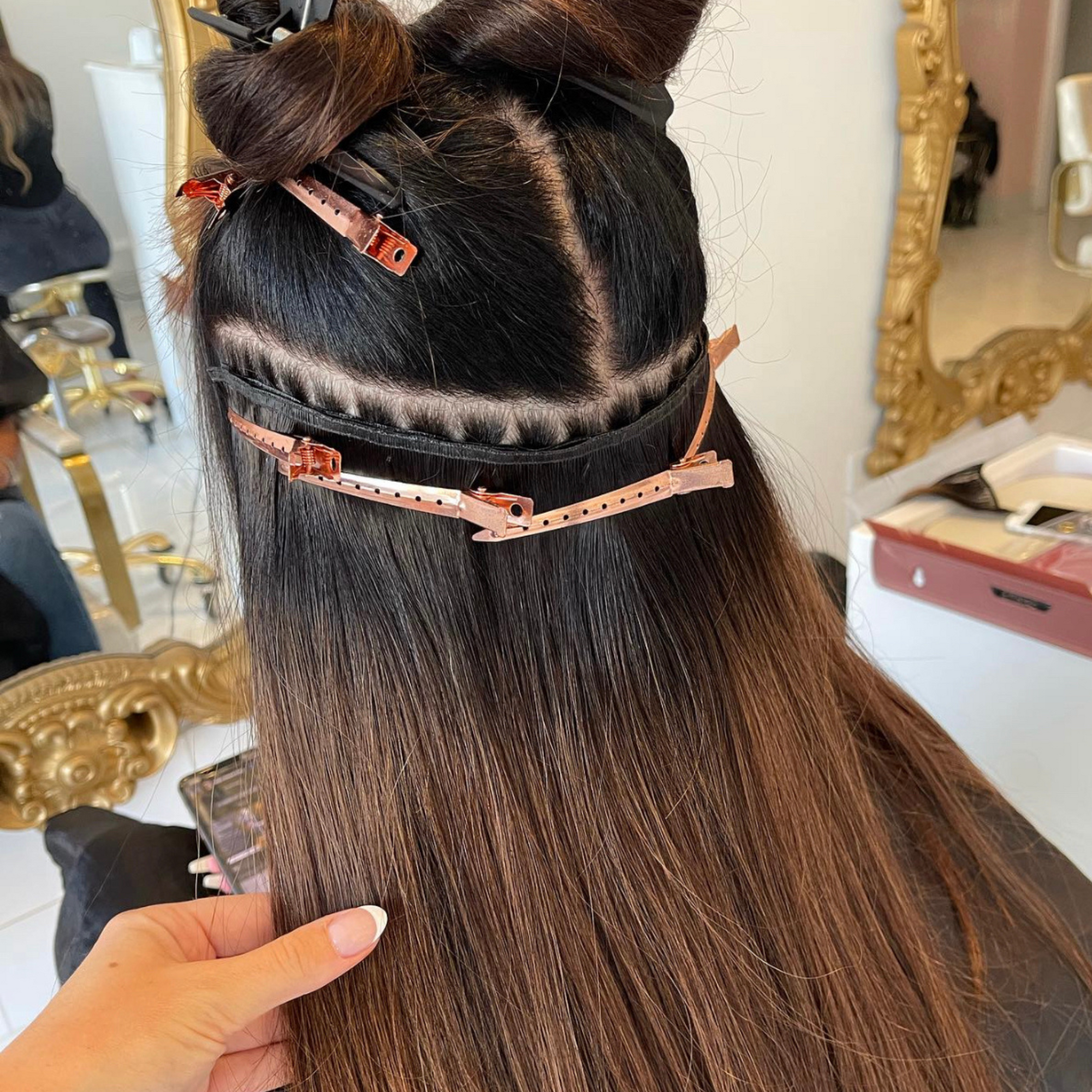
Flat weft hair extensions represent one of the most advanced evolutions in weft extension technology, offering a refined balance of durability, comfort, and seamless blending. As clients and stylists become more informed about extension construction, there has been a noticeable shift away from bulky, rigid tracks toward flatter, more flexible solutions that integrate naturally with the scalp. Flat wefts answer this demand by combining strong structural integrity with a slim profile that enhances both appearance and wearability. This guide explores flat weft hair extensions in depth, covering construction, differences from traditional wefts, production methods, installation techniques, blending strategies, maintenance, and long-term value so you can make an informed and confident decision.
What Are Flat Weft Hair Extensions
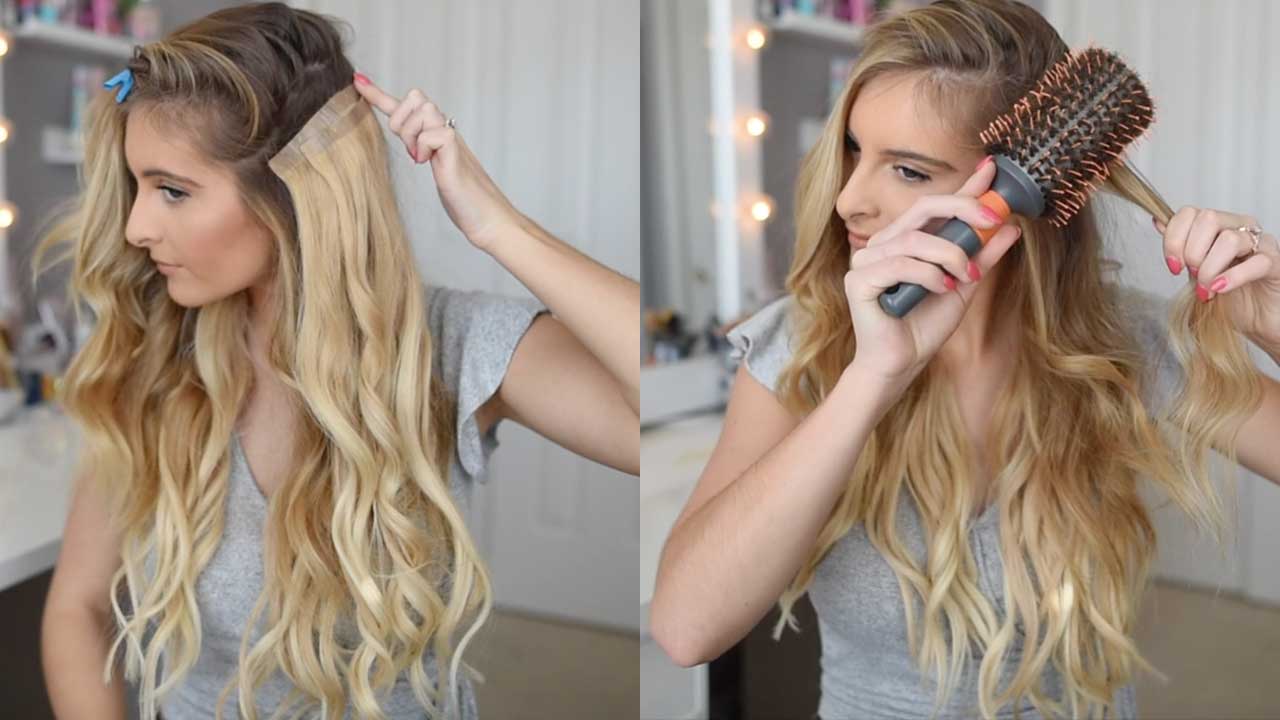
Flat weft hair extensions are continuous strips of human hair constructed with an ultra-thin, low-profile track designed to lie flush against the scalp. Unlike traditional machine-stitched wefts that create bulk at the root, flat wefts are compressed and refined during production to minimize thickness while maintaining strength. This allows multiple wefts to be layered without discomfort or stiffness. Flat wefts are commonly used in sewn-in, beaded, and hybrid installation methods and are particularly valued for their natural feel, reduced tension, and discreet appearance under natural hair.
How Flat Wefts Differ From Traditional Weft Extensions
Traditional weft extensions often rely on thicker stitching or folded tracks that can feel rigid once installed, especially when multiple rows are layered. Flat wefts are engineered to remove this excess bulk, allowing the weft to contour naturally to the scalp. This difference becomes especially noticeable during long-term wear, where flat wefts maintain comfort while traditional wefts may cause pressure points. Flat wefts also provide greater flexibility in placement, making them easier to customize for different head shapes and hair densities. For deeper technical clarity, see Human Hair Weave Wefts Hair Extensions: Everything You Should Know.
The Production Process Behind Flat Weft Extensions
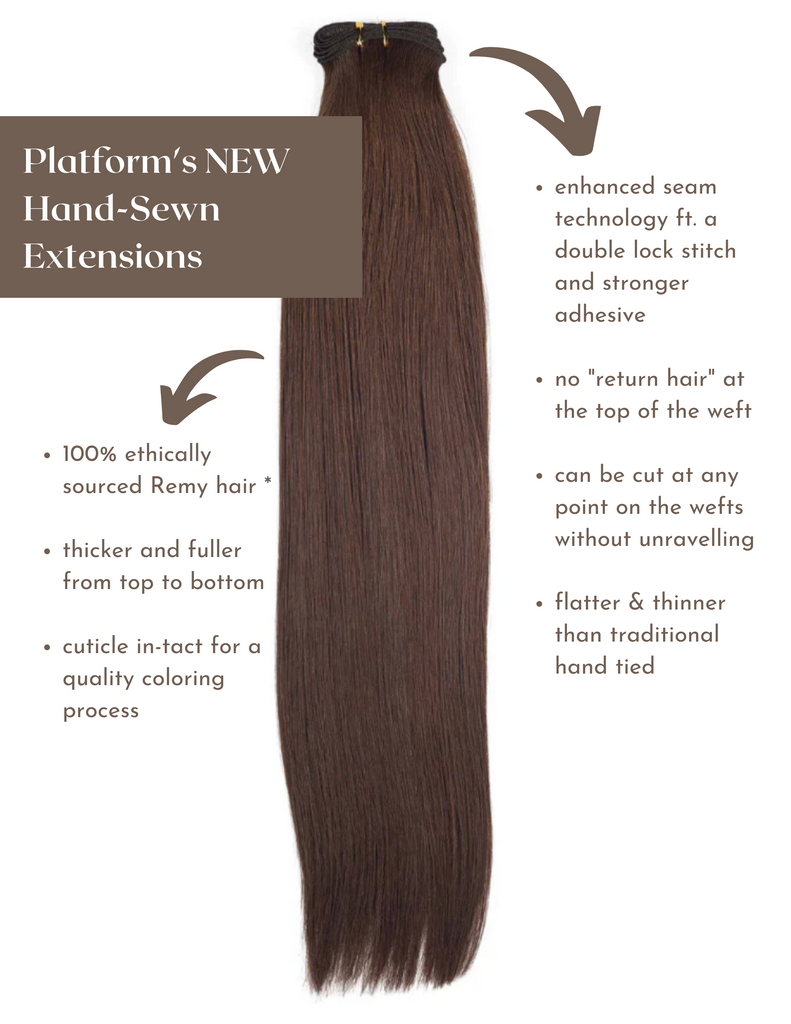
The journey of a flat weft begins with sourcing high-quality human hair. Ethical sourcing and cuticle alignment are critical, as they determine the hair’s longevity, softness, and resistance to tangling. Once collected, the hair is thoroughly cleaned, sorted by length and texture, and aligned to preserve natural cuticle direction. During weft construction, the hair is sewn or bonded onto a reinforced yet ultra-thin track. This track is then flattened and secured to ensure it maintains strength without adding unnecessary thickness. The craftsmanship involved in this process is explained further in Behind the Scenes: The Journey of Weft Extensions From Production to Your Hair.
Density Control and Hair Distribution in Flat Wefts
One of the defining advantages of flat weft extensions is controlled density. Manufacturers carefully distribute hair across the weft so that fullness is consistent without creating heaviness at the root. This balance allows flat wefts to deliver volume while remaining lightweight. Proper density control also improves blending, as the extension hair mimics the natural fall of real hair rather than appearing stacked or abrupt.

Flat Wefts vs Quad Wefts and Double-Drawn Wefts
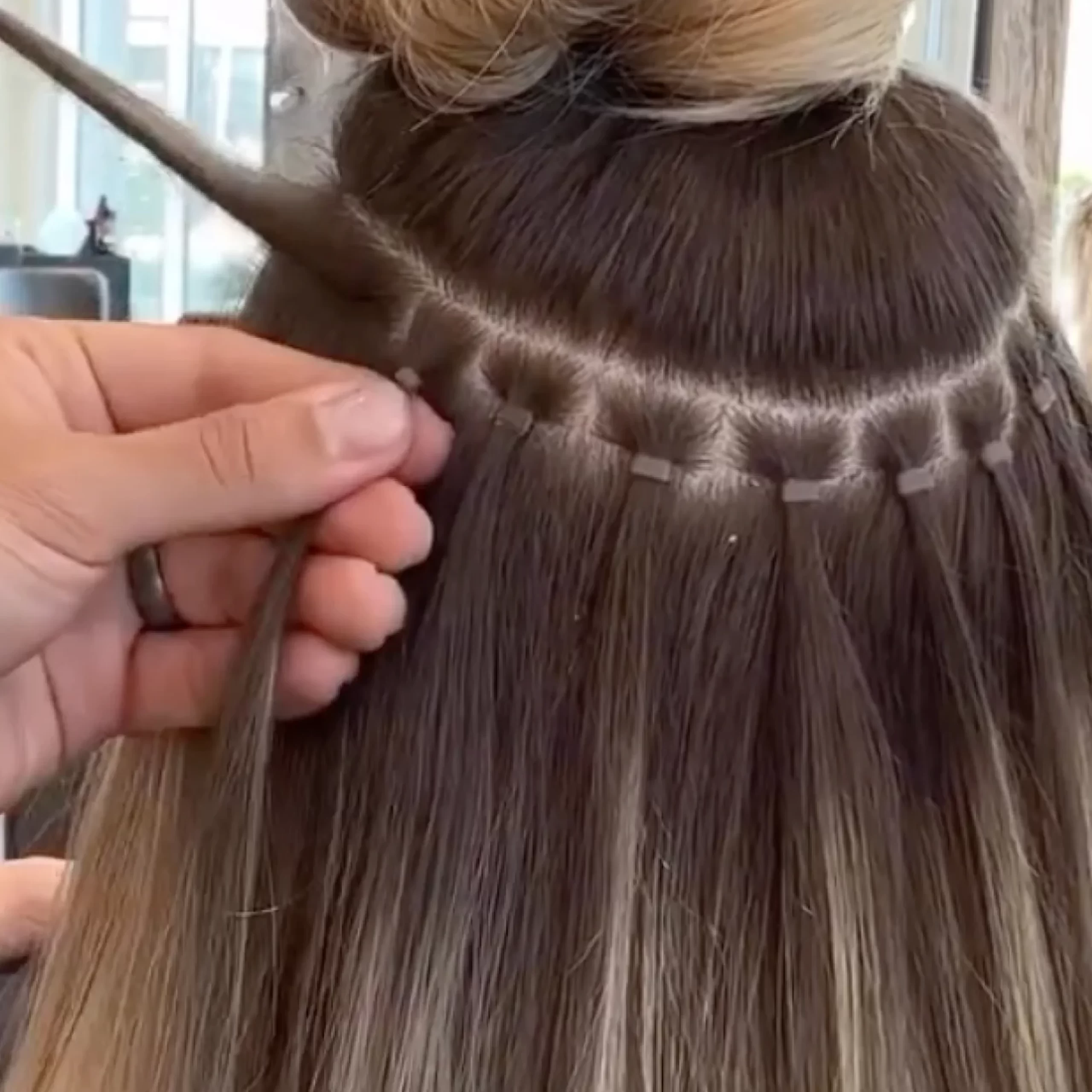
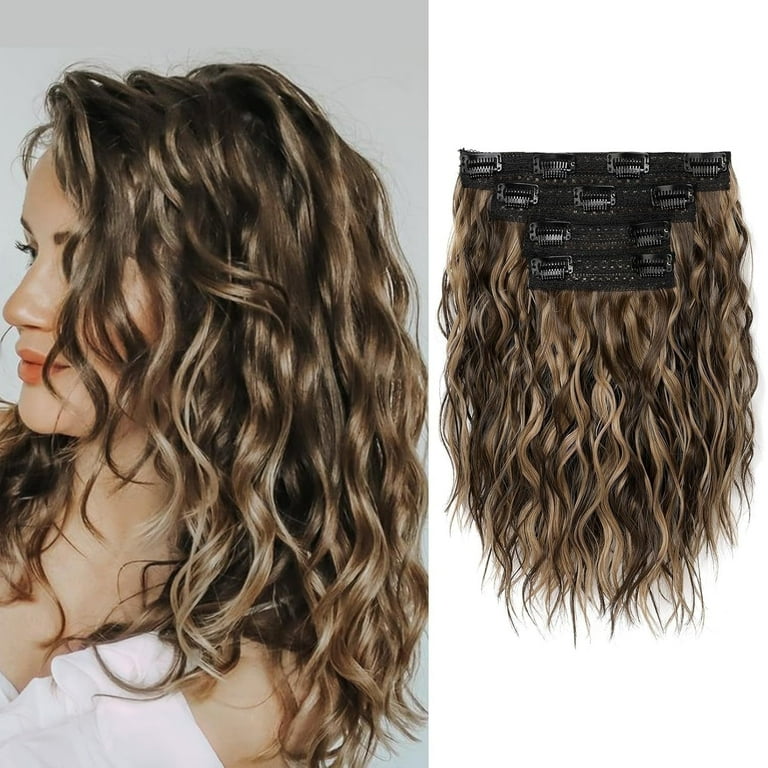
Flat wefts are often compared with quad wefts and double-drawn wefts. Quad wefts stack multiple layers of hair on a single track to maximize volume, as outlined in Quad Weft Hair Extensions: The Voluminous Upgrade Your Hair Needs.
Double-drawn wefts focus on maintaining even thickness from root to tip, eliminating wispy ends, as highlighted in Remy Royale Double Drawn Hair Weft Extensions: Luxury for Your Hair. Flat wefts can incorporate elements of both, offering a slim track with consistent density.
Why Flat Wefts Are Ideal for Sewn-In Installations
Flat wefts perform exceptionally well in sewn-in installations because their slim track sits comfortably against braided natural hair. The reduced bulk allows for multiple wefts to be layered without stiffness, making them ideal for clients seeking long-term wear. Sewn-in installations using flat wefts distribute weight evenly, reducing strain on the scalp. For technical depth, refer to Sewn-In Hair Extensions 101: Everything You Need to Know.
Flat Wefts in Beaded and Hybrid Installations
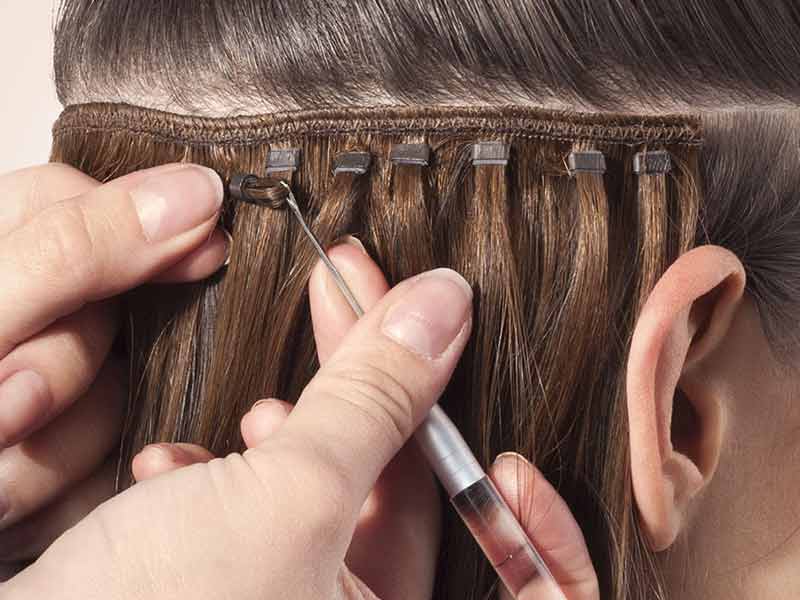
Beyond sewn-in methods, flat wefts are widely used in beaded and hybrid installations. Their thin profile allows them to be attached using beads or micro-links without creating bulk at attachment points. This flexibility makes flat wefts suitable for clients who prefer non-braided methods or want easier removal and repositioning.
Blending Flat Wefts With Natural Hair
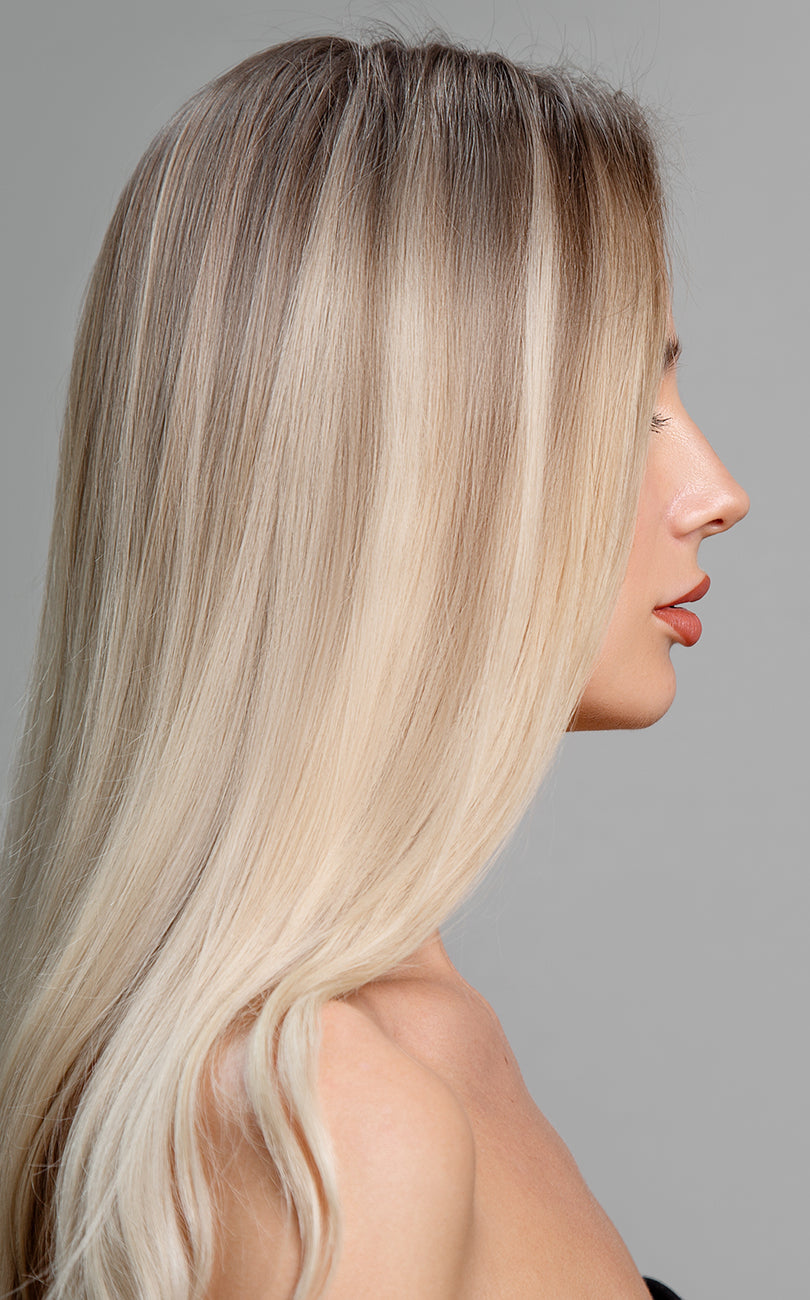
Seamless blending is one of the strongest advantages of flat weft extensions. Because the track lies flat, it disappears under natural hair more easily than thicker wefts. Successful blending depends on matching color, texture, and density, as well as strategic placement. Seamless Blending: How to Match Weft Extensions With Your Natural Hair provides an in-depth explanation.


Comfort, Weight Distribution, and Scalp Health
Flat wefts distribute weight evenly across the scalp, reducing tension and improving comfort during extended wear. This makes them suitable for clients with fine to medium hair who want fullness without heaviness. Over time, this even distribution supports healthier natural hair.
Length Options and Styling Flexibility
Flat weft extensions are available in a wide range of lengths to suit different goals. Options like 18-inch human hair weft weave extensions offer a balanced length that works for both subtle enhancement and visible transformation. Flat wefts can be curled, straightened, layered, and styled into updos without revealing the track.
Maintenance and Longevity of Flat Weft Extensions
With proper care, flat weft hair extensions can last several months and be reused across multiple installations. Maintenance involves gentle washing, conditioning mid-lengths to ends, minimizing excessive heat, and careful detangling. Their reinforced yet thin track allows flat wefts to retain structure longer than bulkier alternatives.
Cost, Value, and Long-Term Investment
While flat wefts may cost more initially, their durability and reusability often make them a stronger long-term investment. Fewer replacements and consistent performance justify the upfront price for many wearers.
Conclusion: Flat Wefts as a Modern Essential
Flat weft hair extensions represent a significant advancement in weft extension technology, offering slim construction, comfort, and exceptional blending. From sourcing and production to installation and styling, every element is designed to improve the wearing experience. To explore premium options, visit Fabulive online hair extensions store and browse the complete range through Fabulive’s professional hair extensions collection.
Frequently Asked Questions About Flat Weft Hair Extensions
What makes flat weft hair extensions different from regular wefts
Flat weft hair extensions are constructed with a thinner, compressed track that lies closer to the scalp. Unlike traditional machine wefts, which can feel bulky or stiff when layered, flat wefts maintain flexibility while still offering strength. This allows for a more natural appearance, improved comfort, and better long-term wear, especially when multiple wefts are installed.
Are flat weft hair extensions suitable for fine or thin hair
Yes, flat weft extensions are especially suitable for fine to medium hair types. Their slim profile distributes weight evenly across the scalp, reducing tension and minimizing stress on natural hair. Because they sit flat, they are less likely to show through fine hair when installed correctly.
How long do flat weft hair extensions last
With proper care and professional maintenance, flat weft hair extensions can last several months and often be reused across multiple installations. Longevity depends on hair quality, installation technique, daily care, and how frequently heat styling is used.
Can flat weft hair extensions be reused
High-quality flat wefts are designed for reuse. When removed carefully and maintained properly, they can be reinstalled multiple times. This makes them a cost-effective option over time compared to lower-quality or single-use extension methods.
Are flat weft extensions better for sewn-in installations
Flat wefts perform exceptionally well in sewn-in installations because their thin track sits comfortably against braided natural hair. This reduces bulk, improves comfort, and allows for multiple rows without stiffness. The even weight distribution also helps protect scalp health during long-term wear.
Can flat wefts be used with beaded or hybrid methods
Yes, flat wefts are highly versatile. Their low-profile construction makes them suitable for beaded, micro-link, and hybrid installations. This flexibility allows stylists to customize placement based on head shape, hair density, and lifestyle preferences.
Will flat weft extensions damage natural hair
When installed and maintained correctly, flat weft extensions are considered a low-damage option. Their lightweight structure reduces pulling and tension. Damage typically occurs only when extensions are installed too tightly, neglected, or removed improperly.
How often should flat weft extensions be maintained
Most professionals recommend maintenance appointments every 6 to 8 weeks. During maintenance, the wefts are repositioned to accommodate natural hair growth, and the scalp is checked to ensure comfort and hair health.
Can flat weft hair extensions be heat styled
Yes, high-quality flat weft extensions can be heat styled just like natural hair. Curling, straightening, and blow-drying are all safe when a heat protectant is used and excessive heat is avoided. Proper styling habits help preserve softness and longevity.
Do flat wefts blend better than thicker wefts
Flat wefts generally blend more seamlessly than thicker wefts because the track lies flush against the scalp. This makes them easier to conceal under natural hair, especially around the crown and sides, resulting in a more natural-looking finish.
Are flat weft extensions heavy to wear
No, flat weft extensions are designed to feel lightweight. Their construction distributes hair evenly along the track, preventing pressure points and reducing overall heaviness compared to bulkier weft types.
Are flat weft extensions worth the investment
While flat wefts may have a higher upfront cost than basic wefts, their durability, comfort, reusability, and natural appearance often make them a better long-term investment. Clients who wear extensions regularly typically find greater value in flat wefts over time.


