
-

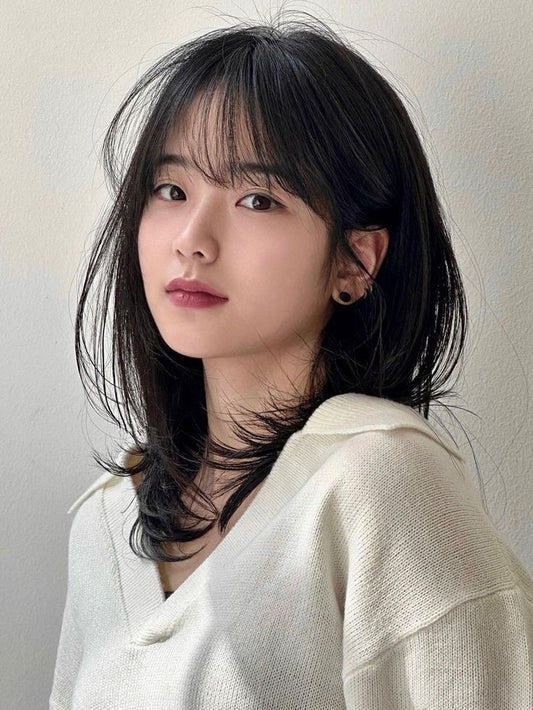
Brown Fringes Hair pieces Air Bangs
Regular price $114.99 USDRegular priceUnit price per -
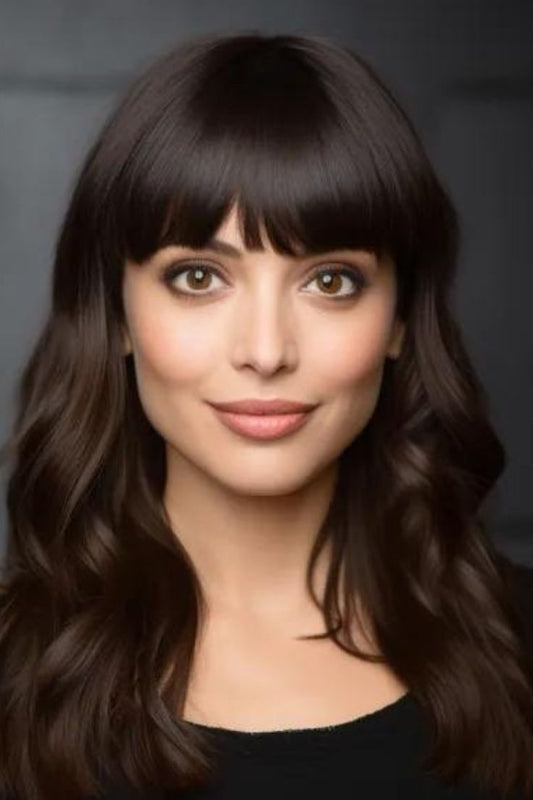
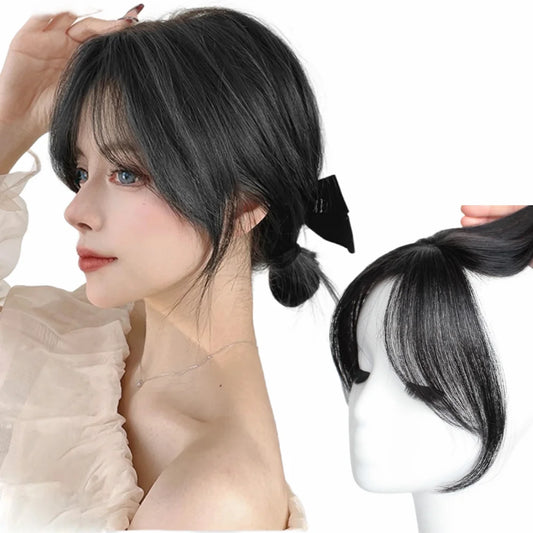
Dark Brown Human Hair Bangs Side Fringe for Women
Regular price From $212.99 USDRegular priceUnit price per -

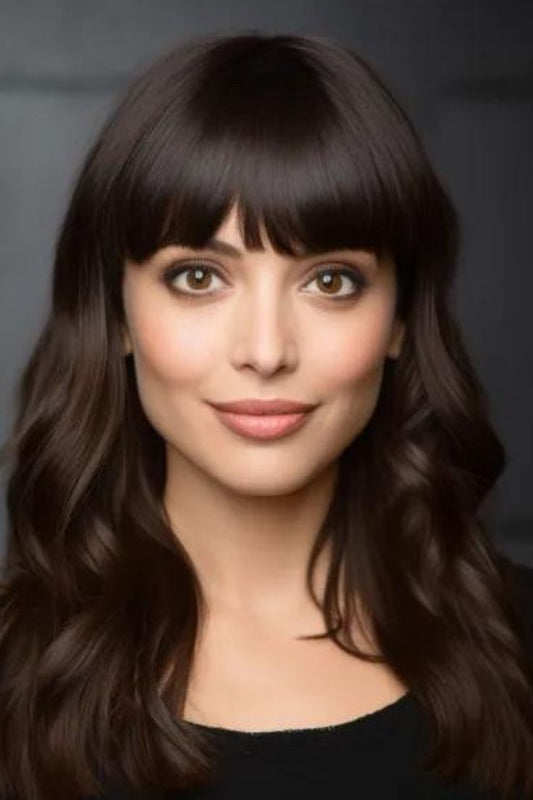
Black Human Hair Bangs Side Fringe for Women
Regular price $211.99 USDRegular priceUnit price per -
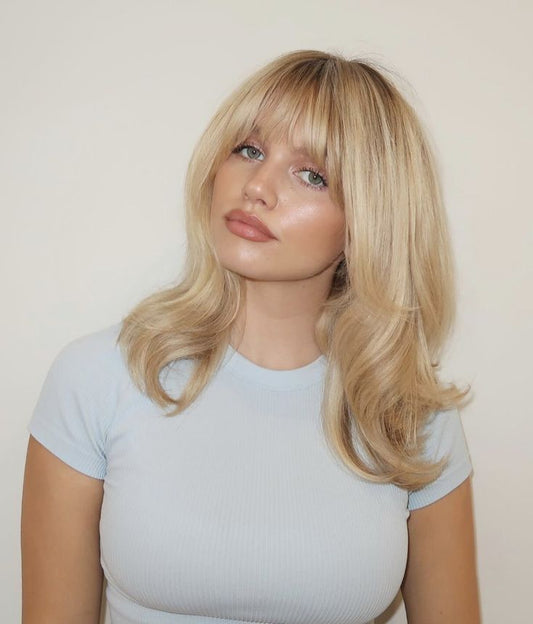

Blonde Clip-In Bangs Extension
Regular price $104.99 USDRegular priceUnit price per -

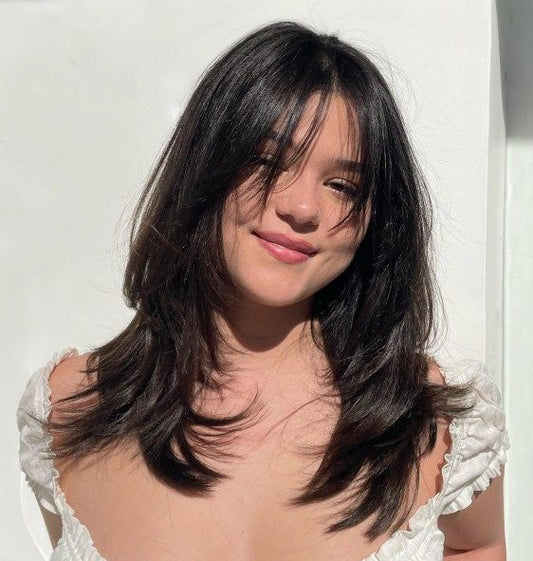
Brown Clip-In Bangs Extension
Regular price From $103.15 USDRegular priceUnit price per -
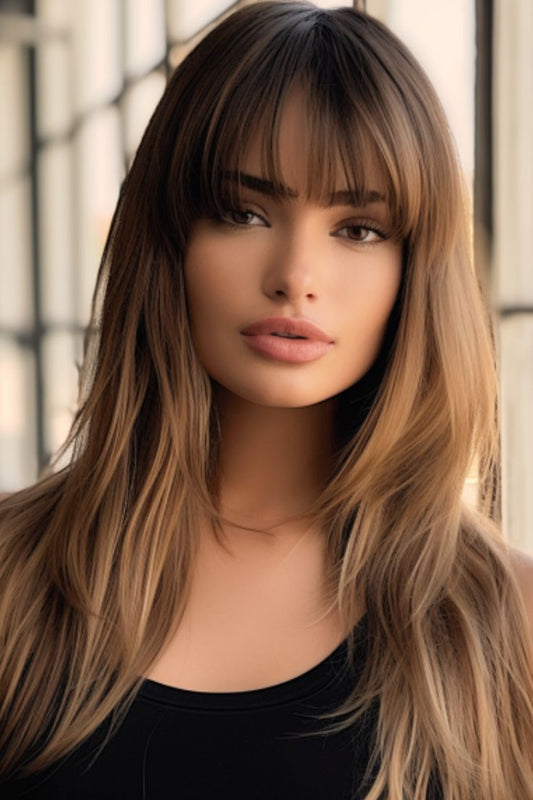
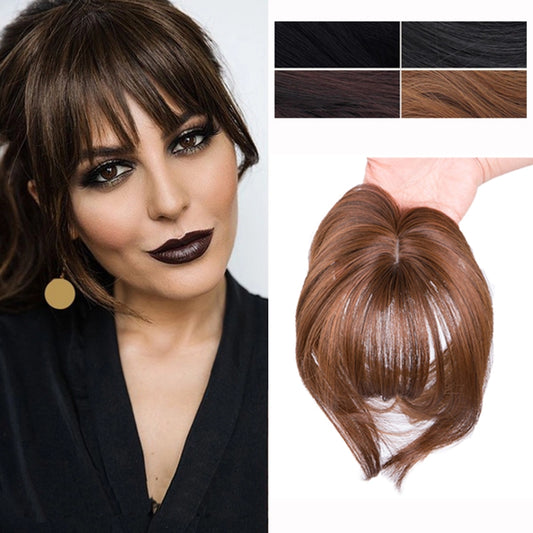
Brown Hair Fringe Clip Bangs
Regular price $105.99 USDRegular priceUnit price per -
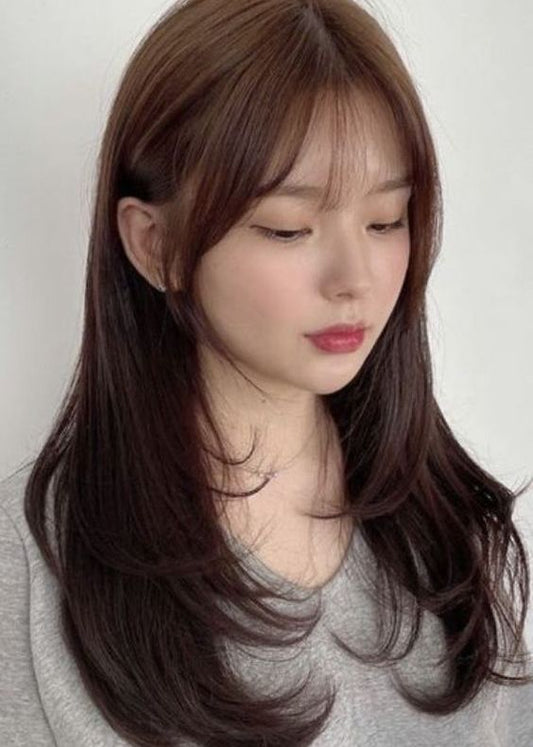
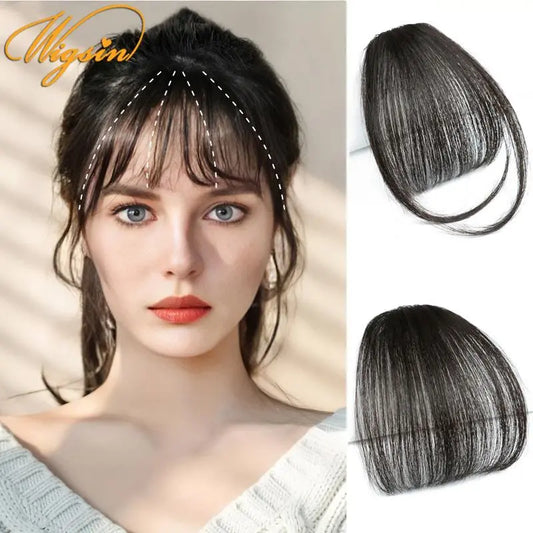
Brown Women Mini Fake Bangs
Regular price $95.99 USDRegular priceUnit price per -
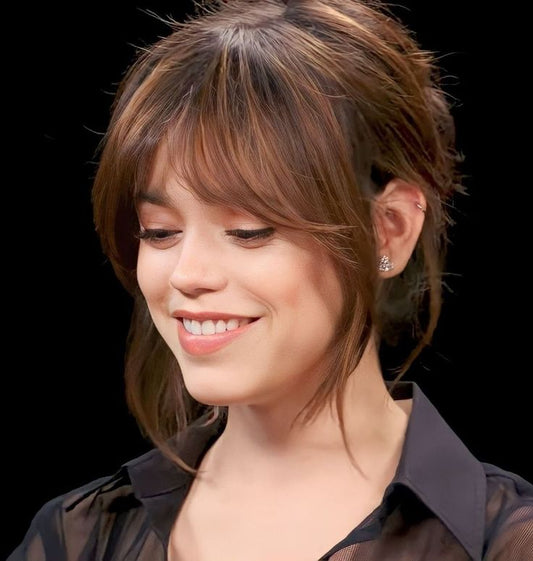
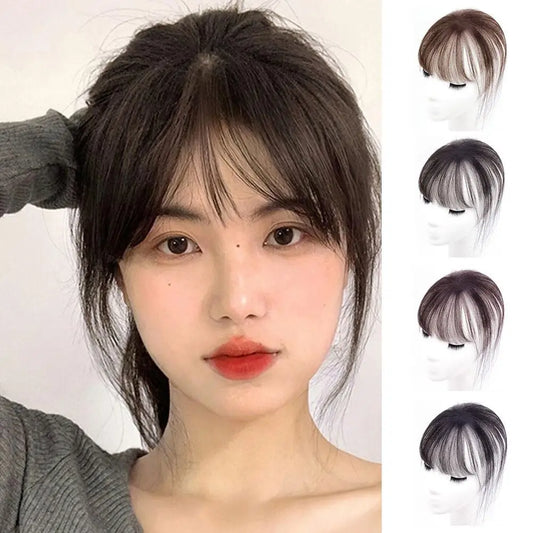
Dark Brown Bangs Natural
Regular price $99.90 USDRegular priceUnit price per -
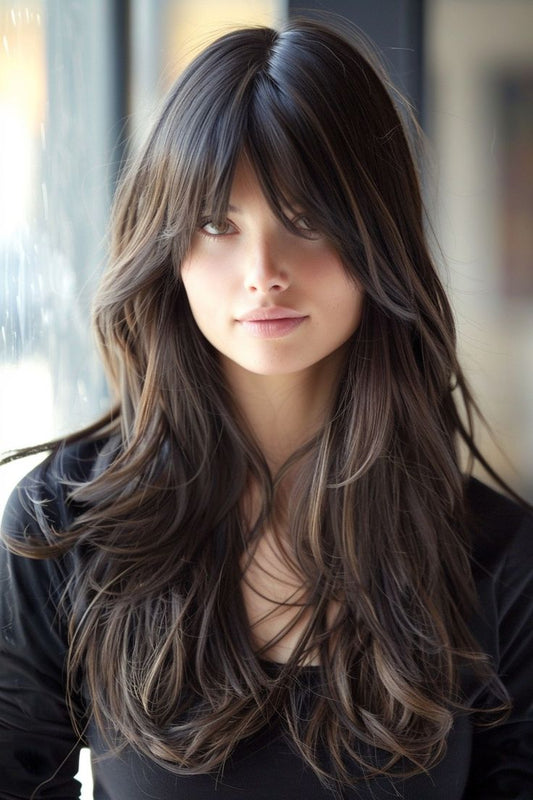
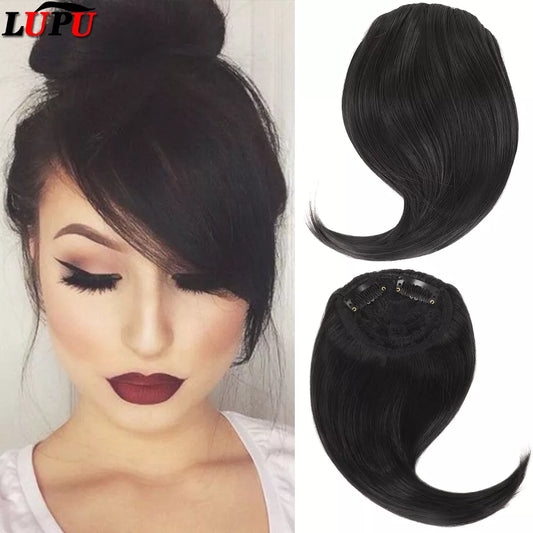
Mocha Brown Side Bangs Hair Extensions
Regular price $102.94 USDRegular priceUnit price per -
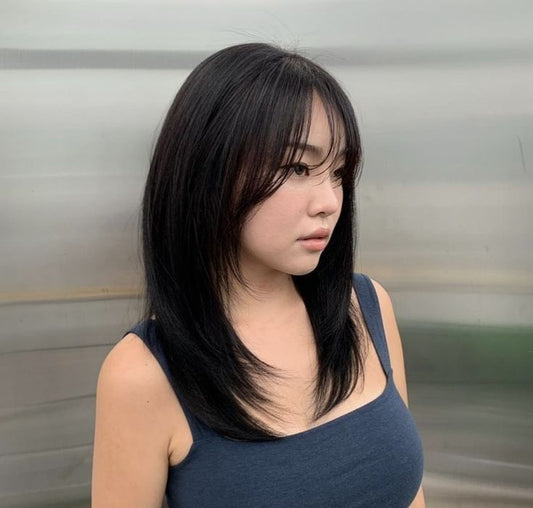
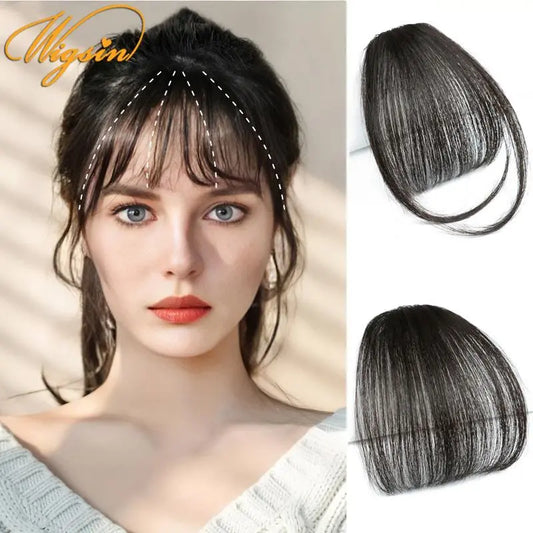
Black Women Mini Fake Bangs
Regular price $87.99 USDRegular priceUnit price per -
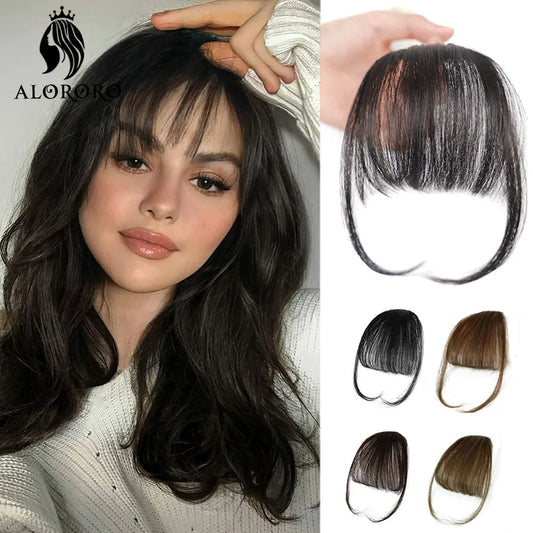
Black Fringes Hair pieces Air Bangs
Regular price From $103.99 USDRegular priceUnit price per -
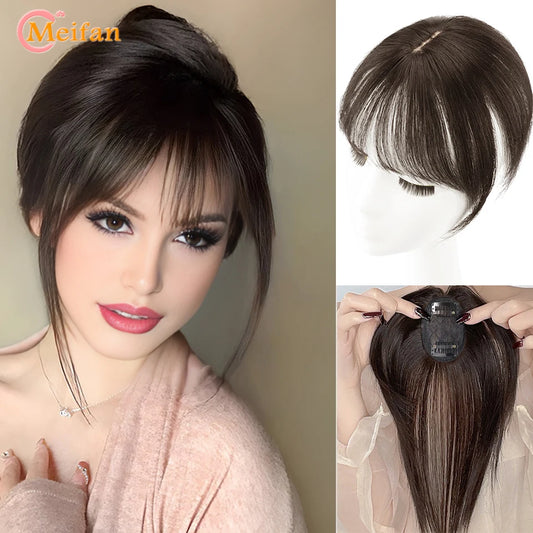
Bang Clip-In Bangs Extension
Regular price From $124.47 USDRegular priceUnit price per
About One Piece Clip In Hair Extensions
A one piece design concentrates hair into a single wide panel with several clips across the seam. It installs in minutes, removes in seconds, and is ideal for people who want quick density through the back and a stronger lower third without managing many separate pieces. Because the mass sits on one seam, placement discipline and crown coverage matter more than with multi weft kits. The payoff is speed and consistency: one step becomes a routine you can repeat on busy mornings, before meetings, and right before dinner without tools or stress.
What a one piece does
A single wide weft delivers an immediate perimeter upgrade. The extra fiber sits exactly where cameras and people notice first—the bottom third of your hair. That zone determines whether the silhouette reads foggy and unfinished or confident and freshly cut. With a one piece, the hem gains authority with one action. The top layers continue to be your hair; the piece lives below, supporting the outline.
The seam typically carries three to five clips depending on width. Weight spreads across those anchors, which makes comfort achievable even when grams are higher than a small booster. The core strengths are speed, simplicity, and a decisive edge in straight and wavy finishes. The tradeoffs are reduced flexibility near the temples and limited updo options; the format is built for down styles, half ups, and low buns rather than high ponytails.
When a one piece is the right choice
Choose a one piece clip in when your goal is a quick hem fix, subtle mid length fullness, and a repeatable routine that takes less than five minutes. It suits layered haircuts with light to medium density where the lower third looks thin on camera. It also serves blunt lobs and mid backs that need a cleaner edge for straight days. For very dense natural hair, or for dramatic length jumps, a full multi weft set may blend better because sides and temples can be balanced more precisely. For very fine crowns, one piece still works if the map is kept low and the canopy remains generous.
People who film, teach, or lead calls benefit because the front view reads more finished with zero product buildup. Event guests get a reliable end line for photos. Travelers get a compact solution that packs flat and resets quickly in hotel lighting. Daily users like it because it is one decision, not a puzzle: the seam sits in the same place; the edge looks the same each time.
Width and grams planning
Width matters as much as grams. A piece that is too narrow concentrates weight in the center and leaves the sides under built; a piece that is too wide can wrap into thin side hair and telegraph the seam during turns. Most heads like a width that spans from just behind one temple to just behind the other when installed on the back curve of the head. Grams control the authority of the hem. Around seventy to one hundred grams creates a subtle perimeter repair for layered hair. One hundred ten to one hundred forty grams makes an everyday edge that photographs clean. One hundred fifty to one hundred eighty grams builds a plush hem for blunt cuts, studio lighting, or humid climates where waves relax. Beyond that is specialty territory and should be paired with strong natural density or event styling.
If your front view feels hollow near the cheeks, the solution is not adding more weight to the same one piece; the geometry problem sits at the temples. Pair the one piece with two very slim side boosters only when needed, trimmed on a gentle diagonal to echo face framing. Keep those slim and light; the spirit of the one piece is minimalism.
Fabulive publishes grams, width, and clip count per one piece so buyers plan coverage instead of guessing.
Seam height and concealment
Because all the hair rides on one seam, the canopy—the unwefted top layer—acts as your concealment budget. Place the piece lower than you would a lightweight weft. The ideal position is where the head begins to curve back, often along the occipital arc. That curve hides seam thickness while still letting the top layers drape naturally. If the part sits directly over the seam or the crown layer is thin, flash risk rises in wind or bright light. A tiny part shift and a lower row at the next wear usually fix the issue.
Under coats, hoods, or backpacks, the nape region experiences friction; one piece designs handle this well if the seam is supported correctly. Always support the row with your free hand while brushing so torque does not twist the seam. Comfort and concealment stay steady when load spreads evenly across the clips.
End draw and hem design
Draw describes how much density remains at the bottom third. Single drawn hair tapers and moves like organic growth and works beautifully in soft waves. Double drawn carries mass deeper into the perimeter and reads like a salon fresh cut in straight or beveled finishes. With one piece designs, double drawn fiber can produce a premium look with fewer grams because more of the weight ends up where the camera cares. If you receive a softer draw than expected, ask for a micro trim of half an inch to one inch; this tightens the outline without sacrificing the idea of length.
Bevel is the micromove that sells realism. On straight days, bend the last half inch inward. The edge reads calm rather than razor sharp, especially under LED office lights or ring lights. Wavy days tolerate a slightly softer draw because movement disguises tiny variations in density.
Length choice by landmarks
Fabulive’s install diagrams emphasize a generous canopy and a low map, which aligns with the concealment logic in this guide.
Length is not a floating number; it is a body landmark decision. On many frames, 14 inches rests near the collarbone, 16 at upper chest, 18 mid chest, 20 lower chest, 22 near ribs, 24 toward the waist, 26 into waist or upper hip. Waves read shorter; curls shorter still. Because the one piece strengthens the perimeter rather than multiplying rows, pick a length close to your current hair when your goal is polish, and pick a longer length only when you are comfortable blending a clear step at the back. Measure from behind the ear to the target landing point to simulate weft drop.
If you often wear blazers, hoodies, or structured collars, test seated and standing because back rests and collars can lift hair relative to the camera. A one piece excels at maintaining an intentional edge line through those changes because the weight hangs from a single anchor plane.
Texture menu and effort
When comparing textures, Fabulive labels undertone and shade families clearly and shows daylight end crops for honest color.
Straight textures show length cleanly and reveal the hem with graphic clarity; they reward low heat, one slow pass, and the bevel move. Body wave is the universal blender: one pass brushes it smooth, one set with full cooling yields soft bends that hide joins. Loose curl and deep wave exist in one piece formats; scale match matters—select a coil diameter close to your own pattern so the join disappears. Coily one piece designs should include clear diameter and shrinkage notes so expectations match results.
Make the choice by routine. If your default is a quick blowout, straight works. If you move between smooth and bend, body wave saves time. If you live in curls, match coil scale and define with water first then product. The right texture reduces passes and preserves fiber life.
Color selection simplified
Match undertone first—cool, neutral, warm—then match depth. Verify near a window in daylight; interior bulbs skew warm or cool. If you land between two shades, slightly lighter is safer. Human hair accepts toners that cool or deepen; lifting lighter can raise cuticles and shorten life. Rooted and balayage options soften the seam under a part and near temples and make darker roots blend. A quick daylight photo of your mid lengths next to the chosen swatch becomes your reorder reference when screens and lighting change.
Dimensional mixing is possible even with a single piece: select a shade with a subtle root or lowlights woven through. Motion then reveals depth without requiring multiple rows. The eye recognizes subtle variation as natural.
Install sequence
Detangle your hair and the piece. Create a horizontal section above the nape. Clip the rest of your hair up loosely; avoid compressing roots. Tease very lightly or dust a small amount of root texture powder where clips will sit. Anchor the center clip first to set the line; close side clips next to share load evenly. Release the top layer, then comb lightly over the seam. Support the row with your free hand while brushing the perimeter; that torque control protects the anchors and keeps the seam level.
For owners who want predictability, Fabulive posts heat caps in degrees and wash cadence notes in plain language.
If a seam wants to show near a part, shift the part a few millimeters or lower the map at the next wear. If the front view still feels hollow after install, add a slim side booster pair only for events; for daily use, let the one piece carry the silhouette as designed.
Styling pathways
Straight feature day: cap tools at or under one hundred eighty Celsius or three hundred fifty Fahrenheit, smooth in one slow pass, allow full cooling, bevel the last half inch, and brush once. Wavy day: set alternating directions in the back and away from the face at the front, allow complete cooling, brush into one pattern, and mist flexible hold onto the brush rather than directly on hair. Coily day: define with water first and products matched to strand type, dry completely, and fluff only when fully dry to protect spring.
If you mix rooted and balayage options, Fabulive’s swatch grid helps verify undertone quickly under a window before ordering.
Half up styles favor the one piece because the seam remains under the down section while the top gathers. Low buns and ponies conceal easily when the map is low. High ponytails are not ideal unless your crown density is very strong; if you need high pony days, consider a multi weft kit for those occasions.
Comfort and ergonomics
Comfort is load distribution and rotation. A five clip seam spreads grams across anchors; you can change clip positions a few millimeters between wears so the same follicles are not loaded every day. Support the seam while brushing. Sweep hair forward before zipping jackets or putting on a bag. Choose smooth strap bags and avoid hook and loop closures near the perimeter. These small moves keep pressure low and ends smooth over months of use.
If tenderness appears, reduce wear time that day or remove the piece and reinstall for evening. A one piece format makes that decision quick. Ownership is not about endurance; it is about repeatable comfort.
Daily rhythm
Morning: brush your hair and the piece, install using the low map, set shape with low to moderate heat if needed, allow full cooling, and brush once into the final pattern. Midday: after outerwear or long seating, brush the hem once. Evening: brush, remove the piece, coil it in a gentle U, and store in a satin pouch away from heat. Weekly: wash the extension every ten to fifteen wears or when product buildup appears. Air dry as far as possible before minimal finishing.
Do not sleep in clip ins. Keep roots clear of heavy oils where clips sit. Track your shade code, grams, width, and tool settings; repeating the same setup turns good days into a standard, not a surprise.
Care and washing
Submerge the piece in cool or lukewarm water. Emulsify a small amount of gentle shampoo in your hands and squeeze through the lengths; do not scrub the seam. Rinse thoroughly. Condition from mid lengths to ends, detangle while saturated with a wide tooth comb or with your fingers, and rinse cool to close cuticles. Blot with microfiber; avoid wringing. Air dry flat or on a hanger. Clarify only when product stacking dulls the fiber. Replace tired clips as needed; hardware is a service part, not a reason to discard good hair.
A seasonal micro trim of half an inch resets edge authority and usually looks better than chasing higher grams. Trim after at least two wears so the fiber relaxes and the true hem reveals itself.
Quality signals on product pages
Numbers beat adjectives. Useful pages publish width, grams per piece, clip count, heat caps in degrees, and daylight end crops. One back photo that shows the hem at rest is the most informative image in long hair shopping. Filters for texture and shade family help buyers reach a match without scrolling endlessly. A small diagram—section, anchor center, close sides, keep crown generous—helps even experienced owners place a one piece correctly on day one.
Return basics for unopened hair, realistic shipping windows, and concise care notes reduce surprises and build trust. A color assist nudge near swatches that reminds buyers to verify in daylight moves selection into predictable territory.
Use cases and constraints
Work from home and teaching: a one piece cleans the frame in under five minutes and resists flattening under headsets when placed low. Events: the edge photographs like a haircut without an appointment. Travel: the piece packs flat in a satin pouch and refreshes with one brush. Fitness: remove before workouts and reinstall after; sweat salts are not friends of cuticles. Constraints: not ideal for high ponytails on fine crowns, and not a length jump tool when your hair sits far above the piece; for clear length jumps, a multi weft kit distributes blending work.
The best results come from accepting the format’s design: it is an elegant hem tool for down styles and half ups. When you use it for what it does best, maintenance becomes light and the look becomes consistent.
Ownership economics
A one piece concentrates value. You pay for grams exactly where they matter to the camera instead of across many small pieces that require time to map. Install time drops to minutes, which means you actually wear the result rather than postponing it to weekends. Because the hair rests between uses, fiber fatigue accumulates more slowly than with permanent methods. Over months, cost per wear can beat frequent single appointment services when you own the rhythm.
Predictability is the intangible dividend. Once width, grams, and placement are recorded, the edge looks the same every time. That certainty reduces product experiments, reduces returns, and makes hair an easy part of getting ready rather than a variable.
Glossary
One piece: a single wide clip in weft designed to boost perimeter density with one install. Volumizer: another term for a one piece that focuses on fullness rather than length. Grams: total hair weight of the piece; controls end authority. Width: the horizontal span of the weft; influences coverage and concealment. Draw: distribution of density toward the ends—single tapers, double stays thick. Canopy: the unwefted top layer that hides hardware.
Occipital arc: the back curve of the head where structural placement lives. Bevel: a small inward curve at the very ends that reads like a fresh cut in straight styles. Root texture powder: a light product that increases grip at anchors without oil. Cooling rule: let hot hair cool before brushing so shape sets and shine stays natural.
Summary
One piece clip in hair extensions deliver a fast, repeatable perimeter upgrade when you plan width and grams intelligently, keep the map low under a generous crown, choose texture for your routine, and match color by undertone in daylight. A bevel at the hem, capped heat with full cooling, and light product use create a finish that reads like a fresh cut rather than an add on. Record width, grams, shade code, and tool settings; predictability turns a good day into a standard you can reproduce in minutes. Used for down styles and half ups, the format makes long hair simple to own.
If any step becomes unclear, shrink the process to the sequence: detangle, section low, anchor center then sides, let shape cool, and brush once. Calm repetition beats complex routines and heavy product stacks.
Engineering view of the seam
A single wide seam behaves like a shallow beam: stiffness rises with thickness and width, which stabilizes the row against twisting when brushed. This is why supporting the seam with the free hand while brushing preserves alignment over time. Load sharing across clips keeps point pressure low; if one anchor carries all force, the scalp feels it first. The occipital arc is an optimal line for most heads because curvature disperses tension while maximizing coverage. Planning for these mechanical truths produces comfort and concealment you can count on day after day.
Engineering view of the seam
A single wide seam behaves like a shallow beam: stiffness rises with thickness and width, which stabilizes the row against twisting when brushed. This is why supporting the seam with the free hand while brushing preserves alignment over time. Load sharing across clips keeps point pressure low; if one anchor carries all force, the scalp feels it first. The occipital arc is an optimal line for most heads because curvature disperses tension while maximizing coverage. Planning for these mechanical truths produces comfort and concealment you can count on day after day.
Engineering view of the seam
A single wide seam behaves like a shallow beam: stiffness rises with thickness and width, which stabilizes the row against twisting when brushed. This is why supporting the seam with the free hand while brushing preserves alignment over time. Load sharing across clips keeps point pressure low; if one anchor carries all force, the scalp feels it first. The occipital arc is an optimal line for most heads because curvature disperses tension while maximizing coverage. Planning for these mechanical truths produces comfort and concealment you can count on day after day.
Engineering view of the seam
A single wide seam behaves like a shallow beam: stiffness rises with thickness and width, which stabilizes the row against twisting when brushed. This is why supporting the seam with the free hand while brushing preserves alignment over time. Load sharing across clips keeps point pressure low; if one anchor carries all force, the scalp feels it first. The occipital arc is an optimal line for most heads because curvature disperses tension while maximizing coverage. Planning for these mechanical truths produces comfort and concealment you can count on day after day.
Engineering view of the seam
A single wide seam behaves like a shallow beam: stiffness rises with thickness and width, which stabilizes the row against twisting when brushed. This is why supporting the seam with the free hand while brushing preserves alignment over time. Load sharing across clips keeps point pressure low; if one anchor carries all force, the scalp feels it first. The occipital arc is an optimal line for most heads because curvature disperses tension while maximizing coverage. Planning for these mechanical truths produces comfort and concealment you can count on day after day.
Engineering view of the seam
A single wide seam behaves like a shallow beam: stiffness rises with thickness and width, which stabilizes the row against twisting when brushed. This is why supporting the seam with the free hand while brushing preserves alignment over time. Load sharing across clips keeps point pressure low; if one anchor carries all force, the scalp feels it first. The occipital arc is an optimal line for most heads because curvature disperses tension while maximizing coverage. Planning for these mechanical truths produces comfort and concealment you can count on day after day.
Engineering view of the seam
A single wide seam behaves like a shallow beam: stiffness rises with thickness and width, which stabilizes the row against twisting when brushed. This is why supporting the seam with the free hand while brushing preserves alignment over time. Load sharing across clips keeps point pressure low; if one anchor carries all force, the scalp feels it first. The occipital arc is an optimal line for most heads because curvature disperses tension while maximizing coverage. Planning for these mechanical truths produces comfort and concealment you can count on day after day.
Engineering view of the seam
A single wide seam behaves like a shallow beam: stiffness rises with thickness and width, which stabilizes the row against twisting when brushed. This is why supporting the seam with the free hand while brushing preserves alignment over time. Load sharing across clips keeps point pressure low; if one anchor carries all force, the scalp feels it first. The occipital arc is an optimal line for most heads because curvature disperses tension while maximizing coverage. Planning for these mechanical truths produces comfort and concealment you can count on day after day.
Engineering view of the seam
A single wide seam behaves like a shallow beam: stiffness rises with thickness and width, which stabilizes the row against twisting when brushed. This is why supporting the seam with the free hand while brushing preserves alignment over time. Load sharing across clips keeps point pressure low; if one anchor carries all force, the scalp feels it first. The occipital arc is an optimal line for most heads because curvature disperses tension while maximizing coverage. Planning for these mechanical truths produces comfort and concealment you can count on day after day.
Engineering view of the seam
A single wide seam behaves like a shallow beam: stiffness rises with thickness and width, which stabilizes the row against twisting when brushed. This is why supporting the seam with the free hand while brushing preserves alignment over time. Load sharing across clips keeps point pressure low; if one anchor carries all force, the scalp feels it first. The occipital arc is an optimal line for most heads because curvature disperses tension while maximizing coverage. Planning for these mechanical truths produces comfort and concealment you can count on day after day.
Engineering view of the seam
A single wide seam behaves like a shallow beam: stiffness rises with thickness and width, which stabilizes the row against twisting when brushed. This is why supporting the seam with the free hand while brushing preserves alignment over time. Load sharing across clips keeps point pressure low; if one anchor carries all force, the scalp feels it first. The occipital arc is an optimal line for most heads because curvature disperses tension while maximizing coverage. Planning for these mechanical truths produces comfort and concealment you can count on day after day.
Engineering view of the seam
A single wide seam behaves like a shallow beam: stiffness rises with thickness and width, which stabilizes the row against twisting when brushed. This is why supporting the seam with the free hand while brushing preserves alignment over time. Load sharing across clips keeps point pressure low; if one anchor carries all force, the scalp feels it first. The occipital arc is an optimal line for most heads because curvature disperses tension while maximizing coverage. Planning for these mechanical truths produces comfort and concealment you can count on day after day.
Engineering view of the seam
A single wide seam behaves like a shallow beam: stiffness rises with thickness and width, which stabilizes the row against twisting when brushed. This is why supporting the seam with the free hand while brushing preserves alignment over time. Load sharing across clips keeps point pressure low; if one anchor carries all force, the scalp feels it first. The occipital arc is an optimal line for most heads because curvature disperses tension while maximizing coverage. Planning for these mechanical truths produces comfort and concealment you can count on day after day.
Engineering view of the seam
A single wide seam behaves like a shallow beam: stiffness rises with thickness and width, which stabilizes the row against twisting when brushed. This is why supporting the seam with the free hand while brushing preserves alignment over time. Load sharing across clips keeps point pressure low; if one anchor carries all force, the scalp feels it first. The occipital arc is an optimal line for most heads because curvature disperses tension while maximizing coverage. Planning for these mechanical truths produces comfort and concealment you can count on day after day.
Engineering view of the seam
A single wide seam behaves like a shallow beam: stiffness rises with thickness and width, which stabilizes the row against twisting when brushed. This is why supporting the seam with the free hand while brushing preserves alignment over time. Load sharing across clips keeps point pressure low; if one anchor carries all force, the scalp feels it first. The occipital arc is an optimal line for most heads because curvature disperses tension while maximizing coverage. Planning for these mechanical truths produces comfort and concealment you can count on day after day.
Customer reviews
- Install took four minutes and the edge finally looks like a salon cut in photos; exactly what I needed for work calls. — Riley Morgan, USA ⭐⭐⭐⭐⭐
- Numbers for width and grams matched reality and concealment stayed perfect once I kept the seam low on the back curve. — Daniel Carter, Canada ⭐⭐⭐⭐⭐
- Sensitive scalp here; the five clip seam spreads weight and felt secure all day without hot spots. — Amelia Hughes, United Kingdom ⭐⭐⭐⭐
- Body wave texture blends with my blowout days and my air dry bends; one pass or one set and I’m done. — Chloe Bennett, Australia ⭐⭐⭐⭐⭐
- Two slim side boosters for a wedding plus the one piece made the front look balanced without bulk near the crown. — Sofia Martin, Italy ⭐⭐⭐⭐⭐
- Shipping ran a day long for me so four stars, but the clips have real spring and the hair holds its shape after cooling. — Harper Wright, USA ⭐⭐⭐⭐
- On Zoom the silhouette reads calm with no flashing even when I turn; the low map advice works. — Grace Allen, USA ⭐⭐⭐⭐⭐
- Wind along the waterfront and the piece stayed hidden after a tiny part shift; easy fix, strong edge. — Hannah Collins, United Kingdom ⭐⭐⭐⭐⭐
- First one piece I’ve tried and the section–anchor–blend sequence clicked immediately; I logged width, grams, and shade. — Olivia Tremblay, Canada ⭐⭐⭐⭐⭐
- I pull it out for workouts and pop it back for dinner; a single brush resets the hem with minimal tangling. — Charlotte King, Australia ⭐⭐⭐⭐⭐