
-

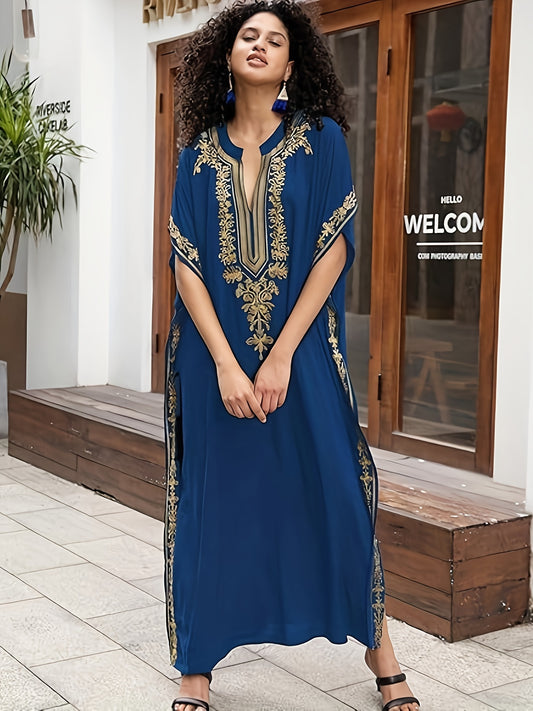
Long Embroidered Kaftan Dresses for Women - Casual Resort Wear Bathing Suit Cover Up
Regular price From $117.71 USDRegular priceUnit price per$17.71 USDSale price From $117.71 USD -

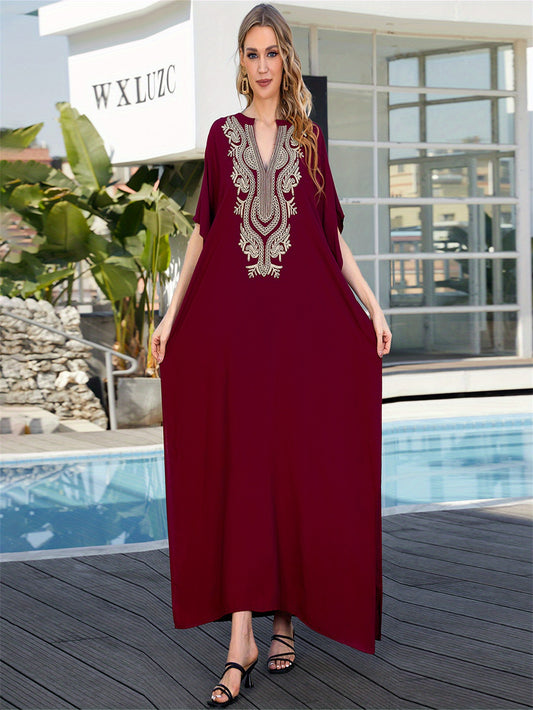
Cotton Embroidery Beach Cover-up - Women's Bohemian Printed Holiday Robe Kaftan
Regular price $121.72 USDRegular priceUnit price per$21.72 USDSale price $121.72 USD -

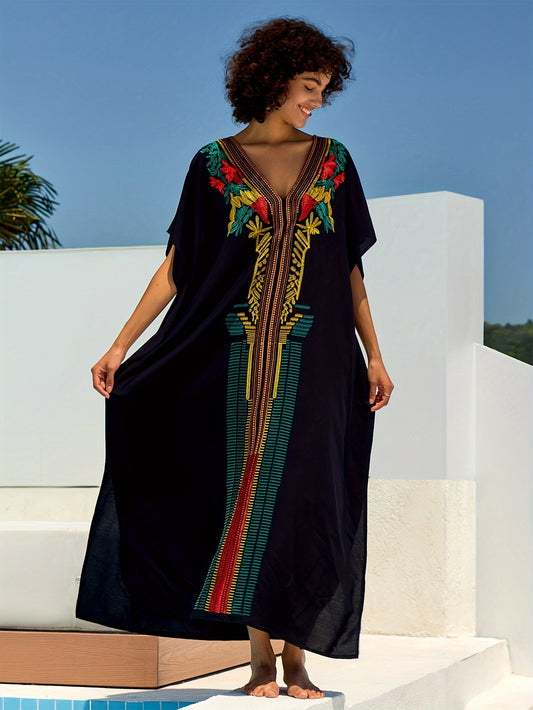
Kaftans For Women Beach Blouse Plus Size Kaftan Dresses Embroidered Robe
Regular price $116.54 USDRegular priceUnit price per$16.54 USDSale price $116.54 USD -

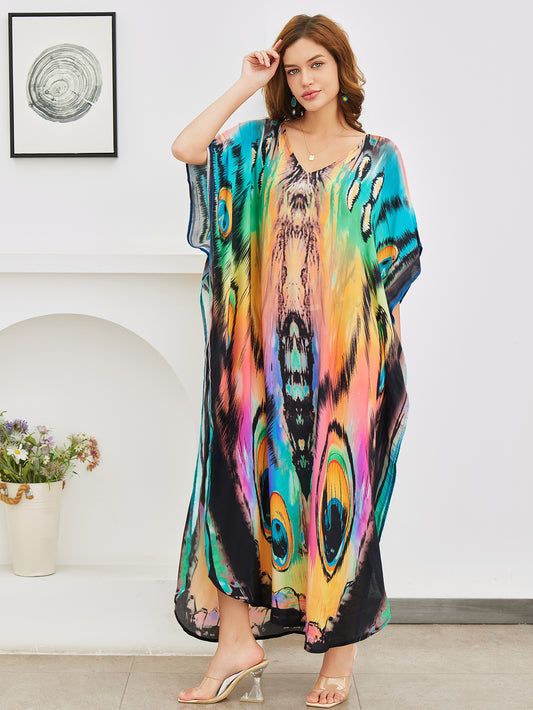
Long Beach Blouse Full Body Printed V-Neck Comfortable Bat Sleeves Middle East Plus Size Kaftan
Regular price $119.86 USDRegular priceUnit price per$19.86 USDSale price $119.86 USD -

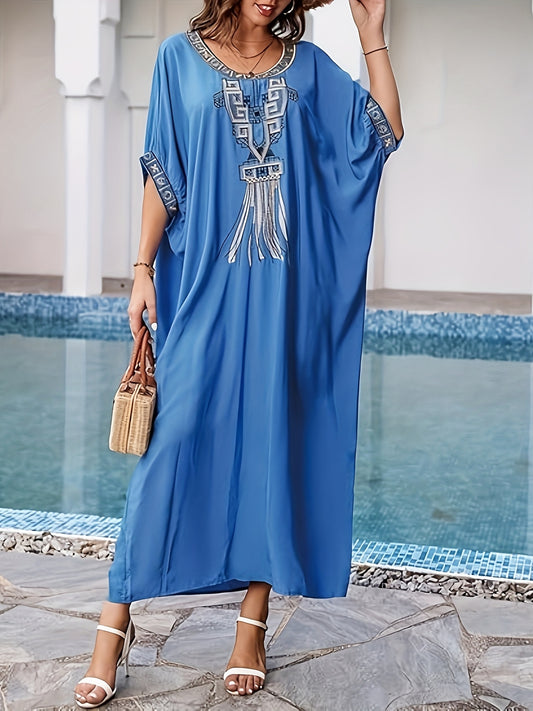
Embroidery Plus Size Kaftan Dresses for Women Long Beach Swimsuit Cover Up
Regular price $118.25 USDRegular priceUnit price per$18.25 USDSale price $118.25 USD -

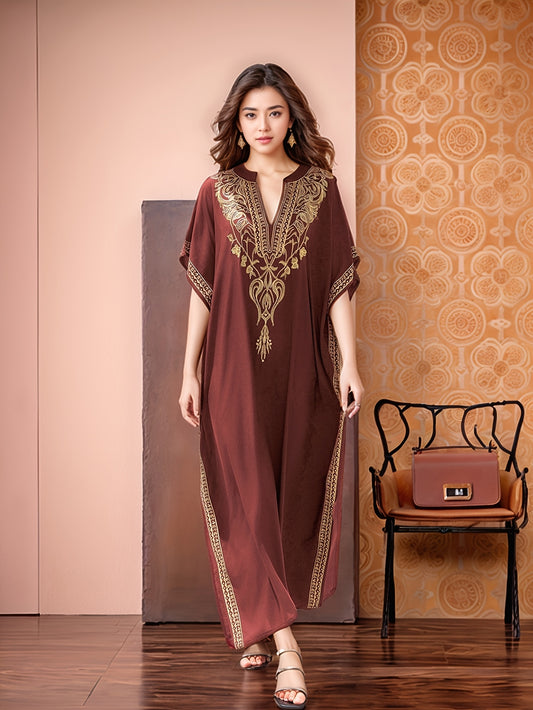
Elegant Gold Embroidered Resort Gown Kaftan Dress V-Neck Beach Blouse Plus Size Kaftan
Regular price From $120.66 USDRegular priceUnit price per$20.66 USDSale price From $120.66 USD -

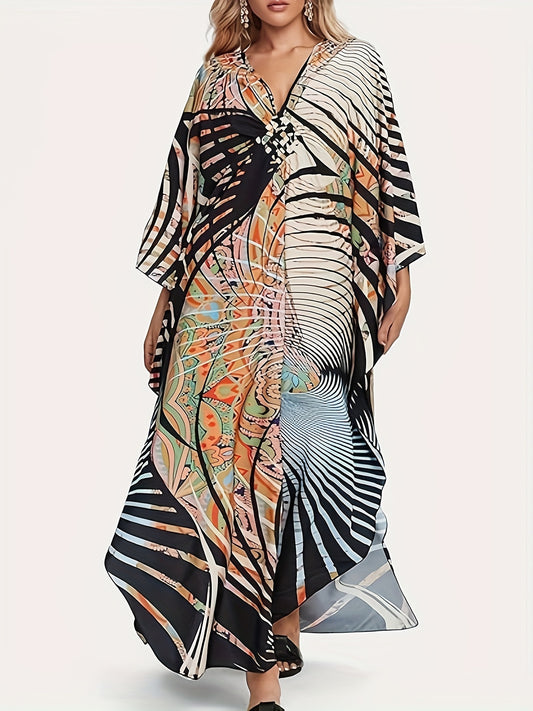
Long Dresses For Women Kaftan Dress Batwing Sleeve Beach Kaftan For Women
Regular price $119.68 USDRegular priceUnit price per$19.68 USDSale price $119.68 USD -

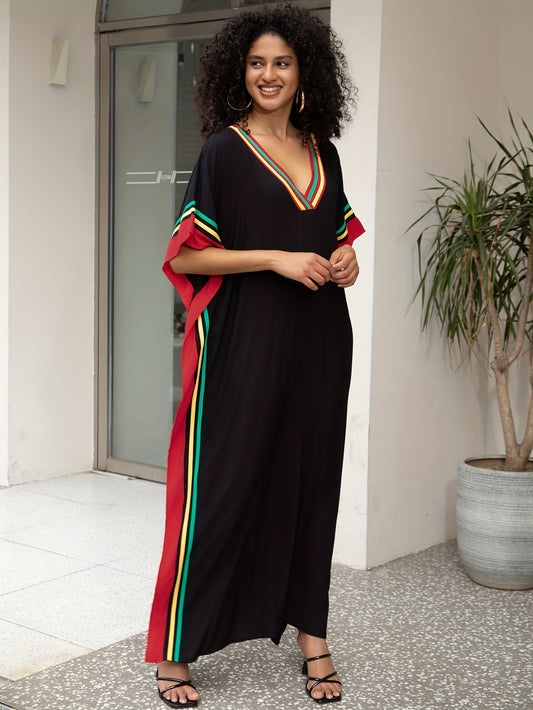
Stylish Women's Plus Size Kaftan Maxi Dress - Comfortable Batwing Sleeve V Neck Design
Regular price $113.82 USDRegular priceUnit price per$13.82 USDSale price $113.82 USD -

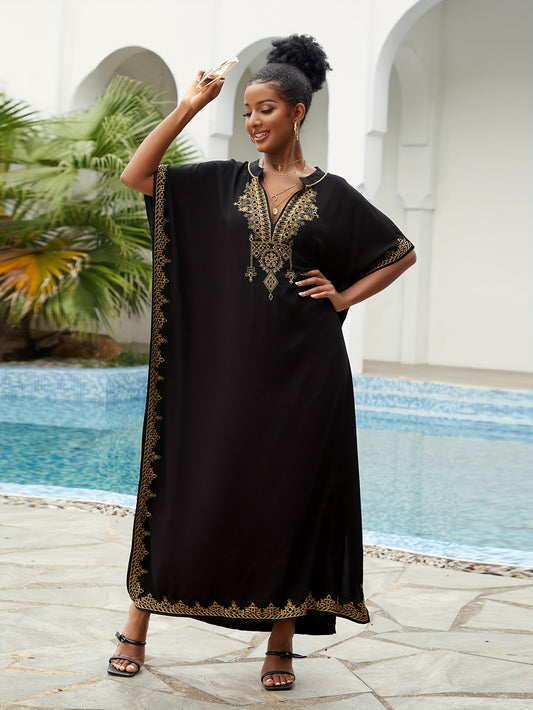
Batwing Sleeve House Kaftan Dress | Embroidery Batwing Sleeve House Kaftan Dress
Regular price From $116.13 USDRegular priceUnit price per$16.13 USDSale price From $116.13 USD -

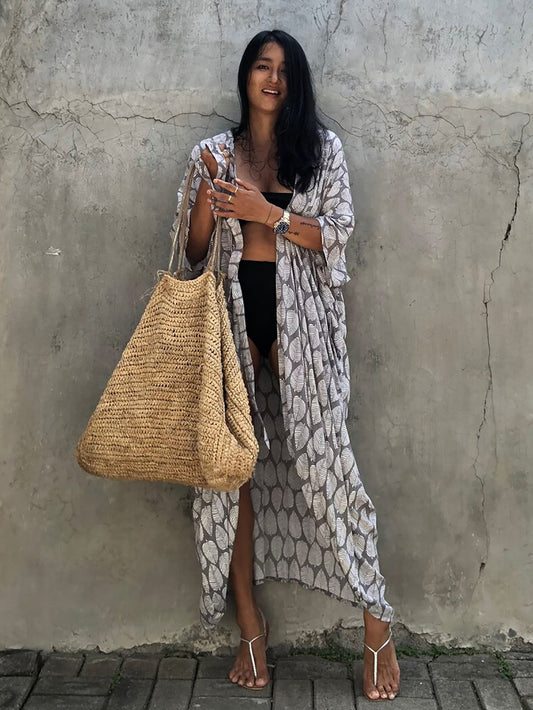
Kimono Beach Cover Up | Long Kimono Kaftan Swimsuit Cover Up
Regular price From $119.27 USDRegular priceUnit price per$19.27 USDSale price From $119.27 USD -

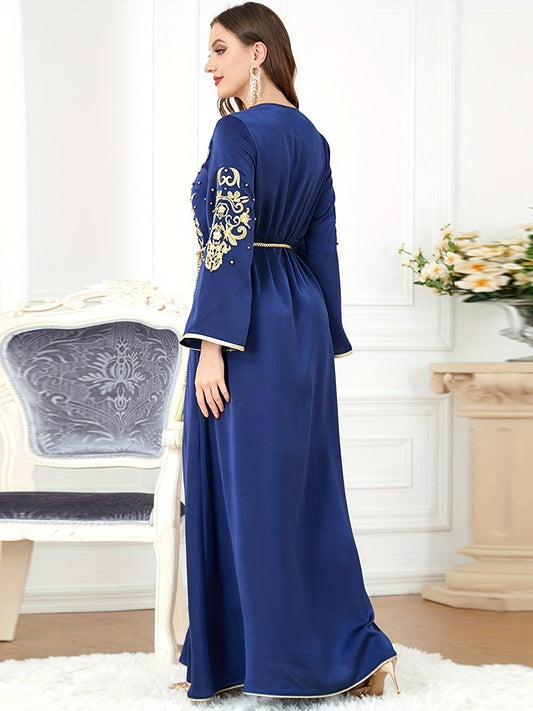
Plants Print V-neck Slit Kaftan Abaya, Long Sleeve Dress, Women's Clothing
Regular price $142.79 USDRegular priceUnit price per$42.79 USDSale price $142.79 USD


About Kaftan Lebaran
The Complete Guide To Kaftan Lebaran
Kaftan Lebaran is more than a festive garment—it is an expression of grace, culture, and timeless elegance. Designed to be worn during the holy celebrations of Eid al-Fitr, the kaftan for Lebaran has evolved into a symbol of both spirituality and sophistication. As families gather to mark the end of Ramadan with prayers, feasts, and reunions, women across the globe turn to kaftans that capture both comfort and beauty.
Origins And Cultural Relevance Of Kaftan Lebaran
The kaftan itself traces back to ancient civilizations, but its adoption into Lebaran celebrations is deeply rooted in Islamic tradition. The flowing silhouette reflects modesty, while the use of premium fabrics and embellishments highlights festivity. In many households, wearing a kaftan during Eid symbolizes respect for tradition and a readiness to celebrate renewal and blessings. Over time, designers have infused modern elements into kaftan Lebaran attire, making it suitable for both traditional gatherings and contemporary celebrations.
Spiritual Symbolism In Festive Kaftans
Lebaran is a celebration of gratitude and forgiveness, and the kaftan reflects those values. Its modest cut aligns with spiritual practices, while vibrant fabrics and embellishments mirror the joy of the occasion. In Southeast Asia, Middle Eastern countries, and beyond, women choose kaftans for their ability to embody dignity, devotion, and festivity in a single garment.
Design Characteristics Of Kaftan Lebaran
Kaftan Lebaran designs vary from minimalist cotton pieces to luxurious silks with elaborate beadwork. The typical silhouette features a floor-length drape, wide sleeves, and a relaxed fit. Many modern styles integrate belts, pleats, or structured embroidery to add dimension while maintaining flow. Embellishments such as sequins, crystals, and metallic threadwork are commonly used to elevate the design for evening gatherings.
Materials Used In Kaftan Lebaran
The material determines not only the look but also the practicality of the kaftan. Popular fabric choices include:
-
Silk and Satin: Provide a smooth, luxurious finish ideal for evening events.
-
Chiffon and Georgette: Lightweight and breathable, perfect for warm climates and daytime gatherings.
-
Cotton and Linen: Practical, comfortable, and versatile for family celebrations.
-
Velvet and Brocade: Rich, textured fabrics chosen for formal Eid dinners and grand celebrations.
Functionality And Versatility
The kaftan Lebaran is versatile, adapting to different times of day and events. A simple cotton kaftan suits morning prayers, while a heavily embroidered silk kaftan fits a formal family dinner. Its one-size-fits-most nature ensures inclusivity, making it a garment that flatters women of all ages and body shapes. Its adaptability explains why it remains a staple during festive occasions across the Muslim world.
Styling Kaftan Lebaran
Styling plays a major role in elevating the kaftan. For a casual Eid morning, women often pair simple kaftans with neutral hijabs and minimal jewelry. For evening celebrations, kaftans are adorned with bold clutches, statement heels, and layered jewelry. The color palette often reflects the festive mood—soft pastels for daytime and rich jewel tones for evening events. Some women experiment with layering, wearing kaftans as outerwear over slim dresses, creating modern interpretations of the traditional garment.
The Rise Of Kaftan Lebaran In Global Fashion
While rooted in Islamic traditions, kaftan Lebaran has now entered mainstream global fashion. Influencers and designers worldwide highlight these garments as symbols of elegance, attracting attention from women who value modest yet fashionable attire. Fabulive’s carefully curated kaftan Lebaran collection is a perfect example of how tradition and modern design can merge to create globally appealing fashion pieces.
Craftsmanship And Embellishments
The artistry of kaftan Lebaran lies in its detailing. Hand embroidery, beadwork, and sequins are meticulously applied to enhance fabric beauty. Artisans in Morocco, Indonesia, and the Gulf States dedicate hours to perfecting motifs that symbolize blessings and prosperity. Gold and silver threads are frequently used, reflecting both festivity and heritage.
Festive Color Palettes
Colors play a critical role in Lebaran fashion. White symbolizes purity and is often chosen for morning prayers. Jewel tones like emerald green, sapphire blue, and ruby red dominate evening gatherings. Pastels such as blush pink, mint, and lavender bring freshness to daytime events. Metallics—gold, bronze, and silver—are timeless accents that enhance fabric brilliance. The interplay of fabric and color ensures each kaftan radiates festivity.
Seasonal Relevance Of Fabrics
Because Lebaran is celebrated worldwide, designers adapt fabrics to climates. In tropical regions, cotton and chiffon are favored, while in cooler climates, satin and velvet dominate. Seasonal versatility allows kaftan Lebaran to remain globally relevant, ensuring women can celebrate in comfort without compromising elegance.
Maintenance And Care Of Festive Kaftans
Given the embellishments and delicate fabrics, kaftan Lebaran garments require special care. Dry cleaning is often recommended for silk, satin, and velvet. Cotton and linen can be gently hand-washed with mild detergent. To prevent fabric damage, garments should be stored in breathable garment bags and hung on padded hangers. Proper care ensures the garment remains beautiful for many celebrations to come.
Sustainability And Modern Responsibility
With growing awareness of ethical fashion, sustainability has entered kaftan Lebaran design. Many designers now incorporate organic fabrics, fair-trade production, and recycled materials into their collections. By investing in sustainable kaftans, women contribute to both tradition and environmental responsibility. Fabulive’s commitment to curating sustainable pieces showcases how modest fashion can lead the way in combining luxury with ethics.
Long-Term Value Of Kaftan Lebaran
Unlike fast fashion, kaftan Lebaran is a long-term investment. Its timeless silhouette rarely goes out of style, and when crafted from premium fabrics, it can last decades. Many women treat these garments as heirlooms, passing them down through generations as reminders of both family celebrations and cultural pride.
Frequently Asked Questions (FAQs)
-
Can kaftan Lebaran be worn outside Eid?
Yes. Its versatility allows it to be styled for weddings, formal dinners, and even modern professional settings. -
Which fabrics are best for hot climates?
Cotton, linen, chiffon, and georgette are ideal for breathable comfort. -
Are kaftan Lebaran designs suitable for non-Muslim women?
Absolutely. Many women wear them as elegant evening wear or resort attire. -
How can I modernize my kaftan look?
By adding belts, layering, or pairing with contemporary accessories. -
What makes kaftan Lebaran different from other kaftans?
Its festive emphasis, cultural symbolism, and elevated detailing tailored for Eid celebrations.
Kaftan Lebaran In The Luxury Fashion Industry
Kaftan Lebaran has inspired global luxury fashion houses. Many have adopted its flowing silhouette and integrated it into haute couture collections. From Paris to Dubai, designers reinterpret kaftans as gowns, capes, or evening wear, showcasing their universal appeal. This crossover into high fashion validates the garment’s timeless relevance.
Modern Lifestyle Adaptation
The kaftan Lebaran is not limited to traditional gatherings. Women now wear it for professional meetings, destination weddings, and social events. Its balance of comfort and sophistication makes it indispensable for modern lifestyles. With designs ranging from minimalist chic to heavily adorned couture, it adapts seamlessly to diverse occasions.
The Role Of E-Commerce In Accessibility
Digital platforms have transformed the availability of kaftan Lebaran. Women worldwide can now purchase them without traveling to regional markets. Fabulive’s online presence exemplifies this trend, offering carefully selected designs that merge cultural authenticity with global accessibility. This digital transformation ensures that women in Europe, North America, and beyond can embrace festive traditions with ease.
Conclusion: The Timeless Allure Of Kaftan Lebaran
The kaftan Lebaran embodies tradition, spirituality, and elegance. From its cultural origins to its place in global fashion, it has evolved while retaining its symbolic essence. With fabrics ranging from silk to cotton, embellishments that tell stories of heritage, and designs that adapt across generations, kaftan Lebaran remains a treasured festive garment. Whether worn in Southeast Asia, the Middle East, or the West, it reflects both heritage and modern grace—a timeless piece that unites faith, family, and fashion.
Customer Reviews
• Sofia, USA – “My kaftan Lebaran was exquisite, with embroidery that looked like couture. Perfect for Eid dinner.” ⭐⭐⭐⭐⭐
• Aisha, UK – “Loved the breathable cotton fabric—ideal for warm days and morning prayers.” ⭐⭐⭐⭐
• Nadia, Canada – “The detailing on my velvet kaftan was stunning. I wore it at a family gathering and felt regal.” ⭐⭐⭐⭐⭐
• Layla, Australia – “Beautiful color palette, very versatile. I even styled it for a wedding.” ⭐⭐⭐⭐
• Hannah, Germany – “The chiffon kaftan was light, airy, and elegant. Delivery was seamless too.” ⭐⭐⭐⭐⭐
• Fatima, UAE – “Kaftan Lebaran is always special in my family, and this one exceeded expectations.” ⭐⭐⭐⭐⭐
• Olivia, France – “Loved the sustainable fabric option. It felt ethical and luxurious at the same time.” ⭐⭐⭐⭐
• Maya, Italy – “The satin finish gave a smooth, polished look. Perfect for evening celebrations.” ⭐⭐⭐⭐⭐
• Zahra, Qatar – “The craftsmanship was impeccable—truly a long-term investment piece.” ⭐⭐⭐⭐⭐
• Elena, Spain – “I enjoyed the soft pastel tones, which felt festive yet subtle. Very happy with my purchase.” ⭐⭐⭐⭐