
-

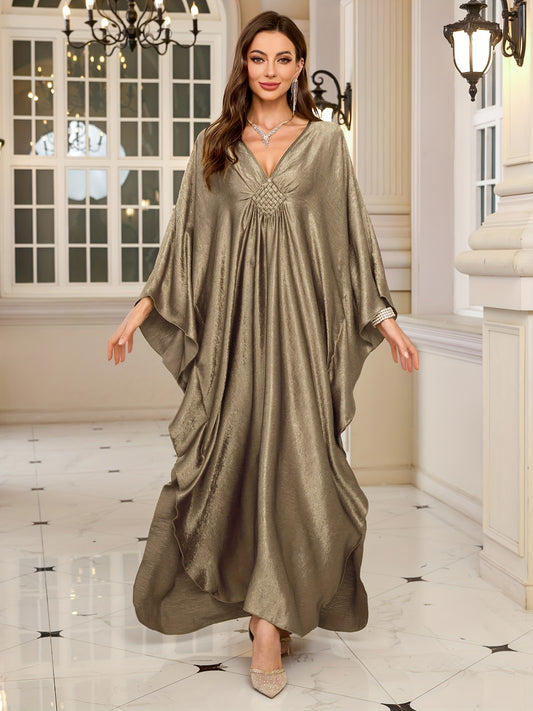
EDOLYNSA Vintage Solid Color V-Neck Batwing Sleeve Split Long Dress, Middle Eastern Ramadan Stylish Women'S Casual Loose Kaftan Robe Q1799
Regular price $222.15 USDRegular priceUnit price per$0.00 USDSale price $222.15 USD -

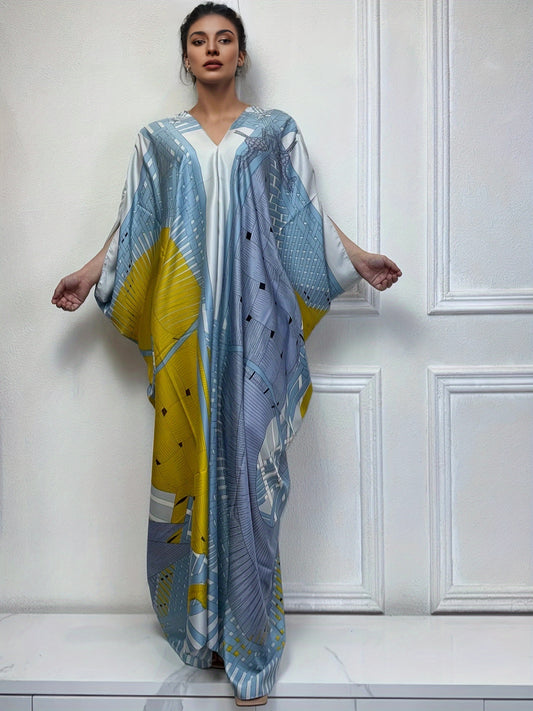
Abstract Print V-neck Kaftan Dress - Vintage Batwing Sleeve Loose Maxi Cover Up Dress - Women's Clothing - Flowy & Comfortable - Perfect for Beach Vacations, Loungewear & Casual Occasions - Ideal Gift for Women
Regular price From $218.89 USDRegular priceUnit price per$0.00 USDSale price From $218.89 USD


Luxury Editorial Guide To Vintage Kaftans
The Enduring Allure Of Vintage Kaftans
The kaftan is one of the most enduring garments in global fashion. When reimagined through the lens of vintage aesthetics, the kaftan becomes a piece that tells stories—of cultural exchange, artistry, and timeless elegance. Vintage kaftans stand apart for their ability to combine historical richness with contemporary luxury. In today’s fashion environment, where individuality and sustainability are celebrated, the vintage kaftan has emerged as a symbol of refined taste. At Fabulive, vintage kaftans are carefully curated to reflect this blend of heritage and modern sophistication, ensuring each piece carries both visual and emotional resonance.
Historical Roots Of The Kaftan
The kaftan’s origins can be traced to ancient civilizations, where it was celebrated for its practicality and symbolism. Worn by royals, dignitaries, and common citizens alike, the kaftan transcended class distinctions and evolved into a garment recognized across continents. Over centuries, it adapted to the cultural languages of regions from North Africa to Central Asia. Embroidered silks, woven brocades, and richly dyed cottons each reflected the artistry of their time. The vintage kaftan draws from these traditions, bringing historical echoes into present-day wardrobes.
Why Vintage Matters In Luxury Kaftans
The term “vintage” in fashion signifies more than age—it represents rarity, craftsmanship, and authenticity. A vintage kaftan is imbued with qualities that modern mass production cannot replicate. These garments often feature artisanal techniques, unique textiles, and design details that are now difficult to reproduce. Owning a vintage kaftan is not simply about wearing clothing; it is about engaging with history and embodying a legacy of style. This is why luxury collectors and discerning customers seek out such pieces.
Design Elements That Define Vintage Kaftans
Vintage kaftans are recognized for their distinctive design characteristics, each reflecting a period and place:
-
Loose, flowing silhouettes that prioritize comfort while exuding elegance.
-
Ornate embroidery with motifs inspired by nature, geometry, or spiritual symbolism.
-
Rich textiles such as silk, velvet, or handwoven cottons dyed in traditional palettes.
-
Decorative trims like tassels, metallic threads, or sequined panels.
-
Front-open or pullover styles allowing for versatility in layering and wear.
At Fabulive, each vintage kaftan offered is chosen for its authenticity of design and preservation of artistry. These details ensure that every garment tells its own story.
The Appeal Of Vintage Textiles
Materials are the essence of a kaftan’s beauty, and in vintage pieces, textiles hold extraordinary value. Handwoven silks shimmer with natural irregularity, while cottons carry the patina of artisanal dyeing. Velvet, when used in vintage kaftans, embodies regal associations that remain powerful even today. These materials have endured through time, gaining character with age. Unlike mass-produced fabrics, they have individuality—tiny imperfections, fading hues, or subtle textural shifts—that become marks of authenticity.
Color Palettes Of Vintage Kaftans
Vintage kaftans reflect color sensibilities that remain striking:
-
Deep jewel tones like emerald, ruby, and sapphire, symbolizing luxury.
-
Earthy palettes of ochre, terracotta, and indigo, reflecting natural dyes.
-
Neutral shades like ivory or cream, often highlighted with gold embellishments.
-
Contrasting combinations that express vibrancy and cultural pride.
These color choices highlight how vintage kaftans were designed not only for function but also for aesthetic impact. Fabulive’s vintage kaftan collection embraces this diversity, ensuring that customers can select pieces aligned with both tradition and personal expression.
Cultural Relevance Of Vintage Kaftans
The kaftan is more than attire—it is a cultural dialogue expressed through fabric. Vintage kaftans embody centuries of craftsmanship from diverse regions, each garment reflecting a unique blend of influences. In the Middle East, kaftans carried ceremonial significance, while in North Africa, they reflected everyday wear elevated by intricate embroidery. In Europe, the kaftan was adopted by bohemian circles as a symbol of exoticism and artistic freedom. Today, the vintage kaftan represents not just cultural pride but also global cosmopolitanism.
Why Vintage Kaftans Remain Relevant Today
In an age dominated by fast fashion, vintage kaftans stand as testaments to durability, quality, and artistry. They represent slow fashion at its finest—pieces that endure for decades while retaining their elegance. Their loose silhouettes also resonate with modern trends toward comfort-driven luxury. For many women, wearing a vintage kaftan is about honoring tradition while embracing individuality. Each piece is unique, ensuring that no two wardrobes are alike.
Fabulive’s Approach To Vintage Kaftans
Fabulive’s curation of vintage kaftans is guided by a philosophy of authenticity and timeless elegance. The brand recognizes that customers seek more than clothing; they seek garments that embody stories and craftsmanship. Each piece is inspected for quality, detailing, and cultural significance before it enters the collection. By doing so, Fabulive ensures that every vintage kaftan reflects not only historical artistry but also modern wearability.
Functionality Of Vintage Kaftans In Modern Fashion
Though rooted in heritage, vintage kaftans adapt seamlessly to contemporary lifestyles:
-
As Eveningwear: Richly embroidered kaftans function as alternatives to gowns, exuding glamour with cultural depth.
-
As Daywear: Lightweight cotton or silk kaftans offer breathable comfort, perfect for summer elegance.
-
As Resort Wear: Flowing silhouettes pair beautifully with sandals and wide-brimmed hats, making them ideal for leisure.
-
As Professional Attire: Minimalist vintage kaftans, paired with structured accessories, create a sophisticated office-ready look.
This functionality ensures that vintage kaftans retain relevance across multiple wardrobe contexts.
Global Influence Of The Vintage Kaftan
The vintage kaftan has transcended borders, finding resonance in fashion capitals worldwide. In Paris, kaftans are styled as bohemian couture. In New York, they appear on red carpets as exotic alternatives to evening dresses. In Marrakech, they remain integral to cultural identity, while in Dubai, they are reinterpreted with luxurious embellishments. This global presence underscores the kaftan’s versatility and universal appeal.
Conclusion To Part-1
The vintage kaftan is a garment steeped in history, artistry, and enduring elegance. Its design, textiles, and cultural relevance continue to resonate, offering women garments that transcend fleeting fashion. Fabulive’s collection celebrates this timeless appeal by curating pieces that honor tradition while embracing modern luxury. In the next section, we will explore deeper insights into materials, craftsmanship, sustainability, and the long-term value of vintage kaftans.
The Role Of Materials In Vintage Kaftans
A vintage kaftan’s identity rests heavily on its fabric. The choice of material determines not only how the garment drapes but also how it is perceived. Unlike contemporary kaftans that may rely on blended fabrics for affordability, vintage kaftans often feature authentic, high-quality textiles that reflect both craftsmanship and heritage. These materials were selected for their durability, natural beauty, and ability to showcase decorative detailing. When curated carefully, a vintage kaftan embodies a tactile richness that is immediately recognizable.
Silk As A Hallmark Of Luxury
Silk has historically been the fabric of prestige, and many vintage kaftans feature handwoven silks that shimmer with natural elegance. The softness of silk combined with its ability to absorb vibrant dyes makes it ideal for kaftans designed for celebratory occasions. When embroidered, silk provides the perfect canvas for metallic threads and sequins to stand out, creating garments that remain stunning decades after their creation. Fabulive often highlights silk vintage kaftans as centerpieces in its collection, given their rarity and timeless luxury.
Cotton For Comfort And Durability
Cotton kaftans reflect the everyday elegance of vintage dressing. Lightweight, breathable, and versatile, cotton allowed artisans to create pieces suitable for warmer climates. These kaftans often carried hand-dyed or block-printed patterns, giving each garment a unique identity. The patina of time enhances their beauty, as natural cotton ages gracefully. Vintage cotton kaftans remain popular today for their understated charm and ability to transition seamlessly from casual to semi-formal settings.
Velvet And Brocade For Prestige
Velvet and brocade kaftans stand as statements of status. These fabrics, heavier and more ornate, were often reserved for ceremonial occasions, weddings, or gatherings of significance. The richness of velvet allowed for deep jewel tones, while brocade, woven with metallic threads, created an intrinsic sense of grandeur. Owning a vintage velvet or brocade kaftan today means possessing a garment that carries both heritage and visual impact.
Hand-Dyed And Artisan-Processed Fabrics
Many vintage kaftans feature fabrics processed using traditional dyeing techniques—indigo vats, vegetable-based dyes, or tie-dyeing. These methods created variations in tone and depth that machines cannot replicate. Over time, these dyes acquire subtle fading and shading, making each vintage kaftan distinct. This uniqueness aligns perfectly with modern preferences for individuality and authenticity in luxury fashion.
Craftsmanship Behind Vintage Kaftans
Materials are only part of the story—the artistry that shapes them into kaftans defines their character. Vintage kaftans often feature painstaking embroidery, beading, or handwoven detailing. These embellishments required hundreds of hours of labor, reflecting a dedication to craft that few modern garments replicate.
-
Embroidery: Metallic threadwork, floral motifs, and geometric designs add texture and narrative.
-
Beading: Crystals, stones, or glass beads sewn by hand create glimmers of light with each movement.
-
Woven Patterns: Some kaftans incorporate jacquard weaving, where the pattern itself is part of the fabric rather than added later.
-
Hand-Finished Seams: Unlike machine-stitched garments, vintage kaftans often reveal artisanal finishing inside, ensuring durability.
This level of craftsmanship positions vintage kaftans not just as clothing but as collectible art.
Sustainability Through Vintage Fashion
Sustainability has become a cornerstone of modern luxury, and vintage kaftans naturally embody this principle. Choosing a vintage kaftan reduces the demand for new resource-intensive production. These garments already exist and, when preserved, contribute to a circular fashion economy. By curating vintage kaftans, Fabulive supports this ethos, offering customers the chance to invest in fashion that is both timeless and responsible.
Why Vintage Kaftans Last Decades
The longevity of vintage kaftans is a direct result of quality materials and artisanal construction. Unlike fast fashion, where garments are designed for seasonal use, vintage kaftans were built to endure. The fabrics retain their depth, embellishments are secured by hand, and dyes—derived from natural sources—age gracefully rather than deteriorating. Properly cared for, these garments can last generations, becoming heirlooms passed down through families.
The Luxury Of Uniqueness
No two vintage kaftans are identical. Subtle variations in dyeing, hand-stitching, or fabric texture give each piece individuality. This uniqueness is a luxury in itself. While mass production aims for uniformity, vintage kaftans embrace imperfection as beauty. Women who wear them appreciate that their garment is singular—no replica exists elsewhere. This sense of exclusivity enhances the kaftan’s value, making it far more than a seasonal trend.
Modern Adaptations While Preserving Heritage
Although vintage kaftans are celebrated for their historical authenticity, they are not static pieces. Modern wearers reinterpret them in innovative ways—layering them with contemporary accessories, pairing them with tailored trousers, or cinching them with leather belts. This adaptability ensures that vintage kaftans are not confined to museums or collections but remain active participants in fashion today.
Fabulive’s Curation Standards For Vintage Kaftans
Each vintage kaftan curated by Fabulive undergoes careful evaluation. The brand ensures authenticity by examining fabric quality, stitching techniques, and embellishment integrity. Only garments that reflect exceptional craftsmanship and wearability are included in the collection. This rigorous approach safeguards customers, ensuring that their investment in a vintage kaftan carries both aesthetic and financial value.
Functionality Of Materials Across Occasions
Different fabrics in vintage kaftans serve different functions:
-
Silk and Velvet: Reserved for evening glamour or ceremonial occasions.
-
Cotton and Linen: Ideal for daytime elegance, leisure, or warm-weather dressing.
-
Brocade and Embellished Fabrics: Perfect for weddings, galas, or cultural celebrations.
This functional diversity ensures that vintage kaftans adapt to a wide range of wardrobes and lifestyles.
The Symbolism Of Vintage Fabrics
Beyond beauty, fabrics in vintage kaftans carry symbolic meaning. Silk signifies prestige, cotton reflects humility and versatility, velvet embodies nobility, and brocade conveys grandeur. By wearing a vintage kaftan, women embrace not only a garment but also the stories embedded in its fabric. This symbolic depth makes the kaftan a powerful form of personal and cultural expression.
The Link Between Sustainability And Value
Modern consumers are increasingly aware of fashion’s environmental impact. Investing in vintage kaftans aligns with a sustainable lifestyle while offering lasting luxury. These garments prove that sustainability and elegance are not opposites but complementary values. Fabulive emphasizes this connection, positioning its vintage kaftans as not only beautiful pieces but also responsible investments.
Conclusion To Part-2
Vintage kaftans are defined by exceptional materials, artisanal craftsmanship, and inherent sustainability. Their durability, individuality, and cultural symbolism make them invaluable additions to luxury wardrobes. By curating authentic pieces, Fabulive ensures that customers access garments that are timeless, responsible, and rare. In the next section, we will explore styling, cultural influences, and how vintage kaftans contribute to personal identity and global fashion narratives.
Styling Vintage Kaftans For Contemporary Elegance
The beauty of a vintage kaftan lies not only in its craftsmanship but also in its ability to adapt to a variety of styling approaches. Though rooted in cultural history, these garments transition effortlessly into modern wardrobes. Styling a vintage kaftan allows wearers to balance heritage with individuality, making it equally suitable for traditional ceremonies, cosmopolitan gatherings, or relaxed leisure settings.
-
Minimalist Styling: A plain silk vintage kaftan in ivory or black needs little enhancement. Paired with neutral sandals and a simple clutch, the garment exudes timeless elegance without added effort.
-
Statement Styling: Bold vintage kaftans with embroidery, sequins, or metallic threads shine with dramatic accessories. Large earrings, beaded bags, and heels create an ensemble suited for gala events or formal dinners.
-
Daytime Styling: Cotton or lightweight vintage kaftans work beautifully as daytime attire. Styled with flats, sunglasses, and understated jewelry, they project effortless chic.
-
Modern Fusion: Younger generations reinterpret vintage kaftans by layering them over jeans, belting them at the waist, or pairing them with sneakers. This fusion keeps the kaftan relevant while adding contemporary energy.
Cultural Influence And Symbolism In Vintage Kaftans
Kaftans carry centuries of cultural narratives, and when preserved as vintage garments, they become visual records of heritage. The motifs embroidered into these kaftans often hold symbolic meaning—floral designs represent renewal, geometric patterns echo order and spirituality, while gold-thread embellishments suggest wealth and celebration. Wearing a vintage kaftan thus becomes an act of engaging with cultural history, not simply fashion.
In Middle Eastern traditions, kaftans often represent ceremonial attire worn at weddings or festivals. In North Africa, they express community identity through region-specific embroidery and textiles. Across Europe and the West, the kaftan became popular among bohemian circles in the mid-20th century, symbolizing freedom, creativity, and global appreciation of cultural design. Today, vintage kaftans embody all these layers of meaning, making them both deeply personal and globally relevant.
Vintage Kaftans As Personal Identity Statements
Clothing has always been a medium for self-expression, and vintage kaftans excel in this role. Each garment’s uniqueness allows wearers to connect with it on a personal level. For some, a vintage kaftan symbolizes cultural pride and heritage preservation. For others, it is a reflection of individuality and a rejection of mass-produced uniformity. The tactile feel of handwoven fabric, the intricate stitching, and the aged patina all become extensions of the wearer’s personal story.
Global Acceptance Of Vintage Kaftans In Luxury Fashion
Kaftans are no longer confined to regional wardrobes—they have become part of international fashion dialogues. From fashion weeks in Paris to red carpets in Hollywood, kaftans have been embraced as luxury garments. Their adaptability allows them to be styled as gowns, overcoats, or statement eveningwear. Vintage kaftans, with their authenticity and historical charm, elevate this acceptance even further.
In fashion capitals like London and New York, stylists reimagine vintage kaftans for modern silhouettes, often cinched with belts or paired with sharp tailoring. In Marrakech or Istanbul, they remain rooted in cultural traditions while still appealing to tourists and collectors. This global duality makes vintage kaftans simultaneously heritage pieces and fashion-forward attire.
Accessories That Complement Vintage Kaftans
The right accessories enhance the inherent beauty of vintage kaftans:
-
Jewelry: Gold cuffs or gemstone earrings amplify their regal quality, while delicate chains preserve minimalism.
-
Footwear: Strappy sandals for warm climates, embellished flats for cultural gatherings, or pointed heels for evening glamour.
-
Handbags: Beaded clutches, leather satchels, or vintage minaudières complete the look.
-
Headpieces And Scarves: Silk scarves, turbans, or embellished headbands pair seamlessly with the kaftan’s flowing silhouette.
The key to accessorizing lies in balance—allowing the kaftan to remain the focal point while using accessories as subtle or dramatic accents.
Kaftans For Ceremonial And Celebratory Wear
Vintage kaftans excel in celebratory settings where richness and meaning matter. Weddings, engagements, and cultural festivals are ideal occasions for embroidered silk or velvet kaftans. Their flowing silhouettes and ornate embellishments project grandeur while maintaining cultural integrity. Unlike gowns, which often rely on modern cuts, kaftans derive their beauty from heritage, making them stand out in luxury event wardrobes.
Kaftans As Alternatives To Eveningwear
In global luxury circles, gowns have long dominated formalwear. Vintage kaftans provide an elegant alternative that blends modesty with glamour. Their loose structure creates dramatic movement, while embellishments such as sequins, beadwork, or metallic threads catch the light in sophisticated ways. Women who choose vintage kaftans as eveningwear often do so to stand apart—to express individuality while embracing timeless elegance.
Color As Personal Expression In Vintage Kaftans
The colors of a vintage kaftan serve as strong markers of personal style:
-
Black And Navy: Convey sophistication, elegance, and authority.
-
Emerald And Jade: Suggest confidence and mystique.
-
Crimson, Ruby, And Burgundy: Represent passion and celebration.
-
Pastels And Neutrals: Offer softness, minimalism, and understated refinement.
Because vintage kaftans are dyed using traditional techniques, colors often carry subtle gradients, creating depth and individuality. This interplay of tones allows wearers to express themselves uniquely.
Generational Significance Of Vintage Kaftans
Vintage kaftans bridge generational divides. Older generations value them for their cultural and ceremonial relevance, seeing them as garments of dignity and heritage. Younger generations reinterpret them with contemporary flair, transforming them into fashion statements that blend modesty with trend-forward styling. This ability to remain meaningful across age groups underscores their timelessness.
Digital Influence On Vintage Kaftan Fashion
Social media platforms and digital fashion publications have amplified the appeal of vintage kaftans. Influencers showcase them in curated editorials, styling them with modern accessories or juxtaposing them with luxury backdrops. This visual storytelling introduces vintage kaftans to audiences unfamiliar with their history while reinforcing their status as aspirational garments.
Fabulive leverages this digital influence by presenting vintage kaftans in ways that honor their heritage while aligning them with contemporary aesthetics. Through professional photography and storytelling, Fabulive ensures these garments resonate with both collectors and fashion-conscious women.
Why Vintage Kaftans Are Timeless Investments
Unlike garments that follow seasonal trends, vintage kaftans hold enduring relevance. Their cultural symbolism, artisanal craftsmanship, and adaptability ensure they never fall out of fashion. They can be worn across generations, styled for different contexts, and preserved as heirlooms. This longevity positions them as investment pieces rather than consumable fashion.
Fabulive’s Role In Styling And Expression
Fabulive curates vintage kaftans not only as garments but as platforms for personal storytelling. Each piece is chosen for its ability to adapt to modern lifestyles while preserving authenticity. Customers of Fabulive’s collections are not simply buying clothing—they are acquiring expressions of heritage, individuality, and timeless luxury.
Conclusion To Part-3
Vintage kaftans occupy a rare space in fashion where heritage, individuality, and modernity intersect. Their styling versatility allows them to transcend cultural contexts, their symbolism anchors them in history, and their global acceptance ensures they remain relevant. With Fabulive’s thoughtful curation, vintage kaftans continue to thrive as garments that embody both cultural pride and contemporary elegance. In the final section, we will examine care, maintenance, sustainability, FAQs, and long-term value, followed by customer experiences that illustrate why vintage kaftans remain essential in luxury wardrobes.
Caring For Vintage Kaftans
The preservation of a vintage kaftan is as significant as its acquisition. These garments, crafted from delicate silks, cottons, velvets, or brocades, require mindful care to maintain their integrity. With proper attention, a vintage kaftan can retain its richness for decades, allowing it to be worn, displayed, or passed down as an heirloom.
-
Storage: Vintage kaftans should be stored in breathable garment bags to prevent fabric deterioration. They should be hung on padded hangers to avoid shoulder creasing and kept away from direct sunlight, which can fade dyes.
-
Cleaning: Professional dry cleaning is recommended, especially for pieces with embroidery, sequins, or metallic threads. For cotton kaftans, gentle handwashing with mild detergent may be possible, but always test on inconspicuous areas first.
-
Handling: Fabrics like silk and velvet bruise easily when folded or pressed, so garments should be steamed rather than ironed. Embroidered or beaded sections must be protected from friction to prevent thread weakening.
-
Preservation: Storing with acid-free tissue between folds helps prevent creases and protects dyes. Periodic airing ensures the garment remains fresh while avoiding exposure to excessive humidity.
These practices transform ownership into stewardship, where maintaining the kaftan is a tribute to the craftsmanship it represents.
Maintenance As Part Of Luxury Ownership
Unlike mass-produced fashion, where garments are replaced frequently, vintage kaftans invite long-term commitment. Maintenance is part of their luxury—an investment in keeping history alive. Each stitch, embellishment, and thread embodies artisanal labor, and caring for it reinforces the garment’s value. Owners often describe the ritual of maintaining a vintage kaftan as a meaningful connection to heritage.
Sustainability Through Vintage Preservation
Vintage kaftans align perfectly with the values of sustainability in fashion. Instead of consuming new resources, wearing and preserving these garments extends their life cycle and reduces waste. They embody the principle of “slow fashion,” where quality, durability, and cultural significance outweigh trends. Fabulive embraces this ethos, positioning its vintage kaftan collection as not only luxurious but also environmentally conscious. Choosing a vintage kaftan from Fabulive means making a sustainable decision without sacrificing beauty.
The Long-Term Value Of Vintage Kaftans
Vintage kaftans offer more than temporary appeal—they are lasting investments. Their value endures across several dimensions:
-
Cultural Legacy: Each garment carries heritage, making it both a fashion item and a cultural artifact.
-
Durability: Crafted with superior fabrics and techniques, they often outlast contemporary garments.
-
Styling Versatility: Adaptable to traditional, modern, and global wardrobes, ensuring relevance across contexts.
-
Heirloom Potential: Families often pass down vintage kaftans, turning them into treasured possessions across generations.
-
Resale Value: Authentic vintage kaftans hold value in luxury resale markets, appreciated by collectors worldwide.
Owning a vintage kaftan is akin to holding a piece of history that increases in emotional and material worth over time.
Frequently Asked Questions About Vintage Kaftans
How should I clean a vintage kaftan with heavy embroidery?
Always use professional dry cleaning. Embroidery and metallic threads require specialized care to avoid weakening or tarnishing.
Can vintage kaftans be altered for modern fits?
Yes, minor alterations such as shortening hems or adjusting sleeves are possible, but the integrity of the design should be preserved. Fabulive advises consulting skilled artisans familiar with delicate fabrics.
Are vintage kaftans only for formal occasions?
Not at all. While richly embellished pieces are perfect for weddings or galas, cotton or lightweight silk kaftans are excellent for casual and daytime wear.
Do vintage kaftans work across all age groups?
Absolutely. Older generations wear them for cultural pride, while younger generations reinterpret them with belts, sneakers, or layering, making them timeless across ages.
Why are Fabulive’s vintage kaftans special?
Fabulive’s collection emphasizes authenticity, sustainability, and wearability. Each garment is carefully selected for quality, ensuring customers receive a kaftan that is not only beautiful but also meaningful.
How do I store a vintage kaftan long-term?
Use breathable garment bags, padded hangers, and acid-free tissue. Avoid sealed plastic, as it traps moisture. Store in a cool, dry place away from sunlight.
Can vintage kaftans be styled globally?
Yes. They adapt seamlessly to international wardrobes—styled as gowns in Paris, layered as coats in New York, or worn in cultural ceremonies in Marrakech or Dubai.
What makes vintage kaftans sustainable?
Their longevity and pre-existing nature reduce the need for new textile production, aligning with eco-conscious fashion values.
Conclusion To Part-4
The vintage kaftan is more than an item of clothing—it is a legacy of artistry, sustainability, and identity. Caring for it preserves heritage, while wearing it communicates individuality. Its long-term value extends beyond fashion, embodying a philosophy of elegance that respects both past and future. With Fabulive’s curated collection, customers gain access to garments that celebrate culture, enhance wardrobes, and stand as lasting investments.
Customer Reviews
-
Charlotte Evans, USA
I purchased a silk vintage kaftan from Fabulive, and it has become my most treasured piece. The embroidery is exquisite, and it feels like wearing history. I wore it to a gala and was asked about it all evening. ⭐⭐⭐⭐⭐ -
Amina Zahra, UK
The cotton vintage kaftan I bought is so comfortable yet elegant. It transitions perfectly from casual afternoons to cultural events. The quality is unlike anything I’ve owned before. ⭐⭐⭐⭐ -
Sophie Dubois, France
I adore the uniqueness of my vintage kaftan. No one else has anything like it, and the fabric feels luxurious and authentic. It’s an heirloom I plan to keep for my daughter. ⭐⭐⭐⭐⭐ -
Hannah Williams, Canada
Initially, I was concerned about caring for vintage fabric, but Fabulive provided excellent guidance. My velvet kaftan is stunning, and the maintenance has been simpler than I expected. ⭐⭐⭐⭐ -
Layla Ahmed, Australia
The brocade vintage kaftan I bought from Fabulive is breathtaking. I wore it to a wedding, and it felt regal without being overwhelming. This is truly slow fashion at its finest. ⭐⭐⭐⭐⭐