
-


1pc Non Slip Bath Rugs - Durable Flannel Mat with Bright 3D Seashell Print, Sponge Foam Rug - For Laundry Room, Kitchen, Bathroom - Suitable for Home Decor - Perfect Gift for Housewarming
Regular price From $211.00 USDRegular priceUnit price per$0.00 USDSale price From $211.00 USD -

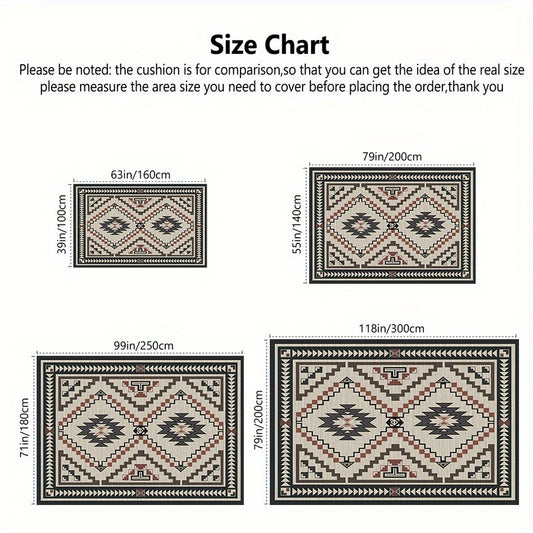
1pc RV Camping Carpet, Outdoor Yard Garden Rug, Luxury Portable Thin Rug, Indoor Outdoor Entrance Non-slip Floor Mat, Vintage Boho Style Living Room Bedroom Bathroom Kitchen Rug RV Patio Mats
Regular price From $228.49 USDRegular priceUnit price per$0.00 USDSale price From $228.49 USD -

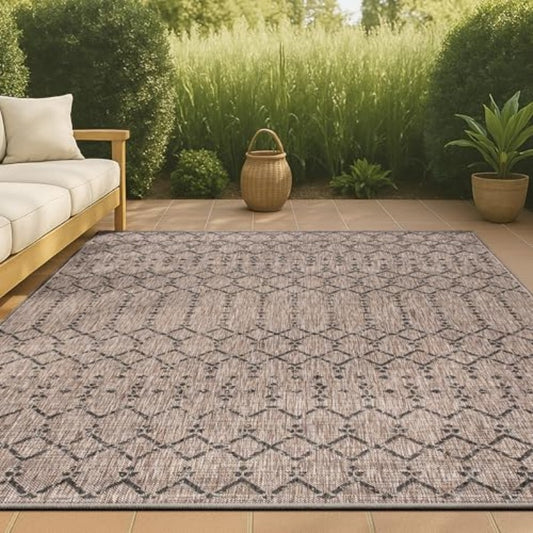
Moroccan Geometric Textured Weave Indoor Outdoor Area Medium Rugs Bohemian Rustic Scandinavian Easy Bedroom Kitchen Backyard Patio Non Shedding Natural Black 8 X 10
Regular price $330.40 USDRegular priceUnit price per$0.00 USDSale price $330.40 USD -

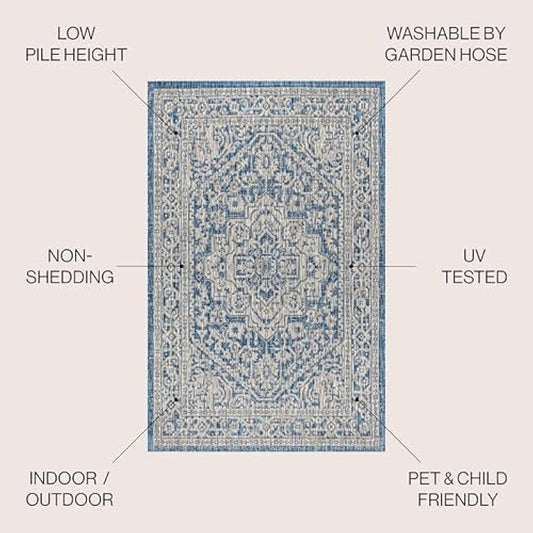
Textured Weave Indoor Outdoor Navy Gray 3 ft. x 5 ft. Area Medium Rug Coastal Easy Cleaning For High Traffic Kitchen Living Room Backyard Non Shedding
Regular price $324.23 USDRegular priceUnit price per$0.00 USDSale price $324.23 USD -


Geometric Indoor Outdoor Area Medium Rug Bohemian Contemporary Easy Cleaning Bedroom Kitchen Backyard Patio Non Shedding 3 X 5 Brown Beige
Regular price $351.62 USDRegular priceUnit price per$0.00 USDSale price $351.62 USD -

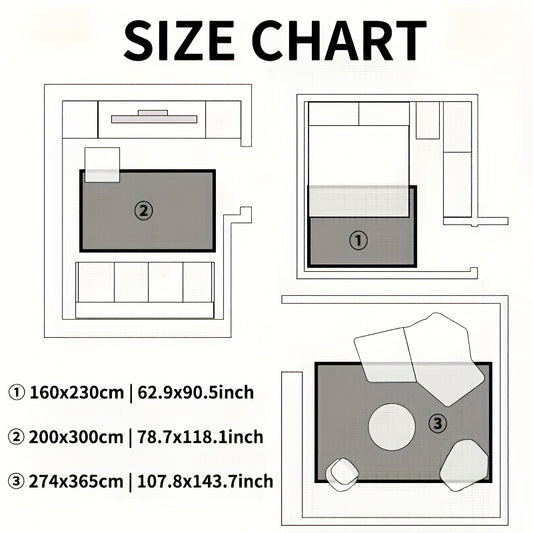
1pc Extra Large RV Camping Outdoor Patio Mat - Non-Slip Machine Washable 100% Polyester Portable Floor Mat for Living Room Medium Rug, Bedroom, Bathroom, Kitchen, Balcony, Beach, Lawn, Picnic & RV Decor, Outdoor Rugs, Vibrant Design
Regular price $297.41 USDRegular priceUnit price per$0.00 USDSale price $297.41 USD -

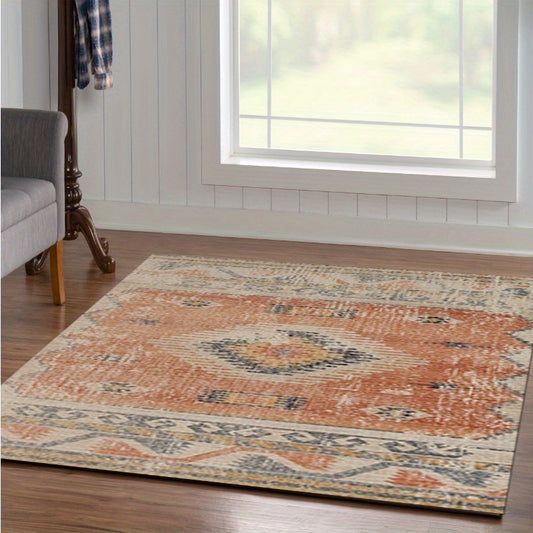
Home Decor Great Zero Area Rugs Collection Ivory and Rust For Living Room, Bedroom, Entryways, Hallways, Kitchen, Home Office
Regular price $281.14 USDRegular priceUnit price per$0.00 USDSale price $281.14 USD -

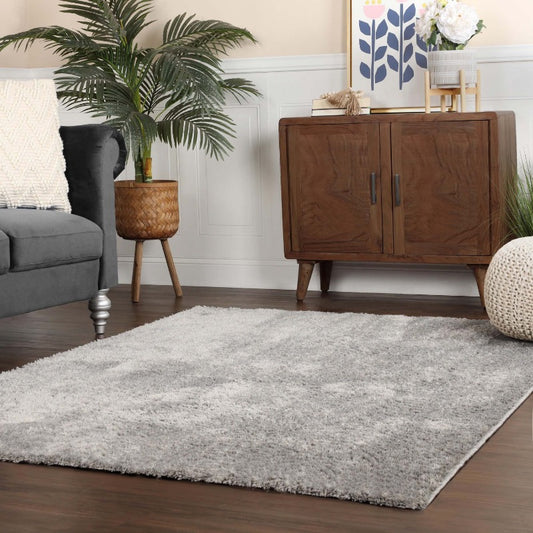
California Shag Non-Slip Floor Rugs - Durable & Easy to Clean for Living Room, Bedroom, Kitchen, Bathroom, Floor Mat Extra Large, Bedroom Carpet, Elegant Home Decor, Easycle
Regular price $236.26 USDRegular priceUnit price per$0.00 USDSale price $236.26 USD -

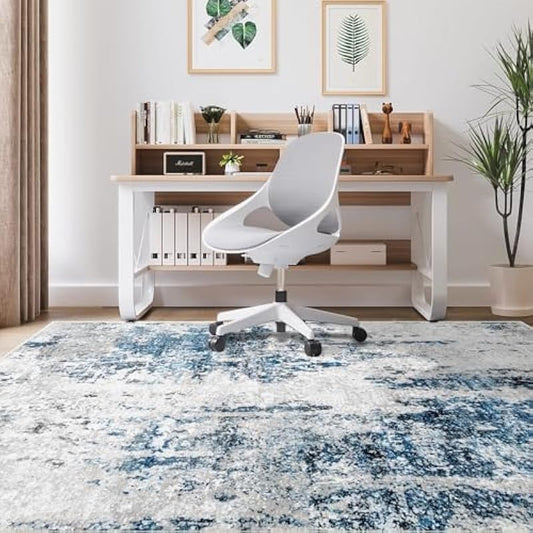
Area Rug, Washable Rug Modern Abstract Bedroom Rug Non-Slip Soft Neutral Area Rug Stain Resistant Throw Rugs for Entryway Kitchen Door Mat Indoor Entrance Laundry
Regular price $362.68 USDRegular priceUnit price per$0.00 USDSale price $362.68 USD -

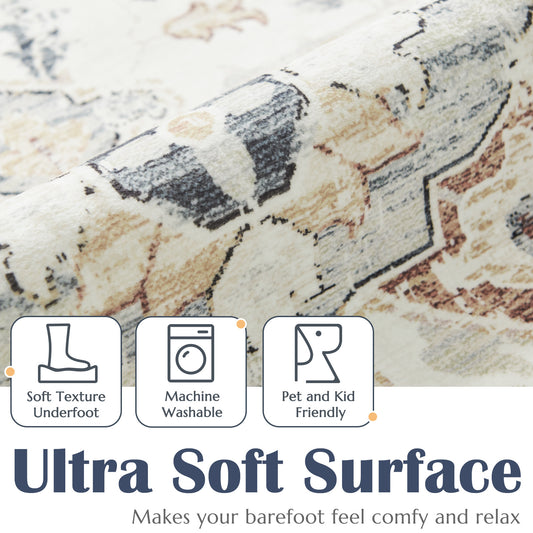
Area Rug, Vintage Carpet, Non Slip, Washable, Lightweight, Faux Wool, For Living Room, Bedroom, Kitchen, Office, Dining Room, Home Decor
Regular price From $205.47 USDRegular priceUnit price per$0.00 USDSale price From $205.47 USD -
![[Vintage Boho Carpet] Colorful Polyester Vintage Boho Arabian Washable Mat Runner | Floral & Geometric Design, Perfect for Hallways, Kitchens, Bedrooms, and Entryways Rugs](//www.fabulive.com/cdn/shop/files/9b37768d-3235-40ba-8fc3-b04f17156370.jpg?v=1751970958&width=533)
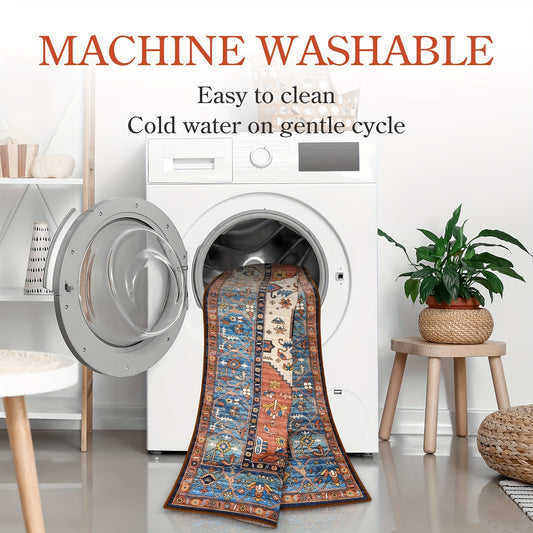
[Vintage Boho Carpet] Colorful Polyester Vintage Boho Arabian Washable Mat Runner | Floral & Geometric Design, Perfect for Hallways, Kitchens, Bedrooms, and Entryways Rugs
Regular price From $170.39 USDRegular priceUnit price per$0.00 USDSale price From $170.39 USD -

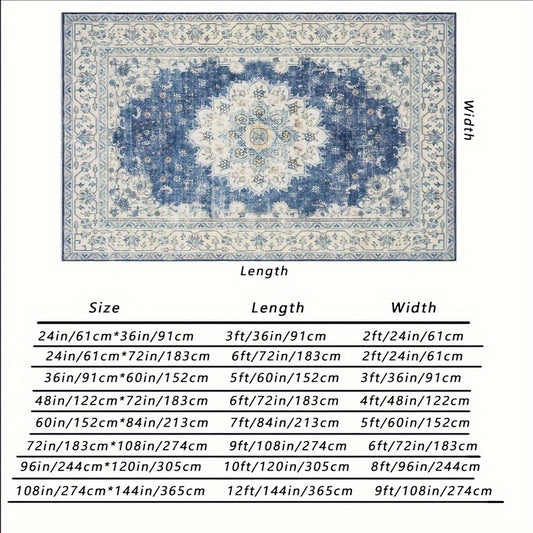
Vintage Floral Print Throw Floor Carpet Small Entrance Rug Washable Living Room Arabian Rug Easy Cleaning Rug Stain Resistant Indoor Carpet Non Slip Non Shedding Low Pile Soft Bedroom Rug Folding Rug For Dining Room Office Kitchen
Regular price From $163.93 USDRegular priceUnit price per$0.00 USDSale price From $163.93 USD


![[Vintage Boho Carpet] Colorful Polyester Vintage Boho Arabian Washable Mat Runner | Floral & Geometric Design, Perfect for Hallways, Kitchens, Bedrooms, and Entryways Rugs](http://www.fabulive.com/cdn/shop/files/9b37768d-3235-40ba-8fc3-b04f17156370.jpg?v=1751970958&width=533)

About Kitchen Rugs
The Complete Guide To Kitchen Rugs
The kitchen is often described as the heart of the home, a space where meals are prepared, families gather, and memories are created. While appliances and cabinetry typically dominate kitchen design, the floor is often overlooked. Kitchen rugs, however, are transformative elements that combine comfort, practicality, and beauty. They soften hard flooring, reduce fatigue from long hours of standing, protect against spills, and add personality to one of the most functional spaces in the house.
A thoughtfully chosen kitchen rug can elevate an ordinary culinary workspace into a warm, welcoming environment. Whether it’s a handwoven runner near the sink, a washable rug under a dining nook, or a durable mat by the stove, kitchen rugs balance style with function.
Historical Perspective On Kitchen Rugs
Rugs have been integral to domestic life for centuries. In ancient Persia and Anatolia, rugs were used not only for decoration but also for warmth, insulation, and protection. While kitchens in earlier eras often had earthen or wooden floors, rugs and mats were placed in cooking areas to soften surfaces and protect from stains. Over time, as kitchens became central gathering spaces, rugs were reimagined to blend functionality with design, marking the beginning of specialized kitchen rug collections.
Design Philosophy Of Kitchen Rugs
Designing a rug for the kitchen requires careful consideration. Unlike living room or bedroom rugs, kitchen rugs must withstand high foot traffic, potential spills, and frequent cleaning. At the same time, they must harmonize with the overall kitchen design. Designers emphasize three principles: durability, safety, and style. Patterns are often chosen not only for aesthetics but also for their ability to camouflage stains. Neutral palettes provide versatility, while vibrant motifs inject personality.
Common Materials Used In Kitchen Rugs
The material of a kitchen rug determines its comfort, ease of maintenance, and longevity. Some of the most common materials include:
-
Cotton: Lightweight, breathable, and machine-washable.
-
Wool: Naturally durable and insulating but requires gentle care.
-
Polypropylene: Stain-resistant, affordable, and highly practical.
-
Jute And Sisal: Natural, eco-friendly fibers that add texture and rustic charm.
-
Blended Fibers: Combining natural and synthetic materials for balance between durability and softness.
Types Of Kitchen Rugs
-
Kitchen Runners: Long, narrow rugs placed near sinks or stoves for ergonomic support.
-
Area Rugs: Larger rugs suitable for open-plan kitchens or dining spaces.
-
Washable Rugs: Designed for frequent cleaning without losing texture or color.
-
Anti-Fatigue Mats: Cushioned rugs made with foam or gel, ideal for long cooking sessions.
-
Decorative Rugs: Bold designs used to enhance the kitchen’s aesthetic.
Functional Benefits Of Kitchen Rugs
Kitchen rugs are not simply decorative. They provide practical benefits, such as:
-
Cushioning joints during long hours of cooking.
-
Protecting floors from spills, stains, and scratches.
-
Reducing noise in busy kitchens.
-
Defining spaces in open-plan layouts.
-
Adding insulation for warmth underfoot.
The Role Of Kitchen Rugs In Interior Design
In modern interior design, kitchen rugs play a dual role. They bring comfort to utilitarian spaces while acting as artistic expressions. From minimalist Scandinavian kitchens with muted tones to vibrant Mediterranean-inspired interiors, rugs complement cabinetry, backsplashes, and countertops. Fabulive’s curated kitchen rug collections highlight how these pieces serve both functional and aesthetic purposes, creating harmonious, welcoming spaces.
Cultural Relevance Of Kitchen Rugs
Across cultures, rugs have carried symbolic and functional significance. In Middle Eastern households, handwoven rugs often extend into kitchens, reflecting hospitality and artistry. In European country homes, woven runners are used in farmhouse kitchens for both comfort and rustic charm. In modern urban apartments, kitchen rugs symbolize practicality, demonstrating how global traditions influence contemporary designs.
Color Palettes And Patterns
The colors and patterns of kitchen rugs influence mood and design cohesion.
-
Neutral Palettes: Greys, beiges, and taupes create understated elegance.
-
Bold Colors: Reds, blues, and greens inject energy into the kitchen.
-
Geometric Patterns: Add a modern, structured appeal.
-
Floral And Organic Motifs: Introduce softness and vibrancy.
-
Vintage-Inspired Rugs: Distressed patterns that evoke timeless charm.
Color psychology plays a role: warm tones stimulate appetite, while cool tones create a sense of calm. Designers carefully balance these palettes to complement cabinetry and countertops.
Styling Kitchen Rugs
Placement is essential in rug styling:
-
Near The Sink: A cushioned runner reduces fatigue from dishwashing.
-
By The Stove: Protects against spills while adding comfort.
-
Under A Table: Grounds dining areas and adds cohesion.
-
In Galley Kitchens: Long rugs elongate narrow spaces.
-
In Open Kitchens: Large rugs define cooking zones from living areas.
Layering rugs is a modern trend, combining a washable rug with an anti-fatigue mat beneath for dual benefits.
Maintenance And Care
Given their location, kitchen rugs require regular cleaning. Maintenance strategies include:
-
Vacuuming: Weekly cleaning to remove crumbs and dust.
-
Spot-Cleaning: Immediate treatment for spills.
-
Machine-Washing: For cotton and washable rugs.
-
Professional Cleaning: For wool or heavily soiled pieces.
Durability depends not only on the material but also on the care routine. Well-maintained rugs retain both beauty and utility for years.
Sustainability In Kitchen Rug Design
Sustainability is reshaping kitchen rug production. Designers now favor organic cotton, recycled polyester, and biodegradable fibers. Eco-conscious dyes ensure rugs are safe for both the environment and the household. Fabulive’s eco-friendly kitchen rug options highlight how style and responsibility can coexist seamlessly.
Long-Term Investment Perspective
While kitchen rugs are exposed to high wear, quality rugs provide long-term value. Premium rugs not only endure but also enhance the kitchen’s aesthetic appeal over time. Families increasingly view them as investments in comfort, style, and durability, rather than disposable accessories.
FAQs
Are kitchen rugs safe around stoves?
Yes, provided they are made of heat-resistant materials and placed strategically.
How do I prevent slipping?
Use non-slip backings or rug pads to keep rugs stable.
Which rugs are best for families with children?
Washable cotton or stain-resistant polypropylene rugs are ideal.
Can kitchen rugs improve ergonomics?
Yes, cushioned rugs and anti-fatigue mats significantly reduce strain.
How often should I replace a kitchen rug?
With proper care, quality rugs can last 5–10 years or longer.
Kitchen Rugs In Global Design Trends
Kitchen rugs have evolved into focal points in international design. Scandinavian kitchens favor minimalist neutrals, Mediterranean homes embrace patterned tiles and complementary rugs, and American farmhouses feature braided rugs that evoke heritage craftsmanship. These global interpretations highlight how rugs transcend borders, adapting to cultural and aesthetic contexts.
Kitchen Rugs And Luxury Interiors
In luxury homes, kitchen rugs are chosen with the same attention as fine furniture. Hand-knotted wool rugs, custom-designed runners, and eco-conscious artisanal pieces elevate kitchens into curated spaces. Fabulive’s premium collections demonstrate how luxury and functionality can coexist, making kitchen rugs both practical and prestigious.
Innovations In Kitchen Rug Design
Modern innovations have transformed kitchen rugs into highly adaptable products. Some rugs feature water-resistant coatings, while others incorporate memory foam for comfort. Washable rugs with advanced fibers retain vibrancy even after multiple washes. Modular rugs allow customization of size and layout. These innovations ensure kitchen rugs remain relevant to dynamic lifestyles.
Integration With Modern Lifestyles
Families use kitchens not only for cooking but also as communal spaces. Rugs soften the transition from kitchen to living room in open layouts. They create cozy zones for children to sit and read while parents cook. By combining comfort with practicality, rugs enrich the multifunctionality of modern kitchens.
Durability And Practicality
The durability of kitchen rugs is tested daily. High-quality weaves, stain-resistant fibers, and reinforced edges extend lifespan. Wool and polypropylene are leaders in resilience, while cotton and jute excel in style and comfort. Investing in durable kitchen rugs ensures they withstand years of spills, cooking, and family life.
FAQs
What is the best rug size for small kitchens?
Narrow runners are best for compact spaces, providing coverage without crowding.
Do natural fiber rugs work in kitchens?
Yes, but they require more care. Jute and sisal bring texture but should be kept dry.
Can I use an oriental rug in the kitchen?
Yes. Many homeowners use vintage rugs for unique style, though they require extra care.
Are washable rugs truly effective?
Yes. Modern washable rugs combine style with durability and withstand frequent laundering.
Do kitchen rugs reduce noise?
Yes, dense weaves absorb sound in busy cooking spaces.
The Timeless Relevance Of Kitchen Rugs
Kitchen rugs endure as essential home accessories because they merge functionality with artistry. They safeguard floors, add comfort, and infuse kitchens with style. From rustic farmhouse kitchens to sleek modern interiors, rugs remain indispensable in shaping the ambiance and usability of cooking spaces.
Investment Value Of Kitchen Rugs
Though exposed to daily wear, kitchen rugs offer strong investment potential. Their durability and design impact outlast many other accessories. Families often upgrade to premium rugs for their longevity, transforming them into pieces that become part of household identity. Like fine cookware, a well-chosen rug becomes integral to family life.
Digital Accessibility Of Kitchen Rugs
E-commerce has expanded the reach of kitchen rugs. Today, homeowners can explore global collections from the comfort of their homes. Fabulive exemplifies this shift, providing curated selections that cater to diverse tastes—whether minimalist, traditional, or luxury-focused. This accessibility ensures that high-quality kitchen rugs are no longer confined to regional markets but available to families worldwide.
Conclusion: The Allure Of Kitchen Rugs
Kitchen rugs embody a rare harmony of comfort, utility, and beauty. They cushion, protect, and inspire, all while serving as aesthetic anchors in the heart of the home. With innovations in washable fabrics, sustainable production, and luxury design, kitchen rugs remain timeless essentials. They are not mere floor coverings—they are symbols of care, craftsmanship, and family living.
Customer Reviews
• Sophia, USA – “The washable rug I bought fits perfectly by the sink. Stylish and practical.” ⭐⭐⭐⭐⭐
• Amira, UK – “I love the vintage-style runner. It brings warmth to my modern kitchen.” ⭐⭐⭐⭐
• Nadia, Canada – “The anti-fatigue mat saved my back during long cooking sessions.” ⭐⭐⭐⭐⭐
• Layla, Australia – “Beautiful colors and very easy to clean. It brightened up my space.” ⭐⭐⭐⭐
• Hannah, Germany – “Durable and elegant. I’ve had mine for months and it still looks new.” ⭐⭐⭐⭐⭐
• Fatima, UAE – “The rug combines luxury with comfort. A true centerpiece for my kitchen.” ⭐⭐⭐⭐⭐
• Elena, Spain – “Practical and stylish. It ties my open kitchen and dining area together.” ⭐⭐⭐⭐
• Maya, France – “Eco-friendly and gorgeous. I appreciate the sustainable fabric option.” ⭐⭐⭐⭐⭐
• Zahra, Qatar – “The runner by my stove is both functional and beautiful.” ⭐⭐⭐⭐⭐
• Olivia, Italy – “Excellent craftsmanship and easy maintenance. Highly recommended.” ⭐⭐⭐⭐