
-

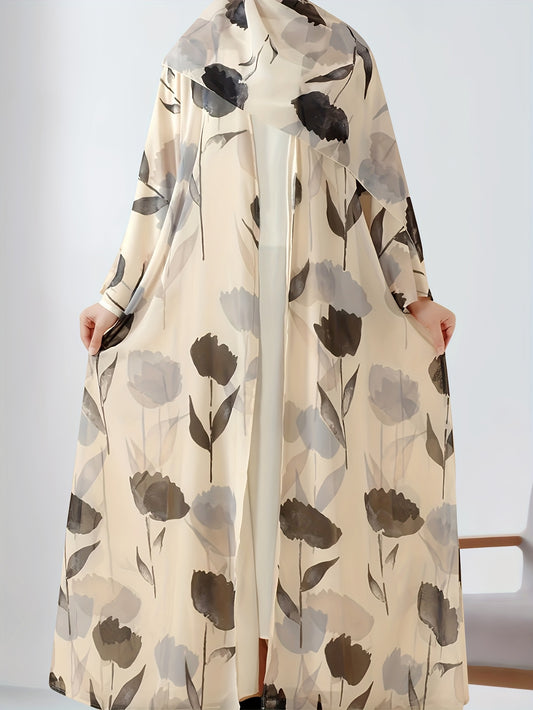
2pcs Elegant Muslim Women's Pakistani Abaya & Headscarf Set - Floral Print Long Sleeve Robe with Lightweight Comfortable Fabric, Perfect for Daily Wear, Family Gatherings, and Travel
Regular price $193.90 USDRegular priceUnit price per$0.00 USDSale price $193.90 USD -

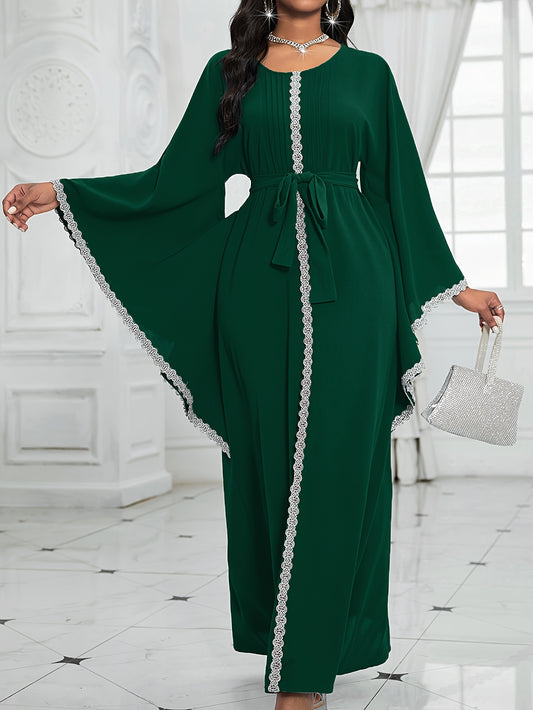
Women's Middle Eastern-Inspired Geometric Print Pakistani Abaya - Long Sleeve Belted Waist Floor-Length Dress with Pockets, Breathable Fabric for Spring/Summer
Regular price From $183.29 USDRegular priceUnit price per$0.00 USDSale price From $183.29 USD -

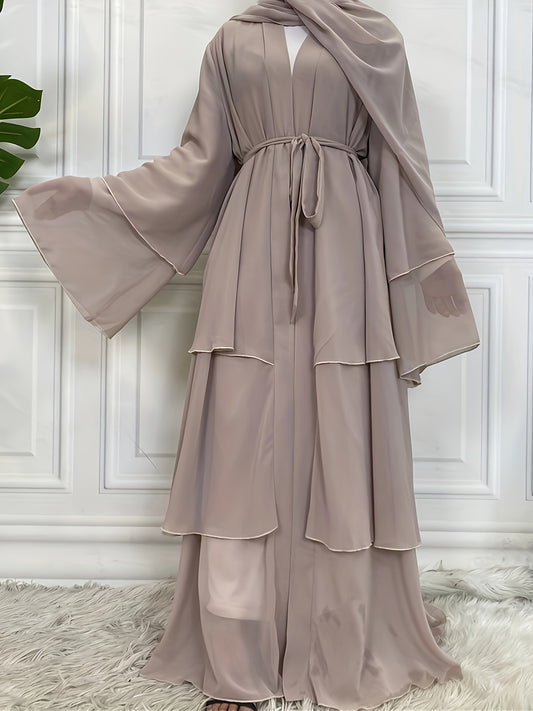
Ramadan Layered Open Front Modest Pakistani Abaya, Long Sleeve Muslim Dress With Belted, Without Hijab, Women's Clothing
Regular price From $171.56 USDRegular priceUnit price per$0.00 USDSale price From $171.56 USD -

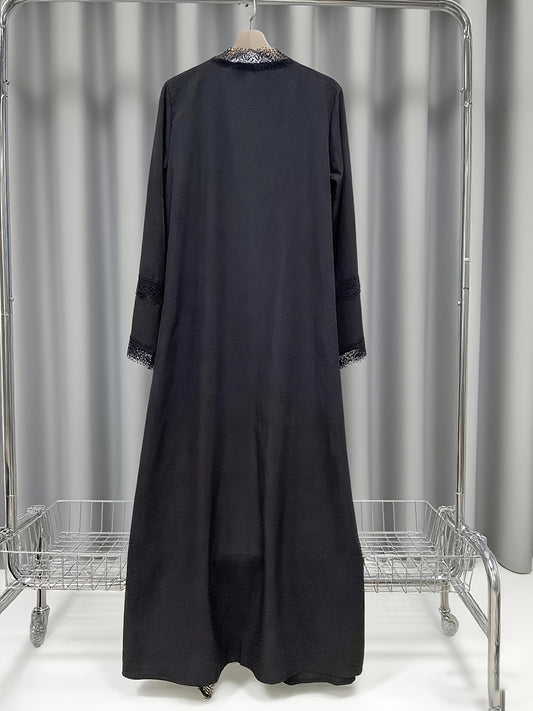
Solid Color Black Lace Pakistani Abaya, Headscarf Jacket Two-Piece Set + YT
Regular price $180.04 USDRegular priceUnit price per$0.00 USDSale price $180.04 USD -
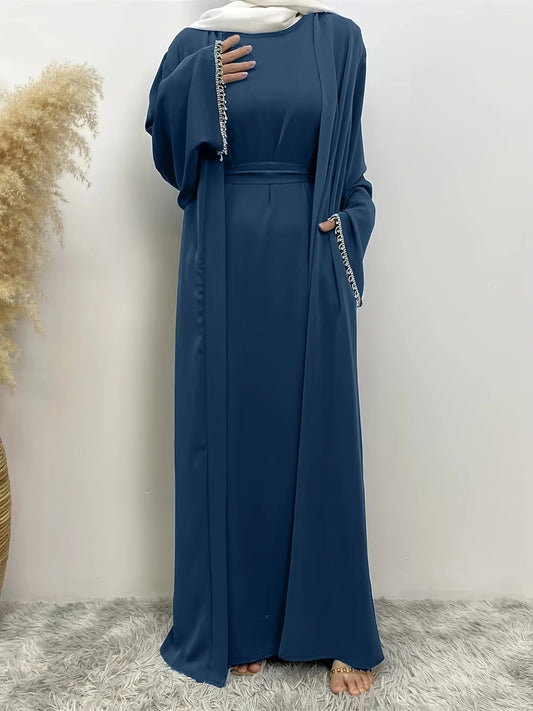
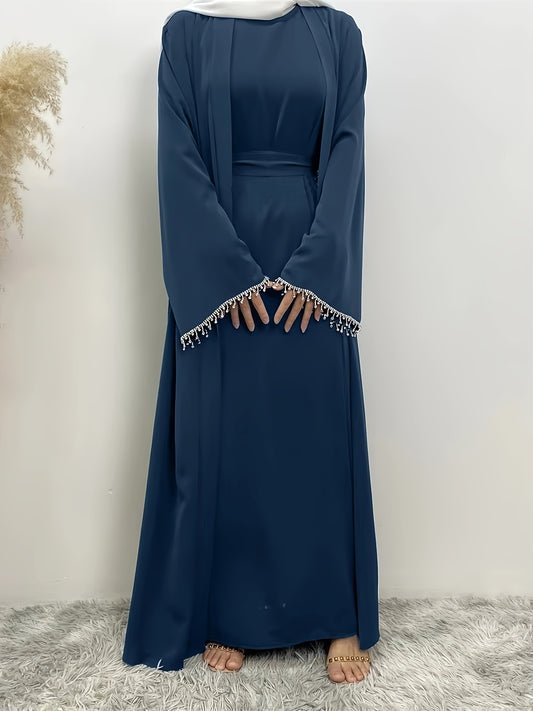
Ramadan Muslim Pakistani Abaya Women's 2pcs Set Rhinestone Open Front Hijab Dress Dubai Kaftan
Regular price $194.78 USDRegular priceUnit price per$0.00 USDSale price $194.78 USD -

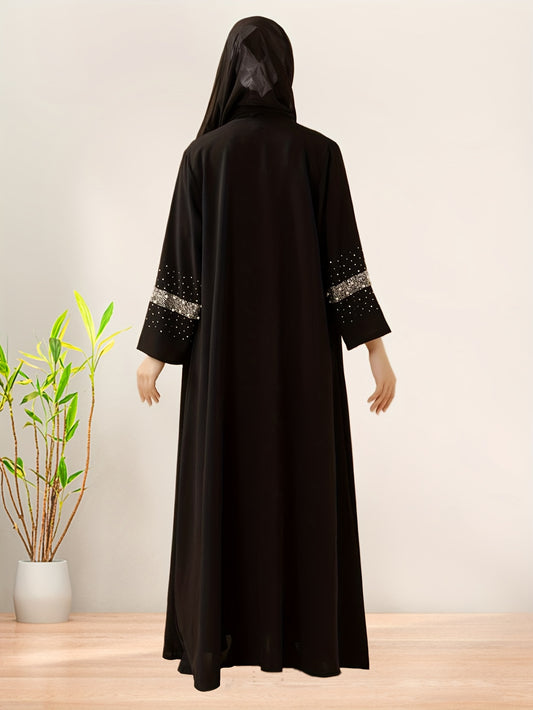
2pcs/Elegant black Muslim Pakistani Abaya with faux pearl embellishments, paired with a matching hijab scarf, made of lightweight and breathable fabric, suitable for prayer, family gatherings, or daily wear
Regular price $186.46 USDRegular priceUnit price per$0.00 USDSale price $186.46 USD -

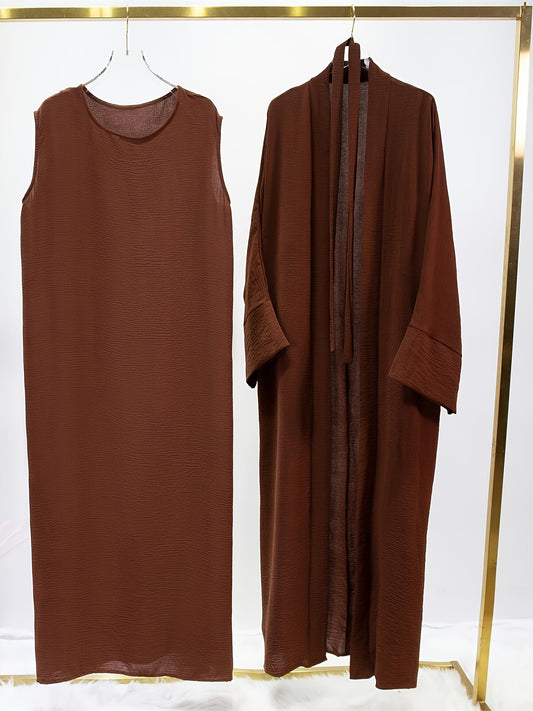
Ramadan Solid Color Modest Pakistani Abaya Set, Casual Crew Neck Sleeveless Tank Dress & Open Front Long Sleeve Tie Cardigan Outfits, Women's Clothing
Regular price From $175.92 USDRegular priceUnit price per$0.00 USDSale price From $175.92 USD -

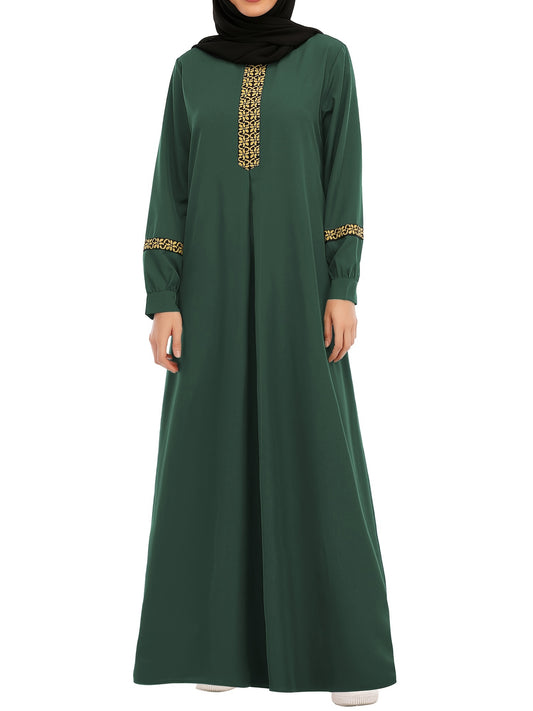
Women's Long Sleeve Muslim Pakistani Abaya
Regular price From $166.31 USDRegular priceUnit price per$0.00 USDSale price From $166.31 USD -

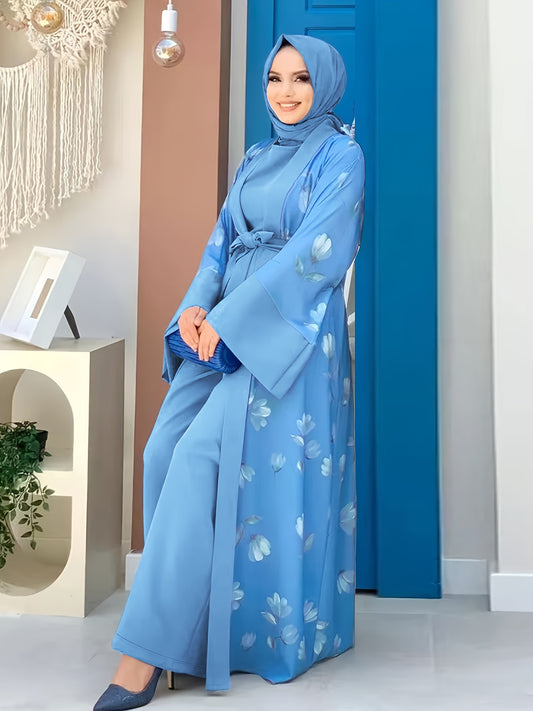
Middle Eastern Muslim Print Jumpsuit Two-Piece Set for Women Without Headscarf | Pakistani Abaya
Regular price From $178.41 USDRegular priceUnit price per$0.00 USDSale price From $178.41 USD -

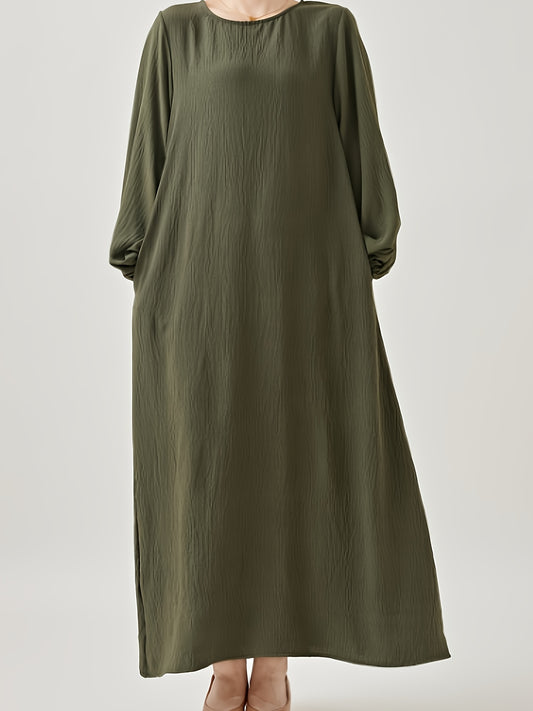
Polyester Muslim Pakistani Abaya - Comfortable, Casual, Solid Color with Bubble Pleats, Elastic Cuffs, Flowy Hem, Machine Washable
Regular price From $163.82 USDRegular priceUnit price per$0.00 USDSale price From $163.82 USD -

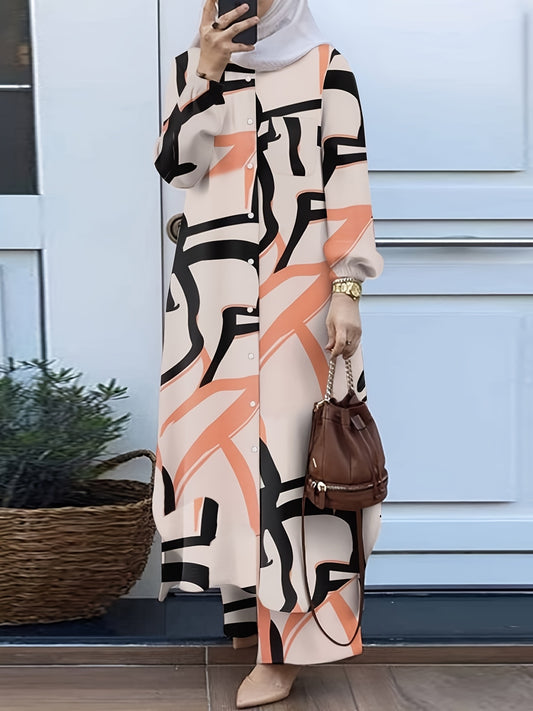
Elegant Geometric Print Pakistani Abaya with Long Sleeves and Button Front - Stylish Muslim Fashion, All-Season Wear, Pants and Top Set, Allseason Abaya|Geometric Print Abaya|Long Sleeve Top
Regular price From $175.88 USDRegular priceUnit price per$0.00 USDSale price From $175.88 USD -

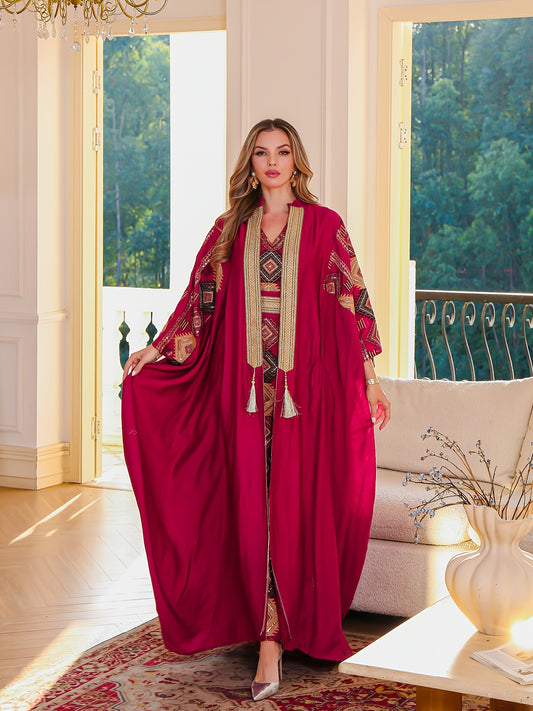
Elegant Middle Eastern Muslim Two-Piece Set - Stylish and Comfortable Design, Perfect for Daily Wear, INS Middle Eastern Pakistani Abaya Muslim Embroidered Long Robe Abaya Light Luxury
Regular price From $204.63 USDRegular priceUnit price per$0.00 USDSale price From $204.63 USD


About Pakistani Abaya
The Heritage And Modern Evolution Of Pakistani Abayas
The abaya has long been recognized as a garment of modesty, dignity, and cultural pride. In Pakistan, this tradition takes on distinct expressions that merge heritage with innovation. Pakistani abayas are not merely garments but carefully crafted statements that weave together identity, artistry, and modern fashion sensibilities.
Unlike other global variations, Pakistani abayas reflect a blend of regional aesthetics—embroidery from Sindh, fabric traditions from Punjab, and the flowing silhouettes of broader Middle Eastern influence. The result is a garment that honors modestwear traditions while reflecting the diversity and creativity of South Asian textile culture.
In contemporary times, Pakistani abayas have expanded beyond their conventional role. They now appear in a range of styles—open-front, kaftan-inspired, pleated, belted, and embellished variations—designed to cater to women seeking elegance alongside functionality. With this evolution, abayas have become central to wardrobes not only in Pakistan but across global communities that appreciate modest fashion.
Fabulive’s curated collection of Pakistani abayas embodies this transformation, offering pieces that seamlessly bridge heritage and modernity, tradition and luxury.
Design Language Of Pakistani Abayas
The design of a Pakistani abaya is a dialogue between restraint and sophistication. Silhouettes remain flowing and modest, yet intricate detailing and careful tailoring introduce individuality. Traditional cuts focus on loose, full-length structures that allow comfort and coverage. Contemporary iterations experiment with open-front layering, kimono-inspired sleeves, or tailored waistlines that add modern versatility.
Decoration is another defining feature. Pakistani abayas often incorporate embroidery—floral vines, geometric motifs, or heritage-inspired threadwork—alongside lace trims, sequins, or bead embellishments. These details elevate the garment from functional modestwear to an object of beauty and artistry.
Color palettes range from timeless blacks, charcoals, and navy to earthy neutrals and pastel shades. Seasonal collections introduce jewel tones—emeralds, burgundies, and sapphires—that add vibrancy. This spectrum ensures Pakistani abayas serve diverse roles, from daily wear to festive occasions.
Fabulive’s designs exemplify this balanced design language. Each abaya honors the principles of modesty while providing styling freedom for women navigating both tradition and contemporary life.
Materials That Define Pakistani Abayas
Fabric is at the heart of luxury abayas. Pakistani abayas utilize textiles that balance modest coverage with breathability, given the region’s varying climates. Crepe, georgette, chiffon, and nida fabrics dominate due to their lightness, drape, and resilience. For winter, wool blends and thicker crepes add warmth while maintaining flow.
Premium collections incorporate silk and satin, adding sheen and formality. Organza overlays or lace inserts introduce delicate transparency without compromising modesty. Cotton blends remain popular for casual abayas, providing comfort and ease of care.
Fabulive emphasizes material excellence in its abaya collections. Each textile is chosen for its ability to balance elegance with functionality, ensuring garments that are both beautiful and practical. Reinforced stitching, breathable linings, and high-quality dyes guarantee longevity and luxury.
Functionality In Modern Wardrobes
Pakistani abayas have evolved into versatile garments that serve multiple purposes in contemporary wardrobes. For students and professionals, abayas provide modest, practical daily wear that transitions effortlessly from classrooms to offices. For homemakers, lightweight and breathable fabrics ensure comfort while maintaining refinement. For formal gatherings—weddings, Eid, or cultural celebrations—embellished abayas function as alternatives to traditional dresses, offering elegance without compromising modesty.
Functionality also lies in adaptability. Open-front abayas serve as layering pieces, pairing easily with dresses, trousers, or skirts. Belted styles allow women to adjust silhouettes according to preference. Travel-friendly fabrics like nida resist wrinkling, making them practical for women on the move.
Fabulive’s abayas highlight this versatility. Each piece is designed to adapt across daily routines and formal occasions, embodying the practicality expected of modern luxury fashion.
Cultural Significance And Identity
The Pakistani abaya represents more than modest fashion—it embodies cultural values, spirituality, and identity. For many, wearing an abaya is a personal choice rooted in faith and heritage. Yet, within this modest framework, Pakistani abayas reflect individuality through fabric, color, and embellishment.
Culturally, abayas signify respect, tradition, and belonging. They connect wearers to broader Islamic communities while also reflecting regional artistry unique to South Asia. This dual symbolism makes Pakistani abayas distinctive within the global modest fashion landscape.
By curating Pakistani abayas, Fabulive acknowledges this cultural resonance, providing garments that honor identity while offering modern women choices aligned with global fashion narratives.
Styling Pakistani Abayas For Every Occasion
Styling flexibility defines the modern Pakistani abaya. Minimalist black abayas pair effortlessly with statement accessories—gold jewelry, silk scarves, or structured handbags—for formal elegance. Embroidered abayas require little adornment, serving as statement pieces in themselves.
For casual settings, pastel or neutral abayas styled with flats or sneakers create an effortless yet modest look. For festive occasions, jewel-toned or embellished abayas pair beautifully with heels and clutch bags, offering alternatives to lehengas or gowns. Layering with belts or outer jackets further extends styling options, allowing women to personalize their appearance.
Fabulive’s collections reflect this diversity of styling potential. From understated daily pieces to couture-inspired designs, they empower women to embrace abayas across every aspect of life.
Maintenance As An Act Of Care
Abayas, particularly those crafted from delicate fabrics, require thoughtful care to preserve their beauty. Light fabrics like chiffon and georgette benefit from gentle handwashing or dry-cleaning, while sturdier materials like nida and crepe can endure machine washes with care. Embellished abayas require extra attention—storing them in breathable garment bags and avoiding direct sunlight maintains embroidery and beadwork.
Ironing or steaming should be done at low settings to prevent fabric damage. Rotation between everyday abayas and formal designs ensures longevity. Fabulive underscores these maintenance rituals as part of the luxury experience—valuing garments enough to preserve them as enduring wardrobe investments.
Sustainability In Abaya Production
As luxury fashion increasingly embraces sustainability, Pakistani abayas are evolving accordingly. Fabrics sourced responsibly, dyes with reduced environmental impact, and fair labor practices reflect the ethical side of modern abaya production. Long-lasting garments themselves embody sustainability, reducing the need for constant replacements.
Fabulive has embraced these practices, ensuring its abayas align with conscious consumer values. For buyers, this adds another dimension of pride—owning garments that embody not just elegance, but responsibility.
FAQs
Are Pakistani abayas suitable for all climates? Yes. Lightweight fabrics suit warmer months, while heavier textiles provide winter comfort.
Do they only come in black? No. While black is traditional, Pakistani abayas feature a wide spectrum of colors.
Are they only for religious occasions? No. Abayas are versatile, suitable for daily wear, professional settings, and formal events.
Do abayas require specific accessories? Not necessarily. They pair with both traditional and modern accessories depending on the occasion.
How long do abayas last? With proper care, high-quality abayas can last for years while retaining their elegance.
The Artistry Behind Pakistani Abayas
Pakistani abayas are distinguished by their artistry—an interplay of textile expertise, regional embroidery traditions, and contemporary tailoring. This artistry is not only about aesthetic appeal but also about cultural storytelling. Each stitch, motif, and embellishment connects the wearer to centuries of South Asian craftsmanship while simultaneously reflecting modern interpretations of modest fashion.
Embroidery remains one of the most celebrated features of Pakistani abayas. Techniques such as zari (metallic threadwork), resham (silk thread embroidery), and gota (metallic ribbon) are often integrated into designs, adding depth and luminosity. These details are strategically placed along sleeves, hems, or front panels, creating subtle elegance rather than overwhelming the garment. For festive collections, sequins, pearls, and crystals add an element of couture, transforming the abaya into eveningwear.
Cutting techniques are equally refined. Designers experiment with kimono-inspired sleeves, asymmetrical drapes, pleats, or structured belts. These innovations keep the abaya relevant in modern fashion while maintaining its modest foundation. Fabulive’s collections highlight this balance, ensuring each abaya is a celebration of artistry rooted in cultural authenticity.
Premium Materials And Innovation
While traditional abayas favored basic fabrics, modern Pakistani abayas embrace a spectrum of materials. Nida, a lightweight yet opaque fabric, remains a staple due to its breathability and drape. Chiffon overlays introduce ethereal transparency, while crepe provides structure for tailored silhouettes. Georgette adds movement, making it ideal for flowing cuts, while velvet and silk blends appear in luxury collections designed for winter and formal occasions.
Innovation in fabric technology has also transformed abaya production. Wrinkle-resistant weaves, stain-resistant coatings, and eco-friendly dyeing processes ensure practicality alongside beauty. Fabulive invests in these innovations to provide garments that are not only luxurious but also functional for modern lifestyles.
The choice of material directly influences perception. A crepe abaya communicates everyday sophistication, while a silk-satin piece radiates grandeur. By offering diverse fabrics, Pakistani abayas serve as adaptable canvases for self-expression.
Functional Benefits For Contemporary Women
Beyond aesthetics, the Pakistani abaya has evolved to meet functional needs. For professionals, tailored abayas with minimal embellishment project authority while maintaining modesty. For mothers, lightweight, easy-care fabrics provide practicality without compromising elegance. For students, casual designs with pastel palettes create approachable, modern looks.
The garment’s adaptability is its greatest strength. Open-front abayas function as layering coats over trousers and tops, while belted designs adjust to flatter varying body shapes. Travel-friendly fabrics ensure abayas remain crease-free and elegant even after long journeys. Some collections incorporate hidden pockets for convenience, a modern addition reflecting lifestyle needs.
Fabulive’s curated pieces exemplify this balance between tradition and innovation. Their collections ensure that abayas integrate seamlessly into contemporary wardrobes, offering luxury without sacrificing functionality.
Cultural Relevance In A Global Context
Pakistani abayas embody cultural pride and global relevance simultaneously. For local communities, they represent continuity—linking modern women to heritage practices of modest dressing. For international audiences, Pakistani abayas stand out for their distinctive embellishments, color diversity, and South Asian textile artistry.
As modest fashion gains traction globally, Pakistani abayas play a pivotal role in shaping the narrative. They compete with Middle Eastern abayas by offering greater variety in cuts, colors, and details, appealing to women who desire modesty paired with individuality. Their adaptability makes them relevant across continents, from traditional markets in the Gulf to emerging audiences in Europe and North America.
By promoting Pakistani abayas internationally, Fabulive strengthens cultural exchange, positioning the garment not as niche attire but as a global fashion statement rooted in South Asian creativity.
Styling Horizons With Pakistani Abayas
The styling versatility of Pakistani abayas makes them appealing to diverse audiences. For formal gatherings, embroidered abayas in jewel tones with metallic threadwork require minimal accessories—simply a pair of heels and delicate earrings. For professional settings, plain crepe or nida abayas in neutral tones project sophistication when paired with structured handbags and pointed-toe shoes.
Casual abayas in pastel shades work beautifully with flats, sneakers, or lightweight scarves, creating effortless daily looks. Belted abayas paired with slim trousers create defined silhouettes, while open-front designs layered over dresses or skirts add depth and modernity.
Fabulive’s styling philosophy emphasizes individuality. Each abaya serves as a canvas, adaptable to the wearer’s personality, lifestyle, and occasion. The brand’s collections empower women to interpret tradition through their own lens, making modest fashion personal and expressive.
Maintenance As A Luxury Discipline
Caring for Pakistani abayas requires attention but rewards owners with longevity. Everyday fabrics such as nida or crepe can withstand gentle machine washes, while chiffon, silk, and velvet demand handwashing or professional dry-cleaning. Embroidered or embellished abayas should be stored in breathable bags to prevent damage.
Steaming is preferred over ironing, as it preserves fabric integrity and avoids shine marks. When traveling, rolling rather than folding prevents creases. With proper care, abayas maintain their vibrancy and structure for years, justifying their role as long-term wardrobe investments.
Fabulive underscores these practices as part of its luxury philosophy. Maintenance is framed not as a burden but as stewardship, reflecting pride in ownership.
Sustainability As A Benchmark Of Excellence
Sustainability has become integral to the definition of modern luxury. Pakistani abayas, when crafted with responsibly sourced fabrics and fair labor practices, align with these values. By producing long-lasting garments, the fashion cycle slows, reducing consumption and waste.
Fabulive prioritizes eco-conscious materials, ethical sourcing, and transparent production. Their abayas are not just garments but commitments to a sustainable future. Buyers who choose these collections participate in responsible luxury—indulging in elegance while supporting ethical practices.
Investment Dimension Of Pakistani Abayas
The true value of a Pakistani abaya lies in its adaptability and endurance. A single piece can serve across multiple settings—daily wear, formal occasions, professional environments—reducing the need for separate wardrobes. Premium materials ensure longevity, transforming abayas into investment pieces rather than disposable purchases.
Emotionally, abayas also carry sentimental value. They often mark life milestones—Eid celebrations, graduations, weddings, and personal journeys of faith. Their role in cultural and spiritual identity adds intangible worth beyond fabric and design.
Fabulive’s commitment to producing heirloom-quality abayas ensures buyers receive garments that are timeless in both construction and meaning.
FAQs
Do Pakistani abayas come in different fits? Yes. From loose-flowing silhouettes to belted, tailored cuts, they cater to varying preferences.
Can abayas replace formal dresses? Absolutely. Embellished designs often serve as alternatives to gowns for weddings and celebrations.
Are they travel-friendly? Yes. Lightweight fabrics like nida are wrinkle-resistant and ideal for packing.
Do they suit all ages? Yes. Pakistani abayas are styled for young professionals, homemakers, and mature women alike.
How do they differ from Middle Eastern abayas? Pakistani abayas emphasize embroidery, color diversity, and South Asian textile traditions.
The Long-Term Value Of Pakistani Abayas
Luxury is measured not only in immediate impact but also in endurance. Pakistani abayas epitomize this principle. Their value extends beyond fabric and tailoring to include cultural meaning, personal expression, and longevity of use. A well-crafted abaya becomes an anchor in a woman’s wardrobe, offering reliability, elegance, and modesty across countless occasions.
The financial value lies in versatility. One abaya, when styled differently, can replace multiple outfits—a black embroidered piece may serve as office attire, festive wear, and evening elegance with only changes in accessories. Durability ensures the garment resists fading, sagging, or unraveling, reducing the need for frequent replacement.
Equally significant is emotional value. Many Pakistani abayas become heirloom pieces, passed down through generations or associated with cherished milestones. They are worn during religious celebrations, family gatherings, or professional milestones, accumulating stories and symbolism over time.
Fabulive’s commitment to quality ensures its abayas embody this long-term value. Each piece is designed to serve not just as fashion but as an enduring companion in a woman’s life journey.
Fabulive’s Role In Shaping Global Modest Luxury
Fabulive stands at the intersection of tradition and global luxury. By curating Pakistani abayas that celebrate embroidery, textiles, and tailoring excellence, the brand positions itself as a leader in modestwear refinement. Its designs are informed by heritage but styled for global women—those who value modesty yet embrace modern aesthetics.
Fabulive also emphasizes accessibility without compromising luxury. By offering a range of designs from minimalist daily wear to couture-inspired embellishments, the brand caters to women across cultures, professions, and lifestyles. Its transparent sourcing, ethical standards, and eco-conscious production further strengthen its reputation as a responsible curator of luxury.
Pakistani abayas under Fabulive’s umbrella are not merely garments; they are cultural ambassadors, carrying the spirit of South Asian craftsmanship to global stages.
Styling Pakistani Abayas Across Generations
Styling options for Pakistani abayas transcend age and lifestyle. Younger women often experiment with belted abayas, pairing them with contemporary footwear such as sneakers or ankle boots. Embellished pastel abayas layered with delicate jewelry create modern, approachable elegance.
For professionals, solid crepe or nida abayas in neutrals—charcoal, navy, beige—communicate authority while maintaining modesty. Paired with structured handbags and polished shoes, they become business-ready attire.
For mature women, flowing abayas with minimal embroidery emphasize dignity and comfort. Jewel-toned or black abayas styled with silk scarves and classic heels deliver timeless sophistication. This versatility confirms the abaya’s role as a garment that evolves with the wearer, serving her across stages of life.
Maintenance As A Philosophy Of Stewardship
Preserving Pakistani abayas requires consistent care, but this care reflects stewardship rather than obligation. Gentle handwashing or dry-cleaning preserves delicate fabrics such as chiffon or silk. Everyday fabrics like crepe or nida benefit from mild detergents and cool water washes.
Storage matters greatly. Hanging abayas on padded hangers, covering them in breathable garment bags, and avoiding direct sunlight prevent fading and stretching. Embellished abayas should be wrapped in tissue paper to protect embroidery.
Fabulive encourages owners to treat abayas as art pieces. Maintenance becomes part of the luxury experience—a ritual that reflects respect for craftsmanship and pride in ownership.
Sustainability And Ethical Consciousness
Sustainability defines modern luxury, and Pakistani abayas are no exception. By emphasizing long-lasting garments, the cycle of overconsumption is reduced. Eco-conscious dyes, sustainable fabrics, and fair labor practices further embed responsibility into production.
Fabulive integrates sustainability into every stage of its abaya collections. From sourcing fabrics ethically to minimizing waste in production and using recyclable packaging, the brand ensures buyers indulge in fashion that respects people and the planet. This alignment enhances the emotional satisfaction of purchase, allowing women to embrace luxury with integrity.
Extended FAQs
Do Pakistani abayas work for formal events? Yes. Embellished and couture-inspired designs often replace gowns at weddings, receptions, and evening gatherings.
Can abayas be tailored for a custom fit? Absolutely. Many designs allow tailoring for sleeve length, waist definition, or hem adjustments.
Are Pakistani abayas suitable for travel? Yes. Lightweight fabrics resist creasing and are easy to pack.
Do abayas require layering? Not always. Many Pakistani fabrics are opaque, though chiffon or organza overlays benefit from slips.
Are they inclusive of different body types? Yes. Loose silhouettes and belted options make them adaptable to varied body shapes.
How are Pakistani abayas different from Turkish abayas? Pakistani abayas emphasize embroidery and fabric diversity, while Turkish designs often focus on structured tailoring and minimalism.
Can they be styled seasonally? Yes. Lighter fabrics suit summer, while velvet or thicker crepes suit winter.
Do abayas go out of fashion? No. While cuts and embellishments evolve, the abaya remains a timeless garment.
Are they affordable luxury? Yes. Pakistani abayas balance artisanal craftsmanship with accessibility, making them inclusive luxury items.
What makes Fabulive’s abayas special? Their commitment to craftsmanship, sustainable practices, and cultural authenticity distinguishes them in the luxury market.
Conclusion: Pakistani Abayas As Timeless Luxury
Pakistani abayas embody the essence of modern modest luxury. They unite tradition with innovation, spirituality with self-expression, and regional artistry with global relevance. Beyond being garments, they are cultural treasures, personal companions, and investments in elegance.
Fabulive’s collections reflect this philosophy, ensuring each abaya is more than fabric and thread—it is a symbol of confidence, continuity, and refinement. For women worldwide, Pakistani abayas offer a chance to celebrate modesty with pride, participate in cultural heritage, and embrace sustainable luxury.
Customer Reviews
• Ayesha – Pakistan: “This abaya felt like a piece of heritage. The embroidery detail is beautiful, and the fabric is soft yet durable.” ⭐⭐⭐⭐⭐
• Sophia – USA: “I bought a black crepe abaya for work, and it has become my go-to professional outfit. Elegant and modest.” ⭐⭐⭐⭐
• Layla – UAE: “The jewel-toned embroidered abaya I ordered exceeded expectations. Perfect for Eid gatherings.” ⭐⭐⭐⭐⭐
• Hanan – UK: “Stylish and practical. It transitions easily from daily wear to formal dinners with the right accessories.” ⭐⭐⭐⭐
• Fatima – Canada: “The chiffon overlay abaya is stunning. Lightweight yet formal, it worked beautifully for a wedding.” ⭐⭐⭐⭐⭐
• Maya – Australia: “I appreciate Fabulive’s sustainable packaging and high-quality fabric. It feels good to wear luxury that’s responsible.” ⭐⭐⭐⭐
• Nora – Germany: “This abaya drapes beautifully and is easy to maintain. A perfect balance of style and comfort.” ⭐⭐⭐⭐⭐
• Isabelle – France: “The craftsmanship is meticulous. I can see this being part of my wardrobe for years.” ⭐⭐⭐⭐
• Elena – Italy: “I wore my abaya to a formal dinner, and it received endless compliments. Chic and graceful.” ⭐⭐⭐⭐⭐
• Omarah – Saudi Arabia: “The velvet winter abaya I bought feels luxurious and warm. Excellent quality.” ⭐⭐⭐⭐⭐