
-


Abstract Geometric Print pakistani Beach Kaftan
Regular price $110.99 USDRegular priceUnit price per$0.00 USDSale price $110.99 USD -


Blue Mustard Geometric pakistani Beach Kaftan
Regular price $110.99 USDRegular priceUnit price per$0.00 USDSale price $110.99 USD -


Elegant Pakistani Satin Feather Sleeve Kaftan
Regular price $242.99 USDRegular priceUnit price per$0.00 USDSale price $242.99 USD -

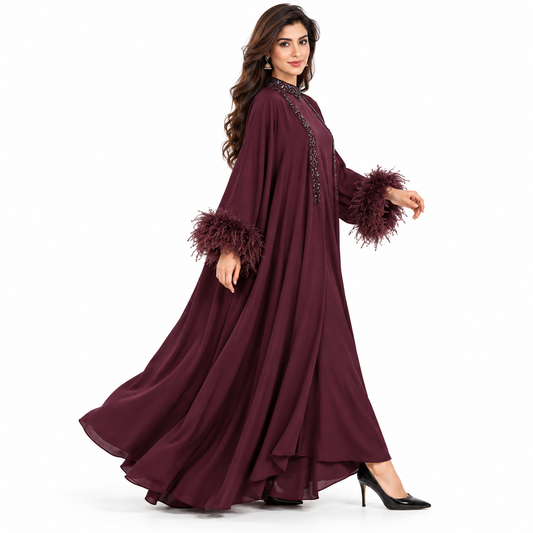
Elegant Burgundy Pakistani Kaftan Feather Dress
Regular price $242.99 USDRegular priceUnit price per$0.00 USDSale price $242.99 USD -


Elegant Pakistani Kaftan With Floral Embroidery
Regular price From $123.99 USDRegular priceUnit price per$0.00 USDSale price From $123.99 USD -


Elegant Emerald Green Pakistani Embroidered Kaftan
Regular price From $123.99 USDRegular priceUnit price per$0.00 USDSale price From $123.99 USD -


Elegant Pakistani Embroidered Floral Maxi Kaftan
Regular price From $123.99 USDRegular priceUnit price per$0.00 USDSale price From $123.99 USD -

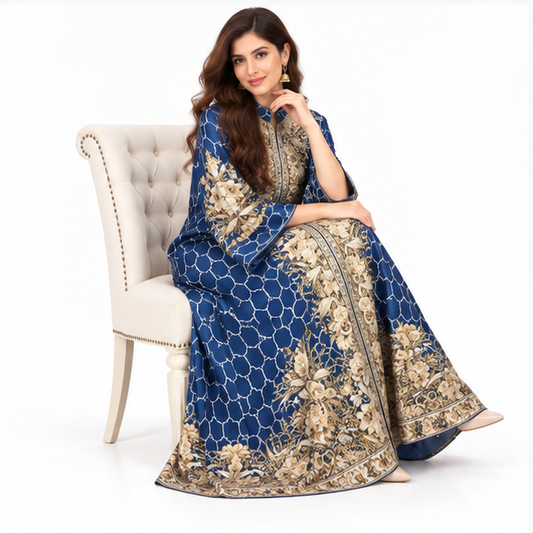
Elegant Pakistani Royal Blue Embroidered Kaftan
Regular price $202.99 USDRegular priceUnit price per$0.00 USDSale price $202.99 USD -


Elegant Apricot Embroidered Pakistani Kaftan Dress
Regular price $202.99 USDRegular priceUnit price per$0.00 USDSale price $202.99 USD -


Elegant Pakistani Embroidered Brown Floral Kaftan
Regular price $202.99 USDRegular priceUnit price per$0.00 USDSale price $202.99 USD -


Elegant Pakistani Rose Gold Sequin Kaftan
Regular price $174.99 USDRegular priceUnit price per$0.00 USDSale price $174.99 USD -


Elegant Blush Pink Pakistani Sequin Kaftan
Regular price $174.99 USDRegular priceUnit price per$0.00 USDSale price $174.99 USD


About Pakistani Kaftan
The Definitive Guide To Pakistani Kaftans
Introduction To Pakistani Kaftans
The kaftan, with its timeless silhouette and cultural resonance, has been celebrated globally as a garment that harmonizes elegance with comfort. Within South Asia, and particularly in Pakistan, the kaftan has taken on a distinctive identity—an ensemble that fuses heritage craftsmanship with contemporary luxury. Pakistani kaftans are not merely garments; they are statements of artistry, cultural pride, and versatile styling.
From intricately embroidered silk kaftans worn at weddings to minimalist cotton variations suited for summer evenings, the Pakistani kaftan represents diversity in both design and functionality. Its flowing structure makes it universally flattering, while its adaptability ensures relevance across formal events, casual gatherings, and global fashion runways.
Fabulive’s collection of Pakistani kaftans exemplifies this evolution. Curated with attention to fabric quality, embellishment artistry, and modern tailoring, the brand positions kaftans as more than attire—they are luxury investments that carry cultural continuity and contemporary relevance.
Historical Evolution Of The Kaftan
The kaftan traces its origins to ancient civilizations, where its long, flowing cut was valued for both practicality and dignity. Across centuries, the design spread along trade routes, adapting to regional aesthetics. In the Middle East, kaftans were adorned with ornate patterns symbolizing prestige. As the garment reached South Asia, artisans incorporated embroidery, beadwork, and vibrant fabrics to reflect local artistry.
In Pakistan, the kaftan became associated with both cultural rituals and modern fashion movements. Designers adapted the silhouette for bridal wear, evening ensembles, and lounge attire, transforming the garment into a versatile staple. This adaptability allowed the kaftan to remain timeless, resonating across generations.
Design Excellence Of Pakistani Kaftans
The distinguishing feature of a Pakistani kaftan lies in its design versatility. The flowing cut allows artisans to experiment with embellishments, tailoring, and fabric composition:
-
Embroidered Kaftans: Incorporating zari, resham, or mirror work, often used for festive or bridal occasions.
-
Minimalist Designs: Subtle lines in solid fabrics, tailored for professional or evening wear.
-
Printed Fabrics: Digital and block prints offer contemporary interpretations.
-
Layered Styles: Kaftans paired with trousers or inner dresses for added dimension.
-
Modern Cuts: Asymmetrical hems, cape-like sleeves, and cinched waists redefine tradition with contemporary flair.
Fabulive’s Pakistani kaftans are curated with this breadth of design in mind. From timeless classics to innovative silhouettes, the collection ensures that every wearer finds a piece that aligns with their aesthetic and functional needs.
Materials And Fabric Integrity
Material selection defines the kaftan’s character. Pakistani kaftans showcase a wide spectrum of textiles, each chosen for its tactile qualities and cultural significance:
-
Silk: Luxurious and fluid, ideal for evening wear and weddings.
-
Cotton: Lightweight and breathable, perfect for casual or summer ensembles.
-
Georgette And Chiffon: Provide flow and translucency, often layered for elegance.
-
Velvet: Adds richness, suited for winter events or formal attire.
-
Linen: Combines comfort with structure for semi-formal settings.
The choice of fabric often aligns with seasonality, occasion, and personal preference. Fabulive emphasizes fabric integrity by sourcing high-quality textiles that retain structure, sheen, and comfort, ensuring kaftans withstand both wear and time.
Functionality Beyond Fashion
Pakistani kaftans thrive at the intersection of fashion and functionality. Their versatility allows them to adapt seamlessly to different contexts:
-
Formal Events: Embellished kaftans rival traditional bridal wear, offering grandeur with comfort.
-
Casual Outings: Cotton or linen kaftans provide relaxed elegance for daily activities.
-
Professional Settings: Minimalist kaftans paired with tailored trousers create refined, modest ensembles.
-
Travel Wear: The flowing silhouette offers comfort during long journeys while maintaining sophistication.
-
Loungewear: Soft fabrics transform the kaftan into luxury leisure attire.
This adaptability underscores why kaftans have transcended fleeting trends, becoming essential wardrobe investments.
Cultural Relevance Of Pakistani Kaftans
Kaftans hold profound cultural resonance in Pakistan. They symbolize continuity—garments worn by women across generations, from grandmothers to granddaughters. They embody hospitality and dignity, often chosen for gatherings that emphasize communal identity.
On a global scale, Pakistani kaftans bridge tradition and modern fashion. They allow diaspora communities to celebrate heritage while aligning with international style codes. For many women, the kaftan is not only attire but also a cultural affirmation, representing modesty, pride, and empowerment.
Fabulive’s collection amplifies this relevance, offering kaftans that retain cultural authenticity while embracing global luxury standards.
Styling Possibilities With Pakistani Kaftans
The styling versatility of kaftans is unparalleled:
-
Evening Glamour: Pairing silk kaftans with statement jewelry and heels for formal occasions.
-
Bohemian Chic: Printed cotton kaftans accessorized with sandals and layered necklaces for relaxed outings.
-
Minimalist Professionalism: Solid georgette kaftans belted at the waist for corporate meetings.
-
Festive Grandeur: Embroidered velvet kaftans adorned with metallic clutches and embellished footwear.
-
Travel Ready: Linen kaftans styled with oversized sunglasses and flat sandals for resort wear.
By designing kaftans that adapt to diverse styling approaches, Fabulive ensures that each piece functions as a versatile canvas for personal expression.
Maintenance Of Pakistani Kaftans
Maintaining kaftans ensures their longevity and sustained elegance:
-
Washing: Cotton kaftans can be gently hand-washed, while silks and embellished pieces require dry cleaning.
-
Ironing And Steaming: Low-heat steaming preserves flow and prevents fabric damage.
-
Storage: Hanging kaftans in breathable garment bags prevents creasing and protects embellishments.
-
Embellishment Care: Beaded or embroidered kaftans should be stored separately to avoid snags.
-
Rotation: Seasonal use of appropriate fabrics (linen for summer, velvet for winter) preserves durability.
These practices ensure that kaftans remain wardrobe investments rather than temporary purchases.
Sustainability In Kaftan Production
Sustainability plays a growing role in fashion, and Pakistani kaftans reflect this shift. Many are crafted with natural fibers like cotton, silk, and linen, which are biodegradable. Artisans increasingly adopt eco-friendly dyes and ethical labor practices to align with global standards.
Fabulive’s emphasis on sustainability ensures buyers invest in garments that support both cultural preservation and environmental responsibility. By curating pieces that endure, the brand minimizes waste and maximizes value.
Long-Term Value Of Pakistani Kaftans
Pakistani kaftans represent long-term value on multiple levels. Their timeless silhouette ensures they never fall out of style. Their adaptability allows wearers to repurpose them across contexts, reducing the need for multiple garments. High-quality kaftans often become heirlooms, passed through generations as symbols of continuity and elegance.
By investing in Fabulive’s Pakistani kaftans, clients secure more than garments. They acquire lifestyle assets that embody culture, artistry, and modern luxury.
The Precision Of Artisanal Craftsmanship
Pakistani kaftans distinguish themselves through the depth of craftsmanship. Every stitch, cut, and embellishment reflects the heritage of South Asian textile traditions. Artisans employ techniques such as zari embroidery with metallic threads, delicate resham needlework, mirror inlay, sequins, pearls, and hand-beading. These elements are not randomly placed; they follow symmetrical patterns that enhance the kaftan’s silhouette and ensure balance across its flowing form.
The craftsmanship also lies in tailoring. Though kaftans are traditionally loose, Pakistani designers have mastered techniques to create subtle shaping through darts, belts, or asymmetric draping. This balance between freedom of movement and refined tailoring exemplifies the luxury of the garment. Fabulive’s collection highlights such craftsmanship, curating pieces that demonstrate both traditional mastery and contemporary elegance.
Design Variations Across Contexts
The diversity of Pakistani kaftans arises from how designers adapt them for different settings:
-
Bridal Kaftans: Featuring heavy embellishments with crystals, sequins, and handwork, creating an alternative to lehengas and gowns.
-
Evening Kaftans: Crafted in silk or chiffon with ornate borders and flowing sleeves.
-
Casual Kaftans: Minimalist cotton or linen versions with block prints for everyday wear.
-
Resort Kaftans: Lightweight, airy fabrics designed for travel and beachside retreats.
-
Festive Kaftans: Incorporating bold colors, traditional motifs, and embellishments for Eid, weddings, or cultural celebrations.
-
Contemporary Statement Pieces: Asymmetrical hems, cape sleeves, or high slits, blending global trends with local artistry.
Fabulive’s Pakistani kaftans span this full spectrum, providing options that address both traditional celebrations and modern cosmopolitan lifestyles.
Fabric Diversity And Seasonal Adaptation
The textile choices in Pakistani kaftans are central to their identity. Each fabric offers unique qualities that suit specific contexts:
-
Chiffon: Lightweight and sheer, ideal for layering and draped silhouettes.
-
Georgette: Fluid yet slightly textured, perfect for embroidered details.
-
Silk And Satin: Add luster, often reserved for evening or bridal wear.
-
Velvet: Rich and opulent, used in winter collections for formal elegance.
-
Cotton And Lawn: Breathable, suited for summer comfort and casual outings.
-
Organza: Stiff yet translucent, used for layered or statement sleeves.
This versatility ensures that kaftans remain relevant throughout Pakistan’s seasonal extremes. Fabulive carefully curates fabrics for both climate suitability and aesthetic refinement, ensuring long-term functionality.
Functionality Across Lifestyles
Pakistani kaftans integrate seamlessly into diverse lifestyles:
-
Professional Women: Minimalist kaftans in muted colors paired with trousers convey authority with elegance.
-
Homemakers: Comfortable cotton kaftans allow functionality without compromising style.
-
Travel Enthusiasts: Wrinkle-resistant kaftans provide practicality and sophistication in transit.
-
Fashion-Forward Consumers: Embellished or tailored kaftans offer statement looks for galas or red-carpet events.
-
Diaspora Communities: Pakistani kaftans connect individuals abroad with cultural heritage, offering identity and pride.
This breadth of function underscores why the kaftan has remained a fashion constant across generations and geographies.
Cultural Narratives In Kaftan Artistry
The motifs and embellishments on Pakistani kaftans often tell stories rooted in culture:
-
Floral Embroidery: Symbolizing growth, beauty, and abundance.
-
Paisleys: A South Asian classic representing life and eternity.
-
Mirror Work: Historically linked to warding off negative energy, now used as festive embellishment.
-
Geometric Borders: Influenced by Islamic art and architecture.
-
Bird And Nature Motifs: Expressing harmony, spirituality, and cultural pride.
These cultural narratives ensure that kaftans are not just garments but also carriers of heritage. Fabulive’s collections honor these motifs, ensuring authenticity while presenting them with modern finesse.
Styling Philosophies With Pakistani Kaftans
Styling a kaftan depends on intention and context:
-
With Belts: Cinching the waist transforms a flowing kaftan into a structured silhouette.
-
With Jewelry: Long necklaces, chandelier earrings, or traditional jhumkas elevate festive kaftans.
-
With Footwear: Flats and sandals offer casual chic, while stilettos enhance formal attire.
-
Layering: Pairing kaftans with trousers, palazzos, or even jeans blends tradition with modernity.
-
Outerwear Fusion: Kaftans worn over turtlenecks or long-sleeved tops adapt to colder climates.
By designing versatile kaftans, Fabulive empowers women to use the garment as a flexible canvas for self-expression.
Maintenance And Care Protocols
Maintaining Pakistani kaftans requires discipline, particularly for heavily embellished pieces:
-
Cleaning: Cotton kaftans can be hand-washed; embroidered or silk variants require dry cleaning.
-
Ironing: Steaming at low temperatures preserves delicate fabrics.
-
Storage: Hanging in breathable garment covers prevents dust and creasing.
-
Protection: Embroidered kaftans should be wrapped in tissue to avoid bead snags.
-
Seasonal Use: Rotating fabrics seasonally preserves both their quality and longevity.
Adhering to these practices ensures kaftans remain in pristine condition for years, validating their role as long-term wardrobe investments.
Sustainability And Responsible Fashion
Pakistani kaftans embody sustainability when crafted responsibly. Artisanal embroidery reduces reliance on mass production, while natural fibers like cotton and silk are biodegradable. Eco-conscious designers are increasingly exploring organic dyes and fair-trade practices to minimize environmental impact.
Fabulive supports this movement by offering kaftans that combine luxury with sustainability. Buyers can enjoy elegance while aligning with ethical values—luxury that does not compromise responsibility.
Long-Term Value Of Pakistani Kaftans
The long-term value of Pakistani kaftans rests in their adaptability, durability, and cultural resonance. Unlike trend-driven garments, kaftans remain timeless. A single well-crafted kaftan can be styled for multiple occasions and passed across generations as an heirloom.
Fabulive’s Pakistani kaftans are designed with this philosophy. Each piece represents an investment in heritage, artistry, and contemporary luxury, ensuring long-term satisfaction for discerning buyers.
The Enduring Popularity Of Kaftans
Kaftans remain central to both traditional and modern wardrobes because they balance elegance with functionality. Unlike garments tied to fleeting fashion trends, the kaftan retains its relevance across decades. Its flowing silhouette flatters diverse body types, while its adaptability allows it to evolve with cultural and global style movements. Whether styled for weddings, casual evenings, or high-fashion runways, the kaftan continues to resonate as a timeless expression of sophistication.
Fabulive’s Pakistani kaftan collection embodies this longevity. By merging artisanal techniques with contemporary design sensibilities, the brand ensures that each garment offers more than momentary appeal. Instead, every kaftan becomes an enduring piece of luxury.
Kaftans As Lifestyle Investments
Luxury fashion today is measured not only by appearance but by experience. Pakistani kaftans transform lifestyles by offering comfort during travel, elegance during celebrations, and professionalism in workplaces. Their versatility reduces the need for multiple garments, making them practical investments.
They also carry financial and emotional value. High-quality kaftans, especially hand-embroidered or limited-edition pieces, often appreciate in desirability. Families treasure them as heirlooms, passing them to future generations as symbols of continuity. In this sense, investing in Fabulive’s kaftans is an investment in both cultural heritage and personal luxury.
Integration Into Professional And Global Spaces
Pakistani kaftans are increasingly embraced in professional and international contexts. In corporate environments, minimalist kaftans paired with tailored trousers offer authority without compromising modesty. On global runways, Pakistani kaftans appear as reinterpretations of ethnic luxury, appealing to audiences in Paris, Dubai, and New York.
Hospitality and cultural events also adopt kaftans as symbols of elegance. From destination weddings to diplomatic galas, the kaftan’s versatility ensures it fits seamlessly into diverse occasions. Fabulive curates kaftans that bridge these contexts, blending cultural authenticity with global sophistication.
Emotional And Cultural Resonance
The kaftan carries emotional significance in Pakistan. It is more than a garment—it is a symbol of hospitality, dignity, and cultural pride. Worn during Eid gatherings, weddings, and family celebrations, kaftans embody communal memory. For diaspora communities, they become cultural anchors, connecting wearers abroad to their heritage.
This resonance is amplified by the artistry woven into every piece. Embroidery motifs recall history; fabric choices reflect climate and culture. By wearing a kaftan, individuals participate in a cultural dialogue that spans generations. Fabulive strengthens this resonance by offering authentic yet contemporary pieces that honor heritage while celebrating individuality.
Sustainability And Long-Term Responsibility
Kaftans exemplify sustainable fashion when crafted with natural fibers and artisanal methods. Their durability reduces overconsumption, as one kaftan can serve across multiple occasions. Their timeless silhouette resists obsolescence, unlike trend-driven fast fashion.
Fabulive incorporates sustainable practices, sourcing eco-conscious textiles and supporting ethical craftsmanship. For modern consumers, this ensures that investing in a kaftan is not only a matter of luxury but also of responsibility.
The Future Of Pakistani Kaftans In Fashion
Pakistani kaftans are poised to continue influencing global fashion. Anticipated innovations include:
-
Fusion Silhouettes: Integrating kaftans with contemporary tailoring such as blazers or jumpsuits.
-
Smart Fabrics: Incorporating wrinkle resistance, temperature regulation, or sustainable fiber blends.
-
Digital Customization: Allowing clients to select patterns, embellishments, and cuts tailored to personal style.
-
Cross-Cultural Collaborations: Designers merging Pakistani embroidery with global design elements.
Fabulive positions itself at the forefront of this evolution, curating kaftans that embody both tradition and forward-looking luxury.
Frequently Asked Questions
Are Pakistani kaftans only for formal occasions?
No. While heavily embellished kaftans suit weddings, minimalist cotton or georgette versions are perfect for casual or professional wear.
Do kaftans suit all body types?
Yes. The flowing silhouette flatters diverse figures, and belts or tailored cuts can add definition when desired.
Are kaftans difficult to maintain?
Not at all. Cotton pieces are easy to hand-wash, while silk and embellished kaftans require dry cleaning.
Can kaftans be worn in winter?
Yes. Velvet or layered kaftans are ideal for cooler months, while lighter fabrics suit summer.
Do Pakistani kaftans align with global fashion trends?
Yes. Their versatility and elegance allow them to adapt seamlessly into global wardrobes.
Can kaftans be customized?
Yes. Many designers, including Fabulive, offer bespoke options in fabric, cut, and embellishment.
Do kaftans work in professional settings?
Yes. Minimalist kaftans styled with trousers or belts project authority while maintaining modesty.
Are kaftans sustainable?
Yes, particularly when crafted with natural fibers and durable construction.
How long does a kaftan last?
With proper care, premium kaftans can remain elegant for years and even be passed down as heirlooms.
Why choose Fabulive’s Pakistani kaftans?
Because Fabulive combines cultural authenticity, luxury design, and sustainable practices, ensuring garments that are both timeless and responsible.
Customer Reviews
-
Ayesha – UAE
This kaftan is beautifully crafted. The embroidery is delicate yet durable, and I’ve worn it to multiple events already. ⭐⭐⭐⭐⭐ -
Leila – UK
I bought a minimalist linen kaftan for work, and it’s perfect—comfortable yet professional. ⭐⭐⭐⭐⭐ -
Hina – Pakistan
The velvet kaftan I ordered is stunning for winter weddings. Heavy but regal. ⭐⭐⭐⭐ -
Mariam – USA
I love how versatile this kaftan is. I’ve worn it casually with flats and dressed it up for dinner parties. ⭐⭐⭐⭐⭐ -
Fatima – Canada
The detailing is exquisite. It feels like a piece of art. Slightly expensive but worth it. ⭐⭐⭐⭐ -
Sophia – France
My silk kaftan from Fabulive is pure luxury. It flows elegantly and photographs beautifully. ⭐⭐⭐⭐⭐ -
Noura – Qatar
I ordered an embellished kaftan for Eid, and it was the highlight of my outfit. Truly elegant. ⭐⭐⭐⭐⭐ -
Clara – Germany
The cotton kaftan is perfect for summer. Light, breathable, and chic. ⭐⭐⭐⭐⭐ -
Amina – Australia
I love the cultural authenticity. It makes me feel connected to my roots while still being stylish abroad. ⭐⭐⭐⭐⭐ -
Huda – Saudi Arabia
This kaftan is both comfortable and glamorous. It has quickly become one of my favorite pieces. ⭐⭐⭐⭐⭐