
-
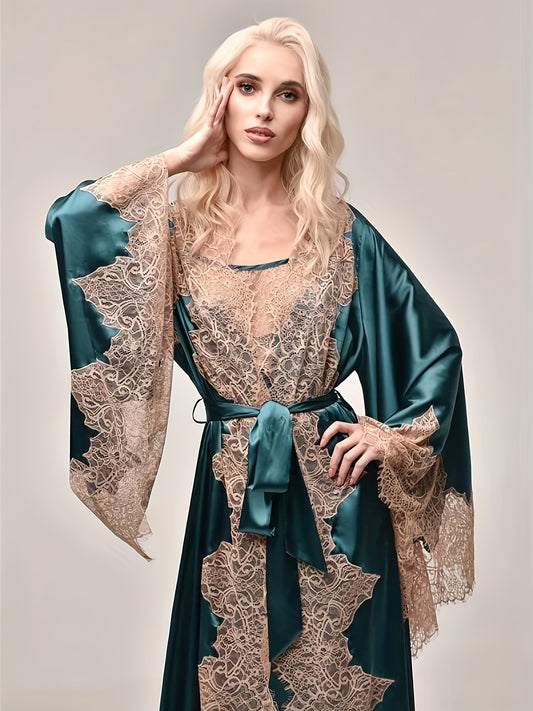
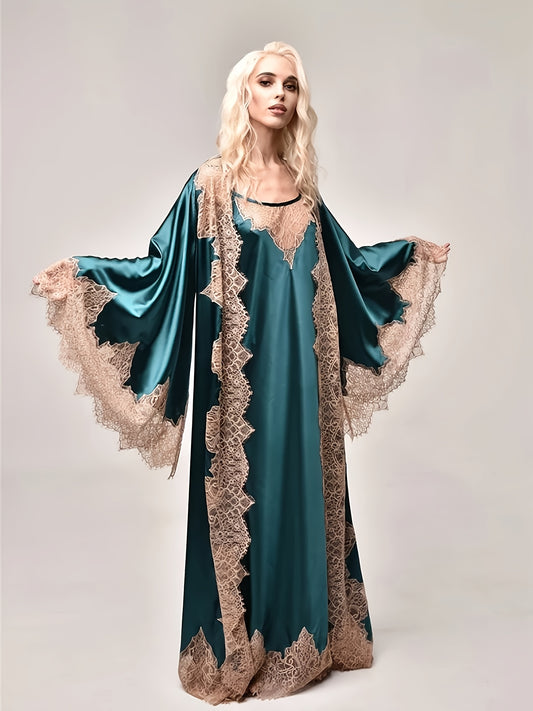
2pcs Satin Lace Kimono Abaya | Women's Bridal Robe On Wedding Day Light Long Lace Home Dress Pajamas
Regular price $232.11 USDRegular priceUnit price per$0.00 USDSale price $232.11 USD -

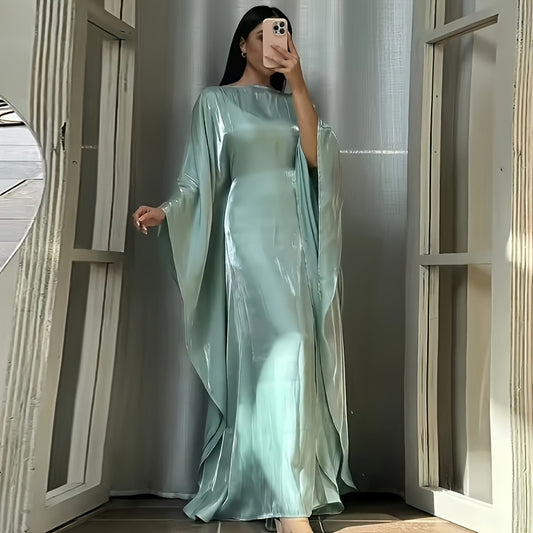
Women's Elegant Satin-Like Abaya Robe - Loose Fit Long Sleeve Breathable Muslim Dress with Middle Eastern-Inspired Design, Non-Stretch Fabric & Luxury Accessory Inclusion for Parties
Regular price $163.80 USDRegular priceUnit price per$0.00 USDSale price $163.80 USD -
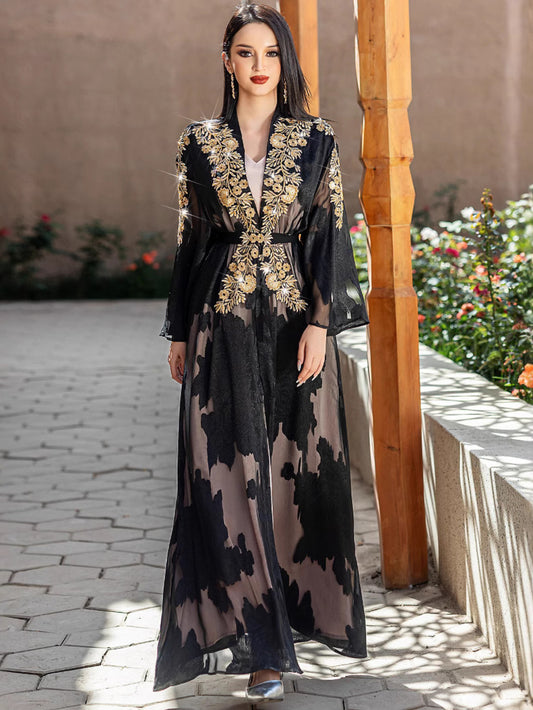
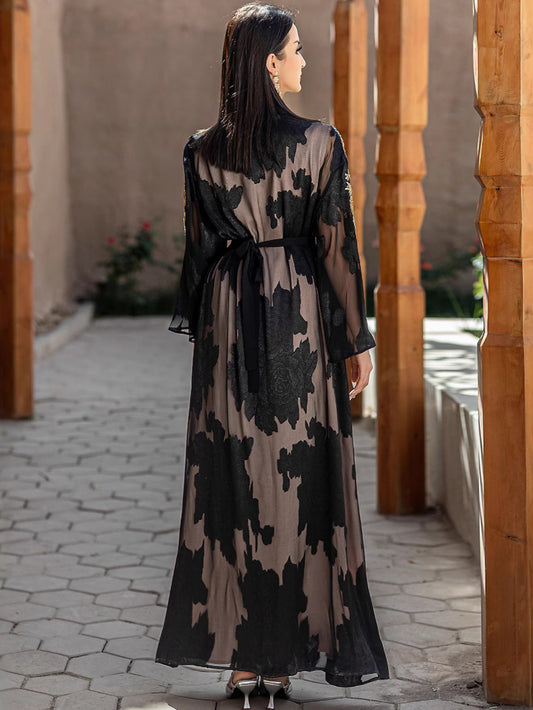
Two-Piece Black and Golden Embroidered Abaya with Belt - Elegant Long Sleeve, Flowing Ethnic Style, Non-Stretch Fabric, Perfect for Spring/Summer, Cultural Attire|Elegant Abaya|Satin Finish
Regular price $213.50 USDRegular priceUnit price per$0.00 USDSale price $213.50 USD -
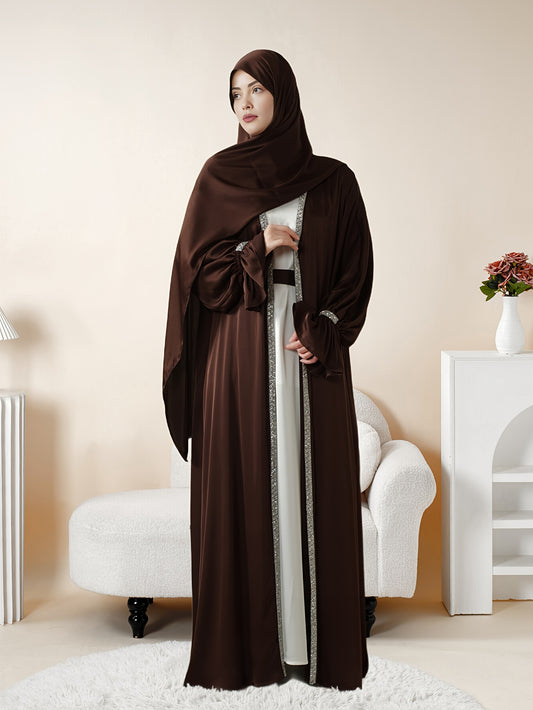
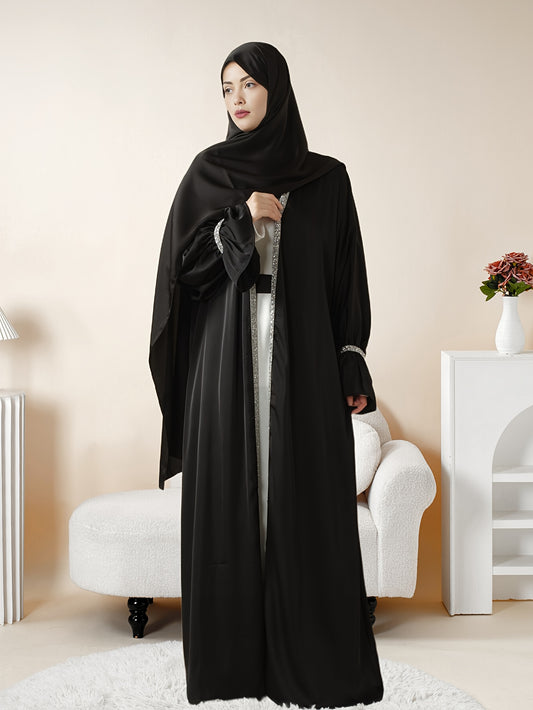
4pcs Set: Poet Sleeve Satin Abaya Eid al-Adha Abaya Muslim Women's Ramadan, Eid al-Fitr, Eid al-Adha, Mawlid, Prayer dress gown robe outfit long robe outfit comfortable soft breathable
Regular price From $233.47 USDRegular priceUnit price per$0.00 USDSale price From $233.47 USD -


4pcs Satin Diamond Tassel Emirati Abaya Set Eid Al Adha, Abaya Muslim Women's Ramadan Iftar Eid Al Adha Iftar Holy Commemoration Prayer Garment Long Robe Gown Global Spring Summer
Regular price From $219.94 USDRegular priceUnit price per$0.00 USDSale price From $219.94 USD -
![[Satin Modesty Dress] Free Size Satin One Piece Modesty Abaya Burkha - Jilbab Niqab Attached](//www.fabulive.com/cdn/shop/files/a6ee7356-2c62-4dce-873f-a8efe58f8fb1.jpg?v=1755027061&width=533)
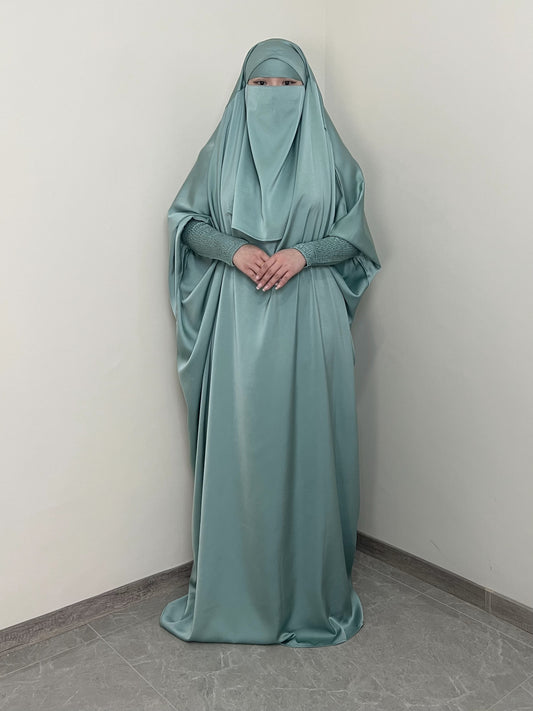
[Satin Modesty Dress] Free Size Satin One Piece Modesty Abaya Burkha - Jilbab Niqab Attached
Regular price From $177.98 USDRegular priceUnit price per$0.00 USDSale price From $177.98 USD -

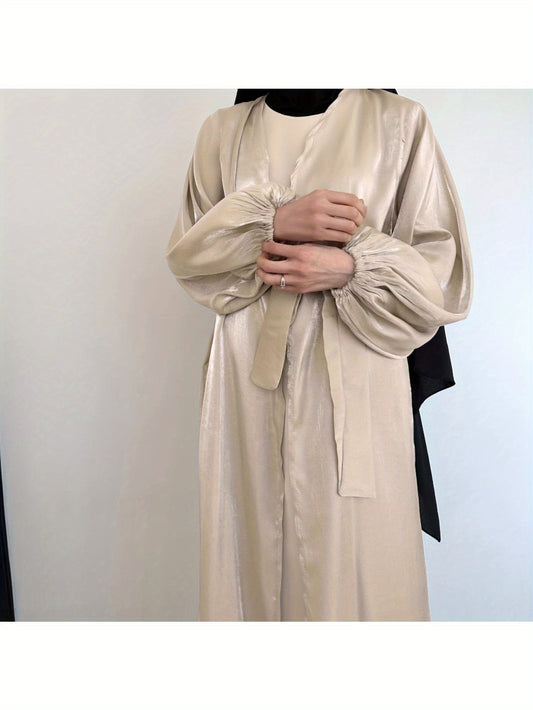
Plus Size, Middle Eastern Modest Muslim Fashionable Bright Silky Satin Solid Color Belt Bat Sleeve Arabic Abaya European and American Large Size Women's Clothing
Regular price $169.22 USDRegular priceUnit price per$0.00 USDSale price $169.22 USD -
![[Silky Soft] Women's Satin Robe | Silky Soft | Wedding, Bridal Party | Fun, Flared Long Sleeves | Kimono Abaya](//www.fabulive.com/cdn/shop/files/f4439449-ca06-46c0-9c35-8245376e82a6.jpg?v=1754997062&width=533)
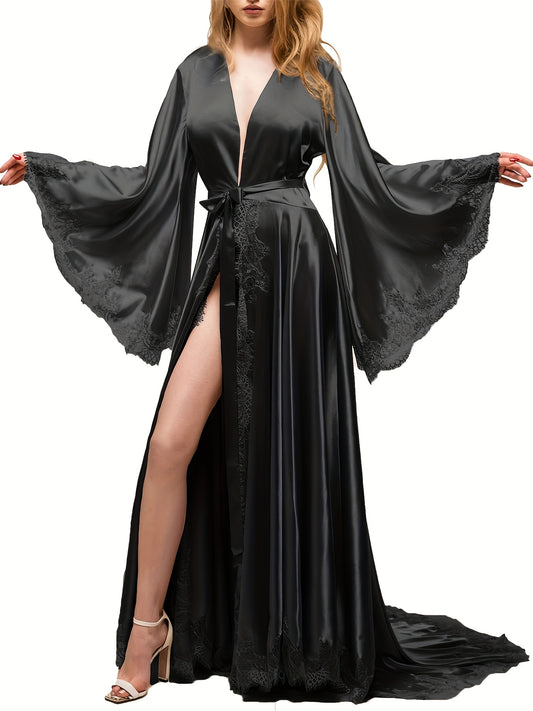
[Silky Soft] Women's Satin Robe | Silky Soft | Wedding, Bridal Party | Fun, Flared Long Sleeves | Kimono Abaya
Regular price From $218.17 USDRegular priceUnit price per$0.00 USDSale price From $218.17 USD -
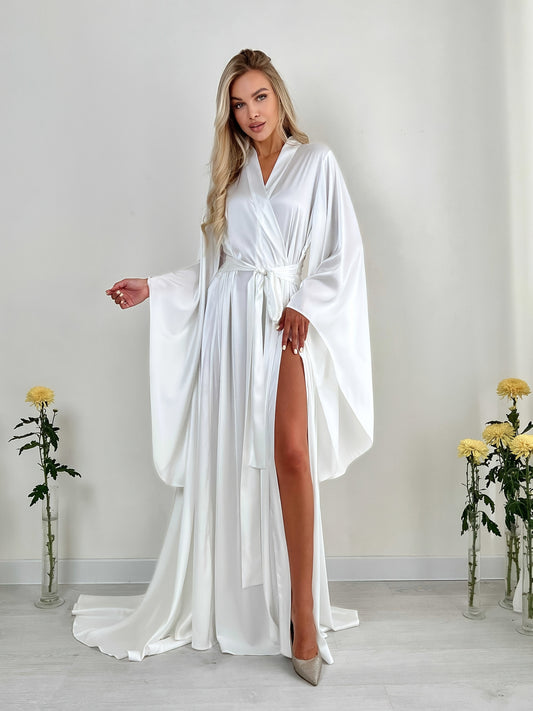
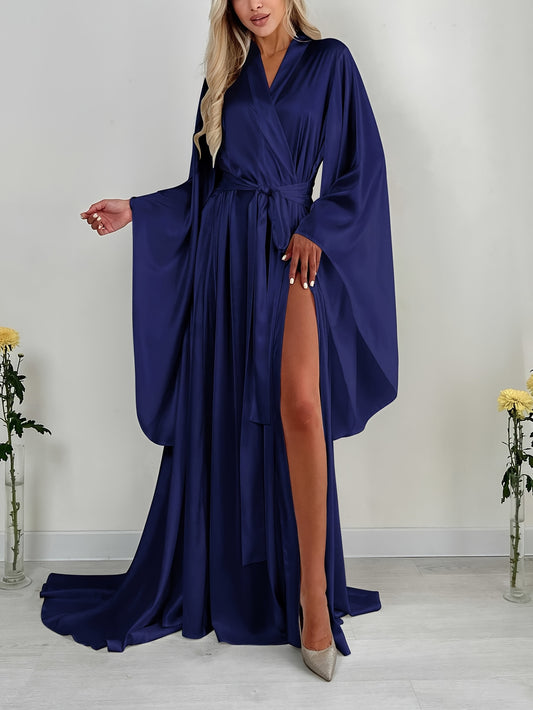
Ladies Satin Gown Silk Lace Bridal Kimono Abaya Nightgown Bridesmaid Gown Wedding Party Nightgown
Regular price $207.75 USDRegular priceUnit price per$0.00 USDSale price $207.75 USD -

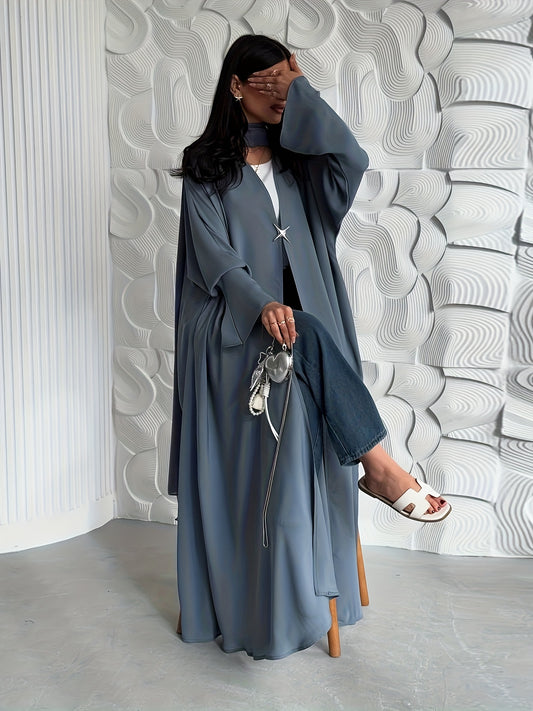
1pc Women's Muslim Fashion Drape Satin Open Cardigan, Casual Fine Fabric, Elegant Craftsmanship, Sophisticated Texture, Stylish and Generous Long Abaya Robe
Regular price $178.69 USDRegular priceUnit price per$0.00 USDSale price $178.69 USD -

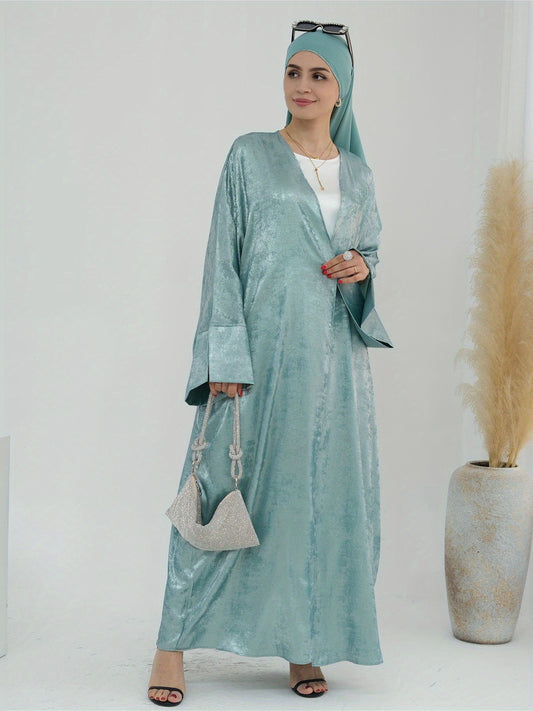
Women's Elegant Lightweight Shimmering Imitation Satin Open Abaya - Gradient Color Loose Fit Batwing Sleeves, No Belt Needed, Machine Washable for Ramadan & All Seasons, Modest Apparel
Regular price $190.88 USDRegular priceUnit price per$0.00 USDSale price $190.88 USD -

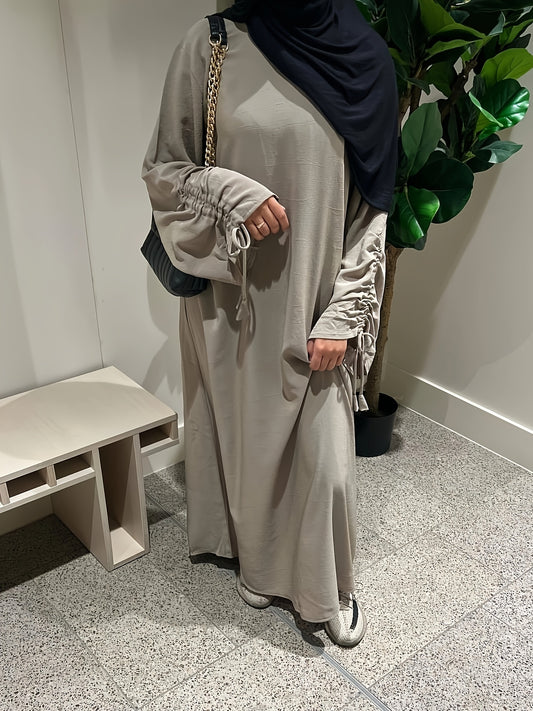
1 Luxury Satin Modest Jibab Abaya Set for Women, 4pcs Muslim Female Ramadan Prayer Dress, Long Robe, Elegant Open Breathable Abaya, Top, Pants and Matching Headscarf, Middle Eastern Arabic Malaysia Islamic Women, Eid al-Adha Gift R
Regular price From $192.82 USDRegular priceUnit price per$0.00 USDSale price From $192.82 USD


![[Satin Modesty Dress] Free Size Satin One Piece Modesty Abaya Burkha - Jilbab Niqab Attached](http://www.fabulive.com/cdn/shop/files/a6ee7356-2c62-4dce-873f-a8efe58f8fb1.jpg?v=1755027061&width=533)

![[Silky Soft] Women's Satin Robe | Silky Soft | Wedding, Bridal Party | Fun, Flared Long Sleeves | Kimono Abaya](http://www.fabulive.com/cdn/shop/files/f4439449-ca06-46c0-9c35-8245376e82a6.jpg?v=1754997062&width=533)


About Satin Abaya
The Elegance And Legacy Of Satin Abayas
Introduction To Satin Abayas
The abaya, a garment deeply rooted in cultural heritage, has long been a symbol of modesty, dignity, and grace. Over the centuries, it has evolved from a traditional cloak into an iconic fashion statement that transcends borders. Among the many variations of this timeless attire, the satin abaya has emerged as a pinnacle of luxury, elegance, and modern sophistication. Satin, with its fluid drape and luminous sheen, transforms the abaya into an ensemble that embodies both tradition and contemporary refinement. Today, satin abayas stand at the intersection of cultural significance and international fashion, reflecting how heritage can evolve while retaining its authenticity.
A Brief History Of The Abaya
Historically, the abaya originated as a modest covering, worn primarily across the Arabian Peninsula. Early versions were crafted in heavier fabrics to shield wearers from the desert’s harsh climate. Over time, the garment evolved into a cultural marker of identity, modesty, and dignity. The 20th century saw the abaya transition from a purely functional cloak to a versatile fashion garment. Designers began experimenting with fabrics, cuts, and embellishments, paving the way for the introduction of satin. Satin’s smooth texture and radiant glow elevated the abaya beyond practicality into the realm of luxury.
Why Satin? The Material That Defines Modern Luxury
Satin is a fabric synonymous with refinement. Unlike matte fabrics, satin’s hallmark is its distinctive sheen, achieved through its specialized weaving technique. The interplay of light and shadow on satin produces a visual richness that exudes elegance. Beyond aesthetics, satin drapes effortlessly, offering a fluid silhouette that flatters all body types. Its cooling touch makes it comfortable in warm climates, while its structure ensures it holds its shape in formal settings. By incorporating satin into abaya design, artisans and designers created garments that retain modesty while radiating sophistication.
Design Evolution Of Satin Abayas
The design journey of satin abayas reflects the fusion of cultural traditions with modern sensibilities. Earlier designs leaned toward simplicity, featuring plain satin fabrics in dark hues such as black, navy, or emerald. Over time, designers introduced intricate embroidery, embellishments with beads and sequins, and contrasts with lace or chiffon. Contemporary satin abayas now encompass a wide spectrum—from minimalist monochrome pieces for understated elegance to richly adorned couture abayas suitable for weddings and high-profile gatherings. The design versatility makes satin abayas equally relevant for everyday wear and special occasions.
The Role Of Craftsmanship
The true beauty of a satin abaya lies in its craftsmanship. Satin as a fabric requires precision, as its glossy surface highlights even the smallest imperfections. Seamstresses and designers skilled in handling satin ensure that each stitch complements the fabric’s natural flow. Tailoring is equally critical; the cut must balance modest coverage with flattering drape, creating silhouettes that celebrate elegance without compromising cultural values. In luxury satin abayas, craftsmanship extends beyond construction to hand-applied embellishments, careful lining, and finishing that distinguish artisanal quality from mass production.
Functionality Beyond Aesthetic Appeal
While satin abayas are celebrated for their beauty, they also fulfill practical needs. The lightweight nature of satin makes it suitable for layering, accommodating diverse climates and seasons. For formal events, satin’s natural sheen eliminates the need for excessive adornment, making it a versatile yet statement-making garment. Its smooth texture reduces creasing, ensuring wearers look polished throughout the day. Modern satin abayas also integrate functional elements such as discreet pockets, breathable linings, and adjustable cuts, enhancing comfort without detracting from style.
Cultural Relevance Of Satin Abayas
The abaya is more than attire—it is a cultural emblem. By reimagining the abaya in satin, designers celebrate heritage while making it accessible to global fashion markets. Satin abayas appeal to women who value modest fashion but also appreciate luxury aesthetics. They symbolize the evolution of modest wear, showing how tradition adapts to modern lifestyles without losing its essence. In cosmopolitan cities such as Dubai, Doha, or Riyadh, satin abayas reflect the harmony between heritage and contemporary living, embodying dignity, sophistication, and pride.
Satin Abayas In Global Fashion
The rise of modest fashion on global runways has spotlighted the satin abaya as a garment of international relevance. Luxury houses and independent designers alike have showcased abayas as couture pieces, often highlighting satin for its ability to transition seamlessly from cultural wear to high-fashion statement. Western audiences increasingly recognize the abaya not only as modest attire but also as an elegant garment suitable for diverse occasions. Satin, with its universal appeal, has facilitated this crossover, transforming the abaya into a garment appreciated across cultures.
Styling Satin Abayas For Modern Lifestyles
The versatility of satin abayas allows them to be styled across a spectrum of occasions. For formal events, richly embellished satin abayas paired with statement jewelry exude grandeur. Minimalist satin abayas in neutral shades can serve as professional attire, offering polished sophistication for corporate settings. For casual wear, pastel satin abayas styled with simple accessories strike a balance between modesty and comfort. Layering with scarves, belts, or contrasting textures adds dimension, allowing each wearer to personalize her look. Satin abayas therefore embody the essence of luxury fashion: versatile, personal, and timeless.
The Emotional Resonance Of Satin Abayas
Clothing often carries emotional significance, and satin abayas are no exception. Their sheen and texture create a sense of empowerment, allowing wearers to embody confidence and elegance. For many women, wearing a satin abaya during life’s milestones—graduations, weddings, religious celebrations—imprints memories within the garment itself. The fabric’s timeless beauty ensures these garments transcend trends, becoming keepsakes that carry sentimental value as much as aesthetic appeal.
Fabulive’s Curated Satin Abaya Collection
Fabulive has positioned itself as a destination for refined, contemporary modest wear, and its satin abaya collection exemplifies this vision. Each piece is carefully curated to balance heritage with modern taste, ensuring clients have access to garments that are not only beautiful but also versatile. By offering designs that range from minimalist elegance to embellished grandeur, Fabulive caters to diverse preferences and occasions. The brand’s attention to detail, commitment to quality, and embrace of sustainability distinguish its satin abayas as both fashionable and enduring.
Conclusion To Part-1
The satin abaya represents the perfect convergence of history, culture, and luxury. Its roots are deeply traditional, yet its evolution reflects the dynamism of global fashion. With its luminous sheen, refined craftsmanship, and versatility, the satin abaya stands as a symbol of elegance for modern women worldwide. Fabulive’s curated collection embodies this journey, offering pieces that honor modesty while celebrating sophistication. Part-2 will explore in greater depth the materials, tailoring techniques, and the craftsmanship that elevate satin abayas to timeless luxury.
Understanding The Essence Of Satin
Satin is not a fiber but a weave technique, renowned for producing fabrics with a signature luster. Its smooth surface reflects light beautifully, creating the glossy sheen that defines satin garments. Traditionally woven from silk, modern satin can also be crafted from polyester, acetate, or blends of silk and synthetic fibers. Each variant offers unique qualities: silk satin provides unmatched softness and breathability, while polyester satin offers durability and affordability. For luxury abayas, silk and silk blends remain the most sought-after due to their refined drape and elegant finish. Satin’s versatility allows designers to create garments that balance comfort, modesty, and opulence seamlessly.
Why Satin Elevates The Abaya
The choice of satin in abaya design is deliberate. Unlike matte fabrics such as crepe or linen, satin exudes glamour without the need for excessive embellishment. Its sheen enhances minimal designs, ensuring that even a plain satin abaya radiates refinement. Furthermore, satin adapts fluidly to movement, capturing light in ways that add dimension and allure. This makes it particularly suited for garments that celebrate modesty yet seek to express individuality and elegance. By pairing modest silhouettes with satin’s richness, the abaya achieves a balance between cultural authenticity and fashion-forward appeal.
The Role Of Tailoring In Satin Abayas
Tailoring is central to the success of a satin abaya. Satin is a challenging fabric to work with due to its slippery texture, which magnifies imperfections. Precision cutting and expert stitching are essential to ensure seams remain invisible and the fabric flows gracefully. Designers specializing in satin abayas invest significant attention in draping techniques, ensuring the garment flatters diverse body shapes without compromising modesty. Details such as concealed zippers, secure linings, and carefully finished hems are subtle yet critical markers of quality. True craftsmanship is evident when the abaya retains its structure while appearing effortlessly fluid.
Handcrafted Embellishments On Satin
Satin’s glossy base provides the perfect canvas for embellishments. Hand embroidery, beadwork, and sequins stand out dramatically against its sheen, creating garments that are both luxurious and artistic. Designers often incorporate delicate lace appliqués, crystal motifs, or metallic threads to enhance satin abayas for formal occasions. These embellishments are applied with painstaking care, ensuring they complement rather than overwhelm the fabric’s natural beauty. A well-crafted embellished satin abaya captures light not just through fabric but through intricate artistry, making it suitable for weddings, Eid celebrations, and cultural ceremonies.
Minimalist Satin Abayas: The Power Of Simplicity
Not all satin abayas rely on embellishment. Minimalist designs, featuring clean lines and monochrome palettes, highlight the fabric’s beauty without adornment. These abayas exude quiet sophistication, appealing to women who value elegance in simplicity. Neutral shades—ivory, beige, black, or soft pastels—allow satin’s sheen to take center stage. Such pieces are versatile, easily transitioning from daytime professionalism to evening elegance with a change of accessories. The minimalist satin abaya exemplifies how restraint in design can achieve timeless luxury.
Color Palettes That Define Satin Abayas
Color plays a transformative role in satin abayas. Traditional black satin remains a staple, embodying dignity and timeless appeal. Jewel tones such as emerald, sapphire, and ruby lend regal depth, particularly for evening wear. Pastel hues—blush, lavender, mint—offer softness and femininity, ideal for daytime elegance. Metallic shades of gold, silver, or bronze create dramatic statement pieces for celebratory occasions. Designers often experiment with ombré effects, combining multiple tones for visual intrigue. The reflective quality of satin amplifies color intensity, ensuring satin abayas stand out regardless of shade.
Functionality Meets Luxury
Satin abayas are not purely ornamental—they serve practical functions. Their smooth surface minimizes static, allowing them to glide comfortably over inner layers. Satin resists pilling, ensuring garments remain polished over time. Lightweight yet structured, satin abayas are suitable for layering across climates. Designers often incorporate hidden features such as discreet side pockets or breathable linings, enhancing convenience. This combination of practicality and elegance ensures satin abayas meet the needs of modern lifestyles without sacrificing sophistication.
Cultural Adaptations Of Satin Abayas
While rooted in Middle Eastern traditions, satin abayas have adapted across cultures. In South Asia, designers merge abayas with kaftan-inspired cuts, blending regional silhouettes. In Europe, satin abayas often feature contemporary tailoring, aligning with global modest fashion movements. These cultural adaptations highlight the universality of satin’s appeal. Regardless of region, the satin abaya remains a garment that celebrates modesty while adapting to contemporary design languages. It bridges heritage and cosmopolitanism, making it relevant for women worldwide.
The Intersection Of Tradition And Innovation
Luxury abayas today represent an intersection of time-honored tradition and modern innovation. While the abaya retains its symbolic essence of modesty, satin has allowed it to enter couture fashion. Advances in fabric technology have introduced stain-resistant finishes, wrinkle-resistant weaves, and eco-conscious satin alternatives. These innovations ensure satin abayas remain practical while pushing the boundaries of design. The combination of artisanal handcraft and technological advancement embodies the future of luxury modest wear.
Satin Abayas For Special Occasions
Few garments rival the elegance of a satin abaya at special events. For weddings, a richly embellished satin abaya functions as both ceremonial attire and couture statement. During Ramadan or Eid, satin abayas strike a balance between modesty and festivity, allowing wearers to celebrate with grace. In corporate galas, minimalist satin abayas convey authority and refinement. Their adaptability across occasions underscores their status as wardrobe investments rather than fleeting trends.
Fabulive’s Craftsmanship Standard
Fabulive approaches satin abayas with a curatorial philosophy, emphasizing craftsmanship, quality, and versatility. Each satin abaya is selected to reflect artistry while meeting practical needs. The brand’s dedication to detail—whether in precise tailoring, innovative design, or ethical sourcing—positions its satin abayas as more than garments. They are experiences, embodying the values of heritage, luxury, and modern sophistication. Clients purchasing from Fabulive acquire not just clothing, but confidence and cultural pride.
The Symbolism Of Satin In Modest Wear
Satin represents more than fabric—it symbolizes elegance, prosperity, and celebration. When used in abayas, it enhances the garment’s cultural symbolism. A satin abaya signals reverence for tradition while embracing modern luxury. It acknowledges modesty while highlighting beauty. For many women, satin abayas embody empowerment, allowing them to express individuality within the framework of cultural dignity. In this way, satin has become more than a design choice; it is a statement of identity.
The Growing Demand For Satin Abayas
The rise of the modest fashion industry, now a multibillion-dollar sector, has driven demand for satin abayas globally. Women seek garments that align with their values while offering style parity with mainstream luxury fashion. Satin abayas satisfy this demand, combining modesty with couture aesthetics. Their presence on runways, social media, and global boutiques reflects their enduring popularity. As modest fashion gains recognition, satin abayas stand at its forefront, embodying the balance of tradition and innovation.
Conclusion To Part-2
Materials and craftsmanship define the essence of satin abayas. Satin’s luminous sheen, expert tailoring, and embellishment possibilities elevate the abaya into a garment of timeless luxury. Its functionality, adaptability, and cultural symbolism ensure it remains relevant across generations and geographies. Fabulive’s satin abaya collection embodies these qualities, offering garments that balance heritage with innovation. Part-3 will explore styling strategies, fashion symbolism, and the transformative role satin abayas play in modern wardrobes.
The Art Of Styling Satin Abayas
Satin abayas lend themselves to styling versatility unlike many other garments. Their natural sheen creates a canvas that requires minimal effort to look elegant yet allows endless opportunities for personalization. Styling choices—whether through accessories, layering, or footwear—determine how the abaya transitions from day to night, from understated minimalism to celebratory grandeur. For women navigating modern lifestyles, satin abayas are a wardrobe solution that balances modesty, individuality, and sophistication.
Styling For Everyday Elegance
For daily wear, minimalist satin abayas in neutral tones such as beige, ivory, or black offer a refined yet effortless aesthetic. Paired with structured handbags, delicate scarves, and simple flats, these abayas embody professionalism and subtle charm. Lightweight satin provides comfort for long days, while the sheen ensures that even workwear retains sophistication. A belt can be added for structured tailoring, while delicate jewelry introduces a personal touch without overwhelming the garment. Everyday satin abayas prove that modest fashion does not require compromise on elegance.
Styling For Formal Occasions
Formal settings allow satin abayas to reach their full expressive potential. Jewel-toned satin abayas adorned with intricate beadwork or embroidery can rival evening gowns in elegance. Styled with statement heels, chandelier earrings, and jeweled clutches, they transition seamlessly into black-tie events. The reflective quality of satin amplifies the brilliance of embellishments, making such abayas centerpieces of formal attire. They embody luxury while preserving modesty, proving that couture fashion and cultural dignity can coexist harmoniously.
Bridal And Wedding Satin Abayas
Weddings have redefined the satin abaya’s role as couture bridal wear. Brides seeking modest yet opulent attire often choose satin abayas enhanced with crystals, lace overlays, or golden embroidery. The luminous quality of satin complements bridal radiance, ensuring photographs capture both tradition and glamour. Beyond the bride, bridesmaids and guests often opt for satin abayas in pastel hues, creating cohesive elegance across the wedding ensemble. In such contexts, the satin abaya transforms from garment to ceremonial attire, immortalized in life’s most significant milestones.
Satin Abayas In Professional Environments
Professional environments increasingly welcome satin abayas as symbols of empowerment and refinement. Monochrome satin abayas with clean cuts project authority while maintaining modesty. When paired with structured heels, minimalist handbags, and understated jewelry, they communicate competence and confidence. The ability to transition from office to evening engagements adds practicality, making them favored by women who balance dynamic professional and personal lives. Satin abayas in corporate wardrobes embody the modern ideal: modest yet commanding, luxurious yet approachable.
The Symbolism Of Satin In Fashion
Satin carries symbolism that extends beyond its material qualities. Historically, it has been associated with prosperity, dignity, and celebration. Its luminous surface reflects the wearer’s presence, elevating modest attire into statements of empowerment. When applied to abayas, satin amplifies the garment’s cultural role. It conveys reverence for tradition while acknowledging the importance of individuality. For many women, choosing a satin abaya signifies alignment with values of modesty, pride, and contemporary elegance. It becomes more than clothing—it is identity expressed through fabric.
Cultural Identity And Modern Adaptations
Satin abayas reflect the dynamic identities of modern women who navigate between heritage and global fashion trends. In Middle Eastern contexts, they affirm cultural continuity, preserving traditions across generations. In Western or cosmopolitan cities, satin abayas represent cultural pride, allowing women to express heritage confidently within global fashion landscapes. Designers adapt styles—introducing open-front abayas, kimono-inspired cuts, or layered ensembles—that make satin abayas versatile across cultures. These adaptations symbolize not dilution but expansion of cultural relevance, proving that the abaya is a garment of universality.
The Role Of Color Psychology
Color selection in satin abayas is more than aesthetic; it shapes mood and symbolism. Black satin embodies timeless dignity, a color of tradition and elegance. White and ivory convey purity and serenity, often chosen for bridal wear. Jewel tones such as emerald and ruby exude power and confidence, ideal for celebratory or professional contexts. Pastels such as lavender or mint express softness and approachability. Metallic tones—gold, silver, bronze—signal opulence, making them perfect for evening wear. Through color, satin abayas allow women to express emotional states while remaining within modest frameworks.
Layering And Contemporary Styling Trends
Layering is a trend that has brought new dimensions to satin abayas. Open-front satin abayas layered over tailored dresses or wide-leg trousers create fashion-forward silhouettes. Contrasts of satin with matte fabrics—crepe, linen, or wool—introduce textural depth, elevating ensembles into high-fashion territory. Belts, sashes, or brooches personalize the silhouette, enabling wearers to balance modest coverage with tailored structure. Layering also enhances practicality, allowing satin abayas to adapt to seasonal transitions seamlessly. These modern styling techniques affirm the abaya’s versatility within evolving global fashion.
Accessorizing Satin Abayas
Accessories play a pivotal role in transforming satin abayas. A statement necklace or chandelier earrings elevate an abaya into evening wear, while minimalist studs or pearls maintain daytime refinement. Structured handbags complement satin’s sheen with contrasting texture, while embellished clutches harmonize with formal abayas. Scarves, whether silk, chiffon, or organza, enhance modesty while introducing visual variety. Footwear, too, defines the ensemble—flats for casual wear, heels for formal occasions, and boots for contemporary urban styling. Through thoughtful accessorizing, each satin abaya becomes a reflection of personal taste.
Satin Abayas As Wardrobe Investments
Unlike fast-fashion garments, satin abayas function as long-term wardrobe investments. Their timeless elegance ensures they transcend fleeting trends, remaining relevant for years. The durability of quality satin, combined with versatile styling, makes them adaptable to shifting fashion contexts. With proper care, a satin abaya can retain its sheen and structure, making it suitable for multiple occasions across time. For women curating sustainable wardrobes, satin abayas align with the principle of investing in fewer, higher-quality garments that serve diverse purposes.
Emotional Resonance And Personal Milestones
Satin abayas often mark life’s milestones. Women remember the abaya worn on graduation day, the satin gown chosen for an engagement celebration, or the elegant piece that became their go-to for Ramadan evenings. These garments acquire emotional weight, becoming associated with achievements, celebrations, and cultural pride. As they are preserved over time, satin abayas evolve into heirlooms, carrying memories into future generations. They represent continuity—of family, of heritage, of personal growth.
Fabulive’s Vision For Styling Possibilities
Fabulive curates satin abayas with the understanding that no two women style them alike. By offering collections that range from understated minimalism to lavish couture, the brand empowers women to personalize their abayas across occasions. Fabulive emphasizes adaptability, ensuring that each satin abaya can transition fluidly between daily life, professional environments, and celebratory milestones. This vision reflects not just fashion curation but a philosophy of empowering individuality within modesty.
The Transformative Role Of Satin Abayas
Perhaps the greatest power of satin abayas lies in their transformative quality. They can redefine the atmosphere of a space, commanding attention through understated elegance. They transform how women perceive themselves, instilling confidence through modest yet luxurious attire. They transform cultural perceptions, presenting modest wear as a vital part of global fashion. The satin abaya is not static; it is a garment that evolves with the wearer, adapting to contexts, emotions, and life stages. In this sense, satin abayas embody luxury that is both personal and universal.
Conclusion To Part-3
Styling choices, cultural symbolism, and emotional resonance elevate satin abayas beyond clothing into experiences. Their adaptability across occasions, cultures, and personal milestones proves their status as transformative garments. Through satin, the abaya bridges tradition and modernity, modesty and empowerment, individuality and universality. Fabulive’s satin abaya collection captures this balance, offering garments that allow women to express who they are with elegance and pride. Part-4 will conclude with guidance on maintenance, sustainability, long-term value, FAQs, and customer reviews to complete this exploration.
The Importance Of Maintenance
Luxury garments demand care, and satin abayas are no exception. Their glossy finish and fluid drape make them visually striking but also sensitive to improper handling. Maintenance is the key to ensuring these garments retain their elegance over years of wear. With attentive care, a satin abaya becomes more than an outfit; it becomes a long-lasting symbol of refinement and heritage.
Everyday Care Practices
Satin requires gentle handling. After each wear, satin abayas should be aired out to release moisture and prevent odors. Using padded hangers helps preserve the garment’s shape while preventing shoulder dents. Satin should never be exposed to direct sunlight for prolonged periods, as this can cause fading. Gentle steaming restores its sheen and removes creases, while harsh ironing risks damaging fibers. Small routines such as these maintain the abaya’s polished appearance and extend its lifespan.
Cleaning Guidelines For Satin Abayas
Professional dry cleaning is the safest method for satin abayas, especially those with embellishments. However, many modern satin blends can be hand-washed in cool water with mild detergent. Abayas should never be wrung or twisted; instead, they should be laid flat on clean towels to dry naturally. Stains should be treated immediately with gentle blotting—never rubbing, which distorts fibers. By adhering to proper cleaning practices, owners preserve both the fabric’s integrity and its luminous appeal.
Storage And Preservation
Storage plays a pivotal role in satin abaya care. Breathable garment bags protect abayas from dust and moths while allowing airflow. Acid-free tissue paper inserted between folds prevents creases and maintains structure. Cedar blocks or lavender sachets deter pests without introducing harsh chemicals. For heirloom satin abayas, climate-controlled storage ensures protection against humidity and temperature fluctuations. Proper storage transforms a garment into a legacy piece, ready to be worn or handed down across generations.
Sustainability And Ethical Fashion
Luxury in the 21st century is inseparable from responsibility. Satin abayas now embody not just elegance but also sustainability. Ethical fashion practices ensure that fabrics are sourced responsibly, artisans are paid fairly, and production minimizes environmental harm. Organic silk satin, plant-based dyes, and recycled fibers reflect the growing alignment between luxury and eco-consciousness. Ethical ateliers prioritize safe working conditions and artisanal preservation, ensuring that the people behind each abaya are treated with dignity. Fabulive’s commitment to sustainability reflects this shift, curating satin abayas that honor both heritage and the planet.
Eco-Conscious Materials In Satin Abayas
Modern innovations have introduced eco-friendly satin alternatives. Bamboo satin, for example, offers natural luster with a reduced environmental footprint. Recycled polyester satin repurposes waste materials while delivering durability and sheen. Organic silk, cultivated without pesticides, aligns with sustainable farming practices. These materials ensure that satin abayas meet the highest luxury standards while contributing positively to environmental responsibility. By choosing eco-conscious satin, wearers participate in shaping a future where fashion and sustainability coexist harmoniously.
The Emotional Value Of Responsible Fashion
Owning an ethically sourced satin abaya carries emotional resonance beyond aesthetics. Wearers take pride not only in elegance but also in knowing their garment reflects fairness and sustainability. This pride deepens the bond between wearer and garment, reinforcing the idea that luxury is not just about beauty but also about responsibility. Responsible ownership enhances emotional value, making satin abayas symbols of both refinement and conscious living.
Satin Abayas As Long-Term Investments
Unlike fast-fashion garments, satin abayas are designed for longevity. Their timeless appeal ensures they remain stylish across seasons and trends. With proper care, a satin abaya retains its drape and sheen for years, making it a reliable wardrobe investment. Special occasion pieces, particularly those with intricate embellishments, often appreciate in value as they become rarer over time. Beyond financial worth, their emotional and cultural significance cements them as indispensable investments in heritage and identity.
Heirloom Potential Of Satin Abayas
Satin abayas often become heirlooms, passed down as symbols of cultural pride and familial continuity. A mother’s satin abaya worn during Eid, a grandmother’s abaya chosen for a wedding, or a cherished garment marking personal milestones all carry stories that transcend generations. These heirlooms embody shared experiences and traditions, allowing descendants to inherit not just fabric but memory. Proper care ensures that satin abayas maintain their beauty long enough to become treasures for future generations.
The Role Of Satin Abayas In Global Luxury Markets
Globally, satin abayas are increasingly recognized as couture garments. Their presence on runways, in boutiques, and across international fashion weeks affirms their status within luxury markets. Designers worldwide embrace the abaya’s modest silhouette, reimagining it with satin to appeal to diverse audiences. Satin abayas are now featured in global magazines, celebrity wardrobes, and luxury exhibitions. This recognition elevates them from cultural attire to universal fashion statements. Fabulive’s curated collections contribute to this global dialogue, blending heritage with international sophistication.
Frequently Asked Questions (FAQs)
What Makes Satin Abayas Different From Crepe Or Chiffon Abayas?
Satin abayas are distinguished by their luminous sheen and fluid drape, offering a luxurious finish. Crepe abayas provide a matte texture, while chiffon abayas are lightweight and airy. Satin balances elegance with formality, making it suitable for both daily and ceremonial wear.
Are Satin Abayas Comfortable In Warm Climates?
Yes. Satin’s smooth surface remains cool against the skin, making it comfortable in warm climates. Many satin abayas also feature breathable linings, enhancing comfort for extended wear.
Can Satin Abayas Be Worn Casually?
Absolutely. Minimalist satin abayas in neutral tones can be styled with flats and simple accessories for casual outings. Their elegance ensures they remain versatile enough for both everyday and formal occasions.
How Do I Prevent Wrinkles In Satin Abayas?
Satin naturally resists deep creasing, but minor wrinkles can be removed with gentle steaming. Avoid high heat, which can damage fibers, and always hang satin abayas on padded hangers for best results.
Are Satin Abayas Sustainable?
When sourced responsibly, satin abayas can be highly sustainable. Eco-friendly satin materials, natural dyes, and ethical production practices ensure they meet modern sustainability standards. Choosing from brands like Fabulive ensures alignment with these values.
Customer Reviews
-
Aisha K., UAE
“My Fabulive satin abaya is the most elegant piece in my wardrobe. The drape, the sheen, and the craftsmanship are unmatched. I wore it at a family celebration, and everyone asked where I had purchased it. A timeless investment I will treasure.” ⭐⭐⭐⭐⭐ -
Nora L., France
“I was hesitant about buying a satin abaya online, but Fabulive exceeded my expectations. The tailoring is flawless, and the fabric feels luxurious yet comfortable. I styled it for work and then for an evening dinner—it transitions perfectly.” ⭐⭐⭐⭐ -
Hannah P., UK
“The satin abaya I purchased is an heirloom in the making. Its subtle embroidery glimmers under soft light, and the quality of stitching is impeccable. It feels like wearing history and modernity at once. Worth every penny.” ⭐⭐⭐⭐⭐ -
Layla S., Canada
“As someone who values sustainability, I was delighted to find satin abayas crafted with eco-conscious materials. Knowing that Fabulive prioritizes ethics makes me proud of my purchase. The garment itself is absolutely stunning.” ⭐⭐⭐⭐ -
Mariam D., Australia
“This was my first satin abaya, and I am amazed at how versatile it is. I wore it to a wedding with statement jewelry, then styled it casually with flats for brunch. It truly adapts to every occasion. Fabulive’s attention to detail is remarkable.” ⭐⭐⭐⭐⭐