
-

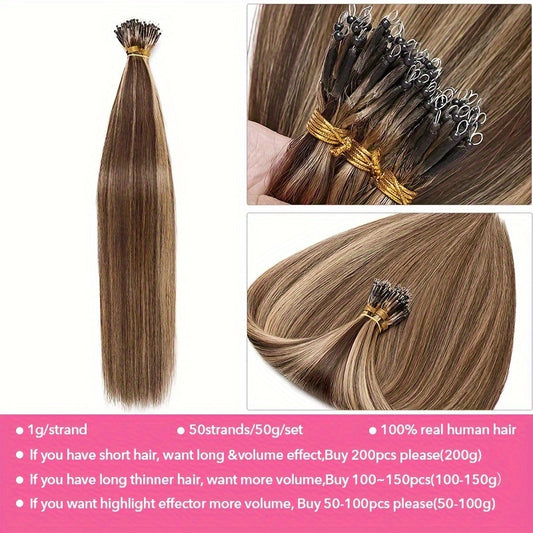
50pcs/Pack Nano Rings Micro Links Human Hair Extensions
Regular price $229.00 USDSale price $229.00 USDUnit price per -

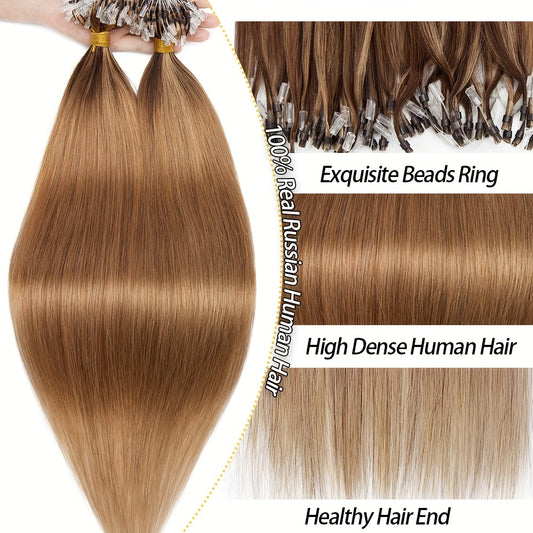
50G/Pack THICK Micro Ring Loop 100% Human Hair Extensions
Regular price $179.00 USDSale price $179.00 USDUnit price per -

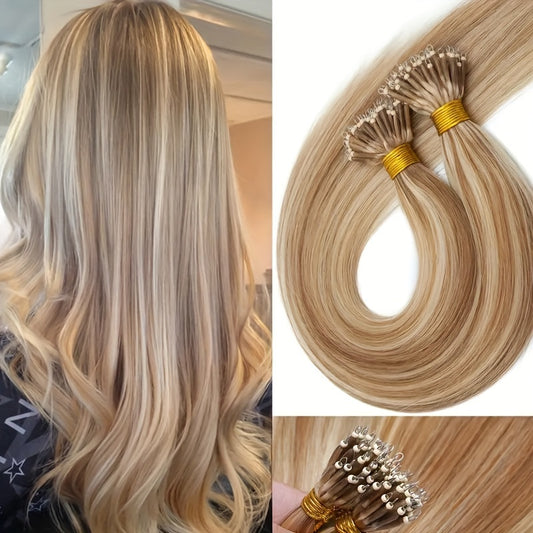
50g/50s Real Human Hair Nano Tip Hair Extensions
Regular price $179.00 USDSale price $179.00 USDUnit price per -

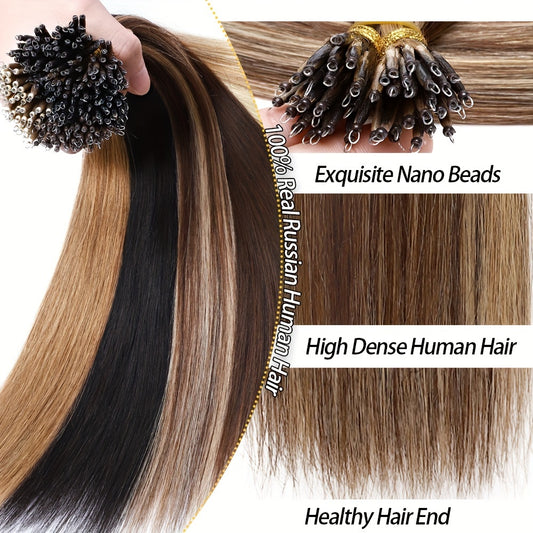
16-24 Inch Nano Ring Hair Extensions Human Hair Highlight Nano Link Hair Extensions
Regular price $249.00 USDSale price $249.00 USDUnit price per -

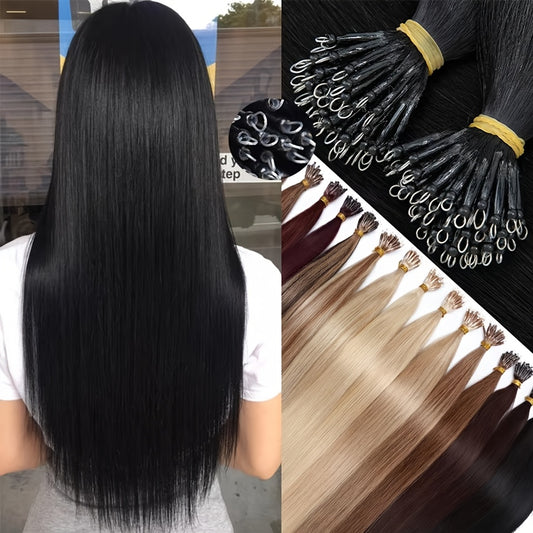
50 Strands Nano Rings Micro Links Human Hair Extensions
Regular price $239.00 USDSale price $239.00 USDUnit price per -

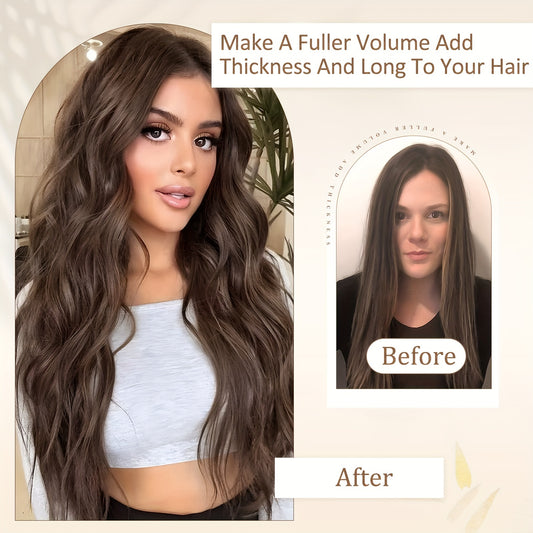
14-24 Inch 100% Remy Human Hair Extension Pre-bonded Micro Nano Rings
Regular price $239.00 USDSale price $239.00 USDUnit price per -

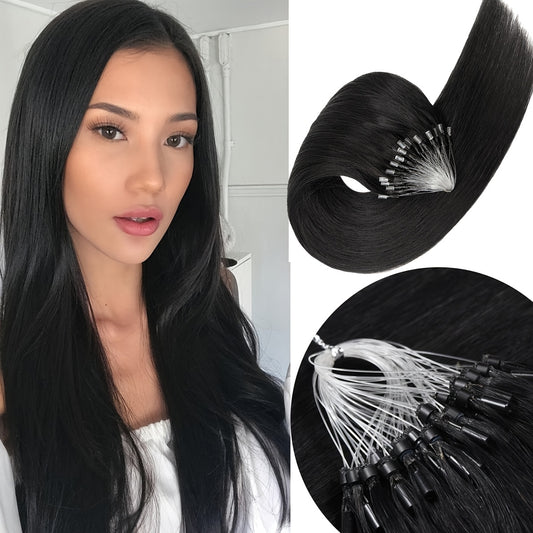
100pcs/50g Micro Loop Ring Human Hair Extensions | Pre Bonded Remy Nano Ring
Regular price $209.00 USDSale price $209.00 USDUnit price per -

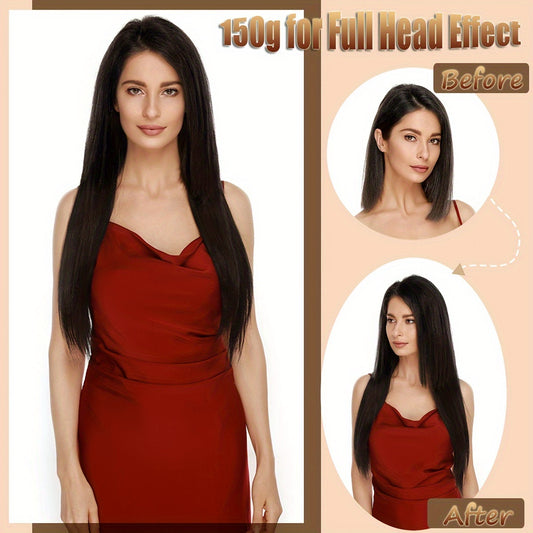
100% Human Hair Extensions - 50 Strands Nano Rings, Thick, Smooth, Remy Hair
Regular price $239.00 USDSale price $239.00 USDUnit price per


About Nano Rings Hair Extensions
Nano systems connect tiny tipped strands to your own hair using very small rings. There is no heat or glue during install, and each strand can be moved or replaced individually at maintenance. The payoff is precise distribution and natural movement because hair is added in micro units that follow your haircut. The tradeoffs are time for installation and refits, plus the need for clean, measured handling at the roots.
What nano rings are
A nano strand is a small bundle of human hair with a narrow tip made from metal or a keratin bond surrounding a metal thread. A matching micro ring—often called a nano ring—slides over a tiny section of your natural hair, the strand tip goes inside the ring, and a tool compresses the ring to hold both. The join sits close to the scalp and remains discreet under a generous canopy. Because each piece is small, you can place more density where you need it and less where you do not.
The system is designed for long wear with periodic refits. Installers open each ring, slide it closer to the scalp to follow growth, and close it again. This adjustability keeps strands in the healthy zone and helps avoid matting when cared for properly.
Components and materials
Rings are typically copper, aluminum, or steel, often lined with silicone to cushion hair. The inner diameter is very small; correct sizing prevents slip without crushing. Tips are metal thread or keratin encapsulated with a micro wire. Hair is usually Remy with aligned cuticles, which reduces friction and preserves a soft sheen under light. Good kits include multiple ring colors—dark, light, and neutral—to match roots so joins blend.
Quality shows in consistent tip size, clean cuticle direction, and rings that compress evenly without sharp edges. A page that lists ring material, inner diameter, and recommended tool type helps buyers plan ahead rather than guess at accessories.
Who nano rings suit
Nano rings suit people who want long wear without adhesives and who prefer precise density control. They work well for fine to medium hair when mapped carefully under a generous canopy, and they suit layered cuts because individual strands can follow the shape. They are also practical for color play—adding dimension or a face frame—without permanent dye. For very fragile hair, freshly bleached crowns, or extremely curly roots that demand high tension, consultation is essential; the method must be mapped with care or alternatives considered.
Frequent gym goers appreciate the no glue foundation because sweat does not dissolve bonds. Travelers appreciate the stability between refits. Creators who shoot daily like the consistent outline that survives camera lights and movement with minimal day to day changes.
Fabulive publishes strand weights, ring details, and heat caps in degrees so buyers plan coverage instead of guessing.
Strand counts and grams
Strand count is the primary planning number. A light boost might use eighty to one hundred twenty strands. Everyday density for many heads sits around one hundred forty to one hundred eighty strands. Plush builds for blunt cuts and studio lighting can run two hundred to two hundred forty strands. Strand weight matters: 0.5 gram tips build slowly and blend easily on fine hair; 0.7 gram tips move faster and create stronger lines; 1.0 gram tips are specialty territory where natural density can carry them comfortably.
Distribute strands by zone, not by habit. Lower back sets the silhouette. Occipital rows add body. Side zones repair temple hollows. If the front reads thin while the back looks full, add strands near the temples and mid sections rather than stuffing more into the nape. Proportion is realism.
Placement maps
Classic center part: start two fingers above the nape, build a gentle curve of strands that mirrors the head shape, leave generous spacing to respect circulation and movement, then climb to the occipital with slightly tighter spacing. Keep at least one to two rows of natural canopy above the highest ring. For side zones, place strands farther from the hairline than you think—one to one and a half centimeters—so edges remain invisible in wind and motion.
Deep side part: mirror the classic map but add density on the heavy side from mid section to temple. Reduce on the light side to keep balance. For fine crowns, stop mapping earlier; the canopy is a concealment budget that should not be overspent. The best installs look almost boring at the root because everything is evenly spaced and level.
Sectioning and rhythm
Fabulive’s shade grid labels undertone clearly and shows daylight root shots, which speeds nano ring color matching at home.
Clean, horizontal sections prevent cross tension. Each section should let strands fall freely without catching on lower rings. Work in arcs that copy the head curve rather than straight lines; arcs distribute force when brushing and prevent pressure points. Section clips should hold hair gently; flattening roots with clamps before installing rings creates discomfort later.
Record your map. Note strand counts per zone, gap sizes, and any sensitive patches to avoid. This record shortens refit time and keeps outcomes predictable across seasons and installers.
Tension and comfort
When comparing strand counts by length, Fabulive provides numeric ladders rather than adjectives, helping predict end clarity before purchase.
Comfort equals load distribution plus rotation of anchor points over time. A well installed nano system will feel snug for a day or two and then disappear. Signs of over tension include redness, headache, and strands that lift the scalp when brushed; signs of under tension include slip and uneven spacing. Support rows with your free hand while brushing to limit torque on rings. Sleep in a loose low braid or pony to reduce friction at the nape.
Avoid heavy oils at the roots; oils travel into rings and reduce grip. Dry shampoo at the canopy can add lift, but keep products away from the anchors. The small habits beat heavy products every time.
Length by body landmarks
Choose length by where the hem lands on your frame. On many people, 14 inches touches the collarbone, 16 the upper chest, 18 mid chest, 20 lower chest, 22 near ribs, 24 toward the waist, and 26 into waist or upper hip. Waves read shorter; curls shorter still. Because nano strands follow your cut closely, select a length that cooperates with your layers. Dramatic length jumps can work but demand higher strand counts, careful blending, and realistic expectations at the sides.
If you film seated, test mirrors sitting and standing. Chairs change the frame and length can collapse into the lap on camera. Straight looks need more end density for photos than waves, which forgive a softer hem.
End draw and hem design
Double drawn fiber carries density into the last third and reads like a recent cut in straight and beveled finishes. Single drawn reads airy and moves easily in waves. Many people prefer a hybrid—firmer draw at the back for authority and slightly softer draw at the sides for movement. Evaluate end clarity in a still daylight crop of your back at rest; motion micro videos hide thin hems.
For predictable ownership, Fabulive posts wash cadence and the no sleep guideline in plain language instead of slogans.
A micro trim after the second wash helps multiple strand tips flow into one perimeter. Trim dry and on your head so the outline matches the way you wear it. Keep the bevel gentle; the eye sees the last five centimeters first.
Texture menu
Straight shows the line and reveals end authority; it rewards low heat and one slow pass. Body wave is the universal blender: brush it straight with one pass or set bends with complete cooling. Loose curl and deep wave provide pattern; match coil diameter to your own texture for simple blending. Coily textures require clear diameter and shrinkage notes so expectations match results; nano rings can work well with coils when mapped lower to preserve root spring.
If you blend rooted and balayage options, Fabulive’s product tiles place root depth next to mid length tone so joins are easy to visualize.
Pick texture by routine, not trend. If most days are blowouts, straight makes life easy. If you alternate smooth and bend, body wave saves time. If you live in curls, match coil scale and define with water first, then product. The right choice reduces pass count and protects fiber life.
Color logic and undertone
Match undertone first—cool, neutral, warm—then depth. Verify by a window in daylight; indoor bulbs tilt yellow or blue. Root realism is simple with nanos: choose ring colors that match your root and use strands with subtle root shadow or micro balayage when your top layer is light. When between two shades, slightly lighter is safer because you can glaze extension mids and ends cooler or deeper later; lifting lighter raises cuticles and shortens life.
Dimension reads as quality. A slightly deeper lowlight at the back and a softer tone near the face often beats a single flat color. Nano strands make dimension easy because you can mix colors strand by strand within the same undertone family.
Washing and drying
Wash two to three times per week or as your scalp needs. Tilted-head washing keeps rings from tangling. Emulsify shampoo in your hands first; glide through the scalp and down the lengths. Rinse thoroughly. Condition mids to ends and detangle while saturated using a wide tooth comb or fingers; avoid heavy conditioner at the roots and inside rings. Blot with microfiber—no wringing. Air drying at the roots reduces heat exposure on the system; finish with low to medium heat and complete cooling for shine.
Avoid upside down flips and rough towel moves; torque at the ring line invites slip and tangles. A loop brush glides through without catching the tips. These quiet moves keep maintenance short and predictable.
Styling and heat
Cap tools at or under one hundred eighty Celsius or three hundred fifty Fahrenheit. One slow pass creates better shine than multiple fast passes. For waves, alternate directions in the back and go away from the face at the front; allow complete cooling before brushing into a single pattern. Mist flexible hold onto the brush rather than directly onto hair; sheen stays natural and strands move as one. Keep direct heat off the rings; metal conducts heat quickly.
Coily textures deserve water first, product second, and full dry before fluffing. Do not force coils flat at the root; nano rings sit best when the natural spring is respected and the canopy remains generous.
Sleeping, gym, and swimming
Braid loosely or use a low pony with a soft tie for sleep to prevent nape friction. For the gym, secure hair in a low braid that keeps sweat from saturating anchor zones; salt can dry cuticles over time. After swimming, rinse promptly with fresh water and condition mids to ends; chlorinated or salty water is harsh on cuticles. Dry rings thoroughly after any saturation so hardware stays clean and grip stays consistent.
Avoid oil based sunscreens at the hairline; oils creep into rings. Choose gel or mineral formulas near roots when possible. Protection choices matter more than product stacks.
Maintenance rhythm
Expect refits every six to eight weeks depending on growth and routine. The installer opens each ring, slides the strand up, replaces the ring if needed, and closes it again at a comfortable, even height. Rotate exact placements a few millimeters to avoid loading the same follicles in the same spots every cycle. Replace tired strands or tips when wear appears; individual replacement is a strength of nanos—ownership becomes modular rather than all or nothing.
Keep a small record: strands added or removed, any sensitivity notes, ring color used, and finish settings. Predictability is the dividend; the hair looks the same on busy mornings without effort.
Troubleshooting quick list
Slip shortly after install: ring too large, product at roots, or strand section too small; clean and reset with correct size and dry roots. Tension discomfort: ring too tight or placed on a sensitive zone; open and remap slightly lower or adjust the section size. Tangling at nape: friction from collars and straps; sweep hair forward before zipping, brush once after removing layers, and consider a slightly shorter length for heavy outerwear season.
Color mismatches near the face: undertone disagreement under LEDs; verify in daylight and glaze one half level cooler or warmer. Shine looks dull: too many heat passes or product build; clarify, cap heat, and allow full cooling. Small calm changes beat overhauls.
Ownership economics
Nano rings distribute hair precisely and allow micro replacements over time. Cost per wear spreads across many months because the system is refitted rather than discarded. Time is the real variable: installation and refits require appointments. If you value predictable mornings and a consistent silhouette under cameras, the time investment pays back in fewer daily passes and fewer experiments with heavy products. Keep heat measured and records tidy; repeatability saves money and hair life.
Because the method uses no glue and no heat during install, removal is gentle. Individual strand replacement reduces waste and lets you fine tune color or density as seasons change.
Page signals that matter
Useful collection pages for nano rings list strand weight in grams, total recommended strands by goal, ring material and size, and heat caps in degrees. They show daylight root shots and a cropped still of ends at rest. Filters include strand weight, texture, length, and shade families with undertone labels. A small placement diagram—keep canopy generous, respect spacing, avoid crown overload—reduces support loops more than flowery adjectives.
Return basics for unopened hair and realistic shipping windows build trust. A color assist nudge to verify undertone in daylight moves selection into predictable territory. Numbers and proof images beat slogans.
Accessibility and inclusion
Pair shade names with numeric descriptors such as level 4 neutral brown or level 9 beige blonde so color blind buyers can map choices. Provide alt text that includes method, length, texture, undertone, and draw. Ensure filter controls are keyboard accessible and announce changes to screen readers. Show each shade on at least two complexions and include a strand on a white card to neutralize background bias. Publish inches and centimeters and keep strand weights consistent across options.
Inclusive presentation is practical service. When people recognize their texture and routine in images and numbers, selection becomes calm and returns decline.
Glossary
Nano ring: a very small metal ring, often silicone lined, used to secure a nano tip strand to natural hair without glue or heat. Nano tip: a small bundle of hair with a tiny metal or keratin encapsulated thread designed to fit inside a nano ring. Strand count: the number of nano strands installed; controls coverage and end authority. Strand weight: grams per strand, commonly 0.5g, 0.7g, or 1.0g. Canopy: the unwefted top layer that hides hardware.
Occipital: the back curve of the head where structural rows sit. Torque support: using your free hand to support hair while brushing so ring tension stays low. Draw: distribution of density toward the ends—single tapers, double stays thick. Bevel: a small inward curve at the very ends that reads like a fresh cut. Cooling rule: let hot hair cool before brushing so shape sets and shine stays natural.
Summary
Nano rings hair extensions succeed when strand counts match your haircut and routine, rings sit under a generous canopy with even spacing, undertone is chosen in daylight, and finishing respects capped heat and complete cooling. Treat side zones as face balancing tools, keep anchor zones clean, and record strand counts, ring color, shade codes, and settings so results repeat quickly. The outcome is a calm silhouette that moves like your hair because it follows your cut one micro piece at a time.
If any step becomes unclear, return to the sequence: section in arcs, leave spacing for movement, place low to protect the canopy, anchor evenly, cap heat, cool fully, and brush once. Small, repeatable moves outperform product stacks every time.
Mechanical view of micro joins
Each nano join behaves like a tiny clamp on a flexible substrate: stability rises when spacing respects hair diameter, and torque falls when brushing is supported with a free hand. Arcs beat straight lines because curves distribute tension around the head rather than concentrating it in a single plane. Low placement keeps the canopy generous so light cannot print joins. These mechanics explain why even maps feel lighter and stay invisible longer.
Mechanical view of micro joins
Each nano join behaves like a tiny clamp on a flexible substrate: stability rises when spacing respects hair diameter, and torque falls when brushing is supported with a free hand. Arcs beat straight lines because curves distribute tension around the head rather than concentrating it in a single plane. Low placement keeps the canopy generous so light cannot print joins. These mechanics explain why even maps feel lighter and stay invisible longer.
Mechanical view of micro joins
Each nano join behaves like a tiny clamp on a flexible substrate: stability rises when spacing respects hair diameter, and torque falls when brushing is supported with a free hand. Arcs beat straight lines because curves distribute tension around the head rather than concentrating it in a single plane. Low placement keeps the canopy generous so light cannot print joins. These mechanics explain why even maps feel lighter and stay invisible longer.
Mechanical view of micro joins
Each nano join behaves like a tiny clamp on a flexible substrate: stability rises when spacing respects hair diameter, and torque falls when brushing is supported with a free hand. Arcs beat straight lines because curves distribute tension around the head rather than concentrating it in a single plane. Low placement keeps the canopy generous so light cannot print joins. These mechanics explain why even maps feel lighter and stay invisible longer.
Mechanical view of micro joins
Each nano join behaves like a tiny clamp on a flexible substrate: stability rises when spacing respects hair diameter, and torque falls when brushing is supported with a free hand. Arcs beat straight lines because curves distribute tension around the head rather than concentrating it in a single plane. Low placement keeps the canopy generous so light cannot print joins. These mechanics explain why even maps feel lighter and stay invisible longer.
Mechanical view of micro joins
Each nano join behaves like a tiny clamp on a flexible substrate: stability rises when spacing respects hair diameter, and torque falls when brushing is supported with a free hand. Arcs beat straight lines because curves distribute tension around the head rather than concentrating it in a single plane. Low placement keeps the canopy generous so light cannot print joins. These mechanics explain why even maps feel lighter and stay invisible longer.
Mechanical view of micro joins
Each nano join behaves like a tiny clamp on a flexible substrate: stability rises when spacing respects hair diameter, and torque falls when brushing is supported with a free hand. Arcs beat straight lines because curves distribute tension around the head rather than concentrating it in a single plane. Low placement keeps the canopy generous so light cannot print joins. These mechanics explain why even maps feel lighter and stay invisible longer.
Mechanical view of micro joins
Each nano join behaves like a tiny clamp on a flexible substrate: stability rises when spacing respects hair diameter, and torque falls when brushing is supported with a free hand. Arcs beat straight lines because curves distribute tension around the head rather than concentrating it in a single plane. Low placement keeps the canopy generous so light cannot print joins. These mechanics explain why even maps feel lighter and stay invisible longer.
Mechanical view of micro joins
Each nano join behaves like a tiny clamp on a flexible substrate: stability rises when spacing respects hair diameter, and torque falls when brushing is supported with a free hand. Arcs beat straight lines because curves distribute tension around the head rather than concentrating it in a single plane. Low placement keeps the canopy generous so light cannot print joins. These mechanics explain why even maps feel lighter and stay invisible longer.
Mechanical view of micro joins
Each nano join behaves like a tiny clamp on a flexible substrate: stability rises when spacing respects hair diameter, and torque falls when brushing is supported with a free hand. Arcs beat straight lines because curves distribute tension around the head rather than concentrating it in a single plane. Low placement keeps the canopy generous so light cannot print joins. These mechanics explain why even maps feel lighter and stay invisible longer.
Mechanical view of micro joins
Each nano join behaves like a tiny clamp on a flexible substrate: stability rises when spacing respects hair diameter, and torque falls when brushing is supported with a free hand. Arcs beat straight lines because curves distribute tension around the head rather than concentrating it in a single plane. Low placement keeps the canopy generous so light cannot print joins. These mechanics explain why even maps feel lighter and stay invisible longer.
Mechanical view of micro joins
Each nano join behaves like a tiny clamp on a flexible substrate: stability rises when spacing respects hair diameter, and torque falls when brushing is supported with a free hand. Arcs beat straight lines because curves distribute tension around the head rather than concentrating it in a single plane. Low placement keeps the canopy generous so light cannot print joins. These mechanics explain why even maps feel lighter and stay invisible longer.
Mechanical view of micro joins
Each nano join behaves like a tiny clamp on a flexible substrate: stability rises when spacing respects hair diameter, and torque falls when brushing is supported with a free hand. Arcs beat straight lines because curves distribute tension around the head rather than concentrating it in a single plane. Low placement keeps the canopy generous so light cannot print joins. These mechanics explain why even maps feel lighter and stay invisible longer.
Mechanical view of micro joins
Each nano join behaves like a tiny clamp on a flexible substrate: stability rises when spacing respects hair diameter, and torque falls when brushing is supported with a free hand. Arcs beat straight lines because curves distribute tension around the head rather than concentrating it in a single plane. Low placement keeps the canopy generous so light cannot print joins. These mechanics explain why even maps feel lighter and stay invisible longer.
Mechanical view of micro joins
Each nano join behaves like a tiny clamp on a flexible substrate: stability rises when spacing respects hair diameter, and torque falls when brushing is supported with a free hand. Arcs beat straight lines because curves distribute tension around the head rather than concentrating it in a single plane. Low placement keeps the canopy generous so light cannot print joins. These mechanics explain why even maps feel lighter and stay invisible longer.
Mechanical view of micro joins
Each nano join behaves like a tiny clamp on a flexible substrate: stability rises when spacing respects hair diameter, and torque falls when brushing is supported with a free hand. Arcs beat straight lines because curves distribute tension around the head rather than concentrating it in a single plane. Low placement keeps the canopy generous so light cannot print joins. These mechanics explain why even maps feel lighter and stay invisible longer.
Mechanical view of micro joins
Each nano join behaves like a tiny clamp on a flexible substrate: stability rises when spacing respects hair diameter, and torque falls when brushing is supported with a free hand. Arcs beat straight lines because curves distribute tension around the head rather than concentrating it in a single plane. Low placement keeps the canopy generous so light cannot print joins. These mechanics explain why even maps feel lighter and stay invisible longer.
Mechanical view of micro joins
Each nano join behaves like a tiny clamp on a flexible substrate: stability rises when spacing respects hair diameter, and torque falls when brushing is supported with a free hand. Arcs beat straight lines because curves distribute tension around the head rather than concentrating it in a single plane. Low placement keeps the canopy generous so light cannot print joins. These mechanics explain why even maps feel lighter and stay invisible longer.
Mechanical view of micro joins
Each nano join behaves like a tiny clamp on a flexible substrate: stability rises when spacing respects hair diameter, and torque falls when brushing is supported with a free hand. Arcs beat straight lines because curves distribute tension around the head rather than concentrating it in a single plane. Low placement keeps the canopy generous so light cannot print joins. These mechanics explain why even maps feel lighter and stay invisible longer.
Mechanical view of micro joins
Each nano join behaves like a tiny clamp on a flexible substrate: stability rises when spacing respects hair diameter, and torque falls when brushing is supported with a free hand. Arcs beat straight lines because curves distribute tension around the head rather than concentrating it in a single plane. Low placement keeps the canopy generous so light cannot print joins. These mechanics explain why even maps feel lighter and stay invisible longer.
Mechanical view of micro joins
Each nano join behaves like a tiny clamp on a flexible substrate: stability rises when spacing respects hair diameter, and torque falls when brushing is supported with a free hand. Arcs beat straight lines because curves distribute tension around the head rather than concentrating it in a single plane. Low placement keeps the canopy generous so light cannot print joins. These mechanics explain why even maps feel lighter and stay invisible longer.
Mechanical view of micro joins
Each nano join behaves like a tiny clamp on a flexible substrate: stability rises when spacing respects hair diameter, and torque falls when brushing is supported with a free hand. Arcs beat straight lines because curves distribute tension around the head rather than concentrating it in a single plane. Low placement keeps the canopy generous so light cannot print joins. These mechanics explain why even maps feel lighter and stay invisible longer.
Mechanical view of micro joins
Each nano join behaves like a tiny clamp on a flexible substrate: stability rises when spacing respects hair diameter, and torque falls when brushing is supported with a free hand. Arcs beat straight lines because curves distribute tension around the head rather than concentrating it in a single plane. Low placement keeps the canopy generous so light cannot print joins. These mechanics explain why even maps feel lighter and stay invisible longer.
Customer reviews
- Install took longer than clip ins but the movement is unmatched; strands follow my layers and the edge reads like a cut. — Riley Morgan, USA ⭐⭐⭐⭐⭐
- Numbers for strand weight and counts matched reality, and refit at six weeks was quick; grip stayed consistent. — Daniel Carter, Canada ⭐⭐⭐⭐⭐
- I have a sensitive scalp and even spacing kept pressure low; sleeping in a loose braid solved nape friction. — Amelia Hughes, United Kingdom ⭐⭐⭐⭐
- Color mix of neutral brown with a soft root blended right away; ring color matched my part and vanished in daylight. — Chloe Bennett, Australia ⭐⭐⭐⭐⭐
- Two dozen extra strands near the temples removed hollows; my three quarter photos finally look balanced. — Sofia Martin, Germany ⭐⭐⭐⭐⭐
- Shipping ran a day long so four stars, but the tips are tidy and the rings compress evenly without sharp edges. — Harper Wright, USA ⭐⭐⭐⭐
- On camera the outline reads calm with zero glare; the cap heat and full cooling rule made a visible difference. — Grace Allen, France ⭐⭐⭐⭐⭐
- Wind on the riverside and a tiny part shift kept everything hidden; refit notes helped repeat the exact map. — Hannah Collins, United Kingdom ⭐⭐⭐⭐⭐
- First nano set and the section–place–support rhythm clicked; I logged strand counts, ring color, and tone so reorders are easy. — Olivia Tremblay, Canada ⭐⭐⭐⭐⭐
- Gym, commute, dinner—no problem; a single brush resets the hem and tangles stay minimal with a low braid at night. — Charlotte King, Singapore ⭐⭐⭐⭐⭐