



Human Hair Weave Wefts Hair Extensions: Everything You Should Know
A Standard Support & Education Guide to Wefts, Sewn-In & Flat Extensions


Human hair weave wefts are one of the most sought-after solutions for creating natural, voluminous, and long-lasting hairstyles. Whether you’re aiming for subtle enhancement or dramatic length and fullness, weave wefts offer versatility, durability, and a seamless finish when installed and cared for correctly. Unlike temporary extensions, weave wefts are designed to integrate with your natural hair in ways that feel secure and authentic for daily life, workouts, and styling.
This comprehensive guide walks you through everything you need to know about human hair weave weft extensions: how they’re constructed, different weft types such as flat and quad wefts, installation methods including sewn-in techniques, blending strategies, maintenance, and how to choose the right weft for your goals. Understanding these fundamentals helps you make informed decisions and achieve consistently beautiful results.
What Are Human Hair Weave Wefts And Why They Matter
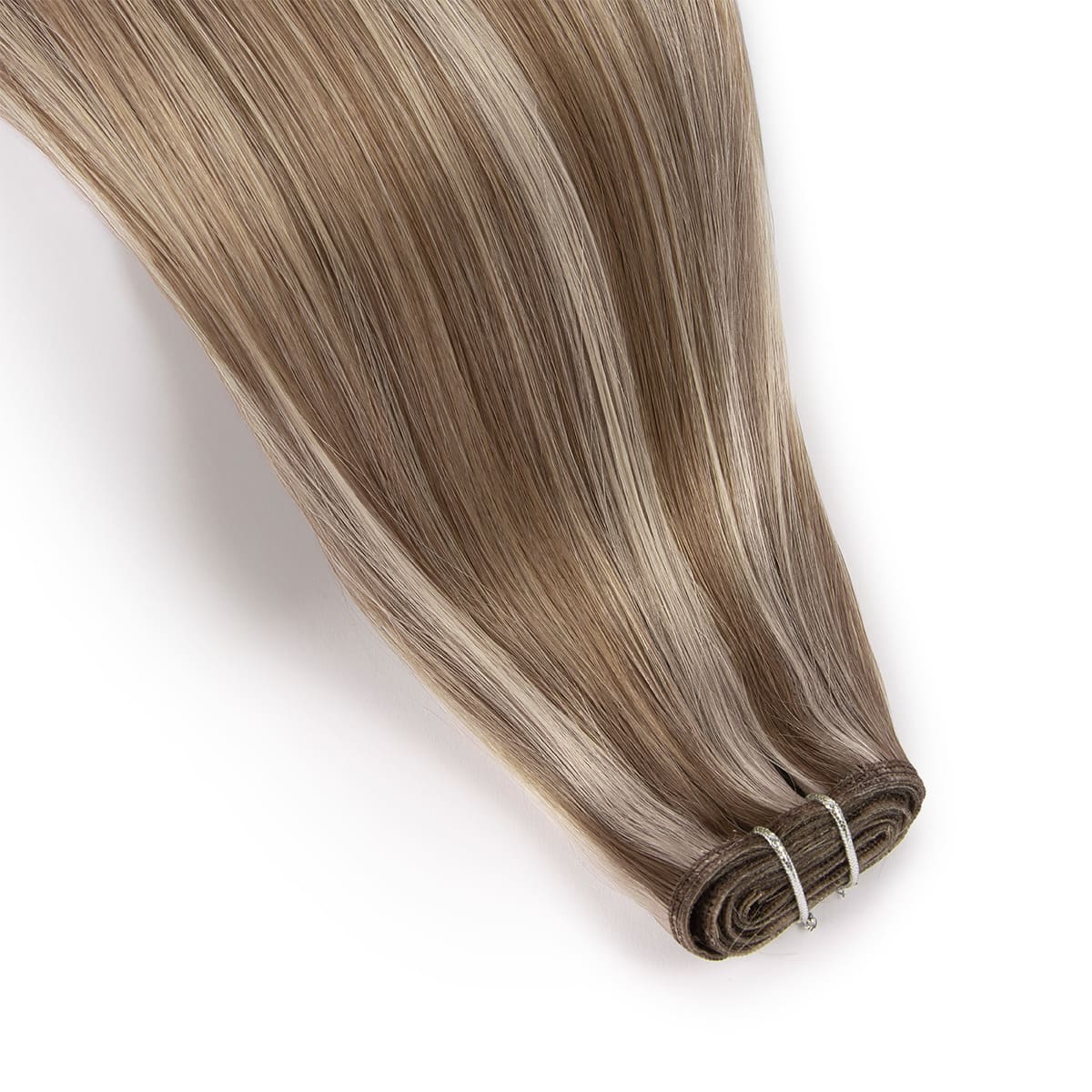
A hair weave weft is a continuous strip of human hair where individual strands are secured together at the root to form a track. This track allows the hair to be sewn, beaded, or bonded into natural hair. Weft extensions are typically more durable and longer-lasting than clip-ins because they are integrated into the hairstyle rather than sitting on top of it.
Human hair weave wefts are preferred over synthetic options because they move, style, and respond to heat like natural hair. You can wash, curl, straighten, and braid them without sacrificing quality, making them ideal for long-term wear and versatile styling.

The Basics Of Weft Construction And Hair Quality
High-quality weave wefts start with human hair that has consistent cuticle alignment. When all cuticles face the same direction, hair remains smoother, shinier, and less prone to tangling. The way the hair is sewn into the track determines how flat the weft lays and how comfortable it feels against the scalp.
Flat wefts are engineered to reduce bulk at the root and sit closer to the scalp, offering discretion and comfort. Traditional wefts use a thicker stitched track that provides extra durability but may feel slightly more substantial once installed. Ethical sourcing and gentle processing preserve strength, elasticity, and natural shine, all of which directly affect long-term performance.
Types Of Weft Extensions: Flat, Quad, And Double-Drawn
Not all weave wefts are the same. Different constructions serve different styling needs:
Flat wefts are ideal for those who want minimal bulk with strong hold, as explained in everything you need to know about flat weft hair extensions.
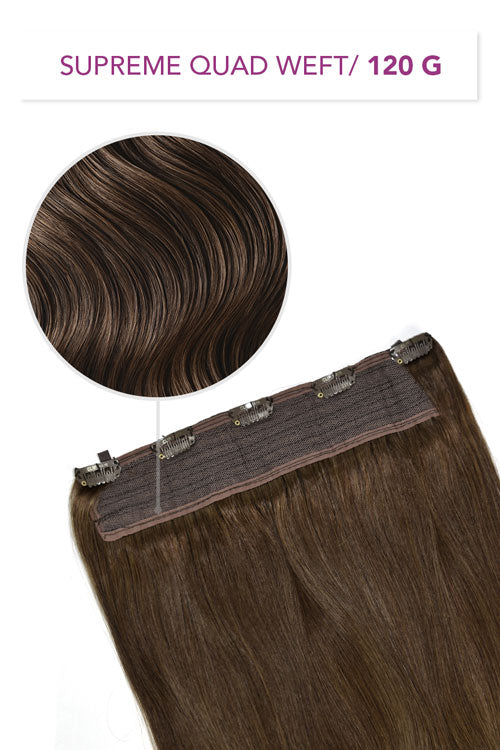
Quad wefts stack multiple layers of hair onto a single track to deliver enhanced volume without requiring many separate rows, a technique detailed in quad weft hair extensions for enhanced volume and fullness.
Double-drawn wefts maintain consistent thickness from root to tip, eliminating wispy ends. Luxury options such as Remy Royale double drawn hair weft extensions for premium fullness are prized for their polished, full-length appearance.

How Weft Extensions Are Made: Behind The Scenes
Understanding how weft extensions are produced highlights why quality varies so widely. The process begins with ethically sourced human hair that retains natural cuticle alignment. Hair is washed, sorted by length and texture, and prepared before being sewn or bonded onto the weft track by skilled technicians who control density and strength.
This entire production journey is explored in depth in behind the scenes the journey of weft extensions from production to your hair, which explains how craftsmanship directly affects blending, durability, and styling performance.
Installation Methods: Sewn-In And Beyond
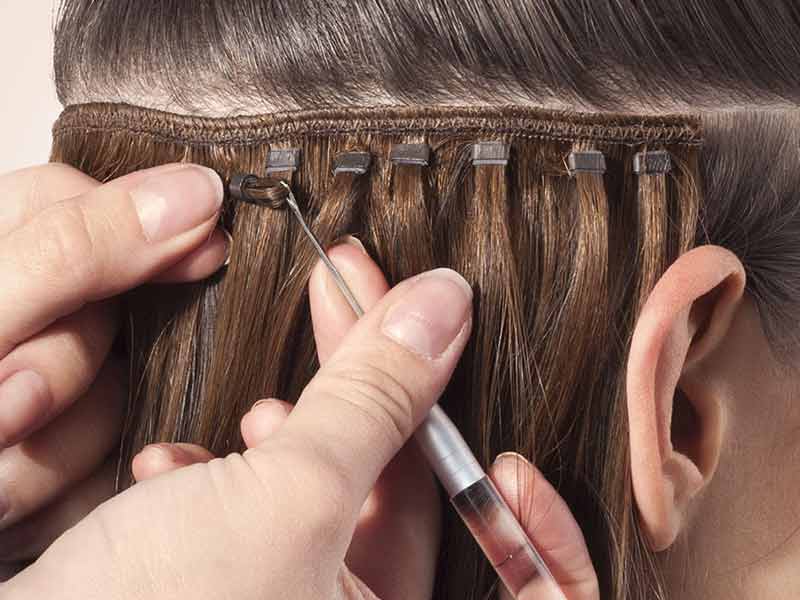

Installation method plays a major role in comfort and longevity. Sewn-in extensions involve braiding the natural hair and stitching the weft onto the braid, creating a secure installation that can last several weeks. Flat wefts may also be installed using beads or micro-links for added flexibility.
Each approach has advantages depending on hair density, lifestyle, and styling goals. A detailed breakdown is available in sewn-in hair extensions everything you need to know.
Blending Wefts With Natural Hair
Blending determines whether extensions look natural or noticeable. Successful blending depends on matching color, texture, wave pattern, and density. Stylists often place fuller wefts toward the back and lighter ones near the crown and temples to create a natural fall.
Advanced techniques for achieving a seamless finish are outlined in seamless blending how to match weft extensions with your natural hair.
Choosing The Right Length And Density


Weft extensions come in a wide range of lengths and densities. Longer options create dramatic, flowing styles, while shorter lengths add subtle fullness. Density should always complement your natural hair to avoid a bulky or unnatural silhouette. Choosing thoughtfully ensures comfort, movement, and a cohesive final look.
Daily Wear, Care, And Styling Flexibility
Human hair weave wefts should be washed with sulfate-free products and gently detangled from ends upward. Heat tools can be used safely with a protectant, allowing you to curl, straighten, or blow-dry just like natural hair. Protective styles during sleep help reduce friction and extend lifespan.
Common Mistakes To Avoid
Using heavy oils near the roots, overwashing, aggressive brushing, and excessive heat near the track can shorten the life of your wefts. Gentle handling and mindful maintenance preserve both natural hair and extensions.
Why Wefts Still Matter In Modern Extensions
Despite newer methods like tape-ins and halos, weave wefts remain foundational in professional extension services. Their durability, customization options, and ability to blend across hair types make them a reliable choice for long-term, natural-looking styles.
Conclusion: Understanding Wefts For Better Results
Human hair weave weft extensions offer unmatched versatility, volume, and longevity when chosen and cared for correctly. By understanding construction, installation, and maintenance, you can achieve seamless results that enhance your confidence and everyday style. Explore curated options through premium human hair extensions collections to find wefts that align with your goals.
Detailed FAQ Section
What are human hair weave wefts?
They are continuous tracks of human hair designed to be sewn, beaded, or bonded into natural hair for long-term wear.
How long do weave wefts last?
With proper care, high-quality wefts can last 6–12 months or longer.
Are flat wefts better than traditional wefts?
Flat wefts offer a thinner profile and increased comfort, while traditional wefts provide extra durability.
Can weave wefts be reused?
Yes, premium wefts are designed for multiple reinstalls.
Do weft extensions damage natural hair?
When installed and maintained correctly, they are safe and protective.
Can I style weave wefts with heat tools?
Yes, human hair weave wefts can be styled like natural hair with proper heat protection.

