
-
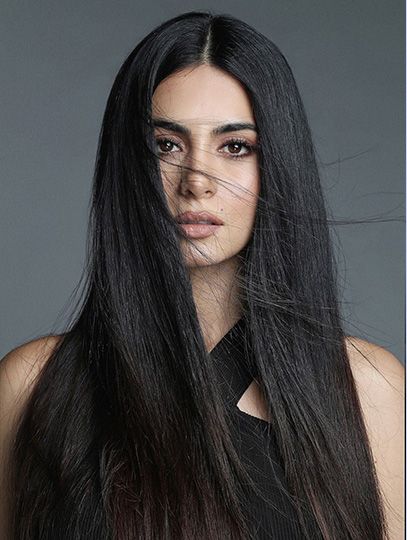
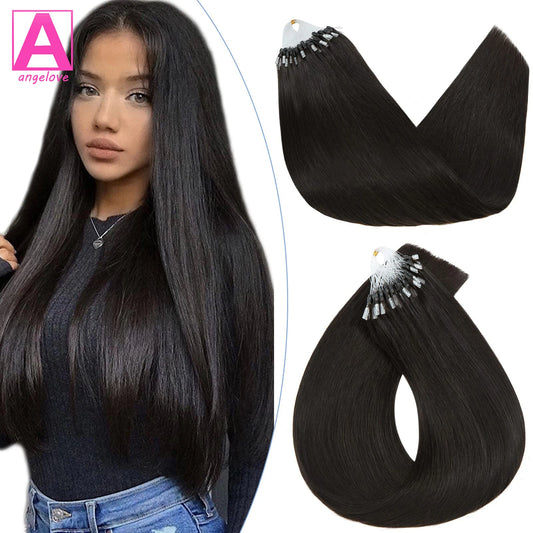
Micro Ring Hair Extensions Natural Black
Regular price $399.99 USDRegular priceUnit price per -
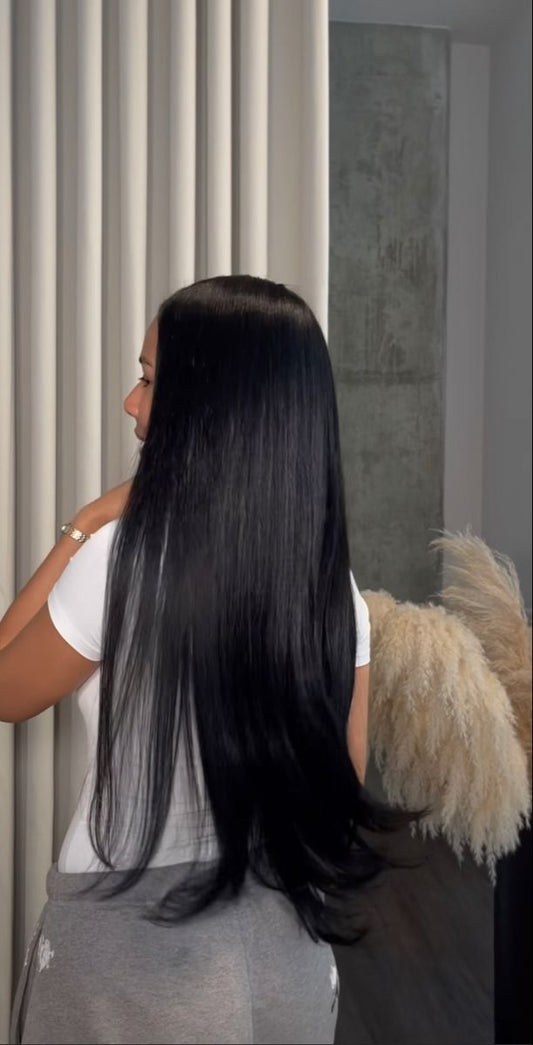
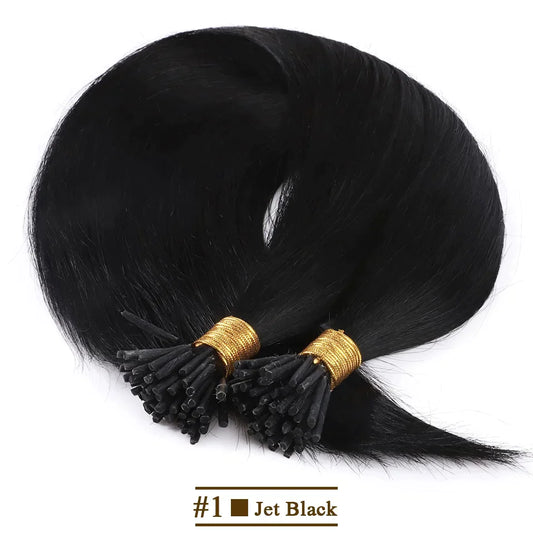
Jet Black Human Hair Micro Ring Hair Extensions
Regular price $367.99 USDRegular priceUnit price per -
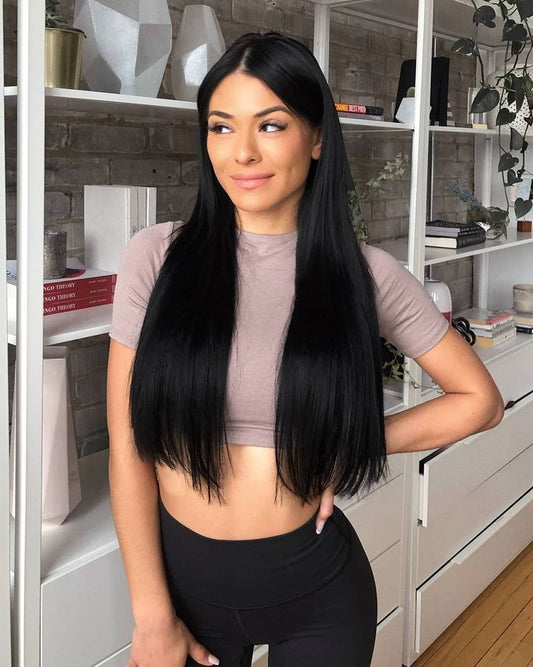

Natural Black Human Hair Micro Ring Hair Extensions
Regular price $348.99 USDRegular priceUnit price per -
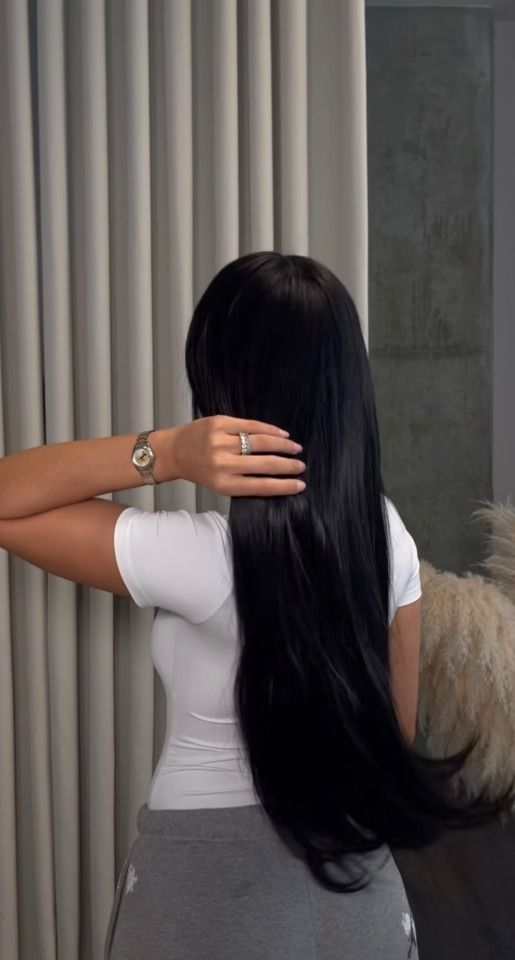
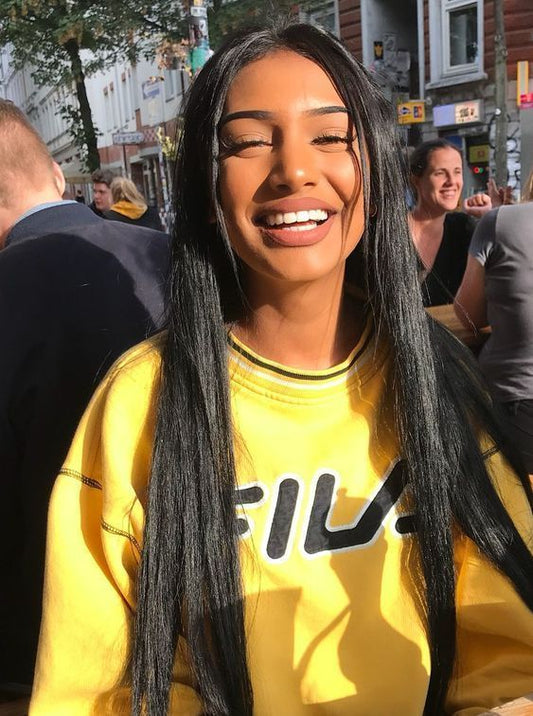
Straight Natural Black Real Micro Ring Hair Extensions
Regular price $422.99 USDRegular priceUnit price per
Black Micro Ring Hair Extensions: A Research-Driven Collection Guide to Long-Wear Length, Natural Density, and Invisible Blending
Black micro ring hair extensions are built for people who want a long-wear result that still feels like their own hair: flexible movement, believable density at the ends, and discreet attachment points that don’t rely on glue or heat. This collection is ideal when you want lasting fullness for everyday life—work, travel, content, and events—without having to clip in and remove hair daily. Explore the black micro ring hair extensions collection for bead-based, strand-by-strand length and volume, then use the guide below to choose the right shade family, grams, texture behavior, and maintenance rhythm for your hair type.
What This Collection Is and Who It’s For
Micro ring hair extensions are installed strand by strand using tiny rings that secure extension hair to your natural hair. Because the attachment points are small and distributed, micro rings can feel lightweight and flexible when planned correctly. The method is designed to create a “built-in” look: the hair appears to belong to you rather than sitting on top of you.
This collection specifically focuses on black shade families and black-friendly textures—because dark hair has unique blending demands. Black hair can hide certain transitions, but it can also highlight inconsistencies quickly: an overly glossy finish, mismatched reflect in daylight, or tapered ends that make added length look obvious. The right micro ring plan solves those problems by balancing density, shade, and movement so the silhouette reads natural from every angle.
This collection is for:
- People who want a longer-wear method that avoids adhesive tapes and daily clip-in routines.
- Shoppers who care about discreet attachment points and realistic movement.
- Anyone whose priority is stronger ends and a fuller overall shape, not just added inches.
- People with medium-to-thick hair who want longer hair without a bulky weft outline.
- People who want to customize where volume sits—mid-length fill, perimeter strength, or overall density.
If you want to see micro rings beyond black shades, start with micro ring hair extensions across shade families for strand-by-strand flexibility to understand the full category and then refine your choice to black-focused options.
Why This Category Matters Now
Micro rings have become more relevant because modern hair goals have changed. People aren’t only chasing length; they’re chasing believable density—hair that looks healthy, thick, and styled even when it’s not heavily manipulated. In black shades, that “healthy hair” look is largely determined by the perimeter: the ends must look full, the mid-lengths must look supported, and the finish must reflect light naturally.
Shoppers are also more method-aware than they were a few years ago. Many people now compare adhesives versus bead-based installs, think about lifestyle fit, and plan for maintenance before choosing a method. Micro rings appeal to anyone who wants a long-wear option that can feel breathable and flexible while still delivering a consistent day-to-day result.
Finally, black shade families are nuanced. Many people search “black” when what they really mean is natural black, soft black, deep black, or jet black. A micro ring plan that respects that nuance looks better in daylight and often requires fewer “fixes” later.
How to Choose the Right Option
Choosing micro rings is best approached as a system, not a single purchase decision. Your goal determines grams and placement. Your shade family determines realism in daylight. Your texture behavior determines how much styling you’ll need to blend. And your care tolerance determines whether the result stays soft and believable over time.
Decision Framework
Use this scannable method before you commit:
- Goal → length, volume, or both?
- Shade/undertone → natural black, deep black, jet black; warm vs cool reflect?
- Texture/finish → straight vs soft movement; satin sheen vs high shine?
- Construction/type → micro ring strand format; ring size discretion; placement zones?
- Weight/coverage → grams per pack and total grams needed for your density and target length?
- Occasion/frequency → daily wear, work hair, travel hair, event hair?
- Care tolerance → brushing routine, wash rhythm, heat habits, and re-seat expectations?
- Budget/value → buy the amount you can maintain well; longevity is a routine outcome.
Goal Mapping: Choose Length, Volume, or a Balanced Upgrade
Most shoppers come in asking for length, but the hair that looks most natural often starts with shape correction. If your ends are thin, adding length can highlight the problem; if your ends are full, length becomes easier. Think about what you want your hair to look like from the side and from the back: strong ends, a smooth taper, and movement that stays cohesive.
How to choose black micro ring hair extensions for thin hair right now
Fine hair benefits from a lighter, more strategic plan. The goal is to add density where it’s needed without overloading delicate sections. Many fine-hair results look best when you strengthen the mid-lengths and perimeter first, then add length once the silhouette is balanced. A smaller, more controlled plan also helps keep attachment points discreet near the top layer.
How to choose micro rings for thick hair without a see-through perimeter
Thick hair typically needs more grams to keep the ends dense after adding length. Underbuying creates the classic “tapered extension end” where the bottom looks thinner than your natural hair. A thick-hair plan often prioritizes lower placement and perimeter support so the ends look full and consistent in motion.
How many grams do you actually need for a believable silhouette
Instead of asking for a universal number, start with your ends. If your ends are already full, you can allocate grams primarily to length extension. If your ends are thin, allocate grams to perimeter strength and mid-length fill. A believable silhouette is built from density distribution, not from a single total.
How to choose length if you want “expensive hair” instead of dramatic hair
A common misconception is that longer automatically looks better. In reality, “expensive hair” is about balance: ends that look healthy, a smooth taper, and consistent movement. Many people find that a moderate length extension with strong ends looks more natural and more polished than a dramatic length jump with tapered ends.
Best option for daily wear vs special occasions
For daily wear, choose comfort and realism: a shade that matches your natural reflect, grams that don’t feel heavy, and a texture that aligns with your baseline hair behavior. For special occasions, you can prioritize length and fuller density because you’ll likely style with structure—waves, smooth blowouts, or elegant updos. A smart strategy is building a daily-wear foundation that becomes event hair through styling, rather than wearing a heavy event-level plan every day.
Construction and Placement: What Makes Micro Rings Feel Natural
Micro rings look most natural when placement supports your haircut and your density. The key is distributing strands so the top layer stays smooth while the mid-lengths and ends get the support they need. Your goal is to avoid two extremes: too much density near the top (bulk) and too little density near the bottom (taper).
How to plan placement if you wear your hair down most days
If you primarily wear your hair down, focus on mid-length fill and perimeter strength. You need enough hair under the top layer to support the silhouette, but you don’t need excessive density at the crown. A down-hair plan should prioritize a natural blend line that disappears in movement and daylight.
How to plan placement if you wear ponytails and half-up styles often
Up styles reveal more of your head shape and can expose attachment zones if placement is too close to the hairline. If ponytails are a regular look, prioritize discreet placement and keep attachment points away from the hairline and part line. Build density through the lower head while ensuring the top layer remains thick enough to cover transitions.
How to decide where you need volume: crown lift vs mid-length fullness
Crown lift and mid-length fullness create different silhouettes. Crown lift helps hair look more voluminous at the top, but it can also make attachment points more visible if overdone. Mid-length fullness often looks more natural, because it strengthens the body of the hair and supports the ends. Many people get their most believable result by focusing on mid-length support first.
What to do if the rings feel “noticeable” at first
Some awareness during the initial adjustment period can be normal, but discomfort is not a requirement. If rings feel sharp or overly present, placement may be too close to sensitive zones or density may be too heavy in one area. The solution is usually distribution: spreading strands more evenly and avoiding tight concentration near the hairline.
Shade, Undertone, and Finish Selection
Shade selection in black families is about more than “black.” It’s about reflect in daylight and compatibility with your natural base. Black hair can lean cool espresso, neutral soft black, or warm brown-black. A mismatch shows up most in bright natural light, in flash photography, and in sleek straight styles where shine is uninterrupted.
Black Shade Families: Natural Black, Deep Black, and Jet Black
Natural black tends to look softer and more believable in daylight for many people. Deep black looks richer and more defined. Jet black is a statement shade—crisp, high-impact, and timeless when maintained. Your best match is the one that looks consistent across the lighting you actually live in: daylight, office lighting, indoor warm light, and camera flash.
How to match undertones without overthinking it
Stand near a window in natural light. If your hair reads cool, prioritize cooler blacks. If it reads warm or brown-black, choose a warmer reflect so the blend looks cohesive in sunlight. If you’re uncertain, neutral black is typically the most forgiving—especially if you style with soft movement that diffuses minor differences.
What to consider before dyeing your hair black for an extensions match
Dyeing your hair black can make shade matching feel simpler, but it can also introduce maintenance demands: fade behavior, root upkeep, and reflect shifts under different lighting. If you’re considering dye as a matching strategy, review what to consider before dyeing your hair black so you don’t overcommit and align the choice with your routine.
Should you dye your hair black: pros and cons when you plan long-wear extensions
Black dye can be flattering and dramatic, but it can also lock you into a shade direction that requires consistent upkeep. Some people get a more natural result by choosing extensions that match their natural black family rather than forcing their hair darker. For decision support, use a pros-and-cons breakdown of dyeing your hair black before taking the plunge.
Jet black styling: how to keep the sleek look timeless, not harsh
Jet black can look ultra-polished when the finish is healthy and the silhouette is balanced. The key is preventing dryness at the ends and keeping shine natural rather than oily. For styling references that show how jet black reads when done well, see straight jet black sleek styles for a timeless finish, and compare shade options via jet black hair extensions for deep, high-impact tones.
How to shop by black family across extension types when you’re still deciding
If you want a broader view of black shades across different methods, browse black hair extensions across methods for comparing depth and reflect. This can help you confirm whether your best match is natural black, deep black, or jet black before you commit to a long-wear method.
How to choose blonde micro rings for contrast without a “striped” look
Contrast can look intentional when it has a pattern: depth near the crown, brightness around the face, and dimension through the lengths. If you want accent strands, choose them sparingly and place them where highlights naturally sit rather than hiding them underneath. For lighter accent options, explore blonde micro ring hair extensions for controlled contrast and highlight placement.
How to choose brown micro rings when your hair reads espresso in daylight
Many people call their hair black, but in daylight it reads deep brown. In that case, true black can look slightly disconnected in sleek styles because reflect is more obvious. A deep brown match can look more natural while staying rich and dark. Browse brown micro ring hair extensions for warm depth and seamless blending if you prefer that softer match.
Texture and Blend Strategy
Texture determines how well micro rings blend on a daily basis. A close match means you can wear hair casually and still look cohesive. A mismatch forces you to style aggressively, which can create dryness and shorten the period where the hair looks soft and natural.
Choose Texture Based on Hair Behavior, Not Only on Preference
Hair behavior is how your hair acts when it’s minimally styled. Does it fall straight? Does it naturally form a wave? Does it expand in humidity? Does it clump into curls? Choose extensions that mirror that baseline, then style up when you want a more polished look.
How to blend with blunt haircut types (sharp ends, minimal layers)
Blunt cuts require strong ends. If the added hair is too light at the perimeter, the join becomes visible because your natural blunt line looks thicker than the extension ends. A blunt-cut plan often concentrates density lower to keep the perimeter full, then uses subtle shaping and movement to unify the line.
How to blend with layered haircut types (soft ends, internal movement)
Layers benefit from mid-length support. Without it, you can get a visible step where layers end and extension length begins. Add density through the mid-lengths so layers transition smoothly, then style with soft waves to interlace everything and make the blend look organic.
How to blend with short hair without a visible shelf
Short hair can wear micro rings beautifully, but the plan must be realistic. Avoid extreme length leaps at the start; build fullness and taper first. Styling with movement that crosses the transition point reduces the appearance of a shelf. For realistic expectations and styling confidence, read ten reasons hair extensions are a game-changer for short hair.
How to blend with medium hair for the most natural transition
Medium-length hair is often the easiest to blend because the transition point can be softened with minimal styling. Focus on matching texture behavior and building a strong perimeter so the added length looks like a natural upgrade. Many medium-length blends look best with a soft bend through the ends rather than perfectly straight hair.
What to do if the blend line shows
If a blend line shows, fix it in this order: add mid-length support, refine top-layer coverage, then adjust styling. One or two strategically placed strands higher up can bridge the gap and make the transition disappear. Finish with movement—soft waves or bends—so the eye reads one continuous shape.
How to match finish if your natural hair is matte vs glossy
Finish is often the hidden reason blends fail. If your hair is naturally matte, overly glossy extensions can look like a different fiber. If your hair is naturally glossy, overly matte extensions can look dry. Choose a finish that matches your baseline, then use light styling products to keep reflect consistent through the mid-lengths and ends.
How to build volume without creating bulk at the crown
Crown bulk is usually a distribution problem. Instead of adding more hair at the top, distribute density through the mid-head and lower sections where it strengthens silhouette without changing the shape of the crown. For an easy-to-understand volume logic you can adapt to micro ring placement, reference ten techniques to enhance volume with clip-in extensions and apply the same principle of balanced distribution rather than stacking.
Styling Ideas: Daily Looks and Event Hair
Micro rings are meant to be lived in, so styling should be repeatable. The best styles support three goals: they keep attachment zones discreet, they maintain a full perimeter, and they preserve softness by minimizing friction. Black shades look especially elevated when shapes are clean and ends look healthy.
Quick looks for everyday wear that still read polished
- Sleek low ponytail with a smooth crown and a full perimeter through the ends.
- Soft blowout bend that creates a strong, expensive-looking outline without dramatic curl.
- Half-up twist that reveals length and density while keeping the top layer natural.
- Low braid with thicker ends to reduce friction and keep the look refined.
Photo-ready looks that make black hair look dimensional on camera
- Loose waves with alternating curl direction so the texture looks natural and not uniform.
- Side-swept waves to concentrate volume and create a glam silhouette.
- High ponytail styling that emphasizes length while keeping the base sleek.
- Half-up, half-down with subtle crown lift for balanced shape and camera-friendly structure.
How to create a formal style that stays secure for hours
Formal hair is about anchoring and distribution. Avoid pulling tightly at the hairline. Build the shape first, then refine ends and face framing so tension stays comfortable. If you want structured event ideas that translate well with added density, see prom hairstyles for medium-length hair that scale beautifully with extensions.
Accessory styling that protects ends and upgrades the look
Accessories can elevate black hair while also reducing friction when used intentionally. Keep the crown smooth, then let length and density carry the visual impact through the ends. For wearable options that pair well with fuller hair, see cute bandana hairstyles you can adapt for polished, low-friction styling.
What styles make extensions look most natural in daylight
Daylight favors movement and believable finish. Soft bends and waves interlace your hair and extension hair, reducing any visible transition points. Overly flat, perfectly straight hair can reveal differences in reflect and density, so if you prefer sleek looks, prioritize finish matching and perimeter fullness.
How to style for volume without overusing heat
Heat can create instant polish, but repeated heat is what makes ends look dry over time. The best long-wear strategy is building volume through placement and shape, then using light heat only when necessary. When you do heat-style, choose fewer passes and focus on shaping rather than forcing hair into a tight curl pattern.
Care, Maintenance, and Longevity
Micro ring longevity is a routine outcome. The hair stays believable when you manage friction, avoid heavy buildup near attachment points, and maintain softness through consistent brushing. Black shades look best when ends remain hydrated and movement stays fluid; dryness and stiffness are more noticeable in dark hair because reflect becomes uneven.
Daily Habits That Preserve a Natural Finish
- Brush gently and consistently, starting at ends and working upward to avoid pulling at attachment points.
- Keep heavy oils and waxes away from ring areas to reduce buildup and slippage risk.
- Dry thoroughly after washing, especially near attachment zones, to maintain comfort.
- Use the lowest effective heat and avoid repeated passes over the same sections.
- Sleep with a protective style when possible to reduce nape friction and tangling.
How to reduce tangling around the nape and mid-lengths
The nape is a friction zone: collars, scarves, and constant movement can create knots. Reduce friction when possible, keep ends conditioned, and brush regularly so small tangles don’t tighten. Protective styles on high-friction days can prevent the nape from becoming a chronic problem area.
How to keep ends looking thick over time
Ends look thick when they’re smooth, hydrated, and not overworked by heat. Focus conditioning and gentle care on the ends, and consider periodic shaping trims so the perimeter remains strong. A full perimeter is one of the strongest “natural hair” signals in black shade families.
How to manage product use so rings stay secure
Most product mistakes come from applying heavy formulas too close to attachment points. Keep heavier products on mid-lengths and ends only. Choose lighter options near the top so the hair stays clean and the rings don’t accumulate residue that can impact comfort and security.
Care tolerance: how to choose micro rings if you’re low-maintenance
If you want low-maintenance hair, choose a shade that matches your natural reflect closely, a moderate length, and a texture behavior match that doesn’t require daily styling. The more dramatic the change, the more styling and care it typically takes to keep everything cohesive and soft.
Comparing Nearby Categories and Methods
Micro rings are one method within a larger extensions ecosystem. Comparing nearby categories helps you confirm that micro rings match your lifestyle, or identify a method that better fits your routine. The goal is not to choose the trendiest method; it’s to choose the method you can maintain consistently.
Micro rings vs tape-ins: pros, cons, and the daily reality
Tape-ins can feel very flat and sleek, while micro rings offer strand-by-strand distribution without adhesives. Some people prefer tapes for speed and a low-profile feel; others prefer micro rings for method preference and customizable placement. For a structured comparison that helps you decide logically, see nano ring vs tape-in hair extensions for an ultimate pros-and-cons breakdown.
Micro rings vs clip-ins: flexibility versus long-wear consistency
Clip-ins are ideal for maximum flexibility: wear them when you want, remove them when you don’t. Micro rings are ideal when you want consistent day-to-day hair without daily installation. If you want a removable black option for quick transformations, compare with black clip-in hair extensions for removable volume and instant length.
Micro rings vs tape-in black options: when tapes are the better fit
If you prefer a flatter profile and your routine supports adhesive maintenance, tape-ins can be a strong alternative. If you want to compare black shade families in tape-in form, explore black tape-in hair extensions for sleek, longer-wear depth and weigh feel, styling compatibility, and upkeep against micro rings.
How to add soft movement with removable waves if your baseline is straight
Some people prefer micro rings for long-wear but still want the option to add wave texture quickly for events. If you want a wave-forward removable complement, browse black wave clip-in hair extensions for soft glam movement on demand as a styling companion rather than a replacement method.
How to use contrast blends as inspiration for accent placement
Contrast can look elevated when placement is intentional. Depth near the crown keeps the look grounded; lighter accents around the face and through the top layer create dimension. If you want a reference point for what intentional contrast looks like, see natural black and bleach blonde mix contrast ideas for a designed finish and apply the logic to micro ring accent strands.
Featured Picks and Use-Case Recommendations
These options are organized by real intent: jet-black statement depth, natural black realism, straight sleek styling, pack-based gram planning, and blonde accents for contrast. Use them to match your goal to a specific starting point, then refine based on your density and target length.
For jet-black depth with a sleek, high-impact aesthetic
If your goal is a deep statement black that looks especially polished in straight styling, consider jet black human hair micro ring extensions for a sleek, high-impact finish. This pick works best when you prioritize smooth ends and consistent finish maintenance.
For a natural black match that blends like your own hair
If your hair reads natural black rather than ink-black, choose a tone that mirrors that softness for the most believable result. Consider natural black micro ring hair extensions for everyday realism and seamless blending when your priority is a natural match across lighting.
For natural movement and styling versatility in natural black
If you want hair that flows naturally and supports multiple styles—down hair, half-up looks, soft waves—consider natural black human hair micro rings for flexible styling and realistic movement. This option suits anyone who wants wearable texture and a soft finish without relying on heavy styling.
For straight, polished natural black with a timeless outline
If your signature look is sleek and straight, prioritize a clean finish and a strong perimeter. Consider straight natural black micro ring extensions for a refined, timeless straight-hair silhouette when you want a crisp outline that reads polished in daylight and in photos.
For gram-based planning when you’re building density deliberately
If you prefer planning by grams—especially for mid-length fill or perimeter strength—consider a 50g micro ring loop pack for controlled density planning and strand distribution. This approach is practical when you want a balanced result without overloading the top zones.
For bleach blonde micro rings as intentional contrast accents
If you want contrast accents rather than an all-over lighter look, the key is precision: place brightness where highlights naturally sit and keep depth at the crown. Consider bleach blonde human hair micro ring extensions for intentional contrast placement when you want a designed finish instead of random brightness.
Buying Guidance and Common Mistakes to Avoid
Micro rings reward planning. The biggest mistakes usually come from choosing a shade that’s too dark for your base, underbuying grams for thick hair, overbuying density for fine hair, or ignoring texture behavior and then trying to force the blend with heat. The goal is a plan that looks natural in daylight and remains wearable over time.
Common mistakes that make black micro rings look obvious
- Choosing jet black when your natural hair reads softer or warmer in daylight.
- Underbuying grams for thick hair and ending with tapered, thin-looking ends.
- Overloading fine hair with too much density, creating bulk and visible attachment zones.
- Placing too low without mid-length support, causing a visible transition step.
- Using heavy products near ring areas, creating buildup and affecting comfort and security.
How to sanity-check your black shade choice before committing
Check your hair in daylight and under indoor lighting. If your hair looks softer in daylight, natural black often blends best. If your hair reads crisp and inky across lighting, jet black may be your match. The most reliable choice is the one that looks consistent in the environments you actually live in, not only on a screen.
How to avoid buying too much hair and still get a full result
Overbuying often happens when shoppers chase an extreme transformation without planning distribution. Start with a perimeter-first strategy and build mid-length support where your hair loses density. A balanced plan can look fuller than a heavier plan because it preserves movement and prevents bulky zones near the top layer.
How to choose the right plan if your hair is growing out
Grow-out phases benefit from shape correction more than extreme length. Focus on mid-length fullness and strong ends so your haircut looks intentional as it grows. Once the silhouette looks cohesive, you can extend length further if desired without creating a visible step.
How to use clip-ins as a “trial run” before committing to long-wear density
If you’re unsure about how much length or volume you want, removable options can help you test the silhouette. Use them to learn where your hair needs density and what length looks most believable with your haircut. For a blending-focused education resource, see black clip-in hair extensions guidance for seamless blending and placement logic and apply the same visual principles to micro ring distribution.
FAQ
Do black micro ring hair extensions damage hair?
When planned correctly and installed with appropriate tension, micro rings are designed to distribute weight and can be worn with minimal stress. Problems typically come from overloading fine sections, placing too close to the hairline, or skipping routine maintenance. A realistic density plan and gentle daily habits are the biggest protectors.
How long do micro ring extensions last with consistent care?
Longevity depends on your care routine, heat habits, and how well shade and texture stay aligned with your natural hair. Consistent brushing, low-residue product choices near attachment points, and mindful heat use help maintain softness and movement. The most noticeable longevity marker is how full and smooth the ends remain.
What black shade looks most natural: natural black or jet black?
Natural black often looks more believable in daylight because it mirrors subtle reflect and softness. Jet black looks intentionally sleek and can be striking in straight styles, but it can read more statement-like. Choose based on how your hair looks near a window, not only under indoor lighting.
How do I know if I need more grams for my install?
If the ends look thinner after adding length, you likely need more grams for perimeter support. If mid-lengths look hollow or you see a transition line, you may need better distribution rather than simply more hair. A well-planned install matches the perimeter first and then extends length.
What should I do if a blend line shows after installation?
Blend lines are usually solved by adding mid-length support higher up and ensuring the top layer provides enough coverage. Movement styling—soft bends or waves—helps transitions disappear because hair interlaces naturally. If you rely on sleek styles, placement precision and finish matching become even more important.
Are micro rings better than tape-ins for black hair?
It depends on your preferences and routine. Micro rings are bead-based and strand-by-strand, while tape-ins rely on adhesives and can feel very flat. Your best method is the one you can maintain consistently without stressing your hair or your schedule.
Can I wear micro rings if my hair is short?
Yes, but the plan must be realistic. Short hair blends best when you avoid extreme length jumps and build fullness and taper first. Gentle waves that cross the transition point can make the result look intentional rather than abrupt.
How do I keep black extensions from looking flat or wig-like?
Focus on a strong perimeter, healthy finish, and subtle movement so light reflects naturally. Avoid heavy high-shine products near the top that create a uniform “panel” look. If you want dimension, use accent placement with a pattern rather than scattered contrast.
How often should I wash my hair with micro ring extensions?
Wash frequency depends on scalp needs and product use, but the guiding principle is gentle cleansing with low residue near attachment points. Dry thoroughly around the rings after washing to maintain comfort. Keeping buildup controlled helps hair stay soft and reduces tangling.
What styles are best for events without stressing attachment points?
Choose styles that distribute tension and avoid tight pulling at the hairline. Loose waves, half-up looks, and structured low styles can look formal while remaining comfortable. Build the shape first, then refine ends and face framing for a polished finish.