
-

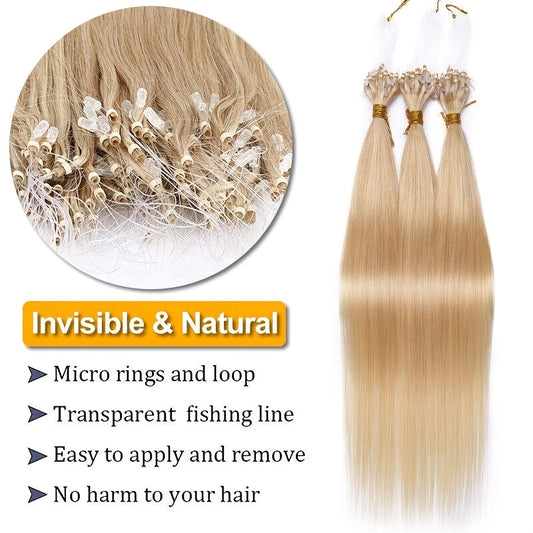
Remy Human Hair 100 Strands Invisible Micro Ring Hair Extensions
Regular price $249.00 USDSale price $249.00 USDUnit price per -

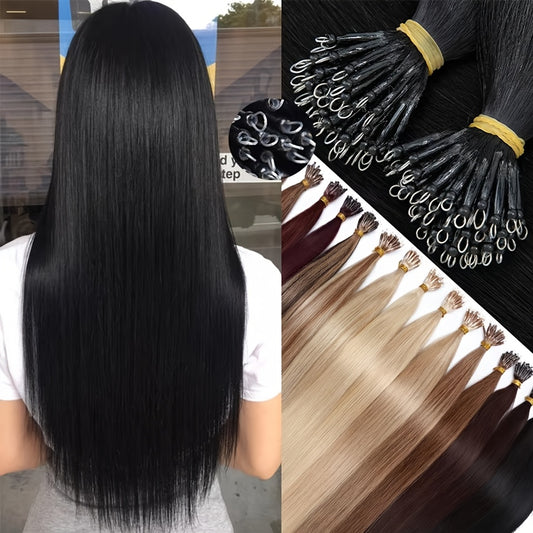
50 Strands Nano Rings Micro Links Human Hair Extensions
Regular price $239.00 USDSale price $239.00 USDUnit price per -

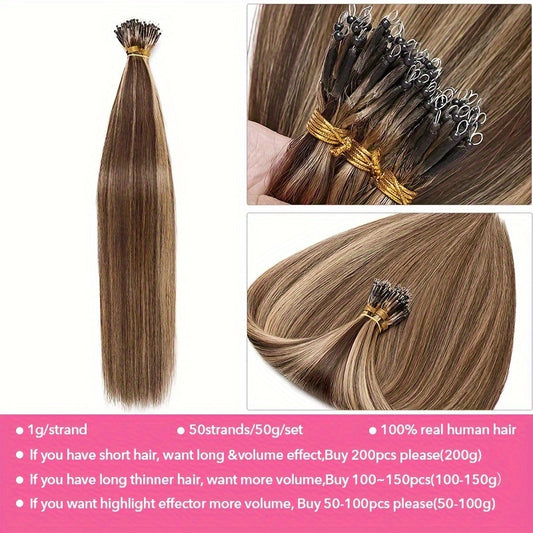
50pcs/Pack Nano Rings Micro Links Human Hair Extensions
Regular price $229.00 USDSale price $229.00 USDUnit price per -
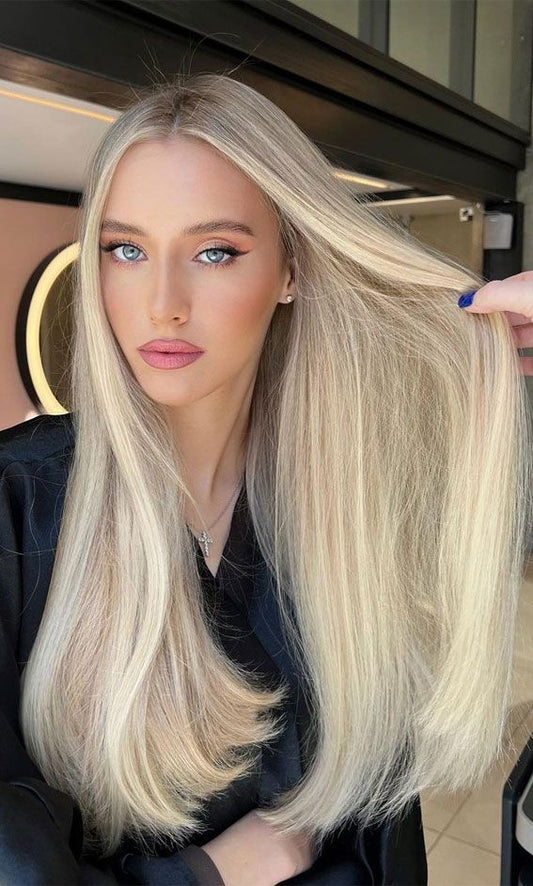
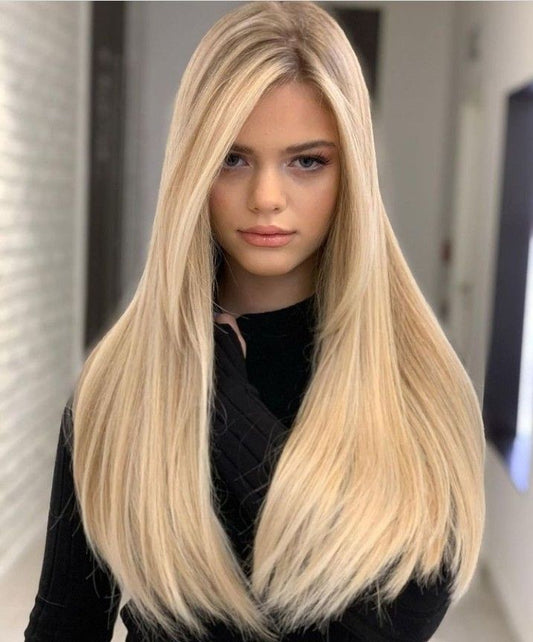
Bleach Blonde Human Hair Micro Ring Hair Extensions
Regular price $370.99 USDRegular priceUnit price per


Hair Extensions at Fabulive: A Complete, Method-by-Method Guide to Choosing the Right Length, Volume, and Blend
Hair extensions are no longer a niche beauty add-on—they’re a practical way to solve everyday hair goals: fuller ends, longer lengths, thicker ponytails, richer dimension, and reliable “polished hair” with less daily effort. This collection guide is designed to help you choose the right extension method, shade family, texture, and coverage for your routine, then care for it well so your results stay natural. Start by browsing the assortment from Fabulive’s official store homepage for hair and beauty essentials, then use the decision framework below to narrow your best match before you shop.
What Hair Extensions Are and Who They’re For
Hair extensions are added hair pieces—either in wefts or strand-by-strand formats—designed to integrate with your natural hair to increase length, density, or dimension. The most natural results come from choosing extensions that match how your hair behaves in real life: your texture when air-dried, your natural undertone in daylight, and your styling habits across an average week (not an idealized one).
Extensions can support a wide range of needs, including:
- Creating fuller ends when hair looks thinner below the shoulders
- Adding length so braids, waves, and ponytails look more proportional
- Balancing haircuts during grow-out phases
- Introducing dimensional color without bleaching your natural hair
- Making formal styles easier by giving you more hair to work with
They’re for anyone who wants more control over their hair’s silhouette. Whether you wear them occasionally for events or build them into your daily routine, the “right” extension setup feels comfortable, blends in different lighting, and aligns with how much maintenance you’re realistically willing to do.
Why Hair Extensions Matter Now
Hair is part of modern communication: photos, video calls, social content, and in-person events make hair more visible than ever. At the same time, many people are trying to reduce overprocessing, minimize heat styling, and avoid the cycle of constant color correction. Extensions offer a different approach: you can add fullness and dimension without repeatedly altering your natural hair, and you can style more efficiently because the hair already has the density and length needed to make looks work.
Extensions also help create consistency. Instead of relying on daily heat tools to “fake” fullness, you can build the foundation once—then style with fewer steps. The result is a more repeatable routine: better hair more often, with less trial and error.
How to Choose Hair Extensions
The best way to choose hair extensions is to treat the purchase like a fit decision, not just a color decision. A perfect shade can still disappoint if the method doesn’t fit your lifestyle. Likewise, the best method can look obvious if you choose the wrong undertone. The sections below break the decision into manageable variables so you can choose with confidence.
Decision Framework
Use this order to avoid the most common mistakes: buying the wrong method first, then trying to “force” it to work with heavy styling.
- Goal → length, volume, or both
- Shade → match mid-lengths and ends in daylight
- Texture → match your natural pattern when air-dried
- Type → clip-in, tape-in, micro-ring, or nano-ring-style install
- Coverage → targeted boost or full-head balance
- Occasion → daily wear, travel, event season, or occasional glam
- Care → washing, detangling, heat frequency, and sleep habits
- Budget → cost aligned with wear frequency and longevity goals
Micro-Intent: Choose Based on Your Primary Goal
If your goal is length, choose a length that complements your haircut shape—especially if you have layers. If your goal is volume, prioritize density through mid-lengths and ends rather than chasing maximum length. If you want both, select a method that remains comfortable over longer wear and a shade plan that blends without daily heat styling.
Micro-Intent: Match Extensions to Your Hair Density
Fine hair generally looks most natural with lighter coverage and a flatter profile at the base, so the result doesn’t look bulky near the scalp. Medium-density hair can support a broader range of placements and grams. Thick hair often needs more coverage to avoid a visible density gap between your natural hair and the added length. The goal is consistency: a believable silhouette from the crown through the perimeter.
Micro-Intent: Decide How Often You Want to Wear Them
Occasional wear favors removable solutions because you can install only when you want extra hair. Daily wear tends to work best when the method is comfortable, secure, and easy to maintain without constant reinstallation. Be honest about your week: if you want low-effort mornings, choose a setup that reduces styling work rather than adding to it.
Micro-Intent: Choose a Method That Fits Your Styling Habits
If you heat style regularly, focus on methods and hair quality that can handle repeated styling without quickly losing softness. If you prefer air-drying, match your natural wave or curl so you aren’t forcing the extensions into a different texture every day. The closer the match, the less work you’ll do—and the more natural it will look.
Micro-Intent: Select Coverage for the Styles You Actually Wear
If you wear hair down most days, prioritize blending through the lower back and sides so the ends look full and continuous. If you wear ponytails and buns frequently, you’ll need cleaner blending near the crown and around the hairline, plus attachment placement that stays hidden when hair is lifted.
Micro-Intent: Pick a Realistic Length for a Natural Transition
Natural-looking extensions preserve proportion. Extreme length jumps can look stunning, but they require better blending and often more styling. If you’re new, start with a length that looks like believable growth, then adjust once you know what feels comfortable and wearable.
Micro-Intent: Understand Comfort and Scalp Sensitivity
Comfort depends on placement, weight distribution, and your daily habits (sleeping, exercise, and how often you wear hair up). If you’re tension-sensitive, avoid overloading small sections and choose placements that don’t pull when you move your head or tie your hair back. A comfortable setup looks more natural because you’ll wear it confidently, without constantly adjusting.
Shade, Undertone, and Finish
Shade selection is where most shopping regret happens—usually because people match in indoor lighting, match to roots instead of ends, or underestimate undertone. Focus on three dimensions: overall level (lightness), undertone (cool, warm, neutral), and finish (solid vs dimensional). Match your mid-lengths and ends first because that’s where extensions live and where blending is most visible in motion.
Micro-Intent: Identify Undertone in Natural Daylight
Stand near a window in indirect daylight and check whether your hair reads ash/beige (cool), honey/gold/caramel (warm), or balanced (neutral). If your hair shifts between warm and cool depending on lighting, you likely have a neutral base and can blend well with a dimensional mix shade.
Micro-Intent: Choose Dimensional Color for a “Real Hair” Effect
Hair rarely appears as a single flat tone in real life. Dimensional shades mimic natural variation and can soften the transition between your natural color and the added hair. If you have balayage, grown-out highlights, or sun-lightened ends, dimensional blends often look more seamless than a single solid shade.
Micro-Intent: Shop the Blonde Family Without Guesswork
Blonde includes a wide range of levels and undertones—beige, ash, honey, golden, and icy. If you want a broad view of blonde options before narrowing into a method, start with Fabulive’s blonde hair extensions collection to compare tones and finishes. From there, refine your method (clip-in, tape-in, micro-ring) based on how often you’ll wear them.
Micro-Intent: Dark Blonde vs Lighter Blonde (How to Avoid a Visible Line)
Dark blonde is often the most wearable for lived-in looks because it blends naturally with deeper roots and softer highlights. Lighter blondes can be striking but less forgiving if your natural ends aren’t equally bright. When you’re between shades, match the tone you see from a few feet away rather than the brightest face-framing piece.
If you’re targeting that “in-between” level that blends with beige and rooted blonde looks, explore dark blonde hair extensions designed for realistic depth and balance.
Micro-Intent: Blend-Friendly Blonde Education (Shade Logic That Saves Money)
When shoppers get blonde wrong, they usually get undertone wrong. A shade that’s too warm can read brassy; too cool can look gray or mismatched. If you want a practical approach to choosing a flattering blonde level and tone, use this guide to finding the “just right” blonde shade as a reference point for tone and finish.
Micro-Intent: Sun-Kissed Warm Blonde Without Looking Orange
Warm blonde looks premium when it’s intentionally golden, not overly orange. If your natural hair has warmth, a golden finish can look luminous and expensive—especially in softer, lived-in waves. For shade direction and styling logic, see this breakdown of light golden blonde for a sun-kissed look.
Micro-Intent: Platinum and Icy Shades (High Impact, High Precision)
Platinum shades are dramatic and editorial, but they demand precision. Any mismatch is more visible in cool blondes, especially in direct daylight. If you’re aiming for a crisp icy look, treat matching as a full look decision—hair, makeup, and wardrobe can all support the tone. For strategy and styling cues, explore this guide to achieving an “ice queen” platinum finish.
Micro-Intent: Strawberry Blonde (Soft Warmth With Dimension)
Strawberry blonde sits between warm blonde and light copper. The most natural versions include subtle variation so the shade doesn’t read like a single-tone costume color. If you’re deciding how warm to go, this strawberry blonde guide can help calibrate tone and finish for a believable blend.
Micro-Intent: Bronde (The Easiest “Grown-Out Highlight” Blend)
Bronde is a standout for everyday wear because it mirrors natural regrowth and multi-tonal hair. It tends to blend well with darker roots, softer highlights, and sun-lightened ends. If your hair lives between light brown and dark blonde, bronde can reduce the need for frequent toning. For tone mapping and blend principles, reference this bronde hair extensions explainer.
Micro-Intent: Bold Contrast (Black and Bleach Blonde Done Intentionally)
High-contrast color stories can look striking and modern when the contrast is intentional—controlled placement, balanced proportions, and a finish that looks designed rather than accidental. If you’re exploring that contrast aesthetic, this guide to black and bleach-blonde mix extensions is useful for understanding how to keep the look polished.
Micro-Intent: Quick Inspiration When You’re Still Choosing a Direction
If you’re still undecided, seeing how different blonde tones work across hair colors and skin undertones can clarify your best match. For broad inspiration you can translate into a realistic plan, explore these blonde hair ideas for different skin tones and lifestyles.
Texture and Blending
Texture match is the quiet driver of “invisible extensions.” Even if color is perfect, a texture mismatch can show—especially in humidity, air-dried styling, or when hair moves. The best reference is your natural hair after washing and air-drying with minimal product. Match that version of your hair, not your hair after a salon blowout.
Micro-Intent: Straight Blends That Don’t Look Flat
Straight textures look most believable when the ends are full and the perimeter looks consistent. If your natural ends are fine, focus on strategic placement that supports your haircut shape so the added length doesn’t create a “thin-to-thick” jump.
Micro-Intent: Wavy Blends (The Most Forgiving for New Wearers)
Soft waves naturally disguise small shade differences and help blend layers. If you’re between two lengths or two tones, a loose wave pattern can soften transitions without looking overly styled. Wavy finishing also photographs well across casual and formal settings.
Micro-Intent: Curly Blends (Pattern Consistency Matters Most)
With curls, the blend depends on curl diameter, frizz level, and how the hair clumps. If your curl pattern varies across your head, match the most visible area first (top layers and front). Place extensions where your natural hair will cover attachment points and where the pattern match is strongest.
Micro-Intent: Blending on Short Hair Without a Shelf Line
Short hair can wear extensions beautifully, but blending requires a gradual transition. Avoid extreme length jumps and rely on layered placement. A slightly textured finish often hides the transition better than a pin-straight finish. If you’re considering extensions specifically to transform shorter cuts, this guide explains why extensions are a game-changer for short hair and what makes the result look natural.
Styling Ideas: Daily Wear and Event Hair
Extensions expand what’s possible with styling: braids look thicker, waves look more “expensive,” ponytails look more proportional, and updos become easier because you have more hair to anchor pins and shape. The most practical approach is to choose a few repeatable styles that fit your routine and then use extensions to elevate them.
Micro-Intent: Daily “Polished” Hair With Minimal Effort
For everyday wear, aim for styles that look intentional but don’t require perfection: a low ponytail with soft face-framing pieces, a half-up twist, or loose waves with a clean part. Extensions create fullness so your styling time can stay minimal while your result looks more complete.
Micro-Intent: Volume-First Styling With Clip-Ins
Clip-ins are ideal when your priority is volume because you can place hair exactly where you need thickness—then remove it the same day. The difference between “bulky” and “natural” is placement and sectioning. For technique-driven guidance, explore these techniques for enhancing volume with clip-in extensions.
Micro-Intent: Prom and Formal Hairstyles That Photograph Well
Formal hair benefits from added density: curls hold their shape, braids look fuller, and updos gain dimension. The key is choosing a style that suits your hair length and comfort level while staying secure for hours. For practical style inspiration designed for real-life execution, see these prom hairstyles for medium-length hair.
Micro-Intent: Celebrity References Without Overdoing Glam
Celebrity hair often comes down to proportion: fuller mid-lengths, soft face framing, and controlled shine. Extensions can help you recreate that balance in a wearable way when you focus on movement and texture rather than extreme volume at the crown. For reference looks you can adapt to your own vibe, explore these celebrity hairstyles that stole the show.
Micro-Intent: Accessory-Forward Styling With Bandanas
Bandanas and headwraps look best when there’s enough hair volume to balance the accessory. Extensions help create that balance and make it easier to anchor pins and wraps. If you like a playful, modern take on casual styling, browse these cute bandana hairstyle ideas.
Care and Maintenance
Extensions last longer and look better when you treat them as an investment in consistent habits. Maintenance doesn’t need to be complicated, but it does need to be disciplined: gentle detangling, appropriate washing frequency, reduced friction, and thoughtful heat styling. The goal is to keep hair hydrated and smooth without overloading attachment areas with heavy product.
Micro-Intent: Washing Frequency Based on Wear and Product Use
Wash only when necessary to remove buildup and keep the hair light. Overwashing can dry out extensions, reducing softness and shine. Underwashing can contribute to tangles if product buildup increases friction. A balanced schedule depends on your routine: workouts, styling products, and environmental exposure.
Micro-Intent: Detangling Without Pulling at the Base
Detangle from the ends upward in small sections and support hair near the base so you don’t pull on attachment points. Most tangling issues escalate when small knots are ignored. Gentle, frequent detangling prevents knots from becoming larger mats that lead to breakage and shedding.
Micro-Intent: Heat Discipline That Preserves Softness
Use lower temperatures and fewer passes. Choose styles that hold well so you aren’t re-curling or re-straightening daily. When hair is styled with restraint, it stays smoother and shinier longer, and the blend remains more natural in different lighting conditions.
Micro-Intent: Sleep, Gym, and Travel Habits That Reduce Friction
Friction is the main enemy of extension longevity. Before bed, gather hair into a loose braid or low ponytail to reduce tangling. For workouts, secure hair without tight tension and detangle after sweating. For travel, keep removable pieces protected and avoid compressing hair into tight bundles that create creases and knots.
Category Comparisons: Methods, Comfort, and Results
Method selection should be driven by lifestyle and desired finish. A method that looks great but feels uncomfortable will rarely be worn consistently, and inconsistent wear creates inconsistent results. Choose a method that fits your weekly rhythm and your willingness to maintain it properly.
Micro-Ring Extensions
Micro-ring extensions are installed strand-by-strand using small rings, offering natural movement and a flexible drape that can look very “like your own hair.” This method can be a strong option when you want a longer-wear solution with realistic movement, especially if you like wearing hair down or in loosely styled looks.
If you want to explore the method broadly before narrowing by shade family, start with Fabulive’s micro-ring hair extensions collection for method-first browsing.
Micro-Intent: Micro-Rings for Deep Black Tones
Black shades should look rich and natural in daylight without appearing overly flat. If your hair is naturally deep and you want a seamless match for a glossy finish, browse black micro-ring hair extensions for deep-toned blending.
Micro-Intent: Micro-Rings for Brunette Shades
Brunette blends are most believable when depth matches your base and the finish stays natural across indoor and outdoor lighting. For everyday wearable browns, explore brown micro-ring hair extensions for natural brunette integration.
Blonde Micro-Rings
Blonde micro-rings are popular because strand movement can make blonde blends look softer and more natural, especially when hair has subtle dimensionality. This is a strong category when you want a lived-in blonde look without relying on daily styling to hide transitions.
To shop this shade-method intersection directly, visit blonde micro-ring hair extensions for strand-by-strand blonde blending.
Clip-In Extensions
Clip-ins are removable, making them ideal for occasional volume, travel, and events. They’re also useful if you want to experiment with shade and length before committing to longer-wear methods. The best clip-in experience comes from smart placement: add volume where you need it, rather than stacking too many wefts in one area.
If your focus is blonde in a removable format, explore blonde clip-in hair extensions for flexible volume and length.
Tape-In Extensions
Tape-ins often feel flatter and can be a comfortable daily-wear option when applied and maintained correctly. They work well for many hair types, particularly when you want a smooth finish that lays close to the head. Tape-ins can be an efficient option if you want consistent hair without daily installation.
For blonde tape-in shopping, browse blonde tape-in hair extensions for a flatter, lightweight feel.
Dimensional Blonde Mix Shades
Dimensional mixes are often the easiest path to a natural blend because they mimic real hair variation. They can be particularly useful when your hair has highlights, lowlights, or sun-lightened ends and you don’t want a single flat shade to look too uniform.
If you want multi-tone blondes built for seamless blending, explore blonde mix hair extensions for dimensional, highlight-like depth.
Nano Rings vs Tape-Ins: How to Choose Between Two Popular Daily Options
When deciding between a ring-based install and tape-ins, focus on what matters most to you: strand movement and styling flexibility versus a flatter feel and potentially quicker installation. Both can look natural when matched correctly; your best choice depends on comfort preference, routine, and maintenance expectations. For a structured pros-and-cons comparison, see this nano-ring vs tape-in breakdown.
Featured Picks
These featured picks are organized around buyer intent: shade match, wear frequency, and the kind of result you want to see in everyday lighting. Use them as starting points, then refine your selection by undertone, length, and coverage needs.
Micro-Intent: Bright Blonde Micro-Ring Result With Clean, High-Impact Tone
If you want a crisp blonde result in a micro-ring format, consider bleach blonde human hair micro-ring extensions for a bright, statement finish.
Micro-Intent: Jet Black Micro-Ring Match for Rich, Deep Color
If your natural hair is very dark and you want a consistent, polished depth, explore jet black human hair micro-ring extensions for seamless dark blending.
Micro-Intent: Medium Brown Micro-Ring Choice for Wearable Brunette Blends
If you’re aiming for a balanced brunette that looks natural across lighting, consider medium brown human hair micro-ring extensions for everyday depth.
Micro-Intent: Extra Coverage When You Need Fuller Ends
If your main issue is thin-looking ends, you’ll typically get better results by increasing targeted density rather than adding excessive length. For coverage support, explore a thick micro-ring loop pack designed for added density and fullness.
Micro-Intent: Installation Readiness With a Complete Micro-Ring Kit
A clean result depends on consistent sectioning and the right setup. If you want a consolidated starting point for micro-ring installation, consider a micro-ring hair extension kit for a more organized application process.
Micro-Intent: Ongoing Upkeep Tools for Micro-Ring Wearers
Maintenance is easier when you have dedicated tools that support precision and consistent handling. For long-term micro-ring wear, explore this tool set designed for micro-ring hair extension maintenance.
Buying Mistakes to Avoid
Most extension disappointment comes from predictable errors that can be avoided with a simple reality check: match your ends, choose a method you’ll maintain, and respect your hair’s natural behavior. Avoid these mistakes and extensions become a dependable tool rather than a repeated experiment.
Micro-Intent: Mistake #1 — Matching to Roots Instead of Ends
Your ends are usually lighter and more porous than your roots, especially if you have color, sun exposure, or natural variation. Matching to roots often makes the extension area look too dark and heavy. Match to mid-lengths and ends first, then use styling and placement to blend the top layers.
Micro-Intent: Mistake #2 — Choosing a Method That Doesn’t Fit Your Routine
If you don’t want appointment-based upkeep, avoid committing to methods that require frequent adjustments. If you prefer autonomy and occasional wear, removable options are often the best fit. If you want daily wear, choose a method that aligns with your comfort level and care habits.
Micro-Intent: Mistake #3 — Going Too Long Without Building a Natural Transition
Big length jumps can look dramatic, but they require more blending and often more styling. If you want the most natural look, choose a length that looks like believable growth and focus on fullness through the mid-lengths and ends so the silhouette stays proportional.
Micro-Intent: Mistake #4 — Ignoring Texture and Humidity Reality
If your hair frizzes in humidity and your extensions stay ultra sleek, the mismatch will show—especially in motion. Match your real texture behavior and choose finishing styles that look good even when hair isn’t perfectly controlled.
Micro-Intent: Mistake #5 — Forgetting the Lifestyle Test
Your hair should serve your life, not the other way around. If you work out often, travel frequently, or wear hair up daily, choose placements and methods that stay comfortable and hidden in those situations, not just when your hair is down and freshly styled.
How to Shop by Shade Family and Category Path
If you already know your shade family, you can shop faster by starting with a focused collection and refining by method and finish. This approach reduces browsing fatigue and helps you compare only the most relevant options.
Micro-Intent: Build a Blonde Wardrobe by Method
If you love blonde but want different options for different days, think in a simple wardrobe: clip-ins for occasional volume and events, tape-ins for flatter daily wear, and micro-rings for natural movement. The right combination depends on your schedule, your styling time, and your comfort preference.
Micro-Intent: Choose the Right Day-to-Day Blonde Finish
For daily wear, the most natural blondes often include subtle depth. Dimensional blends can keep the look from appearing overly uniform and help it integrate with your natural regrowth. If your hair is naturally deeper at the root, consider tones that bridge the transition rather than forcing a single bright shade throughout.
FAQ
How do I choose between clip-ins, tape-ins, and micro-rings?
Choose clip-ins if you want occasional wear and the ability to install and remove them anytime. Choose tape-ins if you want a flatter feel for daily wear and you’re comfortable with upkeep. Choose micro-rings if you want natural strand movement and a method that rewards consistent maintenance and thoughtful placement.
What matters most for a natural-looking blend?
Match your mid-lengths and ends in daylight, then match texture based on how your hair behaves when air-dried. Dimensional color finishes can reduce the appearance of small mismatches. Placement matters too: your top layer should cover attachment points and flow naturally into the extension length.
Can hair extensions work for fine hair?
Yes, but lighter coverage and careful placement are important so the result doesn’t look bulky near the scalp. Fine hair often benefits from flatter profiles and targeted density rather than excessive length. A comfortable setup is more likely to be worn consistently, which improves overall results.
How do I prevent tangling and dryness?
Detangle gently from ends upward, reduce friction during sleep, and avoid overwashing. Keep hydration focused on mid-lengths and ends while minimizing heavy product near attachment areas. Heat restraint and fewer styling passes also help preserve softness.
Should I match extensions to my roots or my ends?
Match to your mid-lengths and ends first because that’s where the extensions sit and where blending is most visible. Roots can remain naturally deeper, especially in balayage or lived-in color patterns. If you wear frequent updos, you may want a closer match near the crown for maximum invisibility.
What if I’m between two shades?
Choose the shade that aligns best with your ends in daylight, or select a dimensional blend that contains multiple tones. Soft waves can also help integrate subtle shade differences. The goal is to avoid a noticeable line where your natural hair meets the added hair.
Are micro-rings comfortable for everyday wear?
They can be, especially when sections are consistent and weight is distributed properly. Discomfort usually indicates tension, placement issues, or too much weight in a small section. Comfort improves when installation respects your scalp sensitivity and your preferred hairstyles.
Can I heat-style extensions?
Yes, but use lower heat settings and fewer passes to preserve softness and shine. Choose styles that hold so you don’t need daily restyling. Detangle before and after heat styling to prevent small knots from tightening.
How long do extensions last?
Longevity depends on hair quality, frequency of wear, and care habits. Occasional wear typically extends lifespan because there’s less daily friction and washing. Daily wear can still last well when you keep routines consistent and avoid aggressive heat and rough handling.
Do extensions work during short-hair grow-out phases?
Yes, they can be especially helpful during awkward length transitions. The key is building a gradual blend so you don’t create a visible shelf line. Choosing realistic length jumps and a texture that matches your natural hair makes the result look more like growth than a sudden add-on.
Conclusion
The best hair extensions don’t just look good in a mirror—they look natural in motion, feel comfortable across your day, and fit your real routine. Start with your goal, match your ends in daylight, choose a texture that behaves like your own hair, and select a method you’ll maintain consistently. Once those fundamentals are right, extensions become a reliable tool for fuller ends, longer lengths, and more polished styling with less daily effort.
If you’re ready to refine your selection, begin by choosing your shade family and preferred method, then use the Decision Framework above to confirm coverage, occasion, and care fit. The most confident purchase is the one that blends seamlessly into your lifestyle as well as your hair.