



Nano-Ring vs Tape-In Hair Extensions: The Ultimate Pros and Cons Breakdown
A Standard Support & Education Guide Featuring Ombre Tape-In Hair Extensions
Choosing the right hair extension method is not just about length or color. It directly affects comfort, blending realism, long-term hair health, and how effortlessly your hair fits into daily life. Two of the most requested semi-permanent methods today are nano-ring hair extensions and tape-in hair extensions. While both can deliver beautiful results, they behave very differently on the scalp, during styling, and as your natural hair grows. This guide breaks down nano-rings and tape-ins in real-world terms so you can choose with clarity rather than trial and error.


What Are Nano-Ring Hair Extensions
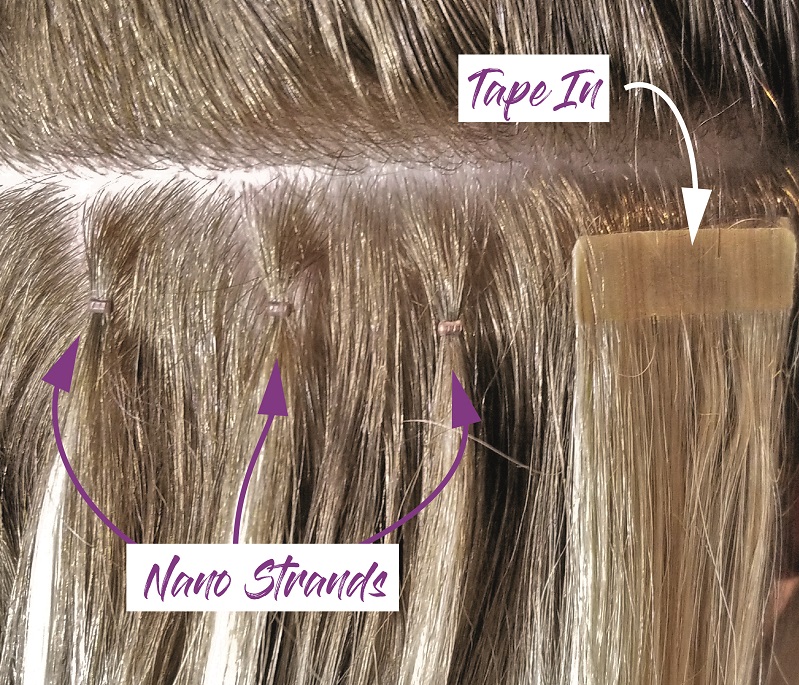
Nano-ring hair extensions are a strand-by-strand method where individual extension strands are secured to your natural hair using tiny rings that are gently clamped shut. There is no glue, no tape adhesive, and no heat bonding involved. Because each strand moves independently, nano-rings offer flexible parting, natural movement, and highly customized placement. This makes them ideal for layered cuts, textured styles, and anyone who wants extensions to behave like real hair in motion.
What Are Tape-In Hair Extensions
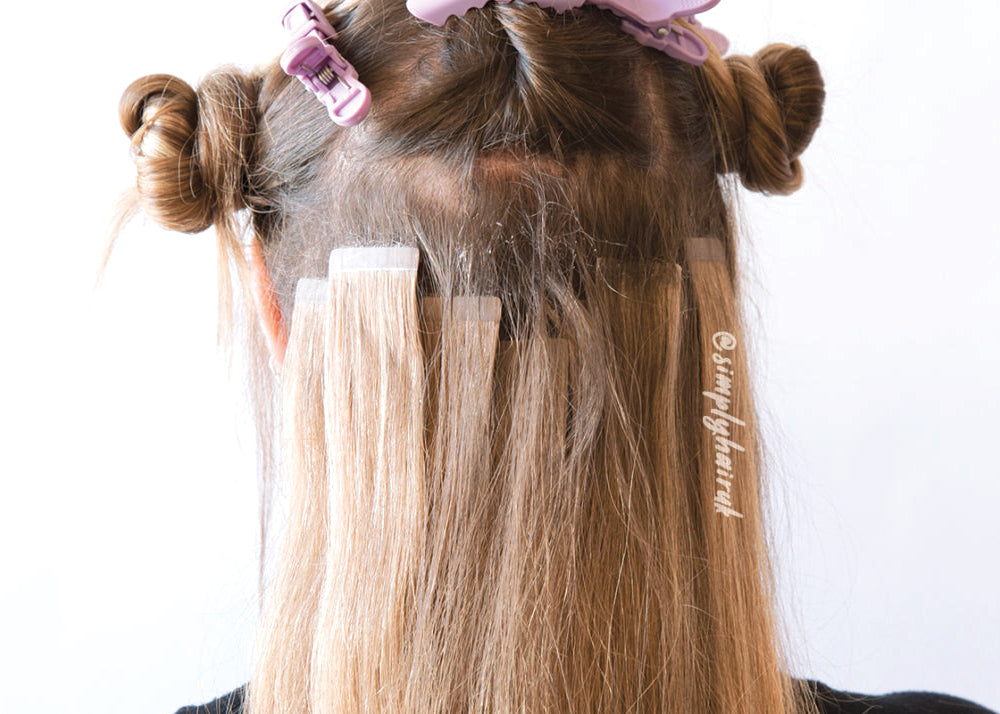
Tape-in hair extensions use pre-taped wefts that sandwich small sections of your natural hair between two adhesive tabs. These tabs lie flat against the scalp and distribute weight evenly, creating a smooth, low-profile attachment. This method is especially popular for sleek styles and longer lengths. Dimensional options such as ombre tape-in hair extensions with seamless color blending help disguise transition lines and create a soft, flowing finish.


Application Differences And Comfort
Nano-rings require meticulous sectioning and strand-by-strand placement, which increases installation time but allows precise control over density and placement. Comfort depends heavily on technique. A correct install leaves a small movement gap near the scalp so the hair can move freely without pulling or tension. Tape-ins are installed in horizontal rows from the nape upward. Because each tape covers a broader surface area, installation is faster and many wearers find tape-ins immediately comfortable due to their flat profile against the head.
Longevity And Hair Growth Management
Tape-ins typically require repositioning every six to eight weeks as the adhesive grows away from the scalp. This timing and care cycle is explained in how long tape-in hair extensions last and when to reapply them. Nano-rings can be moved up the hair shaft as your hair grows, allowing the same hair to be reused. However, delaying maintenance can lead to root tangling if naturally shed hairs wrap around the rings.

Blending And Natural Movement
Tape-ins excel at sleek, straight, or very long styles because they lie flat and disappear easily under the top layers of hair. This makes them especially effective for lengths highlighted in 22-inch tape-in hair extensions for luxe mid-back styles. Nano-rings shine in layered cuts, waves, and textured hair. Because placement is individualized, stylists can integrate strands exactly where density is needed, improving blending for curls, feathered ends, and lived-in movement.
Fine Hair, Thin Hair, And Sensitive Scalps
For thin hair with hair extensions or thinning hair on top, weight distribution matters more than method popularity. Tape-ins often perform better for fine hair because the adhesive spreads weight across multiple strands rather than concentrating tension at a single point. This is why why tape-in extensions are a game changer for fine hair is frequently recommended for fragile density. Nano-rings can still work beautifully for fine hair when installed conservatively, but incorrect tension or excessive strand count can cause stress over time.


Styling Flexibility And Daily Wear
Tape-ins are easier to conceal in ponytails and sleek styles because there are no individual beads that can rotate into view. Nano-rings require more thoughtful styling when hair is pulled tightly but allow greater flexibility for part changes and textured looks. Both methods support heat styling with proper protection. For curly hair and hair extensions, nano-rings often integrate more naturally because strands can be distributed to match curl patterns.
Maintenance And Cost Over Time
Tape-ins generally cost less upfront due to faster installation but require regular removal and re-taping. Nano-rings may cost more initially but allow reuse through move-ups, which can reduce replacement frequency over time. Both methods demand disciplined care, gentle brushing, and scheduled professional maintenance.
Common Mistakes To Avoid
Overloading fine hair, placing attachments too close to the hairline, skipping maintenance appointments, and using heavy oils near attachment points are the most common causes of visible extensions and breakage. The best type of hair extensions is always the one matched to your real habits, not aspirational styling goals.
Where These Methods Fit In The Bigger Picture
If you are comparing multiple systems, everything you need to know about tape-in hair extensions from installation to care and the complete hair extensions collection for all hair types and textures help place nano-rings and tape-ins within the full extension ecosystem.

Final Takeaway
Nano-ring and tape-in hair extensions are both advanced systems capable of delivering natural, confidence-boosting results. The difference lies in how they interact with your hair over time. When you understand application mechanics, maintenance needs, and your own styling habits, the choice becomes clear. Informed decisions lead to healthier hair, better blending, and extensions that feel like a natural part of you rather than an accessory.
FAQ: Nano-Ring vs Tape-In Hair Extensions
Which method is better for fine or thinning hair? Tape-ins are usually better because weight is distributed across a larger surface area, reducing stress on fragile strands.
Do nano-rings damage natural hair? No. Damage comes from poor installation or skipped maintenance, not from the method itself.
Which lasts longer overall? Nano-rings allow longer reuse through move-ups, while tape-ins require periodic re-taping.
Are tape-ins visible in thin hair? Not when placed correctly with adequate top coverage and professional blending.
Can I exercise or swim with these extensions? Yes, with protective styling and thorough drying afterward. Avoid heavy oils near attachment points.
Which method is easier for beginners? Tape-ins are generally easier for first-time extension wearers to manage.


