



Everything You Need to Know About Tape-In Hair Extensions
A Complete Standard Support / Education Guide Featuring Blonde Tape-In Hair Extensions
Tape-in hair extensions are among the most accessible and versatile extension types available, offering an ideal balance of longevity, comfort, and natural movement. They are designed for people who want their hair to look fuller and longer without committing to daily removal or bulky attachment systems. Unlike clip-in extensions, which are temporary and removed each day, tape-ins are semi-permanent and stay in place for weeks, allowing you to live, move, style, and travel without constantly thinking about your hair. This makes them particularly appealing for professionals, frequent travelers, and anyone who prefers a consistently polished appearance without daily effort. The appeal of tape-ins lies not only in their convenience but also in their ability to blend seamlessly with natural hair textures, colors, and movement, creating a refined finish that looks intentional rather than artificial.
This comprehensive education guide explains everything you need to know about tape-in hair extensions, including how they work, how long they last, how they compare to other extension methods, how to prepare your hair, how to care for them correctly, and why blonde tape-in extensions are especially popular. Whether you are considering tape-ins for the first time or refining an existing routine, this guide is structured to help you make confident, informed decisions grounded in practicality rather than trends alone.
What Are Tape-In Hair Extensions And How Do They Work
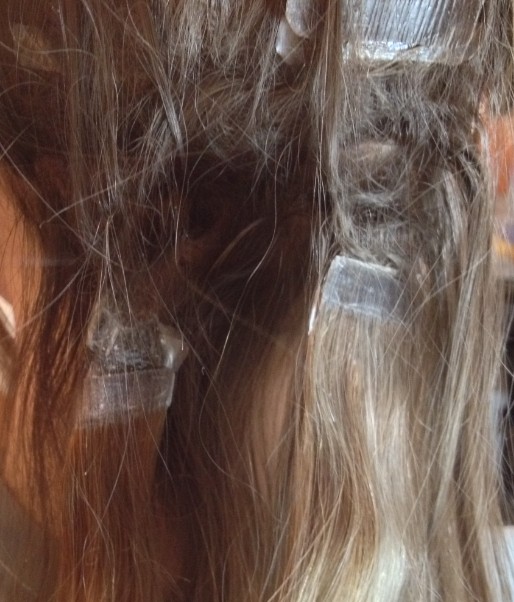
Tape-in hair extensions are constructed from thin, flexible wefts of hair with medical-grade adhesive applied at the top edge. During installation, a narrow, clean section of your natural hair is placed between two tape wefts, forming a secure sandwich-like bond. This process does not involve heat, glue, or metal components, which makes it one of the gentlest semi-permanent extension techniques available today. Because the adhesive spreads weight across a wider surface area, the extensions place less strain on individual strands compared to strand-based methods. The thin profile of tape-ins allows them to lie flat against the scalp, reducing bulk and helping the extensions move naturally with your own hair.


Why Tape-In Extensions Create Such A Natural Look
One of the defining advantages of tape-in extensions is their ability to mimic the natural fall and movement of real hair. Because the attachment point is flat and discreet, the hair above it naturally conceals the tape, allowing the extensions to integrate smoothly into the overall hairstyle. This makes tape-ins suitable for wearing hair down, parted, softly waved, or styled straight without revealing attachment points. Blonde shades benefit particularly from this design. Lighter colors tend to highlight inconsistencies in blending, making bulky or poorly placed extensions more obvious. This is why many stylists recommend blonde tape-in hair extensions designed for seamless blending and dimensional highlights when working with lighter palettes, as they allow gradual color transitions and a polished, cohesive finish rather than harsh lines.

How Tape-In Hair Extensions Are Installed
Professional installation begins with clean, completely dry hair that is free from oils, heavy conditioners, and styling residue. The stylist sections the hair horizontally, typically starting at the nape and working upward toward the crown. Tape-in wefts are placed close to the roots but never directly on the scalp, allowing room for natural movement and preventing irritation. Each section is measured carefully to ensure even weight distribution and proper concealment. Once the extensions are applied, the stylist blends them into the natural hair using strategic layering and light styling. Because tape-ins are thin and flexible, they adapt well to different hair textures and cutting techniques, and most people find them comfortable almost immediately after installation.
How Long Do Tape-In Hair Extensions Last
Tape-in hair extensions generally remain in place for six to eight weeks, depending on hair growth rate, lifestyle, and maintenance habits. As natural hair grows, the tape wefts gradually move away from the scalp, and without timely repositioning they may become visible or begin to twist. Regular maintenance appointments prevent these issues and keep the extensions looking fresh. High-quality tape-in hair can often be reused multiple times when properly cared for and re-taped, making them a cost-effective long-term option. Understanding how long tape-in hair extensions last with proper maintenance and reapplication routines helps wearers plan upkeep efficiently and protect their investment.

Why Tape-Ins Stand Out Compared To Other Extension Methods
Tape-in extensions offer several practical advantages over other popular extension methods. Compared to clip-ins, tape-ins provide a semi-permanent solution that does not require daily application or removal, making them ideal for consistent wear. Compared to strand-based systems such as keratin bonds or micro rings, tape-ins lie flatter against the scalp and distribute weight more evenly, reducing tension at the roots. Many people also find tape-ins easier to style and maintain, especially when discretion and comfort are top priorities. Reviewing nano-ring vs tape-in hair extensions pros and cons explained in detail can help clarify which method best aligns with your hair type, routine, and styling goals.
How To Prepare Your Hair Before Getting Tape-In Extensions
Preparation plays a significant role in the success and longevity of tape-in extensions. Hair should be trimmed, detangled, and free from buildup before installation. Oils, scalp treatments, and rich conditioners near the roots can interfere with adhesive bonding, leading to premature slipping or lifting. A professional stylist will assess your hair’s density, texture, and overall health to determine the appropriate number of tape-ins and placement strategy. Proper preparation ensures better adhesion, improved comfort, and a more natural final result that holds up over time.
Styling Tape-In Hair Extensions For Everyday Wear
Tape-in extensions can be styled similarly to natural hair, offering flexibility for everyday looks and special occasions alike. Heat tools such as curling irons, flat irons, and blow dryers can be used safely when paired with a quality heat protectant. Soft waves enhance blending, sleek straight styles emphasize length, and layered cuts add movement and dimension. Length selection plays an important role in the final aesthetic, and inspiration from 22-inch tape-in hair extensions for luxurious length and statement styling shows how longer extensions influence proportion, balance, and visual impact.


Care And Maintenance For Tape-In Hair Extensions
Proper care is essential for maintaining the appearance and performance of tape-in extensions. Shampoo should be applied gently at the scalp, while conditioner is best concentrated on mid-lengths and ends rather than the root area where the tape sits. Heavy oils, masks, and silicone-rich products near the adhesive can weaken the bond and shorten wear time. Detangling should be done with a wide-tooth comb or extension-friendly brush, starting from the ends and working upward. Sleeping with hair loosely braided or tied back helps reduce friction and tangling, preserving smoothness between maintenance appointments.
Common Mistakes To Avoid With Tape-In Extensions
One of the most common mistakes is placing tape-ins too close to the scalp, which can cause discomfort and early lifting. Using oily or heavy products near the roots is another frequent issue that compromises adhesive strength. Overwashing or using harsh shampoos can also shorten the lifespan of the extensions. Consistent monitoring, gentle handling, and timely repositioning help avoid these pitfalls and maintain a polished, natural appearance throughout the wear cycle.
Why Tape-In Extensions Work Especially Well For Fine Hair
Fine hair often struggles with bulky extension systems that create visible attachment points or place stress on delicate strands. Tape-ins offer a lightweight alternative with a flat design that distributes weight evenly across the hair, making them especially suitable for adding volume and length without sacrificing comfort or hair health. Additional guidance from why tape-in extensions are a game changer for fine hair and low-density scalps explains how strategic placement and proper maintenance help fine hair look fuller while remaining natural and manageable.
Reapplication And Long-Term Wear
Most stylists recommend repositioning tape-in extensions every six to eight weeks. During reapplication, the extensions are removed, cleaned, re-taped, and placed closer to the roots. This process maintains lift, prevents visible tape lines, and protects natural hair from unnecessary tension. Some wearers prefer professional salon visits for reapplication, while others opt for at-home re-taping using salon-grade adhesive, but in both cases adherence to recommended timelines is essential for long-term success.
Frequently Asked Questions About Tape-In Hair Extensions
Do tape-in hair extensions damage natural hair? When installed and maintained correctly, tape-ins are considered low-damage because they do not use heat or harsh bonding agents and distribute weight evenly across the hair.
Can I wash my hair normally with tape-ins? Yes, hair can be washed normally, but conditioner and oils should be kept away from the tape area to preserve adhesion.
Are tape-in extensions suitable for an active lifestyle? Tape-ins remain secure during exercise and daily activity when hair is tied back loosely and rinsed after swimming.
How often do tape-ins need to be moved up? Most people reposition tape-ins every six to eight weeks, depending on hair growth and visibility of the tape.
Can tape-in extensions be reused? High-quality tape-ins can often be reused multiple times with proper care and professional re-taping.
Do tape-ins work with layered or textured haircuts? Yes, tape-ins integrate well with layers and textured cuts when placed strategically and blended correctly.
Confidence And Versatility With Tape-In Hair Extensions
Tape-in hair extensions provide a reliable, natural-looking solution for adding length, volume, and styling flexibility. Understanding how they work, how to care for them, and when to reapply them allows you to enjoy beautiful results without compromising comfort or hair health. Exploring premium Remy tape-in hair extensions for smooth, natural straight styles and browsing a complete collection of high-quality hair extensions for every texture and length helps you identify options that align with your personal style and long-term goals. With the right knowledge and maintenance routine, tape-in extensions become an effortless, confidence-boosting part of everyday life.


