



Why Tape-In Extensions Are a Game Changer for Fine Hair
A Standard Support & Education Guide Featuring Tape-In Hair Extensions
Fine hair presents a unique set of styling challenges. It often lacks density, struggles to hold volume, and can appear flat even after careful styling. Many traditional extension methods amplify these issues by adding excessive weight or creating visible attachment points that fine hair cannot easily conceal. Tape-in hair extensions have fundamentally changed this experience by offering a lightweight, low-profile, and evenly distributed solution that enhances fullness without stressing fragile strands. This executive education guide explains why tape-in extensions are uniquely suited for fine hair, how they compare with other extension systems, how they interact with hair texture, face shape, and thinning patterns, and what cost and installation expectations look like in real-world use.

Thin Hair With Hair Extensions And Long-Term Hair Health
Thin hair with hair extensions requires a method that prioritizes weight distribution and minimizes point tension. Tape-in extensions adhere across a broader surface area, allowing the natural hair to support added length and volume without concentrated stress. This design reduces breakage risk and supports healthier long-term wear. When installed correctly, tape-ins enhance appearance while respecting the structural limits of fine strands. For a technical foundation, everything you need to know about tape-in hair extensions for proper installation and care explains how this system works at the scalp level.
Thin Hair And Hair Extensions Without Bulk Or Visibility
Thin hair and hair extensions must coexist invisibly. Tape-ins lie flat against the head, eliminating the bulky feel associated with clips or stitched systems. This low-profile attachment allows fine hair to fall naturally over the wefts, maintaining a seamless look in motion, under bright lighting, and in close-up styling. The result is density without obvious structure—an essential requirement for fine hair.
Best Hair Extensions For Fine Hair
The best hair extensions for fine hair combine lightweight construction, discreet attachment, and high-quality hair fibers. Tape-ins meet these criteria by using thin wefts and medical-grade adhesive paired with Remy human hair. Fine hair benefits from fewer, well-placed wefts rather than dense installations, which is why tape-ins are often recommended as a precision solution rather than a volume overload.
Best Extensions For Fine Hair And Thinning Patterns
Best extensions for fine hair are also suitable when thinning hair on top is a concern. Tape-ins can be positioned strategically away from fragile crown areas while still delivering fullness through the mid-lengths and ends. This approach restores balance without exposing attachment points, making tape-ins effective for early thinning patterns and overall density management.
Extensions For Fine Hair Compared With Other Methods
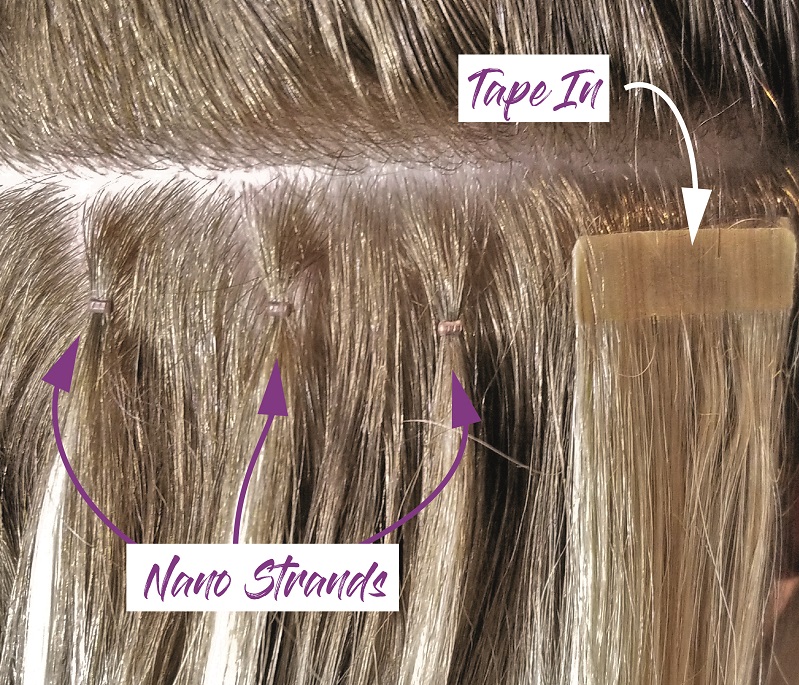
Extensions for fine hair must minimize friction and repeated manipulation. Clip-ins require daily handling that can weaken fine strands over time, while nano-ring systems may slide on silky hair. Tape-ins remain stable once installed, reducing daily stress and preserving the integrity of delicate hair. A method comparison is detailed in nano-ring vs tape-in hair extensions pros and cons explained in depth.
Best Hair Extensions For Thin Hair And Weight Balance
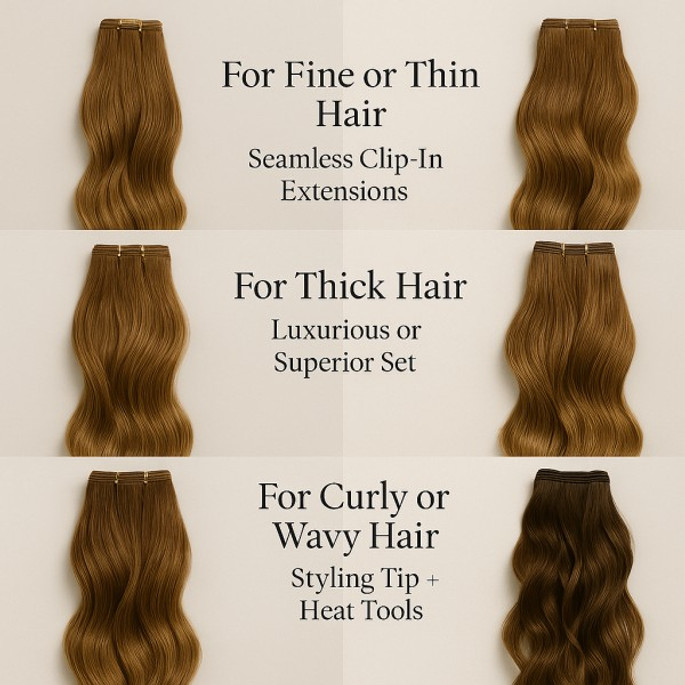
Best hair extensions for thin hair are defined by intelligent weight balance rather than thickness alone. Tape-ins anchor securely without pulling, creating fullness that feels comfortable all day. This makes them suitable for individuals who want noticeable enhancement without scalp fatigue or tension headaches.
Best Weave For Fine Hair And Why Tape-Ins Perform Better
The best weave for fine hair is often misunderstood. Traditional sewn-in weaves rely on tight braiding that can stress fine hair and expose the scalp. Tape-ins function as a modern alternative, delivering comparable density without braids or thread tension. This makes them safer and more adaptable for fine hair than conventional weave techniques.
Best Type Of Hair Extensions For Versatility
The best type of hair extensions depends on texture, lifestyle, and maintenance tolerance. Tape-ins offer a balanced option by providing longevity without permanence and flexibility without daily removal. For fine hair, this balance translates into consistent results with manageable upkeep.
Best Type Of Hair Extensions For Fine Hair
For fine hair specifically, the best type of hair extensions must be flat, lightweight, and reusable. Tape-ins meet these requirements while allowing customized placement based on density and growth patterns. Their adaptability supports both subtle enhancement and more dramatic transformations without compromising hair health.
Hair Extensions For Curly Hair And Texture Matching
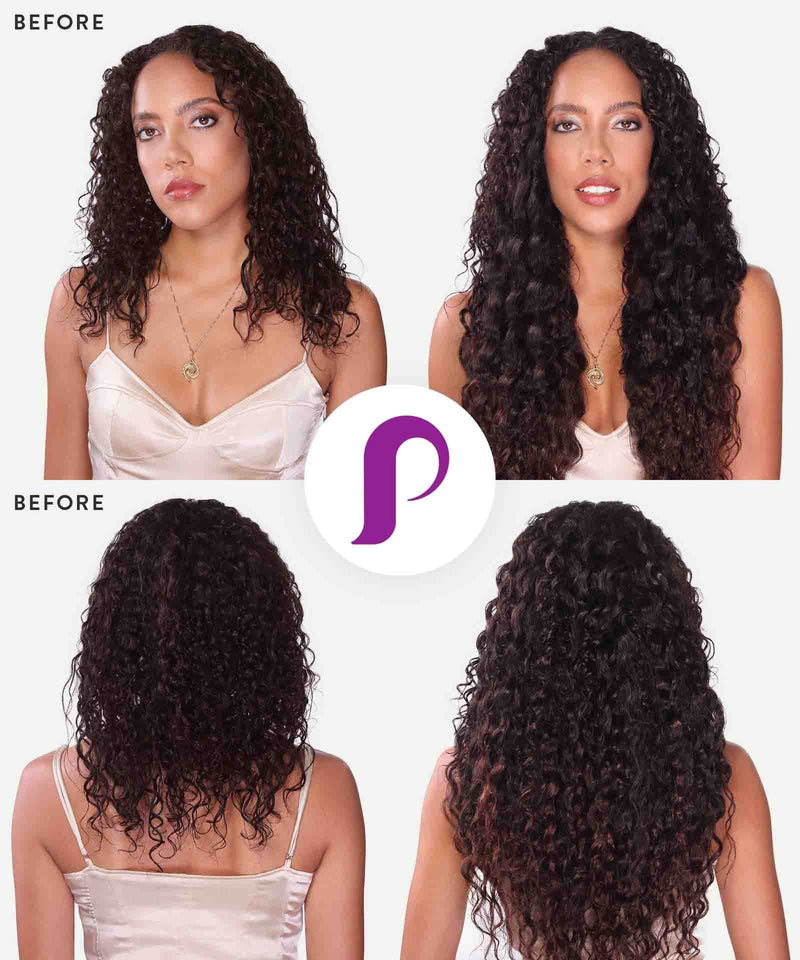
Hair extensions for curly hair can work well with tape-ins when texture matching is precise. For fine curly hair, tape-ins provide structure without disrupting curl formation at the root. With proper hydration and curl-consistent styling, tape-ins integrate smoothly into curly routines and maintain natural movement.

How Do You Put In Hair Extensions Professionally
Understanding how do you put in hair extensions clarifies why professional installation matters. Tape-ins are applied by sandwiching a thin section of natural hair between two adhesive wefts. Clean sectioning, balanced spacing, and correct placement determine comfort, longevity, and concealment. Poor installation—not the method itself—is the primary cause of extension-related issues.
Thinning Hair On Top And Strategic Placement
Thinning hair on top requires conservative placement. Tape-ins allow stylists to avoid vulnerable areas while restoring overall fullness. By building density lower on the head, tape-ins create the visual illusion of thicker hair without stressing fragile zones.
Face Shape Considerations: Heart-Shaped And Round Faces
Heart shaped face hairstyles to avoid often include excessive crown volume or blunt bangs that emphasize forehead width. Tape-ins allow controlled volume placement that complements heart-shaped proportions. For round faces, a haircut for round face for female wearers benefits from added length and vertical flow. Tape-ins enhance elongation through length rather than width, supporting face-shape-specific styling strategies.
How Expensive Are Hair Extensions In Practice
How expensive are hair extensions depends on hair quality, method, and maintenance cycles. Tape-ins are often cost-effective long term because the hair itself is reusable. While initial installation may exceed clip-ins, the reduced daily wear and extended lifespan balance the investment. Exploring a complete collection of high-quality hair extensions for varied budgets and goals helps set realistic expectations.
Why Tape-Ins Remain the Most Balanced Choice
Across texture, density, face shape, and lifestyle considerations, tape-in hair extensions remain one of the most balanced solutions available. They adapt to fine hair, thinning patterns, curly textures, and varied face shapes while maintaining comfort and longevity. Their versatility is engineered into their design, not added as an afterthought.
Conclusion: A Smart Extension Strategy For Fine Hair
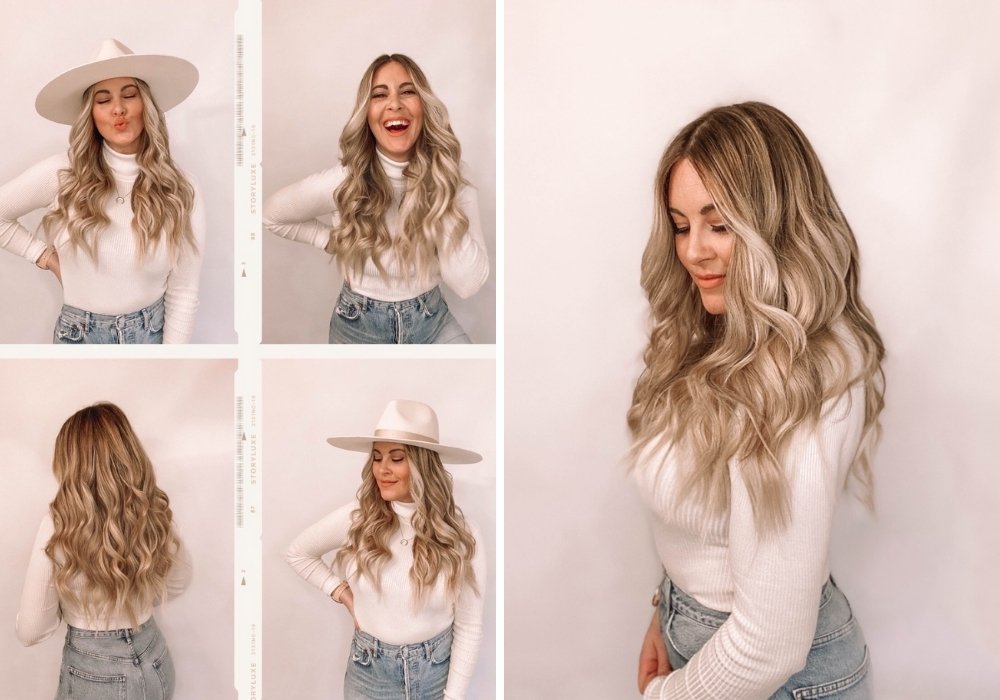
Tape-in hair extensions are not simply a trend; they are a practical response to the limitations of fine and thin hair. By offering even weight distribution, discreet attachment, and natural blending, they solve problems that other methods often create. When chosen thoughtfully and installed professionally, tape-ins elevate fine hair without compromising health, comfort, or confidence. To explore professional-grade options and education, visit a dedicated hair extension destination focused on performance and quality and review expert-led resources on tape-in extensions and modern hair solutions for deeper guidance.


