
-

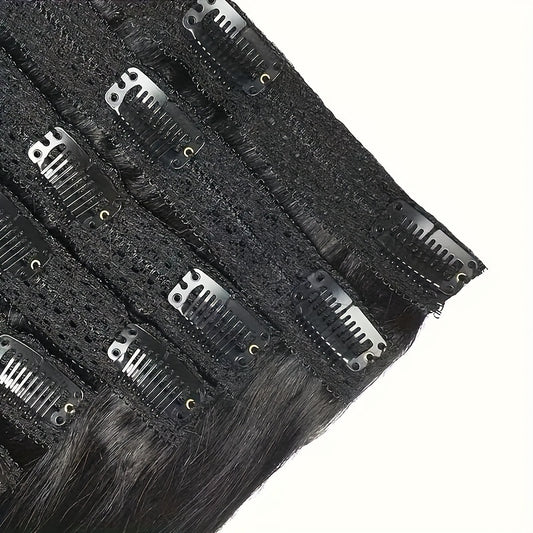
8 Pieces Straight Real Human Hair Clip In Hair Extensions | Remy Brazilian Black Human Hair | Double Wefted Clip In Hair Extension
Regular price $182.76 USDRegular priceUnit price per$82.76 USDSale price $182.76 USD -
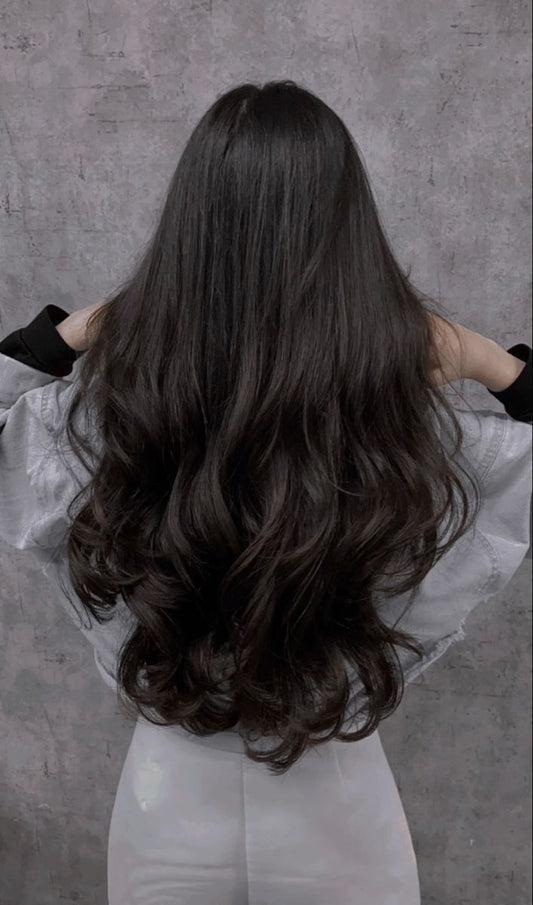
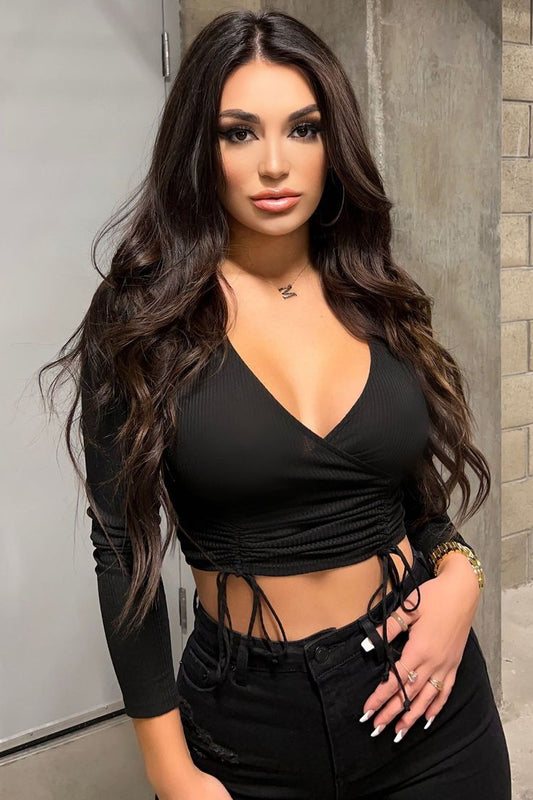
Black Wavy Hair Extensions
Regular price $345.99 USDRegular priceUnit price per

Black Wave Clip-In Hair Extensions: A Premium Guide to Natural Movement, Seamless Blending, and Wearable Volume
Black wave clip-in hair extensions are the “most natural-looking upgrade” for anyone who wants fuller, longer hair with movement—without committing to a long-wear install. The wave pattern helps hide transition lines, softens blunt edges, and makes density look believable in daylight and on camera. Start by browsing the black wave clip-in hair extensions collection for soft-glam texture that blends like real hair, then use the guide below to choose the right shade family, wave type, weft construction, and placement strategy for your haircut, hair density, and everyday routine.
What This Collection Is and Who It’s For
Black wave clip-ins are removable hair wefts and pieces attached with small clips, designed to add volume and length instantly while maintaining a natural, lived-in texture. The wave isn’t just a style choice—it’s a blending strategy. Waves create micro-shadows and movement that reduce the visibility of a “join” between your hair and the extensions, which is why wavy clip-ins are often the easiest path to realism for both beginners and experienced wearers.
This collection is for people who want a flexible, repeatable hair upgrade that looks polished without feeling overdone. It works especially well for:
- Fine hair that needs fuller mid-lengths and ends without heavy root bulk.
- Medium hair that wants a longer silhouette while keeping the blend line invisible.
- Thicker hair that wants added length without tapered, see-through ends.
- Short-to-medium haircuts that need help bridging length differences.
- Anyone who prefers soft glam, “effortless wave,” and camera-friendly movement.
If you’re deciding whether clip-ins are the right method for your lifestyle, start with a guide to clip hair extensions as the quickest way to transform your look to understand the core advantages: flexibility, speed, and control over volume placement.
Why This Category Matters Now
Wavy black clip-ins matter now because hair trends have moved toward realism: healthy-looking density, soft movement, and a finish that holds up in daylight. Instead of ultra-stiff curls or perfectly flat straight hair, the modern ideal is hair that looks touchable and lived-in—polished, but not rigid. Waves support that ideal because they naturally create fullness and dimension, even in deeper shades.
There’s also a practical reason: the wave pattern reduces styling time. Many people buy extensions, then discover they’re heat-styling more than they expected to make everything blend. Wavy clip-ins can be worn with minimal styling because the texture does the “blending work” for you. That means more consistency, better hair days, and less frustration—especially for anyone new to extensions.
Finally, black hair has nuance. “Black” often includes soft black, natural black, deep black, and jet black variations depending on reflect and lighting. A wave texture helps bridge minor shade differences, making your match look more natural across indoor lighting, daylight, and photos.
How to Choose the Right Option
Choosing black wave clip-ins is easiest when you treat it like a system: define your goal, match shade and undertone, choose a wave that mirrors your hair’s natural behavior, then select construction and coverage that feel comfortable. The most common disappointment happens when shoppers choose only by length, then struggle with visible blend lines, mismatched shine, or tapered ends.
Decision Framework
Use this method to choose confidently:
- Goal → volume, length, or both?
- Shade/undertone → soft black vs deep black; warm vs cool reflect?
- Texture/finish → loose wave vs defined wave; satin vs higher shine?
- Construction/type → weft thickness, flexibility, and comfort profile?
- Weight/coverage → minimal pieces for fine hair vs fuller coverage for thick hair?
- Occasion/frequency → daily wear comfort vs event impact?
- Care tolerance → brushing habits, storage discipline, styling routine?
- Budget/value → choose what you can maintain well; maintenance drives longevity.
For a thorough baseline on what to consider before committing to a set, review everything you need to know before buying clip-in hair extensions and then apply the decision logic below to black wave blending specifically.
Goal First: What Are You Trying to Fix?
Most people want one of three outcomes: fuller ends, more overall volume, or a longer silhouette. A natural result comes from solving the right problem with the least hair required—because comfort and movement matter as much as looks.
How to choose black wave clip-ins for thin hair right now
Thin hair looks best when you add density through mid-lengths and ends without creating bulk at the root. Focus on fewer pieces placed strategically rather than stacking heavy wefts in one row. The wave texture helps because it creates perceived volume without requiring excessive hair weight, keeping the result wearable for long days.
How to choose extensions for thick hair so the perimeter doesn’t taper
Thick hair needs enough coverage to match your natural density through the ends. If you add length without enough hair, the ends can look see-through and the blend becomes obvious. Prioritize perimeter fullness first, then add length; a full perimeter is what makes longer hair look believable and healthy.
How many pieces do you actually need for a natural-looking wave
The best number is the least amount of hair that gives you the silhouette you want. If your hair is fine, fewer pieces often look more natural and feel more comfortable. If your hair is thick, you may need more coverage to prevent a tapered look. In either case, distribution matters more than sheer quantity.
Best choice for daily wear versus special occasions
Daily wear favors comfort and subtlety: lighter coverage that looks like your own hair, just fuller. Special occasions can handle more density and length because you’ll likely style for structure and photos. A smart approach is building a daily baseline you love, then elevating it with styling and accessories when needed rather than wearing maximum density every day.
Construction and Coverage: The Details That Make Clip-Ins Look Real
Construction determines how the hair sits against your head, how flexible the wefts feel, and how discreet the attachment points look under your top layer. It also affects whether your ends look strong or wispy—especially when you choose longer lengths.
Double weft versus single weft: how it changes comfort and density
Double-wefted designs typically provide more density per weft, which can help create fuller ends with fewer total pieces. Single-wefted designs can feel lighter and more flexible, which can suit sensitive scalps or very fine hair. If you want a clear breakdown that helps you pick the right construction, read double weft vs single weft guidance for deciding which clip-ins are better.
How to build volume without looking bulky at the crown
Bulk usually comes from concentrating too much hair too high. A more natural strategy is to place most density in the mid-head and lower rows, then keep the crown light so your top layer stays smooth. For practical, placement-focused tactics that increase fullness without heaviness, use techniques to enhance volume with clip-in hair extensions as a blueprint for balanced distribution.
How to choose length that won’t expose the blend line
The longer you go, the more important mid-length support becomes. If your natural hair is short or medium, a dramatic length jump can create a visible transition unless you add enough bridging volume and style with movement. Many people get their most believable transformation by starting with a moderate length and building confidence in placement before going longer.
How to choose short, chic lengths when you want realism over drama
If your goal is “better hair” rather than “new hair,” shorter lengths can be the most natural upgrade. They enhance thickness, improve shape, and blend easily with minimal styling. For ideas that keep the look polished and believable, see 12-inch clip-in hair extensions for short, chic styles that still feel transformative.
Shade, Undertone, and Finish Selection
In black shades, a natural blend depends on more than depth. It’s about reflect and finish: how the hair looks in daylight, how it catches light indoors, and whether the shine level matches your hair. Waves help disguise minor shade differences, but the most “invisible” results come from choosing a shade family that aligns with your natural base.
Match Depth, Reflect, and Shine
Depth is how dark hair reads at a glance. Reflect is the subtle cast you see in sunlight—cool espresso, neutral soft black, or warm brown-black. Shine is how strongly the hair reflects light. The most common mismatch in black extensions is shine: extensions that reflect differently than your natural hair can look separate even when the color is close.
How to match undertones without overthinking it
Look at your hair near a window. If it reads cool, choose cooler blacks; if it reads warm or brown-black, choose warmer reflect tones. If you’re uncertain, neutral black is often safest, and the wave pattern will help smooth tiny differences by breaking up the reflect with movement.
What black waves look most natural in daylight
Daylight rewards softness: waves that move naturally and a finish that looks like healthy hair rather than a glossy sheet. If your extensions look noticeably shinier than your hair, adding light texture can help diffuse reflections. If your hair is naturally more matte, avoid heavy oils on the top layer; keep conditioning products focused on mid-lengths and ends.
How to avoid the “too shiny” look in photos
Camera flash can exaggerate shine differences. Keep buildup low, avoid heavy serums near the top, and choose styles with movement so reflections aren’t concentrated in one flat panel. Soft waves are ideal because they break up light naturally and make hair look dimensional in photos.
Texture and Blend Strategy
Texture is where seamless blending is made. Even the best shade match can look off if the extension texture moves differently than your hair. The right wave pattern should mirror your natural behavior—how your hair behaves when it’s minimally styled—then you can refine with styling to create a cohesive finish.
Choose Wave Behavior First, Then Style Up
If your hair is naturally straight, loose waves are usually easiest because you can wave your hair lightly and the blend looks intentional. If your hair is naturally wavy, matching a similar wave reduces daily styling. If your hair is curly, you may prefer curl patterns rather than waves, but you can still use wave clip-ins for a softer, brushed-out look if you style consistently.
How to blend with blunt haircut types so ends don’t look thin
Blunt cuts require perimeter density. If extension ends are too wispy, your natural blunt line can look thicker than the added hair, exposing the join. Use enough lower placement to keep ends full, and finish with a soft bend or wave so the perimeter reads as one continuous shape.
How to blend with layered haircut types without a two-tier effect
Layered hair often needs mid-length support. Place some pieces slightly higher to bridge your layers into the added length, then keep longer pieces underneath for perimeter fullness. Waves are your advantage here: they interlace layers and extensions, making the transition look effortless.
How to blend clip-ins with short hair without an obvious shelf
Short hair blending is about taper and movement. Avoid extreme length jumps at first and focus on building fullness through mid-lengths and ends. Waves that cross the transition point blur the join and make everything look intentional. For practical reassurance and styling logic, read reasons hair extensions are a game-changer for short hair and adapt the tips to a wave-first approach.
What to do if the blend line shows
Blend lines usually come from missing mid-length support or insufficient top-layer coverage. Add one piece slightly higher to bridge the transition, then ensure your natural top layer is thick enough to cover the weft edge. Finish with waves that cross the meeting point so the eye reads one cohesive shape rather than two separate layers.
How to make wavy extensions look natural instead of uniform
Natural waves vary; they don’t look identical strand to strand. Avoid over-brushing, which can create frizz and reduce definition unevenly. Instead, separate waves gently with your fingers and keep the pattern soft. The goal is believable movement, not a perfect repeating curl.
Styling Ideas: Daily + Event
Wavy black clip-ins shine because they can look finished with minimal effort. The best styles are repeatable: they keep the top layer natural, highlight fuller ends, and protect movement so hair looks soft rather than overworked. Think of styling as silhouette control—shaping the hair so density and length look intentional.
Quick looks that feel polished in under 15 minutes
- Soft wave refresh with a light bend at the ends for natural fullness.
- Half-up twist that reveals volume underneath while keeping the crown smooth.
- Low ponytail with waves left through the tail for soft glam without effort.
- Loose side sweep to concentrate volume and make length look fuller.
Photo-ready looks that make black waves look dimensional
- Alternating-direction waves to avoid uniform patterning in photos.
- High ponytail with wrapped base for a polished, intentional finish.
- Half-up, half-down with subtle crown lift to balance head shape and silhouette.
- Side-swept waves with volume at the ends for a red-carpet outline.
If you want inspiration for styles that translate well on camera, use celebrity hairstyles that stole the show for volume-forward, photo-ready ideas and adapt the shapes to soft waves.
Formal styling ideas that stay secure for hours
Formal hair is about anchoring and distribution. Keep clips away from the hairline, build the hairstyle first, then refine texture so you don’t create unnecessary tension. For structured event looks that scale beautifully with added length and density, see prom hairstyles for medium-length hair that can be elevated with extensions.
Accessory styling that upgrades the look and protects ends
Accessories work best when the foundation is clean: smooth crown, intentional placement, and full-looking ends. Bandanas and headwraps can elevate wavy black hair while also reducing friction at the nape. For wearable variations, see cute bandana hairstyles you can pair with wavy clip-ins.
Care, Maintenance, and Longevity
Longevity isn’t only about how many times you wear clip-ins—it’s about friction, buildup, and storage. Waves stay beautiful when the pattern remains intact and ends stay soft. The biggest enemies are rough brushing, sleeping in extensions, and storing hair in a way that crushes the wave pattern.
A simple routine keeps wavy black clip-ins looking fresh:
- Detangle gently from ends upward before and after wear.
- Avoid sleeping in clip-ins to reduce friction and clip stress.
- Use the lowest effective heat and avoid repeated passes over the same area.
- Store extensions flat or hung so waves don’t kink or knot.
- Keep products light near the top; focus conditioning on mid-lengths and ends.
How often should you wash wavy clip-ins
Wash only when needed. Clip-ins don’t receive scalp oils the same way natural hair does, so overwashing can dry out ends and dull the wave pattern. A good signal is behavior: if hair tangles faster, feels stiff, or looks dull from buildup, a gentle wash and conditioning routine can restore softness.
How to prevent tangling at the nape
The nape tangles because it experiences the most friction from collars and movement. Keep waves intact rather than brushing them out aggressively, and consider low-friction styles on high-movement days. Storing properly after wear is one of the fastest ways to reduce chronic tangling.
How to keep the wave pattern looking natural over time
Waves look best when you preserve the pattern instead of repeatedly forcing a new one. Use minimal heat and refresh with gentle shaping rather than tight curls. A soft wave can be revived by light styling and careful storage, which keeps the texture believable and consistent.
Comparing Nearby Categories: Straight vs Wavy, Black vs Dimensional, and Wave Shades
Comparing categories helps you choose the best texture and shade approach for your routine. The most “right” choice is the one you can wear comfortably and blend consistently without daily stress.
Wavy clip-ins versus straight clip-ins: who should choose which
Wavy clip-ins are generally more forgiving: they hide transition lines and create natural-looking volume. Straight clip-ins can look extremely polished, but they expose finish mismatches more easily and may require more styling to blend. If you prefer sleek silhouettes and crisp outlines, browse clip-on straight hair extensions for sleek, clean-line styling as an alternative category for a more refined finish.
Wavy clip-ins versus the broader wavy category
If you’re still exploring wave intensity—loose waves versus more defined movement—it can help to compare black wave clip-ins against the broader wave category. For a wider view of wave behaviors and styling options, browse clip-on wavy hair extensions for different wave patterns and blending needs.
Black clip-ins versus black wave clip-ins: what changes in realism
Black clip-ins can be straight or textured depending on the specific product, but black wave clip-ins offer an inherent blending advantage because movement hides transition points. If you want to compare the wider black clip-in category, explore black clip-in hair extensions for classic depth across multiple textures.
Balayage and dimensional options: when contrast looks more natural than solid black
If your hair has natural tonal variation, a perfectly uniform black can look slightly flat in daylight. Dimensional options can create a more believable, “highlighted by nature” effect—especially when worn in waves. If you want a softer transition with modern dimension, browse balayage clip-in hair extensions for natural-looking dimension and smoother transitions.
Blonde wave and brown wave: who they’re for and when they make sense
Wave texture is universal, but shade families change the styling story. Blonde waves often read airy and bright, while brown waves tend to look warm and softly dimensional. If you’re shopping outside black for seasonal changes or contrast looks, compare blonde wave clip-in hair extensions for bright, soft-glam movement and brown wave clip-in hair extensions for warm depth and everyday softness.
Blonde and brown clip-ins: alternative shade families for different undertones
If your overall look shifts with makeup, wardrobe, or undertone, it can be useful to compare different shade families even if you’re buying black waves now. For lighter contrast shopping, explore blonde clip-in hair extensions for brightening and statement styling. For softer, natural depth, explore brown clip-in hair extensions for warm, believable everyday blending.
Featured Picks and Use-Case Recommendations
Below are curated picks based on real intent: everyday realism, deeper shade matching, sleek styling, ponytail convenience, and wave-first volume. Use these as starting points, then refine by your desired length and how much coverage you want to wear comfortably.
For everyday realism and versatile styling in black
If you want a dependable base that suits multiple styles—down hair, half-up looks, low ponytails—consider black human hair clip-on extensions for versatile fullness and natural blending. This type of option is ideal when you want hair that feels like yours, just stronger through the ends.
For a sleek straight finish when you prefer polished lines
If you love a crisp silhouette and you style straight often, a straight-focused option can be the most satisfying. Consider black straight clip-in hair extensions for a polished finish and full-looking ends when your goal is refined, smooth hair that still looks dense.
For a deeper dark-black match in more dramatic lighting
Some hair reads darker indoors and under evening lighting, which can make standard black look slightly mismatched. If you need a deeper match for seamless results in sleek styles, consider dark black human hair clip-ons for a deeper shade match and smooth realism.
For a fast ponytail upgrade that looks intentional
Ponytails can be one of the most convincing extension styles because the added length becomes the feature. For quick impact without full-head installation, consider a wrap-around black clip-in ponytail for a secure, polished ponytail transformation.
For wave-first volume on a budget-conscious styling plan
If you want wave texture that delivers visible volume quickly and you’re building a flexible hair wardrobe, consider four-piece long wave clip-in hairpieces for fast volume and soft-glam shape. This kind of option works well for occasional wear and event styling where movement and silhouette matter most.
For fuller coverage with body-wave movement and a thicker silhouette
If you want a more complete, full-head look with wave behavior that blends easily, consider an eight-piece body wave human hair clip-in set for fuller coverage and balanced density. This is especially helpful if you want a consistent wave finish throughout the head rather than relying on a few pieces.
Buying Guidance and Common Mistakes to Avoid
Buying well is about preventing the predictable issues: mismatched shine, not enough mid-length support, too much hair at the crown, or choosing a wave pattern that doesn’t match your natural hair behavior. The best shopping decisions are the ones that make daily wear easier, not harder.
Common mistakes that make clip-ins look obvious
- Placing wefts too close to the hairline or directly under the part line.
- Overbuying density for fine hair, creating root bulk and discomfort.
- Underbuying for thick hair, resulting in tapered ends and a visible transition.
- Choosing a finish that’s much shinier than your natural hair.
- Trying to force a texture mismatch instead of choosing the right wave behavior.
How to learn placement without feeling overwhelmed
Start with fewer pieces and place them lower, then build upward only where you see gaps. Use your natural top layer as camouflage and keep the crown light. If you want a calm, confidence-friendly approach to mastering the method, read mastering clip-in hair extensions without the drama for a more approachable learning curve.
How to decide between halo and clip-ins for your routine
Halo methods can feel simple, but clip-ins offer more control over where volume sits and how well styles blend—especially ponytails and half-up looks. If you’re comparing both, consult halo hair extensions vs clip-ins for choosing the better method for you based on lifestyle fit and styling habits.
How to place waves so they look like your natural texture, not like “added hair”
Waves look most natural when they integrate with your own hair’s movement. Place pieces so your natural hair can fall over and around the wefts, then blend by shaping your hair lightly rather than forcing a tight curl. The goal is cohesion: one texture story from root to end.
How to use black clip-in education even when you’re buying black waves
Many of the most important blending rules are universal: top-layer coverage, placement away from the hairline, and realistic density distribution. For a dedicated blending playbook that applies to black tones, review the ultimate guide to black clip-in hair extensions for seamless blending and apply the placement logic to a wave-first finish.
FAQ
Do black wave clip-in hair extensions look more natural than straight clip-ins?
They often do, because movement hides transition points and diffuses shine differences. Waves create depth and micro-shadows that make the blend look more organic in daylight. Straight clip-ins can look extremely polished, but they’re less forgiving if your finish or placement is slightly off.
How do I choose a wave pattern that matches my hair?
Start with your baseline behavior: how your hair looks when it’s air-dried or minimally styled. If your hair is straight, choose a looser wave and lightly shape your hair to match. If your hair is naturally wavy, match the wave intensity and avoid over-brushing so the pattern stays cohesive.
How many pieces should I wear for daily comfort?
Daily comfort usually comes from fewer pieces placed strategically in the mid-head and lower rows. Fine hair often needs less hair to look full; thick hair may need more coverage to keep ends dense. The best daily set is the one you can wear for hours without scalp tension.
What should I do if the blend line shows near the ends?
Add mid-length support by placing one piece slightly higher, then ensure your natural top layer covers the weft edge. Finish with waves that cross the transition point so the hair reads as one shape. Most blend-line issues are placement and distribution problems, not product problems.
Will waves get frizzy if I brush them?
Over-brushing can create frizz and make the wave look uneven. Use a gentle detangling approach and separate waves with your fingers rather than aggressively brushing the pattern out. If you want a softer look, loosen the wave gently instead of flattening it completely.
How often should I wash my clip-ins?
Wash only when needed—when the hair feels stiff, tangles quickly, or looks dull from buildup. Overwashing can dry out ends and reduce movement. A gentle wash and conditioning routine, followed by careful storage, keeps waves looking natural.
Can I wear black wave clip-ins with short hair?
Yes, but start with a believable length change and focus on bridging volume through mid-lengths. Waves that cross the transition point make the join less visible. Most short-hair success comes from taper and texture integration, not extreme length.
What’s the most flattering wave style for photos?
Alternating-direction waves tend to look most natural because the pattern isn’t uniform. Side-swept volume and a strong perimeter also photograph well, especially in black shades where density is visually powerful. Focus on shape and movement rather than tight curls.
How do I keep the extensions from slipping?
Slipping usually comes from placing clips into hair that’s too silky or not anchored well. Create a gentle base by sectioning cleanly and placing clips into hair with enough grip. Avoid placing too close to the hairline, where hair is finer and movement is higher.
Are clip-ins better than a halo for wavy styles?
Clip-ins usually offer more control for wavy styles because you can place volume exactly where you want it and blend around your natural texture. Halo methods can feel simple, but they’re less customizable for half-up styles and ponytails. Your best method is the one that fits your styling habits consistently.