
-

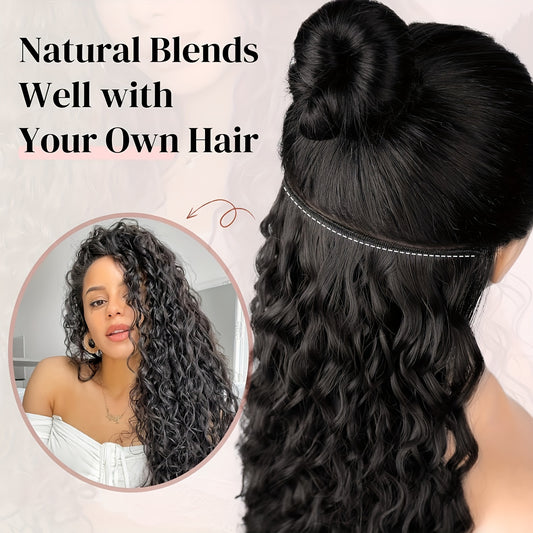
9pcs Clip-In Hair Extensions for Women | 22" Long Curly Thick Heat Resistant Synthetic Soft Deep Wave Hairpieces
Regular price $114.99 USDSale price $114.99 USDUnit price per -

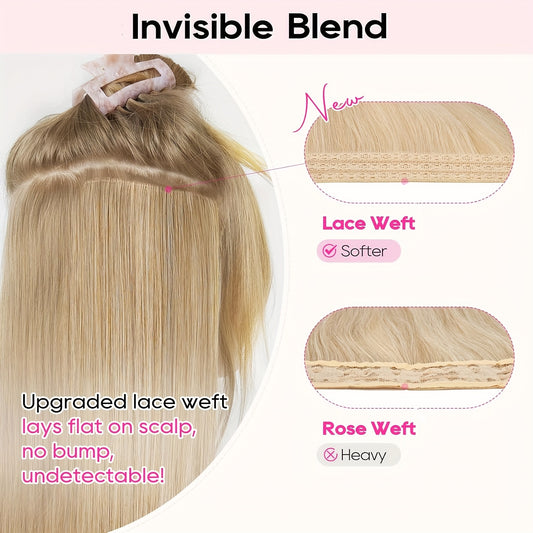
Clip In Hair Extensions, 4pcs Lace Weft Hair Extensions
Regular price $112.60 USDRegular priceUnit price per$12.60 USDSale price $112.60 USD -

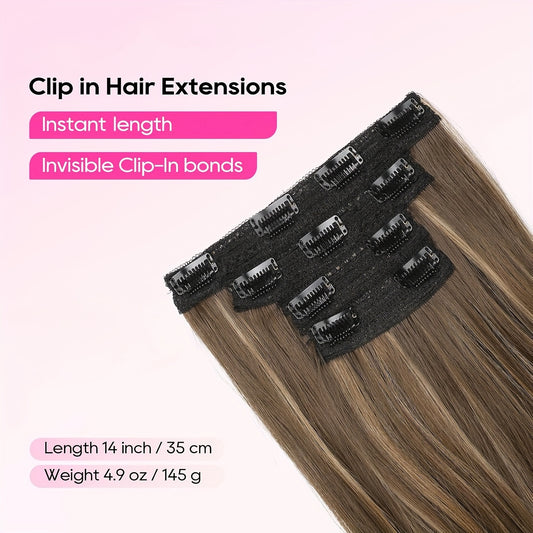
4pcs Lace Weft Hair Extensions | 14 Inch Short Wavy Invisible Hair Extensions
Regular price $110.00 USDSale price $110.00 USDUnit price per -

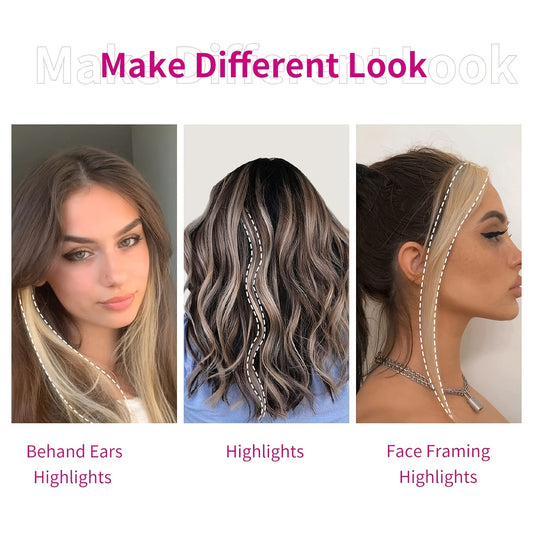
2pcs Elegant Light Blonde Clip-In Air Bangs for Women
Regular price $109.00 USDSale price $109.00 USDUnit price per -
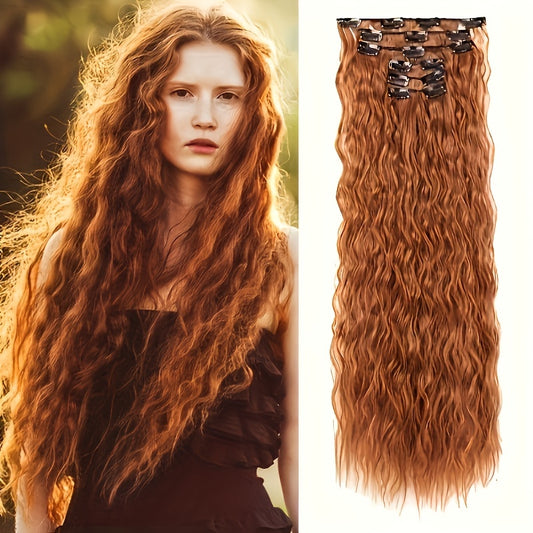
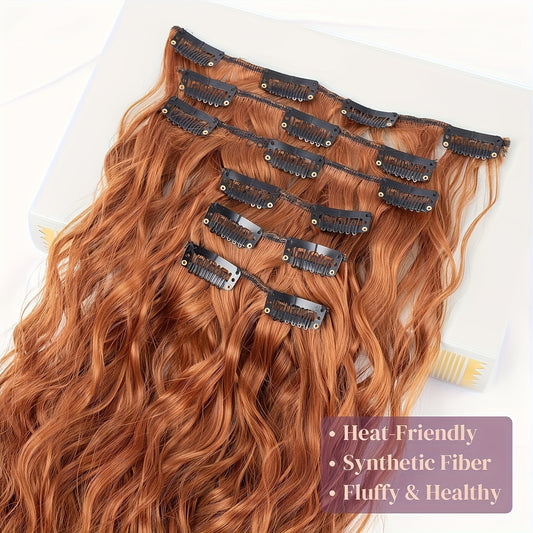
6pcs Synthetic Clip In 24 Inch Long Curly Wavy Hair Extensions
Regular price $110.00 USDSale price $110.00 USDUnit price per -

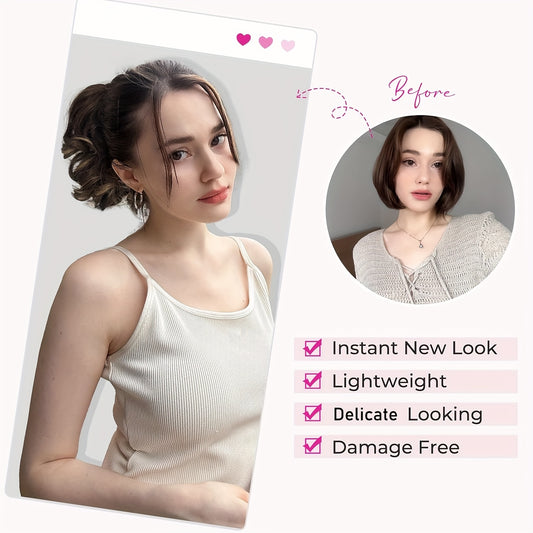
8 Inch Wavy Clip-In Ponytail | Jumbo Claw Clip Synthetic Hair Extensions for Women
Regular price $109.00 USDSale price $109.00 USDUnit price per -

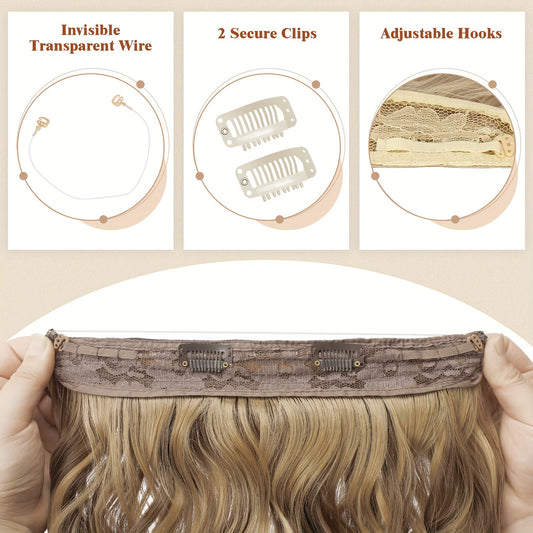
Dark Blonde 18/20 Inch Curly Wave Hair Extensions | Heat-Resistant Synthetic Fiber
Regular price From $110.23 USDRegular priceUnit price per$10.23 USDSale price From $110.23 USD -

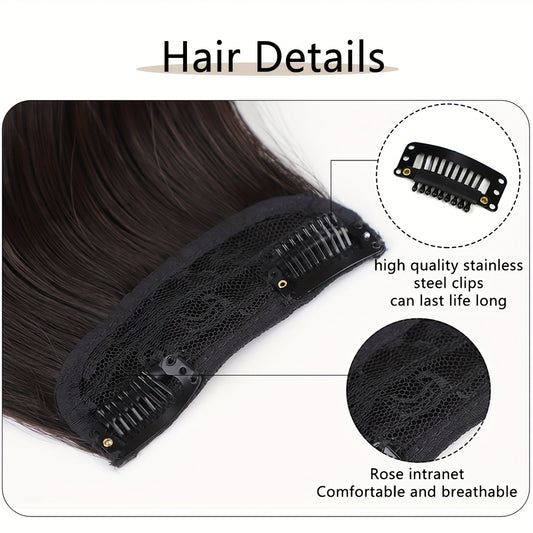
4pcs Clip-In Synthetic Hair Extensions | Long Wavy Thick Double Weft Hairpieces
Regular price From $111.23 USDRegular priceUnit price per$11.23 USDSale price From $111.23 USD -

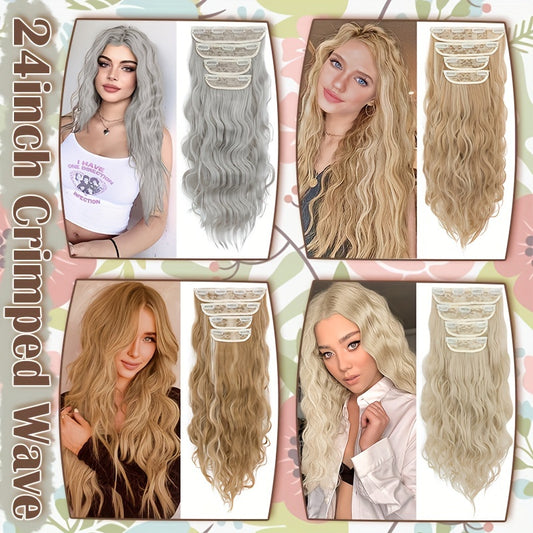
4pcs Clip in Hair Extensions | Long Wave Thick Synthetic Hairpieces
Regular price From $116.84 USDRegular priceUnit price per$16.84 USDSale price From $116.84 USD -

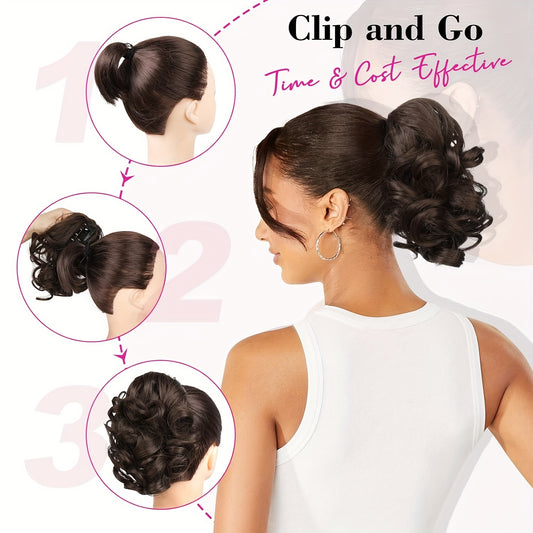
Women's Curly Wave Clip-In Ponytail Extensions
Regular price From $107.66 USDRegular priceUnit price per$7.66 USDSale price From $107.66 USD -

18 INCH Long Natural Curly Wavy Claw Clip Ponytail Extensions
Regular price $110.05 USDSale price $110.05 USDUnit price per -

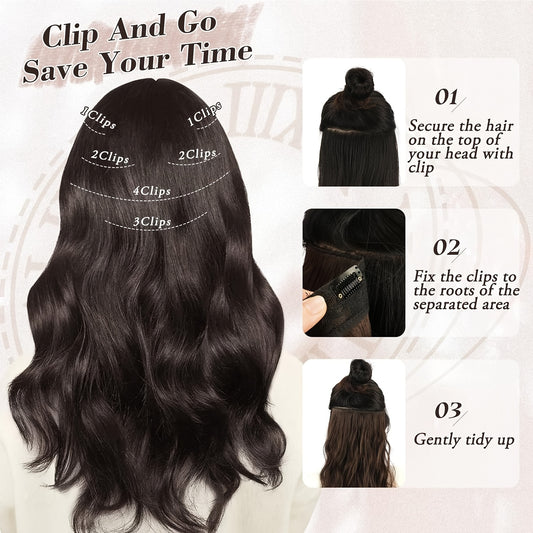
20 Inch Wavy Clip In Hair Extensions For Women
Regular price $115.45 USDRegular priceUnit price per$15.45 USDSale price $115.45 USD


Clip-In Hair Extensions at Fabulive: Blonde Wave, Balayage Blends, and Natural Volume You Can Wear Today
Clip-in hair extensions are a practical way to add length, fullness, and dimension without a long-term installation schedule. This guide is built for shoppers who want a natural blend in daylight and movement, plus a clear buying framework that reduces mismatched undertones, visible wefts, and unnecessary returns. Use it to choose the right texture (wave vs straight), the most forgiving finishes (balayage and blends), and the ideal coverage for your density pattern. Then shop with confidence knowing your final result will look believable on camera, feel comfortable through a full day, and stay easy to maintain.
What It Is and Who It’s For
Clip-in hair extensions are removable wefts (and sometimes clip-on pieces like ponytails) designed to attach to your natural hair with small, secure clips. The benefit is control: you decide when you wear them, where you place them, how much hair you add, and how dramatic the result looks. Unlike longer-wear methods, clip-ins don’t require a standing maintenance calendar, and they’re easier to pause and restart as your lifestyle changes.
If you want a complete view of the brand’s extensions ecosystem and shopping pathways, start at Fabulive’s official store homepage for hair extensions, tools, and styling essentials, then return here to narrow into the most blendable clip-in categories and the exact wave and tone families that fit your routine.
Clip-ins are for anyone who wants more hair on demand, including:
- Fine or medium-density hair that looks thin at the ends and needs a fuller perimeter
- Short hair that needs added length or fullness to make styles look proportional
- Medium-to-long hair that wants thicker-looking mid-lengths for an “expensive” silhouette
- Color lovers who want dimension—balayage, blends, or brighter blondes—without processing natural hair
- Event styling where hair needs reliable fullness for curls, half-up looks, or statement ponytails
They’re also a practical option when you want variety without commitment. You can keep one set for everyday wear and reserve another for peak-glam occasions, or you can use the same set for both by changing placement and styling. The best clip-ins are not necessarily the longest; they’re the ones that blend with your hair’s natural movement and match your life well enough that you actually use them.
To set expectations: clip-ins are not “set and forget.” They reward thoughtful shade matching, clean sectioning, and gentle care. The upside is worth it—because once you have a set that works, you can create a polished look in minutes rather than building volume from scratch every time you style.
Why It Matters Now
Hair trends are centered on movement, dimension, and healthy-looking volume—soft waves, blended tones, and fuller silhouettes that photograph well without looking stiff. At the same time, many shoppers are reducing overprocessing: fewer bleach sessions, less frequent toning, and lower daily heat to protect hair health. Clip-ins fit the moment because they provide visual impact while letting your natural hair stay closer to its baseline routine.
Clip-ins also match the realities of modern lighting. Phone cameras exaggerate mismatch, and most people move between environments daily: daylight, warm indoor light, cool office lighting, evening events. A well-matched clip-in set improves proportion instantly: ponytails look fuller, waves look more polished, and simple hair reads “finished.” The goal is not dramatic transformation every day; it’s consistent, wearable hair that looks believable at conversational distance and still holds up in close photos.
Finally, clip-ins can be an efficiency upgrade. When your hair has more density, you spend less time chasing volume with teasing and repeated heat passes and more time refining shape, shine, and texture. That shift is what makes clip-ins feel like a tool you reach for repeatedly—not a one-time purchase that lives in a drawer.
How to Choose
Choosing clip-ins is easiest when you follow a structured sequence. Shoppers often start with shade, then get stuck on undertone and texture. Instead, start with your goal, confirm shade in daylight, choose texture based on how your hair behaves on a normal day, then select coverage and placement that create a believable silhouette. The micro-intents below are written to match the real questions people ask when they’re close to buying.
Decision Framework
Goal → Shade → Texture → Type → Coverage → Occasion → Care → Budget
Micro-Intent: Choose the Result You Want to See in Daylight
Define success before you buy. Do you want fuller ends, longer length, thicker ponytails, or more dimension? If the goal is fuller ends, you may not need dramatic length—what you need is perimeter density so hair looks intentional even when it’s down and simply brushed. If your goal is length, choose a length that complements your haircut shape so the transition reads like believable growth. If your goal is dimension, choose a finish (balayage or blended tones) that already contains variation so you aren’t trying to fake dimension with constant styling.
Micro-Intent: Match to Mid-Lengths and Ends, Not Roots
Clip-ins live in the mid-lengths and ends, so match there first in indirect daylight. Roots can remain naturally deeper, especially if you have grown-out highlights or balayage. When you match to roots indoors, the added hair can look too dark at the bottom, creating a visible density and color “block.” A helpful habit is to compare your hair in two conditions: freshly washed and day-two hair. If your ends look slightly warmer on day-two because of natural oils and environment, choose a tone that stays believable in both states.
Micro-Intent: Pick a Texture That Behaves Like Your Hair on a Normal Day
Texture mismatch is a bigger giveaway than people expect. If your hair air-dries wavy and your extensions are pin-straight, the blend can break the moment humidity hits or you skip heat styling. Choose a texture that aligns with your hair’s natural behavior so you can wear the set comfortably and consistently. Consistency matters because clip-ins look most natural when you’re not constantly “fixing” them—your hair and the added hair should move together as one.
Micro-Intent: Decide How You’ll Wear Them Most Often
Everyday wear and event wear are different. If you want clip-ins for daily life, comfort and fast installation matter most. If you want clip-ins for events, you can prioritize dramatic length and higher volume because you’ll install for a limited time and you’ll likely heat style. The best purchase supports both: a wearable base that can be elevated into glam when needed. Think like a wardrobe: your “daily set” should be easy and low-friction; your “event set” can be more statement-focused.
Micro-Intent: Choose Coverage for Your Density Pattern
Coverage should match where your hair thins. If your crown is reasonably dense but your ends are fine, build fullness lower to avoid bulk near the scalp. If your hair is uniformly fine, distribute coverage more evenly so the blend doesn’t shift from thin-to-thick abruptly. One of the most reliable tests is a ponytail check: if your ponytail looks narrow compared to your head shape, you likely need more density; if your ponytail is fine but your ends look stringy, prioritize fuller ends and a consistent perimeter.
Micro-Intent: Choose a Set That Matches Your Lifestyle, Not Just the Photo
When you shop, you’re not just choosing hair; you’re choosing a routine. If you travel often, pick a texture that wears well without perfect styling and a shade family that’s forgiving in mixed light. If you work out frequently, plan for gentle detangling and lower-friction storage. If you do your hair quickly in the morning, prioritize a set that blends without requiring multiple tools. For a classic, flexible entry point in blonde shades, browse blonde clip-in hair extensions for everyday wear, events, and quick transformations and then narrow by wave versus straight and undertone.
Shade, Undertone, and Finish
Shade matching is more than “blonde” or “brown.” To blend well in mixed lighting, you need to consider level (how light or dark), undertone (cool, warm, neutral), and finish (solid, balayage, blended). Dimensional finishes tend to look more natural because real hair rarely reads as one flat color—especially on camera and in daylight.
Micro-Intent: Choose a Finish That Matches Your Natural Dimension
If your hair has highlights, face-framing pieces, or sun-lightened ends, you’ll often blend best with a dimensional finish. Balayage-style clip-ins can soften transitions and reduce the need for frequent toning. If you want a blend-forward category that mirrors natural highlight variation, explore balayage clip-in hair extensions for seamless dimension and natural-looking transitions. A useful rule is to match the “average” tone of your ends, then let dimension handle the rest—your goal is not perfection up close, but believability in motion.
Micro-Intent: White Blonde vs Bright Blonde for a Clean Match
White blonde is a cooler, brighter direction that looks crisp when it matches your undertone. It can be striking and editorial, but it’s less forgiving of mismatch—any warmth in your natural hair will be more visible beside icy tones. If your hair is already cool-toned or platinum-leaning, browse white blonde clip-in hair extensions for a crisp, high-brightness finish. If your natural hair has warmth, consider a dimensional or balayage finish to prevent a hard line where the colors meet.
Micro-Intent: Brunette and Black Shade Logic for Natural Depth
Darker shades should look rich without appearing flat. Natural black often has subtle softness; deep brown can carry warmth or neutrality depending on undertone. If you want a focused shopping path for rich dark clip-ins, explore black clip-in hair extensions for deep tones and seamless dark blending. For brunette depth and versatile undertones, browse brown clip-in hair extensions for natural-looking brunette volume and length. When in doubt, check your hair outdoors: hair that looks “black” indoors often reads deep brown in daylight, especially if it has warmth.
Micro-Intent: Use Education to Avoid Undertone Mismatch
If you want a fast, practical overview of what matters before buying, use this clip-in hair extensions buying guide to sanity-check shade, texture, and maintenance expectations. The easiest way to avoid disappointment is to match in daylight and prioritize finishes that mirror your real hair pattern—multi-tonal hair typically blends better with multi-tonal extensions.
Texture and Blending
Texture match is the engine of believability. A perfect color can still look obvious if the texture behaves differently than your natural hair. The goal is for your hair and the added hair to move together as one unit—especially when you walk, turn your head, or switch lighting environments.
Micro-Intent: Wave Clip-Ins for Natural Movement and Faster Blending
Wave clip-ins are often the easiest route to a premium-looking blend because soft waves hide small shade differences and soften layer transitions. If you want a category built specifically around wavy blonde blending, start with blonde wave clip-in hair extensions for effortless movement and a natural-looking finish. A wave finish is also forgiving on busy days: if you don’t style perfectly, the texture still reads intentional rather than unfinished.
Micro-Intent: Straight Clip-Ins When You Prefer Sleek Styling
Straight textures look best when the ends are full and the perimeter is consistent. If you wear your hair sleek or you frequently blow out your hair, straight clip-ins can integrate beautifully—especially when the density supports your haircut shape. For a category that aligns with sleek styling, explore clip-on straight hair extensions for smooth, polished, everyday looks. If you choose straight hair, be precise with shade matching and use clean sectioning so clips stay hidden.
Micro-Intent: Dark Wave Clip-Ins for Depth and Dimension
Wave texture in darker shades can look especially natural because movement reveals depth and softness. If you want wavy black options, browse black wave clip-in hair extensions for natural movement with deep tone. If you want brunette wave options, explore brown wave clip-in hair extensions for a soft, wearable brunette finish. If your hair is naturally wavy, matching wave pattern reduces the daily need to heat style both your natural hair and the extensions.
Styling Ideas (Daily + Event)
Clip-ins expand what’s possible because they change proportion. Ponytails become thicker, braids look fuller, and waves read more polished. The most practical approach is to choose a few repeatable styles: two everyday looks you can do quickly and one event look you can execute confidently when you want a bigger impact.
Micro-Intent: Daily Wear Styling That Looks Intentional, Not Overdone
For everyday, focus on movement and clean shape: brushed waves, a half-up twist, or a low ponytail with face framing. The added density makes simple styles look “done,” so you can reduce reliance on aggressive teasing or multiple curling passes. If you want technique guidance for building volume with clip-ins without creating bulk, use these clip-in volume techniques for placement, lift, and natural blending. A practical habit is to install your set, gently brush to unify the hair, then style lightly—style should refine the result, not rescue it.
Micro-Intent: Event Hair That Photographs Well
Formal hair benefits from added density because curls hold, braids look fuller, and updos become easier to structure. If you’re planning a special occasion look and want practical inspiration that works with added hair, explore these prom hairstyles for medium-length hair that translate beautifully with clip-ins. If you like referencing red-carpet hair, treat it as a proportion lesson: fuller mid-lengths, controlled shine, and face framing that flatters. For reference looks you can adapt, explore these celebrity hairstyles that stole the show. If you prefer accessory-forward styling that’s quick and wearable, browse these bandana hairstyle ideas designed for real-life wear.
Care and Maintenance
Clip-ins last longer and look more natural when you treat them like premium fabric: minimize friction, detangle gently, wash only when necessary, and avoid repetitive high heat. Because clip-ins are removable, you also have an advantage: you can store them properly and keep them protected when you aren’t wearing them.
Micro-Intent: A Simple Care Routine That Preserves Softness and Shape
Wash clip-ins based on product buildup rather than a strict calendar. If you wear them with styling products or in humid environments, you may wash more often; if you wear them occasionally with minimal product, you can wash less. Focus conditioner on mid-lengths and ends, keep the clip area lighter, and always fully dry before storage to prevent odor and tangling. Detangle from the ends upward in small sections, supporting the weft near the clip so you’re not pulling on the base. For heat, use lower temperatures and fewer passes, and choose styles that hold so you aren’t restyling daily. For storage, keep hair aligned and smooth rather than compressed into tight bundles; that simple habit reduces friction and keeps the texture consistent.
Conversion-friendly advice that protects your results: choose one “default” styling pattern (soft wave, brushed curl, sleek straight) and maintain it. When the texture stays consistent, blending becomes easier, and you spend less time resetting the set every time you wear it.
Micro-Intent: Clip Hygiene, Scalp Comfort, and Tension Control
Comfort is the hidden factor that determines whether you’ll actually wear your clip-ins often. Even a perfect shade match won’t matter if the set feels heavy, itchy, or creates scalp fatigue by mid-afternoon. Start by placing clips on stable sections of hair rather than on fragile edges near the hairline. Rotate placement slightly from wear to wear so the same small areas aren’t bearing tension repeatedly. If your scalp is sensitive, use fewer wefts and concentrate fullness where it matters most—mid-lengths and ends—rather than stacking too much weight near the top.
Keep the clips themselves clean. Product buildup on clips can reduce grip and increase tugging, which feels uncomfortable and can encourage you to over-tighten placement. After several wears, wipe clips and the weft base gently and let everything fully dry before storing. During removal, open each clip completely and support the hair at the root to avoid snagging. The goal is consistent, low-tension wear: clip-ins should feel secure but not tight, and your scalp should feel normal at the end of the day. When comfort is dialed in, you’ll wear your set more often, and that’s what turns clip-ins into a true everyday tool.
Category Comparisons
Clip-ins come in multiple subcategories: straight versus wave, solid shades versus blends, and shade families designed for specific undertones. Choosing the right category reduces styling work and improves believability, especially in daylight and mixed lighting.
Wave textures are generally more forgiving for blending because movement hides small shade differences and softens layer transitions. Straight textures deliver a sleek, polished finish but require more precise color matching and a consistent perimeter. Balayage finishes are often easier to blend with modern hair color patterns because they mimic natural highlight placement. Solid shades can look stunning and clean when the match is exact, but they can appear “blocky” if your natural hair has variation.
If you’re deciding between halo extensions and clip-ins, the core difference is control. Clip-ins allow you to add volume where you need it rather than relying on a single continuous piece. For a practical decision framework, explore this halo vs clip-ins comparison to choose the right method for your routine.
Featured Picks
These featured picks are chosen to match common shopping intent: dimensional blends, iconic bright blonde, natural blonde wearability, and texture-driven solutions like wavy pieces and ponytails. Use them as a starting point, then refine by undertone, length, and your typical styling habits so the final look integrates naturally with your hair.
If you want a believable brown-to-blonde gradient that reads natural in daylight and movement, consider chocolate brown to caramel blonde clip-in extensions for a soft bronde transition.
If you love a brighter blonde that reads clean and camera-ready, explore barbie blonde human hair clip-on extensions for a bold bright-blonde look.
If you want multi-tonal blonde that mimics natural highlight variation, consider a blonde mix human hair clip-on set for blend-forward dimension.
If you prefer a more natural blonde direction that integrates into daily styling without looking overly bright, explore human hair natural blonde clip-in extensions for a realistic, wearable finish.
If your goal is an instant ponytail upgrade with a textured finish, consider a short curly ponytail clip-in in brown-blonde tones for quick volume and shape.
If you want a wavy texture boost with an easy, lower-commitment option, explore a long wave thick synthetic clip-in set for quick movement and fullness.
To keep your decision simple, choose the pick that matches how you style your hair most days. A set that fits your routine will be worn more often, and frequent wear is what makes a clip-in purchase feel valuable. If you want an “everyday-to-event” strategy, choose a natural or dimensional base for daytime, then elevate with more structured styling for evenings and occasions.
Buying Mistakes
Clip-ins are straightforward, but the biggest disappointments come from predictable mistakes: matching shade in the wrong light, choosing the wrong texture for your lifestyle, or buying too much hair in the wrong placement. Avoid these mistakes and clip-ins become a reliable tool rather than a recurring experiment.
One common mistake is buying the wrong length for your haircut shape. Very long clip-ins can look stunning, but they require stronger blending if you have layers. If you want to start shorter and more wearable, read this guide to 12-inch clip-ins and short, chic styling options to understand how shorter lengths can still look dramatic when density is right.
Another mistake is ignoring weft construction and placement. Some shoppers prefer thicker wefts for faster fullness; others prefer lighter wefts for a more natural feel on fine hair. Placement matters too: stacking too many wefts high can create bulk and visible lines, while strategic placement can create a believable silhouette. For a clear explanation of weft differences, read this double weft vs single weft guide.
Many shoppers also buy without understanding the basics of installation rhythm: match ends, choose texture, decide coverage, then install with consistent sectioning. If you want a simple overview of clip-ins as a transformation tool, read this guide to clip hair extensions as the quickest way to transform your look.
For dark shades, don’t assume “black is black.” Dark hair can carry warmth, and indoor lighting can hide it. If you’re buying black clip-ins and want a comprehensive blending approach, use this black clip-in hair extensions guide for seamless blending.
Finally, avoid overcomplicating the experience. Clip-ins should feel empowering, not stressful. If you want a confidence-building read that still includes practical insight, this clip-in comedy guide to extensions without the drama is a useful reset that reinforces the fundamentals: daylight matching, compatible texture, and strategic placement.
FAQ
How many clip-in wefts do I need for a natural look?
The right number depends on your hair density and your goal. If you want fuller ends, you may need fewer pieces placed lower. If you want both volume and length, you typically need coverage distributed across the back and sides so the silhouette looks consistent rather than thick in one area and thin in another.
Should I choose wave or straight clip-ins if I style my hair often?
If you style frequently and prefer sleek finishes, straight clip-ins can integrate well as long as your perimeter looks full and your match is precise. If you want a more forgiving blend and less daily styling pressure, wave textures often look natural even when you don’t style perfectly.
How do I color match clip-ins at home?
Match your mid-lengths and ends in indirect daylight rather than matching roots indoors. If your hair has highlights or multiple tones, choose a dimensional or balayage finish that mirrors your variation instead of forcing a flat match. If you’re between tones, choose the shade that matches the overall impression from a few feet away.
Will clip-ins damage my natural hair?
When installed and removed gently, clip-ins can be a low-impact option. Damage typically comes from clipping too tightly, placing clips on fragile sections, or removing them aggressively. Consistent sectioning and gentle handling protect your natural hair.
Can I wear clip-ins with short hair?
Yes, but blending must be gradual. Choose a realistic length change and place wefts where your natural hair can cover the base. A softly waved finish often helps hide the transition more easily than pin-straight styling.
How often should I wash clip-in hair extensions?
Wash based on product buildup and wear frequency rather than a strict schedule. If you use styling products or wear them often, wash when hair feels coated. Focus conditioner on mid-lengths and ends, keep clip areas lighter, and fully dry before storage.
What’s the easiest way to make clip-ins look natural?
Match your ends in daylight, choose a compatible texture, and place the hair strategically rather than stacking too much in one area. Soft movement—like brushed waves—helps integrate pieces in motion. Most “invisible” results come from placement and proportion, not from over-styling.
Can I style clip-ins for formal events?
Yes, and they’re often ideal for events because you can add hair only when you need it. Clip-ins help curls hold, braids look fuller, and updos stay structured. Planning your style in advance and installing with clean sectioning improves security and comfort.
How do I choose between black and brown clip-ins?
Choose based on what your hair reads in daylight. Hair that looks “black” indoors can read deep brown in natural light, especially if it has warmth. If you’re unsure, a rich brown can be more forgiving and blend with a wider range of undertones.
Conclusion
Clip-in hair extensions are one of the most practical ways to upgrade your hair without committing to long-term installation or heavy processing. The best results come from a simple sequence: define your goal, match your mid-lengths and ends in daylight, choose a texture that behaves like your hair on a normal day, then select coverage that supports a believable silhouette. Wave finishes and dimensional blends often make blending easier, while straight finishes look sleek when the match and perimeter density are precise.
If you want the most wearable starting point, focus on a blend-friendly wave category and build from there. Then refine your shade family—white blonde for crisp brightness, balayage for seamless dimension, brunette or black for rich depth—and choose featured picks that align with how you actually style your hair. Clip-ins should feel like a tool you can use repeatedly, not a look you can only wear on perfect-hair days.