
-
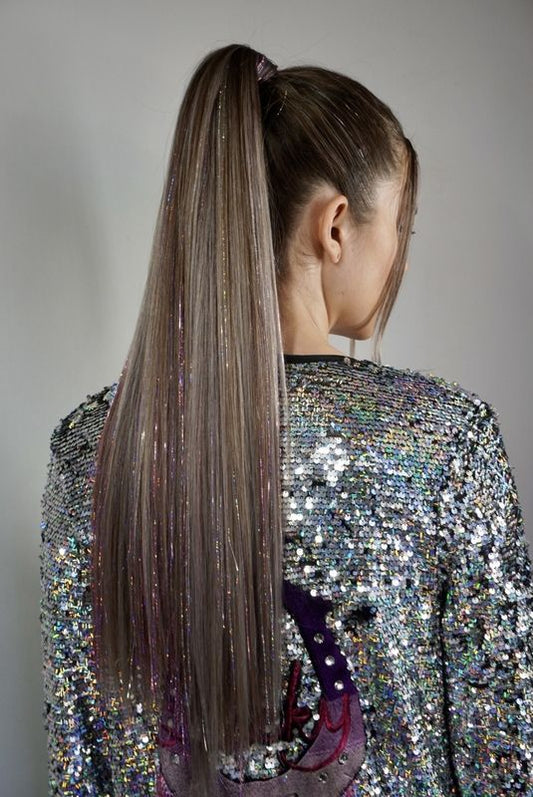
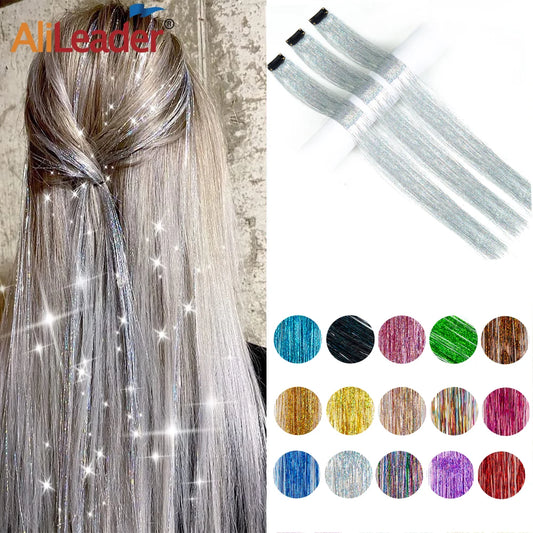
Clip In Hair Tinsel Rainbow Hair Extension
Regular price $121.99 USDRegular priceUnit price per
18 Inch Blue Hair Extensions: Editorial Guide to Bold Color, Seamless Blending, and Wearable Glamour
Blue hair is no longer a niche statement reserved for editorial shoots and festival weekends. It has evolved into a modern style language—confident, creative, and surprisingly versatile when the shade and finish are chosen with intention. The secret to making blue feel wearable is not “more drama.” It’s better design: the right length, a believable blend, and a silhouette that flatters your features in daylight and in photos.
If you’re exploring this category for the first time, start with the 18 inch blue hair extensions collection designed for bold color with a natural-looking length. For a broader view of tone options beyond one specific length, many shoppers also browse blue hair extensions in multiple shades and textures for different style moods to find a match that complements their undertone, wardrobe, and comfort level.
From an editorial point of view, 18 inches is the length that makes blue look intentional rather than costume-like. It’s long enough to show dimension—where the blue shifts from deep to bright depending on light—but not so long that it becomes high-maintenance or overly theatrical. This guide breaks down how to choose, blend, style, and care for 18-inch blue extensions, plus how to compare adjacent lengths and application types so your final result feels polished and genuinely “you.”
What This Collection Is and Who It’s For
18-inch blue hair extensions are colored extensions designed to add visible blue tone—whether as an all-over look, a pop of color, or a dimensional accent—while keeping the length in a highly wearable, everyday-glam range. The “18-inch” silhouette typically lands around the mid-back or slightly above depending on your height and placement, creating enough length to showcase color movement without demanding constant upkeep.
This collection is for anyone who wants to experiment with blue without committing to permanent dye, anyone looking to refresh their look for a season or a specific event, and anyone who prefers the convenience of switching tones based on mood and outfit. It’s also for practical shoppers who want one length that can do multiple jobs: soft waves for weekend styling, sleek hair for a refined silhouette, and photo-ready texture for nights out.
Who tends to love 18-inch blue extensions most
Blue is especially flattering when you choose the shade family that aligns with your undertone. Cooler undertones often look striking in icy or denim blues; warmer undertones can look stunning in teal-leaning blues; and neutral undertones can carry both. The 18-inch length gives the color enough visual space to read as a deliberate design choice rather than a small accent that disappears.
How to choose 18-inch blue extensions for thin hair right now
If your hair is fine, aim for controlled density and a clean outline. Choose coverage that fills out the mid-lengths and ends without stacking too much bulk high on the head. The most convincing result is a “healthy thickness” silhouette: movement, balanced volume, and ends that look intentionally full rather than sparse.
What 18-inch blue extensions look most natural in daylight
Daylight reveals undertones, finish differences, and blend quality. The most natural-looking blue is the one that has dimension and a shine level similar to your natural hair. A softly waved or brushed-out texture can make the transition feel seamless, especially if your natural hair has any movement.
Best option for daily wear vs special occasions
For daily wear, many people prefer subtle placement: underlayers, peekaboo panels, or face-framing blue that feels integrated rather than overpowering. For special occasions, you can go bolder with higher saturation, extra volume, or a more defined wave pattern that photographs with strong dimension.
Why This Category Matters Now
Color is one of the fastest ways to shift identity and energy without changing your haircut. Blue, in particular, communicates confidence and creativity while still feeling modern and refined when styled with intention. The renewed interest in colored hair is also tied to practical beauty habits: people want looks that are reversible, repeatable, and low-risk. Extensions deliver that flexibility—especially for color that can be harder to maintain in natural hair through repeated dye sessions.
There’s also a growing preference for “designed realism”—looks that are clearly stylized but still wearable. Blue doesn’t have to be loud to be powerful. In the right shade at the right length, with a thoughtful blending strategy, it becomes a signature rather than a costume.
How to style blue extensions for a bold look without going overboard
The key is contrast control: keep the silhouette polished, choose one focal point (color, texture, or accessory), and let the other elements support it. If you want a deeper style playbook for making blue look deliberate and modern, read how to style blue hair extensions for a bold look with wearable balance.
Why 18 inches is the “most wearable bold color length”
Shorter blue can look playful and editorial, but it sometimes reads as a sharp statement that demands more intentional outfit styling. Ultra-long blue can look dramatic, but it raises the maintenance bar. Eighteen inches splits the difference: it’s long enough to feel glamorous and show dimension, yet compact enough to look believable and stay manageable.
How to Choose the Right Option
Choosing blue extensions is a blend of art and strategy. You’re selecting length, tone, texture, and method—then deciding how the color will sit relative to your natural hair. The best choice is the one that matches your real lifestyle: your time, your comfort level, and how often you’ll wear the look.
Decision Framework
- Goal → full blue transformation, subtle blue accents, or a dimensional blend
- Shade/undertone → icy blue, denim blue, teal blue, navy blue, or smoky blue family
- Texture/finish → straight, soft wave, body wave, curly wave based on your natural pattern
- Construction/type → clip-in flexibility vs longer-wear methods depending on frequency
- Weight/coverage → light enhancement vs full-volume statement
- Occasion/frequency → daily repeatability vs event-focused impact
- Care tolerance → detangling, washing, heat styling, and storage realities
- Budget/value → invest based on how often you’ll wear and restyle
How to match undertones without overthinking it
If silver jewelry feels most natural, cooler blues and icy tones often harmonize well. If gold is your default, teal-leaning or deeper navy blues can feel richer and more cohesive. Neutral undertones can often wear both—so your decision can be guided by wardrobe and mood rather than strict rules.
How to choose the right 18-inch base category before picking blue
If you want to compare standard 18-inch options before committing to a specific blue direction, explore 18 inch hair extensions for a wider view of length, texture, and wear goals. Deciding on your ideal finish first (sleek vs wave vs fuller texture) makes selecting your blue tone easier and more predictable.
How to decide if clip-ins are your best “blue trial” method
If your schedule changes often—or you want blue sometimes but not always—clip-ins are a strong choice. They let you wear blue for an evening, remove it for a conservative setting, then bring it back for a weekend plan. This flexibility is especially helpful when you’re still learning which blue placement feels most like you.
How to plan your color placement before you buy
Placement is the difference between “I tried blue once” and “blue became my signature.” Decide if you want a peekaboo effect, a money-piece frame, or an underlayer that shows when you move. When placement is planned, the result looks designed rather than experimental.
Shade, Undertone, and Finish Selection for Blue
Blue looks best when it has depth. Flat blue can look synthetic and obvious, while dimensional blue—especially when it shifts subtly in light—looks more intentional and expensive. Think of blue like denim: washed, deep, smoky, bright, or inky, and each version carries a different style message.
Blue shade map: icy vs denim vs navy vs teal
Icy blues feel futuristic and high-contrast; denim blues feel wearable and street-chic; navy reads polished and refined; teal-leaning blues can feel warm, jewel-toned, and vibrant. Your best match depends on the contrast you want with your skin and your usual wardrobe palette.
How to choose blue that complements your wardrobe
If your wardrobe leans neutral—black, white, grey, cream—blue can become a signature accent that looks effortless. If your wardrobe is already colorful, choose a blue that harmonizes with your most-worn tones so your hair doesn’t compete with your outfit. Cohesion is the editorial trick that makes bold color look expensive.
How to keep blue looking refined instead of costume-like
Refinement comes from silhouette and finish. A polished blowout, a soft wave, or a controlled ponytail makes bold color look intentional. Avoid overly stiff styling or excessive shine products that can make colored hair look unnatural in direct light.
How to manage shine so the blue looks realistic
One of the easiest ways colored extensions look obvious is when the shine level doesn’t match your natural hair. If your hair is naturally more matte or lightly textured, style for softness and movement rather than a glassy flat surface. A brushed wave or gentle bend often reads more realistic than perfectly straight hair with uniform sheen.
Texture and Blend Strategy
Blend strategy is where blue becomes wearable. You’re not only blending color; you’re blending texture, movement, and shine so the entire look reads as one design. If your natural hair is straight, a sleek blue look can be stunning—but it will require more careful finish alignment. If your hair has wave, lean into texture to make blending easier and more forgiving.
How to blend 18-inch blue extensions with a blunt cut
Blunt cuts can create a “shelf” where your natural ends stop abruptly. Soften the transition with a gentle bend at the ends or a brushed wave so the silhouette tapers naturally. This makes the blue feel integrated rather than layered on top.
How to blend blue extensions with layers for a natural fall
Layers are your friend when blending bold color because they create movement. Use soft waves to merge sections and keep placement looking intentional. If your layers are short, consider underlayers or side pieces rather than saturating the entire top layer.
What to do if the blend line shows
If a blend line appears, it usually means texture or density isn’t aligned. Add movement, brush out curls into waves, or adjust placement so your natural hair covers the base. A cohesive finish often solves what “more hair” cannot.
How to fix a color transition that feels too harsh
If the blue feels abrupt, reduce contrast by placing blue slightly lower, choosing a more dimensional blue, or styling into waves so the transition becomes visually softer. A smooth, controlled silhouette keeps the look modern and intentional.
Choosing a Wear Method
Your wear method shapes everything: comfort, styling time, and how consistent the look feels. Some people want daily flexibility; others want a longer-wear result that feels like default hair. Blue works in both worlds—the best choice is the one you’ll actually wear.
Why clip-ins are the best entry point for experimenting with blue
Clip-ins are ideal for trying blue because they’re removable and low-risk. You can wear blue for a night out, remove it for a conservative workplace, then reapply for a weekend plan. If you want an 18-inch removable method in this length category, explore 18 inch clip-in hair extensions for flexible, repeatable color styling.
Why weft and weave methods can feel like “default hair”
If you want consistent wear and a more continuous silhouette, a weft approach may suit you better. Weft methods can deliver a cohesive fall that doesn’t depend on daily placement. If you’re comparing longer-wear options, explore 18 inch human hair weft weave extensions for a more continuous, salon-like finish.
Styling Ideas: Daily Looks and Photo-Ready Moments
Blue hair extensions can be styled to feel surprisingly versatile. The trick is deciding whether the color is the focal point or the style is the focal point. When the color is bold, keep styling controlled. When you want dramatic styling—big waves, half-up volume, accessories—choose a softer blue or more dimensional placement so the overall look stays balanced.
Quick looks that make blue feel wearable
A sleek finish with a subtle bend at the ends can make blue look refined, especially if you keep a bit of your natural tone near the top layer and let the blue appear through the mid-lengths and ends. A low ponytail with a clean part can also read editorial: the color shows, but the silhouette stays minimal and polished.
Photo-ready looks that make blue look expensive
Soft, brushed waves are one of the most flattering “luxury” looks for blue because they reveal dimension. Style with a body wave finish, then brush lightly so the blue appears in layers rather than blocks. For adaptable event styles that translate well to medium-to-long lengths, explore prom hairstyles for medium-length hair that translate beautifully to real-life events.
Celebrity cues you can actually recreate
Celebrity hair looks expensive because it’s cohesive: one story, one silhouette, one finish. For wearable inspiration on texture, parting, and controlled volume, explore celebrity hairstyles that stole the show with practical style cues.
Accessory styling that complements blue without competing
Accessories look best when they match the mood of the hair. With blue, choose accessories that feel intentional—clean scarves, minimal clips, or a single statement piece. For ideas that feel polished rather than childish, explore cute bandana hairstyles you can style with color-forward hair.
Seasonal styling: how to keep blue looking fresh in summer and winter
In summer, sweat and humidity can flatten texture, so keep your finish soft and breathable—loose waves, half-up styles, and low tension. In winter, friction from coats and scarves can roughen ends, so prioritize smooth storage, gentle detangling, and controlled styling that protects the silhouette.
Care, Maintenance, and Longevity
Colored extensions—especially bold tones—benefit from thoughtful care. The goal is to preserve the color’s richness and maintain softness at the ends. Avoid overwashing, minimize heavy products that create buildup, and detangle gently to protect the hair’s finish. Heat styling may be possible depending on hair type, but it should be done with moderation and protectant habits so texture stays consistent over time.
How to keep ends looking healthy at 18 inches
Ends show wear first because they experience the most friction. Brush from ends upward, avoid harsh tugging, and store neatly. When ends stay smooth, the blue looks intentional rather than frayed.
How to create volume without making the color look unnatural
Volume is most flattering when it reads as density, not puffiness. Focus fullness through the mid-lengths and keep the surface smooth. For a structured guide to building fullness without obvious bulk, explore techniques to enhance volume with clip-in hair extensions for a natural finish.
How to store blue extensions so the tone stays vibrant
Storage prevents friction, tangling, and unnecessary dullness. Brush gently, align wefts or pieces neatly, and keep hair protected from rubbing against rough fabrics. When storage is consistent, styling becomes faster because you’re not starting from knots, creases, or dehydrated ends.
Comparing Nearby Categories: Shorter vs Longer Lengths
Length is a lifestyle decision, and with bold color like blue, length also changes the style message. Shorter lengths can feel playful and editorial; longer lengths can feel glamorous and dramatic. The best choice is the one you will actually wear, style, and enjoy.
If you want a shorter, easier-to-blend blue moment
Shorter lengths can be ideal if you want blue as an accent rather than an all-over look. If you’re comparing lighter lengths, explore 10 inch hair extensions for subtle volume and controlled length and 12 inch hair extensions for a short-to-medium silhouette that blends quickly.
If you want a mid-length bridge before committing to 18 inches
Some people prefer stepping up length gradually, especially if they’re new to extensions. Mid-length options can feel more natural on day one. Compare with 14 inch hair extensions for a collarbone-friendly look and 15 inch hair extensions for a refined mid-length upgrade if you want blue that’s noticeable but still compact.
How to choose a mid-length upgrade if you have fine hair
If your main priority is making fine hair look fuller without jumping into high-maintenance length, a measured step can be smarter than a dramatic leap. For a detailed look at mid-length strategy for fine hair, explore 15-inch hair extensions as the perfect mid-length upgrade for fine hair.
How to decide between 16 inches and 18 inches for everyday wear
If you want a slightly lighter daily routine while still keeping a long silhouette, 16 inches can be the most repeatable option. If you want more length impact and room for the blue to show dimension, 18 inches may feel more satisfying. For the everyday-wear case for 16 inches, explore 16-inch hair extensions as the perfect length for everyday wear.
If you want longer glam and you’re willing to maintain it
If you love extra drama, longer lengths can be stunning—but they require more detangling and more thoughtful styling. For what longer glam entails, explore 20-inch extensions as the perfect length for glamorous flowing hair. If you’re comparing long categories and methods, explore 22-inch tape-in hair extensions and why that length reads luxe. For ultra-long care realities, explore how to manage ultra-long 24-inch extensions without constant tangling and the secret to long luxurious locks with 24-inch hair extensions.
Featured Picks and Use-Case Recommendations
Even when you’re shopping blue specifically, it helps to compare products by use case: daily wear, event styling, texture experimentation, and method testing. The goal is not to buy “the most hair,” but to buy the right hair for how you’ll actually live in it.
Best for comparing long-length flexibility in one set
If you like the idea of exploring a range of lengths within a consistent clip-in format, consider a seamless real human hair clip-in set spanning 18 to 26 inches for comparison shopping.
Best for a defined body-wave finish that shows blue dimension
Blue looks especially rich when it moves, because movement reveals tonal shift. Consider an 8-piece body wave human hair clip-in set with 18 clips for full-coverage styling if your goal is a fuller textured silhouette that photographs well.
Best for testing synthetic texture before committing to a premium buy
If you want to test a curl pattern or wave effect without a big commitment, consider heat-resistant synthetic curly wave extensions in an 18 to 20 inch range for experimentation.
Best for ponytail styling when you want a fast, controlled finish
Sometimes the most wearable way to try bold color is through a structured style like a ponytail—clean, intentional, and easy to repeat. Consider an 18-inch straight wrap-around ponytail clip-in for a sleek elevated silhouette if you want a fast style that always looks “done.”
Best for method comparison if you’re exploring bead-based installs
If you’re comparing clip-ins with longer-wear options, it helps to understand how bead methods change feel and movement. Consider nano bead human hair extensions in an 18 to 22 inch range for method comparison and highlighted dimension as a reference point for how different installations affect routine.
Best for shoppers building a longer-length wardrobe with Remy quality
If you’re planning a longer-length wardrobe and want a classic Remy reference, consider Brazilian Remy human hair extensions across 20 to 34 inches for long-length planning as a benchmark for how length influences styling time and maintenance.
Buying Guidance and Common Mistakes to Avoid
The most common mistake in colored extensions is buying for a fantasy version of your routine. If you wear your natural hair straight most days, choose a texture that matches that reality. If you rarely heat style, don’t choose a finish that requires constant curling to blend. And if your lifestyle is busy, choose a method you can repeat quickly with consistent results.
Common mistake: choosing a blue that clashes with your undertone
When blue clashes, it can make skin look dull or the hair look artificial. Fix this by choosing the right blue family: cooler blues for cooler undertones, teal-leaning blues for warmer undertones, and smoky or denim blues for neutral versatility.
Common mistake: placing too much blue at the top
Blue placed too high can feel harsh and less wearable. A modern approach is to keep some natural tone near the top layer and let blue emerge through mid-lengths and ends, or as a face-framing accent that looks editorial rather than overwhelming.
Common mistake: ignoring method realities
Clip-ins are flexible, but placement matters; longer-wear methods can look seamless, but they change your ongoing routine. Choose the approach that matches how often you plan to wear blue and how much daily styling you want to do.
How to build a “blue hair wardrobe” instead of one perfect purchase
A smart approach is to choose one everyday-friendly base look and one event-friendly option. This reduces wear on a single set and gives you range without forcing one style to cover every scenario. When your look is repeatable, blue becomes a signature rather than a one-time experiment.
FAQ: 18 Inch Blue Hair Extensions
Are 18-inch blue hair extensions too bold for everyday wear?
They don’t have to be. The most wearable approach is intentional placement: underlayers, subtle face-framing, or a dimensional blend rather than full saturation. A polished silhouette makes bold color look refined instead of costume-like.
What’s the most natural texture for blue extensions?
The most natural texture is the one that matches your natural hair pattern and shine level. Soft waves are often the easiest to blend because they hide small differences in color and density. Sleek straight looks can be stunning, but they require more precise finish alignment.
How do I make blue hair extensions look more expensive in photos?
Prioritize dimension and a cohesive finish. Brushed waves reveal tonal variation and prevent the color from looking flat. Keep the surface smooth and avoid heavy shine products that can read artificial in flash photography.
Can I wear blue extensions if my hair is short?
Yes, especially if you use texture to blend. Short hair often blends best with soft movement because it disguises transition points. If you want confidence on why extensions work so well for short cuts, explore reasons hair extensions are a game changer for short hair with real styling benefits.
How do I know if 18 inches is the right length for me?
If you want a noticeable length upgrade that still feels wearable, 18 inches is a strong choice because it gives blue enough space to show dimension. If you want subtler enhancement, shorter lengths can feel more natural on day one. If you want maximal glam and you’re comfortable with more maintenance, longer lengths may suit you better.
Do clip-ins or weft methods look more seamless for blue?
Both can look seamless when matched and styled correctly. Clip-ins give you flexibility and reversibility, while weft methods can deliver a more continuous “default hair” finish. Choose based on how frequently you want to wear blue and how much daily placement you want to manage.
How can I avoid a harsh line where my natural hair meets the blue?
Use a dimensional placement strategy: keep some natural tone near the top layer and let blue emerge through mid-lengths and ends. Soft waves help merge both color and texture. If a line appears, adjust placement and style everything together for cohesion.
What’s the easiest way to make blue feel modern instead of childish?
Keep the silhouette polished and the styling controlled. Minimal accessories, clean parting, and soft movement often make blue look editorial. Treat blue like a design element—one focal point—rather than stacking multiple statements at once.
Conclusion: Why 18-Inch Blue Extensions Are the Most Wearable Version of Bold
Blue hair is powerful when it’s intentional. At 18 inches, the color has enough space to show dimension and movement, but the length remains practical and believable. With the right undertone match, a cohesive texture strategy, and a styling routine you can repeat, blue becomes less about “trying something crazy” and more about building a signature look you can switch on whenever you want.
If you’re ready to explore a bold color that still feels refined, start by browsing the collection and choosing the blue story that fits your life—not just your mood.