
-


Synthetic Neat Fringe Blunt Bangs Clip In On Hair Extension | 6"Bang + 9"Temples Hairpieces
Regular price $107.95 USDRegular priceUnit price per$7.95 USDSale price $107.95 USD -

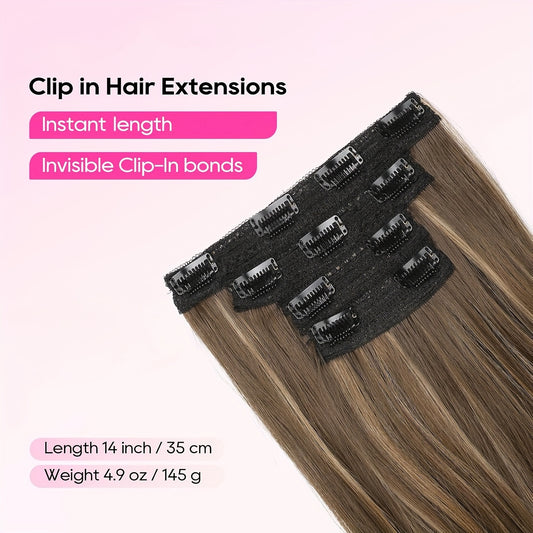
4pcs Lace Weft Hair Extensions | 14 Inch Short Wavy Invisible Hair Extensions
Regular price $110.00 USDSale price $110.00 USDUnit price per -

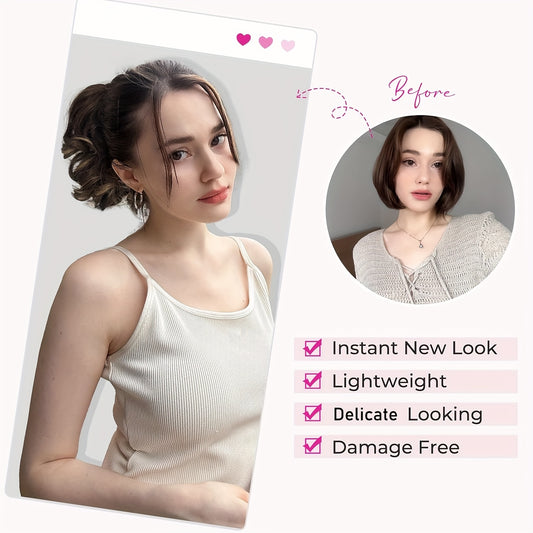
8 Inch Wavy Clip-In Ponytail | Jumbo Claw Clip Synthetic Hair Extensions for Women
Regular price $109.00 USDSale price $109.00 USDUnit price per -

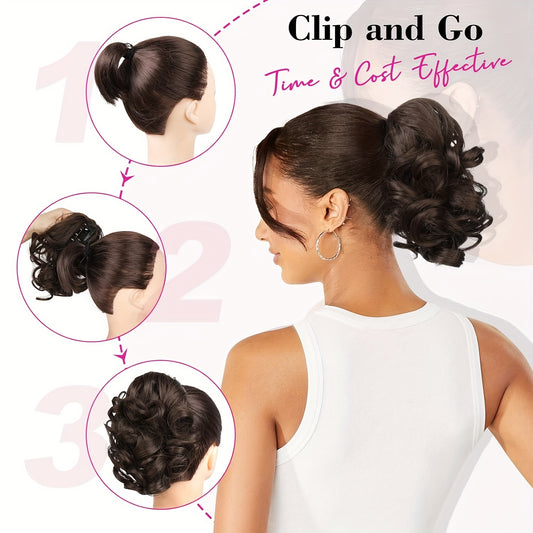
Women's Curly Wave Clip-In Ponytail Extensions
Regular price From $107.66 USDRegular priceUnit price per$7.66 USDSale price From $107.66 USD -
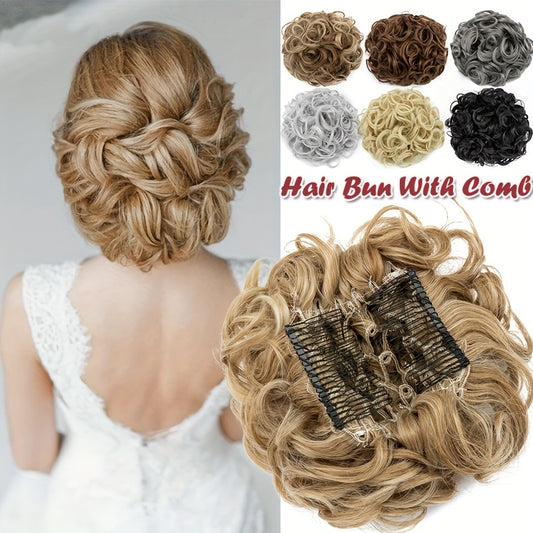
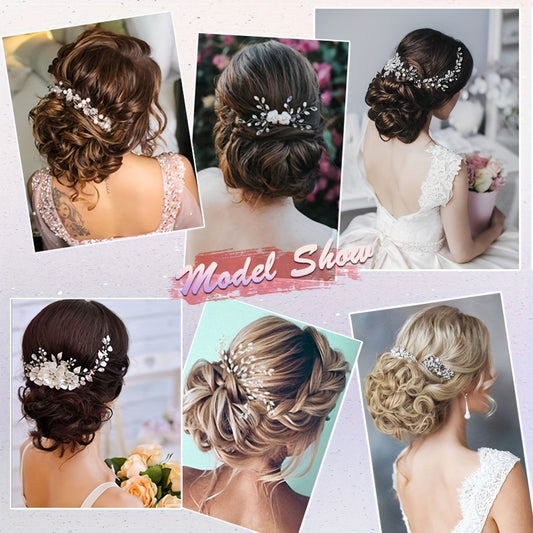
Messy Curly Dish Hair Bun Extension | Daily Or Wedding Use
Regular price From $99.83 USDRegular priceUnit price per$9.83 USDSale price From $99.83 USD -
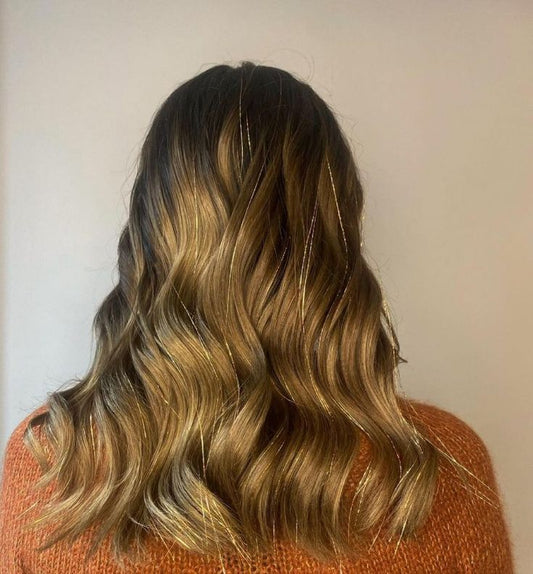
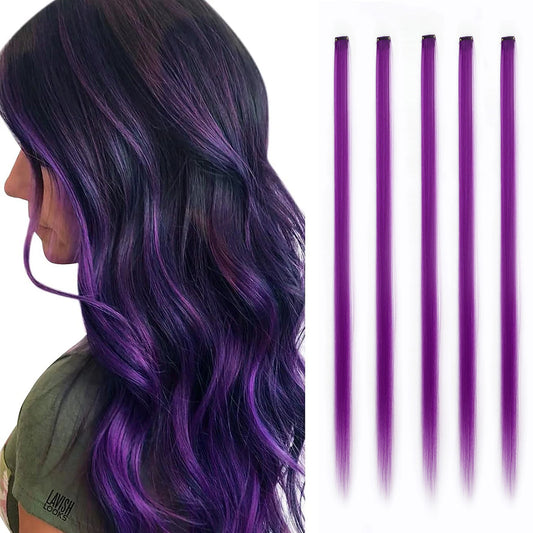
Sparkle Hair Extensions Clip In Hair Extensions
Regular price From $81.99 USDRegular priceUnit price per -
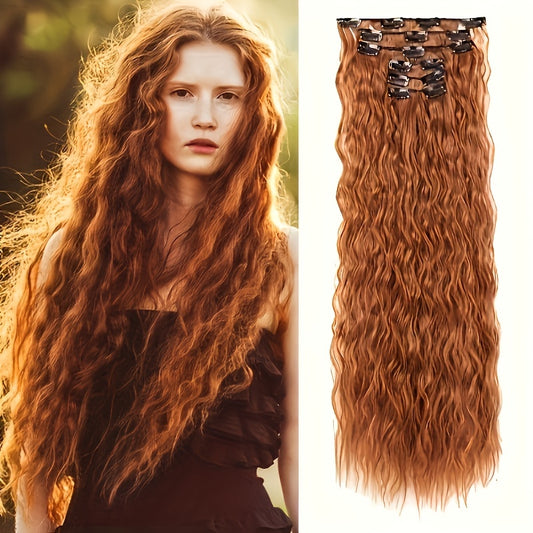
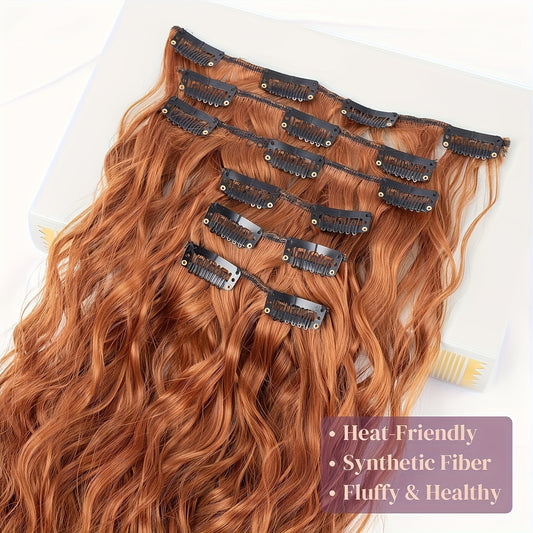
6pcs Synthetic Clip In 24 Inch Long Curly Wavy Hair Extensions
Regular price $110.00 USDSale price $110.00 USDUnit price per -
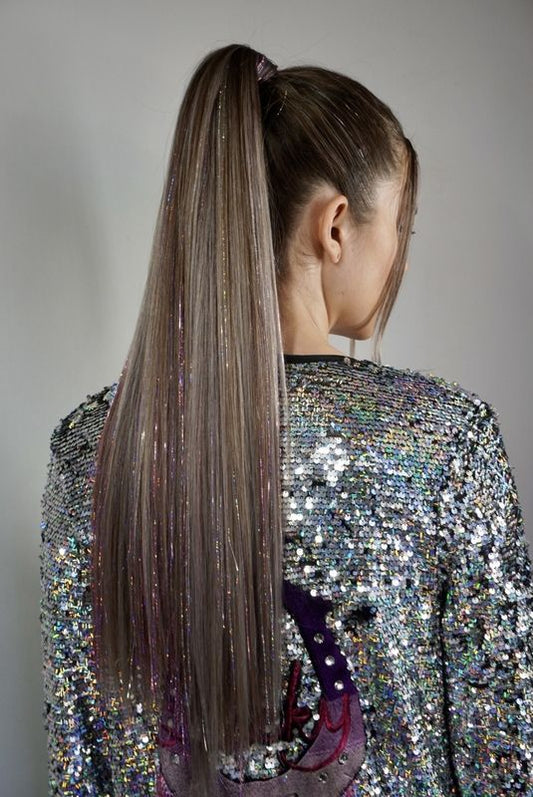
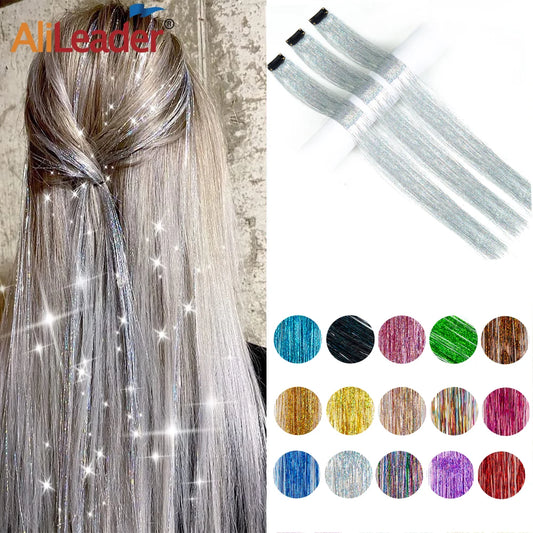
Clip In Hair Tinsel Rainbow Hair Extension
Regular price $121.99 USDRegular priceUnit price per -
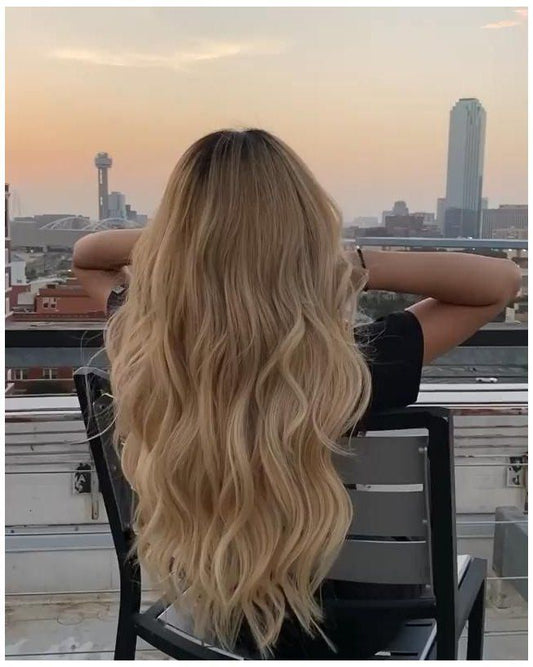
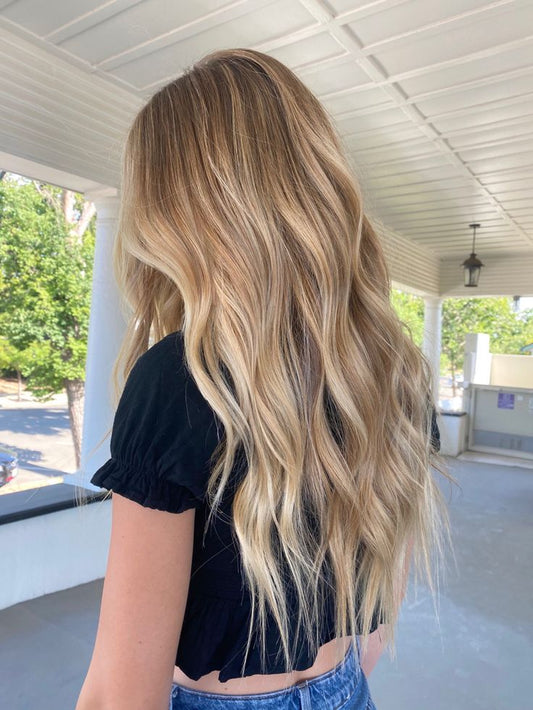
Synthetic Wavy Ombre Blonde Clip Extension
Regular price $87.99 USDRegular priceUnit price per


Hair Extensions Jet Black, Silver, and Black-to-Silver Blends: A Premium Collection Guide for Natural Results
If you’re browsing hair extensions, you’re not looking for “more hair” in the abstract. You’re looking for a result that holds up in real life: movement that matches your natural strands, a shade that behaves in daylight, comfort you can tolerate all day, and styling that doesn’t reveal the secret at the sides or crown. This collection is curated around the most high-stakes tones—black, jet black, silver, and black-to-silver blends—where undertone, finish, and texture determine whether the look reads believable or obvious. Start with the brand experience at Fabulive hair extensions for realistic everyday wear, then use the guide below to choose the right shade family and method with confidence.
Internal linking placeholder: Add a link here to your “Shade Match Help” resource.
Internal linking placeholder: Add a link here to your “Shipping & Returns” policy.
Internal linking placeholder: Add a link here to your “Extension Care Essentials” hub.
What this collection is and who it’s for
This collection is for people who want hair extensions that look like hair—not a separate layer. It’s for anyone who has experienced the two most common frustrations: the ends look too perfect compared to natural hair, or the color looks right in a mirror but wrong in daylight. Dark shades and silvers are the most revealing categories because they amplify shine, compress texture, and highlight density shifts at the perimeter. When you choose correctly, black and silver tones can look elevated and intentional; when you choose poorly, they can look flat, overly reflective, or mismatched at the sides.
It’s designed for multiple audiences with different goals. For first-time extension wearers, it provides a straightforward way to add length or volume without turning styling into a daily project. For experienced users, it supports precise color stories: jet black sleekness, soft silver modernity, or black-to-silver blends that look editorial while still wearable. For short-to-medium hair, it offers strategies to hide transition lines and build a natural gradient. For thin or fine hair, it emphasizes comfort, weight distribution, and placement that avoids scalp stress.
Most importantly, this collection supports real use cases: weekday polish, travel-friendly styling, event hair that photographs well, and look changes that don’t require committing to permanent dye. If you want a focused starting point that sits at the center of these color stories, begin with black and silver hair extensions for controlled contrast and blend and then narrow based on method, undertone, and texture.
Why this category matters now (freshness, trends, real-life use)
Hair extensions have become a modern grooming tool because the way we “show up” has changed. You’re styling not just for in-person interaction, but for video calls, photos taken under mixed lighting, and days that move from indoor brightness to outdoor sunlight. In those environments, hair color and finish become more noticeable than people expect. Black can appear overly dense under strong indoor lighting, while silver can look brighter on camera than it does in a bathroom mirror. The right extension choice solves that discrepancy: it makes the hair read consistent across lighting and movement.
This category also matters because taste has shifted toward intentional simplicity. Many people want hair that looks refined without looking like a production. Jet black has returned as a sleek, timeless statement; silver has evolved from novelty to modern neutral when chosen with the right undertone and texture; and black-to-silver blends offer dimension that feels curated rather than random. Extensions let you test those aesthetics without committing to bleach, repeated toning, or frequent salon maintenance.
Finally, there’s a practical reason: extensions can reduce daily styling effort when chosen correctly. The right texture and density can make your hair look “done” with less work, especially if your natural ends are thin, your haircut has grown out, or your hair struggles to hold volume. The goal isn’t maximal hair. The goal is a believable silhouette that supports how you actually live.
How to choose the right option (Decision Framework)
Decision Framework
- Goal → length, volume, color contrast, face framing, or a fuller perimeter
- Shade/undertone → warm vs neutral black; cool jet black; soft silver vs crisp silver; blended ombré vs solid
- Texture/finish → straight, softly waved, or naturally wavy movement that mirrors your ends
- Construction/type → clip-in flexibility, tape-in consistency, micro ring longer-wear placement, or bangs for quick framing
- Weight/coverage → enough density to look real without strain, bulk, or visible stacking
- Occasion/frequency → everyday wear, weekends, travel, or events and photos
- Care tolerance → realistic maintenance habits, not idealized routines
- Budget/value → prioritize reusability, longevity, and believable finish over extremes
How to choose hair extensions for thin hair right now without flattening your natural volume
For fine or thin hair, the biggest risk is choosing too much hair and placing it too high. That creates crown bulk, discomfort, and visible transition points. Natural results come from targeted density: support mid-lengths and ends first, then add minimal coverage higher only if needed. Lighter distribution keeps the look airy and reduces tension on delicate roots. If your hair is fine and straight, consider adding subtle movement in styling to blur attachment points and make density changes less obvious.
How many pieces do you actually need to avoid the “two textures” look
The right number of pieces depends on your haircut and your baseline density. A blunt cut often needs more end support so the perimeter looks consistent. A layered cut often needs strategic placement higher up so your natural layers don’t “stop” and reveal a line. Start with enough coverage to fill the ends and create a continuous silhouette, then add only what eliminates gaps when you move your hair forward and back. If your goal is daily wear, fewer well-placed pieces usually look more believable than a heavy set that forces you to style constantly.
What hair extensions look most natural in daylight and why finish matters more than you think
Daylight shows undertone and surface reflection. If the extension finish is too glossy or too uniform, black can look like a solid sheet and silver can look overly reflective. The most natural results come from a finish that reflects light in multiple points because the hair has movement and micro-variation. That can come from texture choice, gentle styling bends, and keeping product buildup minimal so the hair doesn’t look coated.
Best option for daily wear vs special occasions when you want realism first
Daily wear should feel comfortable and repeatable. Clip-ins work well when you want flexibility and the ability to remove hair at night. Longer-wear methods can be excellent if you want consistent length and volume without daily installation, but they require a maintenance mindset and careful product choices. For special occasions, you can choose fuller density or bolder contrast because the style is built for a moment—just keep blend strategy front and center so the look photographs well from every angle.
How to choose black vs jet black without making your hair look “painted on”
Black isn’t one shade. Some blacks carry warmth; some are neutral; jet black often leans cooler and more dramatic. If your natural hair throws warm reflections in daylight, a cool jet black can look separate unless you style intentionally and embrace the contrast. If you want sleek drama, jet black can be stunning; if you want “this is my hair,” choose a black that matches your root depth and undertone first.
What to do if the blend line shows at the ends after you install
A visible line usually means density mismatch, not just color mismatch. If your natural ends are wispy and the extensions are dense, the perimeter reveals the transition. Fix it by creating a gradient: add a lighter layer of hair higher up, choose a texture that mimics your ends, and trim the extensions to match your haircut shape. Styling helps too—soft bends and brushed waves blur the line instantly and keep movement consistent across both hair types.
How to choose an attachment method if you’re sensitive-scalp or tension-prone
Comfort comes from placement, weight distribution, and realistic density. If you’re sensitive, avoid heavy stacking near the crown and keep placement off the temples where tension is most noticeable. Clip-ins can be comfortable when installed correctly, but overly tight clips can trigger discomfort. Longer-wear methods can also be comfortable when installed well, but you should choose them only if you’ll maintain them properly, since neglected maintenance can cause tangling and pulling.
Shade, undertone, and finish selection
Choosing a shade is less about finding a perfect match and more about matching the story your hair already tells. Many people have subtle variation from root to ends—sun exposure, old color, and natural reflection patterns create depth. A natural-looking extension choice respects that reality. If you’re building a classic base, begin with black hair extensions for seamless everyday matching and select undertone based on how your hair reads in indirect daylight.
How to match undertones without overthinking it
Look at your hair in indirect daylight rather than under overhead indoor lighting. Warm-leaning hair often shows soft brown or auburn reflections; cool-leaning hair shows graphite or ash reflections; neutral hair looks balanced and shifts less across lighting. Match undertone first, then choose depth. This approach prevents the common mismatch where hair looks right in one room and wrong everywhere else.
When jet black is the right choice for a sleek, high-contrast aesthetic
Jet black works best when you want a deliberately polished silhouette—clean parts, smooth lengths, and controlled styling. It can make hair look thicker because depth reduces visual transparency. If your wardrobe palette and overall style support crisp contrast, explore jet black hair extensions for a sleek statement look and plan to style in a way that keeps the finish intentional rather than heavy.
Choosing silver tones that look modern instead of costume-bright
Silver can read soft and refined or bright and dramatic depending on tone, finish, and texture. A wearable silver often has a slightly “sanded” quality that photographs better and blends more easily with real hair movement. If you want a softer, versatile silver, consider silver sand hair extensions for a softened metallic finish and pair them with movement so the shine breaks naturally.
How to shop silver when you want clarity, coolness, and consistent tone
If your goal is a cleaner, cooler silver that reads crisp, start by browsing silver hair extensions for cool-toned transformations and then choose texture based on your natural ends. Silver looks most believable when it moves like your hair, not like a separate layer.
When ombré blends look more realistic than solid color blocks
High-contrast color can look stunning, but abrupt transitions can look unnatural unless the styling is deliberately editorial. Ombré creates a transition zone that often reads more believable in motion and across lighting. If you want controlled contrast that still feels wearable, browse silver black ombré hair extensions for dimensional contrast and style with soft waves or bends to diffuse the transition.
Texture and blend strategy
Texture is the fastest route to realism. If texture matches, shade becomes easier to blend. If texture clashes, even a close shade match can look obvious. Start by matching the movement at your ends: straight, softly waved, or naturally wavy. Then place pieces to support your haircut shape so the overall silhouette reads like one continuous head of hair.
How to blend with blunt haircuts without a visible shelf
Blunt cuts emphasize the perimeter, so density at the ends must look consistent. Choose enough coverage to support the baseline, then trim the extensions to mirror your hemline rather than letting them hang longer and thinner. A slight bevel at the ends can keep the shape polished while avoiding the “wall of hair” effect.
How to blend with layered haircuts so your length looks integrated
Layers require a gradient. Place shorter pieces higher and longer pieces lower so your natural layers merge into the added hair rather than stopping abruptly. If the blend still looks obvious, shaping is usually the answer: trimming and light layering can make the extension hair follow your haircut’s structure.
How to blend with short hair when you want it to look intentional, not “added on”
Short hair blending depends on overlap. Your natural hair must be long enough to cover attachment points and merge into the extension hair. Texture is your ally: soft waves disguise transition lines better than pin-straight hair when your natural hair is shorter. If you want a clear rationale and practical direction, read reasons hair extensions work for short hair when placement is smart and use that framework to choose length and density you can realistically blend.
What to do if it looks obvious around the sides in conversation distance
Side visibility usually comes from placement too close to the hairline or insufficient coverage above the ear. Move pieces slightly back and add a lighter layer higher to camouflage. Also match direction: if your hair naturally sweeps forward, style the extension hair to follow that movement so both hair types behave consistently.
How to make black and silver look cohesive instead of “two separate colors”
Cohesion comes from controlled placement and consistent texture. Keep the darkest shade closer to the root area, and let silver appear through ends or mid-lengths depending on how bold you want the effect. Waves and bends help because they visually mix tones. If you want a practical anchor for this aesthetic, treat the blend like intentional dimension rather than a hard split.
Styling ideas (daily + event)
Extensions should expand what your hair can do without forcing you into complicated routines. The most convincing styles are repeatable: they look refined, they hold up through a full day, and they don’t expose attachment points when you move. Build two signature looks—one for daily life, one for photos or events—so you’re not reinventing your process each time.
Quick looks for weekdays when you want effortless polish
- Low ponytail with a wrapped base for thickness that reads natural
- Half-up twist that lifts the crown while keeping the front realistic
- Soft side part with brushed waves to blur density transitions
- Low bun with a fuller perimeter for a clean, elegant silhouette
Photo-ready looks that hold up under flash and mixed lighting
- Sleek straight lengths with a clean middle part for modern jet black drama
- Brushed-out waves that diffuse join lines and add natural movement
- High ponytail with controlled volume for a lifted profile
- Romantic half-up styling that shows length without exposing the sides
Prom and formal styling that flatters medium-length hair with extensions
Medium-length hair is a sweet spot: you can add believable length and volume without overwhelming your base. Choose a style with shape—soft waves, a structured half-up look, or a polished ponytail—and use extensions to strengthen the silhouette where your hair is thinner. For style ideas you can adapt without overcomplicating, use prom hairstyle ideas for medium-length hair that photograph beautifully and translate the shapes into your own comfort level.
How to build volume that looks like it belongs to your own hair
Natural volume is distributed, not stacked. Build fullness through mid-lengths and ends and keep the crown lighter so your natural hair can cover attachment points. Style your hair and the extensions together after installation so texture reads consistent. If you want actionable methods that don’t rely on guesswork, follow volume techniques for clip-in hair extensions that look realistic and adopt only the steps you’ll actually repeat.
Jet black styling that feels timeless instead of severe
Jet black looks best when the silhouette is intentional: smooth roots, controlled shine, and clean lines that frame the face. A subtle bend at the ends can make the look feel softer and more wearable while keeping polish. For inspiration that translates into real styling routines, explore sleek jet black hair styling ideas for a timeless finish and choose one repeatable look rather than chasing constant variation.
Accessory styling that works with extensions without snagging
Accessories can elevate a look, but placement matters. Keep clips and wraps on your natural hair rather than directly on wefts, and avoid overly tight elastics that increase tension. If you love an accessory moment, adapt bandana hairstyle ideas that pair naturally with longer hair while maintaining a believable hairline and smooth sides.
How to use celebrity inspiration without copying unrealistic density
Celebrity hair references are useful for shape: parting, wave direction, and how volume is distributed. The mistake is trying to copy density without considering comfort and scalp tolerance. Use celebrities as technique prompts rather than blueprints. For a curated set of references you can actually adapt, browse celebrity hairstyle inspiration that translates into real-life styling and choose one technique you can repeat reliably.
Care, maintenance, and longevity
Extensions stay premium-looking when maintenance is consistent and realistic. The biggest threats to longevity are friction, product buildup, rough detangling, and overuse of heat. Dark shades can reveal dryness as dull ends; silvers can reveal buildup as unnatural shine or tone shift. Your goal is clean movement and a finish that looks believable under multiple lighting conditions.
How often to wash extensions without drying them out
Wash based on buildup, not calendar days. If you wear clip-ins occasionally and use minimal product, you can go several wears between washes. If you use styling products heavily, wash sooner. Overwashing can strip the hair and increase dryness; underwashing can make hair look coated and less natural.
Detangling rules that prevent frizz and shedding over time
Detangle gently from ends to mid-lengths and then upward, supporting the base to avoid tension. Avoid detangling aggressively when hair is very dry. Most frizz comes from mechanical damage rather than “bad hair,” so calm handling is what preserves the finish and keeps movement natural.
Silver extension care that keeps shine refined, not plastic-looking
Silver should look luminous, not mirrored. Product buildup is the most common reason silver looks unnatural in photos. Keep the routine light and focused, and avoid coating the hair with heavy products. For a practical upkeep approach, follow how to maintain silver hair extensions and keep them shiny without buildup as your guide.
How to keep silver and grey tones crisp over time
Silver and grey tones can dull or shift if heat and residue accumulate. Pay attention to water quality, product residue, and how often you restyle. If you want broader tone-care context you can adapt to extensions, use a complete guide to maintaining silver and grey hair tone as a reference and apply only extension-safe steps.
Heat styling boundaries that protect realism and finish
Use the lowest effective temperature and avoid constant restyling. Repeated high heat can change how hair reflects light, making black look flat or silver look overly shiny. If you style frequently, choose a signature finish you love and maintain it rather than reworking the hair daily.
Comparing nearby categories: method, color story, and realism trade-offs
Choosing between black, jet black, silver, and blended options is ultimately about the look you want and the maintenance you’ll tolerate. Solid black tends to be easiest to blend for naturally dark hair. Jet black is a deliberate, polished aesthetic that looks best when the styling is controlled. Silver is visually striking and modern but demands careful finish and upkeep to avoid looking overly reflective. Blends give you a transition zone that often reads more believable across lighting and motion.
Clip-ins vs tape-ins: choosing based on your schedule, not trends
Clip-ins are for flexibility: you can wear them on demand and remove them at night. Tape-ins are for continuity: a consistent look across weeks with less daily effort, but more commitment to maintenance. If you travel often or like switching between natural hair and added volume, clip-ins can feel liberating. If you want predictable hair every day, tape-ins can be the better fit—provided you treat them with care.
What to choose if you want black clip-ins that blend quickly and naturally
If your priority is fast installation and easy removal, clip-ins can be the most practical option. Shop method-first with black clip-in hair extensions for flexible wear and easy blending and focus on placement that supports your haircut shape rather than chasing maximum density.
When black tape-ins are the right move for consistent everyday polish
If you want hair that looks “always done” without daily installation, tape-ins offer consistency and flat placement when installed well. They require thoughtful washing and product choices, but they can look exceptionally natural for daily life. Explore black tape-in hair extensions for longer-wear volume and coverage if your schedule supports the maintenance routine.
When silver tape-ins make sense for a committed cool-toned look
If you want silver to feel like your new baseline rather than a temporary moment, longer-wear methods can help the tone look cohesive day after day. If that’s your goal, browse silver tape-in hair extensions for consistent cool-toned wear and match texture carefully to maintain realism in motion.
Buying guidance and common mistakes to avoid
Shopping becomes simpler when you approach it like a stylist: start with your constraints, then choose color, then method. The most common mistakes happen when shoppers choose by a single photo rather than considering undertone, finish, density, and maintenance tolerance. Below are the missteps that most often lead to regret—along with fixes that keep your outcome believable.
Mistake: choosing shade under bathroom lighting and ignoring undertone
Indoor lighting can hide undertone and exaggerate shine. Always compare shade in indirect daylight. If your natural hair carries warmth, overly cool black can look separate; if your hair is cool, warm blacks can look off. Matching undertone first is what makes black and silver look like they belong to you.
Mistake: buying the longest length without planning the haircut silhouette
Length should support your shape. If your hair is a lob and you go very long, the look can read like two different haircuts unless you blend and trim. Decide whether you want a blunt perimeter, a U-shape, a soft V, or a layered finish, and then choose length that supports that decision.
Mistake: adding too much hair at the crown and creating bulk
Crown bulk is a giveaway. Keep the top lighter and build density through mid-lengths and ends. If you feel heaviness or see a bump, remove one piece near the crown and redistribute lower. Comfort and realism usually improve together when weight is better distributed.
Mistake: forcing high contrast without a transition strategy
Contrast can look stunning, but it needs intention: controlled placement, texture, and a fade that looks deliberate. If you want a conceptual guide to balancing dark and light in a way that reads intentional, use a guide to mixing dark and light extension tones for contrast and apply the logic to black-and-silver pairings.
Mistake: skipping education on clip-in placement and wondering why it looks obvious
Clip-ins can look invisible, but only when placement respects your hairline, parting, and haircut shape. If you want a precise, practical walkthrough for darker shades, follow the ultimate guide to seamless blending with black clip-in extensions and use it as a troubleshooting resource whenever the sides or ends look off.
Mistake: dyeing your hair black impulsively to “match” extensions
Black dye is a commitment and can shift undertone in ways that complicate matching. Before you change your natural base, consider maintenance, root grow-out, and how the color will age. For a detailed checklist of what to think through first, read what to consider before dyeing your hair black and decide whether matching extensions to your current hair is the safer path.
Mistake: ignoring the long-term pros and cons of going black
Going black can look timeless, but it can also increase upkeep depending on your natural color and growth rate. Consider your contrast preferences and how often you’ll maintain roots if you dye. If you’re undecided, use a balanced pros-and-cons guide to dyeing hair black to make the choice thoughtfully.
Featured picks and use-case recommendations (practical, not hype)
These picks are organized by what you’re trying to achieve. The best choice depends on your starting hair density, how often you wear extensions, and whether you prefer removable flexibility or longer-wear consistency. If you’re deciding between similar options, use the decision framework earlier in this guide and prioritize undertone and texture match first.
Everyday realism: discreet volume and length in black
Best for beginners who want a straightforward, natural-looking upgrade
If you want an easy entry point that lets you control placement and density, consider black human hair clip-on extensions for natural fullness and build coverage gradually based on your haircut and comfort.
Best for a smooth straight finish with a polished silhouette
If you regularly wear your hair straight, choose a texture that stays predictable and blends cleanly after styling. Explore black straight clip-in hair extensions for a seamless sleek look and style your natural hair and the extensions together so the finish reads consistent from root area to ends.
Best for movement that hides transitions and looks natural in photos
Waves blur density changes and soften the transition line, especially when your natural hair loosens throughout the day. If you want a forgiving texture that still looks refined, consider black wavy hair extensions for soft, believable dimension and brush out waves for a modern, lived-in finish.
Face framing and fringe: quick silhouette changes without cutting
Best for testing side bangs and reshaping the face frame
Face framing can transform how your hair looks even with minimal length change. If you want a reversible way to try bangs, look at black side bangs hair extensions for instant face framing and style them to match your natural part and brow line for the most believable result.
Deep contrast: richer blacks for bold depth
Best for shoppers who want an intentionally deeper black tone
If you’re aiming for a richer, deeper black that reads bold and polished, choose it intentionally rather than trying to force a soft match. A strong option is dark black human hair clip-on extensions for bold depth, especially when paired with sleek styling and controlled shine.
Longer-wear styling: consistent results across weeks
Best for longer-term jet black wear when you’re ready for structured upkeep
Micro ring methods can suit shoppers who want longer-wear placement with a specific maintenance profile. If jet black is your desired statement and you want a longer-wear approach, explore jet black human hair micro ring extensions for longer-wear styling and commit to gentle detangling and controlled product use so the finish stays premium.
FAQ (8–12 answers with real shopping clarity)
How do I choose between black, jet black, and deeper black tones for the most natural match?
Start with undertone in indirect daylight: warm reflections usually blend better with softer blacks, while cool reflections can support jet black. Then choose texture based on how your ends move so the hair behaves consistently. The most natural results come from matching undertone and movement first, then adjusting depth.
Do silver extensions always look shiny or “wiggy” in daylight?
They don’t have to. Silver looks most realistic when the tone is balanced and the hair has movement so light reflects in multiple points instead of one flat glare. Keeping product buildup low also helps silver look luminous rather than coated.
What’s the best option for daily wear if I want comfort and flexibility?
Clip-ins are often the easiest for daily flexibility because you can install them on demand and remove them at night. They also let you customize placement depending on your hairstyle and schedule. If you’re choosing clip-ins, prioritize comfort and strategic density over maximal volume.
How can I make extensions look natural if my natural hair is very straight?
Match the finish and keep the silhouette clean. Straight hair shows density shifts more clearly, so focus on trimming and blending the ends to match your haircut shape. A small bend at the ends can also soften transitions without changing your overall style.
How do I prevent extensions from looking obvious at the sides?
Keep placement slightly back from the hairline, and ensure you have enough coverage above the ear so movement doesn’t expose attachment points. Style the hair together after installation so texture matches in motion. If the sides still look obvious, you usually need a placement adjustment rather than more hair.
Can I wear extensions with short hair and still blend them convincingly?
Yes, as long as you choose a believable length increase and use texture to disguise the transition line. Overlap matters: your natural hair needs enough length to cover where the extension begins. Trimming and soft styling are often the difference between “blended” and “added on.”
How long do extensions last if I’m not overly precious with maintenance?
Longevity depends on friction, heat, and how gently you detangle. Occasional wear typically extends lifespan because you reduce washing and daily stress. Consistent, calm care habits matter more than complicated routines.
Should I dye my hair black before buying black extensions?
Not necessarily. Matching extensions to your current hair is usually the lower-risk approach because black dye is a commitment and can shift undertone. If you’re tempted to dye, consider root maintenance and how the color will look as your hair grows.
How do I choose between solid silver and black-to-silver blends?
Solid silver is a stronger statement and requires careful finish and upkeep. Blends can be more wearable because the transition looks intentional and often more realistic across lighting. If you’re new to silver, blends can be a smart way to test the look while keeping cohesion.
What’s the most common reason extensions don’t look natural even when color matches?
Texture mismatch and density placement are the usual culprits. If the extensions move differently than your hair or the ends are much denser than your natural ends, the eye notices. Correcting placement, adding movement, and trimming to match your haircut shape often solves the issue quickly.
Collection pathways (use these to shop by shade and method)
If you want a faster route to the right result, shop by the pathway that matches your intent. Each pathway below supports a different realism goal: undetectable black matching, sleek jet black polish, refined silver tone, or controlled black-to-silver contrast.
Pathway 1: Natural-looking black base with flexible wear
Choose clip-ins when you want the ability to wear fuller hair on demand and return to your natural hair at night. This pathway is ideal for beginners, travelers, and anyone who wants volume and length without committing to long-wear installation.
Pathway 2: Jet black polish for sleek styling and defined silhouettes
Jet black is best when you embrace it as an intentional aesthetic. Keep styling clean, control shine, and prioritize a texture that supports your everyday routine. This pathway suits those who like crisp contrast and refined minimalism.
Pathway 3: Silver tone selection with believable movement
Silver becomes wearable when tone and texture are chosen together. Match movement at the ends, keep products light, and aim for a finish that reflects naturally. This pathway suits cool-toned shoppers and anyone exploring modern metallic shades without looking costume-like.
Pathway 4: Black-to-silver blends for dimensional contrast that still reads natural
Blends provide a transition zone that can look more believable across lighting. Keep placement intentional and style with movement so the tones mix visually. This pathway suits shoppers who want a statement look with control.
Short intro above the product grid (80–120 words)
Discover hair extensions in black, jet black, silver, and black-to-silver blends designed to look natural in real life. This collection supports believable length, fuller ends, and dimensional contrast with methods that fit different routines—from removable clip-ins to longer-wear options. Use the guide below to match undertone, choose the right texture, and avoid common blend mistakes that show in daylight or photos. When you’re ready, browse the pieces that match your pathway and select a shade and method built for how you actually wear your hair.
Long-form guide (keep below the grid)
How to choose a black tone that looks natural under warm indoor lighting
Warm indoor lighting can make black hair look heavier and more uniform. To keep the look natural, choose a black shade that matches your undertone and maintain movement through styling. Avoid placing the thickest pieces too high, and keep the crown lighter so your natural hair can break up density. A soft bend at the ends often makes black look more realistic because it creates multiple reflection points rather than one flat surface.
What black looks like when it’s too cool for your natural hair
If your natural hair has warm reflections and your extension shade leans very cool, the hair can look like two layers—especially at the sides and ends. The fix is to choose undertone correctly or embrace a more intentional contrast with styling that signals purpose: a sleek look, a structured ponytail, or a polished half-up style that reads deliberate rather than accidental.
How to make silver look expensive instead of flashy
Expensive-looking silver usually means controlled tone and believable finish. Keep products light, avoid heavy oils that coat the hair, and focus on texture and movement. Softer silvers often feel more wearable, while crisp silvers demand more attention to reflection and maintenance. The best silver looks like it belongs to the person wearing it, not like it was added as a novelty.
How to troubleshoot tangling when you wear longer hair
Longer hair increases friction at the collar, shoulders, and outer layers. Tangling isn’t always a sign of poor hair; it’s often a sign of friction plus product buildup. Brush gently, keep hair detangled before storage, and choose styles that reduce rubbing during the day. A low ponytail or braided moment can preserve movement and reduce tangling during travel or long days.
Best option for everyday minimalists who want subtle upgrade, not dramatic change
If you want a subtle upgrade, prioritize matching undertone and texture and choose density that supports your perimeter without changing your overall identity. The best minimalist extension results are the ones people notice as “your hair looks great” rather than “you changed your hair.” Keep styling simple, choose a repeatable silhouette, and let the upgrade feel effortless.
Best option for special occasions when you want hair that photographs from every angle
Event hair should look good in motion and from the side. That means controlled volume distribution, no visible transition lines at the ends, and sides that stay covered when you turn your head. Waves and brushed movement are often the safest choice because they blur joins and add dimension. If you go sleek, make sure the ends are trimmed to match your haircut shape so the silhouette reads cohesive.
Core Web Vitals and on-page performance notes (implementation reminders)
Internal linking placeholder: Compress and properly size collection images in the grid.
Internal linking placeholder: Reduce non-essential app scripts on collection pages.
Internal linking placeholder: Preload critical CSS, fonts, and hero assets for faster first paint.
Related collections module (placeholders only to preserve one-time URL rules)
- Internal linking placeholder: Add link to “All Clip-In Hair Extensions” collection.
- Internal linking placeholder: Add link to “All Tape-In Hair Extensions” collection.
- Internal linking placeholder: Add link to “Hair Extension Tools and Accessories” collection.
- Internal linking placeholder: Add link to “Color Matching Guide” education hub.
- Internal linking placeholder: Add link to “Best Sellers” collection.
Browse the Collection
The best hair extensions aren’t the most dramatic—they’re the most believable for your hair, your undertone, and your routine. When you choose method, shade, and texture as a system, black, jet black, silver, and blended looks can appear natural in daylight, comfortable in real life, and polished in photos. If you want a simple next step, start by choosing your pathway: flexible clip-in wear, consistent longer-wear volume, sleek jet black styling, or refined silver tone with controlled shine. Then browse the collection and select the option that matches how you actually live, not an idealized routine.