
-

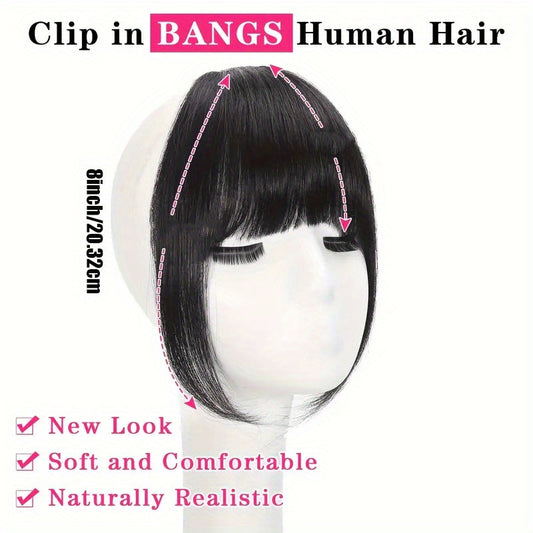
Women'S French Human Hair Bangs | Real Human Hair, Natural Straight Hair with Easy Clip-In Attachment, Elegant Straight Fringe for Dates, Parties, and Everyday Wear, Multifunctional Hair Accessory.
Regular price From $215.33 USDRegular priceUnit price per$0.00 USDSale price From $215.33 USD -

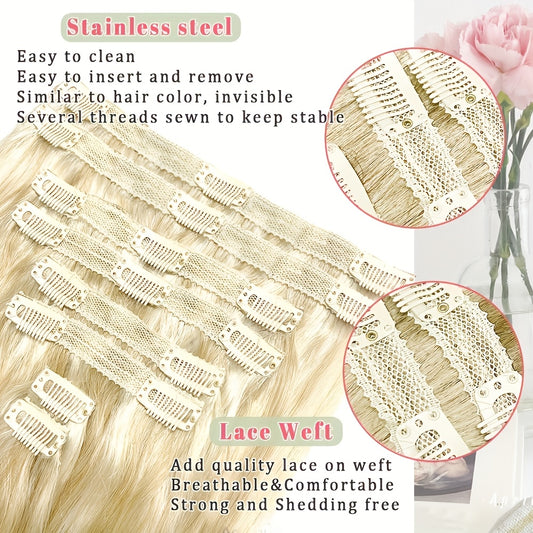
Real Human Hair Body Wave Human Hair Clip In Extensions
Regular price $239.00 USDSale price $239.00 USDUnit price per -

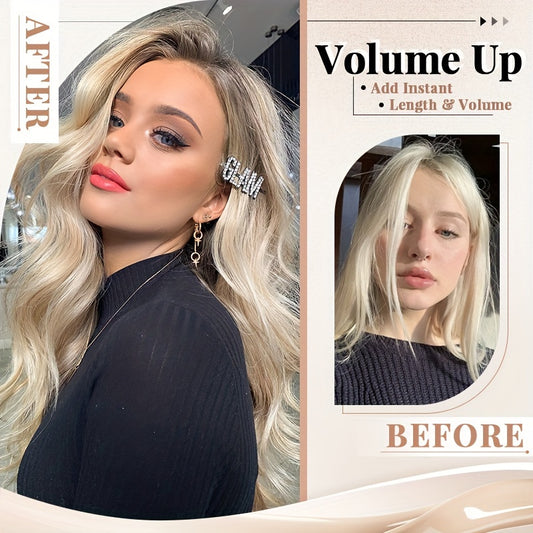
14-20 Inch V-Shaped Real Remy Clip in Human Hair Extensions
Regular price $229.00 USDSale price $229.00 USDUnit price per -

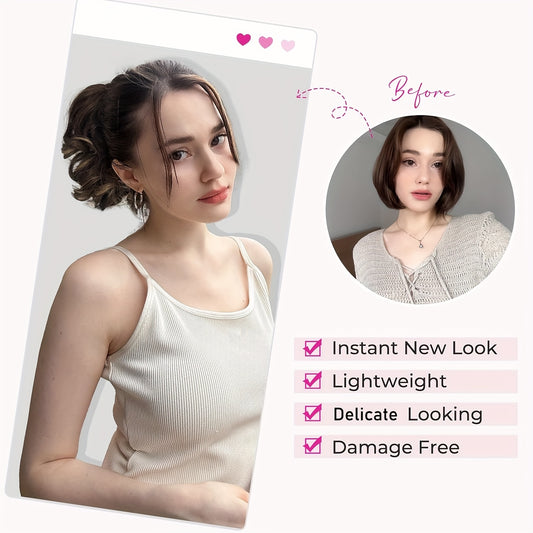
8 Inch Wavy Clip-In Ponytail | Jumbo Claw Clip Synthetic Hair Extensions for Women
Regular price $109.00 USDSale price $109.00 USDUnit price per -

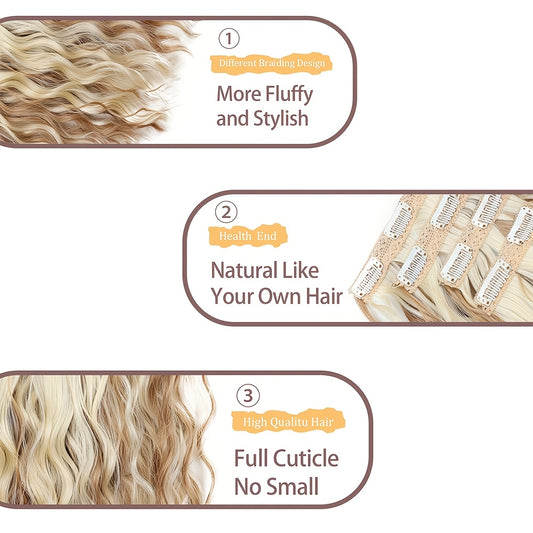
Synthetic Chemical Fiber 12-inch 4pcs/set Clip-in Hair Extensions
Regular price From $109.22 USDRegular priceUnit price per$9.22 USDSale price From $109.22 USD -

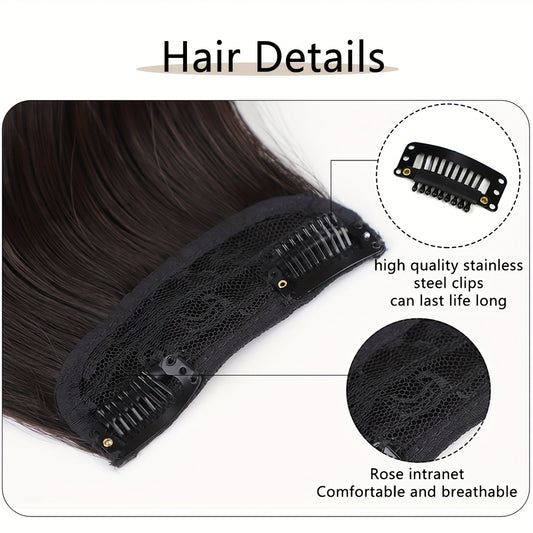
4pcs Clip-In Synthetic Hair Extensions | Long Wavy Thick Double Weft Hairpieces
Regular price From $111.23 USDRegular priceUnit price per$11.23 USDSale price From $111.23 USD -

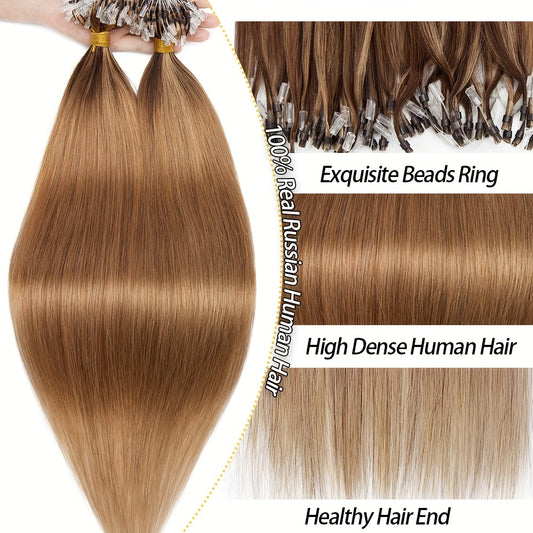
50G/Pack THICK Micro Ring Loop 100% Human Hair Extensions
Regular price $179.00 USDSale price $179.00 USDUnit price per -

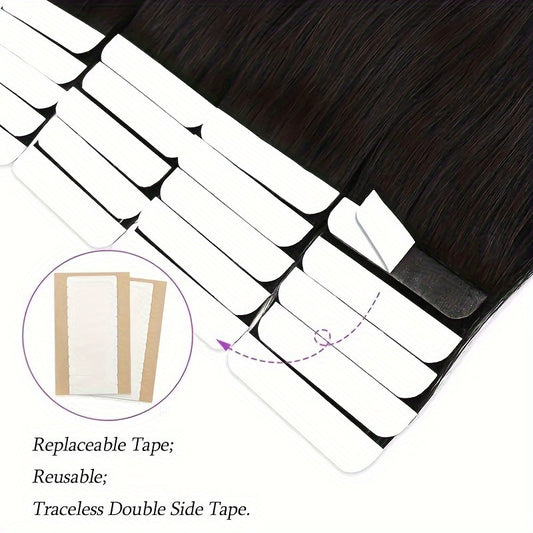
20pcs 100% Remy Hair Tape-In Straight Human Hair Extensions
Regular price $189.00 USDSale price $189.00 USDUnit price per -

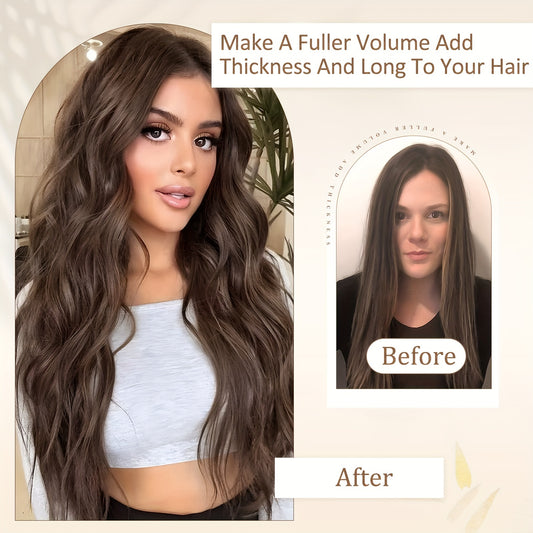
14-24 Inch 100% Remy Human Hair Extension Pre-bonded Micro Nano Rings
Regular price $239.00 USDSale price $239.00 USDUnit price per -

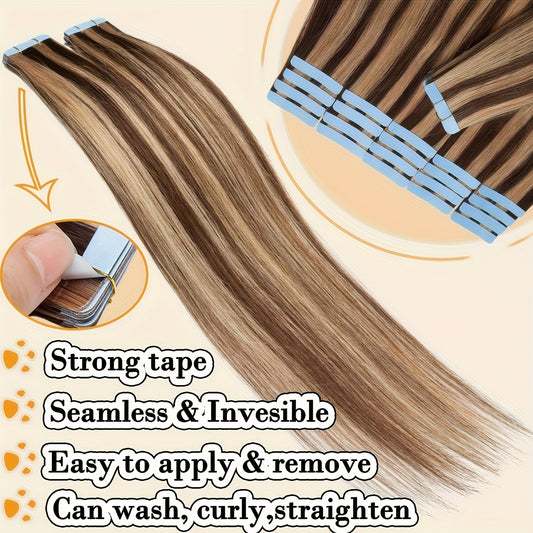
20pcs 50g 100% Brazilian Remy Human Hair Tape-In Extensions
Regular price $195.00 USDSale price $195.00 USDUnit price per -

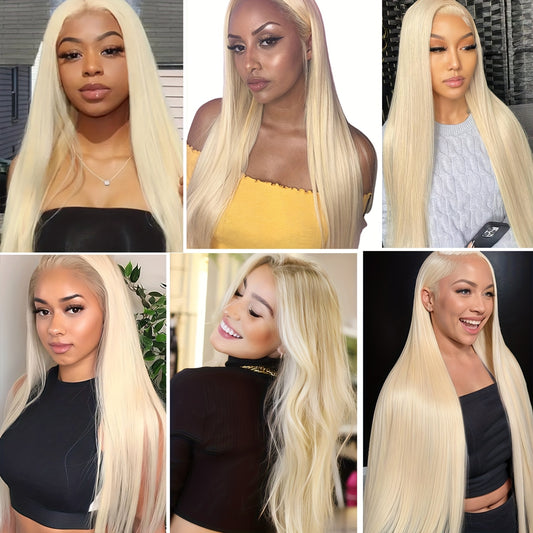
20-34 Inch Brazilian Remy Human Hair Extensions
Regular price $249.00 USDSale price $249.00 USDUnit price per -
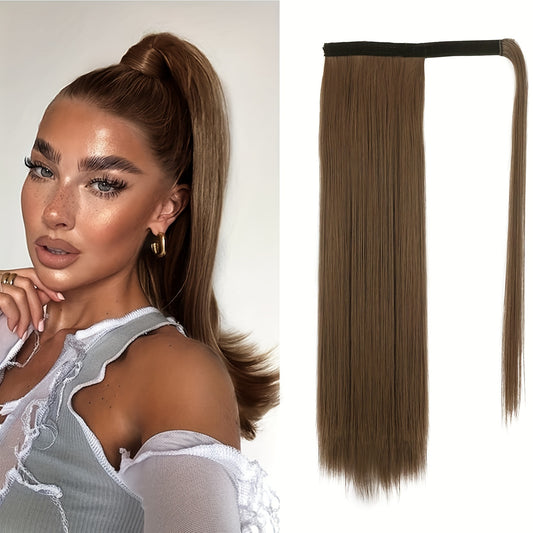
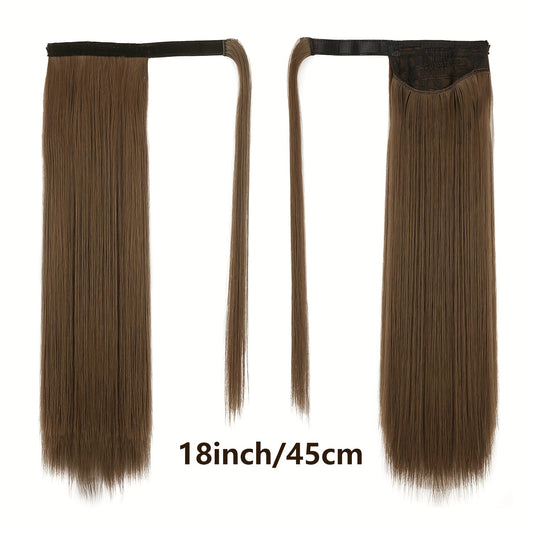
Brown Synthetic Ponytail Hair Extensions - 18 Inch Long, Straight, Wrap Around Clip In
Regular price $109.17 USDSale price $109.17 USDUnit price per


10 Inch Hair Extensions: The Natural, Low-Commitment Length Upgrade
If you want a believable boost that feels like “my hair, just better,” 10-inch hair extensions are a smart starting point. This length is ideal for adding fullness, improving the look of your ends, and expanding styling options without the upkeep of very long hair. Use this guide to choose the right shade, texture, and wear method for your lifestyle, then explore the 10 inch hair extensions collection to find the best match for your routine and your hair type.
What this collection is and who it’s for
10-inch hair extensions sit in the “subtle transformation” zone. They’re designed to enhance what you already have—especially if your hair is fine, your ends look wispy, or your haircut is growing out and you want it to feel intentional again. Instead of chasing dramatic length, this collection helps you refine shape and density, making day-to-day hair look smoother, healthier, and more styled with less effort.
This collection is especially useful for:
- Short-to-medium hair that needs extra fullness through the ends
- Fine hair that looks flat at the sides or crown
- Anyone who wants a realistic upgrade without heavy maintenance
- First-time extension buyers who want a “safe” length that blends easily
Why this category matters now
Hair trends have moved toward realism: hair that looks healthy in daylight, moves naturally, and doesn’t feel “overdone.” Ten inches supports that shift because it improves density and polish without overwhelming your natural haircut. It’s also a practical length for modern routines—quick styling, less tangling, simpler storage, and easier blending with everyday cuts. If you’ve ever loved the way your hair looks right after a trim (stronger ends, cleaner outline), this is the extension category that can recreate that effect with consistency.
How to choose the right option
Decision Framework
Use this short sequence to choose confidently:
- Goal → thickness, end-density, shape, or a slightly longer silhouette
- Shade/undertone → match your root tone first, then mid-length tones
- Texture/finish → straight, wavy, or softly curled to mimic your natural pattern
- Construction/type → clip-in, tape-in, ponytail, halo, or weft depending on wear frequency
- Weight/coverage → how much density you actually need
- Occasion/frequency → daily wear versus occasional styling
- Care tolerance → how much upkeep you’ll genuinely do
- Budget/value → invest in the options you will wear most
How to choose 10-inch extensions for thin hair right now
If your hair is fine, the goal is to add fullness without creating bulk near the scalp. A lighter, well-placed set often looks more natural than using a lot of hair. Focus on smoothing the perimeter and boosting side density, then unify the texture with gentle bends. Many people with short or fine hair feel an immediate confidence shift when extensions solve the “flatness” problem; this short-hair-focused explanation of why extensions can be a game-changer captures the most common reasons the upgrade feels so dramatic even at modest lengths.
What 10-inch hair looks most natural in daylight
Daylight reveals undertone mismatches more than indoor lighting. The most natural results come from matching undertone first (warm, neutral, cool) and then choosing the closest depth. If you’re between shades, pick the option that best matches your root area; dimension and styling can help the mid-lengths blend.
How to match undertones without overthinking it
Use a simple check: do your natural highlights read golden (warm), beige (neutral), or smoky/ashy (cool)? Choose extension tones that live in the same temperature family. When the undertone is right, you can get away with slight depth differences and still look natural.
How many pieces or units do you actually need
At 10 inches, most people need fewer pieces than they expect. Fine hair typically benefits from targeted fill along the sides and back rather than stacking near the crown. Thick hair may need more coverage to avoid a visible “shelf” where extension hair sits on top of natural hair. The best approach is “minimum effective density”: enough fullness to look consistent, not so much that it looks like an add-on.
Best option for daily wear vs special occasions
For daily wear, prioritize comfort and speed: quick application, secure wear, and easy blending. For events, you can add more density and focus on polished finishing (shine control, uniform texture, and clean ends). The right choice depends on how often you plan to wear them, not just how good they look on day one.
What to do if the blend line shows
Blend lines happen when texture mismatches, placement is too high, or your natural hair is significantly shorter than the extension fall. A soft wave usually fixes it instantly because movement hides transitions. Lower placement and fewer, better-positioned pieces can also improve realism more than adding more hair.
How to avoid “bulk at the part”
Bulk happens when too much density is added near the top layers. Keep pieces lower and distribute them evenly. If you need crown lift, use styling (directional blow-dry, gentle teasing, or lightweight root lift) rather than adding extra extension weight at the scalp.
What 10 inches looks like on different heights and face shapes
On shorter frames, 10 inches can read as a tidy, structured medium length. On taller frames, it often looks like a fuller short-to-medium cut. For face shapes, it’s usually flattering because it adds side volume that balances proportions without dragging the face down the way extra-long hair sometimes can.
How to choose between straight and wave finishes
Straight finishes look sleek and refined but are less forgiving—any mismatch shows faster. Wavy finishes look more natural and camouflage transitions. If your natural hair has any bend at all, matching that movement tends to create the most believable result.
How to choose if you’re growing out a bob
If you’re in the awkward grow-out stage, aim for end-density and shape rather than dramatic length. Keep extension hair close to your natural outline and style with soft bends to create cohesion. The result should feel like your haircut “makes sense,” not like you’re wearing separate hair.
Shade, undertone, and finish selection
With 10-inch extensions, shade selection is about realism more than transformation. If your hair is multi-tonal, choose tones that reflect that variety. If your hair is a single shade, prioritize undertone harmony so the extensions don’t look dull, brassy, or grey in natural light. A realistic finish also depends on taper: ends that look healthy and consistent will always read more premium than ends that look stringy or overly thick.
How to use dimension to hide small shade differences
Dimension can smooth tiny mismatches and make the blend look intentional. If your natural hair has highlights or lowlights, a slightly varied extension tone often looks more natural than an exact single-shade match.
What to do if your hair color shifts by season
Many people are lighter in summer and deeper in winter. Choose an option that matches your most common “everyday” shade, then rely on styling and placement to blend during transitions. If you frequently change your hair color, consider versatile tones that remain believable across minor shifts.
Texture and blend strategy
Texture is the fastest route to undetectable results. When your extension texture matches your natural movement, the blend looks cohesive even if the shade match isn’t perfect. For the most natural look, style your natural hair and extensions together so they share the same direction, finish, and level of polish.
How to blend with common haircut types
Blunt cuts benefit from soft bends that blur the transition line. Layered cuts already have movement and depth, which naturally hides differences in length and makes blending easier. For very short hair, keep placement low and focus on filling in density rather than adding too much length.
What to do if it looks obvious in motion
If it looks fine when you’re still but obvious when you move, texture mismatch is likely the cause. Match movement across your natural hair and extensions with a quick styling pass. Practical blend tricks like direction-based wave shaping are explained well in this technique-focused volume guide, and the same principles apply even when you’re not strictly wearing clip-ins.
How to blend if your natural hair is slightly frizzy
Blend starts with equalizing finish. If your hair naturally frizzes, a light smoothing product and gentle heat pass can bring it closer to the extension finish. Avoid overloading products because too much product can make extension hair look heavy or coated.
Styling ideas (daily + event)
Ten inches is the “fast styling” length: it holds shape with less work and looks polished without feeling like a costume. Use styles that unify texture and keep the hairline and part area natural.
Quick looks for everyday wear
- Half-up twist with soft bends through the ends
- Low ponytail with gentle side volume
- Sleek tuck-behind-ears look with a subtle wave at the ends
Photo-ready looks that still feel natural
- Soft S-waves for seamless blending
- Low bun with gentle crown lift and face-framing pieces
- Mini blowout bends for “healthy ends” polish
If you want a structured list of styles that work well with extensions, this set of extension-friendly hairstyle upgrades offers practical ideas you can adapt to a 10-inch finish.
Formal-event inspiration for medium-length hair
Ten inches can look extremely believable in close-up photos, especially for formal events where you want polished hair without excessive length. For updos and waves that suit medium-length hair, this medium-length formal hairstyle guide is a helpful reference point for styles that look elevated and clean.
Care, maintenance, and longevity
Extensions look premium when they stay smooth, detangled, and consistent in texture. Ten-inch lengths are often easier to maintain than longer hair because there’s less friction and less length to tangle. Still, long-term results depend on good habits: gentle detangling, mindful washing, and careful storage.
Detangling without stressing the base
Brush from ends to roots in short strokes. Support the base near attachment points and avoid pulling through knots. The goal is to preserve alignment and reduce breakage.
Washing frequency that preserves softness
Wash only when needed. Over-washing can dry out fibers and reduce shine. For occasional wear, you can go several wears between washes as long as you store the hair clean and dry.
Storage that prevents kinks
Store extensions flat or in a dedicated bag. Avoid sharp folds and keep them away from humidity. Shorter lengths can kink in small areas, so neat storage helps preserve shape.
Comparing nearby categories (shorter vs longer)
Choosing between 10 inches and a nearby length is often about silhouette. Shorter lengths look tidy and natural; longer lengths add drama but require more maintenance. If you’re not sure, think about your daily routine and how often you’ll style your hair. For short-hair styling inspiration that stays chic and believable at modest lengths, this short-chic 12-inch clip-in style guide can help you visualize how small changes affect overall vibe.
When 15–16 inches becomes the “everyday sweet spot”
If you want a noticeable change but still prefer practical styling, 15–16 inches often reads as “real hair growth” while remaining manageable. For buyers with fine hair, this range can add more movement without feeling heavy. Two useful visual references for how this length behaves are this 15-inch guide focused on fine hair upgrades and this 16-inch everyday-wear length explanation.
When 20 inches is the right step for glam
If your goal is flowing hair and a more glamorous silhouette, 20 inches can deliver a bigger “wow” factor—especially with waves. It does require more maintenance and styling time, so it’s best when you actually enjoy styling. If you want help visualizing the outcome, this 20-inch glam-length guide is a solid reference for how long hair reads and moves.
Featured picks and use-case recommendations
Products should stay directly relevant to your use case: daily wear, quick styling, occasional glam, or experimenting with dimension. Below are practical ways to choose based on how you’ll actually wear your hair.
For a soft, natural look with flexible styling
If you want hair that behaves like real hair and styles smoothly, consider Brazilian Remy hair extensions for a realistic, flexible finish, especially if your natural hair has some body and you like shaping it into bends or waves.
For instant movement and easy volume
If you prefer a lived-in texture without spending much time curling, these wavy clip-in extensions designed for quick fullness can help create a natural blend because wave patterns camouflage transitions.
For balanced coverage across the head
If you want an even silhouette rather than a small boost, a full-head clip-in set for fuller coverage is often the simplest way to get consistent density.
For a polished finish with a seamless-style look
If you like refined hair that looks clean and uniform, this seamless-design Remy clip-in option is a strong example of how construction can support a smoother, less bulky blend.
For testing balayage tones without commitment
If you want to experiment with dimension before committing to a color service, this synthetic balayage set for try-on-friendly color can be useful for seeing what tonal contrast looks like with your skin tone and makeup.
For playful texture and statement styles
If you want a more dramatic texture pattern for photos or nights out, this curly-wavy synthetic clip-in set is a simple way to add a bolder silhouette while still keeping application straightforward.
Buying guidance and common mistakes to avoid
Mistake: choosing length before choosing your goal
Start with the outcome you want: end-density, shape, or a slightly longer line. Once your goal is clear, choosing the right construction and length neighbor becomes much easier.
Mistake: matching only the ends and ignoring the roots
Your root and crown area is the anchor of realism. Matching the root tone first makes everything look more believable, even if the ends aren’t a perfect match.
Mistake: placing pieces too high
High placement can create bulk near the part and make attachments more visible. For 10-inch results, lower placement and careful spacing usually look more natural.
Mistake: forgetting texture matching
If your natural hair has movement and you choose pin-straight pieces, the blend may look obvious unless you style both together every time. Match texture first for easier, more consistent realism.
FAQ
Are 10-inch hair extensions good for first-time buyers?
Yes. This length is a low-commitment way to improve fullness and shape without going dramatically longer. It’s often easier to blend and maintain than longer lengths.
Will 10 inches look natural on fine hair?
It can look extremely natural if you choose the right density and avoid stacking too much hair near the crown. Placement and texture matching matter more than sheer volume.
What if I want a slightly longer look without going very long?
Move up gradually. Small steps in length keep the result believable and reduce maintenance and styling time compared to big jumps.
How do I make the ends blend better?
Soft bends or waves are the quickest fix. You can also lower placement so extension hair falls where your natural mid-lengths can overlap it.
Are clip-ins better for occasional wear?
Clip-ins are popular for occasional wear because they’re fast to apply and remove. They also let you adjust volume depending on the day and the hairstyle.
How do I avoid a visible transition line?
Keep pieces slightly lower, match texture closely, and avoid placing the thickest wefts right at the part. Unified styling (like soft waves) helps hide transitions.
Do shorter extensions require less maintenance?
Often yes, because there’s less length to tangle and dry out. Still, gentle detangling, careful storage, and mindful washing extend the life of the hair.
Can 10-inch extensions work for events and photos?
Absolutely. This length can look especially realistic in close-up photos, and it supports polished styles like waves, low buns, and half-up looks without appearing overly “installed.”
How do I choose a style that flatters my face shape?
Face-framing pieces and side volume often soften the look. Avoid excessive height at the crown if you want a more natural, balanced silhouette.
What’s the simplest way to make extensions look premium?
Match undertone, match texture, and keep the finish cohesive. Premium-looking results come from harmony rather than maximum volume.
Related collections module
Use this module near the bottom of the page to reinforce click paths and help shoppers compare lengths and short-wear formats without getting lost:
- Compare length-matched clip-ins for a consistent short upgrade
- Browse a small step up in length that stays natural
- Explore mid-length options for a more visible change
- See a balanced length for fuller ends and daily styling
- Check the practical everyday “sweet spot” length
- Compare a soft glam length that remains manageable
- Look at longer lengths for flowing styles and drama
- Evaluate statement length options for bigger styling impact
Core Web Vitals and performance notes
To support fast loading and stable layout: compress images, reduce non-essential apps and scripts, preload critical assets (hero image and key CSS), and defer heavy modules below the fold. Keep the above-grid intro short (as here), and avoid loading multiple sliders or third-party widgets before the product grid. This improves mobile performance and helps users browse more pages per session.
FAQ Schema (JSON-LD)
{"@context":"https://schema.org","@type":"FAQPage","mainEntity":[{"@type":"Question","name":"Are 10-inch hair extensions good for first-time buyers?","acceptedAnswer":{"@type":"Answer","text":"Yes. This length is a low-commitment way to improve fullness and shape without going dramatically longer. It’s often easier to blend and maintain than longer lengths."}},{"@type":"Question","name":"Will 10 inches look natural on fine hair?","acceptedAnswer":{"@type":"Answer","text":"It can look extremely natural if you choose the right density and avoid stacking too much hair near the crown. Placement and texture matching matter more than sheer volume."}},{"@type":"Question","name":"What if I want a slightly longer look without going very long?","acceptedAnswer":{"@type":"Answer","text":"Move up gradually. Small steps in length keep the result believable and reduce maintenance and styling time compared to big jumps."}},{"@type":"Question","name":"How do I make the ends blend better?","acceptedAnswer":{"@type":"Answer","text":"Soft bends or waves are the quickest fix. You can also lower placement so extension hair falls where your natural mid-lengths can overlap it."}},{"@type":"Question","name":"Are clip-ins better for occasional wear?","acceptedAnswer":{"@type":"Answer","text":"Clip-ins are popular for occasional wear because they’re fast to apply and remove. They also let you adjust volume depending on the day and the hairstyle."}},{"@type":"Question","name":"How do I avoid a visible transition line?","acceptedAnswer":{"@type":"Answer","text":"Keep pieces slightly lower, match texture closely, and avoid placing the thickest wefts right at the part. Unified styling (like soft waves) helps hide transitions."}},{"@type":"Question","name":"Do shorter extensions require less maintenance?","acceptedAnswer":{"@type":"Answer","text":"Often yes, because there’s less length to tangle and dry out. Still, gentle detangling, careful storage, and mindful washing extend the life of the hair."}},{"@type":"Question","name":"Can 10-inch extensions work for events and photos?","acceptedAnswer":{"@type":"Answer","text":"Absolutely. This length can look especially realistic in close-up photos, and it supports polished styles like waves, low buns, and half-up looks without appearing overly installed."}},{"@type":"Question","name":"How do I choose a style that flatters my face shape?","acceptedAnswer":{"@type":"Answer","text":"Face-framing pieces and side volume often soften the look. Avoid excessive height at the crown if you want a more natural, balanced silhouette."}},{"@type":"Question","name":"What’s the simplest way to make extensions look premium?","acceptedAnswer":{"@type":"Answer","text":"Match undertone, match texture, and keep the finish cohesive. Premium-looking results come from harmony rather than maximum volume."}}]}
Conclusion
Ten-inch hair extensions are a practical, premium-feeling upgrade when you want natural fullness, cleaner ends, and styling flexibility without a high-maintenance routine. Choose undertone harmony first, match texture second, and then pick a construction you’ll realistically wear. When you’re ready to browse beyond this length, visit Fabulive to explore options across the full collection range.
Embedded link compliance checklist
This HTML embeds each provided URL exactly once with a natural anchor phrase, uses only the allowed tags, includes the homepage exactly once, avoids raw URL display, and places collection links into a dedicated related-collections module near the bottom to reinforce silo click paths.
Additional general resources
If you want more inspiration beyond formal looks, explore style-led references like celebrity-inspired hairstyle ideas and easy accessory-friendly looks such as bandana hairstyle inspiration to keep everyday styling fresh without overworking your hair.