
-

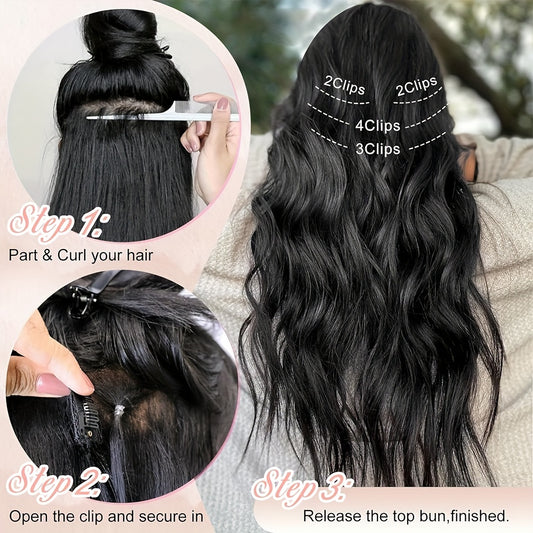
4pcs Thick Clip In Long Wavy Synthetic Hair Extensions
Regular price From $114.84 USDRegular priceUnit price per$14.84 USDSale price From $114.84 USD -
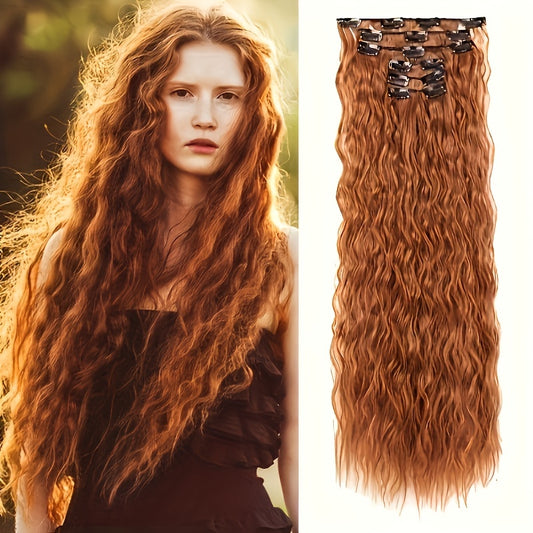
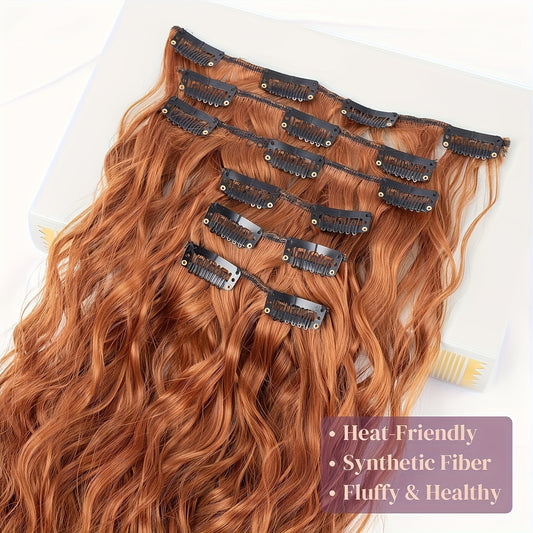
6pcs Synthetic Clip In 24 Inch Long Curly Wavy Hair Extensions
Regular price $110.00 USDSale price $110.00 USDUnit price per -

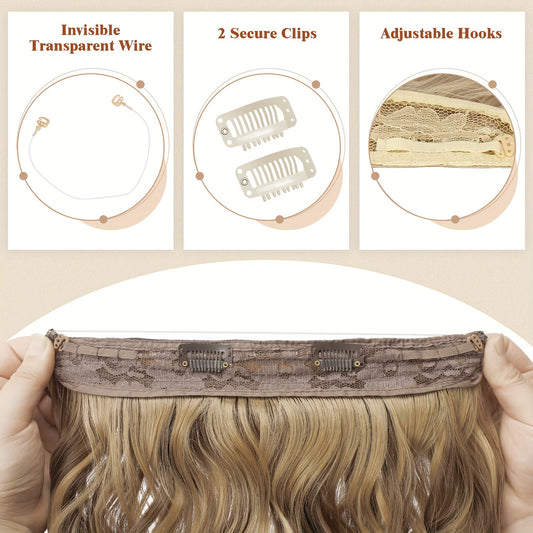
Dark Blonde 18/20 Inch Curly Wave Hair Extensions | Heat-Resistant Synthetic Fiber
Regular price From $110.23 USDRegular priceUnit price per$10.23 USDSale price From $110.23 USD -

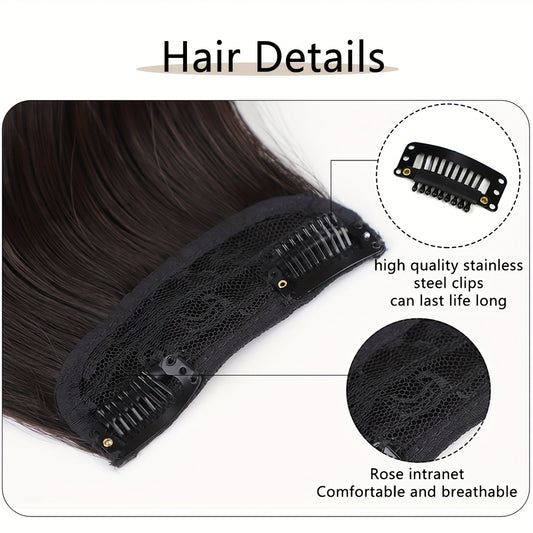
4pcs Clip-In Synthetic Hair Extensions | Long Wavy Thick Double Weft Hairpieces
Regular price From $111.23 USDRegular priceUnit price per$11.23 USDSale price From $111.23 USD -

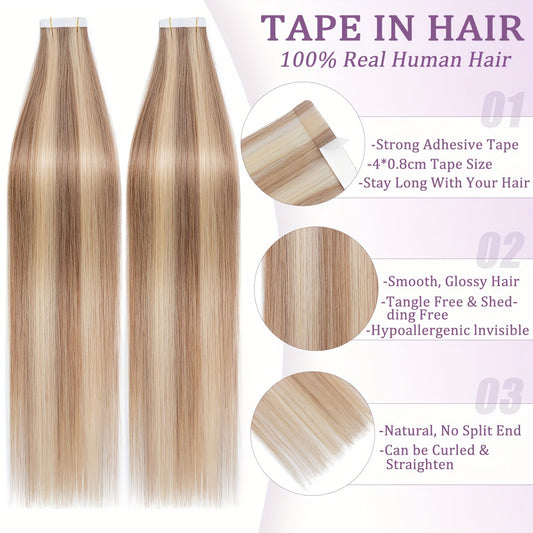
16-22 In Invisible Tape In on Light Beige Weft Human Hair Extensions
Regular price From $128.11 USDRegular priceUnit price per$28.11 USDSale price From $128.11 USD -
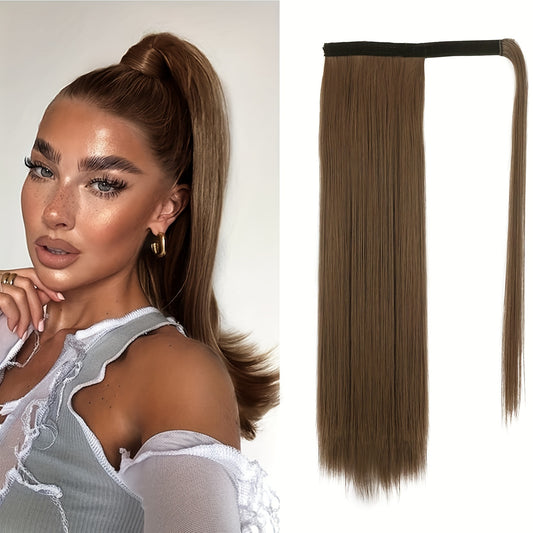
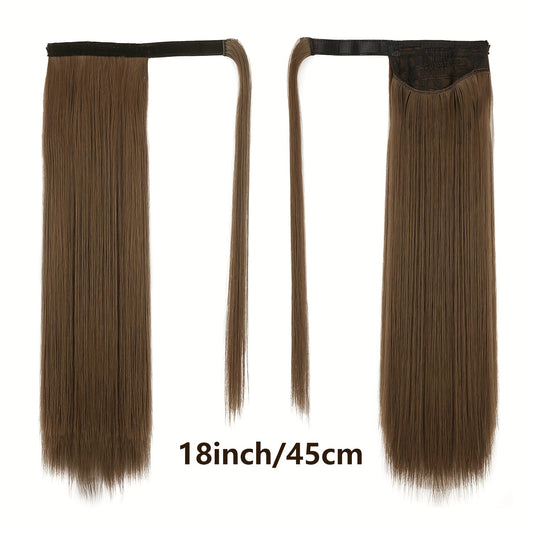
Brown Synthetic Ponytail Hair Extensions - 18 Inch Long, Straight, Wrap Around Clip In
Regular price $109.17 USDSale price $109.17 USDUnit price per -
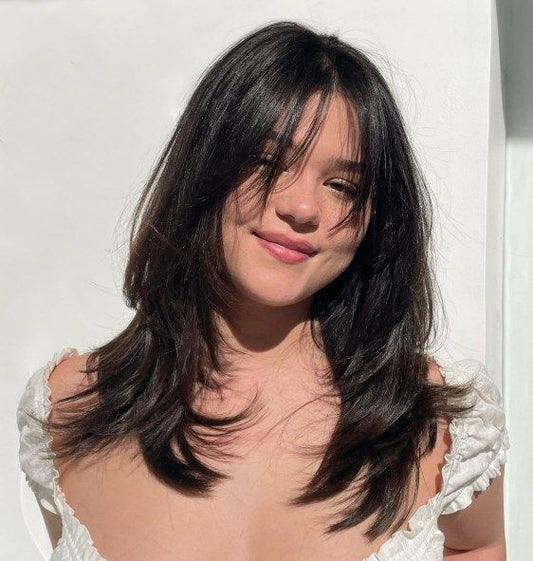
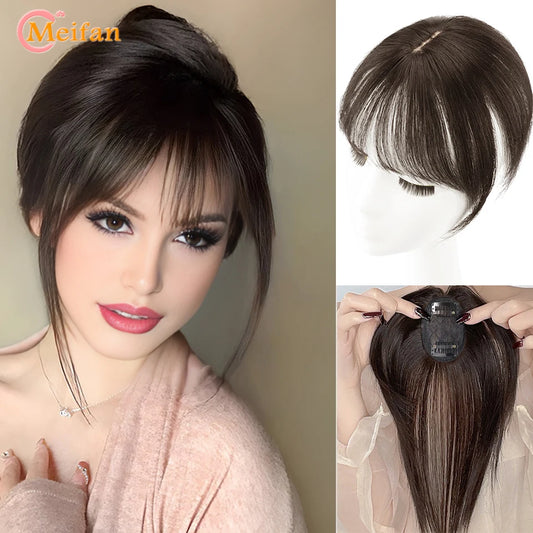
Bang Clip-In Bangs Extension
Regular price From $124.47 USDRegular priceUnit price per -
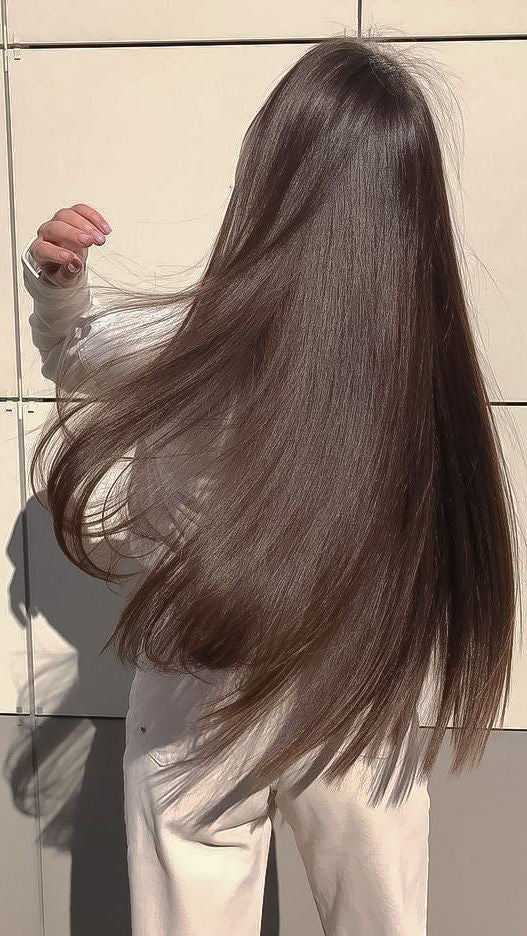
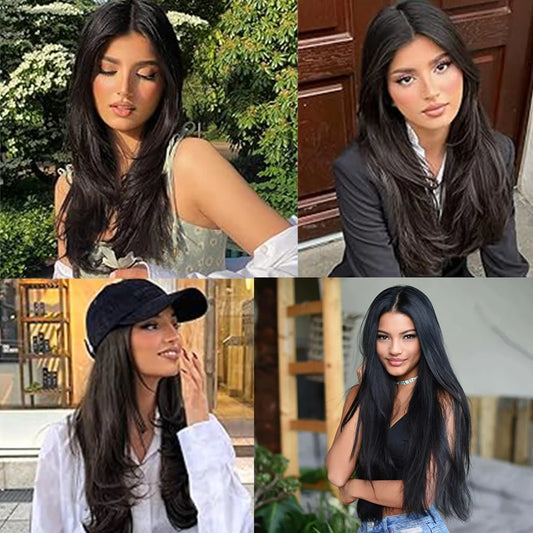
Synthetic Full Hair Extensions
Regular price $94.99 USDRegular priceUnit price per -
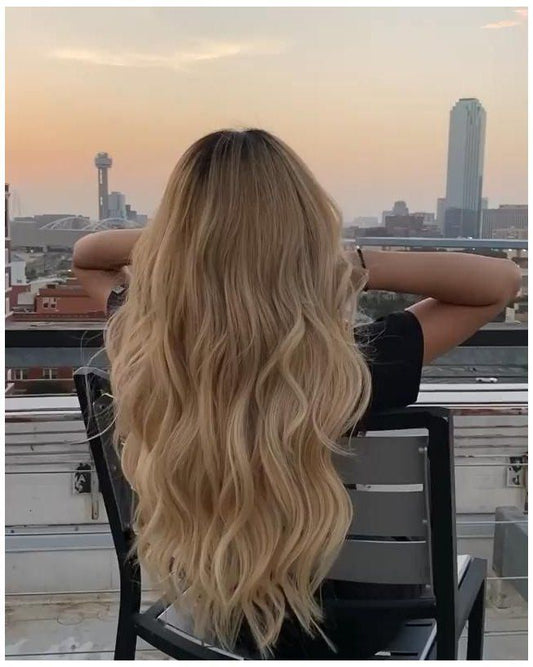
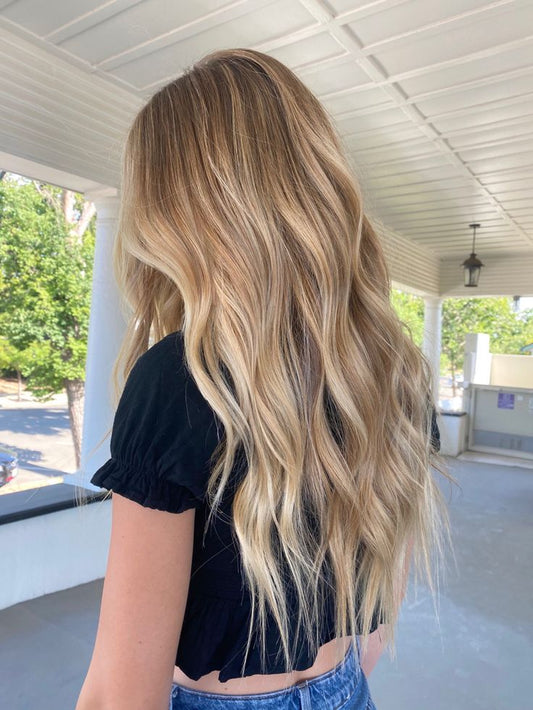
Synthetic Wavy Ombre Blonde Clip Extension
Regular price $87.99 USDRegular priceUnit price per


Black-and-Blonde Hair Extensions: High-Contrast Dimension That Blends Naturally, Styles Beautifully, and Wears Comfortably
Black-and-blonde hair extensions are for anyone who wants visible dimension—depth that looks rich up close and brightness that photographs cleanly—without committing to constant color maintenance. The key isn’t “more blonde” or “more length”; it’s a believable color story, a texture match, and a construction method that fits your routine. Browse the black-and-blonde hair extensions collection for dimensional contrast that reads natural in real light, then use the guide below to choose the right shade direction, placement strategy, and wear method with confidence.
What This Collection Is and Who It’s For
This collection focuses on contrast that still looks intentional. Black-and-blonde can be bold, but it doesn’t have to look harsh or “striped.” When chosen well, it mimics real salon dimension: darker depth near the top and underneath, brighter pieces where sunlight would hit, and a gradual transition through the lengths so the blend feels like your hair—just more of it.
These extensions are a strong match if you want:
- Visible brightness without sacrificing the richness that makes hair look dense and expensive.
- A rooted effect that helps blends look natural in daylight and forgiving as your own hair shifts between appointments.
- More definition in waves, ponytails, half-up styles, and updos where a single shade can look flat on camera.
- Flexible glam: subtle dimension on regular days, higher contrast for events, travel, and content shoots.
They’re especially helpful for:
- Natural brunettes who want blonde movement without frequent bleaching.
- Blondes with darker roots who prefer a more believable grow-out look.
- Short-to-medium hair lengths that need a fuller perimeter so ends don’t look thin.
- Fine hair that benefits from strategic volume placement rather than heavy stacking.
Think of this page as both a shopping guide and a fit guide. It’s designed to help you decide faster, avoid common blending mistakes, and end up with extensions you’ll actually enjoy wearing—not just something that looks good for one photo.
Why This Category Matters Now
High-contrast hair is trending again because it solves real-life beauty problems. People want dimension that shows up on video and in photos, but they also want a routine that doesn’t demand constant toning, root work, or bleach touch-ups. Black-and-blonde blends can offer both: the darker base helps the look stay grounded, while the blonde pieces brighten the face and reveal movement in styling.
Contrast also works with how modern hair is actually worn. Many people rotate between sleek and textured styling; they wear hair down on some days and pulled back on others. A dimensional blend makes those changes feel intentional. It adds visible structure to a ponytail, makes waves look more sculpted, and can elevate simple styles without requiring extra accessories.
Finally, this category fits the current preference for “expensive-looking hair” rather than simply “long hair.” The modern goal is believable fullness, soft transitions, and highlight placement that flatters your features—especially in daylight, where overly harsh contrasts can look artificial.
How to Choose the Right Option
Choosing black-and-blonde extensions is easiest when you stop treating it like a single shade match and start treating it like a system: base shade, highlight direction, texture behavior, method, weight, and placement. The most natural results come from aligning those parts with your real routine—how you style, how often you wear, and how much maintenance you’re willing to do.
Decision Framework
Use this method to decide without spiraling:
- Goal → are you adding length, volume, or both?
- Shade/undertone → is your hair’s reflect warm, cool, or neutral?
- Texture/finish → does your hair behave straight, wavy, or curly; is it matte or glossy?
- Construction/type → clip-in flexibility or tape-in wear time?
- Weight/coverage → what density do your ends need to look full?
- Occasion/frequency → daily wear, weekends, events, travel?
- Care tolerance → how often will you brush, wash, and heat-style realistically?
- Budget/value → choose the option you can maintain well; longevity is as much about routine as materials.
Start With Your Base Shade: Depth Before Brightness
Your base shade is the anchor color that makes the blend look cohesive when your hair is down. If your natural hair is dark, a deep base keeps contrast believable and prevents the bright pieces from looking like separate “panels.” If your hair is lighter but rooted, a blonde-forward set with shadowed depth can feel more natural than an all-over blonde.
If you’re building from a deep foundation, explore black hair extensions for rich depth that supports dimensional highlights. If you want an overall lighter direction first, browse blonde hair extensions for luminous length and bright, light-catching movement.
How to choose black-and-blonde extensions for thin hair right now
Thin hair needs balance: enough density to match your ends, but not so much weight that your roots flatten or attachments show. Choose lighter placement and fewer pieces, then add brightness only where it flatters. The most natural look is often a deeper base with subtle blonde accents rather than extreme contrast everywhere.
How to choose black-and-blonde extensions for thick hair without a see-through perimeter
Thick hair usually needs enough coverage to match density from mid-lengths to ends. If you add too little hair, the perimeter can look thin compared to your natural bulk, and the blend line becomes obvious. Focus on matching the thickness of your ends first, then refine with highlight placement.
How many pieces do you actually need for a believable silhouette
Instead of asking “how many pieces,” ask “where does my hair lose density?” Most people need support in mid-lengths and ends more than at the crown. Start by filling the areas that make your hair look sparse when it’s down, then add a small number of highlight-toned pieces to create movement.
Best option for daily wear vs special occasions
Daily wear usually calls for comfort and realism: lightweight coverage and a shade story that looks natural without heavy styling. Special occasions allow for higher contrast and longer lengths because you’ll likely style with waves, volume, and photo-friendly finishes that make dimension look intentional.
Construction Types: Choose the Method That Fits Your Life
Construction determines how natural the blend looks from different angles, how comfortable it feels, and how much effort you’ll put into installation. Choose your method based on frequency and lifestyle rather than only aesthetics.
When clip-in extensions are the most practical high-contrast choice
Clip-ins are ideal if you want flexibility: you can adjust brightness and placement depending on your day, remove them at night, and refine your technique over time. Clip-ins also make it easier to “test” contrast and decide how bold you truly want to go. For a deep clip-in foundation you can build around, browse black clip-in hair extensions for flexible, at-home depth and volume.
When tape-in extensions can make contrast look more integrated
Tape-ins suit people who want longer wear and a flatter profile for sleek styling. When installed correctly, they can feel more “built-in” and reduce the daily step of clipping in hair. If your plan is a dark base that stays consistent while highlights do the visual work, explore black tape-in hair extensions for a low-profile, longer-wear depth base.
How to decide if you can realistically maintain longer-wear methods
Longer-wear methods reward consistency: gentle brushing, careful washing, and mindful heat styling. If you love changing your look frequently, clip-ins may feel easier. If you prefer waking up with fuller hair and keeping a stable routine, longer-wear methods can be a better fit.
How to avoid discomfort: tension, placement, and daily habits
Discomfort is often a placement problem rather than a product problem. Avoid installing too close to the hairline or part line, and don’t place weight where your scalp is most sensitive. Choose a density you can wear comfortably for hours, not just one that looks impressive in a mirror for ten minutes.
Shade, Undertone, and Finish Selection
With black-and-blonde blends, undertone is the difference between “this looks like my hair” and “something feels slightly off.” Shade matching isn’t about one exact label; it’s about a cohesive story: a base that matches your depth and highlights that align with your warmth or coolness in daylight.
Undertone: Warm, Cool, or Balanced
Check your hair in natural light. Does your dark base read cool (espresso), warm (brown-black), or neutral (soft black)? Does your blonde read icy/ash, honey/golden, or neutral-beige? Choose a highlight direction that respects what your hair naturally leans toward.
How to match undertones without overthinking it
Match the majority undertone first. If your base reflects warm, choose warm blonde accents. If your base reflects cool, lean toward ash or neutral blonde. If you’re unsure, neutral-beige tends to be forgiving and can look natural across many skin tones and lighting environments.
What looks most natural in daylight when you’re mixing black and blonde
Daylight reveals transitions, shine level, and the exact placement of brightness. The most natural results usually include mid-tones and a gradual shift—like grown-out balayage—rather than a sudden jump from black to bright blonde. If you want a ready-made contrast story designed to read as intentional, consider natural black-to-bleach blonde mix extensions for bold contrast with a designed transition.
How to avoid the “stripy highlight” effect in high-contrast blends
Stripiness happens when bright pieces sit side-by-side in thick bands. Disperse brightness in smaller accents, especially around the face and top layer. Movement helps, too: waves and bends interlace tones so contrast reads like dimensional highlight placement, not like blocks of color.
How to choose finish if your natural hair is matte vs glossy
Finish affects realism as much as color does. If your hair is naturally matte, overly glossy extensions can look like a different fiber. If your hair is naturally sleek and reflective, overly matte pieces can look dry. Aim to match your natural shine first, then adjust lightly with styling products focused on mid-lengths and ends.
Choosing Blonde Direction: Platinum, Golden, Strawberry, or Mixed
“Blonde” isn’t one color; it’s a family. The right blonde direction depends on your undertone, your maintenance tolerance, and whether you want a cool editorial look or a warm sunlit look. When black is involved, blonde direction becomes even more important because contrast amplifies tone.
Platinum blonde: when the icy contrast is worth it
Platinum reads cool, crisp, and high impact. It can look striking against darker bases, especially in photos, but it often demands more heat discipline and tone attention to stay clean. For a practical roadmap to that look, see how to achieve a platinum blonde “ice queen” extensions finish without losing softness.
Light golden blonde: the sun-kissed route to wearable brightness
Light golden blonde can look naturally bright, especially if your skin undertone is warm or neutral. It’s often easier to wear day-to-day because it harmonizes with warm makeup tones and warmer brunette bases. For tone cues and styling ideas, see light golden blonde extensions for a sun-kissed, flattering glow.
Strawberry blonde: softer contrast with a warm, romantic edge
Strawberry blonde can soften the jump between dark and light while still adding noticeable dimension. It’s a good choice if you like warmth but want it to look intentional rather than brassy. For shade context and styling cues, explore strawberry blonde extensions for a balanced red-blonde blend that flatters.
Mixed blonde families: how multi-tone sets improve realism
Mixed blonde families include multiple tonal notes, which helps the hair look more natural as lighting changes. They reduce the pressure to match one exact blonde label and can blend more easily with hair that shifts seasonally. If you want multi-dimensional brightness, browse blonde mix hair extensions for multi-tone dimension that reads natural.
How to choose blonde accents by method: clip-in vs tape-in
If you want maximum control over where brightness lands, clip-ins make it easier to adjust placement for different hairstyles. If you want consistent brightness that stays integrated, longer-wear methods can help—especially if you prefer your hair down most days. For flexible brightness, browse blonde clip-in extensions for easy brightening with placement control. For longer wear, explore blonde tape-in extensions for a flatter profile and consistent blonde impact.
Texture and Blend Strategy
Texture determines how contrast reads. Straight hair shows sharper transitions; wavy hair naturally interlaces tones; curly hair can look richly dimensional when curls clump and reflect light. The goal is matching how the extension behaves, not just how it looks when it’s perfectly styled on a product page.
How to blend with blunt haircut types (sharp ends, minimal layers)
Blunt cuts require enough density at the ends so the perimeter looks continuous. If extensions are too light, your natural ends look thicker than the added hair and the join becomes visible. Start by matching thickness at the ends, then style with a slight bend or smooth blowout curve to unify the line.
How to blend with layered haircut types (soft ends, internal movement)
Layered hair blends best when you support mid-lengths. Add smaller pieces higher up to fill gaps created by layering, then place longer pieces underneath. For contrast, place brighter pieces where highlights naturally live—typically on the top layer and around the face—so the color story feels believable.
How to blend with short hair without the “two-tier” effect
Short hair can look seamless with extensions when you prioritize taper and styling. Choose a length that isn’t dramatically longer than your cut, add volume first, then refine length. A wave that crosses the transition point makes short-to-long changes look intentional rather than obvious. For scenario-based guidance, see why hair extensions are a game-changer for short hair and styling options.
What to do if the blend line shows when you move
Fix blend lines in this order: placement, mid-length support, styling. Often you don’t need more hair; you need one or two pieces higher up to bridge the distance. Then style with waves or a blowout that crosses the join so the eye reads one continuous shape.
How to blend black-and-blonde extensions when your natural hair is wavy
Match the wave pattern and keep brightness dispersed. A few lighter accents on the top layer will read as highlight placement when hair moves. Avoid placing all blonde pieces underneath; they can appear disconnected when the top layer shifts.
How to blend black-and-blonde extensions when your natural hair is curly
Curly blending is about curl behavior. If your curls are tighter, prioritize texture alignment and clumping rather than perfect color matching. Place brightness in small accents so it reads as natural dimension within curl clusters. Styling with curl-friendly moisture and gentle definition can make contrast look richer instead of harsher.
How to make contrast look expensive instead of dramatic
“Expensive” contrast is usually softer in transition and more intentional in placement. Keep depth at the crown, disperse brightness through mid-lengths and ends, and avoid thick streaks right next to each other. Finish matters: smooth ends, healthy movement, and controlled shine elevate the entire look.
How to build volume without making contrast look heavy
Add volume where your hair needs structure—often mid-lengths and ends—then use blonde as an accent, not a blanket. Too much brightness on top can exaggerate gaps in density, especially for fine hair. If you want a placement-focused approach to fuller hair, reference volume techniques for clip-in hair extensions that create a natural silhouette.
Styling Ideas: Daily Looks and Event-Ready Hair
Black-and-blonde blends look best when you style for movement. You don’t need complicated routines; you need shapes that reveal dimension: soft bends, loose waves, clean ponytails, and structured half-up styles. The goal is consistent polish, not constant heat styling.
Quick looks that read polished in real life
- Low ponytail with face-framing bends to spotlight brightness without feeling overdone.
- Half-up twist that reveals depth underneath while keeping highlights visible on top.
- Smooth blowout bend that makes contrast look controlled and intentional.
For adaptable everyday inspiration that works across skin tones and hair colors, explore blonde hair ideas for every hair color and skin tone that stay wearable.
Photo-ready looks that make dimension show up on camera
- Loose waves with alternating curl direction so tones interlace instead of banding.
- High ponytail with a wrapped base that turns the length into the focal point.
- Side-swept glam waves that concentrate brightness on one side for dramatic framing.
If you want a reference point for how dimension translates to camera, see celebrity hairstyles that show how dimensional hair photographs.
How to style a sleek ponytail that doesn’t expose attachments
Plan placement for the ponytail before you install. Avoid placing attachments close to the hairline where tension pulls and exposes them. Keep the crown slightly deeper in shade so the look reads rooted; then let the ponytail length show the blonde movement.
How to create an elevated half-up style for everyday wear
Half-up styling is one of the easiest ways to show off contrast without committing to a full glam look. It reveals depth underneath and brightness on top, which makes hair look fuller. Use a gentle bend through the lengths so the transition looks soft in daylight.
How to build a formal style that stays secure
Formal hair needs structure: a stable base, distributed weight, and thoughtful anchoring. Avoid placing attachments too close to where pins will pull. Build the shape first, then refine highlights as a finishing touch. For event styling on medium lengths, use prom hairstyles for medium-length hair with real staying power and scale the look with added length or volume.
Bandana and accessory styling that looks intentional, not like a cover-up
Accessories can amplify contrast when used intentionally. Keep the crown smooth, then let the lengths show dimension. A bandana can frame your face while highlights add visual interest through the ends. For styles that feel playful but polished, see bandana hairstyle ideas that pair beautifully with dimensional hair.
Care, Maintenance, and Longevity
Longevity comes down to friction and residue. Friction causes tangling and dryness at the ends; residue dulls the finish and can make blonde tones look less fresh. A consistent, gentle routine keeps contrast looking intentional rather than tired.
Wear-Day Habits That Protect Softness
- Detangle from ends upward before and after wear to prevent knots from tightening.
- Use the lowest effective heat and avoid repeated passes over the same sections.
- Apply smoothing products to mid-lengths and ends, not near attachment points.
- Store extensions so they aren’t crushed or rubbing against rough fabrics.
How often should you wash extensions if you wear them regularly
Wash only when needed. Extensions don’t receive scalp oils the way natural hair does, so overwashing can dry them out. If the hair feels stiff, tangles quickly, or loses movement, it’s time for a gentle cleanse and conditioning routine.
How to keep blonde tones from looking brassy
Brassiness is often amplified by heat and product build-up. Use heat protection consistently, keep heavy styling products minimal, and choose tone support that matches your blonde direction rather than forcing every blonde into an icy category. The goal is a fresh-looking blonde that matches your intended warmth or coolness.
How to choose a blonde direction before you buy
Choose your goal first: cool and crisp, warm and sunlit, or neutral and balanced. Then select contrast that supports it. If you want a fast way to identify the blonde family that suits your undertone, read how to find the perfect shade of blonde for your complexion and style.
How to prevent tangling at the nape and ends
The nape tangles because it experiences the most friction from collars, scarves, and movement. Keep that area detangled, avoid heavy products, and choose styles that reduce rubbing when possible. A low braid or soft ponytail can protect the ends on high-friction days.
Comparing Nearby Categories: Bronde, Deep Base Sets, and Blonde-Forward Sets
Black-and-blonde is a spectrum. Some shoppers want bold contrast that clearly reads as color. Others want a softer, lived-in blend that still delivers dimension. The right nearby category depends on how dramatic you want your highlights to appear in daylight and how precise you want placement to be.
When Bronde Is the Better Choice
Bronde is a modern middle ground: less stark, more wearable, often easier to blend across seasons. If you want dimension without a graphic jump, use a bronde extensions guide for a soft, sophisticated contrast approach to decide if you’re better served by mid-tones.
When You Want Contrast Without the High-Maintenance Look
A deep base with controlled blonde accents usually looks the most believable day-to-day. It keeps the crown grounded and lets brightness show through movement. If you want the contrast to feel “part of the hair,” prioritize mid-tone transitions and highlight placement that mirrors real salon techniques.
How to choose a mix that looks intentional instead of accidental
Intentional mixes have a pattern: depth at the top, dimension through the mid-lengths, and brightness that appears where light hits. Accidental mixes look random: bright chunks underneath or a sudden jump at the ends. Choose a blend that tells a consistent story and suits your usual styling.
Featured Picks and Use-Case Recommendations
These picks are organized by real intent: dramatic length, soft gradients, bright blonde statements, deep-base density, and quick face-framing updates. Use them to start narrowing, then refine by undertone and how you plan to style most often.
For Dramatic Length With Balayage Dimension
If you want high-impact length with a balayage-style blend that reads clearly in waves, consider 24-inch balayage synthetic extensions for quick, high-contrast transformation. This is a practical choice for events, trips, and photo-heavy days when you want visible dimension fast.
For a Natural Brunette-to-Blonde Melt
A brunette-to-caramel transition is one of the most believable ways to wear contrast because it mimics sun exposure and grown-out highlights. If you want that soft gradient, try chocolate-to-caramel human hair clip-ins for a realistic color melt effect and finish with loose curls to interlace tones.
For a Bright Blonde Statement That Still Feels Polished
If you love a bold blonde that reads instantly on camera, consider bright blonde human hair clip-ons for a high-impact, photo-ready finish. Keep the crown slightly deeper in styling to preserve a rooted look that feels natural in daylight.
For Deep Base Density That Makes Highlights Pop
Contrast looks best when the base is dense enough to support it. If you’re building from a dark foundation, consider black human hair clip-ons for glossy fullness and strong depth so lighter accents look intentional rather than sparse.
For Instant Face-Framing Without a Full Set
A face-framing change can shift your whole look quickly. If you want a front refresh that flatters without complex placement, consider black side-bangs extensions for a fast, flattering face-frame update and style with soft bends to integrate seamlessly.
For Sleek Straight Styles With a Clean Perimeter
If your signature look is straight and smooth, a crisp outline and consistent density matter. A dedicated straight option like black straight clip-in extensions for a sleek, sharp everyday silhouette can create the polished line that makes dimension look expensive.
Buying Guidance and Common Mistakes to Avoid
Most extension disappointment comes from mismatched expectations: picking contrast without considering undertone, picking density without considering haircut shape, or picking a method that doesn’t match your routine. Fix those three and your result usually looks dramatically more natural.
Common Mistakes That Make Black-and-Blonde Extensions Look Obvious
- Choosing a blonde undertone that clashes with your base reflect (warm vs cool mismatch).
- Placing bright pieces in thick horizontal bands instead of dispersing them.
- Ignoring texture behavior and relying on color alone to blend.
- Overloading fine hair with too many pieces and flattening the root area.
- Skipping mid-length support so the transition line shows when hair moves.
How to sanity-check a shade choice before you commit
Ask two questions: does this match my undertone direction, and will it look cohesive in my most common hairstyle? If you usually wear your hair straight, choose a blend that looks natural without curls. If you typically wear waves, you can handle stronger contrast because movement blends tones.
How to choose placement for a natural face-brightening effect
Place your brightest pieces where highlights naturally appear: around the face, along the top layer, and through mid-lengths rather than only at the ends. Keep the crown slightly deeper so the look feels rooted and believable.
How to prevent visible attachments when you wear your hair up
Plan for your default hairstyle. If you love ponytails and buns, avoid placing attachments too close to the hairline or part line where tension exposes them. Choose a placement map that supports your daily look first, then add highlight accents around it.
What to do if the contrast looks too harsh after installation
Change styling before changing the hair. Add a soft wave, shift your part, or try a half-up style to redistribute brightness. Harshness often comes from hair being too straight and highlights reading like stripes; movement interlaces tones and softens transitions.
Education That Helps You Blend Better
If you want deeper guidance on making contrast look seamless, these resources can help you choose and place extensions more confidently.
- A seamless blending guide for black clip-in extensions and natural placement
- How natural black and bleach blonde mixes create the perfect contrast effect
FAQ
Do black-and-blonde hair extensions look natural in daylight?
They look natural when the blend includes depth near the top and mid-tones through the lengths, similar to real highlights. Daylight favors gradual transitions and believable shine levels, so choose a blend that matches your undertone direction. Soft bends or waves help interlace colors and reduce any visible transition line.
What is the easiest method for beginners who want high contrast?
Clip-ins are typically easiest because you can adjust placement, refine technique, and remove them at night. Beginners usually get the most natural results by starting with a deeper base and adding blonde accents gradually. A simple wave across the transition point can improve realism quickly.
How do I match undertones if my natural hair is dark but my highlights are warm?
Start with a dark base that matches your natural depth, then choose warm blonde accents like honey or caramel rather than icy platinum. Warm highlights tend to look cohesive against a warm-leaning dark base and can read more believable in everyday lighting. If your dark hair reads cool in sunlight, choose a more neutral blonde to avoid clashing.
How many pieces do I need if my hair is fine?
Fine hair usually needs fewer pieces placed strategically so the roots stay light and attachments remain discreet. Focus on matching the thickness of your ends first, then add highlight-toned pieces as an accent rather than a full layer. If you feel unsure, aim for a natural silhouette over maximum volume.
What should I do if the blend line shows when I move?
Add a small amount of mid-length support higher up and style so your natural hair and extensions cross over each other in waves or bends. If the line shows mainly when hair is straight, try a gentle blowout curve at the ends to unify the perimeter. In many cases, one strategic piece placed higher solves the issue.
Will high contrast make my hair look thinner?
It can if blonde placement is too heavy on top and too sparse underneath, because bright tones can highlight gaps in density. The fix is a strong base and thoughtful placement: keep depth where you need fullness and use brightness as dimension. An interlaced color story usually looks fuller than a stark two-tone block.
Which is more believable: a mixed blend set or separate black and blonde sets?
Mixed blend sets tend to look more cohesive because the transition is designed to work together. Separate sets offer more customization if you want very specific face-framing brightness or a stronger money-piece look. If you’re new to contrast, mixed blends often reduce the risk of stripiness.
How do I choose a blonde direction if I’m torn between platinum and golden?
Choose platinum if you love a cool, editorial look and you’re comfortable with more careful tone maintenance and heat discipline. Choose golden if you want sunlit brightness that often feels easier to wear daily and pairs well with warm or neutral undertones. If you’re undecided, neutral-beige tones can sit between both worlds.
Can I wear black-and-blonde extensions to formal events without them looking obvious?
Yes, if you plan placement with the hairstyle in mind. Formal looks often need secure anchoring and clean lines, so avoid attachments too close to the hairline and prioritize a rooted color story. High contrast can look especially elegant in structured waves, half-up styles, and ponytails where dimension is a feature.
What’s the smartest way to shop if I want a softer contrast than black-and-blonde?
Look for bronde or mixed blonde families that include mid-tones and a more gradual shift between dark and light. These categories can be more forgiving in daylight and often require less precise placement. If you still want contrast, keep brightness concentrated near the face and top layer rather than everywhere.
Browsing the Collection
Black-and-blonde hair extensions look best when every decision supports realism: depth that matches your base, highlights that respect your undertone, texture that behaves like your hair, and a method you can maintain without stress. If you want dimension that reads natural in daylight and intentional in photos, choose a blend that tells one cohesive story and place brightness where highlights would naturally live. For broader shade families and method options across the brand, visit Fabulive for hair extensions designed for dimensional blends and confident everyday wear.