
-

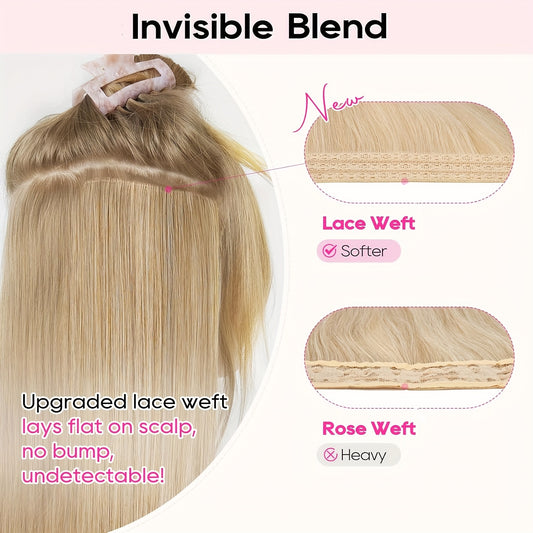
Clip In Hair Extensions, 4pcs Lace Weft Hair Extensions
Regular price $112.60 USDRegular priceUnit price per$12.60 USDSale price $112.60 USD -

14-20 Inch V-Shaped Real Remy Clip in Human Hair Extensions
Regular price $229.00 USDSale price $229.00 USDUnit price per -

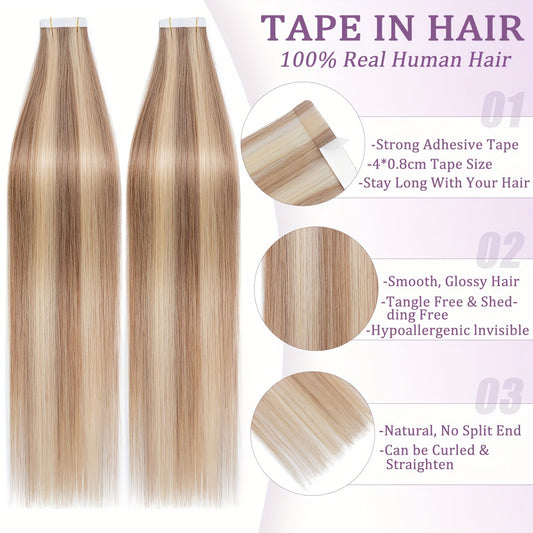
16-22 In Invisible Tape In on Light Beige Weft Human Hair Extensions
Regular price From $128.11 USDRegular priceUnit price per$28.11 USDSale price From $128.11 USD


Biscuit Blondey Hair Extensions: The Creamy-Beige Blonde That Looks Natural in Daylight
If you’re shopping Biscuit Blondey hair extensions, you’re likely after a blonde that feels creamy, believable, and quietly elevated—more “your hair on its best day” than a dramatic costume change. Biscuit Blondey typically sits in a warm-neutral beige lane: bright enough to lift your look and sharpen your overall styling, but grounded enough to blend with real brows, real roots, and real-life lighting. This short introduction is designed to sit above the product grid (so you can browse immediately), and the long guide below is built for confident decision-making: shade logic, length planning, texture matching, wear method considerations, blending fixes, and styling ideas that keep the result looking premium. If you’d like to explore the full breadth of categories, tones, and methods before narrowing in, start with Fabulive’s official homepage for hair extensions and shade discovery.
What this collection is and who it’s for
Biscuit Blondey is best understood as a flattering middle ground in the blonde universe. It’s not icy-platinum and not honey-gold; it’s a creamy beige blonde that usually reads soft and expensive because it reflects light gently instead of flashing bright yellow or turning grey under harsh lighting. That makes it a strong choice for shoppers who want blonde that’s wearable across settings: office light, natural daylight, and evening indoor light.
This collection is designed for people who want one or more of these outcomes:
- Fuller-looking hair through mid-lengths and ends, especially if your natural ends thin out or feel fragile.
- Added length that still looks cohesive with your haircut shape and daily styling habits.
- A neutral-warm blonde that flatters without demanding constant “tone correction” at the salon.
- A shade that photographs well without overpowering your facial features or brow tone.
It’s also a smart category for first-time extension buyers because Biscuit Blondey’s softness is forgiving. Small differences between your natural warmth and the extension warmth are less likely to look stark than they would with ultra-icy blondes or very saturated gold. And if you’re building a broader hair wardrobe—something you can wear for work, weekends, travel, and events—Biscuit Blondey often plays the role of a reliable neutral anchor.
Finally, it’s for shoppers who care about realism. “Realism” isn’t only about color; it’s about proportion, texture, and how hair behaves in motion. When Biscuit Blondey is chosen with the right coverage plan and styled with the right movement, it tends to read like a natural blonde story—just fuller, more polished, and more consistent from root to ends.
Why this category matters now
Blonde trends change, but what stays consistent is why people choose blonde: it brightens the face, makes hair shapes look more defined, and creates a “finished” effect even with minimal effort. What has evolved is how people want blonde to behave in real life. Today’s shopper often prioritizes wearability—hair that looks intentional without demanding constant salon visits, frequent toning, or daily heavy styling.
Biscuit Blondey matters because it’s a lifestyle-friendly blonde. It can support a low-maintenance routine while still delivering a visible upgrade. It also plays well with dimensional color logic, which is increasingly popular because it looks more natural: soft roots, blended mid-tones, and ends that catch light. If your natural hair already has subtle highlight variation, Biscuit Blondey often integrates smoothly because it isn’t trying to be a single, uniform “paint” blonde.
There’s also a broader shift toward “modular beauty.” Instead of repeatedly lifting natural hair, many people maintain a stable base and use extensions to add brightness, length, and density in a reversible way. Biscuit Blondey aligns with that approach because it doesn’t demand perfection at the root to look cohesive.
How to choose the right option
The most satisfying Biscuit Blondey purchase happens when you choose for your real constraints: your root depth, your undertone, your natural density, and how you actually style your hair. A perfect shade doesn’t help if you buy too much hair for your head shape, or if the texture doesn’t match how your natural hair moves. The goal is coherence—hair that looks like one head of hair in daylight, in motion, and in photos.
Decision Framework
Use this quick method before you commit:
- Goal → length, fullness, brightness, or a combination
- Shade/undertone → warm, neutral, cool; plus brow tone and root depth
- Texture/finish → straight, soft wave, body; natural sheen versus high gloss
- Construction/type → removable versus longer-wear; comfort and placement needs
- Weight/coverage → enough for cohesive ends, not just maximum density
- Occasion/frequency → daily wear, weekends, travel, or events
- Care tolerance → washing, heat styling, storage habits
- Budget/value → cost per wear, longevity expectations, reusability
How to choose Biscuit Blondey hair extensions for thin hair right now
If your hair is fine or thin, your priority is believable distribution. Too much density can widen the silhouette and make the join easier to detect because your top layers struggle to veil attachment points. Start by strengthening the perimeter first—fuller ends create the most “healthy hair” illusion—then add moderate volume through the mid-lengths. Think of it as building a balanced outline: the ends must look intentional before the crown can look natural.
How to choose Biscuit Blondey hair extensions for thick hair without gaps
Thick hair needs coverage that matches your natural density from crown to ends. The most common thick-hair issue is under-support at the perimeter: the ends look thinner than the natural hair near the top, making the added length feel separate. Choose a coverage plan that supports the nape and lower sections so the silhouette stays consistent. If you’re unsure, prioritize “end fullness” over “top volume”—your natural hair already has top volume.
What Biscuit Blondey looks most natural in daylight
Daylight is the honesty test for blonde. Biscuit Blondey usually looks most natural outdoors when it stays creamy-beige rather than overly shiny. If your natural root is slightly deeper, that depth can improve realism by anchoring the blonde. Aim for a finish that’s smooth and softly reflective—more “healthy hair sheen” than “high-gloss shine”—so the tone reads expensive instead of artificial.
How to match undertones without overthinking it
Use your brows and your root as your anchors. If your brows read warm (golden brown, warm taupe), Biscuit Blondey’s warm-neutral base often harmonizes easily. If your brows lean cool (ashier taupe, cooler brown), you can still wear Biscuit Blondey, but keep the finish more beige and controlled, and avoid heavy shine products that push warmth forward. When you’re uncertain, movement-based styling helps tones blend visually and reduces the appearance of undertone mismatch.
How many pieces or units do you actually need
Think in zones: crown support, mid-length fullness, and perimeter density. If the perimeter looks thin, the overall style looks less believable even if the crown blends perfectly. If you’re adding significant length, plan enough coverage at the bottom so the ends look full and intentional. If you’re adding mostly volume, fewer well-placed pieces can look more natural than many pieces stacked together.
Best option for daily wear vs special occasions
Daily wear is about comfort and routine. Choose hair you can maintain without resentment—especially if you wash often, exercise frequently, or prefer minimal styling. Special occasions allow for more drama: longer length, more volume, more polished finishing. A smart approach is to choose a wearable daily baseline, then style it up for events with refined waves, tidy ends, and intentional face framing.
How to avoid “too much hair” while still getting a visible upgrade
A premium result isn’t “as much hair as possible.” It’s proportional hair that matches your features and your haircut. If you overload density, you can widen the sides and make the look feel like a costume. Instead, build your upgrade where it matters: perimeter support, mid-length continuity, and a crown that stays smooth and believable. When the silhouette is balanced, even a modest change looks expensive.
How to choose a Biscuit Blondey option for sensitive scalps
If your scalp is sensitive, comfort becomes a primary buying criterion. Favor methods and placements that reduce tension, avoid overloading one area, and allow you to adjust or remove hair when needed. Also consider your daily habits: frequent workouts, frequent washing, and heavy heat styling can increase friction and scalp irritation. Your best plan is the one you can wear comfortably long enough to enjoy it.
Shade, undertone, and finish selection
Biscuit Blondey is not one single tone; it’s a family that lives in a warm-neutral corridor. Small shifts matter: a touch more gold can flatter warm undertones, while a touch more beige can flatter neutral or slightly cool undertones. Your best match is the one that looks cohesive in daylight next to your brows, roots, and natural ends. If you’re starting with this specific category page, you’re already in the right place to compare tones within the family: Biscuit Blondey hair extensions for the full collection view.
Warm-neutral versus cool beige: choosing with your features
If your complexion looks brighter in warm shades and gold jewelry, warm-neutral blondes can feel effortlessly flattering. If you lean cool and prefer silver jewelry, you may want Biscuit Blondey to read more beige than golden. You can also adjust the vibe through styling: sleek finishes can read more polished and slightly cooler, while softly textured finishes can make warmth feel gentler and more natural.
How to avoid brassiness while keeping softness
Brassiness isn’t only color—it’s reflection. Heavy shine products can amplify warm tones and make beige blondes look more yellow. To keep Biscuit Blondey creamy, prioritize smoothness and hydration over gloss. Style in a way that encourages sections to blend rather than separate into shiny ribbons, and keep product buildup light through the mid-lengths where the tone is most visible.
How to keep beige blonde from feeling dull
If beige blonde feels dull, it often needs shape. Add face framing, movement, and tidy ends to bring the tone to life. A soft wave is especially effective because it creates light-and-shadow variation that makes blondes appear more dimensional without changing the color. In other words: let the styling create dimension so you don’t have to chase extreme tones.
Finish selection for realism: natural sheen versus high gloss
For a premium, realistic look, aim for a natural sheen that resembles healthy hair rather than a lacquered shine. High gloss can look striking, but it can also highlight separation and push warmth forward under flash photography. A controlled sheen, paired with cohesive sectioning, tends to make Biscuit Blondey look expensive and believable.
Texture and blend strategy
Texture is the part of extension shopping that many people underestimate. You can nail the shade and still feel “off” if your natural hair moves differently from the added hair. The goal is motion coherence: when you move, the hair should swing and settle like one set, not like two different textures layered together. If you’re someone whose natural color shifts from root to end, a dimensional option can also make blending easier; you can compare that approach here: Biscuit Blondey balayage hair extensions for a softer gradient blend.
How to blend with blunt haircut types
Blunt cuts can reveal a line where your natural hair ends, especially if you add significant length. The easiest fix is movement: a bend or wave blurs the perimeter line so your natural ends merge into the added ends. If you love straight styling, keep ends tidy and smooth because dryness at the perimeter exaggerates the transition.
How to blend with layered haircut types
Layers often blend more easily because they disguise transitions, but they can also expose density mismatch if the added hair is much heavier than your natural layers. Keep weight lower and allow your natural top layers to veil the join. Style with movement that encourages interlacing, so strands merge instead of separating into distinct layers.
How to blend with short hair without making it obvious
Short hair can absolutely wear extensions, but the transition needs planning. Start with a moderate length increase and rely on texture to create overlap. Movement is your best friend because it weaves strands together and hides the “join.” If you want a clear, confidence-building explanation of why short hair can look especially good with extensions, read these reasons hair extensions are a game-changer for short hair.
How to blend with medium hair for the easiest integration
Medium hair is often the easiest to blend because you have enough length to cover attachment points and enough hair to merge textures. Focus on end blending: style your natural ends and extension ends together so they sit in one silhouette. A soft wave is typically more forgiving than pin-straight styling because it encourages strands to overlap and share movement.
What to do if the blend line shows
If you see a visible line, treat it as a sequence of fixes. First, change texture: add a bend or wave. Second, adjust placement slightly so your natural top layers can veil the join. Third, check perimeter density: thin ends reveal transitions more than anything else, so support the lower sections before adding more hair everywhere.
How to make the hair look natural in motion
Natural hair moves in one rhythm, not in separate layers. Style your natural hair and extensions together, then brush gently to merge strands. Avoid over-sectioning and over-spraying, which can create an overly separated look that reads artificial. A premium result often comes from fewer, more intentional styling choices.
How to build volume without widening your silhouette
Volume should lift, not spread. Place fullness slightly behind the hairline and through the crown, then distribute coverage down the back so the profile looks balanced. Avoid stacking too much density at the widest part of your head. If you want placement guidance that feels practical (not confusing), use these techniques to enhance volume with clip-in hair extensions.
Styling ideas
Biscuit Blondey styling looks best when it supports the shade’s soft-luxe identity: clean shape, controlled finish, and movement that makes the tone feel dimensional rather than flat. Choose styles that enhance blending, because the most convincing extension look is when people notice “great hair,” not “extra hair.”
Quick looks
For everyday polish, keep the crown neat and let the lengths do the work. A low ponytail with a clean part, a half-up style with gentle lift, or loose waves that start mid-length can look intentional with minimal effort. For realism, keep the top smooth, avoid heavy products near the root, and refine ends so they look hydrated and tidy.
Photo-ready looks
For photos, shape matters more than complexity. A polished wave with defined sections makes the tone look placed and expensive. A sleek ponytail can read especially luxe because it shows a clean line and consistent sheen through the length. If you’re styling for a formal event, you can borrow shapes designed for medium length and adapt them to your chosen extension length—use these gorgeous prom hairstyles for medium-length hair as a shape library.
How to choose a short length that still looks chic
A short upgrade can feel modern and refined, especially if your goal is thickness and polish rather than dramatic length. Shorter lengths also blend easily because the transition is smaller. If you want a clear visual direction for short-but-styled outcomes, lean on this 12-inch clip-in guide for short, chic styles.
How to pick mid-length when you want natural movement
Mid-length hair is often the most believable because it aligns with how many people wear and style their hair daily. It can also look fuller on fine hair without demanding extreme density. If you’re aiming for “noticeable but not dramatic,” read this 15-inch guide for fine-hair-friendly mid-length upgrades.
How to choose an everyday length you won’t get tired of
An everyday length is the one you can wear without constantly thinking about it: comfortable, easy to style, and compatible with work and weekends. Many people find that moderate lengths offer the best balance of glamour and practicality. For a practical benchmark, see this 16-inch guide for everyday wear.
How to go long without losing realism
Long hair is glamorous, but the longer you go, the more important end density becomes. If ends look thin, the blend looks less believable. Long lengths also benefit from movement because it merges tones and hides minor mismatches. If you’re considering long length, use this 20-inch guide for glamorous, flowing hair to understand proportion and styling needs.
How to plan for luxe long wear if you prefer tape-ins
Tape-in wear can feel especially polished at longer lengths because it creates a consistent silhouette, but it’s also a method that rewards planning: maintenance cadence, wash routine, and friction control matter. If you’re considering a luxe long tape-in outcome, read this 22-inch tape-in guide for luxe-length expectations so your routine matches the look you want.
How to plan 22-inch hair without regret
Very long hair is a commitment. It’s not only about how it looks; it’s about how it behaves in daily life—brushing time, storage space, styling patience, and the way it interacts with coats, bags, and wind. If you want a reality-based breakdown of living with dramatic length, use this ultimate guide to 22 inches of hair before you choose your final length.
How to accessorize without exposing attachment points
Accessories can elevate a style quickly, but placement matters. Keep accessories above joins and avoid pulling side sections too tightly, which can separate strands and reveal attachment points. For playful ideas that still read polished, explore these cute bandana hairstyles and adapt them with extension-friendly placement.
How to shape the look like a celebrity stylist would
The difference between “nice hair” and “celebrity hair” is often shape: face framing, controlled ends, and volume placed where it flatters. With Biscuit Blondey, shape also affects how the tone reads because light hits sections intentionally. For silhouette references and finish cues, use this celebrity hairstyle roundup.
Care, maintenance, and longevity
Biscuit Blondey looks best when it stays smooth and hydrated. Beige-toned blondes can look dull if the surface becomes rough, and they can look too warm if product buildup increases reflection. Longevity is mostly habit-driven: wash gently, style thoughtfully, brush carefully, and store properly.
Washing cadence that protects softness
Wash only when needed to remove buildup or refresh feel. Overwashing can create dryness and tangling. When you do wash, focus on gentle cleansing and thorough conditioning through lengths and ends. Avoid aggressive rubbing, which creates friction and knots.
Heat styling that preserves the premium finish
Use heat deliberately rather than repeatedly. A useful approach is to style once and then maintain shape with light touch-ups. Too much heat can reduce softness and increase frizz, which makes blending harder—especially in lighter shades where texture is more visible.
Brushing and detangling without breakage
Detangle from ends upward and be patient at knots. Many tangles come from friction: collars, scarves, rough storage, or sleeping without securing hair. Brush before and after wear and store hair aligned rather than crumpled so it keeps a smooth surface.
How to extend “freshness” between washes
Freshness comes from cleanliness and smoothness. Product buildup can make blonde look dull or overly warm. Keep product use minimal and purposeful, and prioritize a finish that mimics healthy natural hair: soft, smooth, and lightly reflective rather than intensely glossy. If you notice the tone looking warmer than you’d like, it’s often a signal to reset buildup and refine the finish rather than chase a new shade.
Comparing nearby categories
Comparisons help you choose with less guesswork. Shade is one axis, but method, weight, and construction can matter just as much for comfort and realism. Use the categories below as mental reference points to clarify what you actually want: classic blonde, dimensional blonde, deep contrast, or even fashion color experimentation.
When balayage blends make more sense than a single shade
If your natural hair shifts in tone from root to ends, or if you want a softer transition that mimics salon color, balayage blends can be more forgiving than a uniform shade. If you want to compare gradient-based options across multiple tones, browse balayage hair extensions for blended transitions.
When you should compare Biscuit Blondey to broader blonde families
If you’re still deciding how warm or how bright you want to be, comparing across the wider blonde spectrum clarifies your preference quickly. Some shoppers discover they want more gold; others discover they want more beige. For that broader view, explore blonde hair extensions across multiple undertones.
When darker categories help you decide if you really want blonde
Sometimes the decision isn’t “which blonde,” but “do I want blonde at all right now?” Comparing against deeper categories can clarify your preference quickly. If you want a contrast check, see black hair extensions for deeper base tones.
When fashion color categories define your style direction
Even if you’re shopping Biscuit Blondey, looking at fashion colors can help you decide whether you want a classic lane or a bolder edge. Some people use a neutral blonde as a base and add statement colors seasonally. If you’re curious, browse blue hair extensions for statement color options.
How weight categories affect fullness and comfort
Weight affects realism. More weight can create fuller ends, but it can overwhelm fine hair if distribution isn’t balanced. If you’re planning for higher coverage, explore 100g hair extensions for fuller-end planning and match the coverage to your natural density and silhouette goals.
How advanced construction can change integration
Construction can influence how integrated the hair feels and how it behaves during wear. If you’re interested in a more engineered approach, explore 6D hair extensions for advanced construction and consider whether your routine would benefit from a different feel and installation approach.
Featured picks and use-case recommendations
Featured picks are most useful when they’re tied to use cases. Instead of choosing only by length or only by a single image, match the product type to how you plan to wear it: soft waves, sleek straight, frequent wear, or occasional glam. The best choice is the one that fits your routine, because routine determines whether you’ll love the result consistently.
For maximum length flexibility across multiple styling moods
If you like tailoring your look to different occasions—subtle during the week, more dramatic on weekends—consider Brazilian Remy human hair extensions spanning 20–34 inches for versatile styling. This kind of range supports experimentation without requiring you to commit to one single “forever length.”
For soft movement that makes blending easier immediately
Waves are a blending shortcut because they interlace strands and soften tonal transitions. If you want movement without constant heat styling, consider 20-inch wavy clip-in extensions for blend-friendly texture. Movement also tends to make beige blondes look more dimensional, which enhances Biscuit Blondey’s soft-luxe identity.
For a sleek routine that stays polished and uniform
If your aesthetic is clean and refined, straight looks can be stunning—provided the finish is smooth and the ends are tidy. For a method-forward option designed for sleek silhouettes, consider 100% Remy straight tape-in extensions for a consistently polished look. This is especially useful if you prefer hair that looks “ready” without needing daily reinvention.
For lighter-weight daily enhancement with a softer feel
If you want tape-ins but prefer a lighter feel—especially for fine hair—a lower-weight option can be more comfortable while still improving fullness. Consider a 50g Brazilian Remy tape-in set for subtle daily coverage when your goal is enhancement without heaviness.
For understated everyday fullness that still looks natural
If you want a modest boost that feels like “your hair, just better,” consider a 50g Brazilian human hair tape-in option for understated fullness. This kind of choice works well when your main concern is thin ends or light density at the perimeter.
For comparing tape-in builds when value-per-wear matters
If you’re evaluating tape-in variations, it helps to compare how the hair integrates with your routine: wash cadence, styling approach, and comfort. As another comparison point, consider a 50g tape-in set in 100% human hair for practical wear when you’re weighing value-per-wear against your preferred feel.
Buying guidance and common mistakes to avoid
Biscuit Blondey is forgiving, but blonde still shows mistakes quickly. Most disappointment comes from a small mismatch—undertone, density, texture, or length choice—that becomes obvious in daylight or after a few wears. Use the checkpoints below to avoid the most common pitfalls and keep your result looking premium.
Mistake: choosing shade from indoor photos only
Indoor lighting can make blonde look creamier or warmer than it will appear outdoors. Always sanity-check your desired tone against how your hair looks in natural light. A believable Biscuit Blondey result is one that makes sense next to your brows and root, not just one that looks perfect in a studio photo.
Mistake: ignoring your root depth and expecting a perfect match
If your natural root is deeper than the top of the extensions, the transition can look disconnected; if your root is lighter, deeper top tones can look heavy. The goal isn’t perfect sameness—it’s harmony. Movement-based styling and controlled sheen often make root-to-length relationships feel intentional rather than accidental.
Mistake: buying density without thinking about silhouette
More hair can widen your profile at the sides, especially if you’re petite or fine-haired. Premium hair is balanced: lift where you need it, taper where you don’t. If you’re unsure, build volume through placement first and increase coverage only if the perimeter still looks thin.
Mistake: skipping technique and then blaming the blend
Even the right shade needs integration. If placement is too high, too low, or too concentrated in one area, the blend line can show. Focus on even distribution and end blending first; the most natural look usually comes from fewer, better-placed sections rather than many sections stacked together.
Mistake: choosing a method without matching it to your routine
A method can be perfect on paper and wrong in your life. If you wash frequently, sweat often, or dislike time-consuming upkeep, you’ll want a plan that respects those realities. When your method matches your routine, the hair stays consistent, comfortable, and believable. When it doesn’t, even the best hair can become frustrating.
FAQ
Is Biscuit Blondey hair extensions a warm blonde or a neutral blonde?
Biscuit Blondey usually reads warm-neutral: creamy beige with soft warmth. It’s typically less yellow than bright honey and less grey than icy ash, which makes it wearable across many skin tones. The final “temperature” also depends on finish; controlled sheen keeps it beige, while heavy gloss can push it warmer.
Will Biscuit Blondey look natural if my roots are darker than my ends?
Yes, and it can actually enhance realism. Slightly deeper roots anchor the blonde and make the length feel believable. Styling with movement helps strands interlace so the transition reads intentional rather than separate.
What’s the easiest way to make Biscuit Blondey extensions look natural in daylight?
Control shine, match texture, and blend the ends. Daylight rewards softness and cohesion, and overly glossy products can push warmth forward. A gentle wave or bend typically looks more natural than pin-straight styling, especially when you’re aiming for a creamy beige blonde.
What length should I choose if I want a subtle upgrade?
A subtle upgrade usually means a moderate length increase with a focus on fuller ends. Short-to-mid options often look the most believable, especially if you’re new to extensions. If you’re exploring shorter styling outcomes, start with the concepts in this short-length styling guide for 12-inch clip-ins and scale up gradually.
How do I choose length if my hair is fine and my ends are thin?
Fine hair often looks best with a length that doesn’t require extreme density to keep ends full. Mid-length upgrades can deliver a noticeable improvement while staying easy to blend. If you want proportion guidance tailored to fine hair, use this 15-inch guide for a fine-hair-friendly upgrade.
Is an everyday length really the best value?
For many people, yes, because it’s wearable across settings and easier to maintain than very long hair. It tangles less, stores more easily, and typically requires less daily styling time. If you want a practical benchmark for that sweet spot, see this 16-inch guide for everyday wear.
What if my extensions look obvious even though the color seems close?
It’s usually a texture or distribution issue. Add movement, adjust placement, and ensure the perimeter has enough support so ends look full. Also check the finish: an overly shiny surface can make the hair look less natural even when the color is correct.
Do Biscuit Blondey extensions look better straight or wavy?
Both can look beautiful, but waves are generally more forgiving because they merge strands and soften tonal transitions. Straight looks can be very polished, but they require cleaner blending and a smoother finish. Choose based on your routine and how much daily heat styling you want to do.
How long will extensions last if I wear them frequently?
Longevity depends on care: gentle washing, moderate heat, careful brushing, and smart storage. Frequent heavy heat and rough handling shorten lifespan more than anything else. A consistent, simple routine usually preserves softness longer than complex product layering.
Are there categories I should compare before I finalize my choice?
Yes—especially if you’re not fully decided on warmth level, contrast, or overall style direction. Comparing across tone families can prevent “almost right” choices that bother you in daylight. If you want a broad category reference before committing, the general hub is useful: hair extensions by method and shade category.
Browse the collection at Fabulive
Biscuit Blondey hair extensions are a strong choice when you want a soft, creamy blonde that feels natural in daylight and polished in photos. The most convincing results come from matching undertone to your brows and root, choosing a texture that moves like your hair, and prioritizing perimeter fullness so the ends look intentional. Browse the collection, use the decision framework to narrow your best fit, and style with cohesion—so the final result looks like your hair, upgraded.
Related collections
To support discovery and keep your browsing path organized, these related collections help you compare tone families, coverage planning, and style direction without losing the Biscuit Blondey context:
- Explore hair extensions by category to compare methods and shade families
- Compare 100g hair extensions for fuller coverage and denser ends
- Browse 6D hair extensions for advanced construction and integrated wear
- Shop balayage hair extensions for blended, salon-inspired dimension
- View black hair extensions for deeper contrast and bold base tones
- Browse blonde hair extensions to compare undertones across the spectrum
- Discover blue hair extensions for fashion-forward statement color