
-

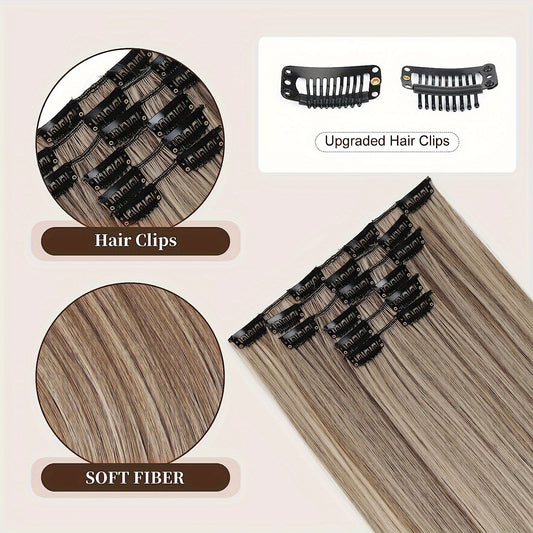
24 Inch Clip In Long Straight Synthetic Hair Extension | 6PCS Balayage Pale Golden Honey Thick Hairpieces
Regular price $109.99 USDSale price $109.99 USDUnit price per -

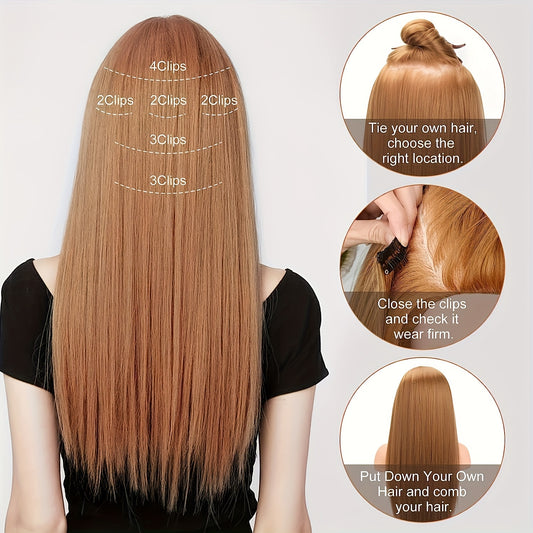
24-Inch Synthetic Hair Extensions - 6pcs, Balayage Pale Golden Honey Blonde, Soft Double Weft
Regular price $109.00 USDSale price $109.00 USDUnit price per -

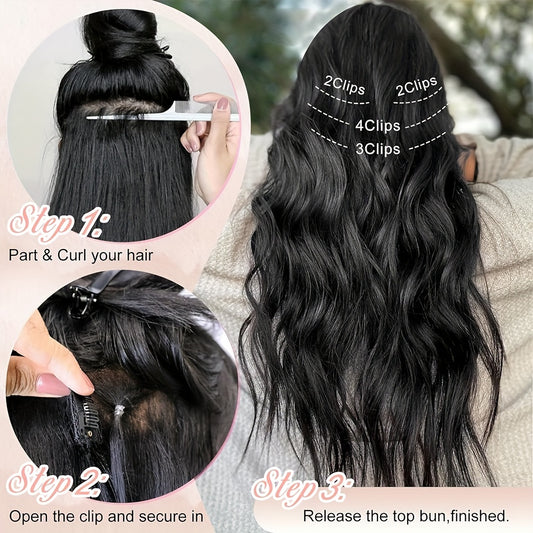
4pcs Thick Clip In Long Wavy Synthetic Hair Extensions
Regular price From $114.84 USDRegular priceUnit price per$14.84 USDSale price From $114.84 USD -

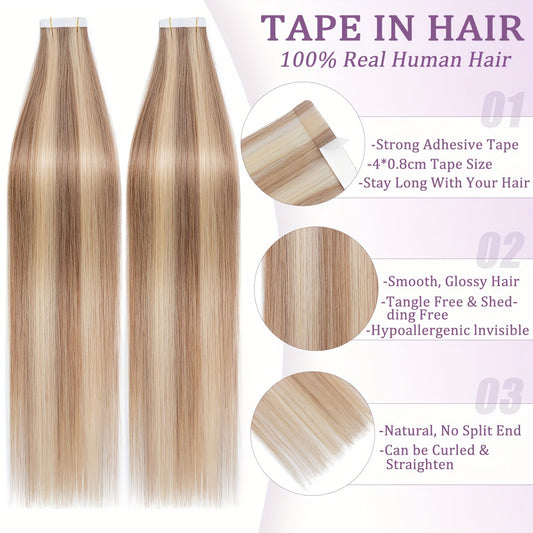
16-22 In Invisible Tape In on Light Beige Weft Human Hair Extensions
Regular price From $128.11 USDRegular priceUnit price per$28.11 USDSale price From $128.11 USD -

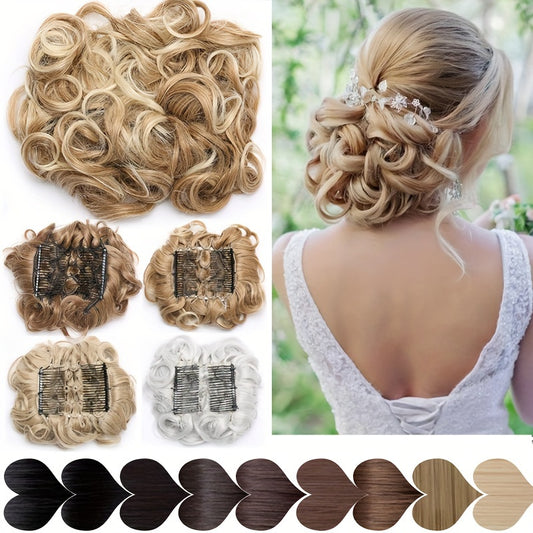
Curly Bun Extensions Scrunchie Combs In Messy Bun Hair Piece For Women
Regular price From $12.59 USDRegular priceUnit price per$10.27 USDSale price From $12.59 USD -

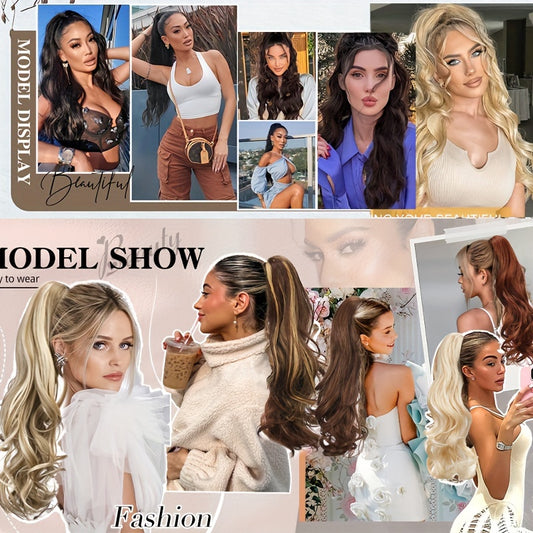
18 INCH Long Natural Curly Wavy Claw Clip Ponytail Extensions
Regular price $110.05 USDSale price $110.05 USDUnit price per -
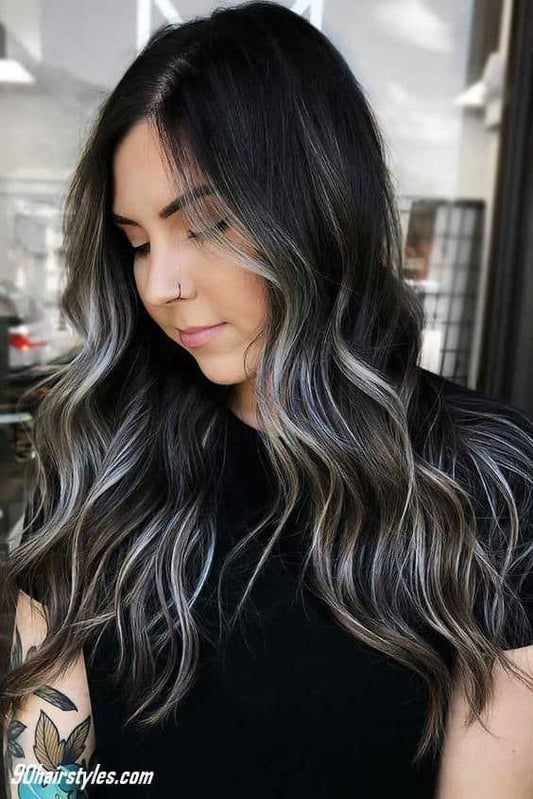
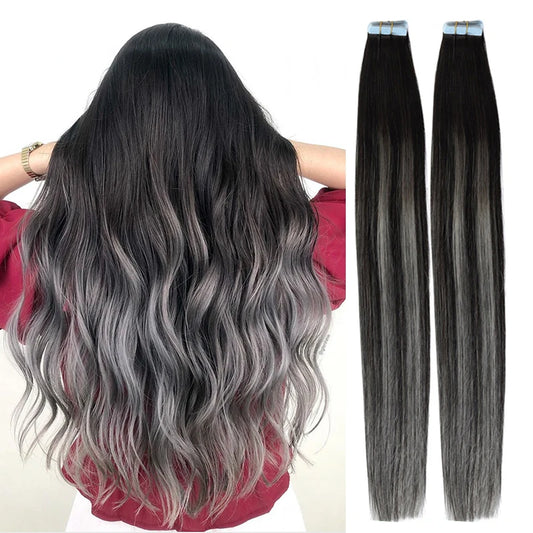
Ombre Balayage Human Hair Extensions
Regular price $345.99 USDRegular priceUnit price per


Balayage Hair Extensions: Modern Dimension That Blends Naturally, Photographs Beautifully, and Elevates Everyday Hair
Balayage hair extensions bring the look of hand-painted color—soft at the top, brighter through the lengths, and naturally lifted at the ends—without the commitment of permanent dye. Instead of harsh lines or flat, single-tone results, balayage creates a lived-in gradient that looks believable in daylight and polished in photos. This collection is built for subtle refinement and confident contrast: options for warm glow, cool depth, and everything in between. When you’re ready to explore the full range, start with balayage hair extensions designed for realistic gradients and seamless blending.
What This Collection Is and Who It’s For
Balayage is a technique, not a single shade. The signature is the fade: a grounded base that transitions gradually into lighter tones so the hair looks naturally brightened rather than obviously colored. In extensions, that effect becomes instantly wearable—dimension you can add for a day, a weekend, a season, or a full-time routine depending on the construction you choose.
This collection is especially useful when you want your hair to look more “finished” without looking “done.” Balayage works because it mirrors real-life color variation: natural roots, sun-softened ends, and subtle tonal ribbons that show up when hair moves. It can make hair look thicker, enhance wave definition, and soften a stark base without requiring a salon schedule.
- For anyone who wants brighter hair without harsh highlights or frequent toning.
- For brunettes who want dimension that stays grounded and believable.
- For blondes who want low-maintenance depth with natural contrast.
- For fine hair that needs visual fullness without heavy bulk.
- For event hair where camera realism matters as much as style.
If you value flexibility—adding dimension only when you want it—consider starting with balayage clip-in hair extensions for removable, fast-to-blend color dimension.
Why This Category Matters Now
Balayage keeps its relevance because it matches how people actually wear hair today: softer shapes, easier texture, and color that looks good under mixed lighting. The modern standard isn’t “perfectly colored”—it’s believable, flattering, and low-fuss. Balayage delivers that by placing light where it makes sense: around the face, through the mid-lengths, and toward the ends where movement naturally catches.
It also helps solve the most common visual problems people notice in photos. Flat hair can look thinner. Solid tones can look severe. Harsh contrast can show lines in certain lighting. Balayage diffuses those issues by creating depth and softness in the surface layer, which is exactly what cameras tend to flatten.
Finally, balayage is scalable. You can go subtle and professional or bright and editorial while keeping the same core logic: a cohesive base, a gentle transition zone, and lightness that looks like it belongs. That makes it one of the easiest categories to shop once you know what to look for.
How to Choose the Right Option
Decision Framework
Use this quick sequence to choose the right balayage setup without second-guessing:
- Goal → brightness, length, volume, or a full refresh
- Shade/undertone → warm glow, cool dimension, or neutral balance
- Texture/finish → straight, soft wave, or wavy to match your natural pattern
- Construction/type → clip-in flexibility vs flatter installed options
- Weight/coverage → match your end density to avoid a visible shelf
- Occasion/frequency → everyday wear vs special events
- Care tolerance → realistic time for detangling, washing, and styling
- Budget/value → prioritize blend quality and longevity
How to choose balayage hair extensions for thin hair right now
Balayage can be a gift for fine hair because tonal variation creates the illusion of depth. The main risk is a density mismatch at the ends: fine hair tapers, while extensions can look fuller. Choose a set that matches your natural perimeter, then style with a soft bend to blur the transition. If the ends still feel too heavy, a tiny taper trim on the extension ends can create a more natural fall line without sacrificing length.
What balayage hair extensions look most natural in daylight
In daylight, subtlety wins. The most natural balayage has a grounded base and a gradual, diffused lift—no obvious bright band and no sudden jump at mid-length. Check your mid-lengths in indirect daylight (near a window) and match that zone first. Let the ends be slightly brighter than your natural ends; that often looks more realistic than trying to match sun-faded tips perfectly.
How to match undertones without overthinking it
Decide whether your base reads warm, cool, or neutral. Warm bases often look golden, chestnut, or honey in sunlight. Cool bases read smoky, taupe, or ash espresso. Neutral bases shift depending on lighting. A reliable rule: match undertone closest to the scalp and allow the lighter dimension to do the “flexible” work, since highlights naturally vary more than roots.
How many pieces do you actually need
Coverage matters more than piece count. Balayage looks believable when lightness appears evenly distributed, not concentrated in one row. If you wear your hair down, prioritize smooth coverage through the mid-shaft. If you wear half-up styles, side coverage is essential so the blend stays consistent when you lift the top section. If you prefer ponytails, secure placement and temple blending become the deciding details.
Best option for daily wear vs special occasions
Daily wear is about comfort and repeatability: you want hair that blends quickly and looks good even with minimal styling. Special occasions are about impact: you can choose brighter contrast, more length, and fuller density because you’ll likely style more deliberately. Many people do best with a versatile “daily blend” and then add extra pieces or extra styling for events rather than buying a separate look for every scenario.
How to pick the right contrast level for your face and wardrobe
If you wear mostly neutral clothing and like an understated look, choose subtle melts with gentle lift. If your style is bolder or you love statement makeup, brighter ends can look intentional and modern. Contrast should still feel cohesive: the best results keep the base believable and make the lift feel like a natural evolution through the lengths rather than a separate color sitting on top.
How to avoid a “panel” effect around the face
Face-framing lightness should look diffused, not like two bright strips. Choose blends where brightness is echoed through the interior so the face frame feels connected to the rest of the hair. If you style with waves, curl the face frame away from the face; it softens contrast and creates a more natural highlight placement.
Shade, Undertone, and Finish Selection
Balayage is a color story. Two blends can both be “brown to blonde,” but one will look effortless and one will look obvious depending on undertone and transition softness. Choose your direction first—cool, warm, or neutral—then choose how bold you want your lift to be. Finish matters, too: sleek styles emphasize shine and reveal mismatch quickly, while waves make transitions softer and more believable.
Cool-toned balayage for modern depth
If you love a smoky, editorial feel, cool balayage can look refined—especially when the base stays deep enough to anchor the lift. For a distinctly cool, contemporary gradient, explore silver shadow balayage hair extensions for a cool, smoky, modern finish.
Warm balayage for toasted glow
Warm balayage looks most premium when it’s toasted rather than bright: bronze, caramel, and honey tones grounded by a brunette base. For wearable warmth that reads luminous without looking brassy, compare soft bronze balayage hair extensions for a sunlit glow with soft contrast.
Brighter blonde balayage without harsh lines
High-contrast balayage can be stunning, but the transition zone must stay diffused so the lift looks painted, not striped. If you want brighter ends that still blend naturally through the mid-lengths, browse biscuit blonde balayage hair extensions for bright dimension with a gentle fade.
Deep base with subtle lift for understated realism
If your priority is “looks like my hair, just better,” choose a deep base with minimal lift. This direction blends easily with dark natural hair and stays professional even in bright light. A refined option is dark espresso melt balayage hair extensions for subtle lift on a rich, deep base.
Balanced warmth that flatters most complexions
Chestnut-to-honey blends tend to flatter a wide range of skin tones because they brighten without pushing too blonde. They also blend naturally with medium brunettes and warm-leaning bases. Compare chestnut honey balayage hair extensions for soft warmth and balanced dimension.
Spiced brunette balayage for richer seasonal tone
If you want warmth that still feels grounded, spiced brunette balayage is a strong choice. It looks especially rich in fall and winter lighting and blends well with brown bases. Explore cinnamon swirl balayage hair extensions for warm brunette dimension and a soft gradient.
Ash-black balayage for drama without flatness
For deep hair lovers who want movement and softness rather than a one-note finish, ash-black balayage keeps the base dark while adding subtle lift through the lengths. See ash black balayage hair extensions for cool depth with realistic dimension.
How to choose finish based on your styling habits
If you wear hair straight most days, prioritize a precise base match and a refined transition zone, because sleek hair shows everything. If you wear waves often, you have more flexibility—movement can make small tone differences look intentional. If you prefer air-dried texture, look for blends with softer contrast so the gradient looks natural even when the hair isn’t perfectly set.
Texture and Blend Strategy
Blend is not a single trick—it’s a system. Color helps, but texture matching and placement are what make extensions look like your own hair. The aim is for the top layer and the extension layer to move as one: similar bend, similar shine, and a perimeter that doesn’t look blunt or separate.
How to blend with blunt haircut types
Blunt cuts can reveal where your natural hair ends, especially if you choose a much longer length. Add a soft wave to dissolve the perimeter line, or keep hair mostly straight with a tiny bend at the ends so the outline looks more natural. If needed, a minimal taper trim on the extension ends can prevent the “stacked layers” look.
How to blend with layered haircut types
Layers are extension-friendly, but placement must prevent “shelving.” Keep denser pieces low, use lighter coverage near the crown, and style the hair together so the surface layer and extension layer share the same movement. When layers integrate, balayage looks more convincing because the lightness appears distributed through multiple levels.
How to blend with short hair without a two-tier effect
Short hair can wear balayage beautifully because dimension softens transition points—but you need a length ladder. Place shorter-support pieces higher and longer pieces lower, then style a consistent bend through the blend zone. If you want the why behind the method, read why hair extensions work for short hair and how to keep the blend natural.
How to blend with medium-length hair for easy realism
Medium-length hair often blends the easiest because the gap between your natural length and the extensions is smaller. Match texture first, then focus on end density so the perimeter looks believable. Brushed waves are especially effective because they soften the outline and make balayage read like natural light reflection rather than a deliberate color placement.
What to do if it looks obvious at the root area
If attachments show near the root, it’s typically placement, not color. Move bulk lower, avoid heavy pieces near the crown, and make sure your part line isn’t cutting through a row. For removable wear, leave enough top-layer hair to fully cover clips and avoid over-brushing the crown flat; a little natural lift makes coverage more forgiving.
What to do if the blend line shows under bright light
Bright light exposes density mismatch and texture mismatch. Add soft movement, brush out for a diffused finish, and check that the top layer isn’t too straight compared to the extension layer. If you want tactical methods for lift and blending, reference clip-in volume techniques that improve blending and reduce visible transition lines.
How to place pieces so the balayage looks painted, not banded
Distribute lighter pieces across the interior, not only at the bottom row. Balayage should look diffused through multiple layers so lightness appears as a gradient. If you use face-framing brightness, echo it subtly through the mid-lengths so the look feels cohesive from every angle.
What to do if the ends look too thick or too blunt
When ends look overly thick, the hair can read “extension” even if the color is perfect. Soften the perimeter with a wave and brush-out, reduce friction tangles that cause clumping, and consider a micro-taper trim on extension ends if your natural hair is fine. The goal is a realistic outline: full, but not blocky.
Styling Ideas: Daily + Event
Balayage is style-responsive. Waves reveal dimension, sleek styling emphasizes shine, and updos highlight face-framing brightness. The best styling approach is the one you can repeat consistently—because repeatable styling is what makes the look feel like your own hair, not a special-effects moment.
Quick looks
- Low pony with a wrapped base and a soft wave through the tail to show the gradient.
- Half-up twist with curled face-framing pieces for instant brightness near the cheeks.
- Loose brushed curls for a soft-focus finish that reads expensive in daylight.
- Low bun with lighter tendrils left out so the balayage shows near the face.
Photo-ready looks
- Ribbon waves that make the gradient look hand-painted and multi-tonal.
- High pony with curled ends for a dramatic cascade that stays blended.
- Side-swept glam curls that emphasize contrast without harsh lines.
- Blowout movement with a clean part for modern, polished volume.
If you’re styling for a formal event and want extension-friendly ideas that translate well with added length and dimension, see prom hairstyles for medium hair that adapt beautifully to balayage extensions.
How to use celebrity hair logic without copying it
Celebrity hair looks elevated because the fundamentals are consistent: clean parting, controlled volume, and intentional texture. Choose one hero element—shine, wave shape, or lift—and keep everything else simple so balayage remains the star. For inspiration that helps you choose a finish, explore celebrity hairstyles that guide a camera-ready, modern finish.
Accessories that make balayage pop
Accessories amplify balayage because contrast makes lighter pieces stand out. Choose structured clips or bandanas with enough visual weight to balance voluminous hair and brighter ends. For wearable ideas, use cute bandana hairstyles that pair well with waves, ponytails, and casual glam.
Care, Maintenance, and Longevity
Balayage extensions look best when the cuticle stays smooth and the ends stay hydrated. Most “it doesn’t look as good anymore” moments come from friction, product buildup, and heat overload. The strongest routine is a simple one: reduce friction, detangle gently, wash when needed, and store properly.
How often should you wash balayage extensions
Wash based on buildup, not the calendar. If you wear removable hair occasionally, you may go many wears before washing. If you wear installed hair frequently, wash when the hair starts tangling faster, looks dull, or feels coated. Always detangle before washing so knots don’t tighten when wet.
A low-friction wash routine that protects the ends
Brush thoroughly first. In the shower, smooth product downward rather than scrubbing in circles. Condition mid-lengths to ends and comb gently while conditioner is in. Rinse the same direction, then press dry with a towel instead of rubbing. This single friction change can significantly reduce tangling and keep ends soft.
Detangling strategy that prevents breakage
Detangle from ends upward while holding the hair above where you’re brushing. The last several inches tangle most because they rub against clothing and bags. If you’re wearing high-friction fabrics, protect the ends with a loose braid. A small habit—brushing before you leave the house and once later—often prevents major knots.
Heat styling without dulling the dimension
Use lower heat, fewer passes, and fully dry hair before styling. Let curls cool before brushing so the shape sets naturally. Rotate styles—sleek one day, waves the next—so you’re not repeatedly stressing the same sections. Balayage looks richest when ends stay soft; brittle ends make brightness look less refined.
Night routine and storage for long-lasting softness
For removable pieces, store hair fully dry, brushed, and loosely secured to prevent tangling. For installed hair, sleep with a loose braid or low ponytail. A smooth pillow surface helps reduce friction and keeps hair sleeker between washes.
Comparing Nearby Categories
Within balayage, “nearby categories” are less about entirely different looks and more about where you sit on the spectrum: subtle vs bright, cool vs warm, deep base vs luminous ends. The best category choice is the one that aligns with your base shade and how often you want to style.
Subtle melt vs brighter ends: how to decide quickly
If you want realism above all, choose a subtle melt where the base remains dominant and the lift is gentle. If you want a noticeable transformation, choose brighter ends and plan to style with movement so the transition stays soft. The brighter you go, the more important texture matching becomes.
Cool dimension vs warm glow: what reads most natural on you
Warm glow tends to look universally flattering, especially if your natural hair reflects golden tones in sunlight. Cool dimension looks modern and crisp, especially on smoky brunette bases or ash-leaning hair. If you’re unsure, a neutral-leaning base with moderate lift keeps the look wearable across seasons and makeup changes.
Featured Picks and Use-Case Recommendations
Balayage shopping is easiest when you choose for your routine first: occasional wear vs frequent wear, removable vs installed, movement-first vs sleek. The options below cover common use cases so you can choose based on how you’ll actually wear the hair.
Occasional wear: a low-commitment way to test brighter balayage
If you want to preview how pale honey dimension looks against your complexion and wardrobe, a synthetic option can be a practical “trial run” for brightness: 24-inch synthetic balayage set for testing pale honey-blonde contrast.
Everyday styling flexibility: a human-hair gradient you can dress up or down
If you want a more natural feel and the ability to style for different finishes, a human-hair gradient can support soft waves, blowouts, and refined everyday looks: ombre balayage human hair extensions for soft gradients and versatile styling.
Event impact: ultra-long glamour when you want a statement silhouette
If your goal is maximum length for dramatic nights out, milestone events, or editorial styling, a long-range set offers high-impact flexibility: 20–34 inch Brazilian Remy extensions for dramatic long-length glamour.
Movement-first styling: waves that make balayage look hand-painted
Balayage reads most naturally in motion. A wavy finish reveals dimension without harsh lines and helps blur minor blend differences at the perimeter: 20-inch wavy clip-in extensions for effortless movement and dimensional color.
Sleek installed finish: a flatter look that stays consistent day-to-day
If you prefer smooth, polished hair and want a built-in feel, straight tape-ins can create a seamless profile that looks refined with minimal daily effort: straight Remy tape-in extensions for a sleek, seamless installed finish.
Lighter installed wear: comfortable tape-ins for a subtler daily feel
If you want installed hair but prefer a lighter feel for comfort and manageability, a lighter tape-in set can still deliver clean blending without feeling heavy: 50g Brazilian Remy tape-ins for lightweight installed blending and comfort.
Buying Guidance and Common Mistakes to Avoid
Most extension regret comes from mismatch: undertone mismatch, texture mismatch, or density mismatch. Balayage is forgiving, but the most natural results come from choosing intentionally and aligning your pick with your routine.
Mistake: choosing brightness that doesn’t match your base depth
If your base is deep, extremely bright ends can look disconnected unless the transition zone is exceptionally soft. Choose a melt that stays grounded through the mid-lengths if you want an effortless look. If your base is lighter, you can go brighter with less risk because the gradient has less distance to travel.
Mistake: expecting volume without understanding placement
Volume depends on distribution. Build support low, then add mid rows evenly. Avoid placing heavy pieces too close to the crown where they can show. When volume is balanced across the head shape, balayage looks more natural because lightness appears evenly across the surface rather than concentrated in one area.
Mistake: choosing length without lifestyle realism
Length changes maintenance. Longer hair tangles more from friction—coats, bags, seatbelts—so the “best” length is the one you’ll actually maintain. If you want a wearable baseline that still shows dimension, read why 16-inch hair extensions are often the easiest everyday length.
Mistake: going long without planning day-to-day upkeep
Long lengths look glamorous, but they demand consistent detangling and thoughtful storage. If you want glam movement that remains manageable, explore how 20-inch extensions balance flowy glamour with everyday practicality.
Mistake: skipping mid-length support if your hair is fine
Fine hair often needs support through the mid-shaft, not only at the ends. Mid lengths can make the silhouette look fuller and help the gradient appear even. For a fine-hair-friendly mid-length approach, see why 15-inch hair extensions can be the most natural mid-length upgrade for fine hair.
Mistake: assuming short cannot be polished
Short balayage can look incredibly modern when brightness sits near the face and the silhouette is clean. If you want short styling inspiration that stays chic, explore 12-inch clip-in ideas for short, chic balayage looks.
Mistake: choosing luxe installed length without understanding the commitment
Installed methods can look exceptionally seamless, but longer lengths require a consistent maintenance mindset. If you’re considering tape-ins and want a realistic sense of what luxe length involves, read 22-inch tape-in guidance for long, luxe hair that still blends naturally.
FAQ
What are balayage hair extensions, exactly?
They’re extensions designed with a gradient color effect—deeper near the top and lighter through the lengths—so the hair looks naturally brightened rather than dyed in blocks. The goal is soft contrast that blends into your base and looks dimensional in motion. Balayage is especially flattering because it creates depth and softness at the same time.
Do balayage extensions work if my natural hair has multiple tones?
Yes, and they often work even better because multi-tonal natural hair blends naturally with dimensional extensions. Match your root-to-mid area first, then choose a lift that echoes the warmth or coolness in your ends. Styling with waves helps the tones integrate so the blend looks intentional.
How can I make balayage look natural when I wear my hair straight?
Straight hair shows placement and shine more clearly, so prioritize a grounded base match and a diffused transition zone. Keep products lightweight to avoid overly glossy shine that can make the hair look less natural. A tiny bend at the ends can also soften the outline without turning the style into “waves.”
How do I avoid a visible line where my hair meets the extensions?
Blend lines usually come from density mismatch or texture mismatch. Choose coverage that matches your end density, and style your natural hair and extension hair together so they behave the same way. If you still see a line in bright light, adjust placement before adding more product or buying more hair.
Are clip-ins or tape-ins better for balayage?
Clip-ins are ideal for flexibility and occasional wear, while tape-ins can feel flatter and more built-in for daily routines. The most natural result depends on correct placement and texture matching, not just the method. Choose the option that matches how often you want to wear the look and how much maintenance you’re comfortable with.
Will balayage look too bright in flash photography?
It can if contrast is extremely high or if shine is overly glossy from buildup. A grounded base and a diffused transition zone photograph more naturally than abrupt brightness. Soft waves also help because they diffuse reflection and make the gradient look more organic.
How do I keep balayage extensions soft and tangle-free?
Most tangling comes from friction at the ends. Brush gently from ends upward, reduce heavy products on the last few inches, and store hair properly between wears. Washing with low friction and avoiding excessive heat keeps the cuticle smoother, which reduces tangling over time.
What’s the most wearable length if I want dimension but low maintenance?
Mid lengths are often the most wearable because they still show a gradient while staying manageable. The best length is the one you can detangle and maintain without frustration. If you want a practical baseline, mid-length options tend to fit most routines without major lifestyle changes.
Where can I learn a practical placement method for realistic balayage?
Placement is what makes the difference between “dimensional hair” and “obvious add-on.” If you want a realistic, step-by-step approach focused on blend and transition zones, read how to achieve the perfect balayage with hair extensions using a realistic placement strategy.
Where should I start if I’m new to the brand and want to browse broadly?
Start from the homepage to explore types, textures, and color families, then return to balayage once you know your preferred method and length: Fabulive hair extensions for exploring shade families, lengths, and installation types.
Related Collections
To keep your browsing focused and your results cohesive, use the linked balayage shade families in this guide as a comparison map. For cool-toned contrast, compare silver shadow or ash-black balayage. For warm, wearable glow, compare chestnut honey, soft bronze, or cinnamon swirl. For brighter blonding, compare biscuit blonde balayage. And for deep, understated realism, the espresso melt direction keeps dimension subtle while still looking modern. Choose your shade family first, then confirm texture and method so your blend stays consistent across styling.
Browsing the Collection
Balayage hair extensions are the dimension-first choice for anyone who wants hair to look richer, more dynamic, and more finished—without harsh lines or constant color appointments. The most natural results come from a grounded base match, a softly diffused transition zone, and a texture that behaves like your own. Use the Decision Framework to choose quickly, then browse the collection by the contrast you want to live in—subtle and natural, warm and glowing, or cool and modern—knowing the gradient will do the quiet work of making your hair look effortlessly polished.