
-

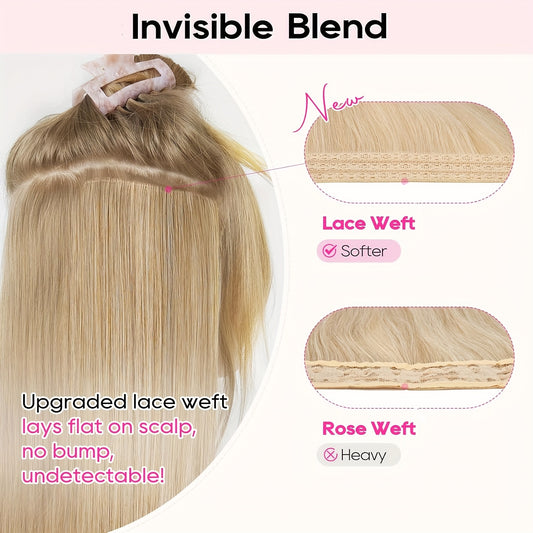
Clip In Hair Extensions, 4pcs Lace Weft Hair Extensions
Regular price $112.60 USDRegular priceUnit price per$12.60 USDSale price $112.60 USD -

14-20 Inch V-Shaped Real Remy Clip in Human Hair Extensions
Regular price $229.00 USDSale price $229.00 USDUnit price per -

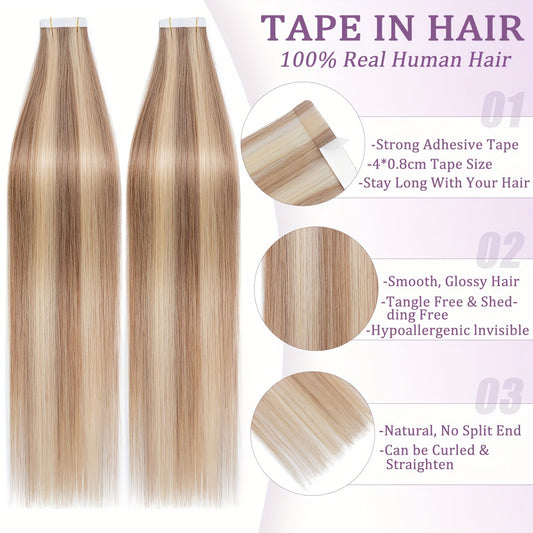
16-22 In Invisible Tape In on Light Beige Weft Human Hair Extensions
Regular price From $128.11 USDRegular priceUnit price per$28.11 USDSale price From $128.11 USD


Biscuit Blondey Balayage Hair Extensions
If you’re browsing Biscuit Blondey Balayage Hair Extensions, you’re likely after a very specific kind of blonde: creamy, softly blended, and believable in real life. It’s the sort of shade that reads polished in photos without looking “painted on” up close, because the gradient does what great colorists do—build depth near the root, then brighten gradually through the lengths. This page is designed to sit above your product grid as a short, useful introduction, then lead into a deeper buying guide that helps you choose shade, texture, length, and method with confidence. For the broader brand experience and navigation, visit Fabulive’s online destination for premium hair extensions and shade discovery.
What this collection is and who it’s for
Biscuit Blondey Balayage Hair Extensions are built around a warm-neutral blonde story that feels modern, soft, and wearable. “Biscuit” suggests that creamy-beige warmth that flatters many undertones, while “balayage” signals a hand-painted look: deeper near the top, lighter through the mid-lengths and ends, and naturally varied rather than uniform. The result tends to look elevated even with minimal styling because dimension creates visual interest automatically.
This collection is especially relevant if you:
- Want brighter hair without a hard line between your natural roots and the added length.
- Prefer a soft blonde that looks expensive in daylight and doesn’t skew overly yellow or overly icy.
- Need more fullness through the mid-lengths and ends, especially if your hair thins toward the perimeter.
- Like the idea of a “lived-in” blonde that can flex between seasons, makeup moods, and wardrobe palettes.
- Want a color that photographs well under mixed lighting—office fluorescents, indoor evening light, and outdoor sun.
It can also be a smart choice for first-time extension buyers because balayage blends are forgiving. If your natural hair has subtle tonal shifts, highlights, or a slightly deeper root, the gradient helps everything merge more naturally than a single, flat shade would.
Why this category matters now
Balayage continues to matter because it aligns with the reality of modern routines. Many people want hair that looks “done” without scheduling their lives around constant maintenance. A blended blonde helps in three ways: it grows out gracefully, it disguises minor mismatches better than solid color, and it adds a salon-like finish even when you’re wearing your hair simply.
There’s also a broader shift in how shoppers approach beauty investments. Instead of committing to frequent chemical processes, more people are choosing modular upgrades—options that allow experimentation without permanent consequences. Extensions can reduce the need for repeated lifting, and a warm-neutral balayage can provide that brighter feeling while keeping the overall look grounded and believable.
Finally, the aesthetic of “quiet luxury” has shaped hair preferences: less obvious contrast, more expensive-looking blending, and tones that look natural rather than extreme. Biscuit Blondey Balayage sits comfortably in that lane. It’s dimensional enough to feel intentionally crafted, yet soft enough to blend with a wide range of natural bases.
How to choose the right option
The simplest way to choose the right Biscuit Blondey Balayage extensions is to stop thinking in terms of “best” and start thinking in terms of “best for me.” Your base color, your undertone, your natural density, and your lifestyle determine whether a certain method will feel effortless or frustrating. The goal is to choose an option that looks good on an ordinary day—not just on a perfectly styled day.
Decision Framework
Use this quick, scannable method before you commit:
- Goal → brightness, length, fullness, or a combination
- Shade/undertone → warm, neutral, cool; plus brow tone and root depth
- Texture/finish → straight, soft wave, body wave; natural sheen vs higher shine
- Construction/type → removable vs longer-wear; coverage style and comfort
- Weight/coverage → how much hair you need for a balanced silhouette
- Occasion/frequency → daily wear, weekends, travel, or events
- Care tolerance → washing, heat styling, storage habits
- Budget/value → cost per wear and expected longevity
How to choose Biscuit Blondey Balayage for thin hair right now
If your hair is fine or thin, the best result comes from believable distribution rather than maximum density. Too much added hair can widen the shape and make the blend line more visible because your natural top layers struggle to cover attachment points. Aim for balanced coverage that improves the ends first, then adds gentle fullness through the mid-lengths. Balayage helps because dimension makes hair look fuller without requiring heavy weight, especially when you style with a soft bend that encourages strands to overlap.
How to choose Biscuit Blondey Balayage for thick hair without gaps
Thick hair often needs more coverage to prevent your natural density from peeking through at the sides and nape. The common issue isn’t “too much hair,” but uneven distribution: fullness in the middle and thin-looking ends. Choose coverage that supports the perimeter so the final silhouette looks continuous. In thick hair, balayage can look exceptionally premium because the blend has enough natural volume to show off dimension—provided the density remains consistent from crown to ends.
What Biscuit Blondey Balayage looks most natural in daylight
Daylight reveals tone truth. The most natural results usually have a root that makes sense with your brows and natural regrowth, plus a midtone that bridges to brighter ends. A creamy warm-neutral blend tends to read soft in sunlight, while overly icy tones can sometimes look flat outdoors. If you spend a lot of time in natural light, prioritize a gradient that feels realistic with your root depth rather than chasing the brightest possible ends.
How to match undertones without overthinking it
Use two anchors: your brows and the area around your part. If those read warm, you’ll usually look harmonious in warm-neutral blonde. If they read cool, you can still wear Biscuit Blondey Balayage, but keep the overall finish more beige than golden and avoid styling that makes the warmth look overly shiny. If you’re uncertain, a warm-neutral blend is often safer than an extreme warm or extreme cool choice because it adapts across lighting conditions.
How many pieces or units do you actually need
Think in zones: crown support, mid-length fullness, and perimeter density. If the perimeter looks thin, the whole style looks less believable, even if the top blends perfectly. If you’re adding significant length, you’ll usually need enough coverage at the lower sections to keep the ends full and intentional. If you’re adding mostly volume, fewer pieces placed strategically can look more natural than a heavier set placed everywhere.
Best option for daily wear vs special occasions
Daily wear is about comfort and routine. The right choice is the one you can maintain without stress—especially if you wash frequently, exercise often, or prefer low-effort styling. Special occasions allow for more dramatic choices: longer lengths, more volume, and bolder face-framing movement. If you want one versatile approach, choose a wearable baseline for daily life and style it up for events with added curl pattern and polished finishing.
How to choose if you want a “soft blonde” outcome rather than high contrast
Not every balayage needs dramatic contrast. If you want soft blonde, keep the distance between your root depth and your brightest ends closer together. In styling, choose movement that merges tones—soft waves instead of sharp curls—so the color reads like a gentle melt rather than distinct highlight stripes.
Shade, undertone, and finish selection
Biscuit Blondey Balayage typically sits in a warm-neutral corridor: creamy beige, softly bright, and designed to look believable across multiple skin tones. The most important shade decision is not “how blonde,” but “what kind of blonde.” Warmth level, root depth, and finish all influence whether the look reads natural or obvious.
How to decide between warm-neutral and cool-leaning beige
Warm-neutral blonde tends to flatter golden undertones and can make skin look more radiant. Cool-leaning beige can look crisp on cooler undertones and often pairs well with ashier brows. If you’re somewhere in the middle, choose a warm-neutral shade and control the vibe through styling: smoother finishes can feel more polished, while softer texture can feel more natural and relaxed.
How to avoid a brassy look while keeping warmth
Warm doesn’t have to mean yellow. Brassiness often comes from excess shine on a warm tone or from styling that separates highlight ribbons too starkly. To keep the warmth creamy, prioritize softness and smoothness: gentle heat, minimal heavy oils, and styling that encourages strands to blend together. If you’re selecting products and care routines, aim for a finish that mimics healthy natural hair rather than a glossy, reflective surface.
How to choose a root depth that makes sense with your brows
Your brows act like a frame. If your brows are deeper, a slightly deeper root looks more believable and reduces the “floating blonde” effect. If your brows are lighter, you can wear a lighter root, but keep enough depth at the crown that the gradient still feels intentional. This is why balayage tends to be easier to wear than a solid blonde: it acknowledges that real hair often has depth where it grows.
How to select a finish that looks premium in photos
Photos love smoothness. A premium photo-ready finish usually comes from a controlled sheen and defined shape, not from heavy shine spray. Balayage looks especially expensive when highlights look softly placed rather than sharply separated. If you want the color to read expensive on camera, style with gentle movement, keep ends tidy, and avoid over-layering products that create buildup and dullness.
Texture and blend strategy
Texture is where believability is won. Even a perfect shade can look obvious if your natural hair moves differently than the added hair. The goal is to align movement: the hair should swing, separate, and settle like one cohesive set.
How to blend with blunt haircut types
Blunt cuts can reveal a clear step when you add length because the perimeter line is strong. The solution is to soften the transition through styling. A small bend through the ends or a gentle wave helps your natural perimeter merge with the added perimeter. If you prefer straight looks, keep ends smooth and controlled; frayed ends exaggerate the boundary line and make the blend more noticeable.
How to blend with layered haircut types
Layers are often easier to blend because they naturally disguise transitions, but layers can also expose density mismatch. If your natural layers are airy and the added hair is heavy, the mid-lengths can look bulky. Keep weight lower, allow your natural top layers to veil the join, and style with movement so strands interlace rather than separate into two distinct sections.
How to blend with short hair without the “extension shelf”
Short hair can wear balayage beautifully, but you need to plan for the length jump. Gradual upgrades look more natural than dramatic jumps on the first try. Texture is your best friend: waves create overlap and hide where natural hair ends. If you want a practical mindset for short hair transformations, use this short-hair extension guide explaining why extensions work so well on shorter cuts to align expectations with technique.
How to blend with medium hair for the easiest integration
Medium hair is often the sweet spot because there’s enough natural length to hide attachment points and enough hair to merge textures. The key is to blend the ends: style your natural ends and the added ends together so they sit inside one shape. A soft wave tends to be the most forgiving option because it visually merges tones and helps a balayage gradient look intentionally “melted.”
What to do if the blend line shows
If you see a clear line where your natural hair ends, treat it as a sequence of fixes. First, change texture: even a subtle bend can make strands overlap. Second, adjust placement: moving coverage slightly can change how hair drapes. Third, re-check the ends: if your natural ends are darker or warmer, you may need styling that better interlaces strands rather than simply adding more hair.
How to match texture to reduce daily heat styling
Choose texture that mirrors your natural pattern. If your hair has movement, selecting a texture that already has a wave reduces daily effort and keeps the blend more believable. Heat styling isn’t just time; it also affects softness over time. A wave-friendly approach tends to preserve that premium feel longer because you’re not repeatedly re-working the hair to force a pattern.
How to create volume without a wide silhouette
Volume should lift, not widen. Concentrate fullness slightly back from the hairline and through the crown, then distribute coverage down the back so the profile looks balanced. Avoid overloading the sides near the widest part of your head. If you want a step-by-step approach to placement that avoids common shelves and bulges, reference these clip-in volume techniques for natural-looking lift and density.
Styling ideas
Biscuit Blondey Balayage looks elevated because the blend creates natural-looking depth and brightness without extra work. Your styling job is to keep that blend cohesive: one silhouette, one finish, and movement that encourages tones to merge.
Quick looks
On busy days, choose styles that keep the crown smooth and let the lengths do the work. A clean low ponytail, a half-up style with gentle lift, or loose waves that begin mid-length can look intentional without requiring complex technique. If you’re aiming for maximum realism, keep the top neat and the ends tidy—those two details make balayage read expensive.
Photo-ready looks
For photos, shape matters more than complexity. A polished wave with defined sections makes highlights look placed and deliberate. A sleek ponytail can make the gradient look particularly luxe because it shows the transition from root to ends clearly. If you want formal-style inspiration that scales well with added length, use these prom hairstyle ideas as adaptable, photo-ready references and adjust the drama level to match your chosen length.
How to choose a short upgrade that still feels chic
Shorter upgrades can look modern and refined, especially if you prefer a clean silhouette and low maintenance. The key is to choose shape: a sleek lob, a soft wave that starts lower, or a tucked-under bend can make balayage look intentional rather than “added.” For styling concepts that work well at shorter lengths, consult this 12-inch clip-in guide focused on short, chic outcomes.
How to pick a mid-length upgrade for fine hair
Mid-length often looks the most natural on fine hair because it doesn’t require extreme coverage to keep the ends full. It’s also easier to blend because the length jump is moderate. If your goal is a noticeable change that still feels believable and comfortable, use this 15-inch length guide for fine-hair proportions and styling logic to decide whether mid-length is your best lane.
How to choose the most wearable everyday length
Many people find that an everyday length—long enough to feel feminine, short enough to style quickly—offers the best value because it works for both casual and elevated looks. It’s comfortable, less tangly than very long hair, and easier to blend if you’re still learning technique. For a practical benchmark, reference this 16-inch guide on everyday-wear length and natural movement.
How to go long without losing realism
Long hair looks glamorous, but the longer you go, the more important perimeter density becomes. If the ends look thin, the blend looks less believable. Long lengths also benefit from movement—waves help strands interlace so the gradient looks intentional and soft. To visualize what “glamorous length” looks like in a balanced way, see this 20-inch length guide for flowing, camera-friendly results.
How to accessorize without exposing the join
Accessories are a fast way to look styled, but placement matters. Keep accessories above attachment points and avoid pulling side sections too tightly, which can separate strands and reveal what you’re trying to disguise. Soft fabrics can grip without snagging. If you want accessory ideas that look playful yet polished, use these bandana hairstyle ideas designed for modern, wearable styling.
How to shape balayage like a stylist
Stylist-level hair is about intentional shape: face framing, controlled ends, and volume placed where it flatters. With balayage, shape also affects how dimension reads; when hair falls in cohesive sections, highlights appear more natural and “painted.” For a reference library of silhouettes that can guide your styling choices, explore this celebrity hairstyle roundup for finish, shape, and polish cues.
Care, maintenance, and longevity
Balayage looks best when the hair stays smooth and hydrated because dimension relies on the melt between tones. When hair becomes dry or rough, the gradient can look less soft, and highlights can appear more separated than intended. Longevity is mostly habit-driven: wash gently, style thoughtfully, and store properly.
How often should you wash extensions to protect softness
Wash only when you need to remove buildup or refresh the feel. Overwashing can lead to dryness and tangling. When you do wash, focus on gentle cleansing and thorough conditioning through the lengths and ends. Let the hair air-dry when possible, and avoid aggressive rubbing that creates friction and knots.
How to keep the balayage melt looking smooth over time
The melt stays believable when the surface stays smooth. Use moderate heat, brush gently, and avoid heavy products that create residue at the mid-lengths where the transition lives. If you style with waves, refresh the pattern lightly rather than fully re-curling each time; repeated heavy heat can dull the softness that makes balayage look premium.
How to detangle without shedding and breakage
Detangle from ends upward and be patient at knots. Many tangles come from friction—tight collars, rough storage, or sleeping with hair unsecured. If you’re using removable options, brush before and after each wear and store in a way that keeps lengths aligned rather than crumpled.
How to plan your routine if you wear extensions frequently
If you wear extensions often, routine matters more than products. Set a simple cadence: gentle brushing, minimal buildup, controlled heat, and consistent storage. The more consistent you are, the more consistently the hair looks like part of you rather than something you “put on.”
Comparing nearby categories
Balayage is a family of blends and methods, and “nearby categories” matter because they help you choose the most realistic match for your base hair and lifestyle. Even within warm-neutral balayage, small differences in root depth and highlight brightness can shift the final vibe.
Balayage versus solid color: why blend often wins
Solid color can look striking, but it’s less forgiving if your roots are deeper or your undertone is slightly different from the shade you chose. Balayage blends tend to feel more natural because they mirror real hair behavior: deeper where it grows, brighter where sun and styling create lift. If your priority is realism and easy wear, blend usually wins.
Removable wear versus longer-wear routines: choosing by lifestyle
Removable wear suits people who like flexibility and want to change their hair based on day and occasion. Longer-wear routines can feel easier if you want consistent hair without daily attachment. Your best method depends on how often you wash, how active you are, and how much time you’re willing to invest in daily styling versus periodic maintenance.
Length planning: what changes when you go very long
The longer you go, the more you need perimeter coverage to keep ends full. Very long hair also benefits from movement because it helps merge tones and hides minor differences. If you’re considering a longer-wear method at a luxe length, it helps to understand what that feels like day-to-day. For a reality-based view of that commitment, read this 22-inch tape-in guide for luxe length expectations and wearability.
Featured picks and use-case recommendations
Use-case shopping is the fastest way to avoid disappointment. Instead of picking only by length or only by the look in a single image, match the product type to how you plan to wear it: soft waves, sleek straight, occasional glam, or consistent daily enhancement.
For a long balayage statement with warm honey-blonde dimension
If you want high-impact length with a warm gradient that reads soft in photos, consider this 24-inch balayage honey-blonde set for statement length and a blended finish. This kind of length looks most believable when styled with waves that encourage the colors to melt together.
For a salon-like ombre melt in human hair
If you want a balayage look that feels versatile for both smooth styles and textured styles, human hair options can suit a wider styling range. For a gradient-focused pick that aligns with the ombre-balayage concept, explore these ombre balayage human hair extensions for a natural-looking melt.
For maximum versatility across length range and styling moods
If you like to switch between subtle and dramatic looks—or you want the flexibility to tailor your style to different events—an extended length range can help. For a broader length spectrum in a premium hair category, consider these Brazilian Remy extensions spanning 20–34 inches for high versatility, especially if you enjoy experimenting with different silhouettes.
For soft waves that make balayage look more natural immediately
Waves are one of the easiest ways to make balayage look believable because they interlace strands and soften where tones meet. If you want movement that reads effortless and helps blending, consider these 20-inch wavy clip-ins for wearable movement and easy blending.
For a sleek routine with straight tape-in wear
If you prefer a smooth, uniform finish and you want hair that looks consistently styled, straight tape-in options can support that routine. For a sleek method-forward pick, consider these 100% Remy straight tape-ins for a clean, polished look.
For a lighter-weight tape-in option that feels subtle and comfortable
If you want tape-in wear but prefer a lighter feel—especially if your hair is fine or you’re aiming for a gentle enhancement—lower-weight sets can be easier to live with. For that use case, consider these 50g Brazilian Remy tape-ins for softer, lighter coverage.
Buying guidance and common mistakes to avoid
Balayage extensions reward thoughtful buying. When the blend looks off, it’s usually not because balayage “doesn’t work,” but because one of the key variables—undertone, root depth, texture, or coverage—was mismatched to your real hair. Use this section as a checklist before you purchase.
Mistake: choosing a blend without considering your natural root depth
Your root is the anchor of realism. If your natural root is deeper than the blend expects, the transition can look disconnected. If your natural root is lighter, a deeper root section can feel heavy. Choose a gradient that respects your starting point, and remember that styling can enhance the melt—movement often makes the transition look more natural.
Mistake: ignoring undertone and hoping styling will fix it
Styling can soften a mismatch, but it can’t fully correct undertone conflict. If your features lean cool, a very warm honey tone can look overly golden. If your features lean warm, a very cool smoky tone can look flat. Biscuit Blondey Balayage tends to be wearable because it’s creamy and balanced, but undertone still matters—especially in daylight.
Mistake: buying density without thinking about silhouette
More hair can widen your profile and look “added” if it isn’t distributed thoughtfully. Premium hair looks balanced: lift where you need it, taper where you don’t. If you’re unsure, start moderate, then build volume through placement and styling rather than buying the maximum amount upfront.
Mistake: skipping technique and expecting balayage to blend on its own
Balayage is designed to look dimensional, and dimension looks best with movement. If you wear hair pin-straight without merging your natural ends into the shape, the boundary can show more. A soft bend, wave, or gentle curl through the mid-lengths encourages strands to mix and makes the blend look more intentional.
Mistake: not understanding what “perfect balayage” actually means with extensions
A perfect balayage effect is not about dramatic contrast—it’s about believable transitions. You want a root that makes sense with your brows, a midtone that bridges naturally, and ends that look bright without looking abrupt. If you want a deeper education on how to evaluate that blend before buying, read this guide to achieving the perfect balayage with hair extensions and use its logic when comparing shades.
FAQ
Who is Biscuit Blondey Balayage most flattering for?
It tends to flatter people who look good in warm-neutral tones: creamy beige, soft gold, and gentle dimension. It can also suit neutral undertones because the blend isn’t aggressively warm. If your brows are darker, the root depth within balayage helps keep the overall look harmonious.
Will this blend look natural if my roots are darker than my ends?
Yes, that’s one of the reasons balayage is so wearable. A deeper root can actually improve realism as long as the transition through the mid-lengths is soft. Styling with movement helps the blend look intentional and prevents highlights from appearing too separate.
What length should I choose if I want a subtle upgrade?
A subtle upgrade typically means choosing a length that feels proportional to your current cut rather than dramatically longer. Many people find that a shorter-to-mid option looks the most believable for daily wear and is easier to maintain. If you’re unsure, start with a wearable length and go longer once you’re confident in your blending routine.
How do I choose a length if my hair is fine and I want fuller ends?
Fine hair often looks best when you choose a length that doesn’t require extreme density to keep ends full. Mid-length upgrades can deliver a noticeable improvement while remaining easy to blend. If you want guidance on choosing a length that complements fine hair, use this mid-length guide for fine hair upgrades to compare realistic outcomes.
What is the most comfortable length for everyday wear?
Comfort usually comes from a length that styles quickly, tangles less, and feels easy to live with day-to-day. Many people find an “everyday” length to be the best value because it works for casual looks and elevated looks. For a practical reference point, see this 16-inch guide for everyday wear and natural movement.
How do I avoid a visible line where my natural hair ends?
First, add movement: waves help strands overlap and hide boundaries. Second, make sure your natural ends are styled to meet the added shape, especially if your natural ends are blunt or uneven. Third, check perimeter coverage—thin ends often reveal the transition more than anything else.
Does balayage look better straight or wavy?
Both can look beautiful, but wavy styling is generally more forgiving. Waves make highlights and lowlights appear layered and help the gradient look naturally “melted.” Straight styling can look very polished, but it usually requires closer tone matching and a smoother finish for the most believable blend.
How long will the hair look good if I wear it frequently?
Longevity depends on your care routine: gentle washing, moderate heat, careful brushing, and good storage. Hair tends to stay softer and tangle less when you avoid product buildup and excessive heat. If you wear it often, consistency matters more than complicated routines.
Can I style this shade for formal events without it feeling overdone?
Yes. The most elegant approach is to pick one statement element—shape, shine, or volume—and keep the rest clean. A smooth crown with a polished wave or a sleek ponytail often makes balayage look especially luxe because the gradient reads intentional and refined.
What’s the most common mistake when buying balayage extensions online?
The biggest mistake is ignoring undertone and root depth, then trying to “style your way out” of a mismatch. The second is overbuying density and creating a silhouette that looks heavy at the sides. A framework-based approach prevents both.
Related collections
To reinforce your browsing path and strengthen topical discovery, explore these related collections and shade neighbors. Each link below is designed to help you compare blend families, root depth, and warmth level before you decide.
- Shop Biscuit Blondey Balayage hair extensions for the full blended range
- Compare Biscuit Blondey hair extensions for a cream-blonde shade family view
- Browse balayage hair extensions to evaluate multiple gradient directions
- Explore balayage clip-in hair extensions for flexible, removable wear
- Consider ash black balayage hair extensions for deeper-root contrast
- See chestnut honey balayage hair extensions for golden warmth and depth
- Review cinnamon swirl balayage hair extensions for spiced, dimensional warmth
- Check silver shadow balayage hair extensions for cooler, smoky blending
- Discover soft bronze balayage hair extensions for grounded neutral-warm tones
Browsing the collection
Biscuit Blondey Balayage Hair Extensions are a practical way to achieve brighter hair that still feels believable: a creamy blend that respects real roots, flatters a wide range of undertones, and looks expensive in motion. Use the decision framework to match your goal to the right texture, coverage, and routine—then treat blending as a style choice, not a stress point. When you choose a gradient that fits your natural base and maintain a smooth finish, the result doesn’t look like “extra hair.” It looks like your hair, upgraded.