
-

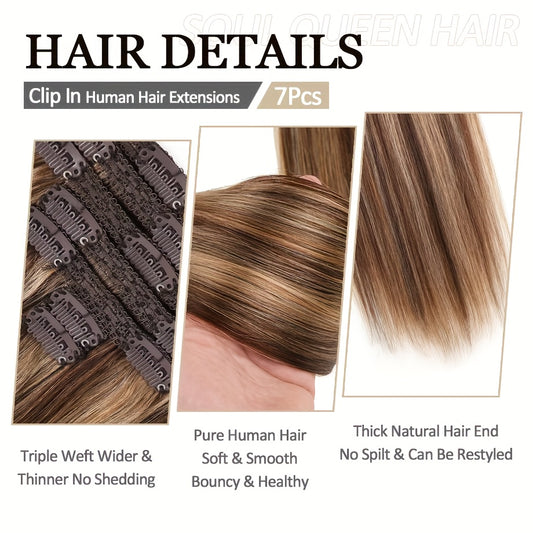
24-Inch Clip-In Hair Extensions, Real Human Hair Double Weft, 100% Remy Design for Women
Regular price $249.00 USDSale price $249.00 USDUnit price per -

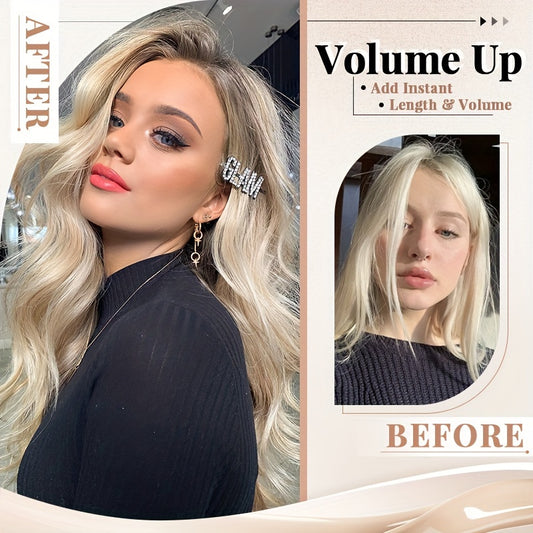
14-20 Inch V-Shaped Real Remy Clip in Human Hair Extensions
Regular price $229.00 USDSale price $229.00 USDUnit price per -
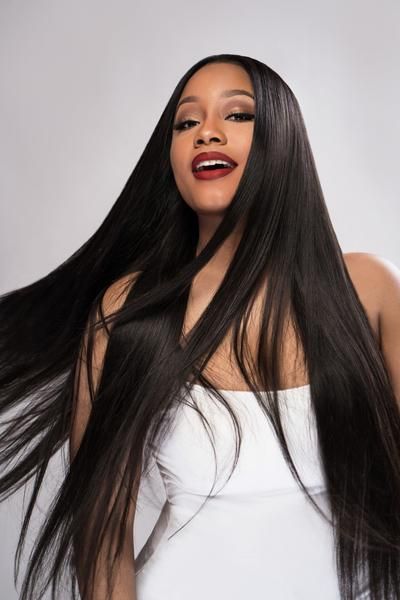
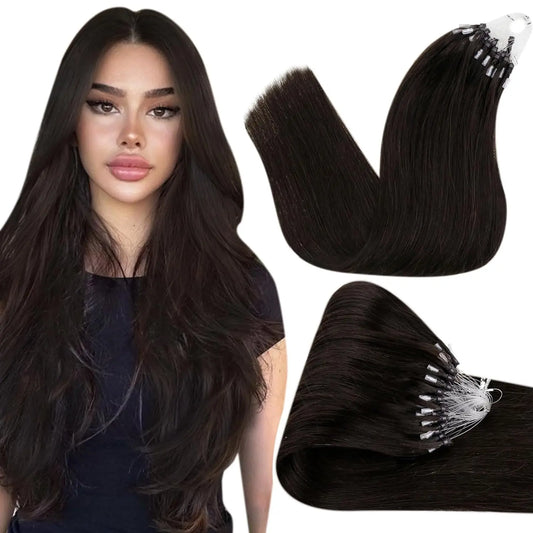
Human Hair Extensions Brown Micro Loop Extensions
Regular price $385.00 USDRegular priceUnit price per


14 Inch Real Remy Hair Extensions: A Natural-Luxury Guide to Seamless Blends, Wearable Length, and Long-Term Value
If you want hair that looks like your own—only fuller, healthier, and more polished—14-inch Real Remy sits in the rare sweet spot. It’s long enough to refine your silhouette and thicken your ends, yet still wearable for daily routines and believable in daylight. Start by browsing 14-inch Real Remy hair extensions built for a natural, mid-length finish, then use the guide below to choose the right construction, undertone, texture, and care plan. If you’re exploring the wider brand ecosystem first, visit Fabulive’s main storefront for current collections and shopping navigation and return here once you know the kind of finish you want your hair to hold—everyday, event, or both.
What this collection is and who it’s for
Real Remy hair extensions are defined by alignment: the cuticles remain facing the same direction, which helps the hair behave more like healthy natural hair. That alignment matters most where hair experiences constant friction—brushing, collar contact, scarves, seat belts, and daily styling. At 14 inches, your hair lives in that “high-wear” zone. When fiber quality and cuticle alignment are right, the difference is practical: smoother movement, less tangling, and a look that stays polished longer between washes.
This collection is designed for people who want a believable upgrade—hair that looks expensive because it looks real. Fourteen inches typically reads as refined mid-length: long enough to feel different, short enough to avoid the high-maintenance realities of ultra-long hair. It’s also one of the most forgiving lengths for blending because it integrates with short-to-medium cuts without creating a dramatic “step” at the ends.
14-inch Real Remy is especially well-suited for:
- First-time extension wearers who want realism and a lower learning curve.
- Anyone with thin ends who wants a thicker perimeter and a healthier-looking silhouette.
- Busy routines where hair needs to look good without heavy styling every day.
- Wearers who care about long-term value and cost-per-wear, not just first impressions.
- People who want consistent “camera-ready” softness without looking overdone.
It’s also a practical choice during rebuilding seasons—postpartum shedding, breakage recovery, heat damage, or a grow-out phase where you want your hair to look finished while your natural length catches up. The goal isn’t to replace your hair; it’s to reinforce it so the version you present daily feels confident and cohesive.
Most importantly, 14 inches supports the modern definition of “natural”: not flat or minimal, but believable. Natural hair has movement, variation, and softness. Natural hair doesn’t look identical under every light. When you choose a Remy set with the right undertone and finish, you get hair that reads as yours even when you’re not trying hard—which is exactly what makes it feel luxurious.
Why this category matters now (freshness, trends, real-life use)
Hair trends have shifted toward natural-luxury realism: soft shine, dimensional tone, and movement that looks lived-in rather than sculpted. In that landscape, 14-inch Real Remy matters because it delivers the most modern outcome—polished hair that still reads like your hair. The goal isn’t “more hair at any cost,” but better-looking hair in real life: in daylight, in motion, under indoor lighting, and in phone photos.
There’s also a practical reason this category is gaining traction: routines have become modular. People want options they can scale up for events and scale down for everyday—without locking into permanent commitments. Fourteen inches supports that. You can wear it sleek for work, waved for weekends, and elevated for a formal night without feeling like you’re wearing a completely different identity.
Finally, there’s the maintenance reality. The longer the length, the higher the friction. Ultra-long hair can be stunning, but it increases tangling risk, styling time, storage demands, and daily effort. For many shoppers, 14 inches is the smartest compromise: it looks elevated while staying realistic to maintain, which is exactly what a high-value category should do. When your extensions fit your schedule, you wear them more; when you wear them more, your cost-per-wear improves; when your cost-per-wear improves, you feel better about the choice—and the hair becomes a true wardrobe staple.
How to choose the right option
Choosing 14-inch Real Remy extensions is less about chasing a perfect product and more about matching variables that determine realism: undertone harmony, texture behavior, construction type, and your tolerance for upkeep. When those align, the hair disappears into your own—your styles look fuller, your ends look healthier, and your overall finish looks intentional without being loud.
Decision Framework
Use this scannable method to choose quickly and confidently:
- Goal → fullness, length, or both
- Shade/undertone → match mid-lengths first, then refine warmth/coolness
- Texture/finish → straight vs wavy; satin sheen vs high shine
- Construction/type → clip-in, tape-in, weft, or bonded options
- Weight/coverage → density placement (ends, sides, all-over)
- Occasion/frequency → daily wear vs seasonal glam
- Care tolerance → brushing, washing, storage, heat habits
- Budget/value → longevity and cost-per-wear, not just entry price
How to choose 14-inch Real Remy for thin hair right now
If your hair is fine, prioritize distribution over density. You want fullness to sit lower on the head so the perimeter looks thicker without making the crown bulky. Aim for a placement plan that reinforces mid-lengths and ends first. Fine hair tends to reveal clips or seams when you stack too high, so less is often more—especially near the top of the head where natural coverage is minimal.
What looks most natural in daylight (the outside test)
Daylight reveals two things immediately: undertone mismatch and texture mismatch. A near-perfect shade with the wrong undertone can look separate, and a straight set on naturally wavy hair can show transitions as you move. The most natural results happen when the hair behaves like your real hair on an ordinary day—not just on your best styling day. If you pass the outside test, you’ll usually pass phone flash and indoor lighting too.
How many pieces or rows do you actually need
More hair isn’t always better hair. Aim for even coverage across the back and sides without a heavy ridge at the crown. Build from the bottom: secure your foundation first to thicken ends, then add only what you need to balance the sides. The right amount is the amount that creates a consistent silhouette—when you turn your head, the thickness should look uniform rather than concentrated in one strip.
Best for daily wear vs special occasions
Daily wear favors comfort and repeatability: fewer pieces, lower placement, and a shade that blends without effort. Special occasions can handle more density and more structured styling because you’ll wear the look for a shorter time window. The key is keeping movement soft so the final result stays believable in photos and in motion. “Natural glam” usually outperforms “perfect glam” because it looks like real hair—only better.
How to pick a construction type without getting overwhelmed
Start with your routine, not the trend. If you want flexibility and easy removal, clip-ins are often the simplest. If you want longer-wear consistency, tape-ins, wefts, or bonded approaches can suit you better—especially if you style frequently and want a stable baseline. Your ideal type is the one you can maintain without friction: if upkeep feels heavy, you’ll avoid wearing the hair, and the category becomes a missed opportunity.
How to choose for sensitive scalps and long days
Comfort comes from weight distribution and spacing. Avoid placing attachments where your head rests against chairs, headrests, or headphones. Don’t overcrowd one row with multiple clips or bonds; spread them so the pull is distributed. If you feel soreness, it’s usually a placement issue, not a “hair quality” issue. Small adjustments often solve comfort problems quickly.
Shade, undertone, and finish selection
Color matching is rarely about finding a single “perfect” shade. It’s about harmonizing three factors: depth (how light or dark), undertone (warm/cool/neutral), and finish (how the hair reflects light). When extensions look obvious, it’s often because undertone is slightly off or the finish is significantly shinier than natural hair.
How to match undertones without overthinking it
Check your hair in indirect daylight. Warm tones read honey, caramel, or copper. Cool tones read ash, smoky, or beige. Neutral tones sit balanced. Undertone harmony matters more than a one-shade difference because it determines whether the hair blends under changing light conditions. If you can’t decide, match the tone you see most often in your mid-lengths—those are usually the most visible parts in everyday styling.
What to do if your color shifts seasonally
If you go warmer in summer and cooler in winter, choose a shade that matches your mid-lengths rather than your lightest ends. Mid-length matching tends to stay compatible longer, which improves cost-per-wear. Dimension—subtle tonal variation—can also help bridge small seasonal shifts so you’re not locked into a single exact color moment.
How to avoid a finish that looks too shiny
Real hair rarely reflects light evenly from root to end. Aim for a satin finish rather than a glassy one. Brushed-out waves often look more natural than tight curls because they diffuse reflection and create movement that mimics real hair behavior. If the hair looks too glossy, reduce heavy oils and high-shine sprays, and opt for a softer styling approach that matches how your natural hair reflects light.
How to choose a texture that keeps the blend easy
Texture mismatch is one of the fastest ways to make extensions look separate. If your hair has a slight natural bend, choose a texture that echoes that bend even when air-dried. If your hair is naturally straight but tends to frizz, prioritize smoothing and finish consistency rather than forcing a curl pattern. The goal is to reduce the amount of styling you need to do to make your natural hair and extensions behave like one head of hair.
Texture and blend strategy
Texture is the realism engine. Even a perfect shade match can look separate if your hair bends differently or holds curl differently. The smartest approach is to match how your hair behaves most days, then style your natural hair and extensions together so the surface reads as one continuous texture.
How to blend with blunt cuts
Blunt cuts can create a visible “ledge” where your natural ends stop. To soften this, keep density concentrated lower and style a gentle bend through the ends. If needed, a light trim to the extension ends can help your perimeter look intentional rather than stacked. With blunt cuts, realism often comes from smoothing the transition rather than trying to hide it with more volume.
How to blend with layered cuts
Layers are typically easier to blend because they already contain variation. Use a strong foundation lower on the head for density, then add minimal reinforcement higher up. A brushed wave is a reliable finishing texture because it links layers into one cohesive surface. If your layers are face-framing, ensure the sides get enough support so your profile looks balanced rather than “full in the back, thin in the front.”
How to blend with short hair without a harsh step
Short hair benefits from a blend-first strategy: minimal weight near the crown and more support underneath. Soft texture disguises transitions better than pin-straight styling. If you want a practical mindset shift for short hair, reference why extensions can transform short hair when blending is prioritized.
What to do if it looks obvious (problem/solution)
If your extensions look obvious, check three variables: placement height, texture mismatch, and perimeter sharpness. Lower the highest row, style everything together, and soften the perimeter with a gentle bend or light shaping. Most “obvious” issues are solved by removing one piece or adjusting placement—not by adding more hair. When in doubt, step into indirect daylight and check movement; movement is where the blend either succeeds or fails.
What to do if the blend line shows
A visible blend line usually means the top layer is too thin or the placement is too high. Leave more natural hair on top to veil attachment points and keep density lower. If your hair is very fine, a softly wavy finish often hides transitions better than sleek straight styling. The goal is not to cover the blend line with product, but to restructure placement so the line no longer forms.
How to make ends look thick, not stringy
Thick-looking ends are what make hair look “expensive.” Concentrate density where it matters: the last few inches. Avoid over-thinning the ends, and style with a controlled bend or brushed wave so the ends fall together rather than separating into thin strands. A strong perimeter reads as healthy hair, which is exactly the aesthetic many people are actually after when they shop for extensions.
Styling ideas (daily + event)
Fourteen inches is styling-friendly because it supports modern shapes: relaxed blowouts, brushed waves, thick ponytails, half-up looks, and tidy buns with face-framing softness. The best styles are repeatable—looks you can recreate on a normal day, not only when you have perfect lighting and unlimited time.
Quick looks
- Low ponytail with a clean part and softly waved ends
- Half-up twist with subtle crown lift for polished shape
- Sleek straight with a gentle bend at the ends for softness
- Loose brushed waves for a natural, expensive finish
Photo-ready looks
- Soft Hollywood waves brushed for movement
- Blowout volume with lifted roots and thick-looking ends
- Textured low bun with fuller face-framing tendrils
- High ponytail with wrapped base and smooth length
Short-chic inspiration when you want refined length
If your goal is polish without dramatic length, short-chic silhouettes are a smart reference point. For ideas that translate well into wearable mid-length styling, read short-chic clip-in style ideas that keep the look modern.
How to build volume without visible bulk
Volume should look distributed, not piled. Build density low first, then add only what you need to balance the sides. If you want a technique-forward approach, use clip-in volume techniques for fuller hair without obvious stacking to refine placement and silhouette.
Event styling that flatters medium baselines
Events often look best with added density because it creates structure: waves hold better, updos look fuller, and tendrils look thicker. For event inspiration you can adapt to 14-inch wearability, explore prom hairstyles that translate well to extensions and photos.
Celebrity-inspired polish without overstyling
The most elevated hair is often about shape, not curl count. A clean part, subtle lift, and brushed movement creates polish while staying believable. For silhouette inspiration, see celebrity hairstyles that focus on shape and finish.
Accessory looks that conceal seams naturally
Accessories can make rushed styling look intentional while disguising crown placement lines. Keep hair softly textured so the look reads as styling, not covering. For ideas, reference bandana hairstyles that pair well with added volume.
Care, maintenance, and longevity
Real Remy hair rewards gentle habits. Longevity comes down to friction control, consistent detangling, moderate heat use, and smart storage. Fourteen inches can last beautifully because it’s less prone to extreme tangling than ultra-long lengths—but it still needs a routine that protects cuticle alignment and softness.
How often should you wash 14-inch Remy extensions
Wash only when you notice buildup, stiffness, or dullness—not on a weekly schedule. Overwashing accelerates dryness. Condition through mid-lengths and ends, rinse thoroughly, and allow the hair to dry fully before storage. If you wear extensions often, think of washing as “resetting” the hair, not as a routine chore.
How to detangle without shedding or stretching
Detangle from the ends upward in sections. Support attachment points with your hand to avoid pulling at the base. Detangle before wear and after wear; waiting until knots tighten increases shedding risk. A few minutes of gentle brushing prevents the kind of tangling that requires aggressive detangling later.
Heat styling that preserves movement and softness
Use moderate heat and fewer passes. One slow, controlled pass is typically better than multiple rushed passes. Let curls cool before brushing out so your final texture looks natural and soft rather than overly set. For everyday styling, a gentle bend through the ends often looks more believable—and causes less wear—than full curl sets done frequently.
Storage that prevents matting and keeps the set new longer
Store hair brushed, dry, and protected from friction. Keep wefts aligned rather than crumpled. Good storage is one of the highest-leverage habits for maintaining smoothness and extending lifespan. If your hair tangles during storage, it usually means it went away slightly damp or wasn’t brushed fully—both easy fixes that pay off immediately.
Comparing nearby categories (shorter vs longer / adjacent types)
One of the smartest ways to choose a 14-inch Remy set is to compare the neighboring options that change either length or construction. Different lengths change maintenance demands; different constructions change routine, comfort, and realism. Use these comparisons to match the category to your lifestyle instead of forcing your lifestyle to match the hair.
Comparing 10-inch and 12-inch options for subtle fullness
If you want the most understated enhancement—thicker ends without visibly longer hair—shorter lengths can be ideal. They blend easily, feel light, and fit minimal-maintenance routines. Compare shorter length strategies via 10-inch hair extensions for subtle fullness without dramatic length and 12-inch hair extensions for short-to-chic blending and refined shape.
Comparing 14-inch vs 15-inch for everyday proportion
Fourteen inches is often the most wearable choice; fifteen inches can create a slightly more noticeable silhouette shift while staying realistic. If you want a small step toward longer hair without committing to higher maintenance, explore 15-inch hair extensions for a gently longer, still-natural finish and choose based on how your hair behaves in humidity and daily movement.
When 20 inches becomes “glam” and what it requires
Longer hair can look breathtaking, but it introduces more friction, more tangling potential, and more styling time. If you’re considering longer options for events or seasons with frequent photos, it helps to understand the routine you’re signing up for. For a longer-length category comparison, browse 20-inch clip-in bonded Remy options for longer, more structured glam and think about whether you want that level of drama often—or only occasionally.
Featured picks and use-case recommendations
Use-case picks help you choose faster than endless browsing. Think in terms of “what will I realistically wear” rather than “what looks most dramatic.” The best value comes from repeat wear and easy blending—especially with Remy hair, where gentle habits extend lifespan and softness.
For a polished 14-inch look with an invisible, wavy finish
If you want a wearable length with texture that blends easily and looks natural in daylight, a 14-inch lace weft set with short wavy invisible blending is a strong pick for subtle realism and soft movement.
For dense, long length with a Remy double-weft silhouette
If you’re aiming for longer hair and care about structure and end density, 24-inch Remy double-weft clip-ins with a seamless design suit shoppers who want a fuller perimeter and a polished finish.
For dramatic length range and premium flexibility
If you want maximum styling range—from longer straight looks to waved and tucked styles—Brazilian Remy human hair extensions spanning 20–34 inches for high-impact styling are best for wearers comfortable with more maintenance in exchange for statement results.
For longer-wear, strand-based fullness with Remy quality
If you want a routine that supports longer wear and controlled placement for fullness, pre-bonded i-tip Remy hair extensions in a 50-piece set are suited to those prioritizing a strand-based approach and a stable, salon-like finish.
For a sleek, silky straight finish that reads healthy hair
If your preferred look is smooth and refined, a luxe Remy set for a silky straight, polished result supports an everyday finish that still looks elevated.
For a versatile clip-in set that supports multiple length styling goals
If you want a set that can be styled for different outcomes depending on placement and wave pattern, a seamless 8-piece human hair clip-in set spanning 18–26 inches offers flexibility for wearers who are comfortable managing more hair with proper storage and brushing habits.
Buying guidance and common mistakes to avoid
The best purchase is the one you’ll actually wear. Before you commit, imagine the third wear—not the first. Will you have time to blend it? Will you style it the way you normally style your hair? Will it still look natural in daylight when you’re not freshly styled? Choosing for repeatability is the fastest path to satisfaction.
Mistake: choosing length before choosing realism
Length grabs attention, but realism builds confidence. Fourteen inches works because it blends easily and looks believable in everyday settings. If you go longer than your routine can support, you may wear the hair less, which reduces value and increases frustration. The most luxurious hair is the hair you can maintain without resentment.
Mistake: matching only to roots instead of mid-lengths
Roots are often deeper than mid-lengths and ends. Matching strictly to roots can make extensions look too dark and heavy. Mid-length matching typically blends better, and your root depth becomes natural dimension. If you want a more forgiving match, choose a shade story that mirrors your hair’s mid-length behavior rather than its newest root growth.
Mistake: over-styling to hide a mismatch
If you need heavy styling every time, the match is likely off in undertone or texture. Choose a texture you’ll actually wear most days and a finish that doesn’t require constant correction. When your extensions look natural without effort, they become an everyday tool rather than a special-occasion item.
Mistake: skipping length research and routine planning
Length changes maintenance as much as it changes look. If you’re exploring longer categories, it helps to understand what the routine will demand before you buy. For mid-length context, see how 15-inch extensions can upgrade fine hair without weighing it down and why 16 inches often feels like the most wearable everyday length.
How longer lengths change upkeep (and when it’s worth it)
Long hair can be breathtaking, but it increases friction, tangling risk, and styling time. If you want glamour, research the trade-offs before you commit. For perspective, explore how 20-inch extensions create glamorous movement and what 22-inch tape-in length requires for a luxe, polished finish.
How to think about ultra-long hair without regret
Ultra-long hair isn’t just more—it’s a different routine: more brushing, more storage care, and more friction management. If you’re curious about that world, read how to manage ultra-long 24-inch extensions without constant tangling, why 24-inch hair extensions can look luxuriously full with the right routine, and what makes 24 inches the maximum-impact length choice.
How to get more “luxe” without going longer
If you want a more luxurious effect but don’t want the maintenance of extreme length, focus on density, shine control, and shape. A thicker perimeter, cohesive undertone, and brushed movement often look more premium than simply adding inches. The most elevated hair reads healthy and intentional, not necessarily dramatic.
FAQ
Is 14 inches a short length for Real Remy hair extensions?
Fourteen inches is best described as mid-length and highly wearable. It’s long enough to change your silhouette and thicken your ends, but short enough to keep maintenance realistic. For many people, it’s the most repeatable length, which often makes it the most valuable.
How can I tell if Real Remy will be easier to maintain?
In general, Remy hair’s aligned cuticles reduce friction, which helps the hair stay smoother and tangle less when cared for properly. The biggest difference shows up over time: the hair remains easier to brush and keeps a softer, more natural-looking finish. Gentle detangling and thoughtful storage make that advantage last.
What makes extensions look obvious even when the color matches?
Texture mismatch and shine mismatch are common culprits. If your hair is naturally wavy and the extensions are pin-straight, the layers can separate as you move. A cohesive styling pass and a satin finish usually make the blend look far more natural.
How do I match undertones quickly if I’m unsure?
Check your hair in indirect daylight and focus on mid-lengths. If the hair reads honey/caramel, you lean warm; if it reads ash/smoky, you lean cool; if it feels balanced, you lean neutral. Matching undertone is more important than chasing a single “exact” shade match.
How do I build volume without it looking bulky?
Build from the bottom and distribute density rather than stacking. Use a foundation lower on the head, then add only what’s needed to balance the sides. When the top looks heavy, removing one piece often improves realism instantly.
Are 14-inch extensions suitable for formal events?
Yes—14 inches can look extremely elegant because it photographs well and keeps movement believable. Soft waves, brushed blowouts, and textured updos all look refined at this length. The most important factor is silhouette: aim for shape and softness rather than overly tight, uniform curl patterns.
How can I make the result look more polished without styling for hours?
Choose a texture that matches your natural hair behavior, then refine the finish with a gentle bend and brushed movement. Keep shine controlled and parts clean. When the underlying match is right, you need less styling to make the hair look intentional.
What should I do if I feel discomfort after installing?
Discomfort typically comes from placement or crowding, not from the hair itself. Spread attachments across rows, avoid clipping or bonding too high, and keep pressure off sensitive areas near temples. A small placement change often solves the problem immediately.
Should I shop by method first or by length first?
If you wear extensions occasionally, start with method because flexibility matters most. If you want a consistent everyday baseline, start with shade and finish because realism becomes the priority. Routine-based choosing usually leads to higher satisfaction than choosing purely on photos.
How do I know whether 14 inches will feel “enough”?
If your goal is thicker ends, more body, and a refined silhouette, 14 inches is often exactly enough. If you want a dramatic identity shift, you may prefer longer categories—but that comes with more maintenance. Many people find 14 inches becomes their go-to because it looks elevated without demanding constant effort.
FAQ Schema (JSON-LD)
{"@context":"https://schema.org","@type":"FAQPage","mainEntity":[{"@type":"Question","name":"Is 14 inches a short length for Real Remy hair extensions?","acceptedAnswer":{"@type":"Answer","text":"Fourteen inches is best described as mid-length and highly wearable. It’s long enough to change your silhouette and thicken your ends, but short enough to keep maintenance realistic. For many people, it’s the most repeatable length, which often makes it the most valuable."}},{"@type":"Question","name":"How can I tell if Real Remy will be easier to maintain?","acceptedAnswer":{"@type":"Answer","text":"Remy hair’s aligned cuticles reduce friction, which can help hair stay smoother and tangle less when cared for properly. Gentle detangling, thoughtful storage, and moderate heat use support longevity and softness over time."}},{"@type":"Question","name":"What makes extensions look obvious even when the color matches?","acceptedAnswer":{"@type":"Answer","text":"Texture mismatch and shine mismatch are common causes. If natural hair is wavy and extensions are very straight, layers can separate as you move. Cohesive styling and a satin finish typically improve realism."}},{"@type":"Question","name":"How do I match undertones quickly if I’m unsure?","acceptedAnswer":{"@type":"Answer","text":"Check hair in indirect daylight and focus on mid-lengths. Warm tones read honey or caramel, cool tones read ash or smoky, and neutral tones look balanced. Undertone harmony matters more than a one-shade depth difference."}},{"@type":"Question","name":"Are 14-inch extensions suitable for formal events?","acceptedAnswer":{"@type":"Answer","text":"Yes. Fourteen inches photographs well and keeps movement believable. Soft waves, brushed blowouts, and textured updos often look refined at this length when silhouette and shine are controlled."}},{"@type":"Question","name":"Should I shop by method first or by length first?","acceptedAnswer":{"@type":"Answer","text":"If you wear extensions occasionally, start with method for flexibility. If you want a consistent everyday baseline, start with shade and finish for realism. Routine-based choosing typically leads to higher satisfaction than choosing purely on photos."}}]}
Conclusion
Fourteen-inch Real Remy hair extensions are the wearable answer for people who want hair that looks naturally fuller, healthier, and more polished without stepping into high-maintenance extremes. Choose your goal first, match undertone in daylight, select a texture that behaves like your natural hair, and prioritize a routine you can repeat. When you’re ready, return to the collection grid and pick the option that fits your lifestyle—so your hair looks effortless not just once, but every time you wear it.