
-
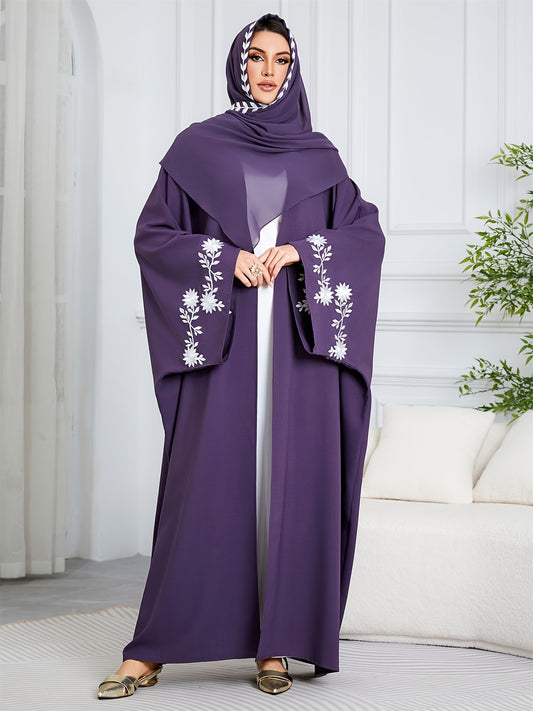
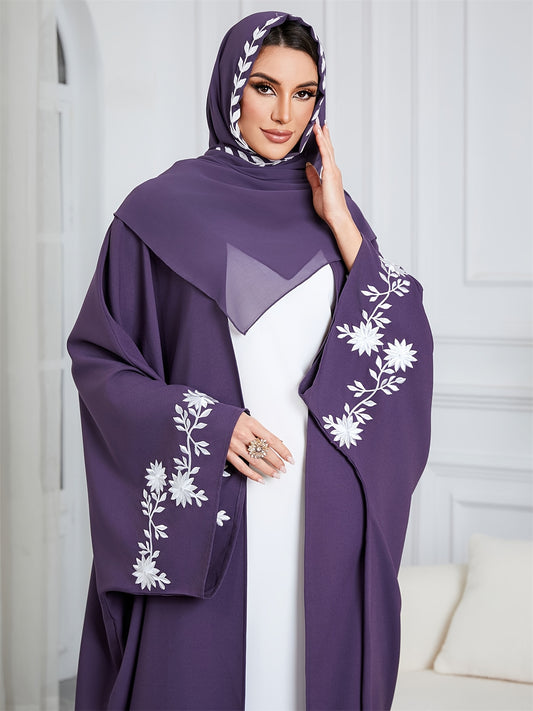
Purple & White Elegant Dubai Floral Open Abaya Hijab Set - Kaftan Dress with Batwing Sleeves, Loose Fit for Women | All Seasons, Floral Design, Texture
Regular price $193.55 USDRegular priceUnit price per$0.00 USDSale price $193.55 USD -

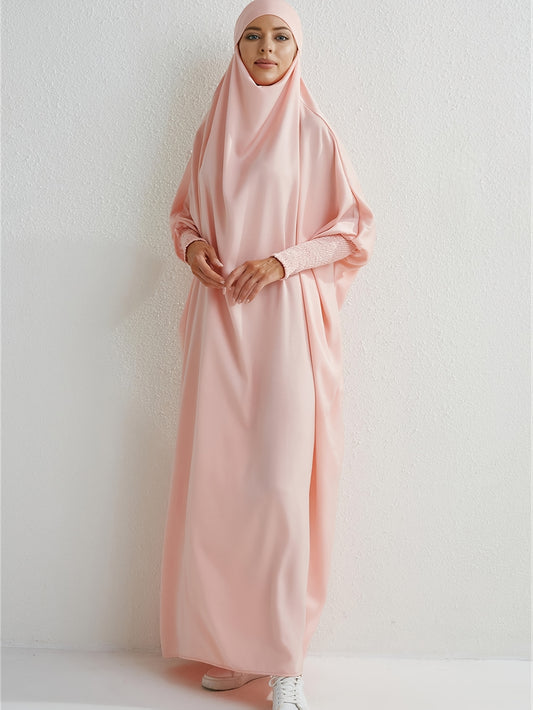
Elegant Light Pink Modesty Dress with Hijab - Women's Long Sleeve Jibab Abaya, Maxi Prayer Dress, Polyester, Non-Stretch Fabric, Machine Washable
Regular price From $168.42 USDRegular priceUnit price per$0.00 USDSale price From $168.42 USD -

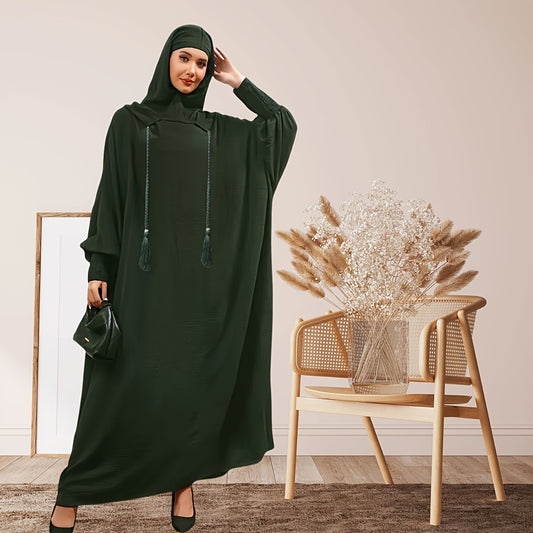
Elegant Solid Brown Crinkle Polyester Jibab Abaya with Hood - Breathable Loose Fit Women's Casual Hijab Dress for Outdoor Wear, Comfortable Wear | Flowing Garment | Smooth Texture
Regular price From $172.36 USDRegular priceUnit price per$0.00 USDSale price From $172.36 USD -

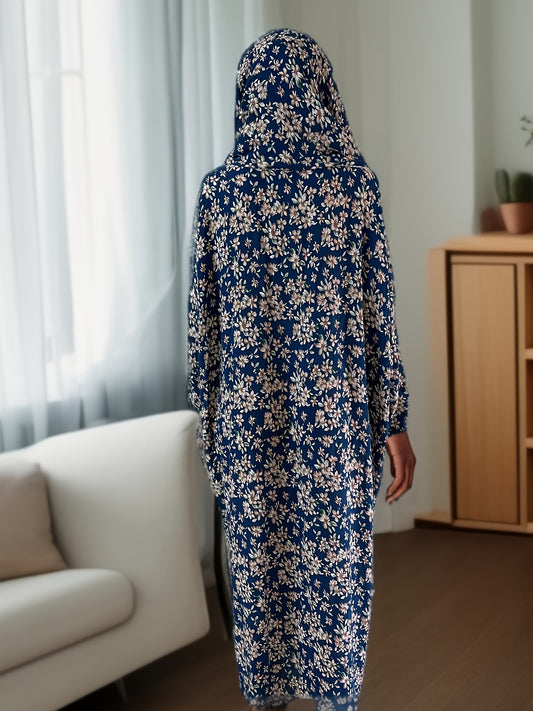
Ramadan Plus Size Floral Print Modest Jibab Abaya Dress, Modest Long Sleeve Maxi Dress With Hijab, Women's Plus Size Clothing
Regular price $168.39 USDRegular priceUnit price per$0.00 USDSale price $168.39 USD -

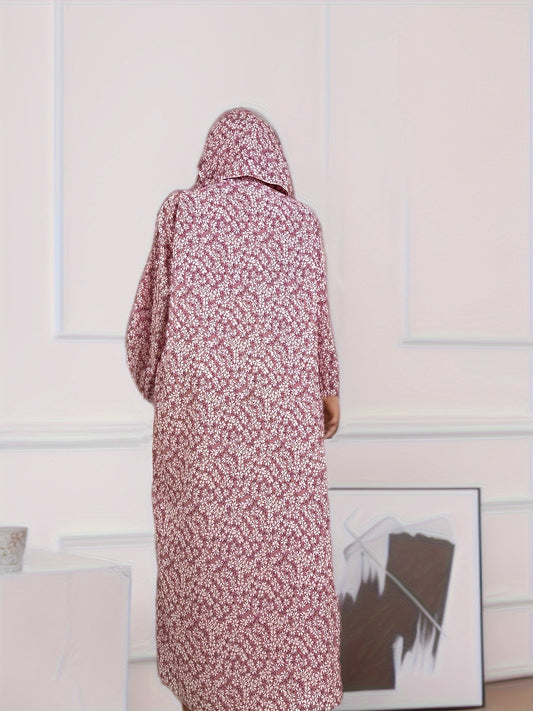
Elegant Floral Print Women's Prayer Modest Dress with Hijab Scarf - Long Sleeve Jibab Abaya, Maxi Length, Rayon Material, Pink & White Patterned Design, All-Season Wear, Religious Attire | Middle Eastern Fashion | Smooth Texture
Regular price $167.77 USDRegular priceUnit price per$0.00 USDSale price $167.77 USD -

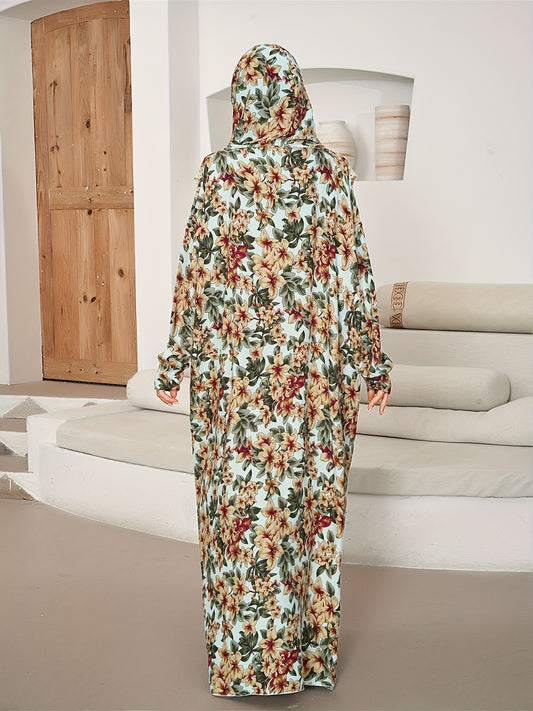
Plus Size Ramadan Floral Pattern Jibab Abaya Dress - Elegant Lace Trim, Long Sleeve, Prayer Dress with Hijab, Women's Modest Clothing for Special Occasions
Regular price $168.25 USDRegular priceUnit price per$0.00 USDSale price $168.25 USD -

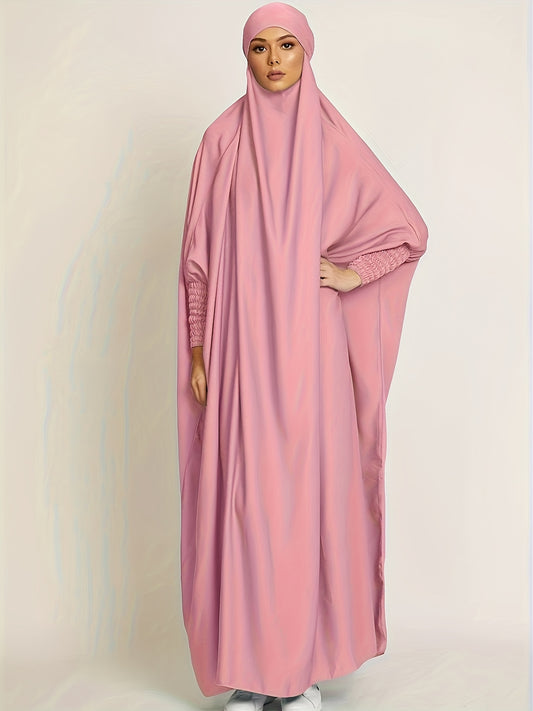
Long Sleeve Solid Color Jibab Abaya - Women's Traditional Arabian Polyester Robe with Tie Back, 95% Polyester 5% Elastane, 135g/m² - Muslim Nida Hijab Dress
Regular price From $166.89 USDRegular priceUnit price per$0.00 USDSale price From $166.89 USD -

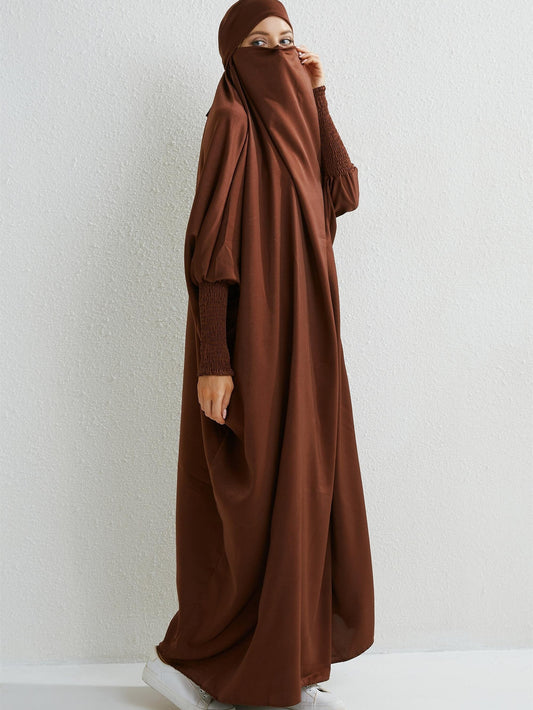
Women's Modest Jibab Abaya Dress with Hijab - Batwing Sleeves & Smocking Detail, Full-Length Prayer Robe, Islamic Clothing, Machine Washable Solid Color for Ramadan & Daily Wear, Allseason Robe, Hshaped Silhouette, Nontransparent F
Regular price From $178.01 USDRegular priceUnit price per$0.00 USDSale price From $178.01 USD -

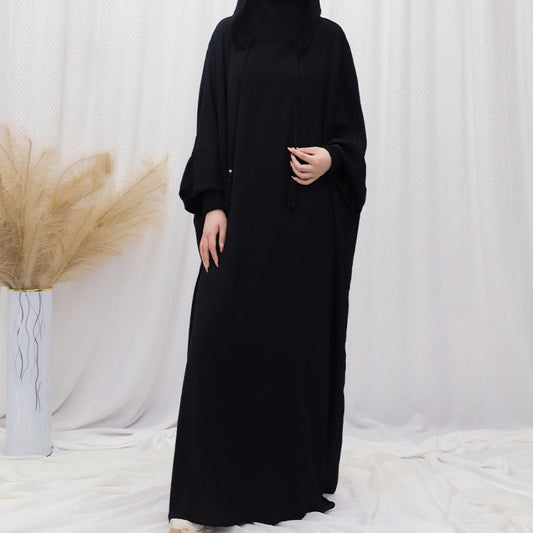
Women's Islamic Prayer Dress & Modest Jibab Abaya - Soft Pink (Pastel) Full Coverage Hijab Robe with Sleeves, for Ramadan, Travel, Daily Prayer - Muslim Kaftan, Muslimah Clothing, Modestwear Outfit, Elegant Drape, Breathable Fabric
Regular price $190.41 USDRegular priceUnit price per$0.00 USDSale price $190.41 USD -

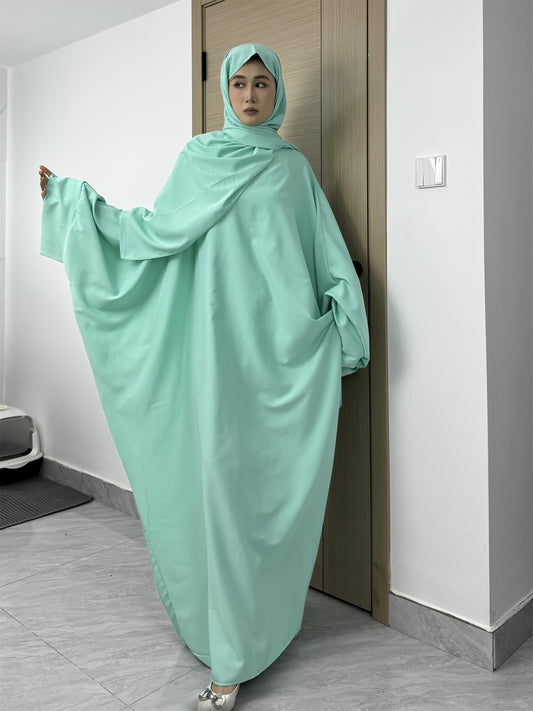
Set of 2 Muslim Jibab Abaya Dresses Featuring a Crew Neck And Batwing Sleeves, Including Hijabs, Designed for Women. These Loose-Fitting Maxi Dresses Are Suitable for Prayer And Everyday Wear.
Regular price From $178.01 USDRegular priceUnit price per$0.00 USDSale price From $178.01 USD -

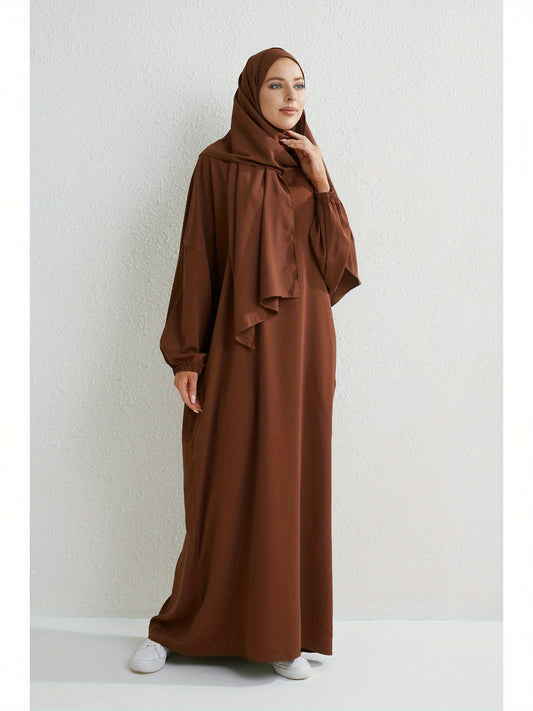
Elegant Islamic Hijab Dress for Women - Kaftan Style with Headscarf, Modest Middle Eastern Long Skirt Jibab Abaya, Loose Fit H-Silhouette, Long Sleeve Asymmetrical Hem, Solid Color Beige, Machine Washable for Ramadan Prayer & All Occasio
Regular price From $175.44 USDRegular priceUnit price per$0.00 USDSale price From $175.44 USD -

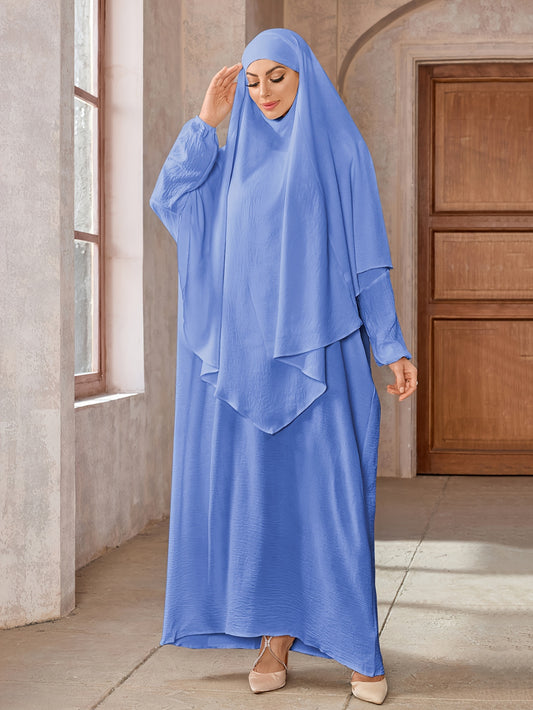
Plus Size Simple Solid Maxi Jibab Abaya, Modest Long Sleeve Dress With Hijab, Women's Plus Size Clothing, Two-piece set
Regular price $184.62 USDRegular priceUnit price per$0.00 USDSale price $184.62 USD


About Hijab Dress For Women
The Elegance And Purpose Of Hijab Dresses
The Timeless Role Of Hijab Dresses
Hijab dresses embody both modesty and grace, merging cultural heritage with evolving trends in global fashion. More than just garments, they are an expression of identity, spirituality, and personal style. From flowing silhouettes that emphasize movement to contemporary cuts that blend tradition with modern tailoring, hijab dresses allow women to embrace their values while feeling confident and stylish. Their adaptability across different occasions—whether everyday wear, professional settings, or formal events—demonstrates their importance as versatile staples in a woman’s wardrobe.
The Evolution Of Modest Dressing
The history of hijab-inspired attire stretches back centuries, with early examples rooted in cultural and religious traditions across the Middle East and beyond. Over time, modest fashion has evolved to reflect the aesthetics of each era. Today, hijab dresses incorporate influences from global runways while retaining their foundational purpose of modesty. This evolution demonstrates how fashion adapts while maintaining cultural continuity. Women around the world now see hijab fashion not only as a spiritual expression but also as an avenue for creativity, empowerment, and inclusivity.
Design Principles That Define Hijab Dresses
Designing a hijab dress involves balancing modest coverage with flattering structure. Several design elements stand out:
-
Length And Flow: Most hijab dresses extend to the ankles, allowing elegance in movement while ensuring coverage.
-
Sleeve Variations: From fitted long sleeves to balloon and bishop styles, designers play with volume while respecting modest proportions.
-
Necklines: High necklines are common, avoiding deep cuts while incorporating creative collars, pleats, or embroidery for interest.
-
Waist Emphasis: Belts, ties, or empire cuts are often used to provide definition without compromising modesty.
These elements combine to create silhouettes that are both dignified and fashionable.
Materials That Elevate Comfort And Aesthetics
Fabric choice is critical in hijab dresses, influencing both comfort and appearance:
-
Cotton And Jersey: Breathable and lightweight, ideal for everyday wear.
-
Chiffon And Georgette: Flowing fabrics that create an elegant drape for formal occasions.
-
Silk And Satin: Luxurious options that add shine and refinement for evening events.
-
Crepe And Linen: Structured yet comfortable, balancing formality with practicality.
Designers often blend these materials to balance wearability with aesthetics, ensuring dresses remain comfortable across climates and seasons.
Color Psychology In Hijab Fashion
Color choices in hijab dresses extend beyond style—they communicate personality and occasion. Black remains timeless, signifying elegance and formality. White and cream reflect purity and are often chosen for celebrations. Jewel tones like emerald, sapphire, and ruby convey confidence and grandeur. Softer pastels express femininity and subtlety, making them popular in spring and summer. Designers often introduce seasonal palettes, allowing women to align their wardrobe with both tradition and contemporary fashion.
Cultural Significance And Global Adaptation
Hijab dresses carry cultural resonance across regions. In the Middle East, abaya-inspired designs remain central to daily attire, often enhanced with modern embellishments. In South Asia, modest maxi dresses and long tunics reflect traditional aesthetics while blending with hijab styling. In Western countries, hijab fashion has become a growing industry, serving women who wish to integrate modesty into their contemporary lifestyles. The global adoption of hijab dresses demonstrates their universality, transcending cultural lines to become part of mainstream fashion dialogues.
Functionality Beyond Aesthetics
Practicality is an integral feature of hijab dresses. They provide freedom of movement without compromising on coverage, making them suitable for professional, educational, and social environments. Many dresses include hidden zippers or button plackets for ease of wear, pockets for functionality, and wrinkle-resistant fabrics for travel-friendly use. The focus on functionality ensures that hijab dresses meet the needs of women navigating busy modern lives.
Styling Hijab Dresses For Different Occasions
One of the most appealing aspects of hijab dresses is their adaptability:
-
Workwear: Structured crepe dresses paired with tailored blazers project professionalism.
-
Casual Outings: Jersey maxi dresses layered with denim jackets balance modesty with ease.
-
Evening Events: Satin or chiffon dresses with embellishments create regal aesthetics.
-
Religious Gatherings: Simple monochrome dresses emphasize spirituality and humility.
These styling approaches allow women to transition smoothly from one role to another, ensuring their wardrobe is both practical and expressive.
The Role Of Fabulive In Modern Hijab Fashion
As modest fashion gains prominence, Fabulive has positioned itself as a platform that curates hijab dresses with both cultural authenticity and modern relevance. Their collections reflect global influences, blending traditional cuts with contemporary palettes and details. By sourcing ethically and focusing on premium quality, Fabulive ensures that customers receive garments that embody both elegance and durability. This focus makes the brand a trusted name for women who view fashion as a reflection of identity and empowerment.
Craftsmanship, Styling Mastery, And Global Relevance
The Craft Of Hijab Dress Design
Every hijab dress begins with thoughtful design. Unlike standard dresses, these garments require a heightened attention to proportion, drape, and flow. Designers must ensure coverage while retaining elegance. Pattern-making often starts with full-length silhouettes, adjusted with darts, seams, or pleats to provide structure. Embroidery, beadwork, or lace inserts are then carefully positioned to add character without disrupting modesty. The process demands an awareness of cultural nuances and global style trends, creating pieces that are both respectful and contemporary.
Textile Innovations In Modest Fashion
In recent years, textile innovation has transformed hijab dresses. Performance fabrics such as wrinkle-resistant crepe, moisture-wicking jersey, and stretch-enhanced blends now complement traditional silks and chiffons. These innovations meet the practical needs of women who balance busy lifestyles with style. Breathable fabrics for warm climates, lined satins for colder evenings, and sustainable options like organic cotton reflect how the industry responds to modern demands. This marriage of technology and tradition strengthens the appeal of hijab dresses in global fashion.
Regional Interpretations Of Hijab Dresses
The hijab dress is not a monolith; it takes unique forms across regions:
-
Middle East: Flowy abaya-style dresses dominate, often adorned with intricate embroidery or crystals.
-
South Asia: Long maxi dresses with subtle prints reflect local textile traditions.
-
Europe: Designers integrate minimalist cuts, favoring muted palettes and architectural silhouettes.
-
North America: Hijab dresses often mix modest structure with contemporary layering for urban versatility.
These interpretations prove the garment’s ability to adapt without losing its core identity.
The Symbolism Of Modest Dressing
For many women, hijab dresses are more than fashion—they symbolize self-respect, spirituality, and empowerment. The modest cut allows women to focus attention on personality and achievements rather than physical appearance. This sense of identity has been widely celebrated in the global modest fashion movement, where empowerment comes from choosing attire that reflects both belief and individuality.
Hijab Dresses In Global Fashion Weeks
Modest fashion has gained recognition on prestigious runways. Designers showcase hijab dresses alongside mainstream collections, proving their relevance beyond niche markets. From Dubai Modest Fashion Week to London’s inclusive catwalks, the presence of hijab-inspired attire highlights growing demand. Celebrities and influencers amplify the movement, showcasing how modesty and high fashion coexist seamlessly.
Pairing Accessories With Hijab Dresses
Styling goes beyond the dress itself. Accessories play a defining role in completing the look:
-
Scarves And Shawls: Coordinating hijabs in complementary or contrasting colors create harmony.
-
Belts: Subtle waist belts introduce definition without altering modesty.
-
Jewelry: Minimalist earrings or bracelets enhance elegance without overwhelming.
-
Footwear: Flats for casual comfort, heels for evening sophistication.
These elements allow women to personalize hijab dresses according to mood, event, or cultural preference.
Sustainability In Modest Fashion
The modest fashion sector increasingly embraces sustainability. Eco-friendly fabrics, fair-trade practices, and reduced-waste production are now priorities. For buyers, hijab dresses crafted with these principles represent not just style but responsibility. Platforms like Fabulive emphasize sustainability, ensuring women make ethical choices without sacrificing beauty. This reflects a broader global shift where fashion aligns with environmental and social consciousness.
Breaking Stereotypes Through Style
Hijab dresses challenge misconceptions about modest fashion being restrictive. Contemporary designs prove they are versatile, stylish, and empowering. By integrating modern cuts, vibrant palettes, and creative embellishments, designers showcase modest dressing as dynamic and aspirational. This evolution changes narratives, positioning hijab fashion as both relevant and desirable worldwide.
Care, Investment Value, And Buyer’s Guide
Caring For Hijab Dresses
Proper care ensures longevity and continued elegance:
-
Washing: Use mild detergents and cold water to preserve delicate fabrics.
-
Ironing: Steam or low-heat ironing prevents fabric damage.
-
Storage: Hanging dresses with protective covers prevents wrinkles and fading.
-
Occasional Professional Cleaning: Especially for embellished or silk dresses, professional care ensures preservation.
These practices extend the life of garments, making them worthy long-term wardrobe investments.
Adapting To Different Climates
Hijab dresses are remarkably versatile across climates. In hot regions, breathable cottons and chiffons provide comfort. In colder climates, layering with cardigans, coats, or wool-blend fabrics adds warmth. Designers often release seasonal collections, ensuring women remain stylish and comfortable year-round.
FAQs About Hijab Dresses
-
Are hijab dresses only for formal events?
No, they are designed for daily wear as well as special occasions, depending on fabric and style. -
Can hijab dresses be tailored?
Yes, tailoring ensures perfect fit while preserving modesty. -
How do I choose the right color?
Skin tone, personal preference, and occasion should guide selection. -
Do hijab dresses require specific hijabs?
Not necessarily. They can be paired with any scarf style, from chiffon wraps to jersey hijabs. -
Are hijab dresses suitable for travel?
Yes, wrinkle-resistant fabrics make them convenient for frequent travelers.
The Long-Term Value Of Hijab Dresses
Unlike fast fashion, hijab dresses hold long-term value through quality, versatility, and timelessness. They adapt to different phases of life, remain elegant across seasons, and often serve as heirlooms. The emotional value is equally significant, as they represent identity and empowerment. Investing in high-quality hijab dresses ensures durability and continued relevance in evolving fashion landscapes.
Why Choose Fabulive’s Hijab Dresses
Fabulive’s collection represents the pinnacle of modest fashion curation. Each dress combines authenticity with contemporary appeal, ensuring women feel both elegant and empowered. By supporting sustainable practices and highlighting artisanal craftsmanship, Fabulive delivers pieces that embody both style and substance. For women seeking reliable elegance, their hijab dresses stand as symbols of refinement and confidence.
The Future Of Modest Fashion
The global modest fashion industry is poised for continued growth. As inclusivity becomes central to fashion, hijab dresses will remain in demand across markets. Designers will experiment with hybrid styles, sustainable innovations, and digital retail strategies to meet evolving consumer expectations. Yet, the essence of hijab dresses—modesty, identity, and elegance—will remain unchanged, anchoring their timeless relevance.
Customer Reviews
• “The dress I bought from this collection was elegant and lightweight—perfect for my work events.” – Sarah, USA ⭐⭐⭐⭐⭐
• “I love how the fabric feels luxurious yet breathable. Truly versatile.” – Amina, UAE ⭐⭐⭐⭐
• “The tailoring is impeccable. It flows beautifully and makes me feel confident.” – Leila, UK ⭐⭐⭐⭐⭐
• “I wore my hijab dress to a wedding, and it was both modest and glamorous.” – Sofia, Italy ⭐⭐⭐⭐⭐
• “Perfect for travel. The fabric resists wrinkles, which is exactly what I needed.” – Mariam, Canada ⭐⭐⭐⭐
• “Stylish yet practical. I wear it casually and for formal dinners.” – Fatima, Saudi Arabia ⭐⭐⭐⭐⭐
• “The craftsmanship is evident—high-quality stitching and thoughtful details.” – Yasmin, Australia ⭐⭐⭐⭐
• “Fabulive really delivers on modest fashion. This dress blends tradition and modernity.” – Hannah, Germany ⭐⭐⭐⭐⭐
• “I appreciate the sustainable fabrics. It feels good knowing my purchase supports ethical practices.” – Noor, France ⭐⭐⭐⭐⭐
• “The design is timeless, and I’ve already received so many compliments.” – Zarah, USA ⭐⭐⭐⭐