
-
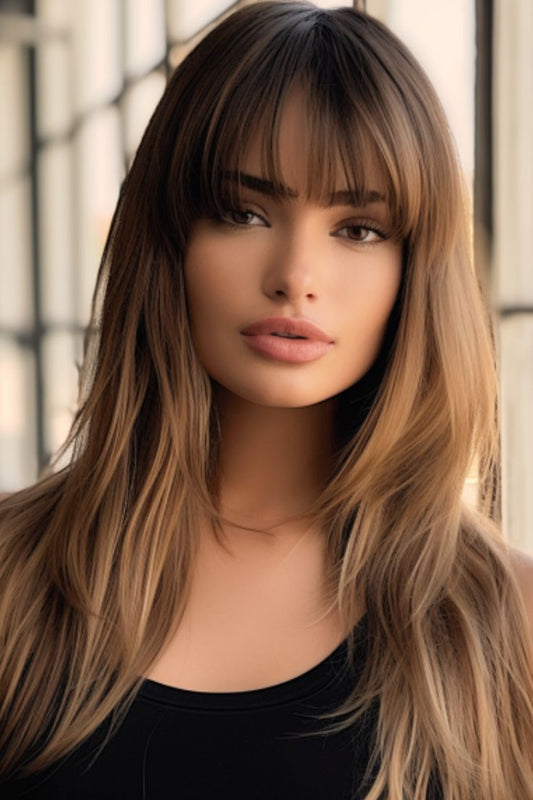
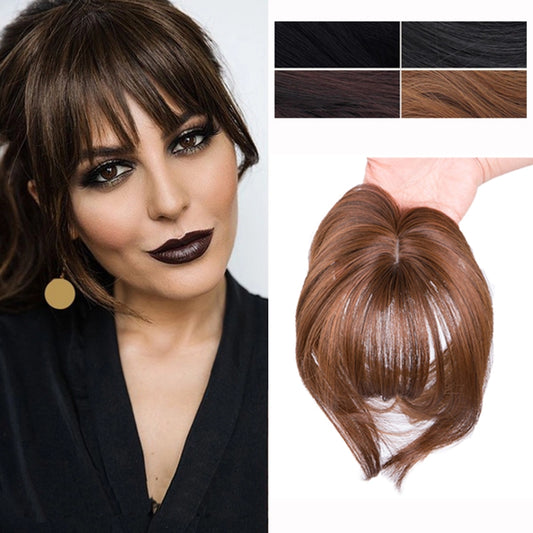
Brown Hair Fringe Clip Bangs
Regular price $105.99 USDRegular priceUnit price per -
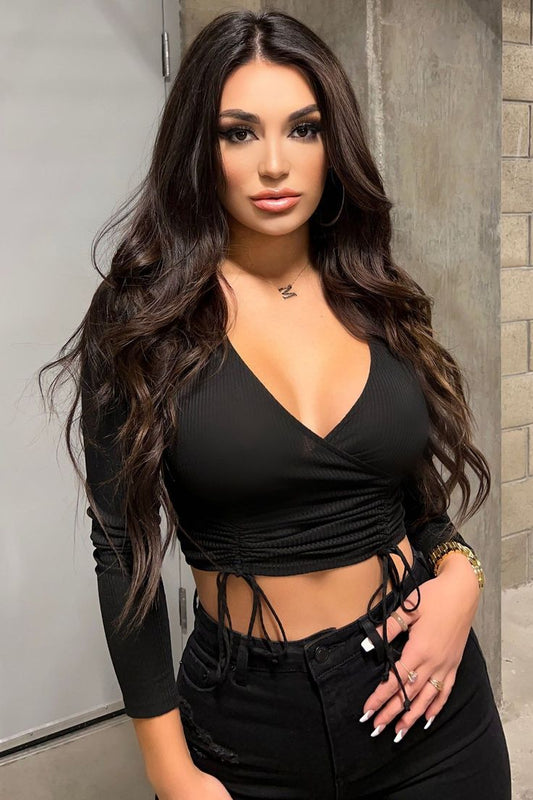
Brown Wavy Hair Extensions
Regular price $385.99 USDRegular priceUnit price per -
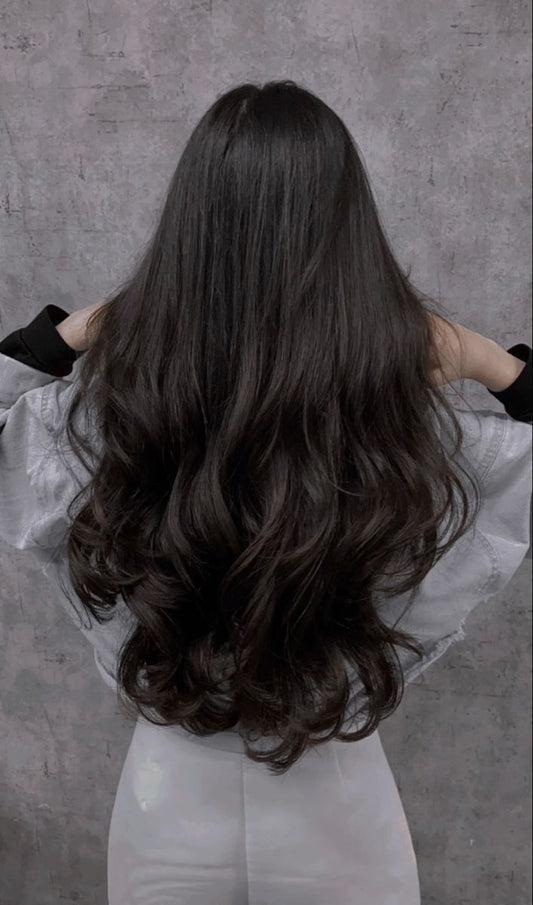
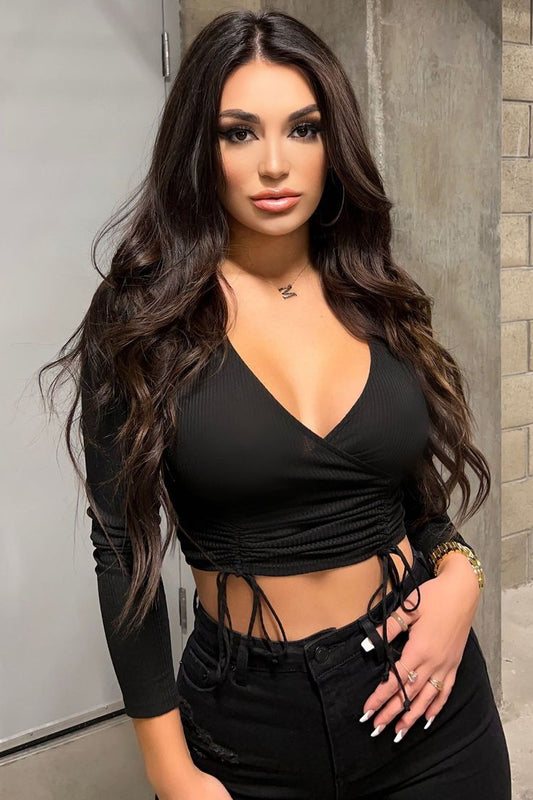
Black Wavy Hair Extensions
Regular price $345.99 USDRegular priceUnit price per -
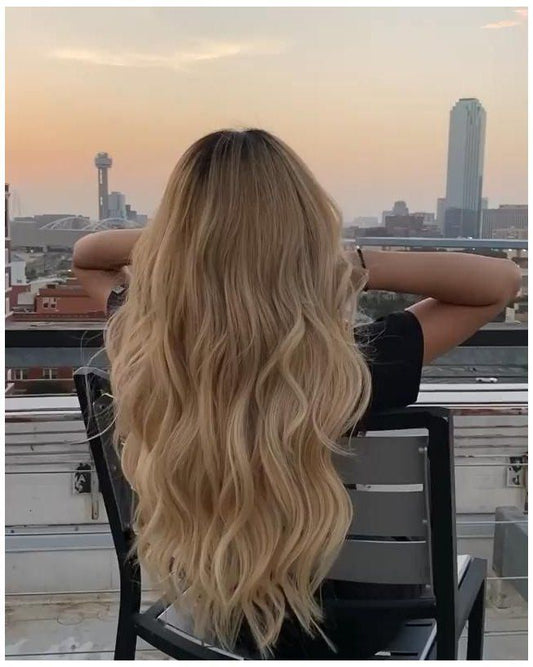
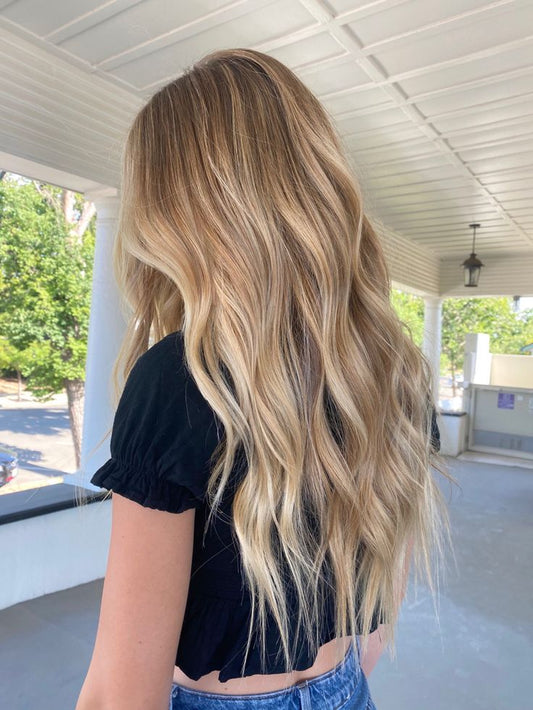
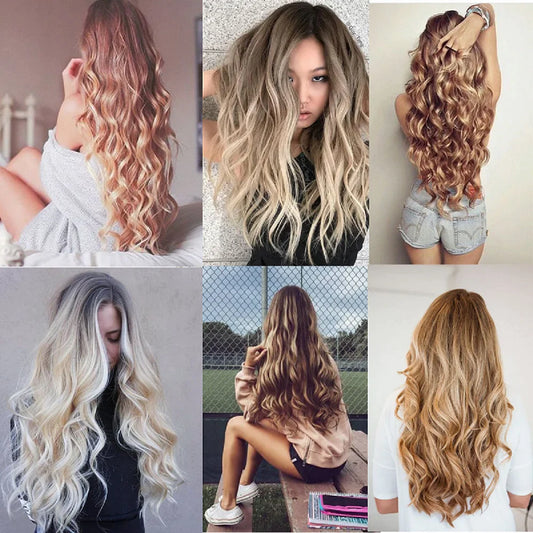
Synthetic Wavy Ombre Blonde Clip Extension
Regular price $87.99 USDRegular priceUnit price per
Beach Waves Hair Extensions
Beach waves are the hairstyle that always looks like you have more time than you do: soft movement, natural volume, and a finish that feels lived-in instead of “set.” This collection is for anyone who wants that relaxed texture on demand—whether your natural hair drops curl quickly, your ends look thin, or you simply prefer a polished look that still reads effortless in daylight. Below you’ll find a complete decision guide: how to choose the right wave pattern, pick a shade that blends, style for everyday and events, and keep the texture looking fresh for the long run. To explore the brand’s full world of textures and tones, start with Fabulive’s official online store for hair.
What this collection is and who it’s for
Beach waves hair extensions are textured extensions designed to mimic the kind of wave pattern people naturally love: slightly irregular bends, airy movement, and volume that doesn’t look heavy. Unlike pin-straight extensions that demand perfect blending (because every line is visible) or tight curls that require precise curl matching, beach waves sit in the sweet spot. They’re textured enough to disguise small transition points, yet relaxed enough to blend across many hair types—straight, wavy, and even loosely curly hair when styled thoughtfully.
This collection tends to fit best if you want:
- Volume that shows up in real life, not just in salon lighting.
- Length that still looks believable with your haircut shape.
- A texture that flatters most face shapes by softening the frame.
- A style that looks good in motion and in photos.
- One versatile texture you can wear casually or elevate for events.
Beach-wave extensions are also a strong choice for first-time extension wearers because texture is forgiving. Movement helps hide minor differences in density and makes it easier for your natural hair and extensions to “behave” like one unit. If you’re comparing multiple extension categories before committing, the most efficient way is to browse a single hub that shows everything by type, weight, and finish—use the complete hair extensions collection hub to see what aligns with your goals.
Why this category matters now (freshness, trends, real-life use)
Trends change, but the underlying direction in hair has stayed consistent: people want realism. That means touchable movement, dimensional texture, and styles that look “right” in the environments that matter—daylight, office lighting, camera flash, and candid angles. Beach waves support that realism because they’re not meant to be perfect. A little irregularity is the point, which makes them forgiving when life happens: humidity, coat collars, commuting, and the inevitable “I touched my hair too much” moments.
Beach waves also matter because they solve a common styling frustration: many people can create waves, but fewer can create the density that makes waves look expensive. If your ends are thin, waves can look stringy; if your mid-lengths lack body, the style can collapse by mid-day. Adding textured density in the right places makes the look hold its shape longer and photographs better without needing a heavy-handed product routine.
And because beach waves can be worn in multiple style “languages,” they’re incredibly efficient. The same set can read casual with a center part and air-dried softness, romantic with a braid and face framing, or glam with a brushed-through finish. In other words: this isn’t a one-look category. It’s a foundation texture you can interpret in different ways.
How to choose the right option (Decision Framework)
Decision Framework
Use this short, repeatable framework before you buy. It’s designed to reduce the two most common disappointments: choosing the wrong coverage (too little or too much) and choosing a shade/finish that doesn’t match your real-life lighting.
- Goal → Length, volume, or both?
- Shade/undertone → Match mid-lengths in daylight first, then confirm indoors.
- Texture/finish → Choose a wave size that matches your lifestyle and styling habits.
- Construction/type → Pick what feels comfortable for your wear time and routine.
- Weight/coverage → Enough density to look intentional through the ends.
- Occasion/frequency → Daily wear vs event wear requires different priorities.
- Care tolerance → How much detangling, washing, and storage discipline is realistic?
- Budget/value → Prioritize realism, feel, and longevity over extremes.
How to choose beach-wave extensions for thin hair right now
If your hair is fine, the most natural look usually comes from controlled coverage, not maximum density. Too much hair can create a visible shelf where your natural hair ends, because fine hair struggles to “carry” added weight at the seam. A softer wave pattern helps, because it blends with minimal styling and creates visual fullness without requiring heavy density. For thin hair, placement is everything: let your natural top layer remain the cover, and use extensions to build fullness underneath—especially through the lower half where beach waves look the most natural.
What beach waves look most natural in daylight
Daylight exposes undertone and shine more than most people expect. The most believable beach waves have subtle variation: bends that aren’t identical from strand to strand and a finish that reflects light softly rather than looking glassy. If extensions look too shiny, they can appear separate from your natural hair even when the shade match is strong. The goal is a cohesive finish across your natural hair and extensions so everything reads as one head of hair in natural light.
How many pieces or units do you actually need
Instead of guessing, decide based on outcome. If you want a subtle boost, fewer pieces placed strategically can look more realistic than stacking a lot of hair high on the head. If you want length plus volume, you need enough coverage to prevent gaps when hair shifts during the day. A useful check is your “end thickness”: if your natural ends look sparse, you’ll need added density through the lower half so the wave pattern doesn’t collapse into thin sections.
How to pick the right weight and coverage without overbuying
Weight is the simplest shortcut to predictable fullness. Many shoppers prefer choosing by grams because it’s easier to visualize how dense the final look will be. If you want a benchmark for balanced volume that supports fuller-looking ends, explore 100g hair extensions for balanced, everyday fullness and compare that level of coverage to your natural density.
Best option for daily wear vs special occasions
Daily wear favors comfort, speed, and repeatability. You want something you can install and blend without turning your morning into a project. Special occasions allow for more drama—longer lengths, fuller volume, and more time spent refining the finish—because wear time is shorter and the goal is impact. If you want one set that covers both worlds, choose based on daily comfort first and learn event-level styling techniques second. Technique can elevate a comfortable set; discomfort rarely becomes wearable with practice.
How to match undertones without overthinking it
Start in daylight and identify whether your hair reads warm, cool, or neutral. Warm hair leans honey, caramel, and golden tones. Cool hair leans ash, beige, and smoky tones. Neutral sits in the middle and can shift depending on lighting and makeup. Match overall temperature first, then refine depth. In wavy textures, mid-length matching is more important than root matching because that’s where blending is most visible.
How to choose a wave pattern that won’t feel high-maintenance
The more defined the wave, the more your natural hair has to cooperate and the more careful you need to be with detangling and storage. If you want lower maintenance, choose a looser beach wave that still looks natural if the pattern relaxes during the day. If you love defined waves, plan for more consistent refresh habits. Your best match is the wave that fits your lifestyle, not the wave that looks most dramatic on a product photo.
What to do if the blend line shows
If a seam line appears, it’s usually a quick fix rather than a failure. Most seam visibility comes from one of three issues: placement too high, mismatched wave direction at the seam, or mismatched shine. Move the extensions slightly lower, style one natural section and one extension section together near the transition, and soften shine with lightweight texture products brushed through. The goal is for hair to move like one unit; once movement aligns, the line becomes difficult to spot.
Shade, undertone, and finish selection
Color matching is where beach-wave extensions go from “nice” to “undetectable.” Because waves catch light along every bend, undertone differences show more clearly than they do in straight styles. Your target isn’t perfection under every possible light source; it’s harmony in the lighting you actually live in—daylight, indoor lighting, and photos.
Start with mid-lengths. If your hair has dimension—highlights, lowlights, a root melt—extensions that echo that dimension tend to blend better than a flat single tone. If your hair is mostly one shade, a well-matched single tone can still look seamless as long as undertone is right and shine level is similar.
How to match dimension so it looks expensive, not stripey
Dimension should look like it belongs to the hair, not painted on top of it. In waves, harsh contrast can repeat visually and look stripey. The most premium-looking dimension is gradual: a soft shift that follows movement and catches light naturally as the hair bends. When in doubt, prioritize a cohesive “color story” over exact strand-by-strand matching.
How to choose brunette shades that keep wave definition visible
Darker shades can sometimes hide texture if the finish is too flat. If you’re brunette, focus on matching depth first, then undertone. A soft reflective finish helps wave definition show up without looking glossy. If your natural hair has subtle warmth, avoid overly ashy tones; if your hair is cooler, avoid overly red tones. The goal is a natural depth that looks believable from root to end.
How to choose blonde shades that won’t shift on camera
Blonde can look warmer indoors, cooler in daylight, and brassy under flash. Matching undertone matters more than matching a shade name. If you tone your hair cool, stay in cooler families; if your blonde is warm, match warmth intentionally. Because waves reflect more light than straight hair, undertone mismatches become more visible—so take the time to check in daylight.
When fashion color works (and when it doesn’t)
Fashion shades can look editorial and surprisingly wearable with beach waves because movement breaks up blocks of color. The most natural approach is usually accent placement—underlayers, peekaboo sections, or subtle face-framing pieces—especially if your natural hair isn’t dyed. When fashion color is placed where it moves naturally with the wave pattern, it looks intentional rather than costume-like.
Texture and blend strategy (category-specific)
Blend is where beach waves truly shine. The texture itself helps disguise transitions, but the most natural results still come from a few consistent principles: correct placement, wave direction alignment at the seam, and a consistent finish from top layer to ends. Think of your natural hair as the outer layer and the extensions as the support structure; when the structure is placed correctly, your natural hair covers the engineering.
How to blend with blunt haircuts (bob, blunt lob, one-length)
Blunt cuts have a clean perimeter that can expose where natural hair ends. The solution is movement at the seam. Add a gentle bend to your natural ends and make sure the extension wave begins close enough to meet it. Avoid leaving your natural hair straight while the extensions are wavy; that contrast creates the “step.” A slightly looser wave often looks most natural with blunt cuts because it dissolves the edge instead of creating a distinct wavy section below a straight line.
How to blend with layered haircuts (long layers, curtain layers, shag)
Layers are extension-friendly because they naturally hide transitions. Place extensions where layers begin to thin out, then focus on blending the mid-lengths first. Keep face framing soft and slightly looser than the back, so the front reads natural and the back reads full. If your top layers are short, avoid placing extensions too high; you want enough natural hair to cover the attachment edge comfortably.
How to blend with short hair without it looking obvious
Short hair blending is about placement and synchronization. Place extensions lower, keep enough natural hair on top to cover, and style the seam zone so your natural hair bends into the wave pattern. The first few inches below your natural ends matter most; if that zone looks cohesive, the rest will read naturally. For practical ideas that help short lengths look believable, use reasons extensions are a game-changer for short hair as a reference for placement and styling mindset.
How to blend with medium hair for the most natural “grown-out” look
Medium-length hair often yields the most undetectable outcome because you have enough natural length to cover attachments while still benefiting from added fullness. Keep the wave slightly looser near the face and slightly more defined toward the ends. This creates a believable silhouette: soft at the top, fuller at the bottom, cohesive from multiple angles.
What to do if it looks obvious in photos
If extensions look obvious on camera, the culprit is often shine or undertone rather than length. Cameras exaggerate reflectivity. Soften shine with lightweight texture products used sparingly and brushed through. Confirm undertone in daylight. Then check crown balance: if the top layer looks too flat compared to the lengths, add subtle lift at the roots of your natural hair so the silhouette looks unified in front-facing photos and candid shots.
Styling ideas (daily + event)
Beach waves are a styling base. Once texture is cohesive, you can shift the vibe by changing part placement, refining the crown, shaping face framing, and adjusting finish. The goal isn’t to create a single perfect look; it’s to build a small set of repeatable looks you can rotate without starting over every time.
Quick looks (realistic, under 10 minutes)
For everyday wear, focus on shape rather than perfection. A half-up twist keeps hair off your face while letting waves frame your features. A low ponytail looks elevated when you maintain a little crown softness and let wave texture show through the ends. For a step-by-step approach that prioritizes speed and realism, follow how to use extensions for an effortless beach-wave finish and build your routine around repeatable steps.
Photo-ready looks (movement that reads on camera)
Photo-ready doesn’t mean stiff; it means intentional. Keep the top layer smooth enough to avoid frizz halo, but avoid flattening the crown into a sleek sheet. A little crown softness reads premium. For technique-focused guidance that helps waves look cohesive from multiple angles, use how to get the perfect beach waves with extensions.
Mermaid waves for summer days and long events
Mermaid waves sit between beachy and defined: structured enough to last, fluid enough to look modern. Build waves in larger sections, let them cool fully, then separate gently with fingers for airy movement. Avoid heavy spray that makes hair stiff. For longevity-focused inspiration, explore mermaid hair ideas for beachy waves that last all day.
Heatless waves that still look intentional
Heatless styling can look incredibly natural when braid size matches the wave size you want. Loose braids create soft bends; smaller braids create more texture. Keep tension light at the roots to avoid harsh creases and focus on seam-zone consistency so natural hair and extensions meet cleanly. For a clear method you can adapt, use how to braid wet hair for natural waves.
Soft glam from a beach-wave base
Soft glam is less about tighter curls and more about polishing the crown and unifying direction around the face. Brush through gently to soften the pattern, refine the front sections, and keep ends fluid. For a fast classic shaping method you can translate into a softer finish, use a Hollywood waves tutorial for classic glam in minutes.
Red-carpet polish without losing movement
Red-carpet waves look expensive because the silhouette is balanced: smooth where it should be smooth, voluminous where it should be voluminous. Avoid over-spraying and rely on cool-down time and gentle separation. To understand what makes waves photograph like a professional finish, explore the secret behind red-carpet-ready waves and apply the principles while keeping texture relaxed.
Event styling for medium lengths (prom, parties, photos)
Medium length is a sweet spot for beach waves because it blends easily and creates a believable “grown-out” silhouette. For events, keep face framing soft, define the ends slightly more for shape, and ensure the seam zone is waved so everything moves together. If you want style structures that work well with medium lengths, reference prom hairstyle ideas for medium-length hair and adapt the silhouettes to beach-wave texture.
Accessories that look natural with waves
Accessories are easier with texture because waves hide pins and anchor points. Keep accessories near the crown or slightly off-center and let a few face-framing pieces remain loose so the look stays soft. If you want inspiration you can actually recreate, browse bandana hairstyles that pair beautifully with waves.
Care, maintenance, and longevity (category-specific)
Beach-wave extensions last longest when you treat them like textured fabric: minimize friction, avoid heavy buildup, and store thoughtfully. Most texture damage isn’t caused by styling; it’s caused by rough handling—aggressive brushing, chaotic storage, and product residue that makes strands stick together. Your goal is to preserve softness and movement so the waves continue to look natural rather than puffy.
How often should you wash beach-wave extensions
Wash only when you need to: noticeable buildup, odor, or when the hair stops moving naturally. Over-washing can dry out textured hair and make waves look fuzzy. Between wears, refresh with a light mist and scrunching, then let air dry so the wave returns gently. When you do wash, use smoothing motions instead of scrubbing motions and detangle patiently in sections.
How to detangle without breaking the wave pattern
Detangle from ends upward in small sections, supporting the hair near attachment points so you don’t pull. If you meet resistance, don’t yank—work slowly. Over-brushing stretches waves and can flatten the pattern, so keep passes minimal and focus on loosening tangles rather than creating a perfectly brushed finish. If you want softer waves, a gentle brush-through can help; if you want defined movement, detangle lightly and re-scrunch.
How to store extensions so they don’t frizz
Store hair so it doesn’t rub against rough fabrics and doesn’t get compressed into a tight ball. A loose braid or gentle twist helps preserve wave shape and reduce tangling. Storage is where many wave patterns get ruined, so treat it as part of your routine: protected hair requires less refresh work, which keeps the look soft over time.
How to refresh waves between wears
Lightly mist, scrunch, and air dry for the most natural finish. If you need heat, keep temperature low and reshape in larger sections so the pattern stays relaxed. Finish with flexible hold only if necessary and separate gently with fingers so the hair remains touchable. If waves look too perfect, a soft brush-through can make them more realistic; if they look too fluffy, reduce friction and buildup and refresh with minimal handling.
Comparing nearby categories (adjacent types and lengths)
Beach waves are versatile because they live between straight and tight curls. They’re textured enough to add body and disguise seams, but loose enough to blend across many hair types. Comparing nearby categories helps you choose with confidence—especially if you’ve tried other textures and felt they either looked too flat or too styled.
Beach waves vs straight textures
Straight extensions read sleek but reveal everything: seam lines, density differences, and undertone mismatches. Beach waves soften those edges. They’re often the safer everyday texture when you want realism without requiring perfect precision. If you like the option to switch between soft waves and more refined looks, beach waves give you that flexibility—because you can always polish them into smoother glam, but you can’t always make straight hair look naturally textured without extra work.
Beach waves vs tighter curls
Tighter curls can be stunning but require more exact matching between your natural curl pattern and the extension curl pattern. Beach waves are more adaptable: a soft bend in your natural hair near the seam is often enough to create cohesion. That makes them beginner-friendly and also ideal for people whose natural texture is inconsistent from one area of the head to another.
Shorter vs longer: how length changes wave behavior
Longer lengths can loosen waves under their own weight and increase friction against clothing. That can be beautiful if you love very relaxed movement, but it requires better storage and more consistent detangling. Shorter lengths can hold wave definition longer with less refresh work, but may require more careful blending if your natural hair is very short. If you’re curious about keeping long lengths voluminous and wavy rather than stringy, use a guide to styling 24-inch extensions for volume and waves and apply the volume logic to beach-wave texture.
Construction comparison: when seamless feel matters
If you’re sensitive to bulk or you prefer a flatter profile at the root area, construction becomes a deciding factor—especially with fine hair or when you wear your hair tucked behind your ears. A lower-profile construction can improve comfort and confidence even when hair is worn down. If you’re comparing options that emphasize a seamless wear experience, explore 6D hair extensions for a more seamless-feel result.
Featured picks and use-case recommendations (product-based)
The easiest way to shop is to start with your use case: quick daily wear, dramatic length, or a format that supports consistent styling. The picks below are framed by real-life outcomes so you can match the product to your routine instead of hoping your routine will adapt to the product.
Use-case pick: quick, wearable beach waves for everyday
If you want a fast transformation that still looks natural, choose a wavy clip-in option that blends with minimal effort. It’s ideal for weekends, dinners, trips, and content days when you want beach texture without committing to longer wear. Consider 20-inch wavy clip-in extensions for effortless daily movement.
Use-case pick: dramatic length for statement beach styling
When your goal is unmistakable length, the styling strategy changes: larger sections, softer brush-through, and a relaxed finish that avoids a too-uniform curl. Longer lengths look best when they move naturally and don’t feel stiff. For high-impact length potential, explore extra-long Brazilian Remy hair for dramatic beach-wave styling.
Use-case pick: start smooth, build your own wave pattern
If you prefer controlling wave direction and size—especially if your natural hair is straight or you rely on heatless methods—a smooth base can be the most practical choice. It lets you create waves that match your hair rather than forcing your hair to match a preset texture. Consider straight Remy tape-in hair for customizable wave results.
Use-case pick: lightweight volume that still looks substantial
If you’re sensitive to weight or want a subtle upgrade that doesn’t overwhelm fine hair, lighter coverage can still look full because beach texture creates visual density. For lightweight fullness that supports soft waves, consider 50g Brazilian Remy tape-ins for lightweight, natural-looking volume.
Use-case pick: comfortable everyday wear with consistent styling
If you wear extensions often, the best value is comfort and predictability. You want hair that feels secure and behaves consistently. For a daily-friendly option designed for routine styling, consider Brazilian human hair tape-ins for comfortable everyday use.
Use-case pick: flexible styling across multiple wave moods
If you like rotating looks—looser waves some days, slightly more refined bends on others—choose hair that can handle variation without requiring heavy product. For a flexible option you can style in different ways, consider 50g tape-in human hair for flexible beach-wave finishing.
Buying guidance and common mistakes to avoid
Most disappointment with extensions is predictable: the wrong undertone, too much density placed too high, or a styling plan that doesn’t match real life. Use the points below as a final checklist before you purchase and before you style for the first time.
Mistake: choosing color in indoor lighting only
Indoor lighting can flatten undertones and hide contrast differences. Confirm shade in daylight when possible and match overall temperature first. If your hair has dimension, a subtle blend often looks more believable than a flat tone because waves naturally create light and shadow.
Mistake: buying maximum density instead of strategic fullness
More hair isn’t always more natural. Excess density can make the crown bulky and widen your silhouette. Choose enough coverage to make ends look full, then build volume through placement and wave technique rather than sheer quantity.
Mistake: expecting volume without structure
Volume comes from placement, wave structure, and cool-down time—not just adding hair. If you want fuller waves that look thick rather than puffy, study techniques to enhance volume with clip-in extensions and apply the placement logic even if you’re using a different construction type.
Mistake: using inspiration that doesn’t match your density
Some celebrity hair moments are built on extremely high density and professional finishing. Instead of chasing identical thickness, borrow transferable details: part placement, face framing, and wave direction. For a practical reference library, explore celebrity hairstyles that show how wave placement changes the silhouette and translate the shape to your own hair type.
FAQ
Do beach-wave hair extensions look natural on straight hair?
Yes—especially if you add a soft bend to your natural hair near the seam so both textures meet smoothly. Beach waves are forgiving because the movement disguises small blending differences better than pin-straight styles. For the most believable result, align wave direction around the face and keep the crown softly polished.
How do I choose the right length for beach waves?
Choose length based on your lifestyle as much as your aesthetic. Moderate lengths often hold wave definition with less work, while long lengths can loosen under their own weight and require more careful storage. The right length is the one that still looks good after a full day of movement and friction from clothing.
Will beach-wave extensions tangle more than straight extensions?
They can, because texture increases friction between strands. Gentle detangling, minimal product buildup, and thoughtful storage make the biggest difference. Many tangling issues are caused by dryness and rubbing against scarves and collars rather than the wave pattern itself.
How can I make beach waves last longer through the day?
Let waves cool fully before touching them and rely on flexible hold rather than heavy spray. Avoid constantly running your hands through the hair, which stretches the wave pattern. For refresh, a light mist and scrunch with air drying often looks more natural than adding more product.
What if my extensions look shinier than my natural hair?
Shine mismatch is one of the most common reasons extensions look obvious. Use lightweight texturizing product sparingly and brush through to soften reflectivity. Avoid heavy oils that create a uniform sheen, especially if you’ll be in bright daylight or flash photography.
How do I prevent a visible step where my hair ends?
Style one natural section and one extension section together at the seam so they move like one unit. If the seam still shows, adjust placement lower and ensure your natural top layer covers the attachment edge. In beach-wave textures, the transition should dissolve into movement rather than forming a straight boundary.
Are beach waves a good choice for short hair transformations?
Yes. Texture makes blending easier, and beach waves hide seams more effectively than straight finishes. The key is lower placement, consistent wave direction near the seam, and enough natural top layer to cover the attachment edge comfortably.
Can beach-wave extensions be worn for formal events?
Absolutely. Beach waves can be elevated by polishing the crown and refining face framing while keeping movement through the lengths. They often read more modern than tight curls because the hair still appears touchable and fluid in photos.
How do I maintain softness without making waves heavy?
Use lightweight products sparingly on mid-lengths and ends. Heavy creams and oils can weigh down waves and increase buildup, leading to tangling and dullness. Softness comes from gentle handling, smart storage, and minimal friction more than product layering.
How do I decide between a single-tone shade and a dimensional blend?
If your hair has highlights, balayage, or sun-kissed variation, a dimensional blend typically looks more natural because it mirrors your existing color story. If your hair is mostly one tone, a well-matched single shade can look seamless—just confirm undertone in daylight.
How many weeks can beach-wave extensions stay looking good?
Longevity depends on handling and care tolerance. Extensions that are detangled gently, stored thoughtfully, and refreshed with minimal product usually maintain softness longer. Extensions that experience friction, heavy buildup, or rushed detangling tend to lose wave definition and look rough sooner.
Related collections (reinforces silo and click paths)
If you want to keep browsing within a clean hair-extension silo—especially by color story and dimension—these related collections help you compare tones that complement beach-wave texture:
- dimensional balayage blends for natural wave depth
- blonde shades for bright, beachy wave looks
- brown tones for soft, believable brunette blending
- black shades for cohesive, high-contrast styling
- blue accents for subtle statement placement
Browsing the collection
Beach waves remain the most wearable texture because they’re flattering, forgiving, and adaptable. When you choose with clarity—goal, undertone, wave size, coverage, and care tolerance—the result can look like your natural hair on its best day: fuller ends, softer movement, and a silhouette that photographs beautifully. If you’re ready to shop with intention and build a wave look that fits everyday life as well as your biggest moments, browse beach waves hair extensions for relaxed, natural movement and choose the option that matches how you actually wear your hair.