
-

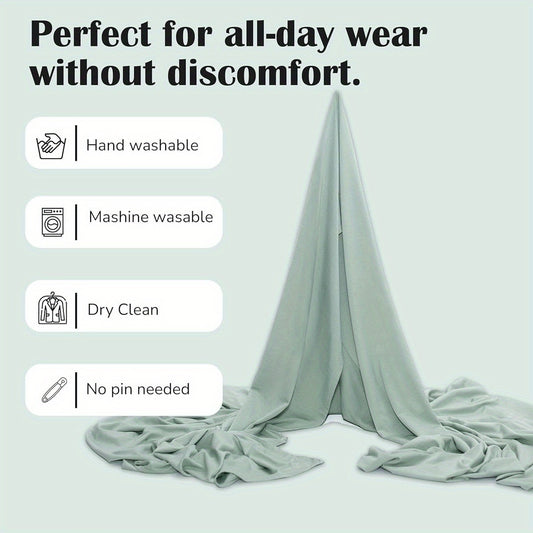
Zari Hijabeez Premium Bamboo Jersey Hijab Scarves - Elastic Long Plain Muslim Shawls for Women, Soft Breathable Turban Head Wraps with Adjustable Fit, Hand Wash/Dry Clean, Versatile for Casual & Formal Wear
Regular price $173.83 USDRegular priceUnit price per$0.00 USDSale price $173.83 USD -

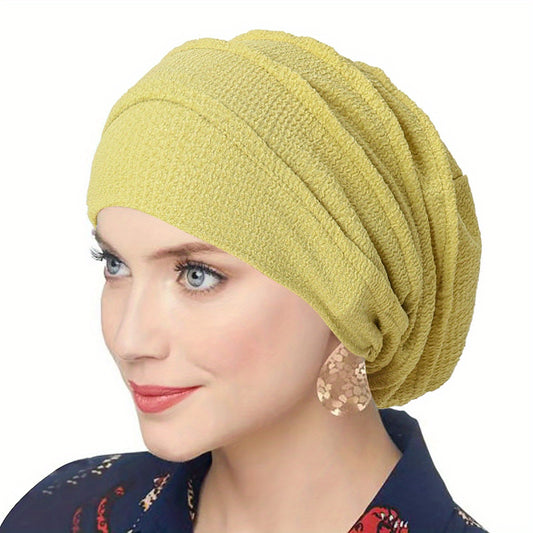
Wavy Polyester Stretch Month Puller Hat, Headscarf Hat Muslim Eid Hijab
Regular price $104.79 USDRegular priceUnit price per$4.79 USDSale price $104.79 USD -


1box Solid Color Chiffon Hijab And Hijab Pins Thin Breathable Sunscreen Scarves (5pcs Minimalist Headscarfs + 2pcs Round Beads Clips), Hijab Set, Modest Fashion, Minimalist Scarf, Elegant Design, Delicate Weave, Lightweight F
Regular price From $216.99 USDRegular priceUnit price per$0.00 USDSale price From $216.99 USD -

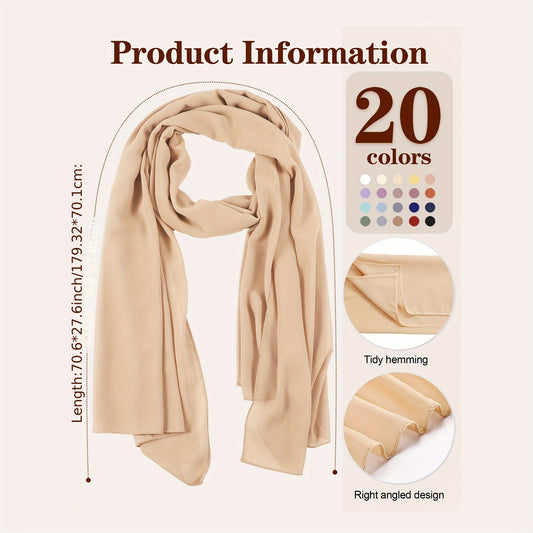
20pcs Muslim Women's Soft Chiffon Bamboo Woven Hijab - Lightweight, 20 Colors (White, Beige, Yellow, Pink, Purple, Blue, Green, Black, Red) - Bohemian Style for Casual Weekend Wear, Versatile Fashion Accessory
Regular price $199.29 USDRegular priceUnit price per$0.00 USDSale price $199.29 USD -

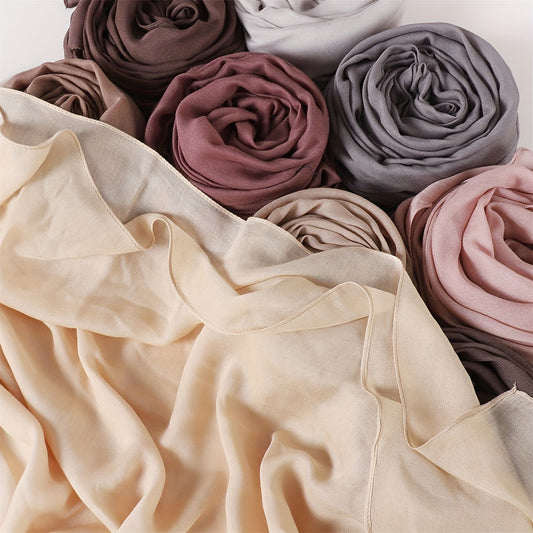
5pcs High-Quality Solid Color Breathable Scarves for Women - Soft Modal, Ideal for Daily Use, Muslim Hijabs, Shawls, and Wraps, Casual Wear Scarves|Breathable Fabric Scarves| Textured Bamboo Woven Hijab
Regular price $187.33 USDRegular priceUnit price per$0.00 USDSale price $187.33 USD -

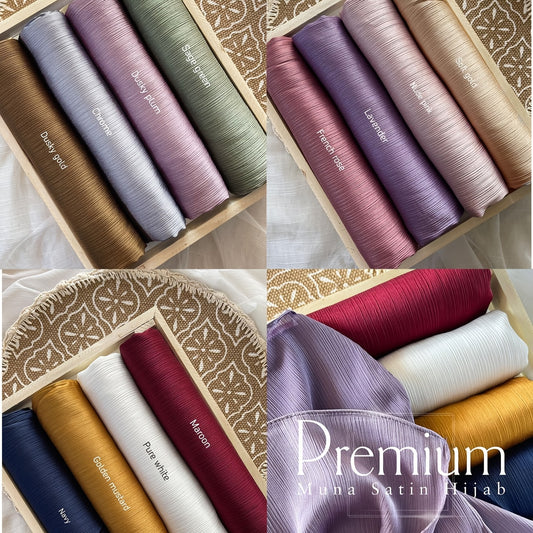
Ladies Elegant Solid Color Bamboo Woven Hijab Scarf | 4pcs/PC | Polyester | Hand Wash or Professional Dry Clean | for Ramadan | Elegant
Regular price From $171.01 USDRegular priceUnit price per$0.00 USDSale price From $171.01 USD -

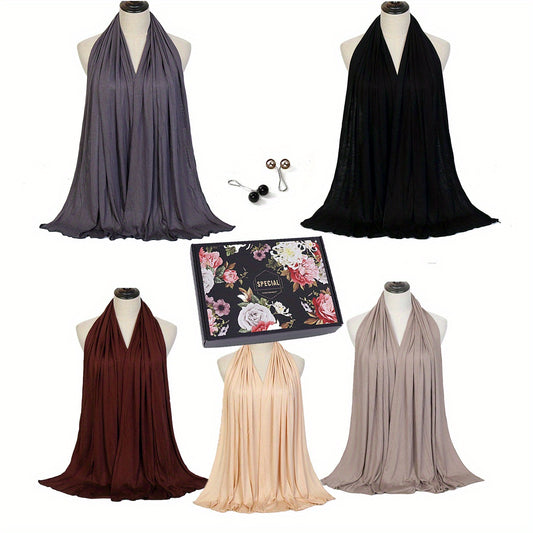
Elegant Soft Rayon Bamboo Jersey Woven Hijab for Women - Versatile Long Shawl in Black, Gray, Brown, and Beige - Breathable & Machine Washable - Perfect Gift for Holidays and Special Occasions, Festive Headwear
Regular price From $181.46 USDRegular priceUnit price per$0.00 USDSale price From $181.46 USD -

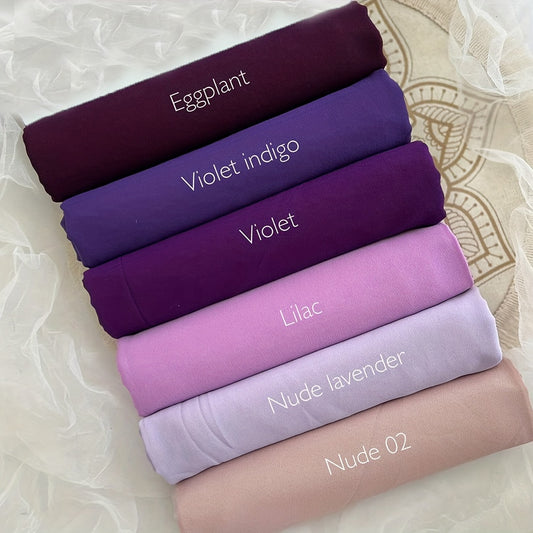
6pcs Women's Breathable Satin Bamboo Jersey Hijab Scarves - Non-Stretch Snug Fit, 10 Solid Colors for Ramadan & Modest Fashion, Premium Woven Satin Fabric, Hand Wash/Dry Clean, Hijab Accessories
Regular price $167.05 USDRegular priceUnit price per$0.00 USDSale price $167.05 USD -

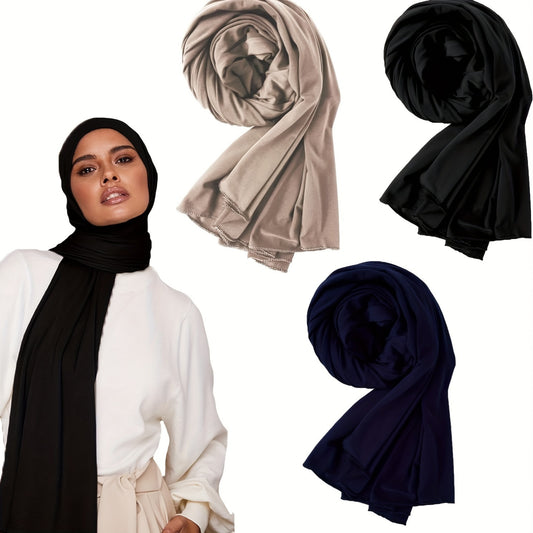
3pcs Women'S Small Size Muslim Bamboo Jersey Hijab Set - Elegant Solid Color Hijab Scarf with Head Cover & Shawl, Soft Breathable Woven Fabric, Non-Stretch Fit for Ramadan, Daily Wear & Special Occasion
Regular price $203.15 USDRegular priceUnit price per$0.00 USDSale price $203.15 USD -

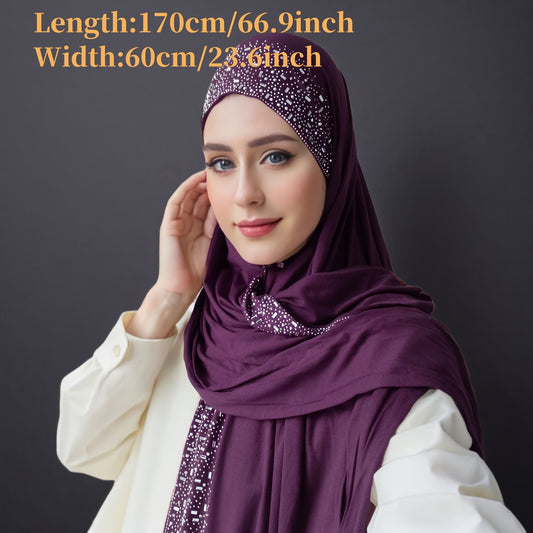
Elegant Black Stretch Bamboo Jersey Hijab Scarf Shawl for Women | Elastic Soft Large Headscarf with Sparkling Rhinestone Trim, Hand Washable Muslim Woven Head Cover & Hair Accessory, Modest Fashion
Regular price From $153.89 USDRegular priceUnit price per$0.00 USDSale price From $153.89 USD -

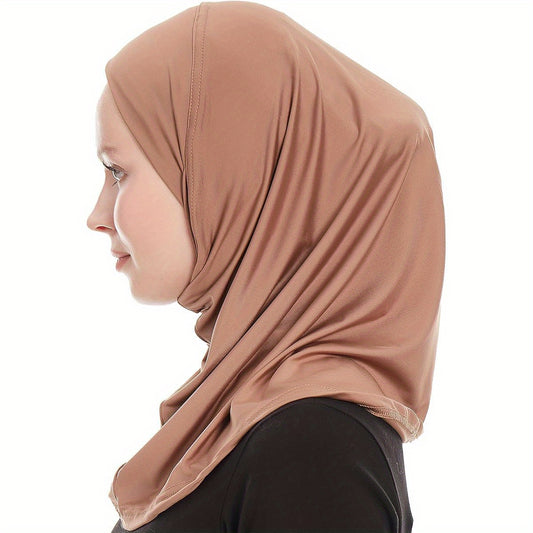
Women's Instant Bamboo Jersey Hijab Headscarf - Soft Non-Sticky Edge Islamic Scarf, Elegant Bohemian one-Piece Hijab for Everyday & Formal Wear, Easy to Maintain Muslim Head Covering for Women
Regular price $162.11 USDRegular priceUnit price per$0.00 USDSale price $162.11 USD -

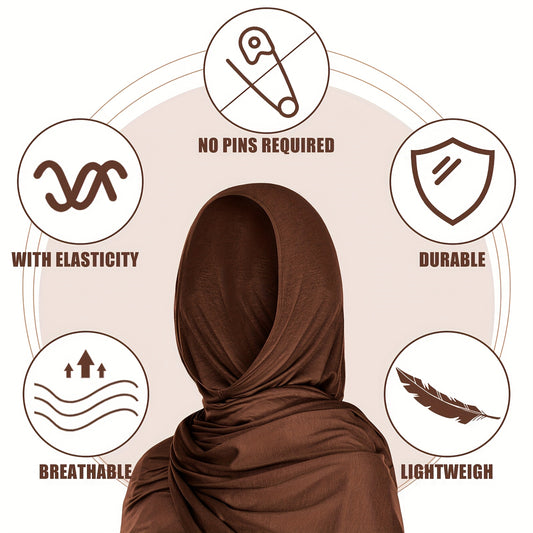
4pcs Instant Hijab For Women Bamboo Jersey Hijab Pinless Ramadan Islamic Muslim Head Wraps Premium Head Scarf Shawl Turban
Regular price $172.25 USDRegular priceUnit price per$0.00 USDSale price $172.25 USD


The Complete Guide To Hijab Colors
Introduction To The World Of Hijab Colors
The hijab is not simply a garment but a statement of faith, identity, and individuality. Within this expression, color plays a defining role. The shade of a hijab can alter how it harmonizes with an outfit, reflects cultural traditions, or conveys moods. Just as fashion designers carefully select color palettes for seasonal collections, women across the globe curate hijab colors that align with their lifestyle, environment, and personality.
Color transforms the hijab from a simple covering into an extension of self. A pastel chiffon hijab may speak to subtle elegance, while a bold crimson silk scarf radiates confidence and charisma. Neutral tones complement professional settings, while jewel tones elevate festive attire. Understanding hijab colors is, therefore, about more than aesthetics—it is about decoding the interplay between culture, psychology, and modern fashion.
Today, global brands like Fabulive have expanded hijab offerings to include an extraordinary spectrum of shades, ensuring women can choose colors that match not only their wardrobes but also their personal expression. This guide explores the nuances of hijab colors, their history, symbolism, and the way they shape contemporary modest fashion.
Historical And Cultural Significance Of Hijab Colors
The use of color in hijabs has deep cultural roots. Across centuries, societies have imbued hues with meaning:
-
Middle East: Black remains timeless, symbolizing elegance and formality. However, earthy browns, beiges, and creams are equally popular, resonating with desert landscapes.
-
South Asia: Bright colors dominate—scarlets, oranges, emeralds, and golds are integrated into festive traditions and weddings.
-
North Africa: Patterns and colorful embroidery blend Islamic modesty with Berber heritage, showcasing vibrant cultural identity.
-
Western Societies: Neutral shades like taupe, gray, and white became staples as they paired easily with modern work attire.
Over time, hijab colors evolved from cultural prescriptions into personal choices. What was once determined by tradition is now shaped by global fashion trends, individual tastes, and the psychological effect colors have on mood and perception.
Psychology Of Color In Hijabs
Each color carries emotional weight. Choosing a hijab shade is not random—it reflects mood, confidence, and even intentions for the day.
-
Black: Authority, sophistication, and timeless elegance.
-
White: Purity, serenity, and spiritual calm.
-
Blue: Stability, trust, and tranquility.
-
Red: Passion, confidence, and boldness.
-
Green: Renewal, peace, and cultural significance in Islamic tradition.
-
Beige/Neutral: Minimalism, professionalism, and understated chic.
-
Pastels: Softness, youthfulness, and optimism.
-
Gold/Silver Accents: Celebration, luxury, and grandeur.
Understanding these associations empowers women to choose hijab colors that align with their emotional state and the image they wish to project.
Materials And Color Compatibility
Not all fabrics interact with dyes in the same way. The richness and longevity of a hijab’s color depend on its material:
-
Silk: Enhances jewel tones like emerald and sapphire with luminous depth.
-
Chiffon: Captures pastel shades beautifully, offering airy elegance.
-
Cotton: Works best for neutral shades and everyday practicality.
-
Jersey: Versatile, allowing both deep hues and muted tones to shine with matte sophistication.
-
Linen: Earthy shades look especially refined on textured linen surfaces.
Craftsmanship ensures that colors remain vibrant without bleeding or fading. High-quality collections, such as those offered by Fabulive, use advanced dyeing techniques that preserve both the integrity of the fabric and the intensity of the shade.
Functional Relevance Of Color Choices
Hijab colors are also chosen based on practicality and functionality:
-
Work Environments: Neutral shades like navy, beige, and gray provide professionalism.
-
Religious Gatherings: White and green often dominate for their spiritual symbolism.
-
Weddings And Festivals: Rich tones like maroon, royal blue, and gold reflect celebration.
-
Casual Wear: Pastels and earthy hues offer relaxed versatility.
-
Seasonal Adaptation: Lighter shades for summer reflect heat, while darker hues in winter provide warmth and depth.
This strategic use of color ensures hijabs remain functional while aligning with diverse lifestyles.
Global Influence On Hijab Color Trends
Fashion capitals across the globe influence hijab color palettes. Seasonal trends filter into modest fashion collections:
-
Spring/Summer: Florals, soft pastels, and airy whites.
-
Fall/Winter: Burgundy, forest green, and charcoal.
-
Runway Collaborations: High-end designers incorporate metallic hijabs or color-blocked patterns into couture presentations.
Social media amplifies these trends. Influencers and stylists showcase color pairings, encouraging women worldwide to experiment with palettes that align with global fashion movements while respecting modest traditions.
The art of styling a hijab often begins with color selection. Women use shades to emphasize their features, complement their outfits, and reflect the tone of the occasion.
-
Monochrome Styling: Pairing a hijab in the same shade as an outfit creates a sleek, elongated appearance. Neutral palettes like beige-on-beige or black-on-black remain popular for their elegance.
-
Contrasting Colors: A bold hijab against a neutral outfit creates striking visual interest. For instance, a crimson hijab with a cream dress exudes confidence.
-
Seasonal Choices: Lighter pastels such as lavender or blush are associated with spring freshness, while deep shades like maroon or forest green define autumn sophistication.
-
Skin Tone Matching: Cool-toned fabrics complement fair complexions, while warmer shades such as bronze, mustard, and olive enhance deeper skin tones.
-
Accessorized Looks: Brooches, pins, and headbands in metallic accents add depth to solid-colored hijabs, particularly for festive occasions.
The freedom to alternate between muted tones for professionalism and vibrant hues for celebration ensures hijab colors remain timelessly adaptable.
Professional And Cultural Roles Of Color
Colors carry specific weight in professional and cultural contexts. In workplaces, subdued hues like gray, navy, or soft taupe are preferred for their subtle elegance. They align with corporate dress codes while still allowing modest fashion to remain stylish.
Culturally, certain colors resonate with deep symbolism:
-
White: Frequently worn during religious gatherings, symbolizing purity and devotion.
-
Green: Highly respected in Islamic tradition, representing life and peace.
-
Red: Linked to weddings and festivals in South Asian and Middle Eastern cultures.
-
Gold And Silver: Accents used in celebratory attire, signifying prosperity and festivity.
By weaving these colors into daily or ceremonial wear, the hijab maintains its cultural resonance while fitting seamlessly into modern lifestyles.
Maintenance Of Colored Hijabs
Maintaining the vibrancy of hijab colors requires intentional care, as dyes can fade without proper handling.
Washing Recommendations:
-
Always wash dark and light hijabs separately to prevent color transfer.
-
Use mild, color-protect shampoos or detergents.
-
Cold water preserves fabric dyes longer than hot water.
Drying:
-
Air-drying prevents discoloration and fabric weakening.
-
Avoid prolonged sunlight exposure, which can fade brighter shades.
Ironing And Steaming:
-
Low-heat ironing or steaming revives color vibrancy.
-
For delicate silks, use a pressing cloth to avoid direct heat damage.
Storage:
-
Fold or hang hijabs by color groups to maintain easy access.
-
Keep them in breathable fabric organizers to prevent mustiness.
With proper maintenance, hijabs maintain their richness, ensuring every color remains as striking as the day it was purchased.
Sustainability And Color Production
As fashion turns toward ethical production, hijab color manufacturing has evolved. Sustainable methods include:
-
Natural Dyes: Plant-based dyes reduce reliance on chemical processes while producing earthy tones.
-
Low-Impact Dyes: Advanced technologies use less water and energy while retaining vivid shades.
-
Ethical Labor: Ensuring dyeing processes uphold fair wages and safe conditions for artisans.
-
Eco-Conscious Packaging: Many luxury brands now package colored hijabs in recyclable or compostable materials.
Fabulive integrates these practices into its collections, ensuring customers can embrace a diverse palette without compromising on environmental responsibility.
Hijab Colors In High Fashion
Runways and fashion weeks increasingly feature hijabs in vibrant shades, reflecting global inclusivity. From jewel-toned silks to metallic sheens, hijab colors are now as trend-setting as any couture garment.
-
Runway Influence: Designers pair structured gowns with flowing hijabs in contrasting hues.
-
Editorial Styling: Fashion magazines highlight pastel hijabs against minimalist outfits for modern chic.
-
Celebrity Impact: Influencers and public figures spotlight hijab colors in media campaigns, driving global demand for bold experimentation.
This shift proves that hijab colors are no longer relegated to tradition alone—they define contemporary fashion narratives.
Long-Term Value Of Colored Hijabs
Hijab colors are more than seasonal purchases; they represent long-term wardrobe investments.
-
Wardrobe Versatility: A carefully chosen color palette ensures hijabs match multiple outfits.
-
Generational Appeal: Classic colors such as black, white, and navy remain relevant across decades.
-
Emotional Value: Many women cherish hijabs in specific colors tied to important life events—graduations, weddings, or spiritual milestones.
-
Financial Worth: High-quality, color-fast fabrics reduce the need for frequent replacements, making them cost-effective.
Thus, colored hijabs represent value in both practicality and sentiment.
Frequently Asked Questions
Which hijab colors are most versatile?
Neutral tones like black, beige, navy, and white are universally versatile for all occasions.
Do colors fade with time?
Not if cared for properly. Using cold washes and avoiding harsh sunlight preserves vibrancy.
How can I choose a hijab color for my skin tone?
Fair complexions shine in cool shades such as lavender and teal, while deeper tones pair beautifully with mustard, burgundy, and olive.
Are pastel hijabs suitable for formal events?
Yes. When paired with elegant fabrics like chiffon or silk, pastels create understated sophistication.
Do colored hijabs require different storage?
Organizing by color family helps prevent transfer and ensures easier styling choices.
Can bold colors be worn professionally?
Yes, provided the styling remains minimal and tailored to the workplace dress code.
The Role Of Fabulive In Hijab Color Collections
Fabulive’s hijab color collections exemplify the balance between cultural heritage and fashion-forward thinking. By offering a wide spectrum—from serene neutrals to statement jewel tones—Fabulive ensures women can access colors suited to both daily routines and milestone events. Its dedication to quality and sustainable sourcing allows women to embrace color confidently, knowing their purchase reflects values of style, integrity, and responsibility.
The Future Of Hijab Colors In Fashion
As global fashion continues to embrace diversity, hijab color trends will expand further:
-
Smart Fabrics: Hijabs may feature UV protection or color-preserving nanotechnology.
-
Digital Influence: Social media and AI tools will enable customized shade recommendations.
-
Collaborations: Partnerships between modest fashion brands and luxury houses will create limited-edition color palettes.
This trajectory ensures hijab colors remain at the intersection of tradition and innovation, defining the future of modest fashion.
Customer Reviews
• “The emerald green hijab I ordered was breathtaking. The color was rich, and the fabric draped beautifully.” – Aisha, UAE ⭐⭐⭐⭐⭐
• “I bought a pastel pink chiffon hijab for spring, and it has become my favorite. Light, elegant, and so versatile.” – Hannah, UK ⭐⭐⭐⭐
• “The black silk hijab from Fabulive is the definition of timeless elegance. Worth every dollar.” – Layla, USA ⭐⭐⭐⭐⭐
• “Fast shipping to Canada and eco-friendly packaging impressed me as much as the quality of the hijab itself.” – Mariam, Canada ⭐⭐⭐⭐⭐
• “The maroon jersey hijab stayed in place all day without pins. Perfect for work and everyday wear.” – Fatima, Germany ⭐⭐⭐⭐
• “I wore the gold-accent hijab to my cousin’s wedding, and everyone complimented me on how luxurious it looked.” – Noor, Saudi Arabia ⭐⭐⭐⭐⭐
• “The pastel lilac shade is unique and beautiful. It matched my outfits perfectly.” – Yasmin, Australia ⭐⭐⭐⭐
• “I appreciate that Fabulive offers sustainable collections. The navy hijab I purchased is stunning and ethically made.” – Iman, France ⭐⭐⭐⭐⭐
• “The olive green cotton hijab has become my go-to daily piece. Comfortable and breathable.” – Sofia, Italy ⭐⭐⭐⭐
• “The burgundy silk hijab was slightly brighter than I expected, but still gorgeous. I’ll style it for evening events.” – Elena, Spain ⭐⭐⭐