
-

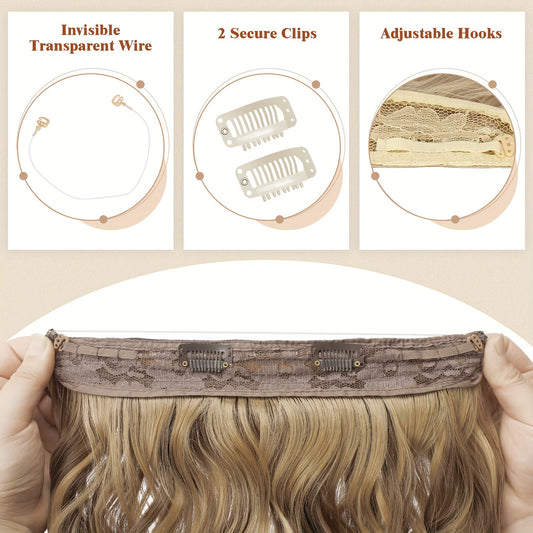
Dark Blonde 18/20 Inch Curly Wave Hair Extensions | Heat-Resistant Synthetic Fiber
Regular price From $110.23 USDRegular priceUnit price per$10.23 USDSale price From $110.23 USD -

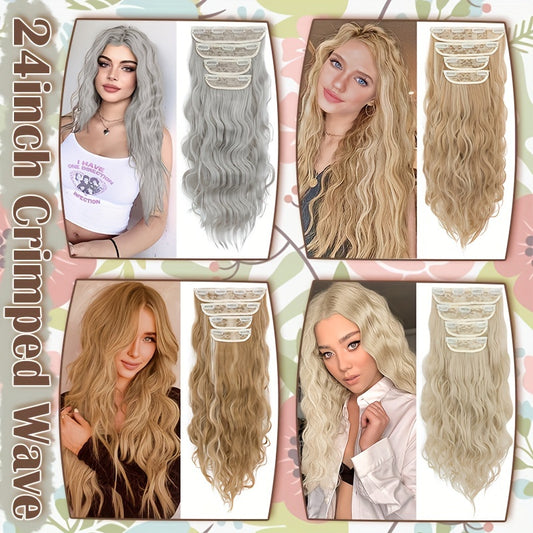
4pcs Clip in Hair Extensions | Long Wave Thick Synthetic Hairpieces
Regular price From $116.84 USDRegular priceUnit price per$16.84 USDSale price From $116.84 USD -

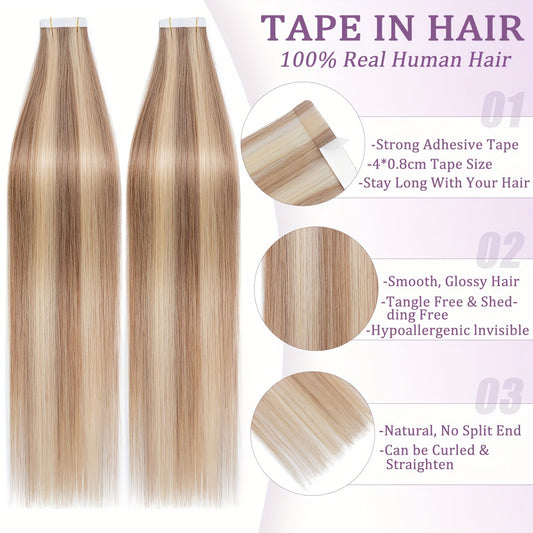
16-22 In Invisible Tape In on Light Beige Weft Human Hair Extensions
Regular price From $128.11 USDRegular priceUnit price per$28.11 USDSale price From $128.11 USD -
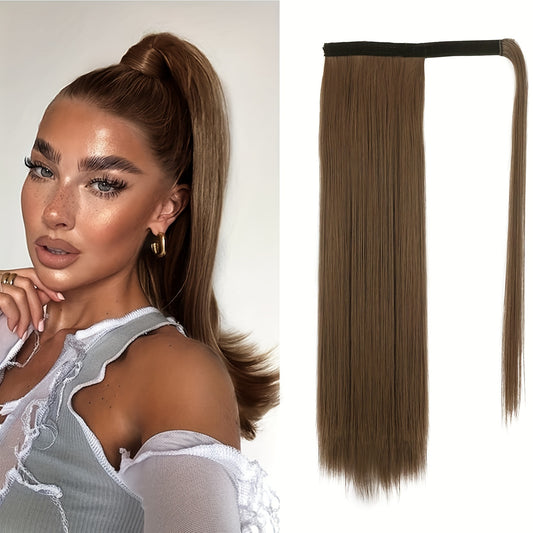
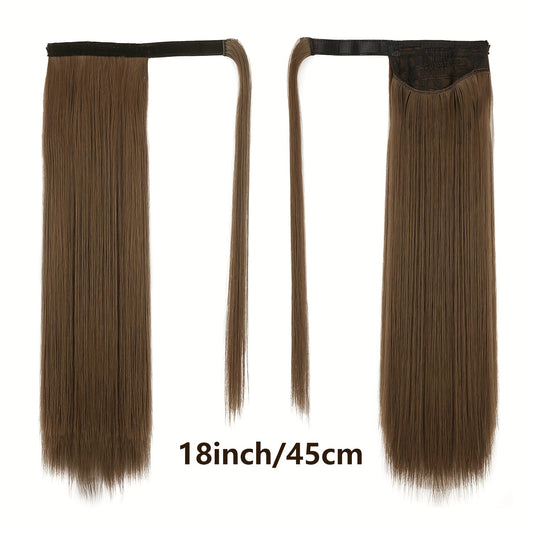
Brown Synthetic Ponytail Hair Extensions - 18 Inch Long, Straight, Wrap Around Clip In
Regular price $109.17 USDSale price $109.17 USDUnit price per -

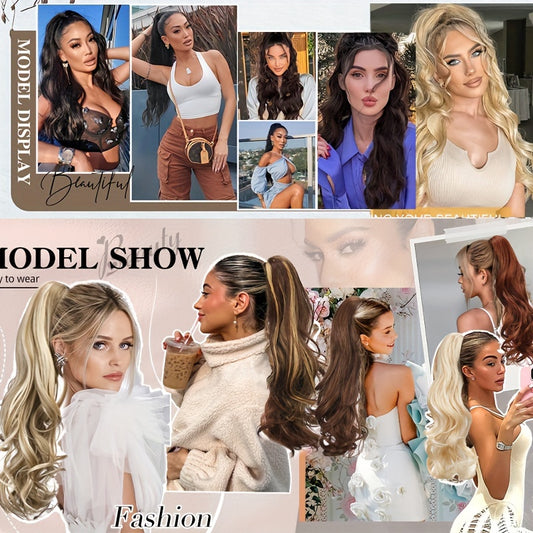
18 INCH Long Natural Curly Wavy Claw Clip Ponytail Extensions
Regular price $110.05 USDSale price $110.05 USDUnit price per -
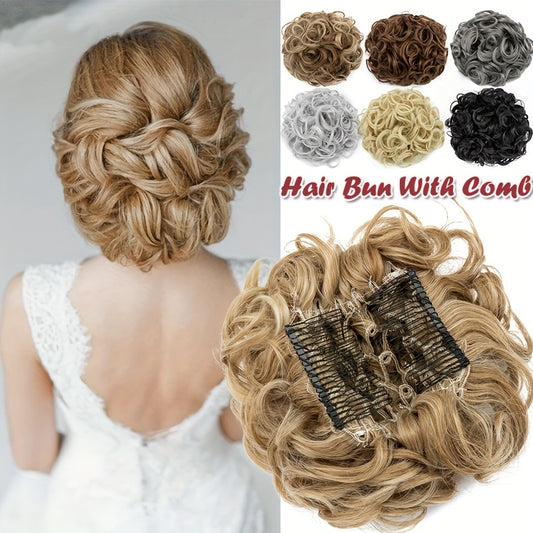
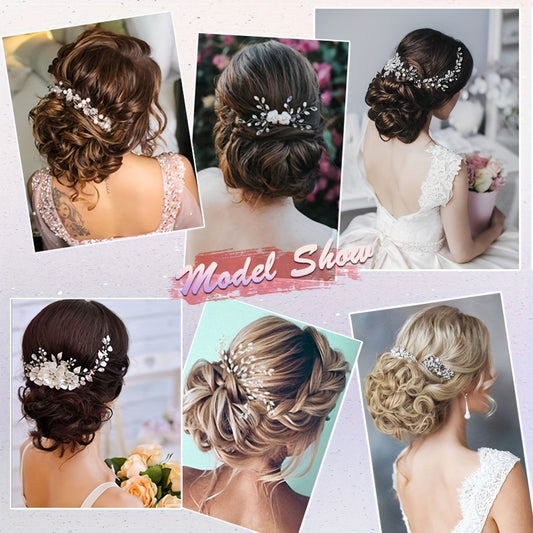
Messy Curly Dish Hair Bun Extension | Daily Or Wedding Use
Regular price From $99.83 USDRegular priceUnit price per$9.83 USDSale price From $99.83 USD -

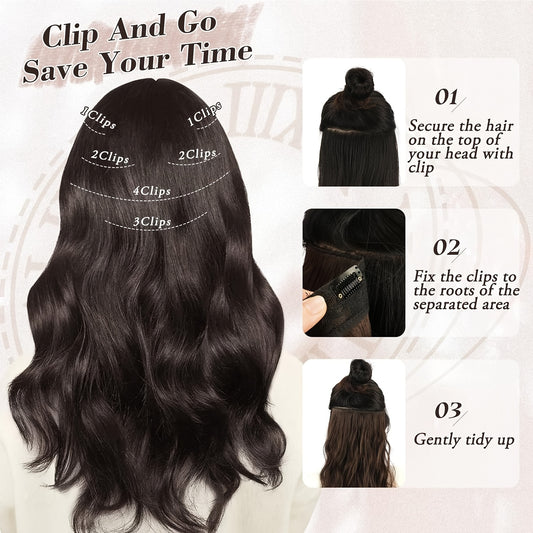
20 Inch Wavy Clip In Hair Extensions For Women
Regular price $115.45 USDRegular priceUnit price per$15.45 USDSale price $115.45 USD


Hair Extensions Collection Guide at Fabulive: Blonde Mix, Bronde Dimension, and Seamless Everyday Volume
If you’re shopping hair extensions, you’re usually solving something specific: fuller ends that don’t look wispy, length that makes ponytails and waves feel proportional, or dimensional color that upgrades your look without committing your natural hair to constant bleaching and toning. Fabulive’s collections lean into blend-friendly tones—especially blonde mixes and bronde transitions that look natural in motion and in mixed lighting. Scan the product grid first for your preferred length and method, then use the guide below to confirm shade, texture, coverage, care, and styling so you can choose confidently and wear the result comfortably.
What Hair Extensions Are and Who They’re For
Hair extensions are added hair pieces—either as wefts or strand-by-strand formats—designed to integrate with your natural hair to create more length, density, or dimensional color. They can be worn occasionally for events or built into a weekly routine for consistent fullness. The most natural results come from matching how your hair behaves in real life: your texture when air-dried, your undertone in daylight, and your daily habits (sleep, workouts, travel, and how often you wear your hair up).
Hair extensions are well-suited for:
- Fine-to-medium hair that looks thin through the ends and needs a fuller perimeter
- Short hair that needs added length to make braids, waves, and ponytails work
- Medium-to-long hair that wants thicker-looking mid-lengths for a polished, “expensive” silhouette
- Color lovers who want dimensional blends (bronde, blonde mix) without processing their natural hair
- Event styling where hair needs reliable fullness for updos, curls, and statement ponytails
Extensions also help reduce daily styling effort. When you add density, simple hairstyles look more intentional; you don’t have to rely on aggressive teasing or repeated heat passes to create the illusion of thickness. If you want to browse the full brand ecosystem before narrowing to a shade family, start at Fabulive’s main destination for hair extensions and styling essentials and then return to the method and shade pathways below.
Why Hair Extensions Matter Now
Hair trends have shifted toward believable dimension and healthy-looking shine: lived-in blondes, soft bronde blends, and touchable volume that moves naturally. At the same time, many shoppers are reducing overprocessing—fewer bleach sessions, less frequent toning, and lower daily heat—to protect hair health. Extensions offer a practical alternative: you can add length, density, and multi-tonal color while leaving your natural hair closer to its baseline routine.
Extensions also fit modern life. Photos and video are constant, lighting environments vary, and hair is more visible in motion. A good extension match improves proportion: ponytails look fuller, waves look more polished, and basic styles read “finished.” The goal is not dramatic transformation every day; it’s consistent, wearable hair that looks like it could be your own—just better supported.
Most importantly, extensions can be an efficiency upgrade. When your hair has a thicker foundation, you spend less time chasing volume and more time refining shape, shine, and movement. That’s how extensions shift from “special occasion” to a practical tool.
How to Choose Hair Extensions
Choosing hair extensions becomes easy when you follow a structured decision order. Start with your goal, confirm shade and undertone in natural light, choose texture based on how your hair air-dries, then pick a method that matches your wear frequency and care capacity. The best purchase is the one that blends in daylight, feels comfortable across a normal day, and doesn’t require you to constantly “fix” it with styling.
Decision Framework
Use this framework as a purchase checklist:
- Goal → Shade → Texture → Type → Coverage → Occasion → Care → Budget
Micro-Intent: Define Your Goal and the Result You Want to See
“Length” and “volume” are not the same outcome. If your goal is length, choose a length that complements your haircut shape so the transition looks like believable growth. If your goal is volume, prioritize density through mid-lengths and ends, because that’s where hair often looks thinner and where “expensive” hair is most obvious. If your goal is dimension, choose blends that already contain variation so you’re not trying to recreate highlights with heavy styling. You’ll know your goal is correct when the improvement is visible even with minimal styling—hair down, lightly brushed, in daylight.
Micro-Intent: Choose Type Based on How You Live
Method choice should fit your routine, not just your aesthetic. Clip-ins are ideal for flexible wear, travel, and event days because you control installation and removal. Tape-ins are often chosen for a flatter feel and continuous daily wear. Micro-ring formats are popular for movement and natural drape, particularly if you like hair down or loosely styled. If you frequently wear tight ponytails, consider how visible attachment points might be near the crown and sides; if you work out often, prioritize a method and placement that reduces friction and tangling.
Micro-Intent: Pick Coverage That Matches Your Density Drop-Off
Coverage is where natural results are won. Many shoppers don’t need maximum hair everywhere; they need strategic density where their hair looks sparse. If your crown is reasonably dense but your ends are wispy, building density lower creates a natural silhouette and avoids bulk at the top. If your hair is uniformly fine, distributing coverage more evenly prevents an obvious shift from thin natural hair to thick added hair. A helpful test is a simple ponytail: if your ponytail looks thin compared to your head shape, you likely need more density; if it looks full but your ends look sparse, you likely need targeted lower coverage.
Micro-Intent: Match to Daylight and Plan for Mixed Lighting
Indoor lighting often pulls hair warmer, while outdoor light reveals undertone. Match your mid-lengths and ends near a window in indirect daylight, then sanity-check in a second environment (a shaded outdoor area or a cooler indoor light). If you have highlights or multi-tonal hair, choose a shade that matches the overall impression from a few feet away—not the brightest face-framing piece. The goal is for the blend to look correct when you move, turn your head, and tuck hair behind your ear.
Beyond shade, pay attention to finish: hair that’s too shiny can look less natural on camera, while hair that’s too matte can look dull. A premium result usually sits in the middle: healthy-looking shine that still reads like real hair.
Finally, be honest about maintenance. If you want the extensions to become part of your routine, choose a method you will care for consistently. Consistent gentle care is what keeps hair smooth, blendable, and natural in movement.
Shade, Undertone, and Finish
Shade matching is more than choosing “blonde.” To blend naturally, think in three layers: level (how light or dark), undertone (cool, warm, neutral), and finish (solid vs dimensional). Dimensional finishes often look more realistic because natural hair rarely reflects as one flat color—especially in daylight and on video.
Micro-Intent: Identify Undertone and Choose a Blend Strategy
Cool blondes read ash, beige, or icy. Warm blondes read honey, gold, and caramel. Neutral blondes look balanced in most lighting. If your hair changes tone depending on light, you likely have a neutral base and can blend well with mixes that contain multiple tones. If you’re unsure, avoid extremes: very icy shades can look gray against warm bases; very golden shades can look brassy against cool bases. A blend strategy means choosing a shade family that integrates with your natural variation rather than fighting it.
Dimensional mixes are often the easiest route to a natural look because they distribute light and depth through the hair. For a blend-first shopping path that mimics natural highlight variation, start with dimensional blonde mix hair extensions for natural multi-tonal depth.
Micro-Intent: Bronde and Brown-Blonde Mix for Wearable Dimension
Bronde is one of the most wearable shade families because it mirrors real hair behavior: deeper roots, lighter ends, and multi-tonal reflection. It’s especially flattering if your hair is not a bright salon blonde but has lighter pieces through the mid-lengths. To understand why bronde blends look “natural but upgraded,” reference this bronde hair extensions guide to blended dimension.
If you want to shop that exact family, explore brown-blonde mix hair extensions for a soft, wearable bronde transition. This shade direction is often a strong choice for first-time extension wearers because it blends with a wider range of natural bases and looks believable even when hair isn’t perfectly styled.
Bronde also pairs well with a “rooted” styling mindset: keep the top softer and more natural, then let dimension show through mid-lengths and ends. This approach makes blending easier in ponytails and half-up styles, where the top layer is more visible.
Micro-Intent: The 4/27 Blend Direction (Balanced Brown-and-Blonde Contrast)
Some blends are popular because they land in a flattering middle ground: enough depth to look natural, enough brightness to look intentional. If you’re considering a brown-and-blonde mix that feels polished rather than harsh, use this 4/27 hair color trend breakdown to understand how the balance works and what to look for in a dimensional finish.
Micro-Intent: Rooted Blonde, Dark Blonde, and Dirty Blonde Nuance
Two shades can look similar on a product photo but read differently in real life. Dark blonde often reads rooted and beige, blending well with regrowth and understated highlights. Dirty blonde often looks more muted and natural, especially if your hair isn’t a bright blonde and you want a low-maintenance direction that still feels dimensional. If you’re between bright and muted, match the ends you see in daylight and choose the option that mirrors your hair’s natural softness rather than aiming for a “perfect salon tone” that requires constant upkeep.
To shop rooted depth, browse dark blonde hair extensions for lived-in brightness with depth. For a softer, muted direction, explore dirty blonde hair extensions for a natural, understated finish.
A practical tip: if you often wear minimal makeup and prefer casual styling, muted blondes tend to look more harmonious. If you like higher-contrast outfits and bolder styling, brighter blondes can look striking—but you’ll want your undertone match to be precise to avoid a visible mismatch line.
Micro-Intent: Calibrating Warmth—From Golden to Strawberry to Platinum
Warmth exists on a spectrum. Golden blonde can look luminous when it reads sunlit rather than orange; platinum can look crisp when it reads icy rather than gray. If you’ve tried blonde extensions that looked too yellow or too cool, undertone is usually the culprit. For a practical approach to choosing the “just right” level and tone, see this guide to finding the perfect shade of blonde.
If you’re drawn to golden warmth and want it to look bright but controlled, explore this light golden blonde guide for a sun-kissed look. If you’re aiming for crisp icy tone and high impact, use this platinum blonde “ice queen” tutorial as a blueprint for matching and styling.
Strawberry blonde is a special case: it sits between warm blonde and soft copper, and it looks most natural when it includes gentle variation rather than a flat single tone. If you’re considering that red-blonde balance and want to understand how it blends with different bases, read this strawberry blonde guide for choosing the right warmth and finish.
Finally, some shoppers want contrast on purpose. If you’re exploring a high-contrast aesthetic, the goal is designed placement rather than accidental mismatch. For contrast principles that keep the look polished, reference this guide to black and bleach-blonde mix extensions.
If you’re still choosing a direction and want a wide view of how blondes work across undertones and lifestyles, explore these blonde ideas for every hair colour and skin tone.
Texture and Blending
Texture match is the difference between extensions that disappear and extensions that announce themselves. Even with perfect shade, mismatched texture can reveal the add-on—especially in humidity, on day-two hair, or in movement. Match to your air-dried pattern, then use styling to refine rather than to force a blend.
Micro-Intent: Choose Texture That Matches Your Air-Dried Pattern
If your hair naturally dries straight and you like sleek styling, a straight base is often easiest to maintain. If your hair air-dries with bends or waves, wave-friendly hair can blend better when you don’t have time to fully style. When the texture match is correct, the blend stays believable even when hair isn’t perfectly finished.
Wave-specific removable options can be especially helpful for low-effort blending. If you want a removable option that supports soft movement, explore blonde wave clip-in hair extensions for blend-friendly texture.
Micro-Intent: Blend Layers Without Creating Bulk
Layered hair blends best when density is built gradually. Avoid stacking the fullest pieces too high, which can create a visible ledge. Instead, build fullness in a way that supports your haircut: density where your hair thins, softness where your hair is already dense. This preserves natural movement and prevents a “helmet” effect.
If you have shorter layers around the face, prioritize a soft transition: keep the top layer of your natural hair free to cover the extension base, then blend the lengths with gentle texture. For deeper context on why extensions can work well for shorter cuts and how to avoid common blending issues, see this guide to why extensions are a game-changer for short hair.
Styling Ideas (Daily + Event)
Extensions expand your styling range because they change proportion. Ponytails look fuller, waves look more polished, and updos become easier because there’s more hair to shape and pin. The most practical approach is to build a small library of repeatable looks—some for daily wear, some for events—so your extensions feel useful, not precious.
Micro-Intent: Daily Styles That Look Polished Without Perfection
For everyday hair, choose styles that look intentional but don’t require flawless symmetry: a soft half-up twist, a low ponytail with face framing, brushed-out waves, or a loose braid. Extensions create the foundation—density and length—so your styling can stay simple while the finish looks complete.
If volume is your main goal, technique matters more than product. Where you place wefts, how you section, and how you blend your top layer determines whether the result looks natural. For practical placement and blending strategies, use these clip-in volume techniques.
Micro-Intent: Event Hair That Holds Up in Photos and Real Life
Formal hair demands durability: curls should hold, braids should look full, and updos should stay secure for hours. Extensions help because they give you more hair to shape and anchor, which makes structure easier. For event inspiration that translates well with added length and density, explore these prom hairstyles for medium-length hair.
If you like referencing “celebrity hair” for ideas, focus on proportion rather than copying exact styling: fuller mid-lengths, controlled shine, and face-framing that suits your features. For reference looks you can adapt, explore these celebrity hairstyles that stole the show. If you prefer accessory-forward styling that’s quick and wearable, browse these cute bandana hairstyles for ideas that benefit from added density.
Care and Maintenance
Extensions stay soft and natural-looking when you maintain them with consistency. The biggest threats to longevity are friction, excessive heat, and aggressive brushing. Care doesn’t need to be complicated, but it must be disciplined: detangle gently, wash thoughtfully, and reduce friction during sleep and travel. Treat extensions like premium fabric—handle them gently, keep them hydrated, and avoid repetitive stress.
Micro-Intent: Detangling and Washing That Protects the Fiber
Overwashing can dry out extensions; underwashing can cause tangles when product buildup increases friction. A strong rule is “as needed”: wash when hair feels coated or heavy, and focus conditioner on mid-lengths and ends. Detangle from ends upward in small sections and support hair near the base so you’re not pulling on attachment points. Most tangling becomes serious only when small knots are ignored.
When you care consistently, hair stays smoother and the blend looks better with less styling. That improves comfort too, because smoother hair tangles less around attachment areas and moves more naturally.
Micro-Intent: Heat Strategy for Longevity and Consistent Shine
Heat is not inherently the enemy; repetitive high heat is. Use lower temperatures and fewer passes, and choose styles that hold so you’re not restyling daily. If you want consistently polished hair with less heat, lean into finishes that improve as they soften: brushed waves, loose braids, and low buns. Before bed, gather hair into a loose braid or low ponytail to reduce friction. After workouts, let hair dry and then detangle gently so sweat and movement don’t tighten knots.
A realistic maintenance plan is what makes extensions feel easy: when care fits your schedule, you’ll keep the hair smoother, and smoother hair stays more believable in mixed lighting.
Category Comparisons
Choosing a category is about balancing comfort, wear frequency, and the finish you want. Some shoppers value flexibility; others want a day-to-day solution that feels effortless. A category-first approach can also reduce shopping overwhelm: choose your method family, then refine shade and length.
Micro-Intent: Choose Your Method, Then Shop Tone and Finish
If you’re committed to blonde but unsure about format, start broad and narrow after you confirm tone. For an overview across shades and finishes, browse blonde hair extensions curated across tones and finishes. If you want quick removable wear, explore blonde clip-in hair extensions for flexible, on-demand transformation. If you want a flatter daily option, browse blonde tape-in hair extensions for a lightweight day-to-day feel. If you want movement-focused strand-by-strand drape, visit blonde micro-ring hair extensions for natural movement and blending.
One practical note: dimensional tones are often easier to live with than flat solids because they blend with regrowth and highlight variation. If your hair changes tone seasonally (summer lightening, winter depth), a mix shade can remain wearable longer without looking “off.”
Featured Picks
These featured picks are organized around common buyer goals: dimensional mixes, bright blonde direction, warm balayage, and believable bronde transitions. Use them as starting points, then refine by undertone, length, and coverage so the final look integrates naturally with your hair.
- multi-tonal blonde mix clip-on set for an easy, blend-forward finish
- bright statement blonde clip-ons for a clean, camera-ready pop
- pale golden honey balayage weft set for warm sunlit dimension
- chocolate-to-caramel gradient clip-ins for everyday bronde wearability
- bright blonde micro-ring option for precision and natural drape
- bright blonde tape-in option for a flatter, lightweight daily finish
How to choose among these picks: if you want removable flexibility and quick transformation, start with clip-ons; if you want a smoother daily feel, explore tape-ins; if you want movement and strand-by-strand blending, micro-ring formats can look especially natural when shade and texture are matched well. If you’re unsure, choose the option that best matches your day-to-day styling habits—because the most natural hair is the hair you can wear consistently without fighting it.
Buying Mistakes
Most extension dissatisfaction comes from predictable mistakes: matching in the wrong light, choosing a method that doesn’t fit your routine, or relying on heavy styling to compensate for mismatch. Avoid these pitfalls and extensions become a repeatable, dependable solution rather than a recurring experiment.
Micro-Intent: Avoid the Three Mistakes That Create “Obvious Extensions”
First, don’t match to roots instead of ends. Ends are usually lighter, and matching to roots often makes the added hair look too dark and heavy at the bottom. Second, don’t buy a method you won’t maintain. If you don’t want frequent upkeep, removable options may be smarter; if you want daily wear, choose a method that fits your habits so care stays consistent. Third, don’t chase length without density. Thin ends look less premium than slightly shorter hair with a fuller perimeter. If you want the most polished silhouette, build fullness first, then increase length once the perimeter looks balanced.
A subtle fourth mistake is over-styling to hide mismatch. If you rely on perfect curls to make the blend work, the look becomes fragile. A better strategy is a dimensional tone that blends naturally, then styling becomes an enhancement rather than a cover-up.
FAQ
How do I choose between clip-ins and tape-ins?
Choose clip-ins if you want flexibility, occasional wear, and control over installation and removal. Choose tape-ins if you want a flatter feel for consistent day-to-day wear and you’re comfortable with maintenance routines. Your best choice depends on how often you’ll wear extensions and how much time you want to spend installing them.
What makes blonde mix shades easier to blend than a solid blonde?
Blonde mix shades include multiple tones that mimic natural highlight variation. That variation softens the transition between your natural hair and the added hair, especially in movement and mixed lighting. It can also reduce how much styling you need to make the blend look seamless.
Should I match extensions to my roots or my ends?
Match mid-lengths and ends first because that’s where extensions sit and where mismatch is most visible. Roots can remain naturally deeper, especially with balayage or lived-in blonde. If you frequently wear slick ponytails, you may want closer shade continuity near the crown.
Can hair extensions work for short hair?
Yes, but blending must be gradual to avoid a shelf line. Choose realistic length jumps, prioritize texture match, and rely on layered placement. A softly textured finish often helps short hair blend more naturally than a pin-straight finish.
How do I prevent tangling and dryness?
Detangle gently from ends upward, reduce friction during sleep, and wash only when needed. Focus conditioner on mid-lengths and ends and keep heavy products away from attachment areas. Lower heat and fewer styling passes help preserve softness.
Which blonde tones look most natural in everyday lighting?
Natural-looking blondes are usually calibrated rather than extreme, with undertone matched to your hair and skin tone. Neutral and softly dimensional blends often look the most believable because they mimic real hair variation. If your hair has multiple tones, a mix shade can integrate more easily than a flat solid shade.
What’s the simplest way to look polished with extensions?
Build balanced density first, then rely on repeatable styles like a low ponytail, a half-up twist, brushed waves, or a loose braid. When the shade blend is right, minimal styling still looks finished. The goal is to let the extensions do the heavy lifting rather than constantly reworking the hair.
How long should I expect extensions to last?
Longevity depends on hair type, wear frequency, and care habits. Occasional wear often extends lifespan because there’s less friction and washing. Daily wear can still last well when you maintain gentle detangling, wash thoughtfully, and limit aggressive heat.
What if I’m between two blonde shades?
Match to your ends in daylight rather than choosing based on warm indoor lighting. If you have highlights or multiple tones, a dimensional mix can bridge the gap more naturally. Soft waves can also help integrate subtle shade differences.
Conclusion
The best hair extensions don’t just look good right after installation—they blend in daylight, move naturally, and fit your routine without demanding constant correction. Start with your goal, match your ends in natural light, choose a texture that behaves like your hair when air-dried, and select a method that aligns with how often you’ll wear extensions and how you care for your hair. Dimensional tones—especially blonde mixes and bronde blends—make blending easier and results more believable.
If you’re ready to shop with confidence, begin with a blend-forward shade family, confirm your undertone, then choose the format that matches your lifestyle: removable for flexibility or longer-wear methods for daily consistency. When the fundamentals are right, hair extensions shift from “special occasion hair” to an everyday upgrade you can rely on.