



Wedding-Ready: The Best Bridal Hairstyles Using Hair Extensions
Your wedding hairstyle is not just another beauty choice. It must last through hours of movement, emotion, photography, lighting, and close-up scrutiny. For many brides, hair extensions are not optional—they are the difference between a hairstyle that looks beautiful at the start of the day and one that still looks intentional at the end.
This CORE ASSET explains which bridal hairstyles work best with hair extensions, why certain styles outperform others, how to choose based on your wedding format, and what mistakes quietly ruin bridal hair results. This is not a gallery. It is a decision guide.

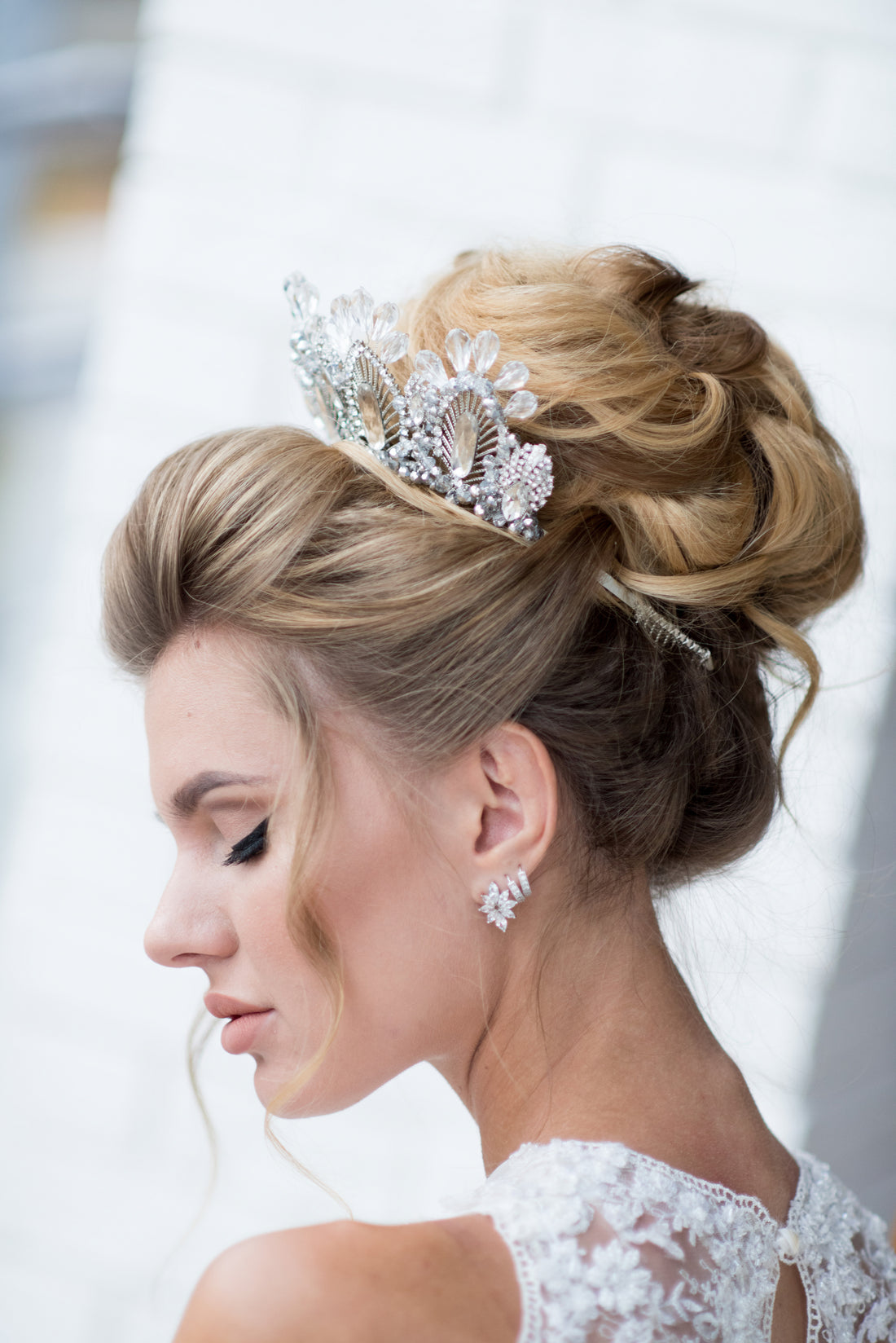
Context: Why Hair Extensions Matter So Much In Bridal Hair
Bridal hairstyles fail for one of three reasons: lack of volume, lack of longevity, or lack of proportion. Natural hair alone often struggles to meet all three demands simultaneously, especially under heat, humidity, and long wear.
Hair extensions solve these problems structurally. They provide weight where hold is needed, density where fullness matters, and length for balance and proportion. This is why professional bridal stylists treat extensions as foundational tools rather than add-ons. Brides who plan their look using a trusted
hair extensions collection
are able to choose styles based on performance rather than limitation.

What To Choose And Why (By Bridal Style Category)
Classic Bridal Updos
Classic updos such as chignons, low buns, and sculpted styles benefit the most from extensions because they rely on structure. Extensions create a fuller base, allowing pins and twists to hold securely without excessive tension on natural hair. The result is a refined silhouette that photographs well from all angles and remains intact throughout the ceremony and reception.
Romantic Half-Up Hairstyles
Half-up styles balance softness with control, making them popular for garden and outdoor weddings. Extensions add length and density to the loose section while reinforcing volume at the crown. The most important decision here is texture matching—extensions must mirror the bride’s natural wave or curl pattern to prevent separation.
Many brides explore inspiration similar to
every bride’s dream bridal hairstyles
to understand how subtle extension placement enhances romance without overpowering the look.
Sleek Modern Bridal Looks
Sleek bridal styles such as center-part buns, smooth ponytails, or minimalist waves require precision. Extensions provide even density, preventing thin sections from showing under high-definition photography. In these looks, blending and shine control matter more than volume.
Glamorous Volume Styles
For brides who want dramatic waves or red-carpet glamour, extensions are essential. Natural hair rarely maintains large-scale volume for long durations without reinforcement. Extensions distribute volume evenly, reducing the need for excessive teasing or heat and preserving hair integrity.
What Works Vs What Doesn’t In Bridal Extension Styling
What Works
What works is planning and restraint. Extensions should be chosen weeks in advance and tested with the final hairstyle. Matching texture, not just color, is critical. Proper preparation ensures extensions behave predictably throughout the day.
Understanding long-wear performance is especially important for events with extended schedules, which is why styling insights similar to
graduation and prom hairstyle planning
translate well to bridal hair decisions.
What Doesn’t
What doesn’t work is last-minute application or overloading hair with unnecessary wefts. Excess weight leads to discomfort and premature collapse. Ignoring blending is another silent failure—visible seams undermine even the most elegant bridal gown.
Precision Matters: Technique Over Trend
Bridal hairstyles succeed through technique, not trends. Clean sectioning, secure anchoring, and strategic placement matter more than copying popular looks. Braids, twists, and wraps must be engineered to lock extensions invisibly into the style.
This technical approach is why professional guidance on
hair extensions for weddings and dream bridal looks
emphasizes preparation and construction over novelty.
Hair Preparation Before The Wedding
Preparation determines outcome. Extensions should be cleaned, dried, and styled in advance to match the intended bridal look. Hair that is overly soft or overly dry will not hold well under pins and structure.
Pre-event preparation reduces frizz, slippage, and unexpected texture changes on the wedding day, allowing the stylist to focus on precision rather than correction.
Common Bridal Hair Extension Mistakes
Many brides assume more hair equals better results. In reality, proportion matters more than volume. Another mistake is prioritizing comfort over structure—styles that feel loose early often fail later.
Environmental factors such as humidity and temperature are frequently underestimated. Skipping a trial run is one of the most costly mistakes, as real-world conditions often reveal issues that inspiration photos do not.
Professional Insight On Bridal Styling Standards
Professional bridal styling standards emphasize endurance as much as beauty. The most successful wedding hairstyles are engineered to withstand movement, emotion, and photography without visible degradation. This reinforces why extension choice and technique matter as much as visual inspiration.
Final Takeaway
The best bridal hairstyles using hair extensions are defined by performance, not trends. Extensions allow brides to choose styles based on vision rather than limitation, but only when applied with intention, preparation, and restraint.
When structure, blending, and technique align, extensions elevate bridal hair from temporary beauty to lasting confidence. This is not about adding hair. It is about building a hairstyle that endures the most important day.
Frequently Asked Questions
Are hair extensions necessary for bridal hairstyles?
Not always, but they significantly improve volume, hold, and proportion.
How far in advance should extensions be chosen?
Ideally four to six weeks before the wedding.
Can extensions feel uncomfortable during long events?
Only if overused or improperly placed.
Do extensions photograph differently than natural hair?
Yes. When blended correctly, they enhance depth and symmetry.
Are clip-in extensions suitable for weddings?
Yes, when secured professionally and tested in advance.
Should extensions match hair color exactly?
Matching undertone and texture matters more than an exact shade match.


