



Every Bride’s Dream: Bridal Hairstyles For Every Bride
A wedding hairstyle is more than a finishing touch—it is a defining part of how a bride feels, moves, and remembers her special day. From the first step down the aisle to the final dance of the evening, the right hairstyle enhances confidence, complements the gown, and completes the bridal vision. Choosing the perfect style is not just about trends; it’s about harmony between face shape, dress silhouette, hair texture, and wedding setting.
Today’s brides are no longer limited by hair length or thickness. With thoughtful styling and the right enhancements from hair extensions collections, every bride can achieve a hairstyle that looks luxurious, photographs beautifully, and lasts through hours of celebration.
This guide is crafted to help every bride discover a hairstyle that feels personal, polished, and unforgettable.
How To Choose The Right Bridal Hairstyle
The perfect bridal hairstyle balances beauty with comfort. A style that looks stunning but feels heavy or restrictive can quickly become distracting. Brides should consider their dress neckline, veil placement, weather conditions, ceremony length, and reception plans.
Hair extensions offer versatility, allowing brides to add volume, length, and structure without stressing natural hair. They also make it easier to transition from ceremony elegance to reception glamour seamlessly.

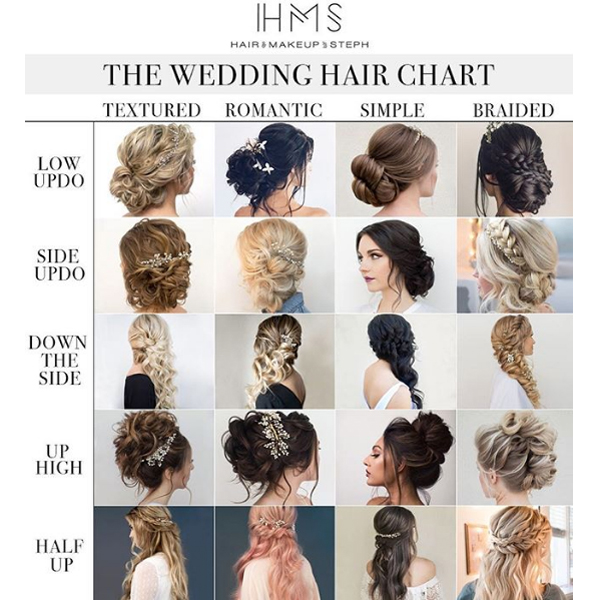

Classic Bridal Updos That Never Go Out Of Style
Classic updos remain a favorite for brides who want timeless elegance. Low chignons, twisted buns, and softly pinned updos frame the face gracefully and pair beautifully with veils, tiaras, and statement earrings.
Many brides draw inspiration from chic and elegant updos for bridesmaids with hair extensions, elevating those polished looks with added detail, volume, and bridal accessories for a refined finish.
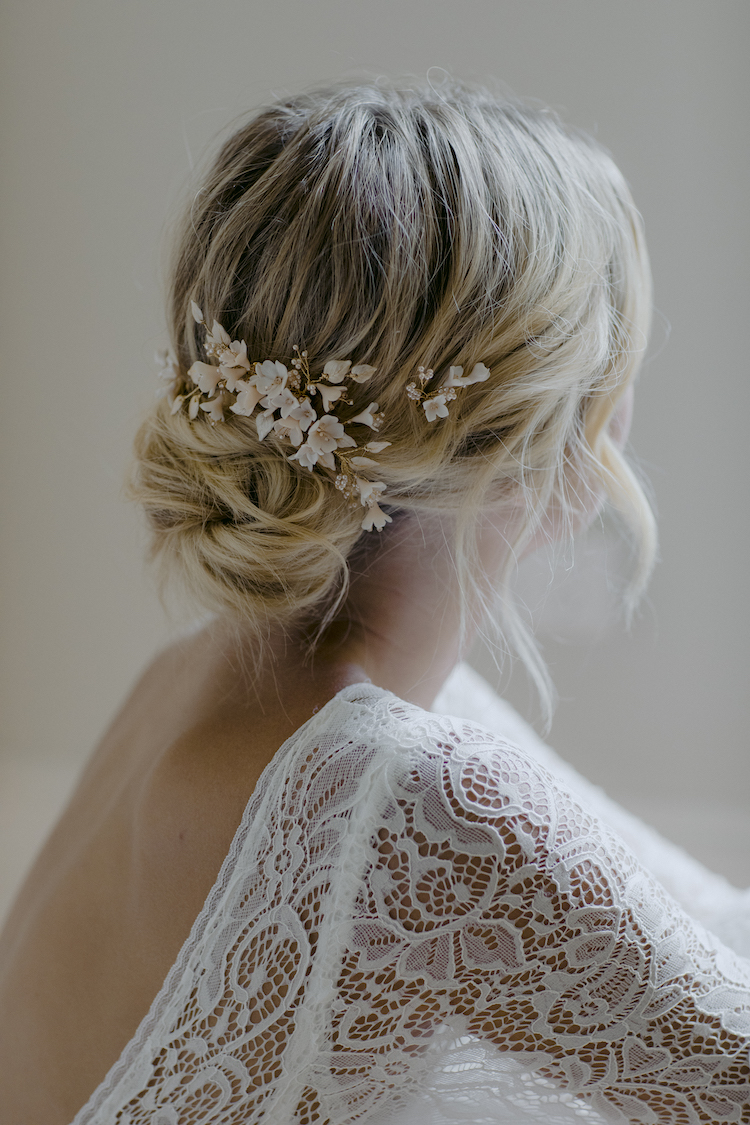
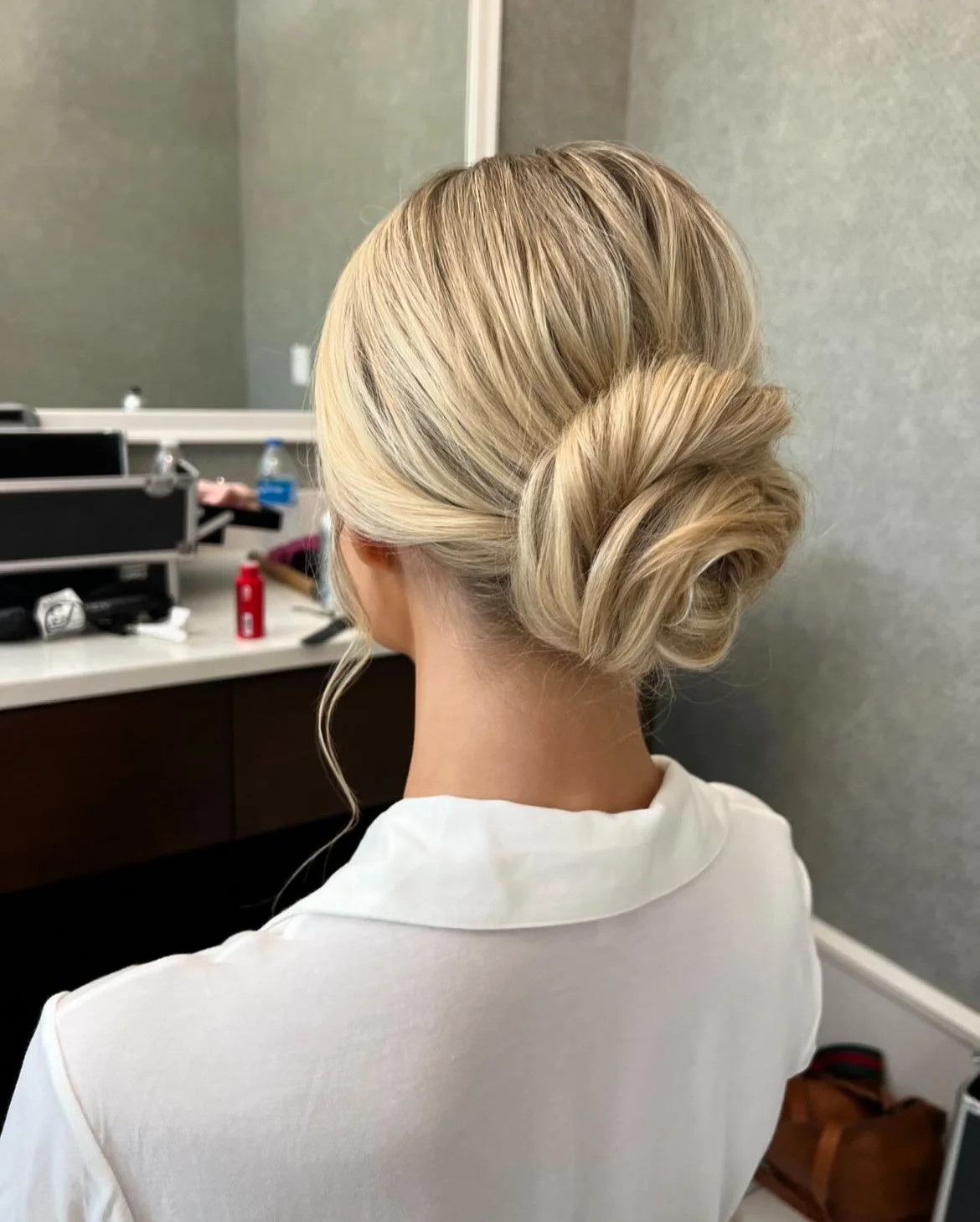
Romantic Half-Up Half-Down Bridal Hairstyles
Half-up half-down hairstyles strike the perfect balance between structure and softness. They allow hair to flow naturally while keeping the face open and well-defined. This style is especially flattering for strapless gowns and romantic lace designs.
Extensions enhance fullness and movement, ensuring curls remain bouncy and defined throughout the day. This look is ideal for garden weddings, beach ceremonies, and candlelit receptions.
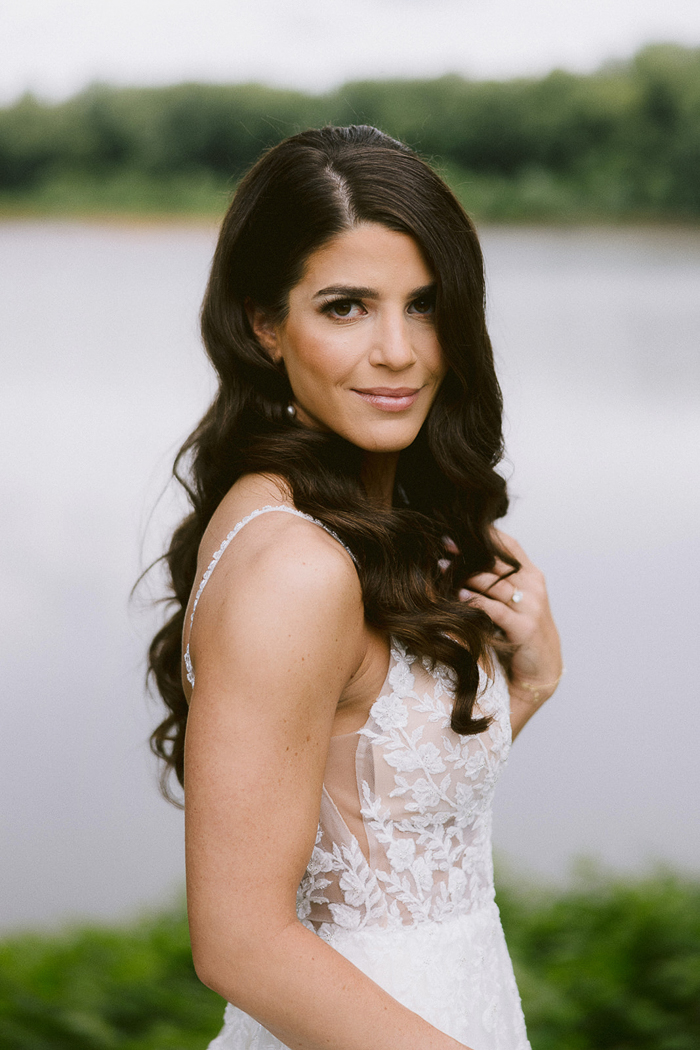

Glamorous Bridal Waves For Statement Looks
Loose, glamorous waves create a red-carpet-inspired bridal look that feels luxurious and modern. These styles appear effortless but require proper support to maintain their shape.
Extensions help waves hold their form longer, prevent flatness, and create uniform curls. Brides often adapt styling inspiration from Christmas party hair glam looks, transforming festive volume into refined bridal sophistication.

Traditional Bridal Braids With A Modern Touch
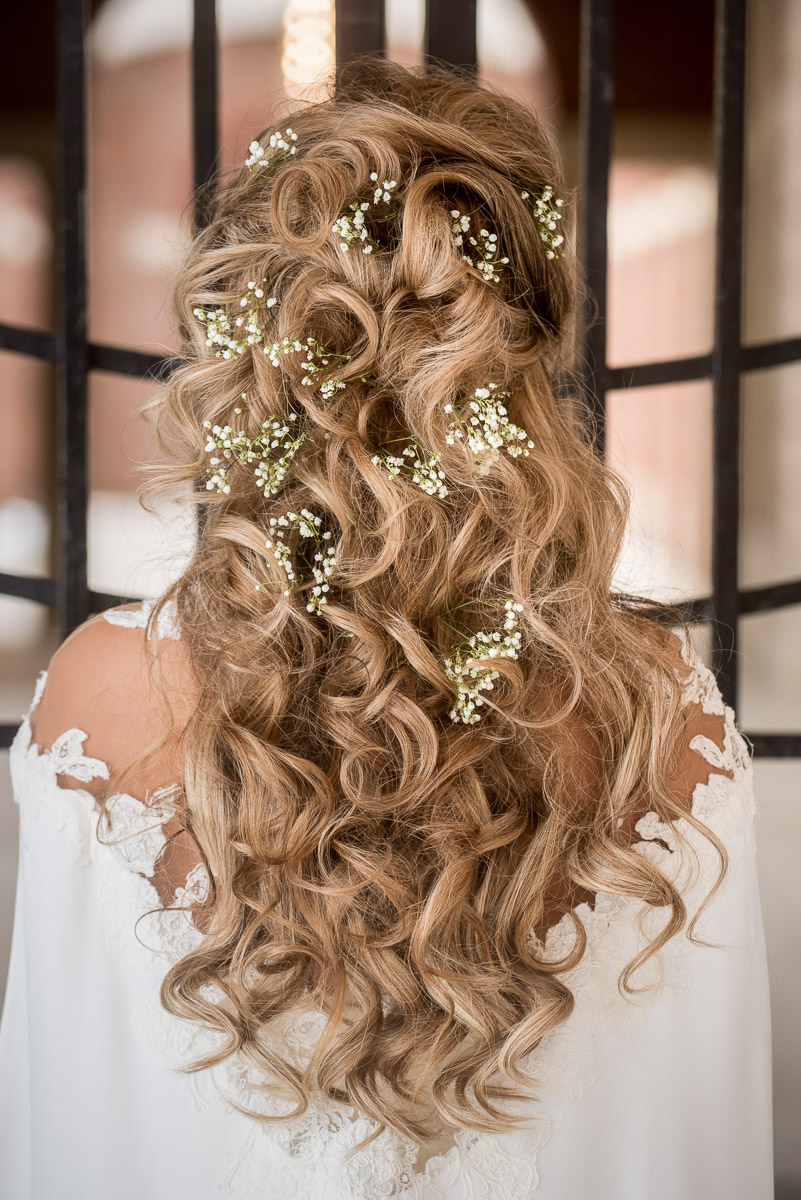
Braided bridal hairstyles blend tradition with artistry. Crown braids, braided buns, and woven accents add texture and symbolism while remaining elegant and secure.
Extensions allow braids to appear fuller and more defined without putting strain on natural hair, making them ideal for long ceremonies and cultural celebrations.
Boho And Outdoor Wedding Hairstyles
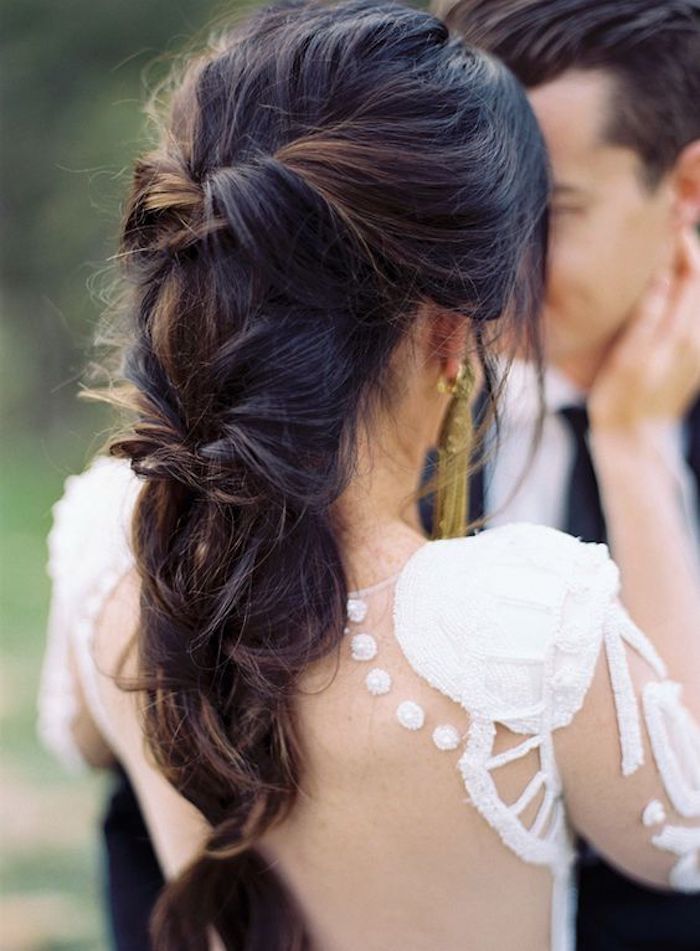
Boho bridal hairstyles are relaxed, natural, and effortlessly chic. Soft waves, loose braids, and floral details create a free-spirited aesthetic perfect for outdoor and destination weddings.
Many brides explore inspiration from DIY hairstyles for weddings using hair extensions, then refine those ideas with professional styling for all-day wear.
Bridal Hairstyles For Short Hair
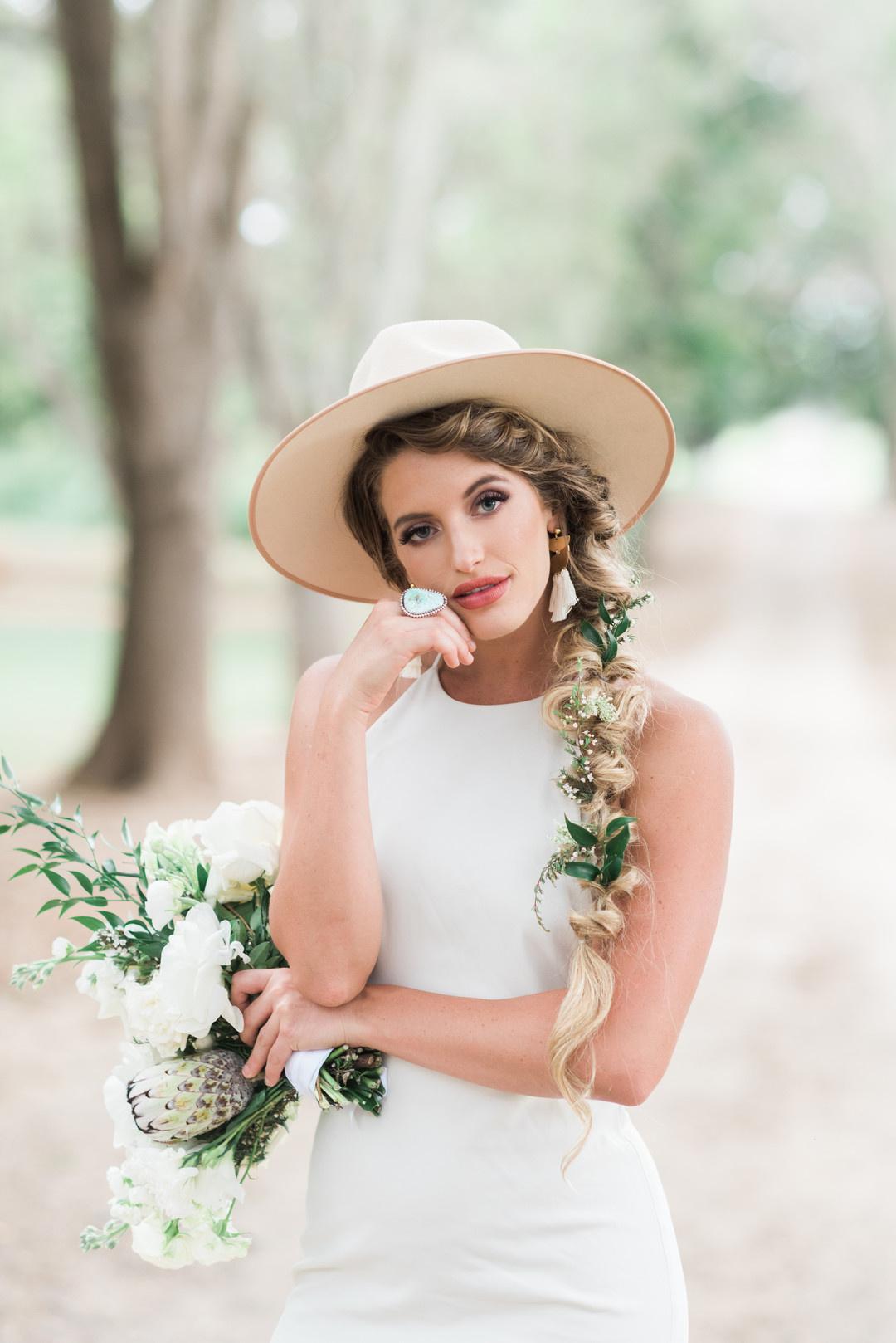
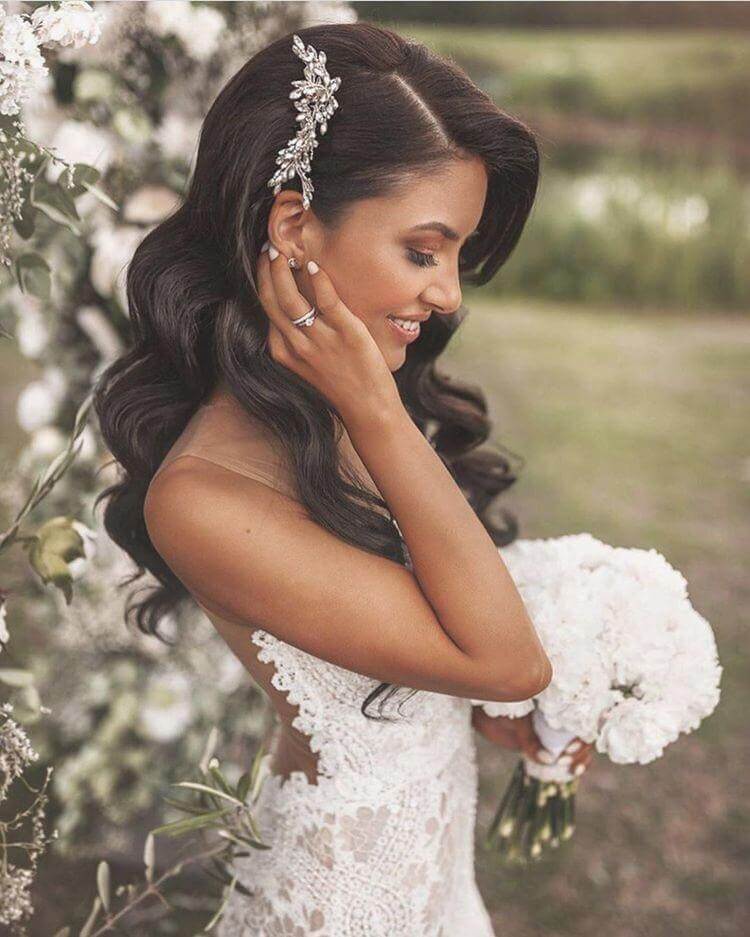
Short hair does not limit bridal beauty. Sleek bobs, textured waves, and softly curled styles can be enhanced with subtle extensions to add volume or length while maintaining a natural appearance.
Extensions give short-haired brides the freedom to experiment with styles they may not otherwise consider, without committing to permanent changes.
Why Hair Extensions Are A Bridal Essential
Hair extensions are not about altering identity—they are about enhancement. They provide structure, balance, and longevity to bridal hairstyles while remaining discreet and comfortable.
High-quality options from hair extensions collections ensure seamless blending, natural movement, and styles that remain flawless through photography, dancing, and long celebrations.
Final Thoughts: Your Hair, Your Moment
Every bride deserves a hairstyle that feels authentic, beautiful, and enduring. Whether your vision is classic, romantic, glamorous, or bohemian, the right preparation and enhancements make all the difference.
Your bridal hairstyle won’t just complete your look—it will become part of the memory you treasure forever.
Frequently Asked Questions About Bridal Hairstyles
1. How far in advance should a bride decide on her hairstyle?
Ideally, your hairstyle should be finalized 2–3 months before the wedding, after dress fittings and accessory selection.
2. Are hair extensions safe for bridal hairstyles?
Yes. When professionally selected and applied, they are safe, comfortable, and help styles last longer.
3. Can I wear my hair down for a full wedding day?
Yes, especially with extensions that add structure and hold, making styles more durable.
4. Do updos work for outdoor weddings?
Absolutely. Updos are often ideal for outdoor venues as they withstand heat, wind, and humidity better.
5. Should I wash my hair on the wedding day?
No. Hair styled one day after washing usually holds better and styles more smoothly.
6. Are braided hairstyles suitable for formal weddings?
Yes. Modern braided styles can be elegant, intricate, and perfectly suited for formal settings.
7. Can short hair support a veil or hair accessories?
Yes. Extensions and proper pinning techniques make veils and accessories secure.
8. Will extensions look natural in wedding photos?
High-quality extensions blend seamlessly and photograph beautifully when matched correctly.
9. Can I change hairstyles between ceremony and reception?
Yes. Many brides transition from updos to waves or half-up styles with the help of extensions.
10. How do I ensure my hairstyle lasts all day?
Choose a style suited to your venue, use extensions for support, and schedule professional touch-ups if needed.


