



How Long Do Tape-In Hair Extensions Last
A Complete Standard Support & Education Guide Featuring Brown Tape-In Hair Extensions
When people invest in hair extensions, one of the first and most practical questions they ask is how long those extensions will actually last. Tape-in hair extensions have become a preferred choice because they offer a rare balance between longevity, comfort, and reversibility. They stay in place longer than clip-ins, feel lighter and more natural than many bonded methods, and can be removed and reapplied without heat or harsh chemicals. This combination makes tape-ins appealing to first-time users as well as long-term extension wearers who value hair health. In this in-depth education guide, we will explore how long tape-in hair extensions last per application, what factors influence their lifespan, how brown tape-in hair extensions perform over time, and how care, placement, and lifestyle choices affect longevity. We will also compare tape-ins to other extension methods, explain reapplication cycles, and answer common questions in a comprehensive FAQ section so you have a realistic understanding of what to expect and how to get the most value from tape-in extensions.
What Determines How Long Tape-In Hair Extensions Last
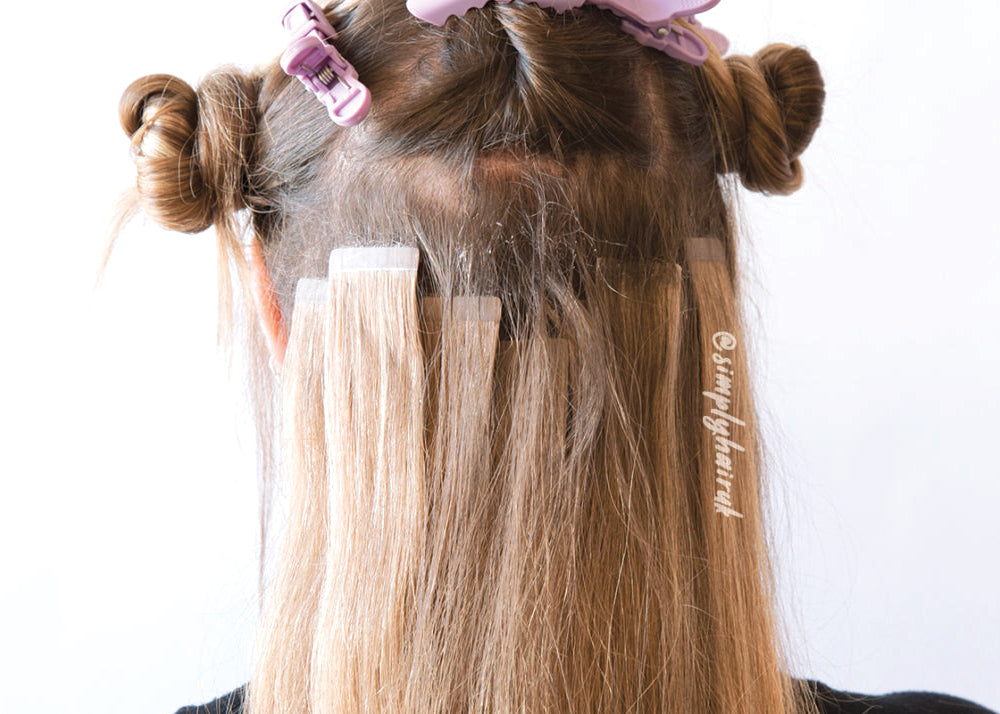
Tape-in hair extensions typically last between six and eight weeks per application. This does not mean the hair itself expires after that period; rather, it refers to how long the extensions can remain comfortably and discreetly attached before they need to be repositioned. The primary reason for this time frame is natural hair growth. As your hair grows, the tape wefts move down the hair shaft, eventually becoming visible, unbalanced, or uncomfortable if left untouched. Hair growth rate, installation quality, daily habits, and lifestyle all influence where you fall within this window. Frequent washing, heavy sweating, or excessive product use near the roots can shorten the wear period, while careful maintenance and professional placement can extend it.
Brown Tape-In Hair Extensions And Longevity
Brown tape-in hair extensions are especially popular because they blend effortlessly with a wide range of natural hair shades, from light chestnut to deep espresso. Brown tones tend to disguise grow-out and blending transitions more subtly than very light or very dark colors, which can make extensions appear more natural as they age. High-quality options such as brown tape-in hair extensions designed for natural blending and long-term reuse can be reused multiple times with proper care. While the hair itself may last for many months, the adhesive tabs will always need refreshing at regular intervals to maintain a secure fit.


Why Tape-Ins Last Longer Than Clip-Ins
Tape-ins are considered semi-permanent because of how they are attached. Unlike clip-ins that are applied and removed daily, tape-ins are secured by sandwiching a thin section of natural hair between two adhesive wefts. This creates a stable anchor that moves with your hair and withstands daily activity without constant manipulation. Because tape-ins are not repeatedly clipped in and out, they experience less mechanical stress and maintain a smoother appearance over time. A closer comparison can be found in nano-ring vs tape-in hair extensions pros and cons explained in detail, which outlines how different attachment systems perform over extended wear.
Preparation And Placement Affect Lifespan
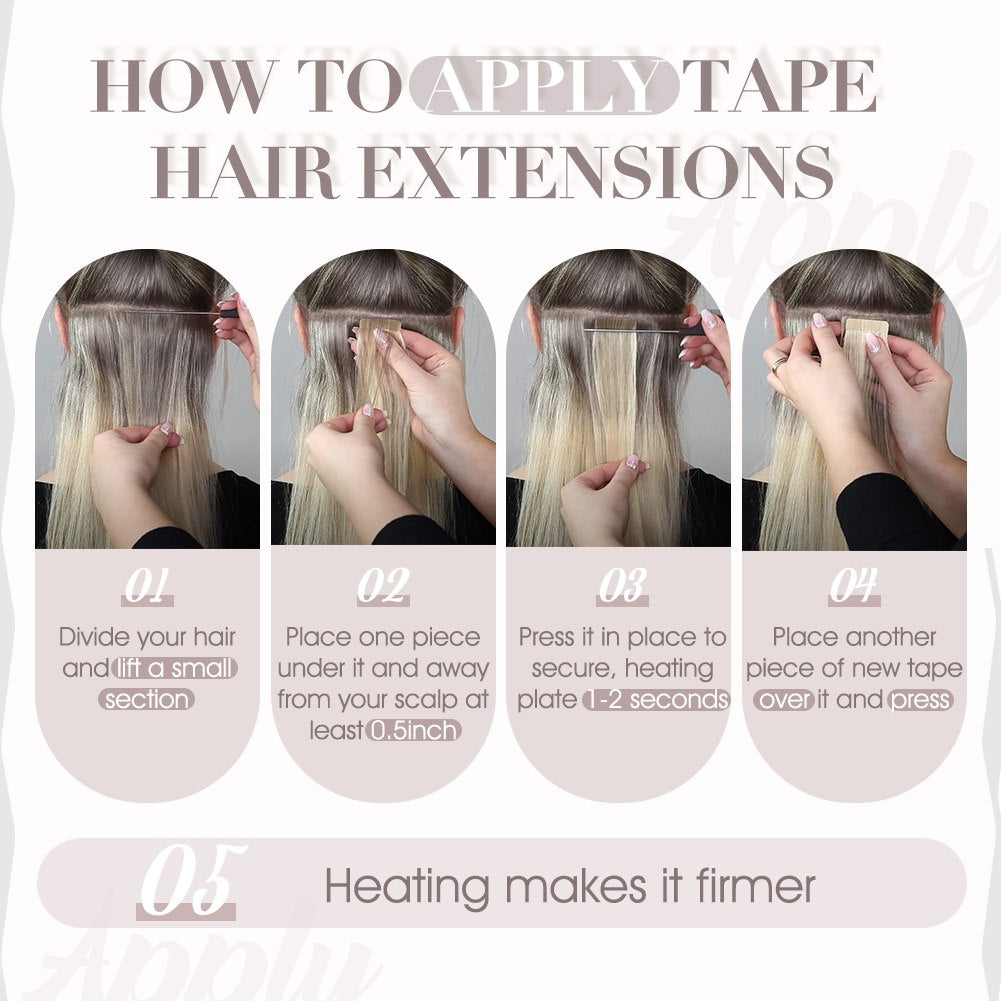
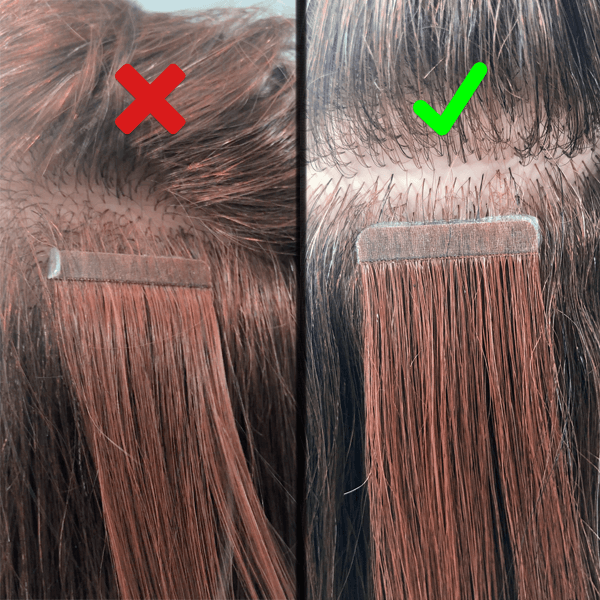
Longevity begins before the first extension is applied. Natural hair must be freshly washed, fully dried, and free from oils or residue at the roots. Any buildup can interfere with adhesive bonding and cause early slippage. Placement technique is equally important; sections must be even, properly spaced, and positioned at the correct distance from the scalp. Installation principles explained in everything you need to know about tape-in hair extensions for proper placement and blending show why professional application significantly impacts how long tape-ins stay secure.

Hair Growth And Reapplication Cycles
Most people notice visible hair growth within four to six weeks. As this growth occurs, tape-ins gradually move away from the scalp, which can make them feel heavier or more noticeable. Reapplication restores balance by removing the extensions, cleansing the adhesive area, applying fresh tape, and reinstalling the wefts closer to the roots. For most wearers, this cycle every six to eight weeks keeps extensions comfortable, discreet, and natural-looking.
Maintenance Routines That Extend Wear
Proper maintenance helps tape-ins reach the upper end of their wear range. Washing hair every two to three days minimizes water exposure that can weaken adhesive bonds. Sulfate-free shampoos preserve both hair quality and tape integrity, while conditioner should be applied only to mid-lengths and ends. Gentle brushing, starting from the ends and moving upward, prevents pulling, and sleeping with hair loosely braided reduces friction and tangling.
Avoiding Damage And Adhesive Breakdown
Oils, heavy serums, and petroleum-based products near the roots can break down adhesive strength. Excessive heat applied directly at the tape area may also weaken the bond. Swimming without rinsing afterward can leave residue that undermines adhesion. Regular check-ins and timely maintenance help address these issues early and protect both the extensions and natural hair.
Reusing Tape-Ins And Adhesive Tabs
Tape-in hair extensions are designed to be reusable. While the adhesive tabs lose tack over time and must be replaced, the hair itself can last for months with proper care. During reapplication, old tape is removed, the wefts are cleaned, and new adhesive is applied. Understanding this distinction between hair lifespan and adhesive lifespan helps set realistic expectations and manage long-term costs.
Common Signs Tape-Ins Need Adjustment
Itching at the roots, visible tape tabs, twisting, or uneven weight distribution are clear indicators that repositioning is due. Addressing these signs promptly prevents stress on natural hair and maintains a seamless appearance.
How Tape-In Lifespan Compares To Other Methods
Tape-ins last significantly longer per application than clip-ins, which require daily removal. Compared to bonded or fusion methods that may remain in place for several months, tape-ins are easier to remove and reapply without heat or chemical solvents, making them a lower-risk option for long-term wear. Length considerations explored in 22-inch tape-in hair extensions for luxurious length and long-term styling further show how tape-ins balance longevity with flexibility.
Why Tape-Ins Continue To Grow In Popularity
Modern beauty trends favor low-maintenance, natural-looking solutions. Tape-ins align with this shift by offering consistency without permanence and flexibility without daily effort. Insight into this evolution is explored in tape-ins as the low-maintenance hair extension trend reshaping modern beauty routines.
Thin Hair And Hair Extensions
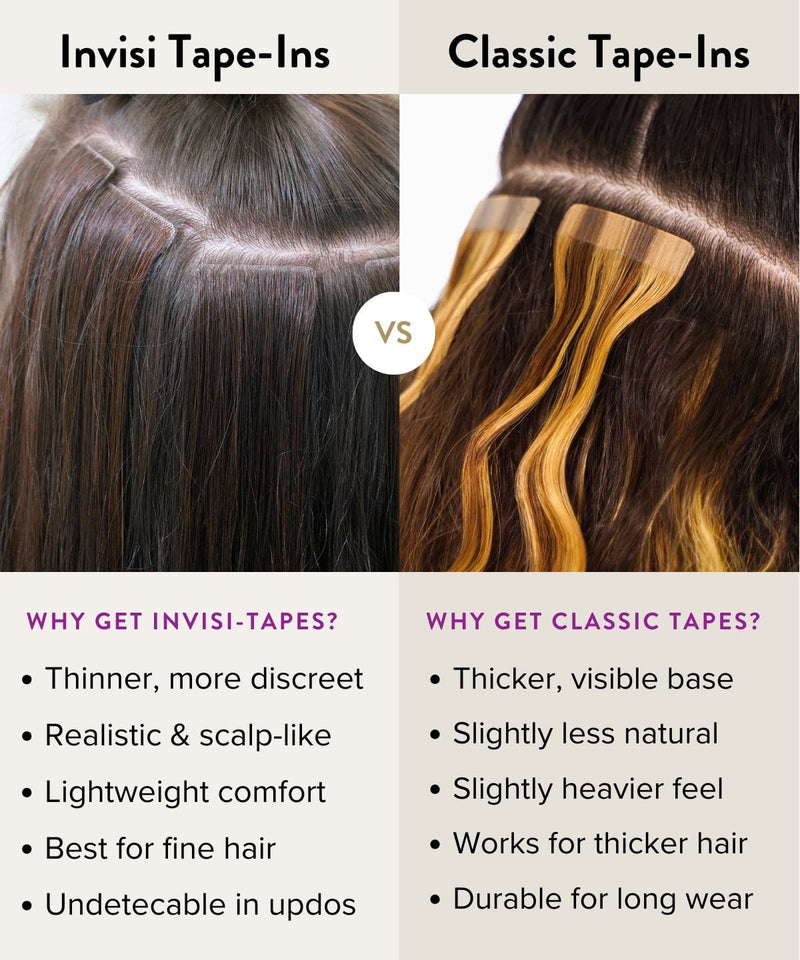
Thin hair often benefits from tape-in extensions because their flat adhesive design distributes weight evenly across a wider section of hair. This reduces tension at the roots and minimizes stress on delicate strands. Tape-ins lie close to the scalp, making them less visible in low-density areas. With proper placement, they add volume without overwhelming fine hair. This makes tape-ins one of the most comfortable long-term options for thin hair types.
Hair Extensions For Curly Hair
Curly hair can successfully wear tape-in extensions when texture matching and placement are done correctly. Tape-ins designed for curly or textured hair blend naturally when the curl pattern aligns with the wearer’s own hair. Strategic placement prevents disruption of curl formation at the roots. Proper hydration and curl-friendly styling routines help maintain cohesion between natural hair and extensions. When managed well, tape-ins enhance volume and length without flattening curls.
Best Type Of Hair Extensions
The best type of hair extensions depends on hair type, lifestyle, and maintenance preference. Tape-ins are often favored for their balance of durability, comfort, and reusability. They offer longer wear than clip-ins while remaining gentler than many bonded methods. Their low-profile attachment suits a wide range of hair textures. For many wearers, tape-ins provide the most practical combination of natural appearance and manageable upkeep.
Tape-Ins For Fine Hair And Longevity
For individuals with fine or delicate hair, tape-ins often provide a gentler wear cycle than heavier methods. Their flat design distributes weight evenly, reducing tension at the roots. Guidance from why tape-in extensions are a game changer for fine hair and low-density scalps explains how strategic placement improves both longevity and comfort.
Styling Between Reapplications
Tape-in extensions can be styled throughout their wear period as long as heat and tension are managed carefully. Heat protectant should always be used, and styles that avoid pulling at the roots help maintain adhesive integrity. Soft waves, loose braids, and gentle updos showcase the extensions while protecting the attachment points.
Professional Repositioning Versus DIY
Some experienced wearers reposition tape-ins at home using professional-grade tape, but many prefer salon visits for precision and cleanliness. Professional repositioning ensures correct alignment with new growth and allows stylists to address residue, matting, or blending issues before they worsen.
Comprehensive FAQ About Tape-In Hair Extensions
How long do tape-in hair extensions last per application? Tape-in hair extensions typically last six to eight weeks before needing repositioning due to natural hair growth.
Can tape-in hair extensions be reused? Yes, the hair itself can be reused multiple times with proper care, while the adhesive tabs are replaced during reapplication.
Do brown tape-in hair extensions last longer than other colors? Brown shades do not last longer structurally, but they often blend more naturally during grow-out, making transitions less noticeable.
What shortens the lifespan of tape-in extensions? Frequent washing, heavy oils near the roots, poor installation, and delayed maintenance can all shorten wear time.
Are tape-ins damaging to natural hair over time? When installed and maintained correctly, tape-ins are considered low-damage because they distribute weight evenly and require no heat or chemical bonding.
How often should tape-ins be repositioned? Most wearers reposition tape-ins every six to eight weeks to maintain comfort and a natural appearance.
Conclusion: Balancing Longevity With Care
Tape-in hair extensions offer a dependable semi-permanent solution for those seeking natural-looking length and volume without long-term commitment. With an expected wear cycle of six to eight weeks per application and the ability to reuse the hair itself, tape-ins provide both flexibility and value. Choosing quality options such as premium Brazilian Remy tape-in hair extensions for natural strength and smooth texture and exploring a complete collection of high-quality hair extensions for every hair type and shade ensures a better experience overall. By understanding how long tape-ins last and how to care for them properly, you can enjoy consistently beautiful, confident hair with minimal compromise.
