



DIY Hairstyles For Weddings Using Hair Extensions
Introduction
DIY wedding hairstyles are no longer a compromise reserved for last-minute brides or budget constraints. They have become a deliberate choice for women who want control, comfort, and authenticity on one of the most photographed days of their lives. With the right preparation and the intelligent use of hair extensions, many wedding hairstyles can be achieved at home with results that look polished, intentional, and professionally finished.
This guide exists to answer one core question honestly: which DIY wedding hairstyles using hair extensions actually work in real wedding conditions—and which ones fail despite looking good online. Weddings are long, emotional, and physically demanding events. Hairstyles must survive hours of movement, hugs, photography, and changing environments. A style that collapses or becomes uncomfortable halfway through the day is not a success, no matter how beautiful it looked in the mirror.
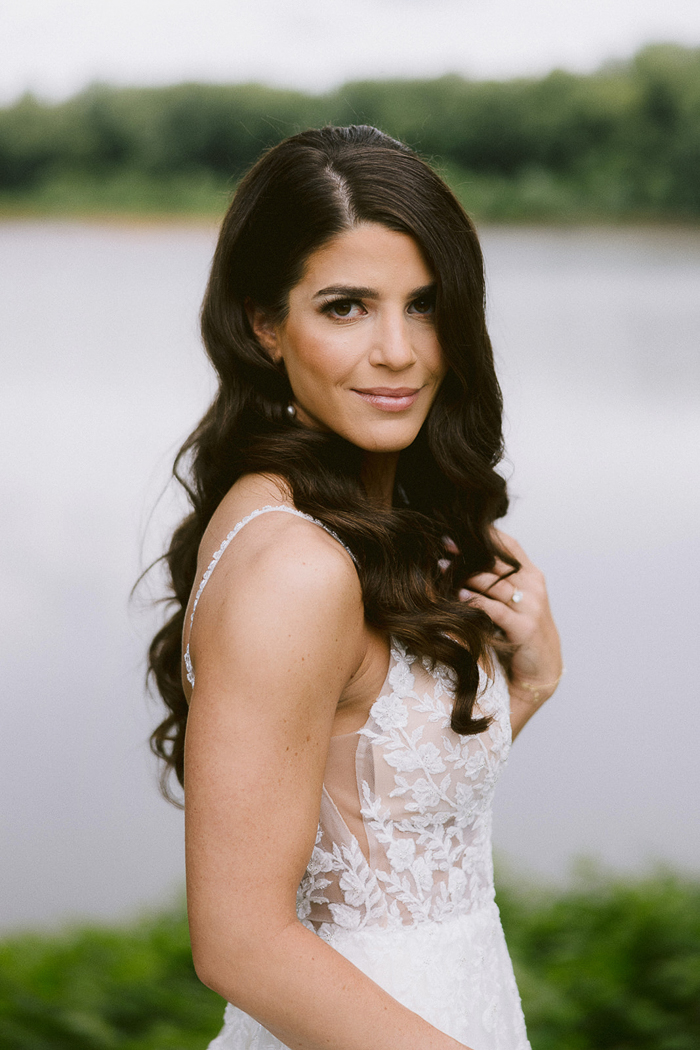
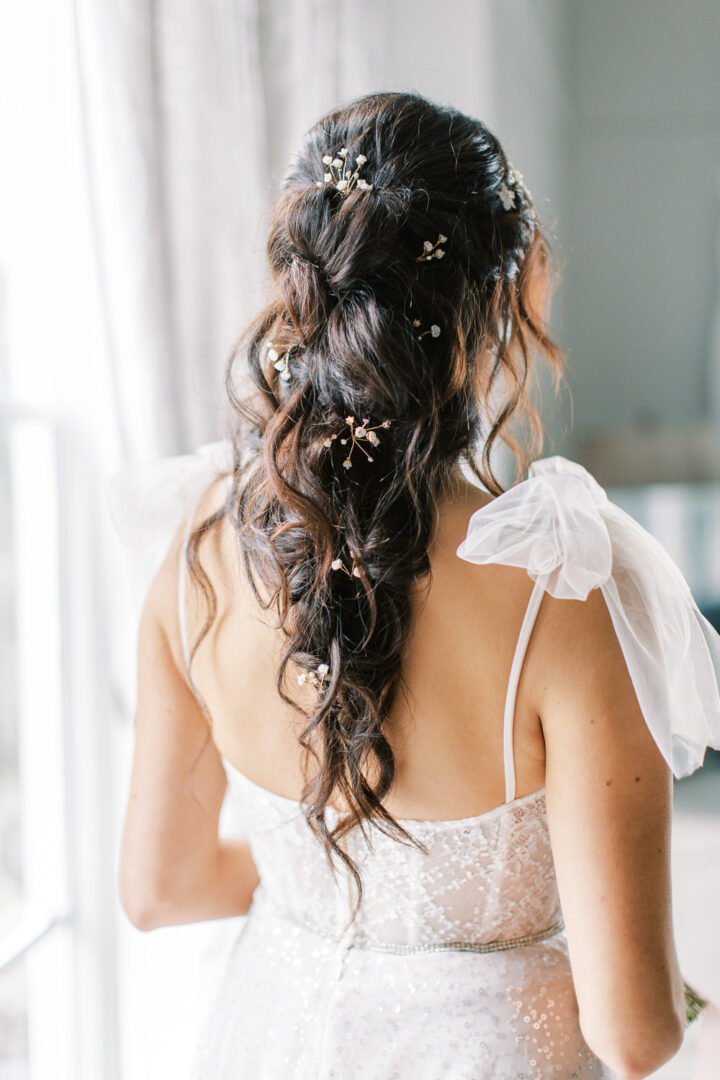
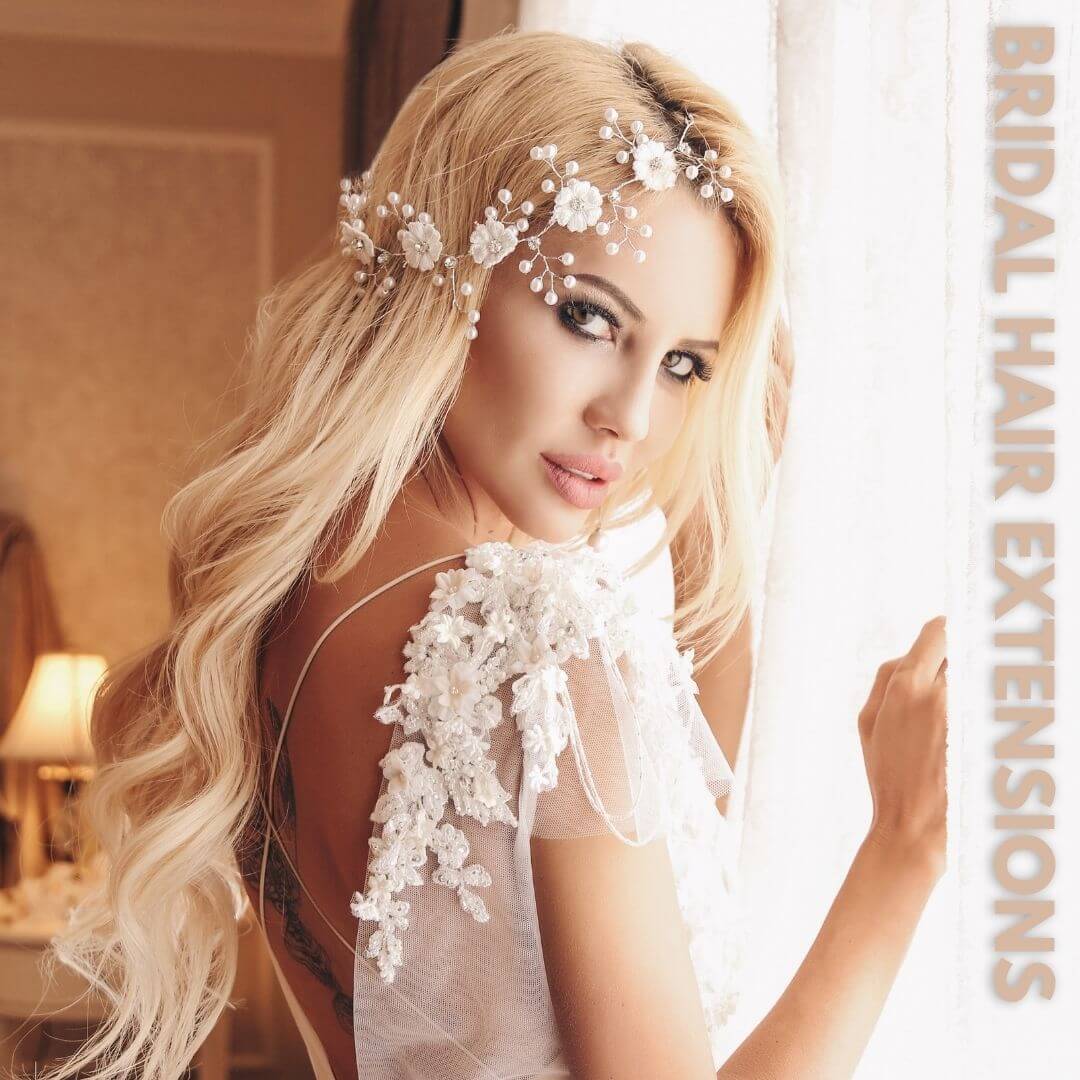

Context: Why DIY Wedding Hairstyles Need A Different Approach
Wedding hair is fundamentally different from everyday styling. The stakes are higher, the wear time is longer, and the margin for error is smaller. DIY styling becomes risky when it ignores these realities.
Weddings involve extended wear, constant physical interaction, and unforgiving photography. Styles that rely on excessive teasing, heavy product, or scalp tension often fail under pressure. Hair extensions change the DIY equation when used correctly. They act as structural tools that create internal density, provide anchor points for pins and curls, and reduce strain on natural hair.
Understanding this distinction is essential before attempting any DIY wedding hairstyle.
What To Choose And Why When Styling At Home
Choosing the right extensions is the foundation of DIY success. For at-home bridal styling, extensions must be lightweight, flexible, and easy to blend. Overly heavy pieces create discomfort and shorten wear time, while poorly matched textures expose seams under lighting.
Balanced options from a hair extensions collection designed for weddings allow brides to build structure without overwhelming natural hair.
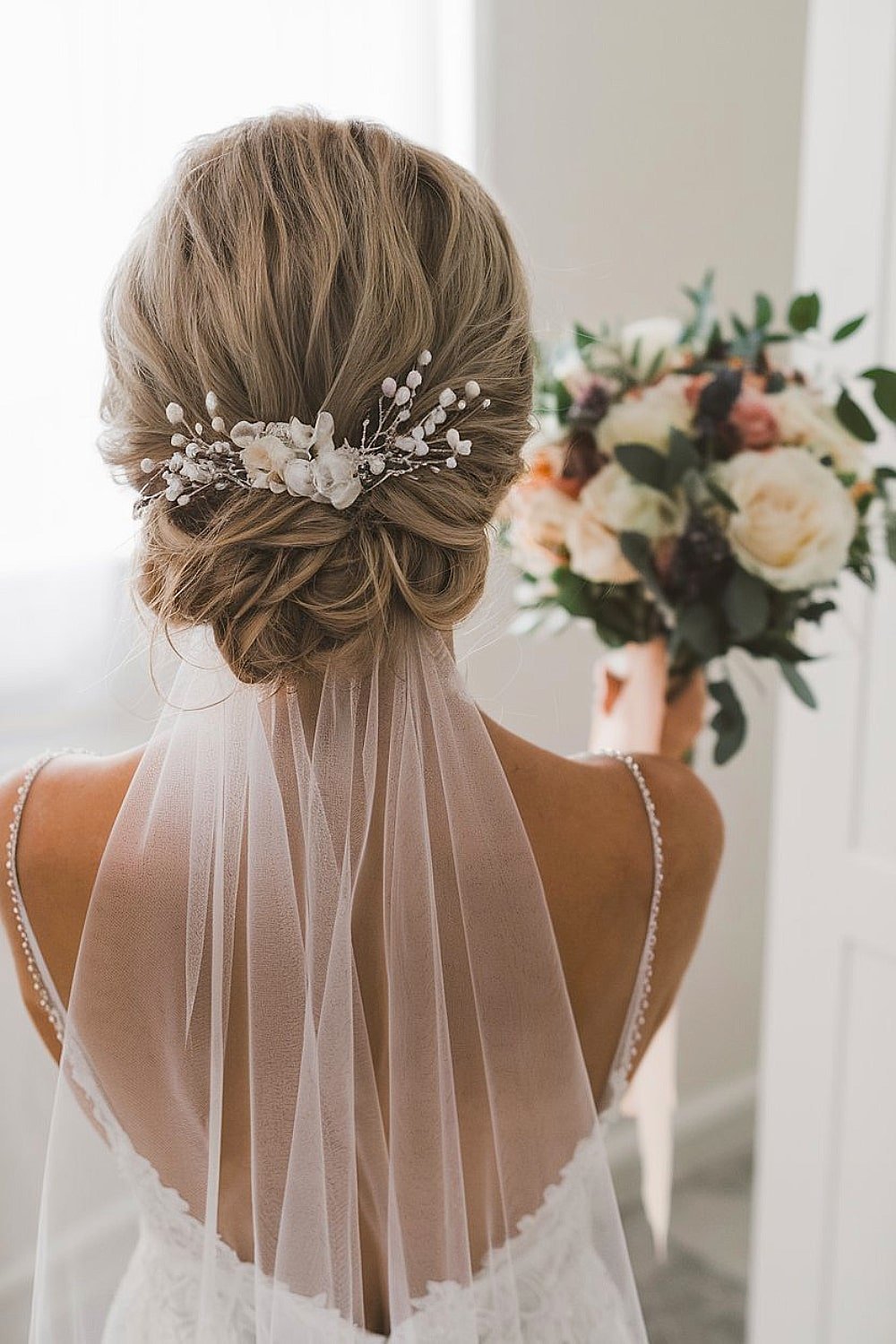
Texture matters more than length. Softly textured extensions integrate naturally into waves and updos, while straight extensions often drop prematurely when curled repeatedly. DIY-friendly styles include soft waves with controlled volume, half-up styles, and low buns—all of which balance simplicity with longevity.
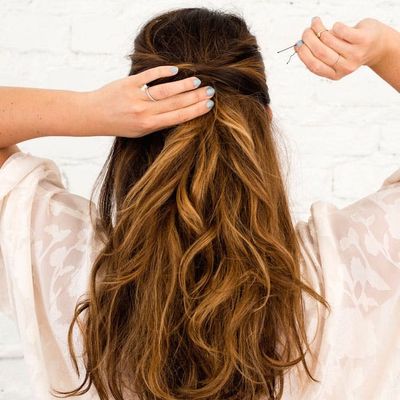


What Works Versus What Doesn’t In DIY Wedding Hair
What works includes lightweight extensions used for internal structure, styles designed for longevity rather than trends, moderate volume with clean blending, flexible hold instead of stiffness, and conservative length that maintains proportion.
What doesn’t work includes overloading hair with shine sprays, tight styles dependent on tension, excessive length that adds drag, complex braiding without practice, and trend-driven looks that ignore comfort.
DIY success depends on restraint. If a style feels heavy, painful, or unstable before leaving the room, it will not improve with time.
How Hair Extensions Improve DIY Results
Hair extensions act as a buffer between styling stress and natural hair. Pins anchor into extension hair instead of pulling at the scalp. Curls hold longer because added density supports shape retention. Volume remains consistent from morning to night.
Construction principles seen in hair extensions for weddings and long-wear bridal styles show how internal support reduces reliance on excessive heat and product—critical for DIY brides without professional backup.


Common DIY Wedding Hair Mistakes
One of the most common mistakes is copying styles designed for professionals. Many online tutorials assume advanced pinning techniques and trained hands. Another frequent error is prioritizing appearance over wear time. Heavy accessories, aggressive teasing, and stiff sprays may look impressive initially but collapse or cause discomfort later.
Skipping a full trial is another costly mistake. DIY wedding hair must be tested under realistic conditions including movement, sitting, standing, and time. Environmental factors such as heat, humidity, and layered clothing increase friction and stress.
Many brides avoid these issues by studying simplified structures found in every bride’s dream bridal hairstyles and adapting them for at-home execution rather than copying them exactly.
Matching DIY Hairstyles To Dress And Venue
DIY wedding hairstyles must align with the dress and setting. Strapless and off-shoulder gowns pair best with balanced volume or half-up styles, while high-neck or heavily detailed dresses benefit from lifted or controlled hair.
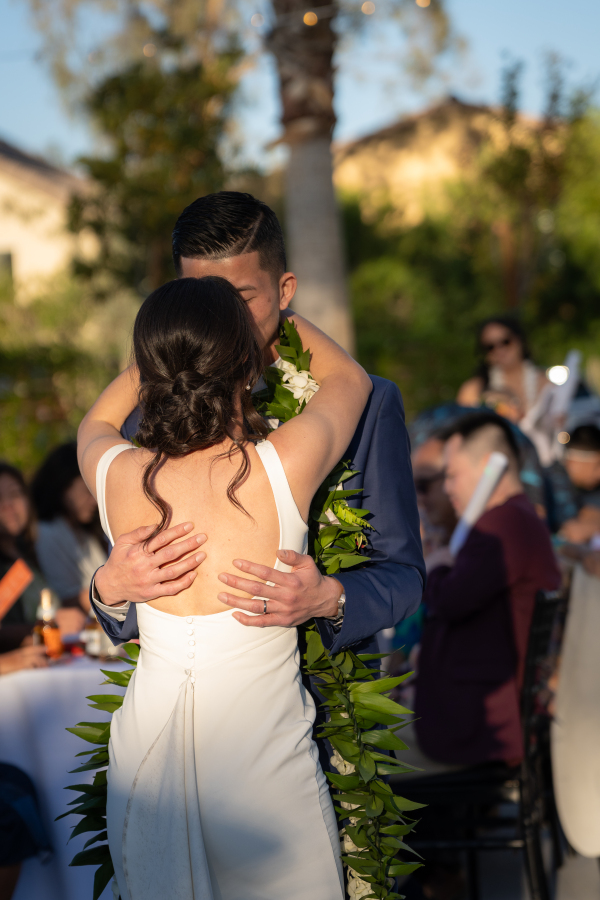
Outdoor weddings demand flexibility, making soft waves and low buns more reliable than rigid structures. Indoor venues allow more precision but still require comfort for long wear.
Brides with limited time often benefit from learning crossover techniques used in graduation and prom hairstyles that last all day, where longevity and movement tolerance are essential.


When DIY Is Appropriate And When It’s Not
DIY wedding hair is appropriate when the style is simple, well-tested, supported with lightweight extensions, and when sufficient time and backup tools are available. DIY may not be appropriate when hairstyles are highly structured, experience is limited, or emotional and time pressure is extreme.
Choosing professional help is not a failure. Confidence and comfort are the true success metrics.
Health And Comfort Considerations
Wedding hair should never hurt. Pain, tightness, or pulling are warning signs of poor construction. Dermatological research confirms that prolonged tension and uneven weight distribution increase the risk of traction-related scalp stress.
Extensions should distribute weight evenly and allow natural movement. Comfort directly determines how long a hairstyle remains intact.
Final Takeaway
DIY wedding hairstyles using hair extensions can be elegant, durable, and deeply personal when approached with realism and preparation. Success comes from choosing styles designed to last, using extensions as internal support, and prioritizing comfort over complexity.
The best DIY wedding hair looks intentional, balanced, and effortless.
Frequently Asked Questions
Can DIY wedding hairstyles really last all day?
Yes, when built with internal support, tested properly, and designed for wear time.
Do hair extensions damage natural hair during weddings?
No, when they are lightweight, evenly distributed, and worn temporarily.
Should I practice my DIY wedding hairstyle?
Absolutely. Practice is essential for comfort, confidence, and timing.
Are clip-in extensions suitable for DIY bridal hair?
Yes, when placed strategically and not overloaded.
Can short hair be styled DIY for weddings using extensions?
Yes, with proportion-focused placement and restrained volume.
Is discomfort normal with wedding hairstyles?
No. Discomfort indicates structural issues and should be corrected.


