
-

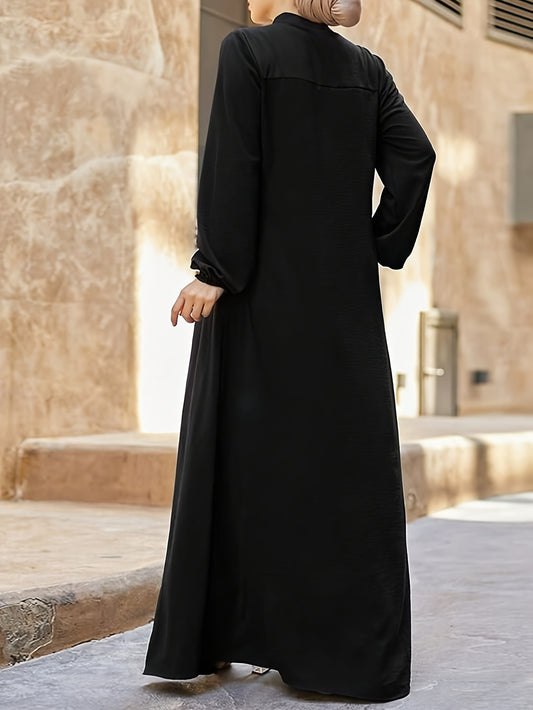
Elegant Black Long Sleeve Palestinian Abaya Dress with Zipper Pockets - Casual Loose Fit, Collared Neckline, Traditional Middle Eastern Style, Comfortable Women'S Dress|Casual Elegance|Pocketed Dress
Regular price $166.82 USDRegular priceUnit price per$0.00 USDSale price $166.82 USD -

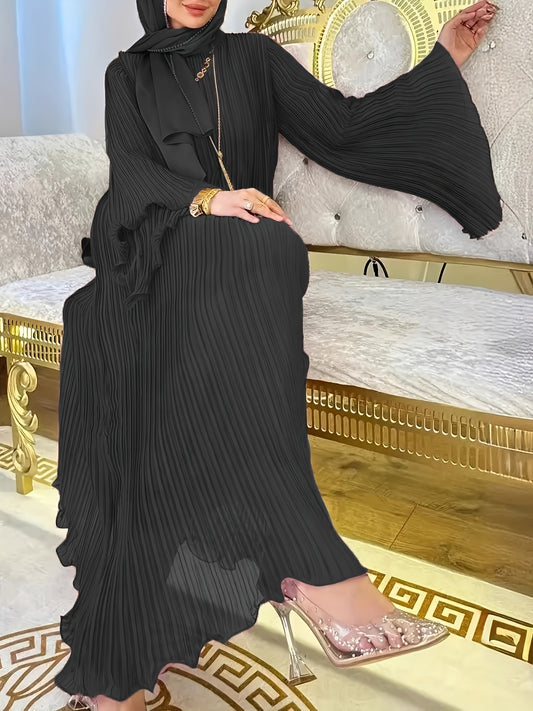
Wrinkled Style Long Palestinian Abaya - Comfortable, Elegant for Casual Wear
Regular price $177.05 USDRegular priceUnit price per$0.00 USDSale price $177.05 USD -

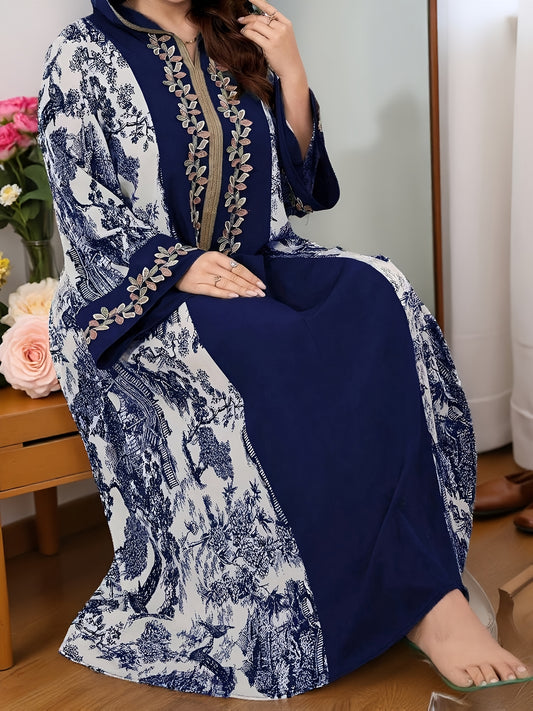
Plus Size, 2025 new landscape print decoration three-dimensional lace Middle Eastern hooded long loose large size Palestinian Abaya
Regular price From $160.94 USDRegular priceUnit price per$0.00 USDSale price From $160.94 USD -

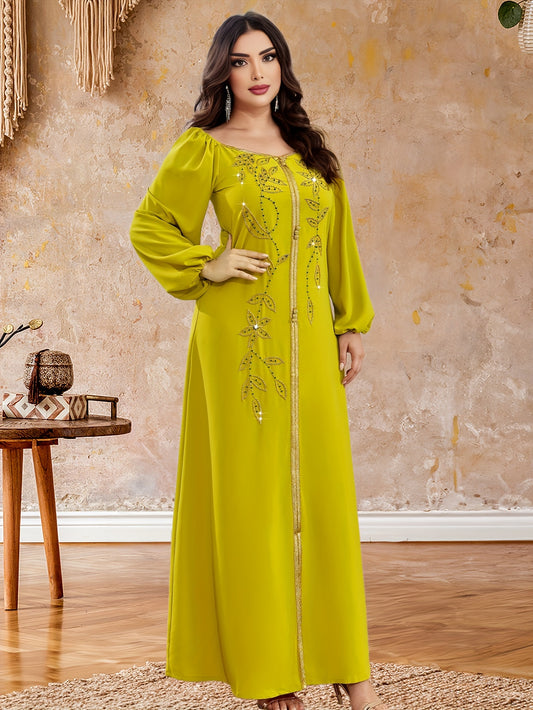
Elegant Long Sleeve Polyester Dress with Lantern Sleeves, Solid Color, Tie Back, and Belted Waist Palestinian Abaya
Regular price From $177.81 USDRegular priceUnit price per$0.00 USDSale price From $177.81 USD -

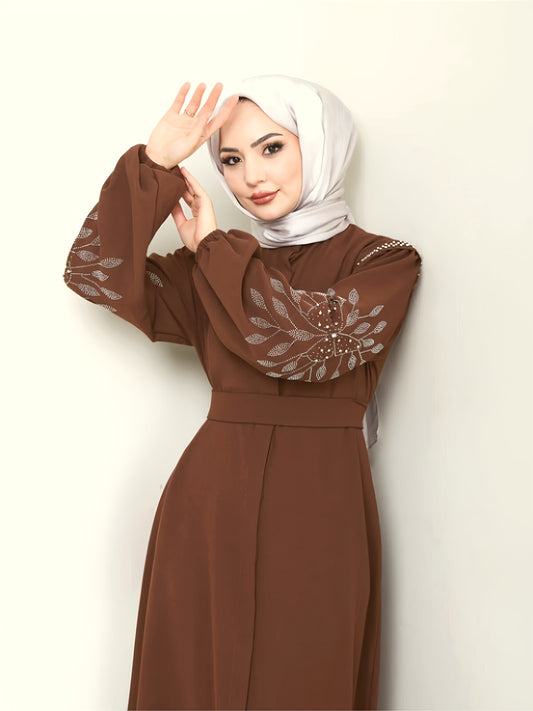
Elegant Middle Eastern-Inspired Rhinestone & Pearl Embellished Long Palestinian Abaya Dress - 100% Polyester Solid Black Floor-Length with Belt, Hand Wash Only for Modest Women
Regular price From $187.48 USDRegular priceUnit price per$0.00 USDSale price From $187.48 USD -

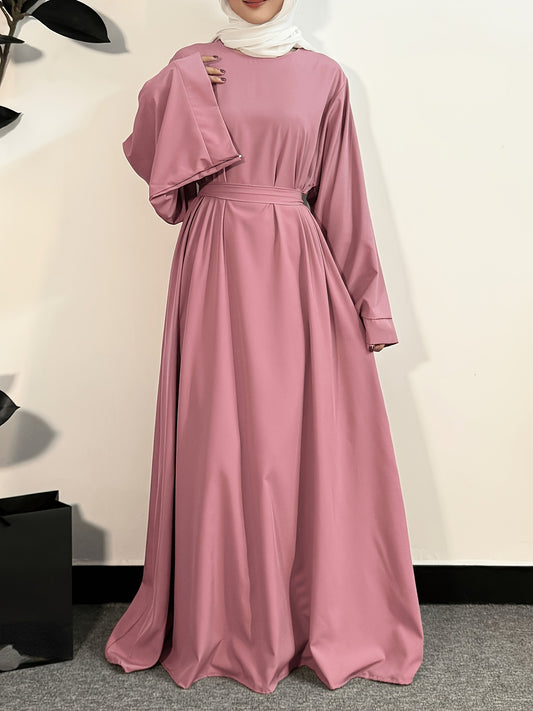
Women's Long Polyester Palestinian Abaya Kaftan with Belt - 100% Polyester, Solid Color, Regular Long Sleeve, Loose Fit, H-Contour, Woven, Non-Stretch, All Seasons, Full-Length Islamic Prayer Dress
Regular price From $172.46 USDRegular priceUnit price per$0.00 USDSale price From $172.46 USD


About Palestinian Abaya
The Heritage And Cultural Significance Of Palestinian Abayas
The abaya has always represented modesty, dignity, and timeless elegance. Within Palestine, however, this garment holds an even deeper meaning, carrying threads of cultural resilience, artistry, and regional identity. Palestinian abayas are not simply clothing—they are cultural legacies. Their beauty lies in the way they combine modest silhouettes with traditional embroidery known as tatreez, an intricate hand-stitched art form passed down for generations.
This embroidery distinguishes Palestinian abayas from those of other regions. While the abaya is globally recognized as a symbol of modestwear, the Palestinian interpretation carries motifs and patterns that speak of land, heritage, and familial stories. Each stitch narrates a tale, whether it is the geometric red motifs from Ramallah, the olive-branch inspired patterns of Bethlehem, or the symbolic key and house designs that embody memory and belonging.
In modern times, Palestinian abayas have transcended their purely cultural role. They are worn not only by women across Palestine but also by global communities who admire their artistry and symbolism. Designers are increasingly fusing traditional motifs with contemporary cuts, ensuring the Palestinian abaya remains a vibrant statement of cultural pride and global elegance.
Fabulive’s carefully curated collection of Palestinian abayas reflects this blend. Each design honors the spirit of heritage while offering the refinement, versatility, and craftsmanship expected in luxury fashion.
Design Language Of Palestinian Abayas
The design of Palestinian abayas balances modesty with symbolism. Silhouettes are typically long and flowing, providing coverage while allowing freedom of movement. However, it is the embroidery that truly defines the garment. Patterns are meticulously arranged across chest panels, cuffs, hemlines, and occasionally the entire front or back, creating focal points that draw the eye without overwhelming the garment’s modest framework.
Colors play a critical role. Black remains a foundational base, signifying dignity and timelessness, but embroidery introduces vibrancy. Reds dominate traditional tatreez, symbolizing strength and vitality, while blues, greens, and golds add richness and regional distinction. Modern variations experiment with pastels and monochromes, reflecting contemporary tastes while preserving the symbolic language of embroidery.
Fabulive’s collection respects these traditions while exploring modern interpretations. Some designs feature bold, full-panel embroidery, while others embrace minimalism with delicate motifs on cuffs and collars. This range allows women to choose abayas that reflect both personal style and cultural alignment.
Materials That Elevate Palestinian Abayas
Historically, Palestinian abayas were made using natural cottons and wools, durable enough for daily wear while suitable for hand embroidery. Today, designers incorporate a wider range of fabrics that merge tradition with modern luxury. Nida and crepe fabrics dominate for their drape and modest opacity, while chiffon overlays add delicacy and layering potential. For winter, wool blends and velvets provide warmth, serving both functional and ceremonial purposes.
Premium collections often integrate silk, satin, or organza, especially when paired with intricate embroidery. These materials elevate the abaya into eveningwear, allowing it to rival gowns and dresses in formality and grandeur. Synthetic blends are also used in some contemporary designs, offering wrinkle resistance and practicality for modern women on the go.
Fabulive emphasizes material integrity in its Palestinian abaya line. Each fabric is chosen for its balance of luxury, comfort, and durability, ensuring garments that can withstand repeated use while retaining elegance. Reinforced stitching preserves embroidery integrity, allowing each piece to endure as both wearable attire and artistic expression.
Functionality For Contemporary Living
One of the most appealing features of Palestinian abayas is their adaptability. While deeply rooted in tradition, they serve diverse roles in modern wardrobes. For daily wear, lightweight crepe or cotton-based abayas provide practicality with modest elegance. For formal occasions, embroidered silk or velvet abayas exude grandeur, often chosen for weddings, Eid celebrations, or cultural gatherings.
Professionals appreciate their ability to project authority while remaining modest. Students and young women embrace lighter, pastel-embroidered abayas for an approachable yet dignified presence. Open-front variations layered over dresses or trousers allow versatile styling, while belted abayas add shape and modern silhouettes.
Fabulive designs its Palestinian abayas to reflect these functional needs. Each piece is not only a garment but a solution—adaptable across diverse settings while retaining heritage at its core.
Cultural Relevance And Global Identity
Palestinian abayas hold cultural resonance that transcends aesthetics. To wear one is to participate in cultural continuity, to preserve traditions of embroidery that have survived centuries of change. For many women, these garments are not just fashion but symbols of resistance, resilience, and belonging.
Globally, as modest fashion gains visibility, Palestinian abayas stand out for their unique artistry. International designers and influencers increasingly showcase them as wearable art, admired for their balance of tradition and modernity. They serve as cultural ambassadors, introducing audiences worldwide to Palestinian craftsmanship and heritage.
By curating such abayas, Fabulive affirms its role in amplifying cultural narratives. Each design is positioned as not only a luxury garment but also a celebration of identity, ensuring that Palestinian artistry reaches global platforms.
Styling Palestinian Abayas Across Occasions
Styling possibilities for Palestinian abayas are endless. For everyday wear, simple embroidered abayas in lightweight fabrics pair well with flats or sandals, offering comfort without sacrificing elegance. For festive occasions, richly embroidered designs in velvet or silk transform into statement pieces with heels and fine jewelry.
Younger wearers may style open-front abayas with belts and contemporary footwear, merging tradition with global fashion trends. Professionals often choose monochrome abayas with minimal embroidery, accessorizing with structured handbags and watches for refined sophistication.
Fabulive’s abayas are designed for this versatility. They can transition seamlessly from daily life to celebratory events, embodying the principle that modest fashion can be timeless, expressive, and adaptable.
Maintenance As A Luxury Ritual
Caring for Palestinian abayas ensures longevity, especially given the delicacy of embroidery. Handwashing or professional dry-cleaning is recommended for embroidered or embellished designs, while simpler abayas may withstand gentle machine washes. Abayas should be stored on padded hangers, ideally covered in breathable garment bags to prevent dust and fading.
Steaming preserves fabric drape and prevents damage to embroidery. For heavily adorned abayas, wrapping them in tissue paper before storage protects stitches and beadwork. Such maintenance transforms ownership into a ritual of care, ensuring that garments remain radiant for years.
Fabulive encourages its customers to adopt these practices, framing maintenance not as a burden but as an extension of luxury living—respecting and preserving artistry.
Sustainability In Modern Abaya Production
Sustainability has become a defining feature of modern luxury, and Palestinian abayas align with this shift. The use of hand embroidery supports artisanal communities, ensuring skills are preserved while providing fair wages. Fabrics sourced responsibly reduce environmental impact, while long-lasting construction ensures abayas transcend fast fashion.
Fabulive integrates sustainability into its collections by working with ethical suppliers and prioritizing eco-friendly materials. Each abaya thus becomes more than a garment—it becomes a statement of responsibility, allowing buyers to participate in conscious luxury.
FAQs
Are Palestinian abayas always heavily embroidered? Not always. While embroidery is a hallmark, modern variations include minimalist designs with subtle details.
Do they come only in black? No. While black is traditional, abayas also feature rich colors and pastel palettes.
Are they suitable for global wear? Yes. Their modest elegance and unique embroidery make them versatile worldwide.
Do they require special care? Embroidered pieces should be dry-cleaned or handwashed gently for longevity.
How do they differ from other abayas? Palestinian abayas are distinguished by their cultural embroidery (tatreez), symbolic motifs, and artisanal craftsmanship.
The Artistry Of Palestinian Abayas
Palestinian abayas stand apart because of the intricate artistry they embody. At the heart of their design lies tatreez—Palestinian embroidery that is more than decoration; it is cultural storytelling. Each motif carries symbolic meaning: the cypress tree symbolizing life, the olive branch evoking peace, or geometric stars representing continuity. This embroidery transforms abayas into wearable canvases of heritage, where each stitch is a testament to patience, identity, and pride.
The positioning of embroidery is intentional. Panels across the chest highlight central motifs, while cuffs, hemlines, and sleeves offer opportunities for detailed embellishment. Modern designers also experiment with asymmetry—placing embroidery diagonally or across side panels—creating a dialogue between tradition and innovation. Fabulive’s collection showcases this spectrum, from richly adorned statement abayas to understated designs with delicate borders.
Embellishments also extend beyond threadwork. Beadwork, sequins, and crystal accents sometimes enhance embroidery, making Palestinian abayas versatile for formal occasions. Yet, the essence always lies in preserving the identity of tatreez while adapting it to contemporary needs.
Materials That Define Elegance And Functionality
The choice of fabric defines both the look and feel of a Palestinian abaya. Traditionally, cotton was favored for its durability and suitability for embroidery. Today, abayas are produced in fabrics that balance luxury with practicality.
Crepe remains a staple, providing structure and a matte finish that enhances embroidery without distraction. Nida is another popular fabric, prized for its softness and flow. Chiffon overlays create ethereal layering, while georgette adds movement for abayas designed with draped silhouettes. For winter, velvet and wool blends deliver warmth while elevating the garment into ceremonial attire.
Premium lines sometimes feature silk or satin bases for special occasions, allowing embroidery to shimmer under light. Synthetic blends like polyester or rayon offer wrinkle resistance, catering to women who seek practicality without compromising style.
Fabulive prioritizes fabrics that maintain integrity under intricate embroidery. Reinforced weaves prevent sagging, while high-quality dyes ensure color vibrancy. The result is a garment that balances tradition with modern expectations of wearability.
Functional Benefits For Modern Women
Palestinian abayas are more than cultural garments—they are functional attire adapted to modern lifestyles. Their flowing cuts allow ease of movement, making them practical for daily wear. For professionals, tailored designs with subtle embroidery project authority while preserving modesty. Students and young women often prefer lighter fabrics and contemporary cuts, integrating abayas seamlessly into modern wardrobes.
Versatility is a hallmark of Palestinian abayas. An embroidered velvet abaya can serve as eveningwear, while a cotton crepe variation may function as daily attire. Open-front styles can be layered over Western clothing, blending cultures with elegance. Belted designs allow wearers to define silhouettes, offering customization while maintaining modest foundations.
Fabulive’s collections reflect these functional priorities, ensuring each abaya can adapt across roles—from cultural events to contemporary workplaces—without losing its essence.
Cultural Relevance Beyond Borders
The Palestinian abaya carries symbolism that extends beyond fashion. Wearing one is an act of cultural affirmation, a way to preserve traditions in the face of change. For Palestinians, it is a reminder of identity, belonging, and resilience. For global audiences, it is a celebration of artisanal heritage admired for its artistry and meaning.
On international runways, Palestinian embroidery has increasingly been recognized as part of the global fashion narrative. Influencers and designers highlight abayas not only for their modest elegance but also for their cultural authenticity. The abaya thus becomes a cross-cultural garment—rooted in heritage yet embraced globally as part of the modest fashion movement.
By featuring Palestinian abayas, Fabulive plays a role in amplifying these narratives, ensuring that each piece is not only a garment but also a symbol of cultural pride made accessible to women worldwide.
Styling Horizons With Palestinian Abayas
The adaptability of Palestinian abayas offers endless styling options. Minimalist designs with delicate embroidery pair seamlessly with contemporary accessories such as leather handbags, block heels, or silk scarves. Richly embroidered pieces, on the other hand, stand alone as statement garments, requiring little additional adornment.
For formal events, jewel-toned velvet abayas with gold threadwork can rival gowns, offering modest elegance with unmatched distinction. For casual occasions, lighter cotton or crepe abayas styled with flats or sneakers create approachable sophistication. Professionals often favor monochrome abayas with subtle embroidery, which can be paired with structured blazers or coats for hybrid styling.
Younger wearers often experiment with layering—belting open-front abayas over trousers or dresses, or combining them with contemporary jewelry. These modern interpretations prove that Palestinian abayas transcend generational divides, appealing to diverse audiences with equal impact.
Fabulive’s curated range empowers women to interpret styling according to personal preference, lifestyle, and occasion. Each abaya is designed to serve as a canvas for individuality within the framework of tradition.
Maintenance As An Investment In Longevity
Palestinian abayas, particularly those with intricate embroidery, require thoughtful care to preserve their artistry. Dry-cleaning is recommended for embellished or delicate fabrics such as silk and velvet. Everyday fabrics like nida or crepe may be handwashed or gently machine-washed, provided embroidery is protected.
Storage is essential. Abayas should be hung on padded hangers and covered in breathable garment bags. Embroidered or beaded designs benefit from tissue wrapping to prevent snagging. Steaming rather than ironing maintains fabric integrity, preventing sheen marks or thread damage.
Fabulive emphasizes these practices as part of its luxury philosophy. By treating abayas as heirloom-quality garments, wearers extend their lifespan and preserve their role as enduring wardrobe investments.
Sustainability As A Core Value
Sustainability increasingly defines the future of modest fashion, and Palestinian abayas embody this ethos through artisanal production and long-lasting quality. Hand embroidery supports local artisans, many of whom rely on tatreez as a livelihood. This not only preserves cultural heritage but also fosters economic empowerment.
Sustainable practices extend to fabric sourcing and eco-friendly dyeing, minimizing environmental impact. Long-lasting garments themselves reduce waste, aligning with slow-fashion principles. Fabulive supports this shift by ensuring its collections prioritize ethical sourcing and eco-conscious practices, allowing buyers to indulge in luxury with integrity.
Investment Value Of Palestinian Abayas
The investment dimension of Palestinian abayas lies in their dual role as fashion and heritage. Financially, their versatility reduces the need for multiple garments—one abaya can function across daily, professional, and ceremonial settings. Their durability ensures they remain wardrobe staples for years.
Emotionally, they are priceless. Many abayas carry symbolic significance, marking milestones such as Eid, weddings, or personal journeys of faith. The embroidery itself becomes a narrative thread, passed down as part of family heritage.
Fabulive ensures that each abaya fulfills this investment dimension, offering not just a garment but a cultural treasure that stands the test of time.
FAQs
Do Palestinian abayas suit global audiences? Yes. Their unique embroidery appeals worldwide, celebrated for cultural authenticity and elegance.
Can they replace formal dresses? Absolutely. Embroidered velvet or silk abayas are popular alternatives to gowns at weddings and receptions.
Do they require special care? Embroidered and embellished abayas should be dry-cleaned or gently handwashed.
Are they inclusive of all body types? Yes. Flowing silhouettes and belted options adapt easily to varied shapes and sizes.
How are they different from other abayas? Palestinian abayas are defined by tatreez embroidery, carrying cultural narratives unique to Palestine.
The Long-Term Value Of Palestinian Abayas
Luxury garments achieve their status not only through beauty but also through relevance and endurance. Palestinian abayas embody this principle with unmatched clarity. Their value extends across three dimensions: cultural, functional, and emotional.
Culturally, the Palestinian abaya preserves heritage through tatreez embroidery, ensuring ancient traditions live on in contemporary contexts. Functionally, the abaya remains versatile—appropriate for daily life, professional environments, and formal celebrations. Emotionally, it carries symbolic weight. Each motif stitched into the fabric reflects resilience, belonging, and pride.
Financially, a Palestinian abaya is an investment. Unlike fast-fashion garments, which fade quickly, high-quality abayas from Fabulive retain their form and vibrancy for years. A single embroidered piece can serve as a multipurpose garment, reducing the need for multiple outfits. In this way, their long-term value is both practical and profound.
Fabulive’s Role In Global Luxury Modestwear
Fabulive has positioned itself as a global curator of modest luxury, and its Palestinian abaya collection exemplifies this. By respecting heritage while integrating modern tailoring, Fabulive offers garments that resonate with women worldwide. Its abayas balance artistry with wearability, allowing cultural pride to coexist with contemporary aesthetics.
What sets Fabulive apart is its holistic philosophy. The brand prioritizes ethical sourcing, artisanal preservation, and sustainable practices. Each abaya is not only a garment but also a narrative—supporting artisans, celebrating heritage, and empowering women to embrace modesty with dignity and elegance.
Through its collections, Fabulive ensures Palestinian abayas are recognized not merely as regional attire but as icons of global luxury fashion.
Styling Across Generations And Occasions
The enduring appeal of Palestinian abayas lies in their adaptability across generations. Younger women may favor pastel abayas with minimal embroidery, styled with belts and sneakers for a modern look. Professionals often choose monochrome designs with subtle cuffs or collar embroidery, pairing them with structured handbags for sophistication. Mature women gravitate toward richly embroidered velvet abayas, styled with silk scarves and classic jewelry, emphasizing grace and tradition.
Occasions highlight this versatility. At weddings, embroidered abayas in jewel tones rival gowns in elegance. During Eid or cultural festivals, abayas become celebratory attire, embodying both modesty and festivity. For daily life, simple cotton or crepe variations provide comfort while carrying the dignity of tradition.
Fabulive’s diverse collection ensures every woman finds a piece that reflects her personality, lifestyle, and cultural pride.
Maintenance As A Luxury Ritual
Owning a Palestinian abaya requires commitment to care. Embroidered pieces are best dry-cleaned or handwashed gently, while simpler fabrics like crepe and nida can be machine-washed with care. Storing abayas in breathable garment bags, using padded hangers, and protecting embroidery with tissue paper ensures longevity.
Steaming is preferred over ironing, as it maintains fabric integrity while preserving the sheen of embroidery threads. By adopting these practices, owners not only preserve the garment’s beauty but also honor the craftsmanship behind it.
Fabulive frames maintenance as part of the luxury experience—an act of stewardship that reflects pride in ownership.
Sustainability And Ethical Commitment
In today’s fashion world, sustainability is not optional—it is a responsibility. Palestinian abayas inherently align with this ethos, given their artisanal nature and durability. Hand embroidery supports local craftspeople, ensuring cultural traditions remain alive while providing fair livelihoods.
Eco-conscious fabrics, natural dyes, and ethical production methods further reduce environmental impact. By producing garments that last, Palestinian abayas embrace the slow-fashion philosophy.
Fabulive strengthens this sustainability narrative through its transparent sourcing and eco-friendly packaging. Each abaya purchased becomes more than a garment—it is a conscious choice that supports cultural preservation and environmental responsibility.
Extended FAQs
Do Palestinian abayas suit non-traditional occasions? Yes. Their versatility allows them to be styled for professional, casual, or celebratory settings.
Can they be tailored for custom fits? Absolutely. Many designs allow adjustments for sleeves, waistlines, and lengths.
Are they suitable for international audiences? Yes. Their embroidery and modest silhouettes resonate globally within the modest fashion movement.
Do they work year-round? Yes. Lightweight fabrics suit summer, while velvet and wool blends serve winter needs.
Are they timeless? Yes. The embroidery ensures they remain culturally significant, while modern cuts keep them fashion-forward.
How do they differ from Jordanian or Syrian abayas? While neighboring styles share similarities, Palestinian abayas are distinguished by their unique tatreez motifs and symbolic designs.
Can they replace Western eveningwear? Certainly. Embellished abayas rival gowns in elegance and sophistication.
Are they inclusive of all sizes? Yes. Loose silhouettes, belted variations, and tailored options ensure inclusivity across body types.
Do they require accessories? Not necessarily. Embroidery often provides all the ornamentation needed, though scarves and jewelry can enhance the look.
Why choose Fabulive’s Palestinian abayas? Because they combine authentic heritage with modern refinement, sustainability, and luxury craftsmanship.
Conclusion: Palestinian Abayas As Living Heritage
The Palestinian abaya is not just a garment—it is living heritage. It symbolizes resilience, identity, and artistry, carrying cultural narratives into modern contexts. More than modestwear, it is a statement of elegance, pride, and sustainability.
Fabulive’s Palestinian abaya collection encapsulates this spirit. Each piece is a testament to craftsmanship, cultural preservation, and conscious luxury. For women worldwide, these abayas offer more than attire—they offer a connection to history, a symbol of identity, and an investment in timeless refinement.
Customer Reviews
• Amina – Palestine: “Wearing this abaya felt like carrying my heritage with me. The embroidery is breathtaking, and the quality is unmatched.” ⭐⭐⭐⭐⭐
• Sophia – USA: “I bought one from Fabulive for Eid, and it was the perfect mix of tradition and elegance. Received so many compliments.” ⭐⭐⭐⭐
• Layla – UAE: “The velvet Palestinian abaya I purchased is pure luxury. The embroidery detail is stunning.” ⭐⭐⭐⭐⭐
• Hanan – UK: “I appreciate the balance between modesty and modern styling. It works for professional meetings and dinners.” ⭐⭐⭐⭐
• Fatima – Canada: “The craftsmanship is exquisite. It feels like a wearable piece of art.” ⭐⭐⭐⭐⭐
• Maya – Australia: “I love that Fabulive uses sustainable packaging. It makes the luxury purchase feel even more meaningful.” ⭐⭐⭐⭐
• Nora – Germany: “This abaya is both comfortable and sophisticated. I can wear it daily or on special occasions.” ⭐⭐⭐⭐⭐
• Isabelle – France: “A perfect blend of cultural artistry and modern design. Fabulive delivers quality beyond expectations.” ⭐⭐⭐⭐
• Elena – Italy: “The embroidery shines beautifully in natural light. It feels timeless and chic.” ⭐⭐⭐⭐⭐
• Omarah – Saudi Arabia: “I purchased a heavily embroidered design, and it’s the highlight of my wardrobe. Absolutely worth the investment.” ⭐⭐⭐⭐⭐