
-


Red Gold Embroidered Chiffon Elegant Kaftan
Regular price $95.99 USDRegular priceUnit price per$0.00 USDSale price $95.99 USD -


Black Embroidered Flowing Evening Elegant Kaftan
Regular price $95.99 USDRegular priceUnit price per$0.00 USDSale price $95.99 USD -


Green Embroidered Chiffon Hooded Elegant Kaftan
Regular price $95.99 USDRegular priceUnit price per$0.00 USDSale price $95.99 USD -

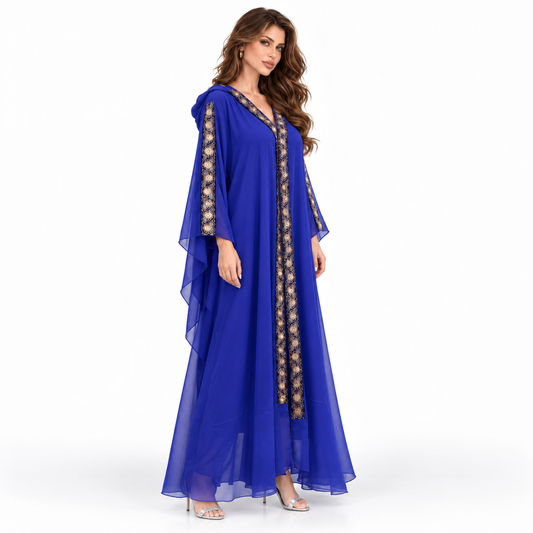
Royal Blue Embroidered Hooded Elegant Kaftan
Regular price $95.99 USDRegular priceUnit price per$0.00 USDSale price $95.99 USD -


Brown Leopard Flowing Elegant Kaftan Dress
Regular price From $105.99 USDRegular priceUnit price per$0.00 USDSale price From $105.99 USD -

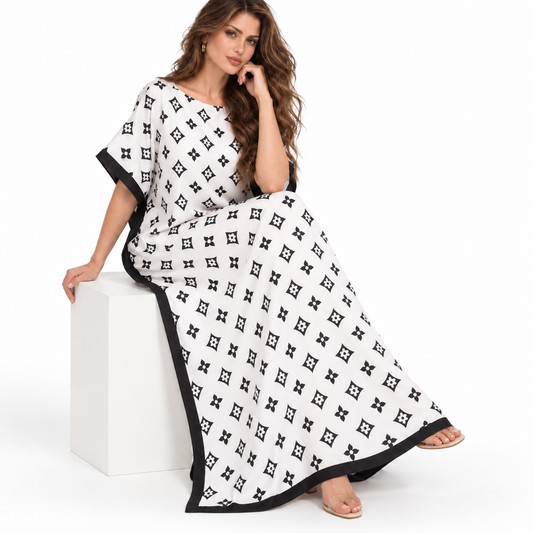
White Monogram Stole Elegant Kaftan Dress
Regular price $55.99 USDRegular priceUnit price per$0.00 USDSale price $55.99 USD -


Brown Gold Print Stole Elegant Kaftan
Regular price $56.99 USDRegular priceUnit price per$0.00 USDSale price $56.99 USD -


Pink Monogram Stole Elegant Kaftan Dress
Regular price $55.99 USDRegular priceUnit price per$0.00 USDSale price $55.99 USD -


Khaki Geometric Print Stole Elegant Kaftan
Regular price $55.99 USDRegular priceUnit price per$0.00 USDSale price $55.99 USD -


Black Monogram Stole Elegant Kaftan Dress
Regular price $55.99 USDRegular priceUnit price per$0.00 USDSale price $55.99 USD -


Green Tropical Full Length Elegant Kaftan
Regular price From $700.99 USDRegular priceUnit price per$0.00 USDSale price From $700.99 USD -


Red White Tropical Print Elegant Kaftan
Regular price From $694.99 USDRegular priceUnit price per$0.00 USDSale price From $694.99 USD


KAFTAN BY FABRIC
The Complete Guide To Kaftan Fabrics
Kaftans are garments of elegance, history, and cultural depth, but behind every flowing silhouette lies the true essence of their beauty—the fabric. Kaftan fabric is the foundation that determines how the garment drapes, how comfortable it feels, how long it lasts, and how much of a statement it makes in the world of fashion. While the kaftan itself is renowned for its graceful cut and inclusive design, the choice of fabric elevates it from a simple robe to a timeless piece of wearable art.
Historical Importance Of Kaftan Fabrics
The kaftan dates back to ancient Mesopotamia, Persia, and later the Ottoman Empire, where fabrics played a critical role in defining status, wealth, and cultural identity. Royals were draped in kaftans made from rich silks and velvets, often embroidered with gold threads, while everyday wearers relied on cotton and linen. Fabrics were not only about fashion; they symbolized authority, spirituality, and prosperity. In many cases, the patterns and weaves represented tribes, dynasties, or entire regions, transforming the kaftan into a cultural archive stitched into cloth.
Cultural And Spiritual Resonance Of Fabrics
Kaftan fabrics carry spiritual and cultural symbolism. For instance, silk kaftans were often worn during religious celebrations or weddings, symbolizing purity and blessings. Velvet was favored in colder seasons for its warmth and regality. Cotton and linen represented humility and practicality, reflecting values of modesty and endurance. Across North Africa, the Middle East, and South Asia, fabric choices continue to hold deep cultural meaning, often passed down through generations as family traditions.
Core Fabrics Used In Kaftans
The world of kaftan fabrics is diverse, ranging from breathable cottons to luxurious silks. Each fabric carries its own identity and purpose:
-
Silk: Known for its lustrous sheen and soft touch, silk transforms kaftans into evening masterpieces. It drapes elegantly, giving the garment a fluid silhouette.
-
Cotton: A staple for everyday wear, cotton kaftans are breathable, easy to maintain, and versatile for casual outings.
-
Linen: Linen offers natural cooling properties, perfect for summer kaftans, with a textured charm that reflects effortless elegance.
-
Velvet: A winter favorite, velvet kaftans provide warmth, depth, and regal weight, often enhanced with embroidery.
-
Chiffon & Georgette: Lightweight and semi-sheer, these fabrics are ideal for layered or embellished kaftans.
-
Satin: With its glossy surface, satin gives kaftans a sophisticated evening appeal, frequently chosen for festive occasions.
Design And Functionality Of Fabrics
The choice of kaftan fabric determines both functionality and design. Breathable fabrics like cotton and linen are chosen for day-to-day wear because they allow comfort in warm climates. Heavier fabrics such as velvet and brocade are reserved for formal evenings or winter settings. The versatility of kaftan fabrics allows women to move seamlessly from a morning brunch to a high-profile event simply by selecting the right fabric. Designers also blend fabrics—such as silk chiffon overlays on satin bases—to combine practicality with beauty.
Luxury Detailing And Embellishments
While fabrics themselves are foundational, embellishments elevate kaftan fabrics into haute couture. Hand-embroidery, beadwork, sequin embellishments, or lace overlays transform plain cloth into works of art. In Morocco, kaftan fabrics are traditionally embroidered with gold and silver threads, while in the Gulf States, crystals and pearls are often sewn into the fabric to create striking eveningwear. The richness of a kaftan is thus determined not just by the cut but by the interplay of fabric and detailing.
Globalization Of Kaftan Fabrics
Today, kaftan fabrics are no longer confined to their regions of origin. They have traveled across continents, adapting to modern lifestyles. Designers in Europe incorporate lightweight fabrics like chiffon and silk blends for contemporary fashion shows, while North American designers often experiment with sustainable fabrics to align with eco-conscious consumers. Collections from Fabulive exemplify this global fusion, offering fabrics that balance cultural authenticity with modern sensibilities.
Seasonal Variations In Kaftan Fabrics
Kaftan fabrics adapt seamlessly to seasons. In summer, breathable fabrics like cotton, linen, and chiffon dominate collections. These lightweight choices provide relief in hot climates while maintaining elegance. For autumn and winter, luxurious fabrics such as velvet, brocade, and wool blends take center stage, providing warmth and weight. Transitional fabrics like georgette or satin blends offer year-round appeal, ensuring that kaftans remain relevant across climates and cultures.
Color Palettes And Fabric Psychology
Color and fabric are inseparable. Fabrics influence how colors appear—silk enhances vibrancy, velvet deepens tones, and cotton softens shades. Designers select fabric not only for texture but also for how it interacts with light and color. Pastel chiffon reflects delicacy, jewel-toned velvet embodies grandeur, and ivory silk conveys purity. This psychological interplay makes kaftan fabrics powerful in expressing moods, cultural identity, and personal style.
Care And Maintenance Of Fabrics
Preserving kaftan fabrics requires attention. Silk, velvet, and satin kaftans are best dry-cleaned to protect their fibers and embellishments. Cotton and linen can usually be hand-washed with mild detergent, though cold water prevents shrinkage. To maintain their shape, luxury kaftans should be hung on padded hangers, while heavily embellished pieces benefit from storage in breathable garment bags. Proper care ensures that kaftan fabrics remain pristine for years, making them long-term wardrobe investments.
Sustainability And Ethical Choices
Sustainability has become a driving force in fabric innovation. Designers are increasingly turning to organic cotton, ethically sourced silk, and recycled polyester blends. By embracing these sustainable fabrics, the kaftan industry aligns itself with global eco-friendly initiatives. Consumers, too, are demanding transparency in production, and brands like Fabulive respond by curating collections that merge luxury with responsibility.
Investment And Long-Term Value
High-quality kaftan fabrics are more than fashion—they are investments. Unlike fast fashion textiles that degrade after a few washes, premium kaftan fabrics retain their beauty and structure for decades. Many families pass down handwoven silk or embroidered velvet kaftans as heirlooms, celebrating fabric as a legacy of heritage. The enduring appeal of these garments underscores their place as not only clothing but cultural artifacts.
Frequently Asked Questions (FAQs)
-
Which fabric is best for daily wear kaftans?
Cotton and linen are breathable, practical, and comfortable for everyday use. -
What fabric is best for evening kaftans?
Silk, velvet, or satin provide elegance and sophistication for evening events. -
Do kaftan fabrics shrink?
Natural fabrics like cotton and linen may shrink if not washed correctly. Cold washes or dry cleaning are recommended. -
Are sustainable fabrics available in kaftans?
Yes. Many modern designers now use organic cotton and recycled materials in kaftan production. -
Can kaftan fabrics be mixed?
Absolutely. Layering chiffon over satin or blending cotton with silk creates innovative designs.
Global Demand And Fashion Industry Influence
Kaftan fabrics are now central to the global modest fashion industry, valued in billions. Designers across Paris, Milan, and Dubai showcase kaftans in their seasonal collections, often reinterpreting traditional fabrics with modern cuts. This universal appeal cements kaftan fabrics as not only functional but also luxurious.
Kaftan Fabrics In High Fashion
Luxury brands have embraced kaftan fabrics for red-carpet gowns and couture collections. Flowing silks, embroidered velvets, and layered chiffons frequently appear in haute couture shows. This recognition places kaftan fabrics on the same level as other luxury textiles, underscoring their global prestige.
Modern Lifestyle And Adaptability
The adaptability of kaftan fabrics makes them indispensable for the modern woman. They can be styled casually for daily wear, elevated for professional attire, or transformed into bridal ensembles. Their versatility ensures they remain relevant across cultures, generations, and lifestyles.
Digital Commerce And Accessibility
E-commerce has brought kaftan fabrics into global markets. Online platforms provide women in Europe, North America, and Asia access to fabrics previously limited to Middle Eastern or South Asian regions. Fabulive’s collections highlight this accessibility, offering fabrics that combine traditional artistry with modern style expectations.
Conclusion: The Eternal Allure Of Kaftan Fabrics
Kaftan fabrics are more than textiles—they are the soul of the kaftan itself. From silk’s elegance to cotton’s practicality, from velvet’s warmth to chiffon’s delicacy, fabrics define the garment’s purpose and appeal. With sustainability shaping future designs and global demand fueling innovation, kaftan fabrics remain timeless investments. They are a symbol of culture, artistry, and luxury, celebrated worldwide for their enduring beauty.
Customer Reviews
• Hana, USA – “The silk kaftan fabric I ordered was stunning—smooth, elegant, and perfect for evening wear.” ⭐⭐⭐⭐⭐
• Layla, UK – “The cotton fabric felt breathable and light. Ideal for summer kaftans.” ⭐⭐⭐⭐
• Noor, Canada – “I was impressed with the craftsmanship of the velvet fabric. It looked regal and lasted beautifully.” ⭐⭐⭐⭐⭐
• Amira, Australia – “Chiffon fabric was exactly what I wanted for layering. Easy to work with.” ⭐⭐⭐⭐
• Sofia, Germany – “The linen kaftan fabric was both durable and stylish. Great value for money.” ⭐⭐⭐⭐⭐
• Fatima, UAE – “Loved the brocade fabric—ornate, luxurious, and perfect for a wedding outfit.” ⭐⭐⭐⭐⭐
• Elena, Spain – “I bought satin fabric and it draped wonderfully, but required careful handling.” ⭐⭐⭐⭐
• Maya, France – “The georgette fabric exceeded expectations. Light, sheer, and perfect for evening kaftans.” ⭐⭐⭐⭐⭐
• Zahra, Qatar – “Sustainable cotton fabric from Fabulive felt ethically sourced and premium.” ⭐⭐⭐⭐⭐
• Olivia, Italy – “The blend of silk and chiffon was magnificent—luxury and comfort combined.” ⭐⭐⭐⭐⭐