
-

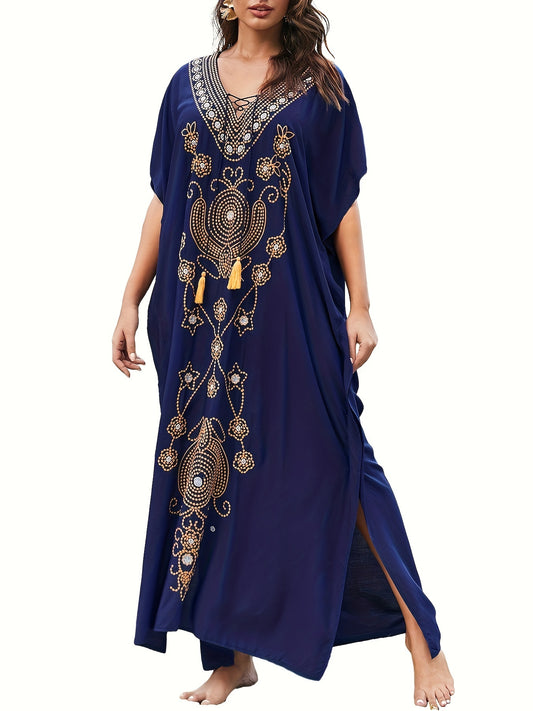
Swimsuit Coverup Embroidered V-Neck Kaftan Plus Size Summer Long Dress
Regular price $117.42 USDRegular priceUnit price per$17.42 USDSale price $117.42 USD -

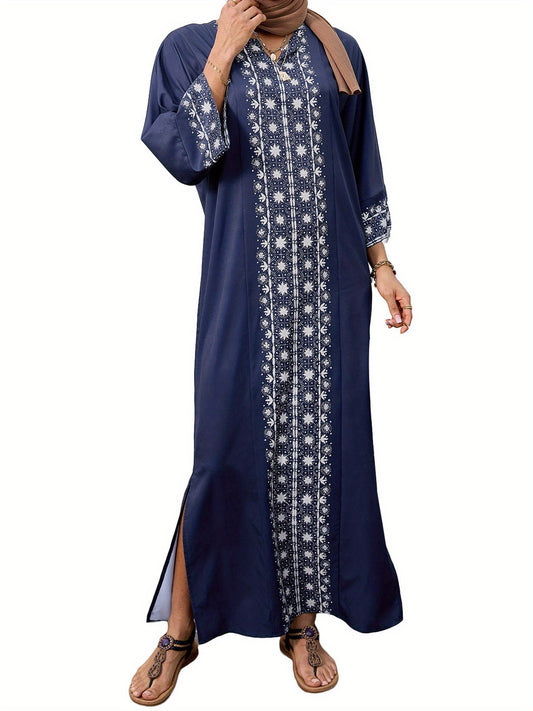
Women Ramadan Dress 3/4 Sleeves V-Neck Loose Long Dress Print Arab Robe Kaftan Gowns
Regular price $113.82 USDRegular priceUnit price per$13.82 USDSale price $113.82 USD -

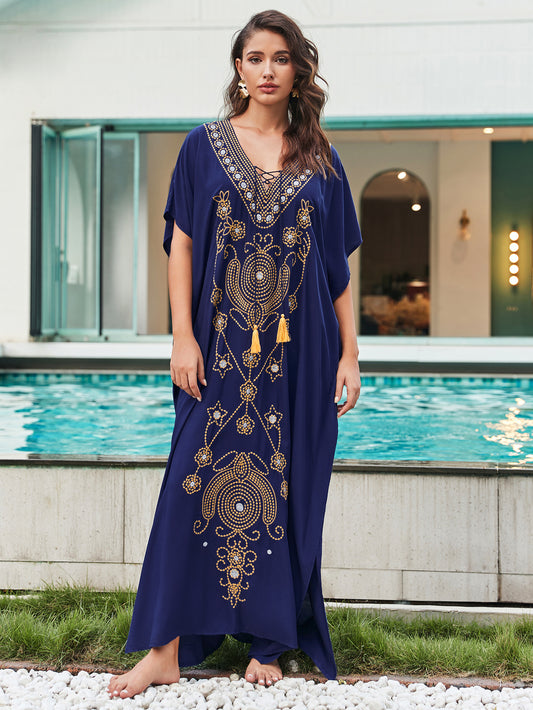
Women's Bohemian style human embroidery beach smock holiday robe kaftan
Regular price $118.71 USDRegular priceUnit price per$18.71 USDSale price $118.71 USD -

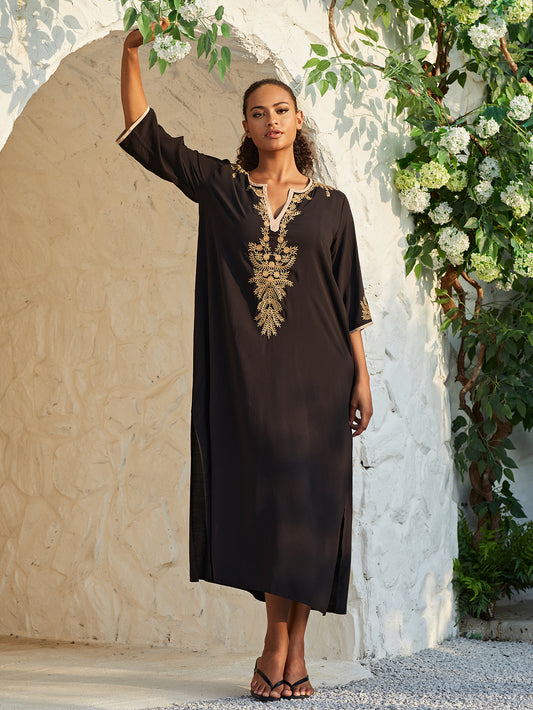
Women's Bohemian style human cotton embroidery long-sleeved beach smock robe Kaftan
Regular price $117.81 USDRegular priceUnit price per$17.81 USDSale price $117.81 USD -

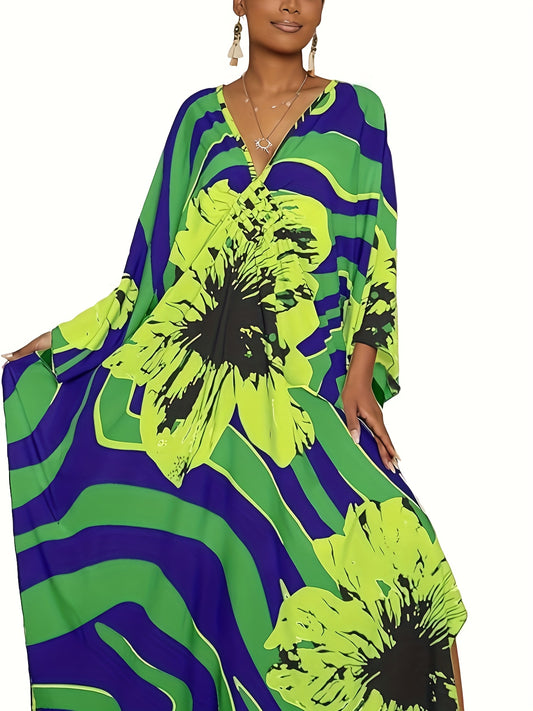
V Neck Plus Size Kaftan Dress - Beach Swimsuit Cover Up Loungewear for Women
Regular price From $121.30 USDRegular priceUnit price per$21.30 USDSale price From $121.30 USD -

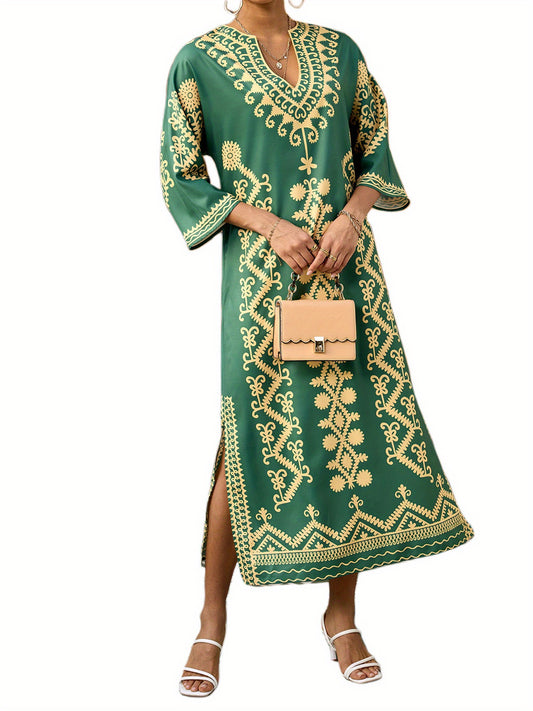
Ramadan Dress 3/4 Sleeve V-Neck Loose Long Dress Retro Print Arab Robe Kaftan Gowns
Regular price $112.17 USDRegular priceUnit price per$12.17 USDSale price $112.17 USD -

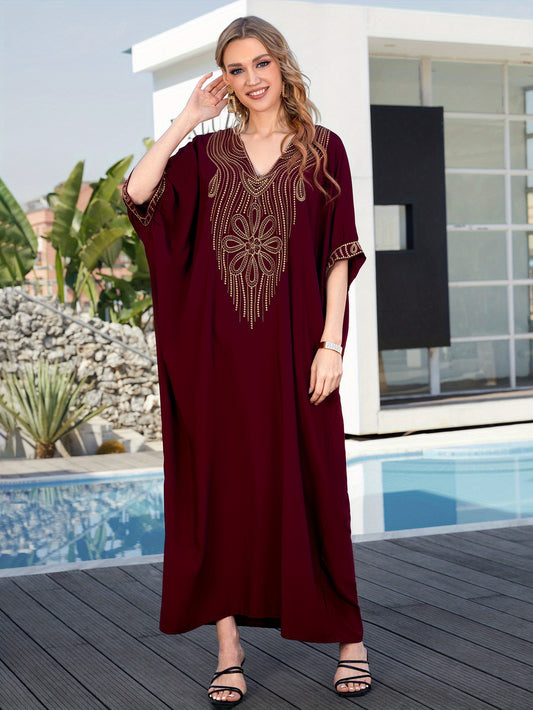
Plus Size Kaftan Dress, Beach Bat Sleeve, Embroidered Resort Home Casual Beachwear Cover Up
Regular price $117.97 USDRegular priceUnit price per$17.97 USDSale price $117.97 USD -

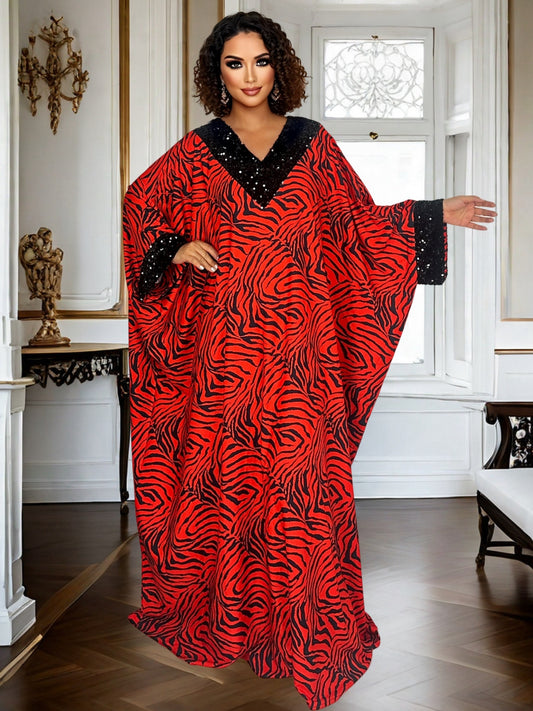
Turkish & Middle Eastern Style Geometric Print Robe - Red & Black Zebra Stripe Maxi Plus Size Kaftan
Regular price $128.22 USDRegular priceUnit price per$28.22 USDSale price $128.22 USD -

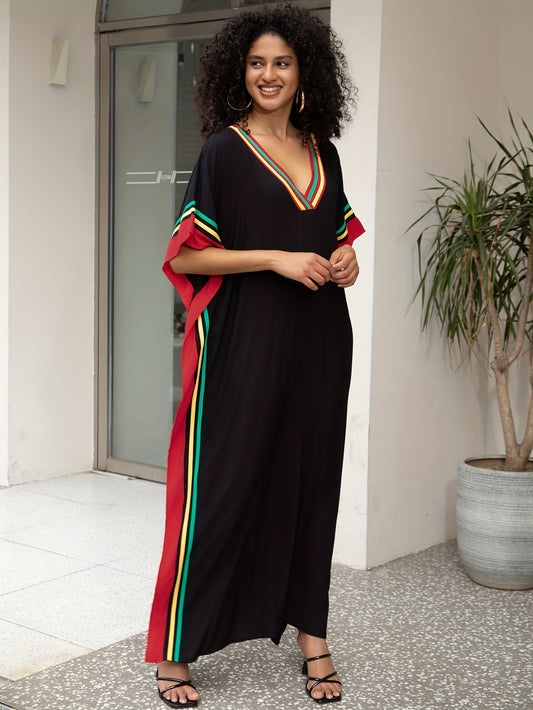
Stylish Women's Plus Size Kaftan Maxi Dress - Comfortable Batwing Sleeve V Neck Design
Regular price $113.82 USDRegular priceUnit price per$13.82 USDSale price $113.82 USD -

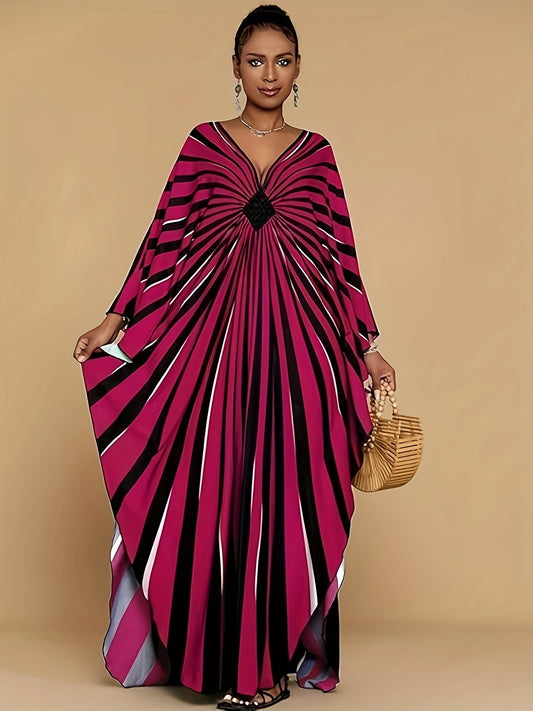
New Green Long Kaftan Halloween Gift | Kaftan Long Sleeve
Regular price From $118.85 USDRegular priceUnit price per$18.85 USDSale price From $118.85 USD -

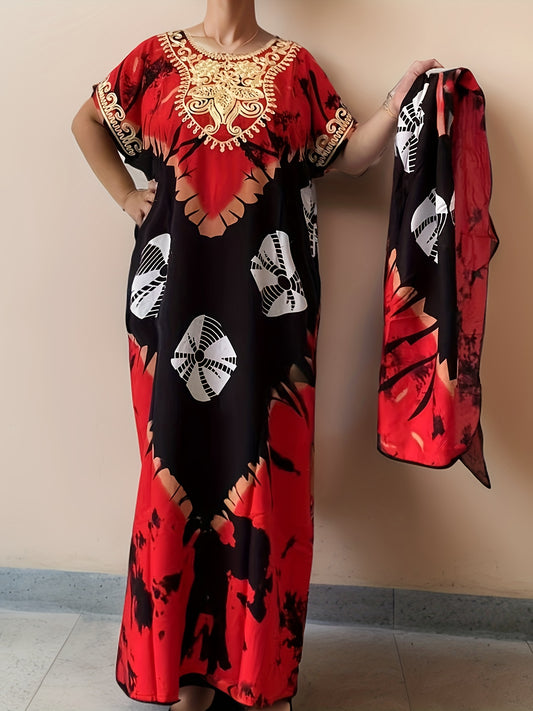
Print Kaftan Dress - Middle Eastern Style Women’s Long Sleeve | Vibrant Print Dress | Quality Craftsmanship
Regular price From $114.81 USDRegular priceUnit price per$14.81 USDSale price From $114.81 USD -

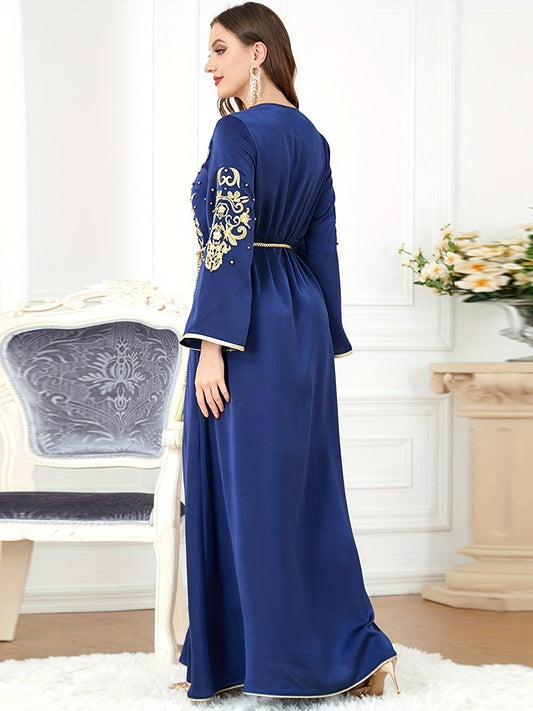
Plants Print V-neck Slit Kaftan Abaya, Long Sleeve Dress, Women's Clothing
Regular price $142.79 USDRegular priceUnit price per$42.79 USDSale price $142.79 USD


KAFTAN BY COLOR
The Timeless Elegance Of Kaftan Colors
Kaftans are more than garments; they are a canvas of cultural expression, artistry, and personal identity. Throughout history, their flowing silhouettes and intricate designs have transcended regions, evolving into an enduring symbol of elegance. One of the most defining aspects of the kaftan is its color. The choice of color does not merely alter its aesthetic appeal but also communicates emotion, tradition, and even social standing. Understanding kaftan colors is therefore essential for anyone who appreciates fashion, culture, or artistry. This editorial explores the world of kaftan colors—how they are chosen, how they impact style, and how they continue to evolve in modern wardrobes.
Historical Symbolism Of Kaftan Colors
In ancient civilizations, colors were carefully chosen to signify hierarchy and spirituality. For example, deep purples were often reserved for royalty, while lighter tones like ivory or beige symbolized purity. In Moroccan and Ottoman traditions, kaftans dyed in jewel tones conveyed wealth and power. Color was not a matter of preference but of heritage and respect. Today, while anyone can wear any shade, these cultural echoes remain embedded within the modern perception of kaftans, making each color choice meaningful.
The Influence Of Material On Color Perception
The richness of a kaftan color is often defined by the fabric from which it is made. Silk enhances the vibrancy of jewel tones, velvet adds depth to darker shades, and cotton lends a soft matte effect to pastels. Chiffon, georgette, and satin fabrics can alter how a color captures light, creating movement and allure. For instance, a crimson kaftan made of silk shimmers with a regal glow, while the same crimson in cotton conveys a more subdued elegance. Understanding this interplay between fabric and dye is crucial to appreciating why some kaftans appear bold while others remain understated.
Cultural Relevance Of Kaftan Colors
Across regions, kaftan colors carry distinct cultural associations. In North Africa, rich blues and greens symbolize protection and harmony. In the Middle East, gold and white are celebrated during weddings, representing prosperity and purity. In South Asia, kaftans in fiery reds and maroons are linked to festivities, while in Mediterranean traditions, earthy tones like terracotta and olive reflect the landscape itself. The cultural value of kaftan colors continues to be preserved even in modern adaptations, allowing wearers to connect to their roots while embracing contemporary fashion.
Modern Fashion Interpretations Of Color
Designers today reinterpret kaftan colors to align with global fashion trends. Neutral palettes such as beige, taupe, and stone are favored for minimalist wardrobes, while bold hues like magenta, emerald, and turquoise dominate statement collections. Ombre and gradient kaftans bring a fusion of colors, appealing to those who prefer artistic expression. Metallic shades—silver, bronze, and gold—have gained prominence for evening occasions. In contemporary fashion, kaftan colors are not confined to cultural symbolism alone; they are now expressions of individuality, allowing wearers to make bold statements.
Styling Kaftans By Color Choice
The beauty of kaftan styling lies in its adaptability. A black kaftan offers sophistication and is often paired with gold jewelry for formal events. A white kaftan exudes serenity and can be styled with colorful accessories for a beach resort look. Jewel-toned kaftans, such as sapphire or ruby, are ideal for weddings and galas. Pastel kaftans—peach, lavender, and mint—bring freshness for daytime gatherings. Prints and multicolored kaftans provide versatility, blending casual chic with artistic charm. The careful choice of kaftan color not only enhances the look but also dictates the overall mood of the outfit.
The Psychology Of Kaftan Colors
Colors have a profound psychological effect, shaping how the wearer is perceived and how they feel. Red kaftans radiate energy and confidence, while blue kaftans calm and soothe. Yellow uplifts, green refreshes, and purple inspires creativity. Neutral shades communicate refinement and simplicity. This psychological influence makes kaftan colors a powerful styling tool for expressing personality, emotions, or intentions. Many choose kaftan colors to align with how they want to feel or how they wish to be remembered in a social setting.
Functionality And Practicality Of Colors
While kaftan colors carry symbolic and aesthetic significance, functionality also plays a role. Dark colors are often preferred for evening wear and formal gatherings, as they exude grace while offering practicality. Light and pastel kaftans are ideal for warm climates, reflecting sunlight and offering comfort. Multicolored kaftans or patterned designs conceal creases, making them travel-friendly. Functionality ensures that kaftan colors are not just about appearance but also about convenience and adaptability.
The Role Of Accessories In Highlighting Color
Accessories elevate the color impact of a kaftan. Metallic jewelry enhances jewel-toned kaftans, while pearl accents complement whites and pastels. Belts in contrasting shades add structure to flowing silhouettes. Footwear, from embroidered slippers to modern heels, can emphasize or balance the kaftan color. Even handbags contribute—gold clutches add glamour to dark kaftans, while woven totes suit light or earth-toned pieces. The synergy between accessories and kaftan colors transforms a simple ensemble into a statement.
Kaftan Colors In Seasonal Fashion
Seasonal fashion cycles often influence kaftan colors. Spring favors pastels and floral prints, summer highlights whites and vibrant tones, autumn celebrates earthy hues like rust and ochre, while winter embraces jewel tones and metallics. Designers incorporate these seasonal palettes into kaftan collections, ensuring relevance throughout the year. Seasonal kaftan colors not only align with trends but also harmonize with weather and atmosphere, creating outfits that feel naturally suited to the time of year.
Kaftan Colors In Weddings And Celebrations
In many cultures, kaftans are integral to weddings and celebrations. Color selection for these events is especially significant. Brides may wear white, gold, or red kaftans depending on tradition, while guests often choose jewel tones to honor the festivity. Metallic embroidery and embellishments accentuate celebratory kaftan colors, making them radiant under lights. In contemporary weddings, kaftans in pastel shades are also embraced for bridal showers and pre-wedding gatherings, offering elegance with subtlety.
Global Adaptations Of Kaftan Colors
Globalization has enabled kaftan colors to transcend borders. In Western fashion, kaftans in black, navy, or neutral tones are styled as evening gowns. In resorts across Europe and Australia, kaftans in tropical prints and bright hues are popular as beachwear. In Middle Eastern fashion houses, kaftans in gold, emerald, and sapphire dominate luxury collections. This global embrace highlights the adaptability of kaftan colors, proving that they suit both traditional and contemporary contexts.
Sustainability And Ethical Dyeing Practices
As fashion embraces sustainability, kaftan colors are now often produced using eco-friendly dyeing methods. Natural dyes derived from plants, minerals, and even food waste provide alternatives to synthetic chemicals. These dyes not only reduce environmental impact but also create unique tones. Hand-dyed kaftans, with slight variations in color, showcase craftsmanship and authenticity. Supporting ethical dyeing ensures that kaftan colors remain vibrant while respecting ecological balance.
Maintenance And Care Of Kaftan Colors
Proper care preserves the brilliance of kaftan colors. Delicate fabrics such as silk or chiffon require handwashing or dry cleaning to prevent fading. Dark kaftans should be stored away from direct sunlight to retain depth, while light kaftans benefit from breathable garment covers. Using mild detergents and avoiding harsh chemicals ensures color longevity. Ironing kaftans inside-out helps protect their surface sheen. Careful maintenance ensures kaftan colors remain as striking as the day they were acquired.
The Long-Term Value Of Kaftan Colors
Kaftan colors offer long-term value due to their timelessness. Unlike fast-fashion trends, kaftan shades rooted in cultural significance rarely go out of style. A black or ivory kaftan remains classic for decades, while jewel tones continually resurface in fashion cycles. Investing in well-chosen kaftan colors means creating a wardrobe that is both versatile and enduring. High-quality kaftans with enduring colors can even be passed down as heirlooms, carrying memories across generations.
Fabulive’s Contribution To Kaftan Color Variety
One of the strengths of Fabulive lies in its ability to curate kaftans that honor traditional color meanings while also offering modern interpretations. Their collections feature a spectrum—from rich jewel tones for celebrations to soft pastels for contemporary settings. By blending cultural heritage with innovative design, Fabulive ensures that kaftan colors appeal to both traditionalists and trend-conscious individuals. Their dedication to craftsmanship and ethical sourcing elevates kaftan color options into a refined experience.
FAQs On Kaftan Colors
Which kaftan color is most versatile?
Black and white are universally versatile. Black offers sophistication suitable for formal events, while white provides freshness ideal for resorts and summer wear.
Are bold kaftan colors suitable for everyday wear?
Yes, bold colors like emerald or magenta can be styled for everyday use with minimal accessories, creating balance without overwhelming.
How do I choose the right kaftan color for my skin tone?
Warmer tones such as coral, gold, and terracotta flatter medium to deep skin tones, while pastels and cool shades complement lighter complexions.
Do kaftan colors fade easily?
High-quality fabrics with proper care retain their colors for years. Avoiding harsh washing and sun exposure extends longevity.
Are neutral kaftans less festive?
Not necessarily. Neutral kaftans can be elevated with embroidery, metallic accessories, or vibrant layering, making them suitable even for grand occasions.
The Future Of Kaftan Colors In Fashion
The future of kaftan colors lies in innovation and inclusivity. Digital printing technologies allow for intricate multicolor designs and personalized palettes. Metallic and iridescent finishes add futuristic appeal. Designers are also experimenting with sustainable dyes, ensuring environmental consciousness. As inclusivity becomes central to fashion, kaftan colors are being celebrated across all body types, ages, and cultures. This democratization ensures that kaftan colors will continue to inspire global wardrobes.
Kaftan Colors And Personal Identity
For many, wearing a kaftan in a chosen color is not only about fashion but also about personal identity. Colors allow individuals to express themselves authentically. A serene pastel may communicate humility, while a bold crimson conveys courage. Owning kaftans in multiple colors allows wearers to adapt their identity to different contexts—professional, celebratory, or casual. This versatility strengthens the kaftan’s role as both a cultural garment and a modern expression of individuality.
Kaftan Colors In Luxury Markets
In luxury markets, kaftan colors are curated with meticulous precision. Jewel tones enhanced with gold embroidery are favored in haute couture. Limited-edition kaftans in rare shades, such as deep teal or antique rose, are positioned as exclusive pieces. Luxury consumers seek kaftan colors that distinguish them while honoring craftsmanship. The global luxury sector continues to recognize kaftan colors as part of high-end resort wear and evening attire, showcasing their enduring appeal.
Practical Tips For Selecting Kaftan Colors
Selecting kaftan colors requires thoughtful consideration:
-
Identify the purpose—festive, casual, or professional.
-
Consider skin tone and how colors complement natural undertones.
-
Evaluate seasonality—lighter tones for warm months, deeper hues for cooler seasons.
-
Balance color with accessories to avoid excess.
-
Prioritize high-quality fabrics, as they elevate color brilliance.
Following these tips ensures that kaftan colors enhance both appearance and practicality.
Conclusion: The Lasting Charm Of Kaftan Colors
Kaftan colors transcend the ordinary. They embody history, culture, fashion, and individuality in one flowing garment. Whether in deep jewel tones or minimalist neutrals, kaftan colors continue to inspire wardrobes across the globe. Their adaptability ensures relevance in both traditional and modern contexts. With proper care, thoughtful selection, and cultural appreciation, kaftan colors remain a timeless treasure in fashion.
Customer Reviews
• Samantha, USA – I purchased a sapphire kaftan for a family wedding, and the color was breathtaking under the lights. Truly regal. ⭐⭐⭐⭐⭐
• James, UK – Bought a white kaftan for my wife’s birthday; she loved how fresh and elegant it looked at her summer party. ⭐⭐⭐⭐
• Aisha, UAE – The emerald kaftan I ordered had the perfect balance of tradition and modern design. Exceptional quality. ⭐⭐⭐⭐⭐
• Clara, Canada – I wore a pastel lavender kaftan to a brunch and received endless compliments. Comfortable yet chic. ⭐⭐⭐⭐
• Marta, Spain – The crimson kaftan was vibrant and stylish, though I wished it had arrived a bit faster. ⭐⭐⭐⭐
• Oliver, Australia – I bought a neutral beige kaftan, and it’s my go-to for both casual and formal wear. Very versatile. ⭐⭐⭐⭐⭐
• Nadia, France – Loved the unique gradient design on my kaftan. It felt like wearing a piece of art. ⭐⭐⭐⭐
• Layla, Saudi Arabia – The golden kaftan I wore for Eid celebrations was stunning. Truly a timeless piece. ⭐⭐⭐⭐⭐
• Elena, Italy – My navy blue kaftan has become my favorite evening outfit. Elegant and easy to accessorize. ⭐⭐⭐⭐
• Sophia, Germany – The coral kaftan was beautifully dyed, sustainable, and incredibly flattering. ⭐⭐⭐⭐⭐