
-


Women's Elegant Black Abaya with Golden Geometric Pattern - Stylish Long-Sleeve Kaftan for Office, Formal Events, and Ramadan - Versatile Middle Eastern Attire, Formal Attire | Elegant Abaya
Regular price $201.34 USDRegular priceUnit price per$0.00 USDSale price $201.34 USD -

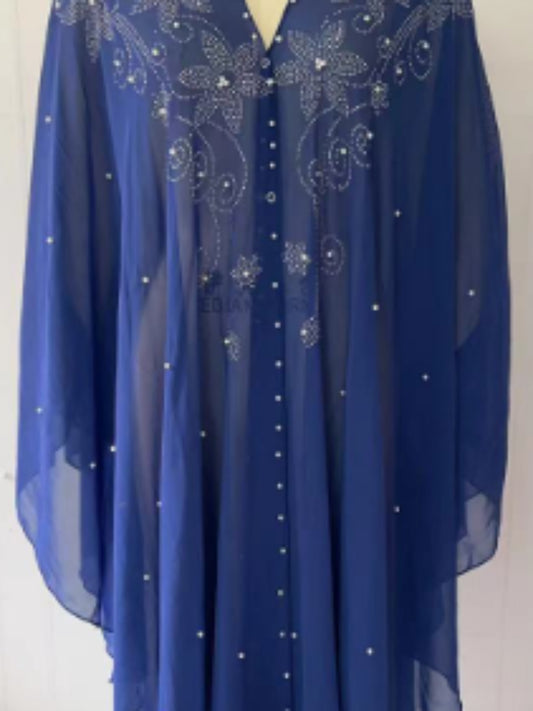
Women's Elegant Long Kaftan Dress with Bat Sleeves & Hooded Rhinestone Cape Abaya - Loose Fit Sheer Polyester Arab-Inspired Gown for All Seasons, Machine Washable
Regular price From $174.97 USDRegular priceUnit price per$0.00 USDSale price From $174.97 USD -
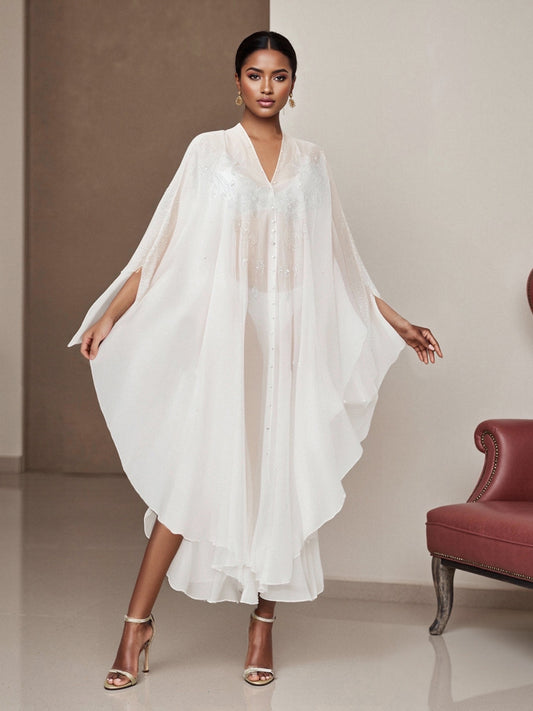
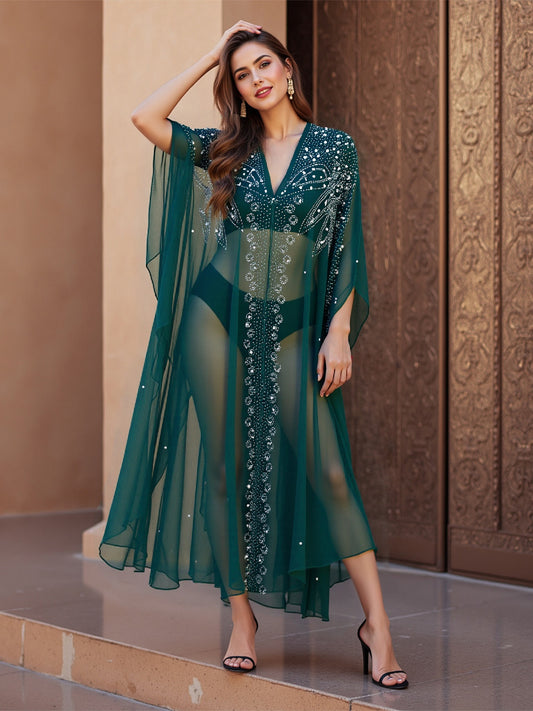
Women's Elegant Long Kaftan Dress - Formal Party & gala evening gown with Batwing Sleeves Abaya, Non-Transparent Arab Cape Dress for Weddings, state events - Machine Washable
Regular price From $171.06 USDRegular priceUnit price per$0.00 USDSale price From $171.06 USD -

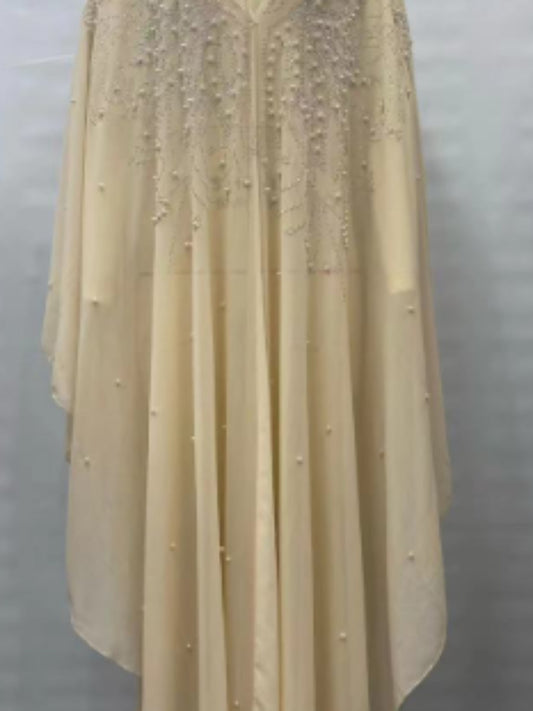
Women's Elegant Long Kaftan Dress with Hooded Rhinestone Cape & Bat Sleeves Abaya - Loose Fit Sheer Beaded Arab-Inspired Gown for All Seasons, Machine Washable
Regular price From $165.13 USDRegular priceUnit price per$0.00 USDSale price From $165.13 USD -

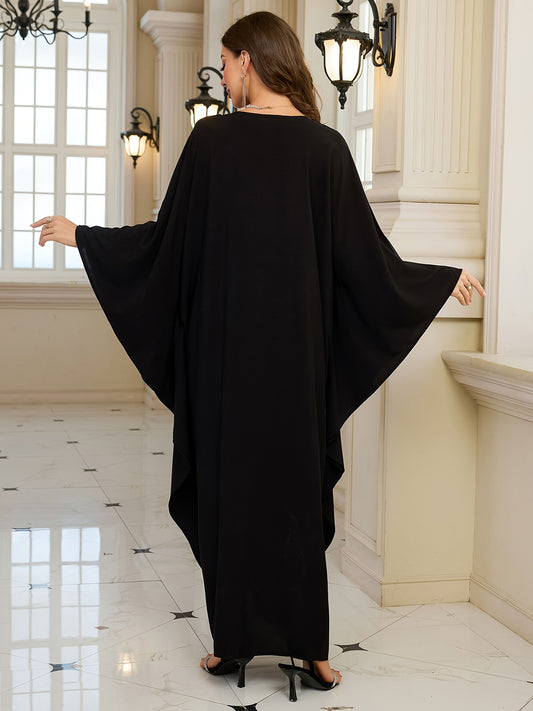
Plus Size Elegant Long Sleeve Batwing Kaftan, Viscose Non-Stretch Fabric, Tribal Embroidery, Loose Fit, with Woven Traditional Middle Eastern Abaya Robe for Festive Occasions
Regular price $173.15 USDRegular priceUnit price per$0.00 USDSale price $173.15 USD -

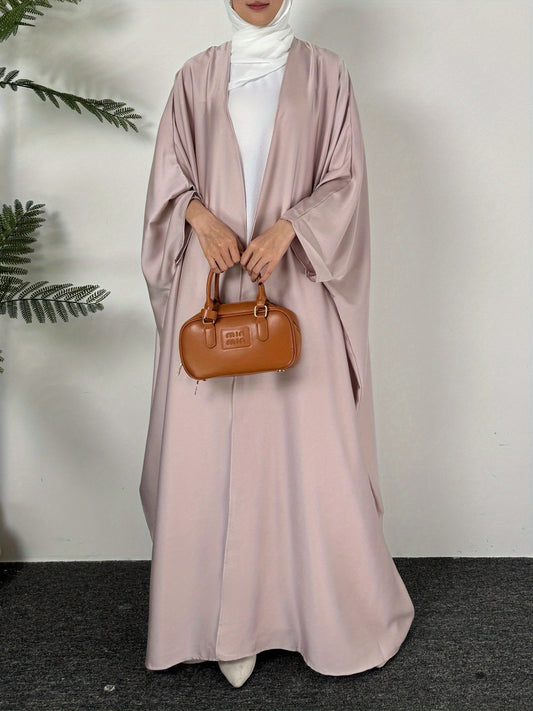
Elegant Plus Size Long Batwing Sleeve Abaya - Loose Fit, Solid Color Polyester Kaftan Cardigan for Muslim Women, Middle Eastern, Arab
Regular price $169.78 USDRegular priceUnit price per$0.00 USDSale price $169.78 USD -

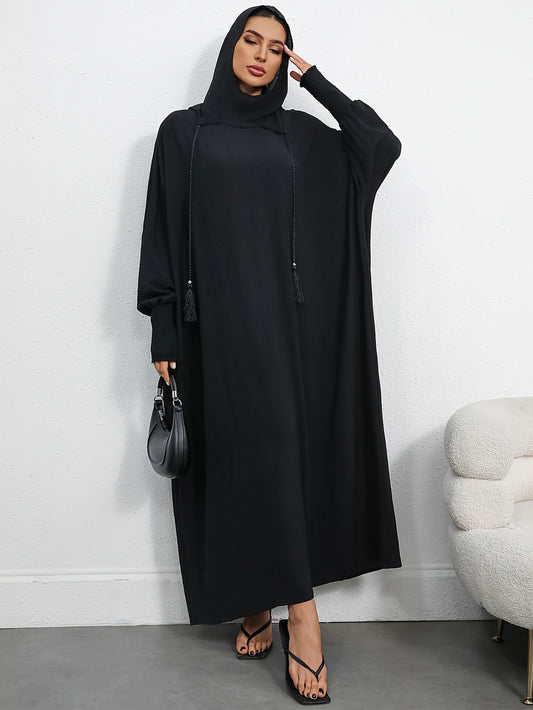
Women's Elegant Black Hooded Batwing Sleeve Dress - Loose Fit Long Flowy Turkish Kaftan, Machine Washable Polyester, Plus Size Friendly, Adjustable Drawstring Waist for Ramadan & Casual Wear Abaya
Regular price $164.09 USDRegular priceUnit price per$0.00 USDSale price $164.09 USD -

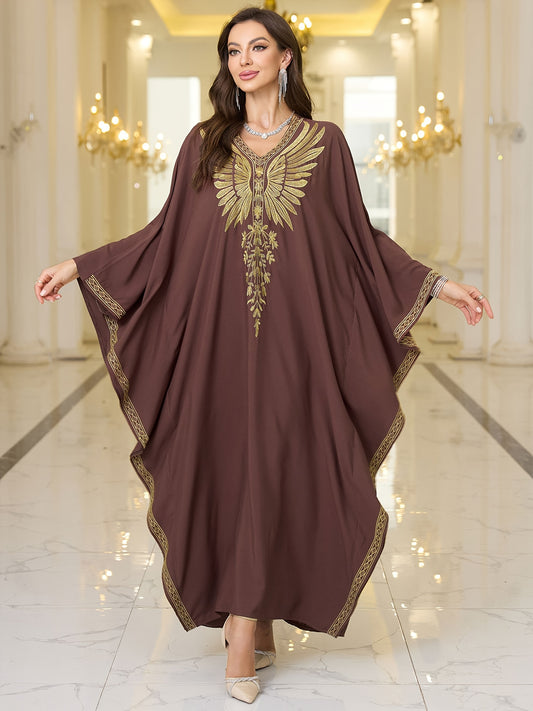
Elegant Plus Size Kaftan Dress with Embroidered Wings - V-Neck, Batwing Sleeves Abaya, Loose Fit Maxi Dress for Women - Suitable for Casual Wear, Parties & Special Occasions - Perfect Gift for Women
Regular price $171.22 USDRegular priceUnit price per$0.00 USDSale price $171.22 USD -

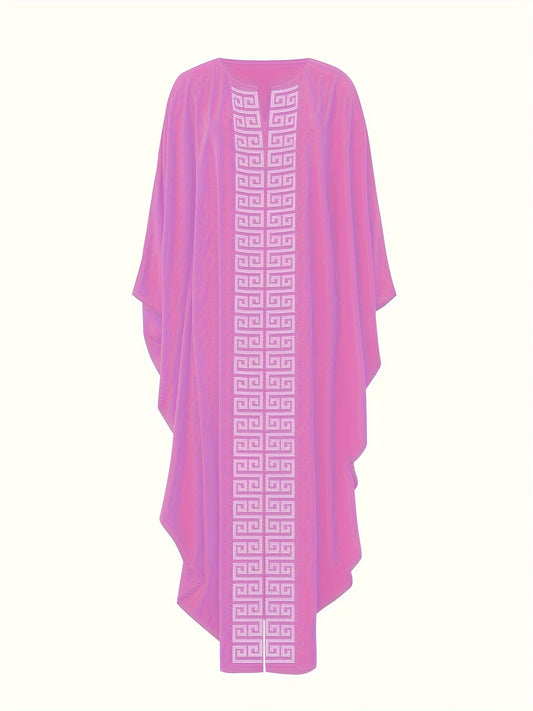
Women's Elegant Rhinestone Embellished Long Kaftan Palestinian Abaya - Batwing Sleeves, Long Split Hem, Polyester, Non-Stretch, Solid Color, Suitable for Spring/Summer/Fall
Regular price From $170.12 USDRegular priceUnit price per$0.00 USDSale price From $170.12 USD -

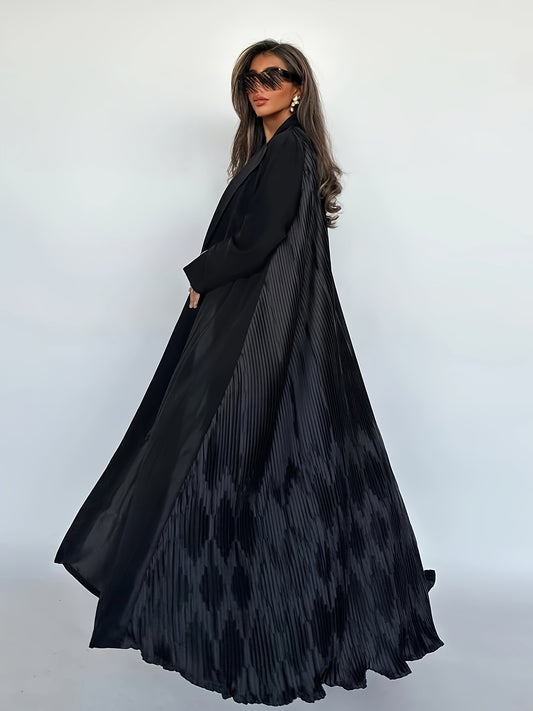
Elegant Black Arabian Fashion Emirati Abaya with Ruffle Detail - V-Neck, Long Sleeve, Floor-Length Kaftan for Women, Casual Style, All-Season Wear, Casual Wear Abaya | Vneck Abaya | Polyester Abaya
Regular price $206.88 USDRegular priceUnit price per$0.00 USDSale price $206.88 USD -

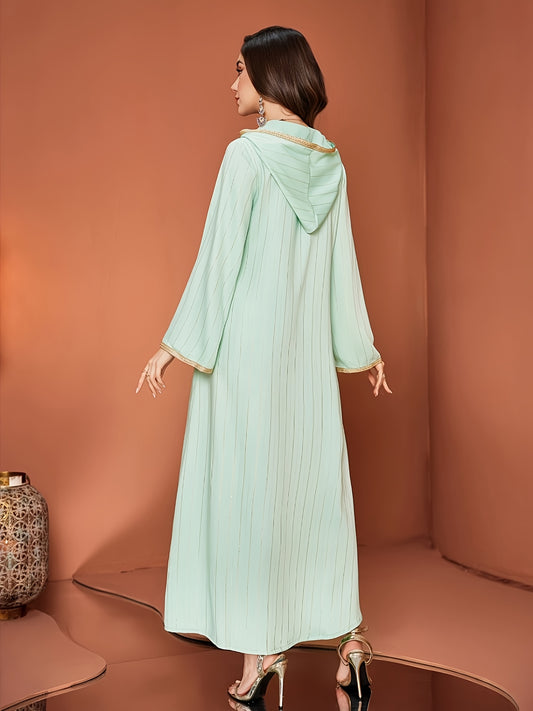
Elegant Mint Green Women’s Hooded Kaftan Dress with Rhinestone Embellishments, Long Sleeve Emirati Abaya with Zipper Front and Golden Trim, All-Season Wear
Regular price $197.89 USDRegular priceUnit price per$0.00 USDSale price $197.89 USD -

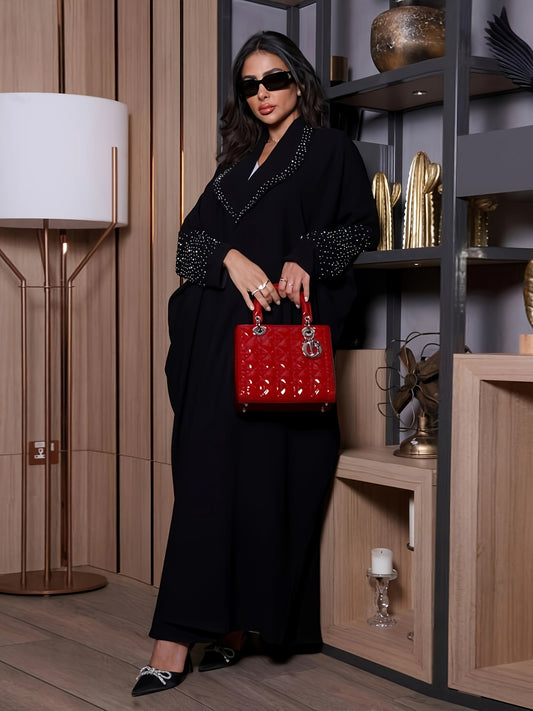
Elegant Black Rhinestone-Embellished Emirati Abaya Kaftan - A-Line Modest Cover-Up with Stand-Up Collar, All-Season Versatile Traditional Muslim Dress for Women, Muslim Clothes, Seasonal Wear
Regular price $199.25 USDRegular priceUnit price per$0.00 USDSale price $199.25 USD


About Elegant Kaftan
The Timeless Allure Of Elegant Kaftans
Elegant kaftans are more than garments; they are cultural symbols, fashion statements, and versatile attire that transcend generations and borders. Defined by flowing silhouettes, luxurious fabrics, and intricate detailing, kaftans embody a perfect blend of modesty and sophistication. Historically rooted yet continuously reinvented by contemporary designers, kaftans occupy a unique position in global fashion. They cater to diverse occasions, from casual wear to weddings and galas, while retaining an aura of grace and elegance. This article explores the origins, evolution, craftsmanship, styling versatility, cultural significance, and future of elegant kaftans in depth.
Origins And Historical Journey Of The Kaftan
The kaftan originated in ancient Mesopotamia, with references dating back to 600 BCE. It quickly spread across empires, from the Ottomans to Persians and North Africans, evolving as a unisex garment with regional adaptations. In Ottoman Turkey, kaftans were symbols of power, often gifted to dignitaries and adorned with elaborate embroidery and precious fabrics. In Morocco, kaftans developed into highly decorative ceremonial attire, reserved for weddings and special events.
The kaftan’s historical journey also includes its role as a symbol of cultural identity in regions like West Africa, where it is worn as a boubou or agbada, and in North India, where it is incorporated into royal wardrobes. With trade routes connecting continents, the kaftan became a global garment, valued for its comfort, elegance, and adaptability.
The Revival Of Kaftans In Modern Fashion
In the 20th century, kaftans experienced a major revival. The 1960s and 1970s saw Western designers reimagine kaftans as bohemian luxury, embraced by celebrities such as Elizabeth Taylor and Diana Vreeland. Flowing fabrics, vibrant prints, and exotic appeal made kaftans popular among the elite.
Today, kaftans are back in the spotlight, redefined as luxury wear for modern lifestyles. They are no longer confined to regional traditions; instead, they have become universal attire for women seeking elegance, comfort, and individuality. Designers integrate kaftans into resort collections, red-carpet fashion, and even professional wardrobes, proving their adaptability in a globalized world.
Characteristics That Define Elegant Kaftans
Elegant kaftans stand apart from regular variations due to certain defining features:
-
Luxurious fabrics: Silk, chiffon, satin, crepe, velvet, and georgette create flowing silhouettes.
-
Detailed embellishments: Hand embroidery, beadwork, sequins, and lace elevate the garment.
-
Fluid silhouettes: Relaxed yet structured designs ensure comfort without sacrificing style.
-
Cultural motifs: Patterns inspired by traditional artistry connect modern kaftans to their roots.
-
Versatility: Suitable for diverse occasions, from loungewear to wedding attire.
The Craftsmanship Behind Elegant Kaftans
Crafting a kaftan requires skill and artistry. From fabric selection to hand-embellishment, each step determines the garment’s final appearance. In regions like Morocco and the Middle East, artisans preserve centuries-old embroidery techniques, weaving cultural stories into the fabric. Contemporary designers, meanwhile, merge traditional craftsmanship with modern cuts, balancing heritage with innovation.
The process typically begins with choosing high-quality fabric. Lightweight options ensure breathability, while heavier fabrics like velvet add drama for evening wear. Tailors then create patterns that flow gracefully on different body types. Finally, embellishments—ranging from gold thread embroidery to Swarovski crystals—are added by hand, turning kaftans into wearable art.
Different Styles Of Elegant Kaftans
Kaftans come in diverse styles, each catering to different tastes and occasions:
-
Classic floor-length kaftans: Traditional and regal, often with long sleeves and intricate embroidery.
-
Modern short kaftans: Casual and contemporary, suited for daytime outings or resort wear.
-
Layered kaftans: Featuring capes or overlays, adding dimension and drama.
-
Open-front kaftans: Worn as overlays on dresses or pants, versatile and chic.
-
Wedding kaftans: Lavishly embellished with sequins, beads, and metallic thread for bridal wear.
-
Minimalist kaftans: Understated designs emphasizing fabric flow and clean lines.
Comparison Between Kaftans, Abayas, And Gowns
Kaftans are often compared to other garments with similar silhouettes.
-
Kaftans: Characterized by loose fits, flowing fabrics, and intricate embellishments. They are versatile enough to be casual or highly formal, depending on fabric and detailing.
-
Abayas: Traditionally worn in the Middle East, abayas are simpler, long cloaks usually in dark shades. While elegant, they are typically modest outerwear rather than standalone statement pieces.
-
Gowns: Gowns are fitted and structured, often emphasizing formality with tighter cuts. Unlike kaftans, they lack the effortless flow and comfort of relaxed silhouettes.
Kaftans stand at the intersection of these garments, combining the elegance of gowns with the modesty of abayas while offering greater versatility.
Regional Variations Of Elegant Kaftans
Moroccan Kaftans
Known for their ornate embroidery, luxurious fabrics, and layered belts called mdamma, Moroccan kaftans are staples in weddings and cultural celebrations.
Middle Eastern Kaftans
Often paired with abaya influences, Middle Eastern kaftans emphasize modesty with high necklines, long sleeves, and regal embellishments.
South Asian Kaftans
In India and Pakistan, kaftan-inspired garments are incorporated into festive wardrobes. They feature sequins, zari embroidery, and vibrant colors, often doubling as bridal attire.
Western Adaptations
Western designers reinterpret kaftans as chic resort wear or evening attire, focusing on minimalist patterns, bold prints, and lighter fabrics. These modern versions highlight kaftans’ global relevance.
How To Style Elegant Kaftans With Accessories
Accessories can elevate a kaftan from simple to stunning:
-
Belts: Define the waistline and create structure in flowing designs.
-
Statement jewelry: Layered necklaces or chandelier earrings add drama to minimalist kaftans.
-
Footwear: Flat sandals suit casual kaftans, while heels enhance formal styles.
-
Bags: Clutches complement evening kaftans, while crossbody bags match casual ones.
-
Headscarves or turbans: Add cultural authenticity and sophistication.
This flexibility allows wearers to adapt kaftans to any setting.
The Psychological Appeal Of Kaftans
Kaftans are celebrated not only for their beauty but also for their inclusivity. Their flowing design flatters all body shapes, empowering women to feel elegant without being restricted. In an era of body positivity, kaftans embody freedom, inclusivity, and confidence. The psychological effect of wearing a kaftan is often described as both liberating and empowering.
Seasonal Relevance Of Kaftans
Kaftans adapt seamlessly across seasons:
-
Spring: Florals and pastel hues.
-
Summer: Lightweight fabrics like chiffon and cotton.
-
Autumn: Jewel tones and earthy prints.
-
Winter: Velvet and satin kaftans with embroidery for warmth.
Fabrics And Embellishments
The choice of fabric defines a kaftan’s mood:
-
Silk and satin: Formality and luxury.
-
Cotton and linen: Breathability and comfort.
-
Velvet: Richness for winter wear.
-
Chiffon and georgette: Soft elegance for warmer climates.
Embellishments like crystals, sequins, pearls, and zari threads make kaftans statement garments for high-profile events.
Kaftans In Weddings
From Moroccan bridal kaftans to Middle Eastern engagement gowns, kaftans hold a central role in weddings. Brides and guests alike choose embellished designs that combine comfort with grandeur. Bridal kaftans are often family heirlooms, passed across generations as symbols of continuity and tradition.
Modern Innovations In Kaftan Design
Modern designers innovate by experimenting with:
-
Sustainable fabrics for eco-conscious buyers.
-
Hybrid kaftan-dress designs for versatility.
-
Monochrome minimalist styles for modern professionals.
-
Wrinkle-resistant fabrics for global travelers.
Global Market And Popularity
Kaftans thrive worldwide, from Middle Eastern luxury boutiques to Western resort collections. Online platforms make them accessible to international buyers. Brands like Fabulive showcase elegant kaftans that embody both heritage and modernity, appealing to global audiences who value cultural authenticity with a contemporary twist.
Investment Value Of Elegant Kaftans
High-quality kaftans are long-lasting investments. Hand-embroidered designs crafted from premium fabrics can last decades. Their timeless appeal ensures they never lose relevance, making them valuable wardrobe additions. Many women consider them both fashion and heritage investments.
The Future Of Kaftans
As fashion evolves, kaftans will continue adapting. With increasing emphasis on inclusivity, modest fashion, and sustainable production, kaftans are poised for growth. Their timeless elegance and ability to reinvent themselves ensure their survival as one of the most enduring garments in global fashion.
Why Fabulive’s Elegant Kaftans Stand Out
Fabulive’s elegant kaftans combine premium craftsmanship with global appeal. From fabric choice to detailing, each design balances modesty with sophistication. Fabulive’s collections are versatile enough for professional gatherings, weddings, or leisure wear. By integrating cultural authenticity with modern style, Fabulive’s kaftans deliver elegance, comfort, and individuality.
10 Human-Like Reviews
-
Sophia M., USA: “My Fabulive kaftan is a masterpiece. The embroidery is flawless, and I wore it to a gala with endless compliments.” ⭐⭐⭐⭐⭐
-
Layla H., UAE: “The detailing on these kaftans is exquisite. Perfect for Ramadan gatherings and weddings.” ⭐⭐⭐⭐⭐
-
Emma J., UK: “Lightweight, stylish, and easy to wear. It’s become my go-to outfit for summer evenings.” ⭐⭐⭐⭐
-
Nadia K., Canada: “I love how inclusive the sizing is. The kaftan drapes beautifully without feeling oversized.” ⭐⭐⭐⭐⭐
-
Amira S., Qatar: “Truly elegant. I wore it for an engagement party, and it felt regal yet comfortable.” ⭐⭐⭐⭐⭐
-
Hannah B., Australia: “The fabric quality is excellent. It flows naturally and works well in both casual and formal settings.” ⭐⭐⭐⭐
-
Leonie R., Germany: “The kaftan blends modern minimalism with traditional charm. I appreciate the craftsmanship.” ⭐⭐⭐⭐⭐
-
Olivia D., France: “Beautifully packaged and quickly delivered. The kaftan is both practical and luxurious.” ⭐⭐⭐⭐⭐
-
Isabella F., Italy: “I paired my kaftan with heels for an evening event, and it was perfect. Subtle but elegant.” ⭐⭐⭐⭐
-
Sara M., Saudi Arabia: “These kaftans are timeless. I feel empowered and graceful every time I wear one.” ⭐⭐⭐⭐⭐