



The Double Weft Hair Extensions Trend: More Volume, Less Effort
A Standard Support & Education Guide to Weft Extensions
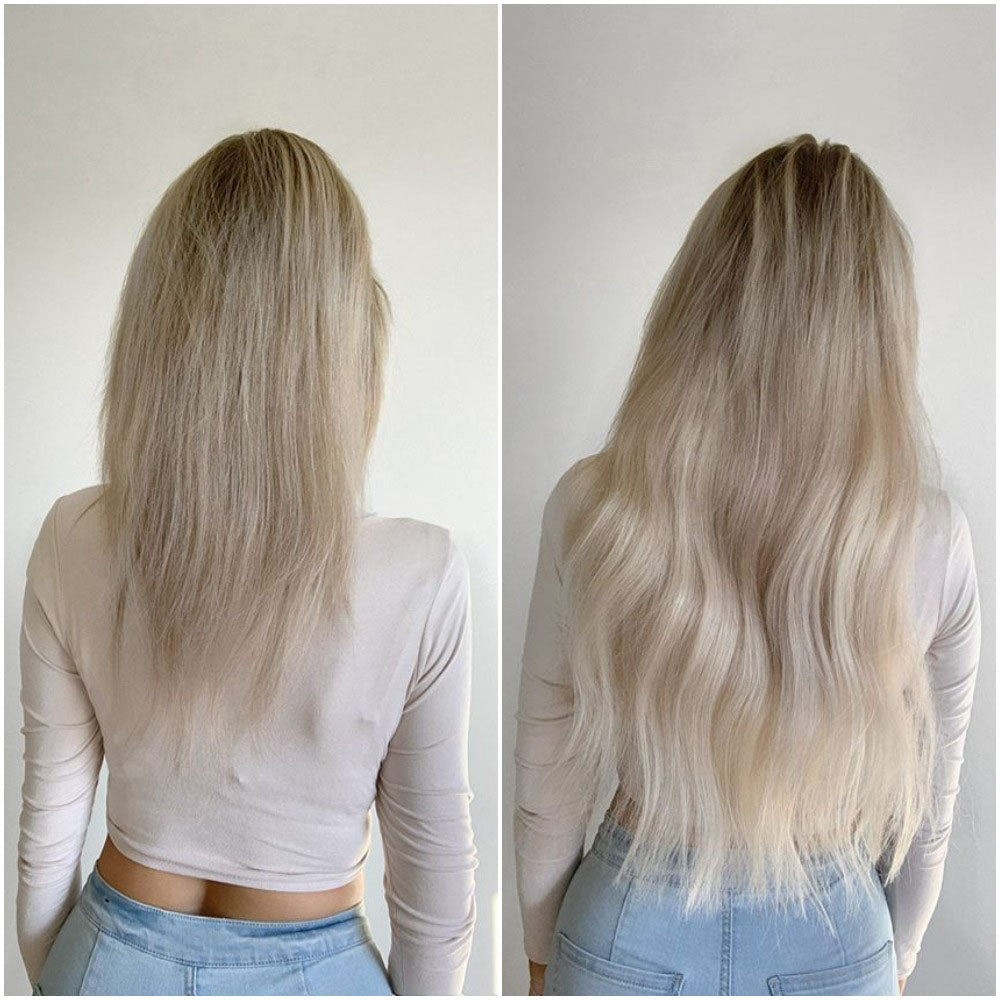
In the world of hair extensions, trends come and go, but some innovations permanently change how volume, density, and styling efficiency are achieved. The double weft hair extensions trend is one such shift. It has gained strong momentum among stylists and wearers alike because it delivers fuller hair using fewer wefts, reduces installation time, and distributes weight more evenly across the scalp. While traditional single weft systems still serve a purpose, double weft technology represents a more strategic, efficient approach to achieving dramatic volume without compromising comfort or blend.
This guide explains how double weft hair extensions work, why they are effective, how they compare to other weft systems, when they are the best choice, and how they integrate into modern styling and installation practices.
What Exactly Are Double Weft Hair Extensions
Double weft hair extensions are constructed by sewing two layers of hair onto a single reinforced weft track. This effectively doubles the hair density per row compared to a standard single weft. Importantly, a true double weft is not simply two wefts stitched together randomly; it is engineered to ensure even hair distribution, controlled weight, and flexibility.
The result is fuller-looking hair with fewer installed rows, meaning fewer attachment points, reduced installation time, and a smoother overall experience for both stylist and wearer. When properly constructed, double wefts feel luxurious, fall naturally, and integrate seamlessly with natural hair.


Why Double Wefts Are Gaining Popularity
The growing popularity of double weft extensions is driven by performance and practicality rather than aesthetics alone:
• Instant Volume: Double wefts deliver noticeable fullness immediately, even before styling.
• Reduced Installation Time: Fewer wefts are needed to achieve the desired density.
• Balanced Weight Distribution: Properly placed double wefts reduce scalp stress compared to stacking multiple single wefts.
• Cost Efficiency: Less stitching and fewer rows reduce overall service time and labor.
• High-Impact Styling: Double wefts support glamorous waves, sleek lengths, and structured styles with ease.
These benefits position double wefts as a strategic option rather than a trend driven purely by fashion.
How Double Wefts Compare With Other Weft Types
Understanding how double wefts differ from other systems helps clarify when they are the right choice.
• Single Wefts: Traditional single-layer wefts offer flexibility but often require multiple rows to achieve significant volume.
• Flat Wefts: Designed to sit close to the scalp for discreet installs, flat wefts focus on concealment rather than added volume, as explained in everything you need to know about flat weft hair extensions.
• Quad Wefts: Quad wefts stack multiple layers for extreme fullness, covered in quad weft hair extensions for maximum volume impact, but they require more scalp real estate.
• Double Drawn Luxury Wefts: Double drawn wefts maintain thickness from root to tip, as detailed in Remy Royale double drawn hair weft extensions for luxury density, but they do not inherently increase per-row volume like double wefts do.
Double wefts sit in the middle ground: more volume per track than single wefts, without the bulk of quad systems.

The Mechanics Behind Double Weft Extensions
Double wefts are created during production by reinforcing the weft track and sewing two controlled layers of hair onto it. Precision tension control ensures the track remains strong without becoming stiff or bulky. The engineering behind this balance determines how comfortably the weft sits against the scalp and how naturally it blends.
When constructed correctly, double wefts distribute hair evenly, reducing clustered bulk and minimizing common issues such as pulling or visible ridging.
For broader understanding of weft systems, weft extensions as the best option for long-lasting natural looking hair provides helpful context.
When To Choose Double Wefts Over Single Wefts
Double wefts are an ideal solution when:
• Dramatic volume is the primary goal
• Installation time needs to be reduced
• Density support is required without stacking many rows
• Styling versatility is important across different looks
Stylists often place double wefts in the mid-head and lower sections where volume is most impactful, then transition to lighter wefts near the crown and hairline for natural scaling.

Integration With Sewn-In And Flat Installations
Double wefts adapt well to multiple installation techniques:
• Sewn-In Weft Extensions: A braid base provides strong support for the added density, delivering durability and long wear, as outlined in sewn-in hair extensions installation fundamentals.
• Flat Weft Installations: When paired with flat tracks, double wefts can deliver volume while maintaining scalp comfort and concealment.
This adaptability makes double wefts suitable for both everyday wear and event-focused styling.
Blending Double Wefts Seamlessly With Natural Hair
Volume must be balanced with harmony. Seamless blending depends on strategic placement, texture matching, and density transitions. Even high-density wefts can appear natural when integrated correctly.
Advanced techniques are covered in seamless blending how to match weft extensions with your natural hair, highlighting how thoughtful planning prevents visible separation.


Style Lookbook: How Double Wefts Perform In Real Styles
Double wefts excel across a range of looks:
• Full-body waves with lasting bounce
• Long layered straight styles with intentional density
• Bridal and formal updos requiring balanced thickness
• Textured braids with uniform volume at intersections
Creative styling inspiration is explored further in creative hairstyles using weft extensions for dramatic transformation.
Maintenance Practices That Preserve Performance
Proper care extends the life of double weft extensions:
• Sulfate-free cleansing routines
• Heat protection for thicker hair panels
• Loose nighttime styling to prevent tangling
• Regular professional repositioning as hair grows
Longevity and care strategies are further discussed in long-lasting weft extensions care and wear guidance.
Common Mistakes And How To Avoid Them
The most common errors include overuse near the hairline, skipping texture matching, and neglecting maintenance. Excessive bulk in visible areas undermines blending, while poor upkeep shortens wear time even for premium systems.
Double Wefts And The Future Of Extensions
The rise of double wefts reflects a broader industry shift toward smarter engineering rather than excess. Alongside flat and quad wefts, double wefts demonstrate how better design can achieve superior results with fewer materials and less effort.
Conclusion: Volume Without Compromise
The double weft hair extensions trend is about optimized volume rather than sheer excess. By delivering more hair per track, reducing installation complexity, and maintaining balance, double wefts offer a refined solution for modern extension wearers. Understanding how they function, when to use them, and how they blend ensures results that feel effortless, comfortable, and natural. Explore advanced extension resources through the official Fabulive hair education hub and discover curated options within the complete human hair extensions collection.
Detailed FAQ Section
What makes double weft extensions different from single wefts?
They contain two layers of hair on one track, delivering more volume per row.
Are double wefts heavier on the scalp?
When placed correctly, they distribute weight more evenly than stacking multiple single wefts.
Can double wefts look natural on fine hair?
Yes, with strategic placement and proper blending near the crown and hairline.
Do double wefts reduce installation time?
Yes, fewer rows are needed to achieve fullness.
Are double wefts suitable for long-term wear?
Yes, especially when installed using sewn-in or flat weft techniques.
Can double wefts be mixed with other weft types?
Absolutely. Many installations combine double, flat, and single wefts for optimal results.

