



The Boldest Red Hair Extension Styles For Every Skin Tone
Red hair is expressive, deliberate, and visually commanding. When chosen correctly, red hair extensions enhance complexion, sharpen facial structure, and elevate personal style. When chosen without intention, they clash with undertones, overpower features, and expose quality flaws immediately. Red reflects light more aggressively than neutral shades, which means extensions amplify both success and failure. Choosing red is a styling decision that demands clarity, not impulse.
Why Red Hair Extensions Require Precision
Red pigment behaves differently from blonde, brown, or black. It fades faster, reveals inconsistencies sooner, and magnifies texture and density. Extensions intensify these traits because added length and volume make any mismatch immediately noticeable. This is why choosing premium Hair extensions is essential when committing to red. Quality determines how evenly the color reflects, how gracefully it fades, and whether the result appears refined or artificial in real-world lighting.
Skin Tone And Undertone Explained Clearly
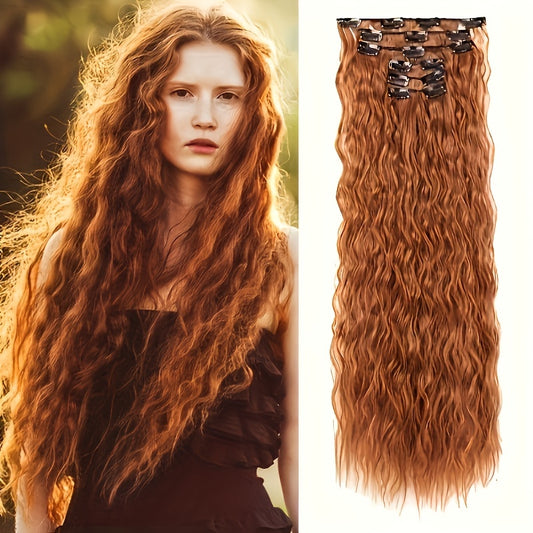
Skin tone refers to the depth of your complexion, while undertone reflects the subtle hue beneath the skin. Warm undertones pair best with copper-based or golden reds. Cool undertones need berry, wine, or blue-infused reds. Neutral undertones offer flexibility but still require the correct saturation level based on skin depth. Most red hair mistakes happen when undertone alignment is ignored.

Best Red Hair Extension Styles For Fair Skin
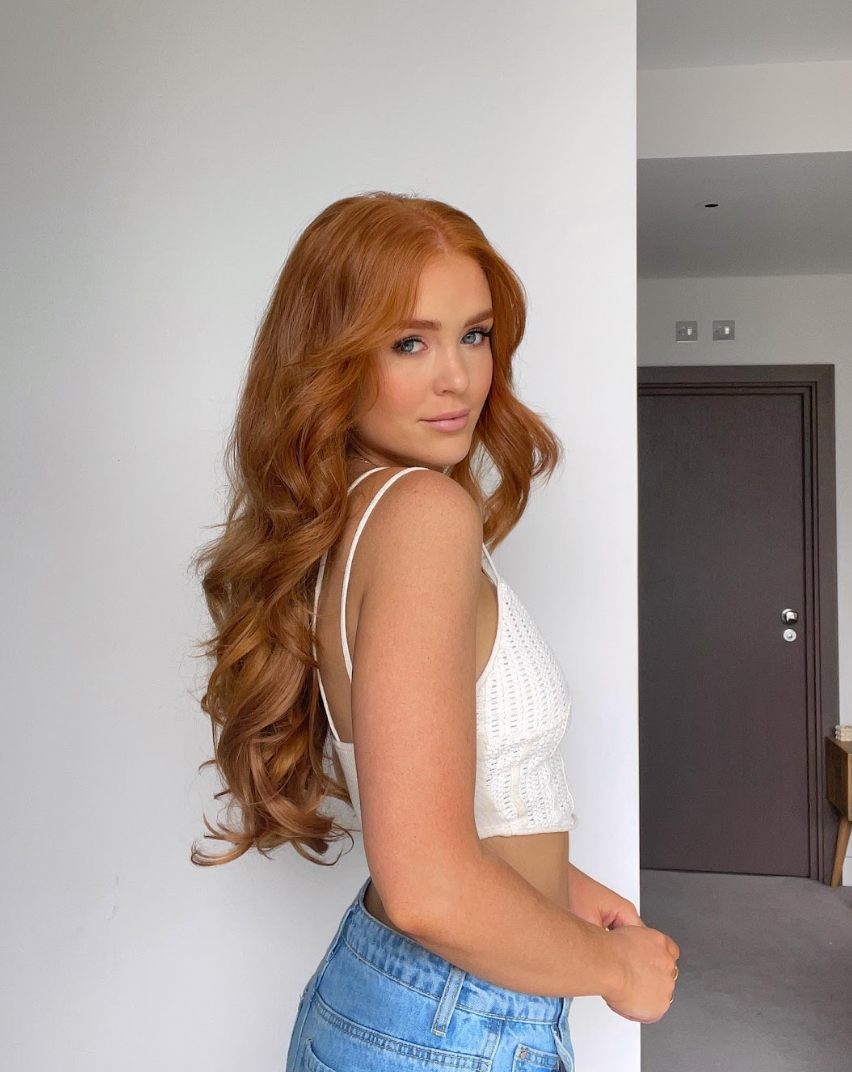
Fair skin requires balance. Reds that are too dark overwhelm delicate features, while overly bright reds appear theatrical. Strawberry red, rose copper, light auburn, and soft ginger tones are the most flattering options. Strawberry-based shades soften red pigment with blonde warmth, creating luminosity rather than harsh contrast. Women transitioning from lighter shades often succeed with Strawberry blonde hair extensions the perfect blend of red blonde, which introduce warmth without visual shock.
Best Red Hair Extension Styles For Light To Medium Skin
Light to medium skin tones allow the most versatility. Copper red, classic auburn, cinnamon red, and balanced cherry shades all perform well. Copper reflects light naturally and adds movement, while auburn delivers depth and longevity. Neutral undertones can wear cherry tones when saturation is controlled, while warm undertones shine in cinnamon and rust-based reds.


Best Red Hair Extension Styles For Olive Skin
Olive skin requires depth and restraint. Reds that lean too orange exaggerate green undertones, while overly cool reds appear flat. Burgundy, mahogany red, deep auburn, and wine-based tones create balance and richness. Burgundy red extensions photograph beautifully and maintain elegance across varied lighting. Pale copper and ginger tones should be avoided unless blended with darker lowlights.
Best Red Hair Extension Styles For Medium To Deep Skin
Medium to deep skin tones can support the boldest reds effortlessly. Cherry red, crimson, oxblood, wine red, and deep copper appear intentional and powerful. These shades enhance melanin richness and create striking contrast without overwhelming the face. Deeper reds also translate well into polished, professional styling when cut and finished correctly.
Lifestyle Based Red Hair Decisions
Red hair extensions must align with daily life. Everyday wear favors auburn, copper blends, and strawberry reds that tolerate repetition and natural light. Event or content-focused styling allows deeper saturation such as cherry or wine. Professional environments generally favor depth over brightness. Women who prefer sleek silhouettes often gravitate toward styles with the same refinement seen in Straight jet black hair sleek styles for a timeless look, translated into red hues with controlled shine.


Texture And Styling Impact On Red
Texture dramatically affects how red appears. Straight extensions display pigment clearly, making shade accuracy critical. Wavy and curly textures diffuse color, softening bold reds and increasing forgiveness. First-time red wearers often achieve better results with textured styles, while ultra-sleek finishes demand precise shade selection and premium hair quality.
What Works Vs What Does Not
What works is choosing reds with dimensional undertones, matching saturation to skin depth, and investing in premium Hair extensions that reflect light evenly. What does not work is choosing red based on trend imagery alone, ignoring undertones, or opting for ultra-bright shades for daily wear without wardrobe and makeup adjustments. Flat, single-tone reds expose extension quality flaws faster than any other color.
Common Mistakes With Red Hair Extensions
The most common mistake is undertone mismatch. Another is underestimating maintenance. Red pigment fades faster, and low-quality hair fades unevenly. Excessive washing, heat styling, and sun exposure accelerate dullness. Poor blending is also frequent. Even the correct shade fails if it is not layered or cut to integrate with natural hair. Red also shifts facial contrast, requiring makeup recalibration.
Maintenance Expectations For Bold Reds
Red extensions require disciplined care. Sulfate-free products, minimal washing, controlled heat, and proper storage are essential. High-quality extensions retain vibrancy longer and fade evenly. Women unwilling to maintain intense reds should consider softer options like strawberry blends instead of saturated cherry or crimson.

When Strawberry Reds Are The Smarter Choice
Strawberry reds occupy the most versatile space in the red spectrum. They deliver warmth and personality without overwhelming intensity. They are ideal for women transitioning from blonde or light brown and for those seeking boldness with everyday wearability. This balance explains the popularity of Strawberry blonde hair the dreamiest shade for a soft warm glow as an entry point into red tones.
Why Quality Matters More With Red
Red magnifies quality differences. Inferior hair tangles faster, loses shine, and fades unevenly. Premium Hair extensions retain pigment, reflect light naturally, and style predictably. When choosing red, quality is non-negotiable.
Final Takeaway
Red hair extensions are deliberate style investments. The right red enhances complexion, sharpens identity, and elevates presence. The wrong red distracts and frustrates. Choose based on skin tone, undertone, lifestyle, and maintenance commitment. When selected correctly, red is powerful, refined, and unforgettable.
Frequently Asked Questions
Which red hair extension shade looks most natural?
Auburn, copper blends, and strawberry reds tend to look the most natural.
Can red hair extensions suit all skin tones?
Yes, when undertone and saturation are aligned correctly.
Are red hair extensions harder to maintain?
Yes, red pigments fade faster and require gentler care.
Do red hair extensions fade faster than other colors?
Yes, especially with frequent washing and heat styling.
Can bold red hair extensions be worn daily?
Yes, deeper reds like auburn and burgundy are suitable for daily wear.
Should makeup change when wearing red hair extensions?
Often yes, as red shifts facial contrast.
Are strawberry red or strawberry blonde shades suitable for mature women?
Yes, they are flattering across all age groups.
Can red hair extensions be toned after purchase?
Minor tonal adjustments may be possible with high-quality hair.
Which texture makes bold red shades easier to wear?
Wavy and curly textures soften bold reds.
Are bold red hair extensions considered professional?
Yes, deeper reds are generally workplace-appropriate when styled neatly.


