



Tape-In Hair Extensions 101: How Long Do They Last
A Standard Support & Education Guide Featuring Remy Royale Invisible Tape-In Hair Extensions
Tape-in hair extensions have emerged as one of the most trusted semi-permanent hair extension methods due to their flat profile, natural movement, and relatively gentle installation when compared with traditional bonded or fusion systems. Understanding how long tape-in hair extensions last is essential for anyone considering them, whether you are exploring extensions for the first time or refining an existing routine. This guide explains tape-in extension lifespan in clear, practical terms while also covering the factors that influence longevity, maintenance habits that extend wear, how Remy Royale Invisible Tape-In Hair Extensions stand apart from standard options, and best practices for styling and care. By the end of this guide, you will have a realistic and confident understanding of what to expect from tape-in hair extensions over time, as well as deeper clarity around common extension-related concerns many people face before committing.
What Are Tape-In Hair Extensions And How Do They Work
Tape-in hair extensions consist of thin, flexible hair wefts with medical-grade adhesive tabs that sandwich a small section of your natural hair. These adhesive tabs sit flat against the scalp, creating a secure yet lightweight bond that moves naturally with your hair. The design allows the extensions to blend seamlessly while remaining comfortable enough for daily wear. Unlike clip-in extensions that are removed daily or fusion methods that use heat and bonding agents, tape-ins strike a balance between durability and hair safety. They are semi-permanent, meaning they stay in place for weeks at a time, but they can be removed and reapplied without aggressive chemicals or heat. This makes tape-ins a popular choice for wearers seeking long-lasting results with lower risk to natural hair health.

Why Tape-In Hair Extensions Have A Defined Lifespan
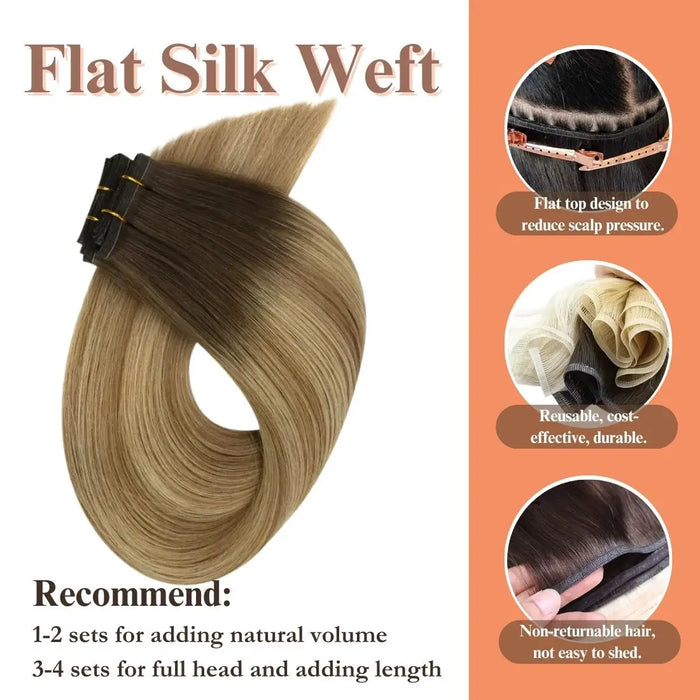
Tape-in hair extensions are not designed to remain in place indefinitely. Their lifespan is closely tied to natural hair growth. As your hair grows, the adhesive tabs gradually move down the hair shaft. Once the tapes are no longer positioned close to the scalp, the extensions may feel loose, appear visible, or lose their seamless finish. On average, tape-in hair extensions last between six and eight weeks per application. This timeframe can vary based on how quickly your hair grows, how active your lifestyle is, how often you wash your hair, and how carefully you maintain the adhesive area. Understanding this growth-based limitation helps set realistic expectations and prevents unnecessary stress on both the extensions and your natural hair.
Remy Royale Invisible Tape-In Hair Extensions As A Premium Choice
High-quality hair plays a major role in how well tape-in extensions perform throughout their wear cycle. Remy Royale Invisible Tape-In Hair Extensions made from 100% human hair with a lightweight, discreet design are crafted to blend naturally while offering durability and flexibility. Remy hair retains its cuticle alignment, which reduces tangling, increases shine, and allows the hair to withstand repeated styling. Premium tape-ins do not extend the six-to-eight-week placement window, but they significantly improve how the hair looks and feels during that time. High-grade hair resists matting, maintains smoothness, and remains reusable across multiple reapplications, making it a more cost-effective and reliable option in the long term.


Installation Quality And Its Impact On Longevity
Proper installation is one of the most important factors influencing how long tape-in hair extensions last. The natural hair must be clean, dry, and free of oils or heavy conditioners at the roots to allow the adhesive to bond securely. Each section should be evenly distributed so the tape can grip without slipping or pulling. Placement must be close enough to the scalp for a natural look but not so close that it causes discomfort or restricts movement. Stylists typically install tape-ins in horizontal rows to ensure balance and proper blending. For a deeper understanding of correct placement and preparation, everything you need to know about tape-in hair extensions for proper installation and blending offers valuable foundational insight.


Hair Growth And Reapplication Cycles
Human hair grows at an average rate of about half an inch per month. As this growth occurs, tape-in extensions naturally shift downward. Once the adhesive tabs move too far from the scalp, the extensions may feel heavier, appear uneven, or lose their discreet finish. Reapplication restores the extensions to their ideal position. This process involves removing the tape-ins, cleaning the adhesive residue, applying fresh tape, and reinstalling the extensions closer to the roots. Most wearers find that reapplication every six to eight weeks keeps the extensions comfortable, secure, and visually seamless.
Maintenance Habits That Extend Tape-In Wear
While the placement window is fixed, proper maintenance can help tape-ins remain secure and polished for the full duration of each cycle. Washing hair every two to three days minimizes water exposure that can weaken adhesive bonds. Using sulfate-free shampoos helps protect both the hair fibers and the adhesive. Conditioner should be applied only from mid-lengths to ends, avoiding the root area entirely. Detangling should always start at the ends and work upward using a wide-tooth comb or extension-friendly brush. Sleeping with hair loosely braided or tied back reduces friction and prevents unnecessary tension near the tape area.
Thin Hair And Hair Extensions
People with thin hair are often cautious about extensions due to concerns about visibility, weight, and potential damage. Tape-in hair extensions are widely considered one of the safest and most suitable options for thin hair because of their flat, lightweight construction. Unlike bulky attachment systems, tape-ins distribute weight across a wider section of hair, reducing stress on individual strands. This helps prevent breakage and discomfort while still delivering noticeable volume and length. When placed strategically, tape-ins can enhance fullness in low-density areas without making the hair look heavy or artificial, which is a common concern for those with finer textures.
Best Extensions For Fine Hair
When evaluating the best extensions for fine hair, the priority should always be minimal tension, discreet attachment, and high-quality hair. Tape-in extensions consistently rank among the best choices because they lie flat against the scalp and blend seamlessly into finer strands. High-grade Remy human hair further improves results by maintaining smooth cuticles and reducing tangling, which is especially important for delicate hair types. Fine hair benefits from extensions that require fewer pieces while still achieving coverage, and tape-ins meet this requirement without overwhelming the natural hair.
How Do You Put In Hair Extensions
The process of installing tape-in hair extensions is methodical and precise. After the hair is washed and fully dried, the stylist creates clean horizontal sections starting at the nape. A thin slice of natural hair is placed between two adhesive wefts, forming a secure sandwich. This method ensures even weight distribution and a flat finish. The process is repeated row by row, with careful attention to spacing and symmetry. Proper installation is essential not only for comfort but also for longevity, as poorly placed tape-ins are more likely to slip or become visible prematurely.
Can You Wash Extensions
One of the most common concerns new wearers have is whether extensions can be washed like natural hair. Tape-in hair extensions can absolutely be washed, but technique matters. Washing too frequently or applying conditioner directly at the roots can weaken the adhesive. The best approach is to cleanse the scalp gently while keeping heavy products away from the tape area. Allowing the hair to air-dry partially before blow-drying and avoiding aggressive scrubbing helps preserve both the extensions and the adhesive bond. With proper washing habits, tape-ins maintain their appearance and comfort throughout the wear cycle.
Should I Get Hair Extensions
Deciding whether to get hair extensions depends on your goals, lifestyle, and willingness to maintain them properly. Hair extensions are ideal for individuals seeking added volume, length, or styling versatility without waiting for natural growth. Tape-in extensions, in particular, suit people who want a semi-permanent solution that feels natural and does not require daily removal. If you are comfortable with regular maintenance appointments every six to eight weeks and mindful care routines, tape-ins can be a rewarding investment that enhances confidence and styling freedom.
Comparing Tape-Ins With Other Hair Extension Methods
Tape-in hair extensions are often compared to methods such as nano-rings, fusion bonds, or clip-ins. Tape-ins offer a flatter and more discreet attachment than many strand-based systems while requiring less daily handling than clip-ins. Their balance of comfort and durability makes them suitable for consistent wear without the commitment of permanent bonding. A detailed comparison of attachment systems can be found in nano-ring vs tape-in hair extensions pros and cons explained in detail, which outlines how each method performs in terms of longevity, maintenance, and styling flexibility.
Why Tape-Ins Are Considered Low-Maintenance
Tape-in extensions have gained popularity because they align with modern beauty preferences for low-maintenance yet polished solutions. Once installed, they require minimal daily adjustment and allow for a wide range of styling options without repeated removal. This balance of consistency and flexibility is explored further in tape-ins as the low-maintenance hair extension trend reshaping modern beauty routines, which highlights why tape-ins continue to grow in demand across different lifestyles.
Styling And Blending With Tape-In Extensions
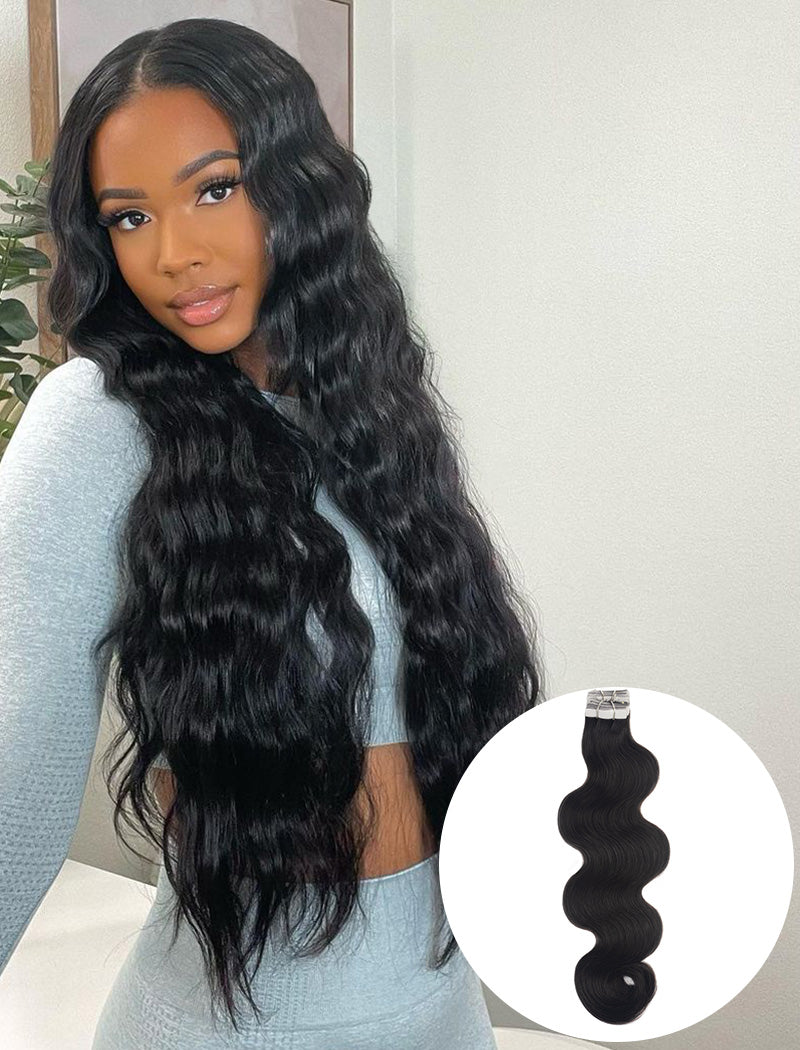
Once installed, tape-in extensions can be styled much like natural hair. Their flat profile allows them to blend well with sleek looks, soft waves, and layered styles. Longer lengths also benefit from tape-ins, as the attachment remains discreet even when hair is worn down or lightly styled. For inspiration on longer styles, 22-inch tape-in hair extensions for luxurious length and statement styling demonstrates how tape-ins maintain balance and movement at extended lengths. Always use heat protectant and avoid excessive tension near the roots to preserve adhesive strength.

Signs It Is Time To Reapply Tape-In Extensions
Common indicators that tape-ins need repositioning include visible tape tabs near the crown or temples, unusual looseness at the roots, discomfort during brushing, or a noticeable change in how the extensions move. Addressing these signs promptly prevents unnecessary stress on natural hair and maintains a refined appearance.
Comprehensive FAQ About Tape-In Hair Extensions
How long do tape-in hair extensions last per application? Tape-in hair extensions typically last six to eight weeks per application before they need to be repositioned due to natural hair growth.
Can tape-in hair extensions be reused? Yes, high-quality tape-in hair can be reused multiple times, provided the adhesive tabs are replaced during each reapplication.
Do premium tape-in extensions last longer than standard ones? Premium hair does not extend the placement window, but it maintains better texture, shine, and durability throughout each wear cycle.
What shortens the lifespan of tape-in extensions? Frequent washing, heavy oils near the roots, poor installation, and delayed maintenance can shorten how long tape-ins remain secure.
Are tape-in extensions damaging to natural hair? When installed and maintained correctly, tape-ins are considered low-damage because they distribute weight evenly and avoid heat or chemical bonding.
How often should tape-in extensions be checked by a stylist? Most stylists recommend evaluating tape-ins around the six-week mark to determine whether repositioning is needed.
Conclusion: Understanding Tape-In Longevity And Care
Tape-in hair extensions provide a reliable semi-permanent solution that balances natural appearance, comfort, and manageable upkeep. With an average lifespan of six to eight weeks per application and the ability to reuse high-quality hair across multiple cycles, tape-ins offer both flexibility and long-term value. Choosing options such as premium Remy Royale Invisible Tape-In Hair Extensions for natural movement and durability and exploring a complete collection of high-quality hair extensions for every texture and lifestyle ensures a refined and confident experience. By understanding how long tape-ins last and how to care for them properly, you can enjoy consistent, polished results without compromising hair health.


