



Nano Bead Hair Extensions: A Beginner’s Guide
Everything You Need To Know Before Choosing Nano Beads For Natural, Long-Wear Hair
Nano bead hair extensions are often recommended to beginners who want natural-looking, long-lasting hair without glue, tape, or heat. They are known for their tiny attachment size, lightweight feel, and discreet appearance—making them one of the most subtle strand-by-strand extension methods available today.
However, “small” does not automatically mean “simple.” Nano bead extensions can look virtually invisible when installed and maintained correctly, but they can also become uncomfortable or noticeable when bead size, placement, density planning, or aftercare are overlooked. This guide explains nano bead extensions from a true beginner’s perspective—what they are, how they differ from similar methods, who they suit best, how to care for them, and how to avoid the most common mistakes.

What Nano Bead Hair Extensions Actually Are
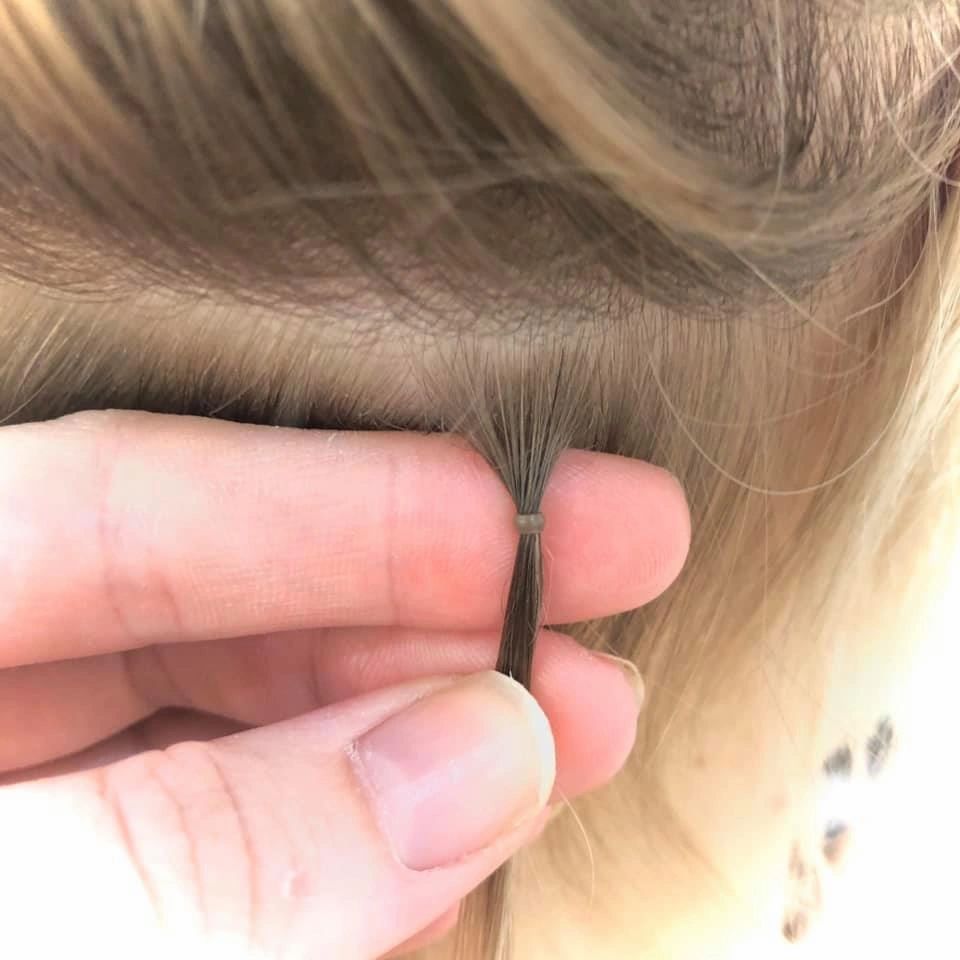
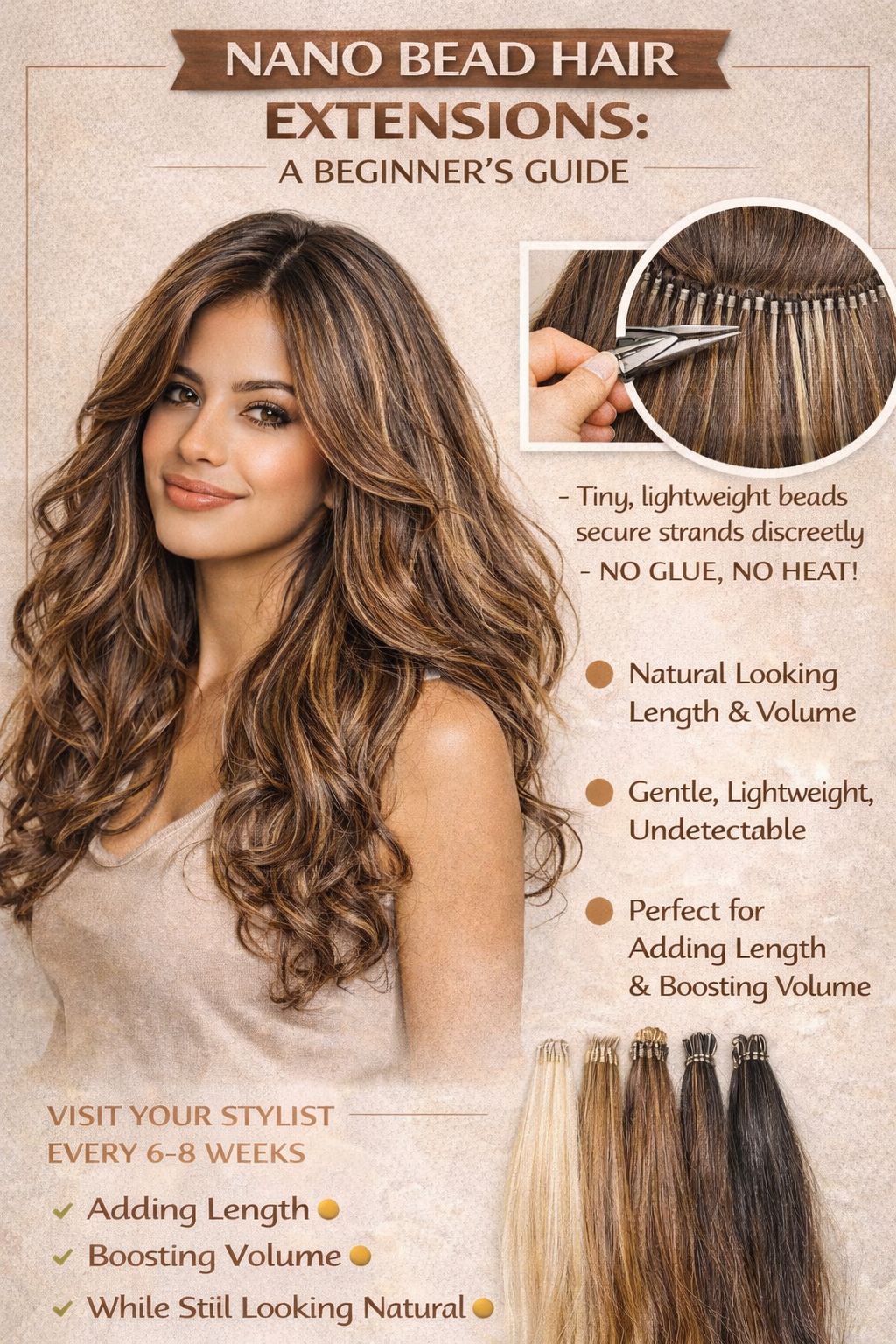
Nano bead hair extensions are individual strands of extension hair attached to your natural hair using ultra-small metal beads. These beads are significantly smaller than traditional micro rings, which allows them to sit closer to the scalp and remain more discreet—especially on fine or low-density hair.
During installation, a tiny section of your natural hair and the extension strand are placed inside the bead. The bead is then clamped closed using professional extension pliers. No glue, tape, or heat is involved, which is why nano beads are often chosen by people seeking a gentler, reusable extension method.
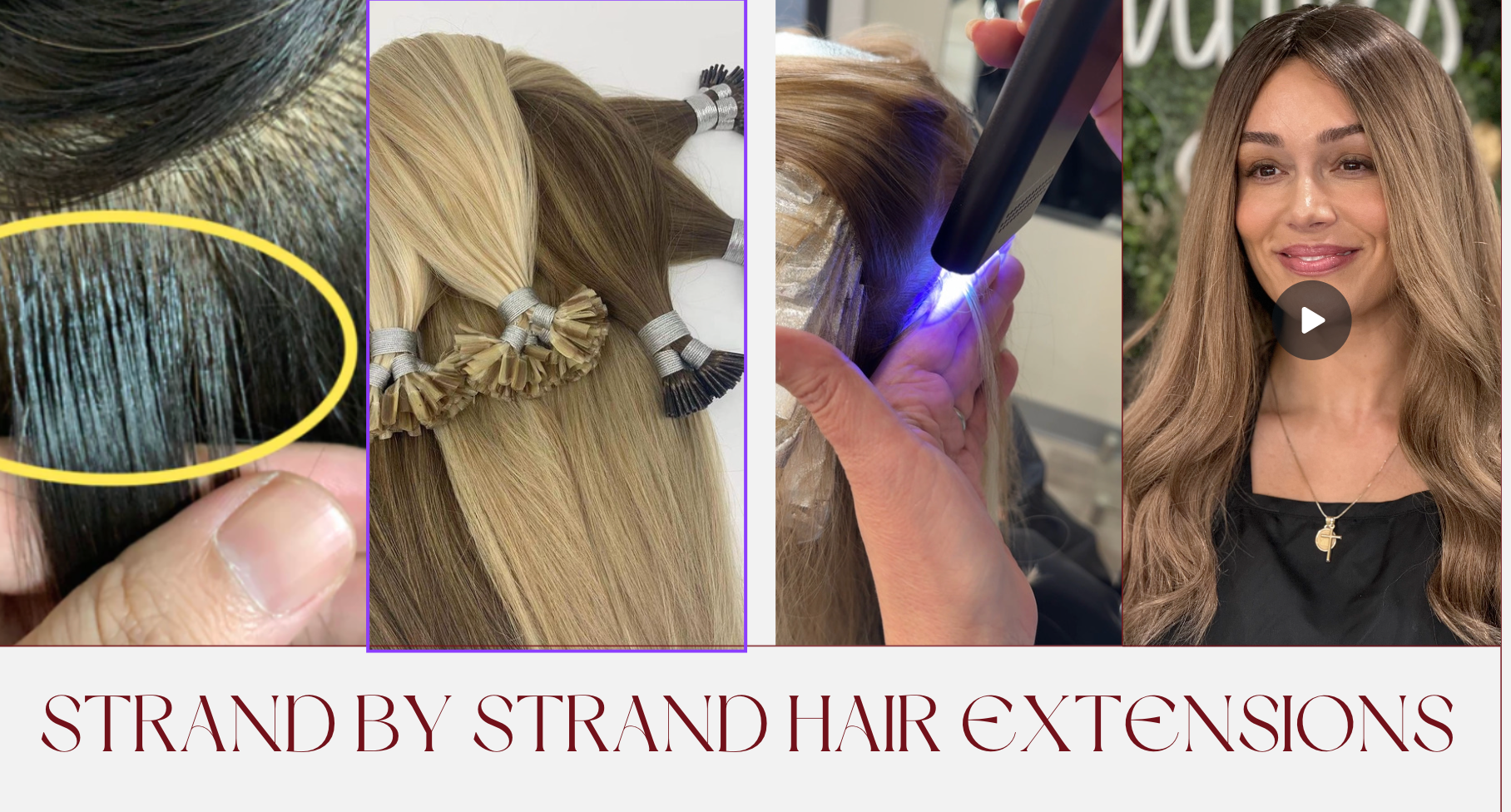
Nano bead extensions belong to the same strand-by-strand family as I-tips and microlinks. If you want to compare strand formats before choosing, browsing i-tip hair extensions helps clarify how strand shape and bead size work together.
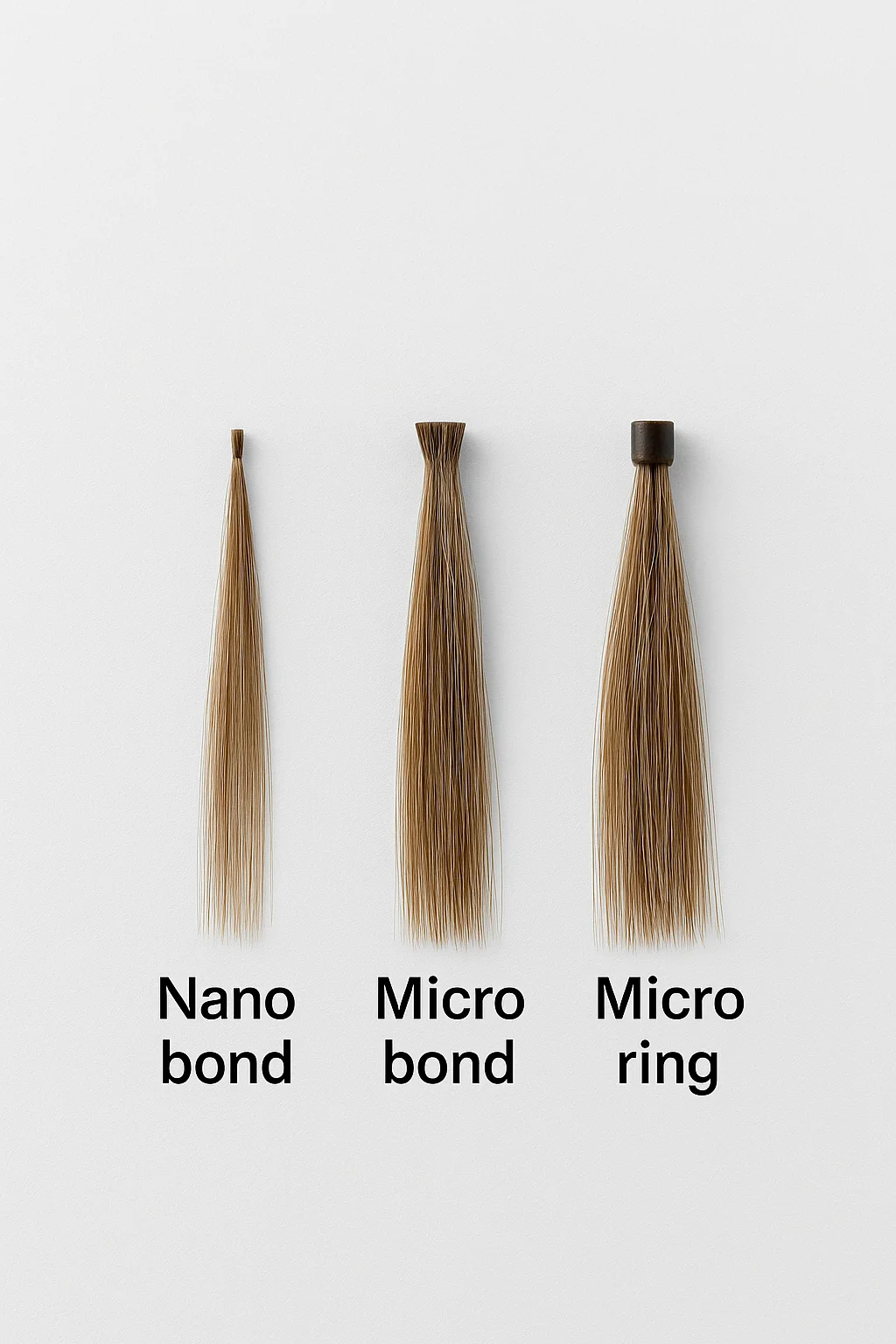
Nano Beads Vs Micro Rings: Why Size Matters
The defining difference between nano beads and micro rings is attachment size. Nano beads are smaller, lighter, and less visible—making them especially suitable for fine hair or people who wear sleek styles.
Micro rings, while still bead-based, are larger and may feel more secure on medium-to-thick hair. They can be easier to handle during installation and maintenance, but they are more likely to be felt or seen in high-visibility areas.
If you’re deciding based on hair safety and technique, how to fit nano tip hair extensions without damaging your hair provides essential insight into bead pressure, spacing, and section control.

Nano Beads Vs I-Tips And Microlinks
Nano Beads vs I-Tips
“I-tip” refers to the straight tip shape of the extension strand. Nano bead systems often use I-tip hair but with much smaller beads. In practice, nano bead installs are defined by bead size rather than strand type. If you want a full breakdown of strand-based options, what are I-tip hair extensions and should you try them is a useful comparison.
Nano Beads vs Microlinks
Microlinks are also bead-secured and strand-based, but blending strategy becomes more critical due to slightly larger attachment points. If your priority is invisible integration in motion and real life, achieving seamless integration blending microlink extensions with natural hair applies directly to nano beads as well.

Who Nano Bead Hair Extensions Are Best For
Nano bead extensions are often a strong choice for beginners—but only when expectations are realistic.
They work best for people who:
-
Have fine to medium hair
-
Want the smallest possible attachment
-
Prefer no glue, tape, or heat
-
Are willing to brush consistently and maintain move-ups
-
Wear hair down, half-up, or in soft styles
They may not be ideal if you:
-
Have extremely fragile hair
-
Wear tight slicked ponytails daily
-
Can’t commit to regular maintenance
-
Use heavy oils near the scalp
For a balanced reality check, nano bead hair extensions pros and cons explained helps clarify trade-offs honestly.
Installation Basics: What Beginners Should Expect
A nano bead installation relies on precision rather than speed.
Clean Mapping
Hair is sectioned into neat rows, usually starting at the nape. Mapping protects fragile areas and distributes weight evenly.
Correct Section Size
The natural hair section must match the extension strand thickness. Mismatched sections cause tension or slipping.
Clamping With Control
The bead is clamped firmly but not crushed. Over-clamping weakens hair; under-clamping causes rotation and slippage.
Nano beads should sit slightly away from the scalp, allowing natural movement and reducing soreness.
What Nano Beads Feel Like In The First Week
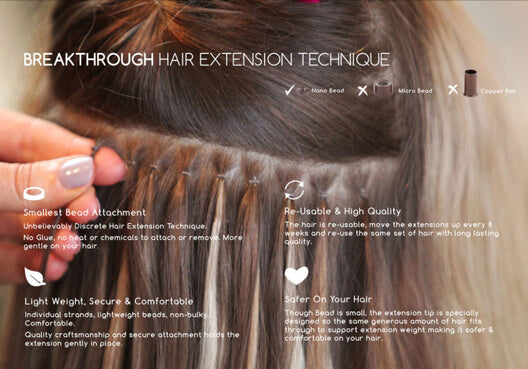
Most beginners notice the beads initially. This awareness usually fades within days as the scalp adjusts. Mild tightness is normal; sharp pain, constant pulling, or pinching is not.
Comfort should improve daily. If it doesn’t, adjustments should be made early to prevent stress on natural hair.
Maintenance And Aftercare For Nano Beads
Nano beads reward consistency.
Brushing
Brush morning and night. Start at the ends, support the root area, and separate knots gently with fingers first.
Washing
Shampoo the scalp gently. Let suds rinse through lengths. Condition mid-lengths to ends only—avoid bead areas.
Drying
The bead zone should never stay damp. Dry attachments thoroughly before air-drying lengths.
Night Care
Sleep with hair in a loose braid or low ponytail on silk or satin to reduce friction.

Styling With Nano Bead Extensions
Nano beads allow flexible styling, but placement determines what styles feel safest.
Beginner-friendly styles include:
-
Soft blowouts with gentle bends
-
Loose waves for seamless blending
-
Half-up styles with face framing
-
Low ponytails with relaxed tension
Ultra-slick styles require careful placement planning to avoid bead exposure.
To explore extension options and styles holistically, browsing hair extensions collections can help you compare methods visually.
Frequently Asked Questions About Nano Bead Hair Extensions
What makes nano bead extensions different from other bead methods?
Their ultra-small attachment size makes them more discreet and lightweight, especially for fine hair.
Are nano beads good for beginners?
Yes, when installed correctly and maintained consistently, they are beginner-friendly and natural-looking.
Do nano bead extensions damage hair?
When section size, clamping pressure, and maintenance are correct, nano beads are considered low-tension.
How often do nano beads need move-ups?
Typically every six to eight weeks, depending on hair growth and routine.
Can you wear ponytails with nano beads?
Yes, if placement is planned to keep beads out of high-tension zones.
Why do nano beads tangle near the root?
Natural shedding combined with delayed brushing or overdue maintenance.
Are nano beads better than tape-ins?
They offer more flexible placement and no adhesive, but require more disciplined care.
Is a haircut needed after installation?
Yes. A blending cut is essential to remove visible transition lines.
Final Takeaway
Nano bead hair extensions are not a shortcut—they are a precision system. When hair selection, bead size, placement strategy, blending cuts, and aftercare routines align, nano beads deliver one of the most discreet and natural strand-by-strand results available. For beginners willing to maintain them properly, they offer long-wear hair that looks and moves like it grew that way.