Achieving Seamless Integration: Blending Microlink Extensions with Natural Hair

Achieving Seamless Integration: Blending Microlink Extensions with Natural Hair

Achieving Seamless Integration: Blending Microlink Extensions With Natural Hair

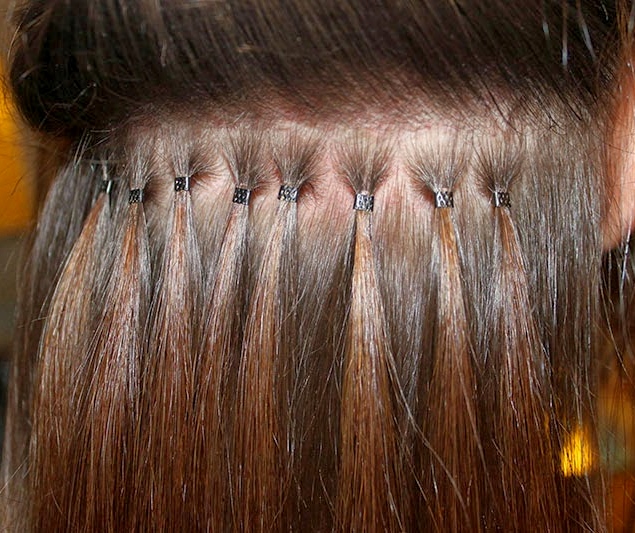
Microlink extensions can be the closest thing to “this is my real hair, just more of it”—but only when blending is treated like a full system, not a last-step styling trick. Microlinks (often called micro ring or micro bead extensions) are installed strand by strand, using tiny beads that secure extension hair to small sections of your natural hair. Because there’s no tape panel, no glue, and no bulky track, the hair can move freely, part naturally, and fall with a softness that feels lived-in rather than “done.”

That freedom is exactly why microlinks can look so believable—and why they can also look obvious when the details are off. A slight undertone mismatch, too much density at the ends, beads placed where your hair naturally splits, or a haircut that doesn’t connect lengths will show quickly. This is why long-tail searches like “how to blend microlink extensions with natural hair,” “how to hide micro ring beads in a ponytail,” and “why do microlink extensions look separate in daylight” are so common. The hair itself may be gorgeous, but the integration isn’t complete yet.

This guide breaks the blend into practical, repeatable steps: matching black microlink shades correctly (where undertone and shine differences show fast), mapping placement around your real part and ponytail habits, shaping the hair so there’s no visible boundary line, and maintaining a seamless finish as your natural hair grows. And because microlinks sit in a bigger “strand-by-strand” family tree, you’ll see helpful education links naturally dispersed throughout—so if you’re comparing nano tips, nano beads, micro rings, or I-tips, you’ll know what changes and what stays consistent in the pursuit of truly seamless hair.

What “seamless” actually means in real life

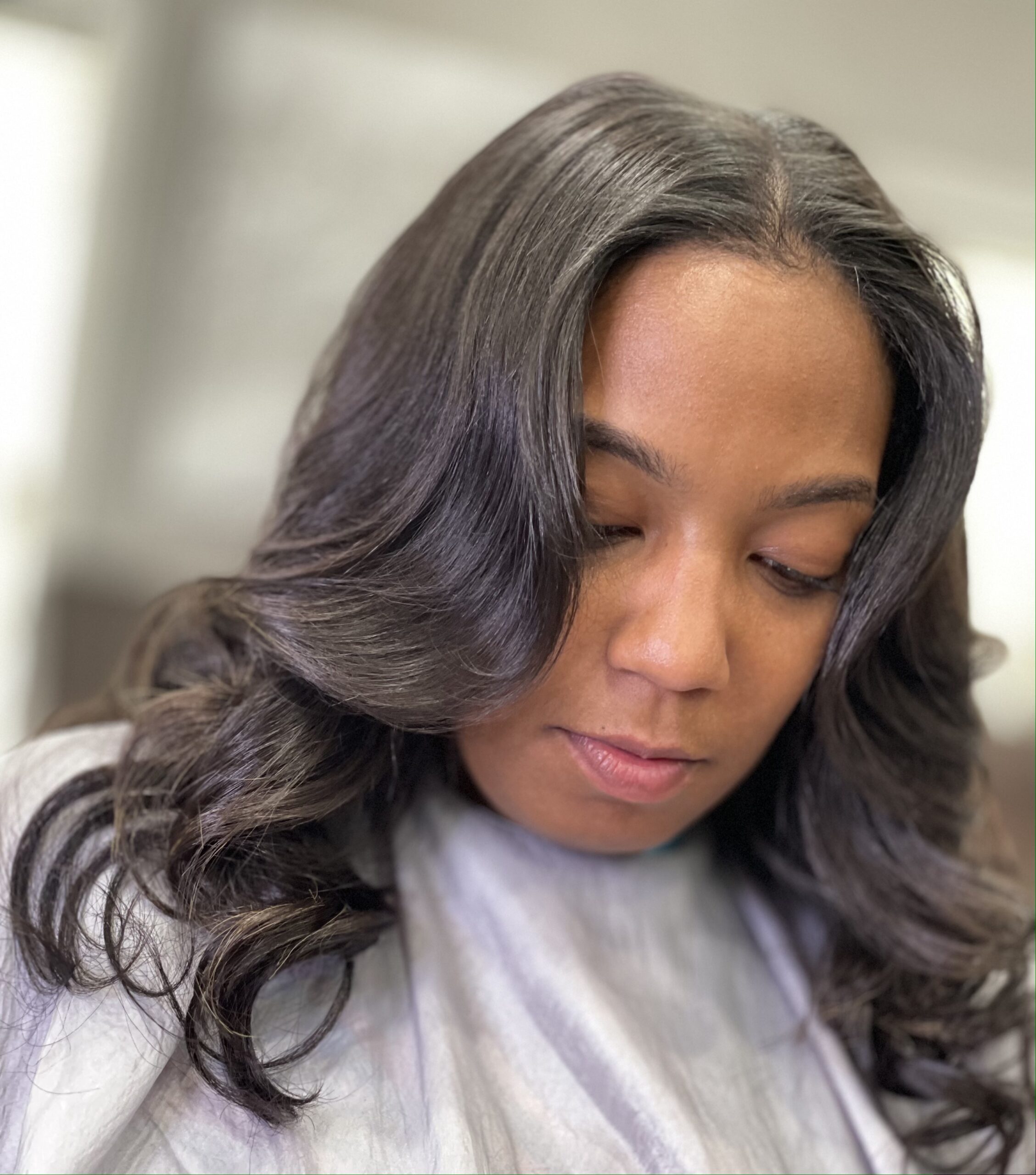
Seamless integration isn’t a photo moment. It’s stability. It means the hair looks continuous in motion and under different lighting. A seamless microlink blend passes three tests:
It has no obvious transition point between your natural hair and extension hair.
It behaves as one unit—similar movement, softness, and texture response.
The attachments remain discreet when your hair separates naturally, not only when it’s perfectly placed.

If you want the blend to survive real life, you need to plan for the styles you wear most. If you love a crisp middle part, the install must protect that part. If you do ponytails frequently, the sides and crown must be mapped conservatively. If you avoid daily heat, texture and hair selection become more important than any single styling trick.

This is also a good moment to look beyond microlinks if your hair is very fine or you want even smaller attachments. Before committing to any tiny-attachment method, the guide on how to fit nano tip hair extensions without damaging your hair is an excellent reference because it frames technique and protection as the priority, not speed or trend: https://www.fabulive.com/blogs/news/how-to-fit-nano-tip-hair-extensions-without-damaging-your-hair

Micro rings vs nano rings: why attachment size affects blending and comfort

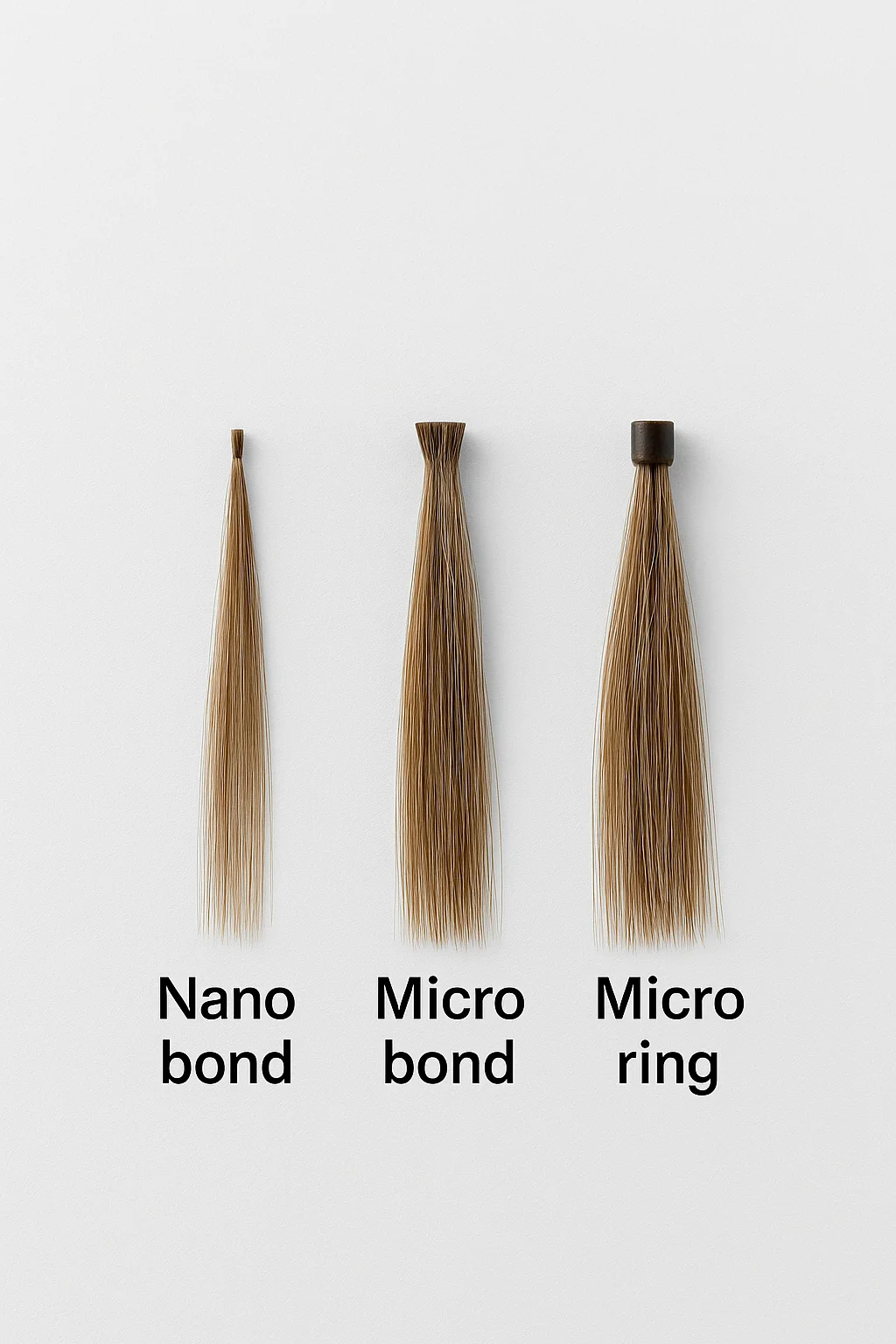
A common long-tail question is “micro ring vs nano ring extensions for fine hair,” and it’s asked for a reason: attachment size can change visibility, comfort, and how confidently you can wear sleek styles. Nano rings are smaller than micro rings, so they’re often chosen for minimal detectability, especially around the sides and hairline where your natural hair may be finer. Micro rings can feel sturdier on medium-to-thick strands and are often used to build fuller density with reliable hold.

The smartest decision framework is practical, not emotional: choose the attachment size that stays hidden in the styles you actually wear, while keeping tension gentle and weight distribution safe for your natural hair. If you’re new to bead-based installs and want a clear beginner-friendly explanation of what smaller bead installs feel like, how they’re maintained, and what to expect during growth-out, read the nano bead hair extensions beginner’s guide here: https://www.fabulive.com/blogs/news/nano-bead-hair-extensions-a-beginner-s-guide

That beginner’s lens helps you understand whether you want the “tiny attachment” experience—because smaller beads can be more discreet, but they can also require more precision in installation and maintenance to keep everything tidy.

The five pillars that make microlinks look natural

If you want microlinks that read as your hair—just longer, thicker, and more polished—build the blend around five pillars:

Shade and undertone match: black is not one black.
Texture behavior match: how hair holds a bend, waves, frizz, and clumping matters.
Density match: the silhouette must look believable from mid-length to ends.
Placement strategy: beads must sit where your hair naturally covers them.
Haircut connection: the cut must dissolve the boundary between lengths.

When people struggle with blending, they often focus on pillar one (color) and ignore pillars three and five (density and haircut). The most natural results come from balance, not extremes.

Pre-install planning: the baseline that prevents regret

Most blending problems begin before installation day. People choose a dramatic length jump that their density can’t support, buy hair based on indoor lighting only, or skip the haircut plan entirely. Before you book or buy, get clear on your baseline:
Strand thickness: fine, medium, coarse.
Overall density: thin, medium, thick.
Texture pattern: straight, wavy, curly, coily, mixed.
Porosity and frizz tendency: how your hair behaves in humidity.
Routine: middle part, side part, ponytails, gym hair, heat frequency.

If your goal is a seamless blend with minimal stress on natural hair, comparing method options is part of good planning. Some people decide microlinks are perfect, while others realize they prefer a different strand-based option once they understand maintenance and wear experience. If you’re deciding between bead-based systems and keratin-free strand alternatives, it helps to understand I-tip extensions clearly. This guide explains what I-tip hair extensions are and whether you should try them based on hair type and lifestyle: https://www.fabulive.com/blogs/news/what-are-i-tip-hair-extensions-should-you-try-them

That I-tip context is useful because it reminds you: seamless integration isn’t tied to one method. It’s tied to the method that fits your routine and hair strength best.

Matching black microlinks: undertone is the real color match

Black blends can look stunning—and they can also look “separate” fastest, because the silhouette and shine are so visible. Two blacks can match indoors and diverge in sunlight. That’s why undertone matching should happen in daylight.

How to match undertone for natural black hair:
Compare against roots and mid-lengths.
Check in daylight, not only warm indoor lighting.
If your hair reflects warmth in sunlight, avoid overly cool inky black unless you’ll unify with a gloss.
If your hair is cool-toned, avoid warm black that reads brown near the root area.
If your hair is dyed black, consider subtle dimension to avoid a flat “painted” look.

If you’re shopping within a deep shade family to reduce guesswork, start with black micro ring hair extensions here: https://www.fabulive.com/collections/black-micro-ring-hair-extensions

Texture blending: stop fighting your hair every morning

If you’ve ever searched “microlink extensions don’t blend with my natural texture,” you’re usually dealing with texture behavior mismatch—not just straight vs wavy. Texture behavior includes how hair holds a wave, how it frizzes, and how it clumps into sections.

If your natural hair is wavy and you’re low-maintenance, choose hair that naturally holds a wave so you’re not forced into daily heat styling. If your natural hair has body and a soft frizz halo, ultra-silky hair can look “too perfect” unless you style both hair types into a shared finish.

This is also where many people consider smaller attachments for a more discreet feel. Before deciding, it helps to read a balanced pros-and-cons breakdown rather than marketing claims. This guide on nano bead hair extensions pros and cons explains what’s genuinely great about nano beads and where they may be less ideal depending on your routine: https://www.fabulive.com/blogs/news/what-are-nano-bead-hair-extensions-pros-cons-explained

That pros/cons lens is valuable because it keeps you honest: invisibility is wonderful, but not if your routine can’t support the maintenance.

Density: the silent reason microlinks look obvious

If your color matches but the hair still looks like “extensions,” density is often the cause. The classic giveaway is thick blunt ends attached to naturally fine ends, creating an “extension curtain.” On black hair, the outline is clear, so thickness changes are easy to spot.

To keep density believable:
Match extension density to your natural density at mid-length and ends—not only to your dream result.
If you want dramatic volume, build it gradually over time rather than in one extreme jump.
Use a haircut plan that creates a natural taper or soft finish, unless your natural density truly supports blunt ends.

Most believable transformations focus on one main change: length with moderate volume, or volume with moderate length. Extreme length plus extreme volume is possible, but it becomes more styling-dependent and often more maintenance-heavy.

Placement strategy: hiding beads in real movement, not just in stillness

“How to hide microlink beads” is mostly a placement map question. Your head has high-visibility zones: sides near the ears, the front hairline, and the crown/top where hair naturally separates. Safer zones include the mid-back and lower layers where the top veil naturally covers attachments.

A seamless strategy usually builds most density in safer zones first, then adds strands near trickier zones only when your natural hair can cover them. If you wear a sharp middle part daily, the install must protect that part. If you do ponytails often, placement around the sides and upper zones must be conservative so beads don’t flash.

If you’re still exploring which extension categories fit your lifestyle, shop hair extensions here to compare methods and maintenance styles: https://www.fabulive.com/collections/hair-extensions

Installation quality markers that affect blending and comfort

Even perfect hair won’t blend if installation basics are rushed. Seamless installs usually involve:
Clean sectioning and consistent section sizes.
Balanced distribution so weight feels natural.
Gentle, consistent tension to avoid stress.
Attachment alignment that reduces bead rotation.

After installation, do a movement audit: shift your head, lift hair lightly near the crown, tuck behind both ears, test your everyday part, and do a low ponytail. Seamlessness must hold up in motion.

The haircut connection: where the blend becomes invisible

The post-install cut is where microlinks disappear. Without a connection cut, you often see a shelf line where natural hair ends and extensions begin. A blend-focused cut should create a gradual transition, soften boundaries, and shape the hair as one unit.

If you wear sleek straight hair, this step is non-negotiable because straight hair shows every line. If you wear waves, the cut has more forgiveness because texture disguises transitions. Blunt ends can still work—but only if your density supports that silhouette. Otherwise, soft tapering looks more realistic.

Styling patterns that make microlinks look like they grew there

A highly searched long-tail question is “how to style microlink extensions to blend with natural hair.” The answer is consistency. Style both hair types into one shared pattern:

For straight/blowout looks: soft straight with a gentle bend at the ends often looks more natural than ultra-glass straight. Keep root products light to protect grip and coverage.
For waves: waves are a blending cheat code because they blur density transitions and break up shine differences. Start the wave above the transition zone.
For curly/coily blends: unify curl size and definition using set styles (twist-outs, flexi rods), then maintain hydration so natural hair doesn’t become a frizzy contrast.

If you want a lower-effort routine, choose one signature finish and repeat it. Seamless hair is easier when your styling pattern is stable.

Washing routine: clean roots, soft lengths, stable attachments

A clean scalp supports a better blend. Buildup can cause itch and slippage conditions. But harsh washing can dry hair and create texture mismatch.

A microlink-friendly wash routine:
Detangle before washing so shed hairs don’t knot around beads.
Shampoo the scalp and let suds rinse through lengths.
Condition from mid-length to ends; keep heavy conditioner away from bead areas.
Rinse thoroughly and dry bead areas fully to reduce root-area tangling.

If you’re troubleshooting slipping, start by auditing product placement. Heavy oils and masks too close to attachments can reduce grip. Then confirm clamping consistency at your next maintenance visit.

Detangling and nighttime protection: the daily habits that keep blending effortless

Microlinks can tangle near beads because shed hairs can get caught around attachment points. This is normal shedding, but it becomes a problem when brushing is inconsistent or aggressive. Brush gently from ends upward, support hair near the root, and separate knots with fingers first. Brush before bed. Protect hair overnight with a loose braid or low ponytail and a silk or satin surface to reduce friction-based frizz that can make natural hair look different from extension hair.

Maintenance timing: keeping the blend seamless as hair grows

As your natural hair grows, beads move farther from the scalp. That shift changes how hair sits and can increase tangling near the root area. Signs you may need a move-up: increased root tangling, beads rotating into visible positions, heavier feel in sections, and a grown-out look that disrupts your part line.

Staying ahead of maintenance keeps the blend stable and reduces the need for aggressive detangling.

Final takeaway: seamless microlink integration is a repeatable system

Microlinks blend best when you stop treating blending as “styling” and start treating it as a five-part system: undertone match, texture behavior match, density calibration, placement mapping for your real habits, and a post-install connection cut. Once those are right, maintenance becomes simpler: clean scalp, careful product placement, gentle consistent detangling, nighttime protection, and move-ups before growth-out becomes tangly and visible.

That’s how microlinks stop looking like an add-on and start looking like your hair—just elevated.

Back to blog

Leave a comment

Please note, comments need to be approved before they are published.

Other Blogs

Naturally Chic: The Rise of Upcycled Style, Soothing Neutrals, and Flowing Forms

Inside the Vision: Margarita Bravo’s Masterclass in Modern Home Renovation

Winter-Proof Your Entryway: Smart, Stylish Solutions to Beat the Chill